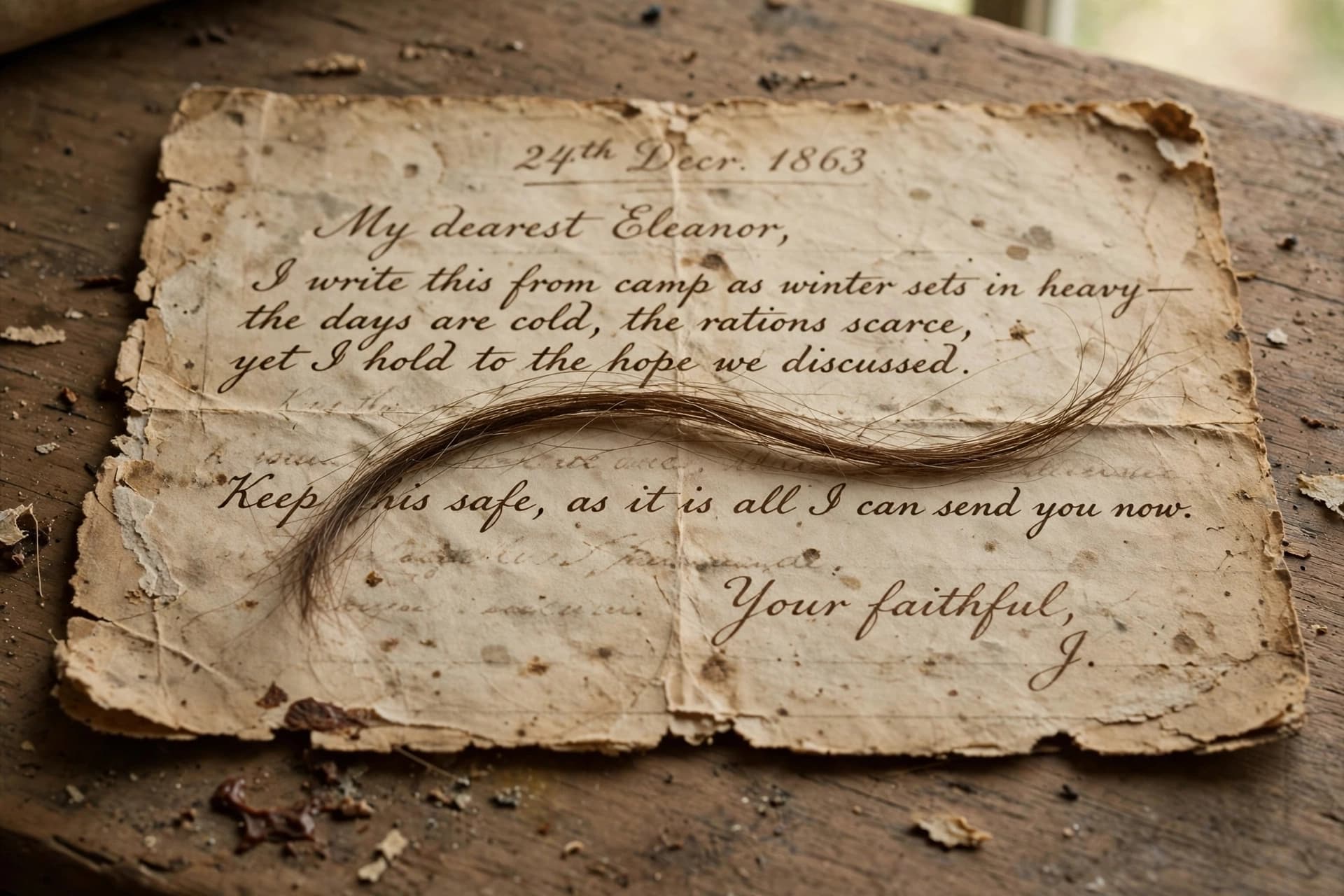
History is often written in ink, but sometimes it is whispered in the strands of hair. For two centuries, the relationship between Thomas Jefferson and Sally Hemings has been a subject of intense debate, oscillating between rumor and historical consensus. Now, advanced DNA analysis has provided a tangible link, confirming what many scholars have long suspected. This breakthrough does more than settle a historical argument; it humanizes the figures involved, reminding us that the past is populated by complex individuals whose lives were intertwined in ways that official records often obscured.
The study utilized genetic material preserved from Jefferson’s hair, comparing it with DNA from descendants of Sally Hemings’ children. The results showed a match that strongly supports the conclusion that Jefferson fathered at least some of Hemings’ children. This scientific validation adds a layer of certainty to historical narratives that have evolved over time. It transforms speculation into evidence, allowing historians to reconstruct the past with greater accuracy and nuance.
For descendants of both families, this confirmation is emotionally significant. It validates oral histories and family stories that have been passed down through generations, often in the face of skepticism or denial. For the Hemings lineage, it acknowledges their connection to one of America’s founding fathers, a link that was historically minimized or ignored. It is a moment of recognition that bridges the gap between marginalized histories and the mainstream narrative.
The technological advancements that made this possible highlight the growing role of science in historical inquiry. Genetic genealogy has become a powerful tool for uncovering hidden truths, challenging established accounts, and giving voice to those who were previously silent. This case demonstrates how interdisciplinary approaches can enrich our understanding of the past, blending archival research with biological data.
However, the discovery also invites reflection on the power dynamics of the era. Jefferson was a man who wrote of liberty while holding people in bondage. The relationship with Hemings, who was enslaved, raises profound questions about consent, agency, and the moral contradictions of the founding period. Acknowledging this link does not simplify Jefferson’s legacy but rather complicates it, forcing a more honest reckoning with the realities of slavery in early America.
Historians note that while the DNA evidence is compelling, it is part of a larger body of circumstantial evidence that has accumulated over years of research. Documents, timelines, and eyewitness accounts have long pointed toward this conclusion. The genetic data serves as the final piece of the puzzle, consolidating a view that has gained widespread acceptance in academic circles. It underscores the importance of persistence in historical investigation.
Public interest in this story remains high, as it touches on foundational myths of American identity. It challenges the idealized image of the Founding Fathers, presenting them as flawed humans capable of both great ideals and profound moral failures. This nuanced view encourages a more mature engagement with history, one that accepts complexity rather than seeking simple heroes or villains.
As we look back on this revelation, it serves as a reminder that history is not static. New tools and perspectives continue to reshape our understanding of the past. The link between Jefferson and Hemings is no longer just a theory but a documented fact, inviting us to reconsider the narratives we hold dear and to embrace the full truth of our shared heritage.
The DNA confirmation of Thomas Jefferson’s paternity of Sally Hemings’ children marks a significant milestone in historical scholarship. It validates long-held beliefs and encourages a more nuanced understanding of America’s founding era. As science and history converge, they offer a clearer, albeit more complex, picture of the past.
AI Image Disclaimer: The visuals in this article are AI-generated artistic interpretations of historical themes and genetic concepts, not actual photographs of Thomas Jefferson, Sally Hemings, or the DNA samples.
Sources: Nature Journal Monticello.org The New York Times
Published by Banx Network. This article is part of the Banx decentralized media programme, powered by the BXE token on the XRP Ledger.