SCIENCE94% credibility
A Spacecraft Borrows Earth's Gravity and Looks Back
ESA's Juice spacecraft swung by Earth on September 28, using gravity to accelerate toward Jupiter while capturing images of Africa, Madagascar, and the Moon.
2 min read

ESA's Juice spacecraft swung by Earth on September 28, using gravity to accelerate toward Jupiter while capturing images of Africa, Madagascar, and the Moon.
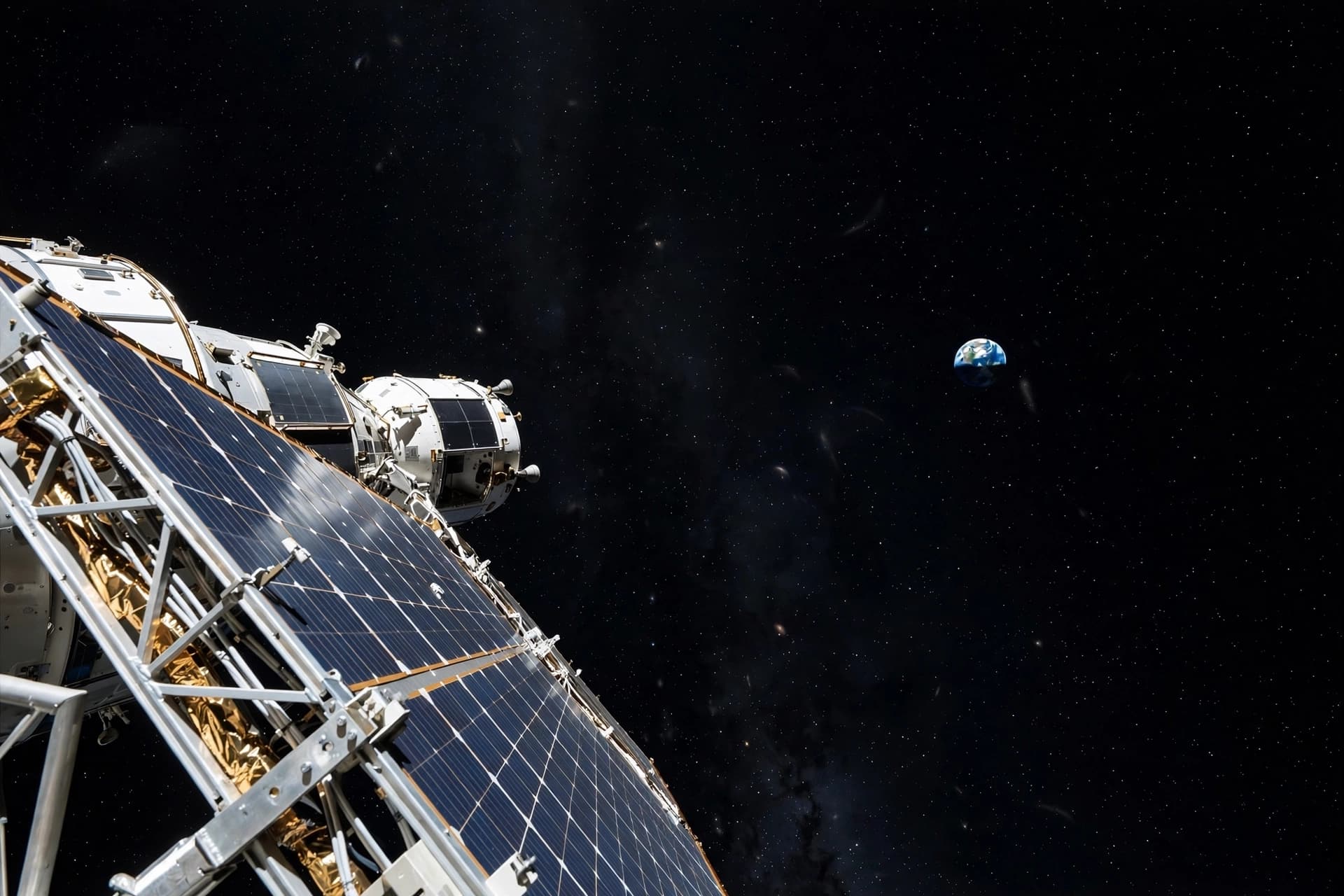
Cold War-era spy satellite USA 32 broke apart in orbit on September 13, creating debris in a crowded region of low Earth orbit. The cause remains unknown.
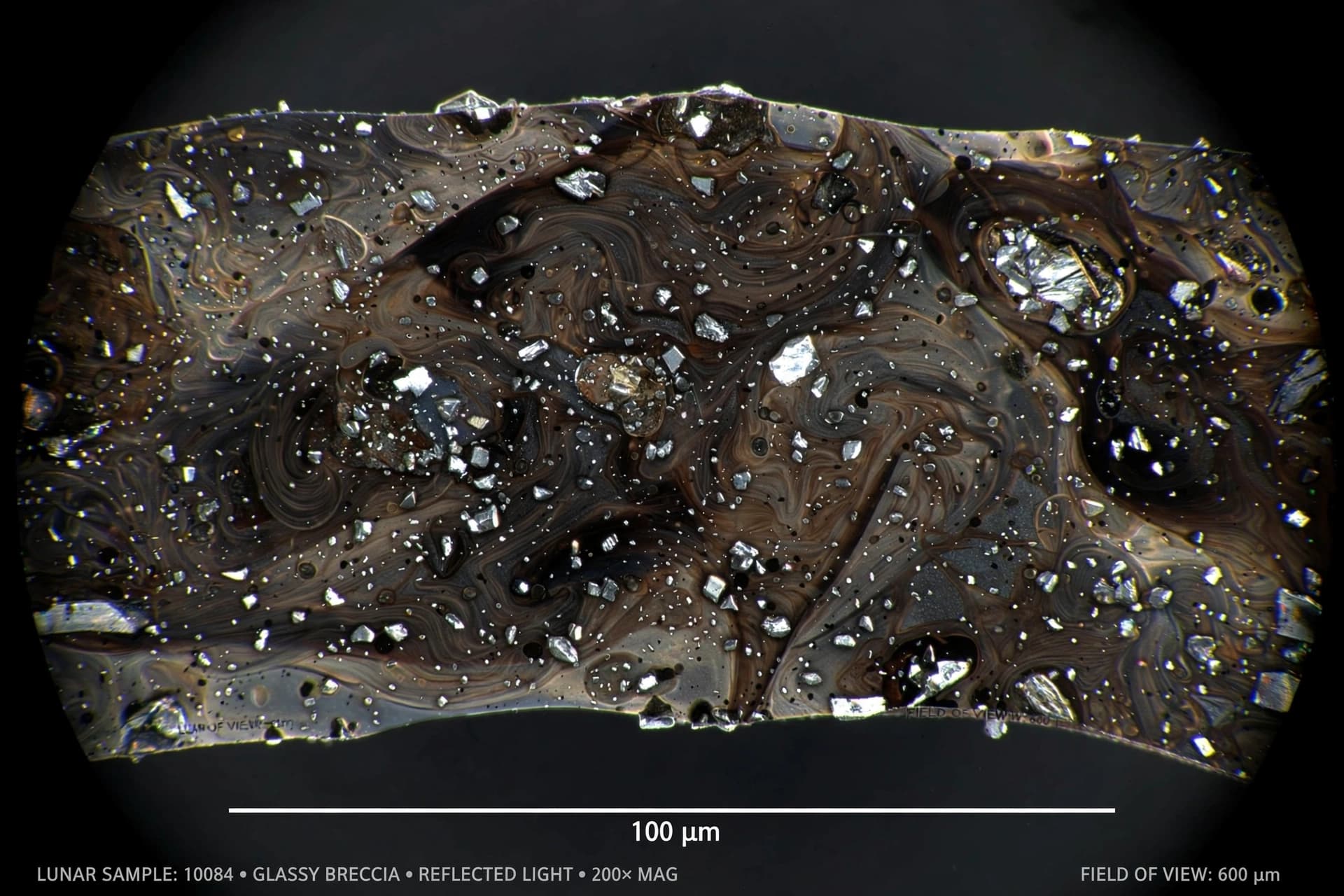
New studies from Oxford and Chinese researchers deepen the mystery of the Moon's ancient magnetic field, revealing sampling biases and a previously unknown magnetic recorder.
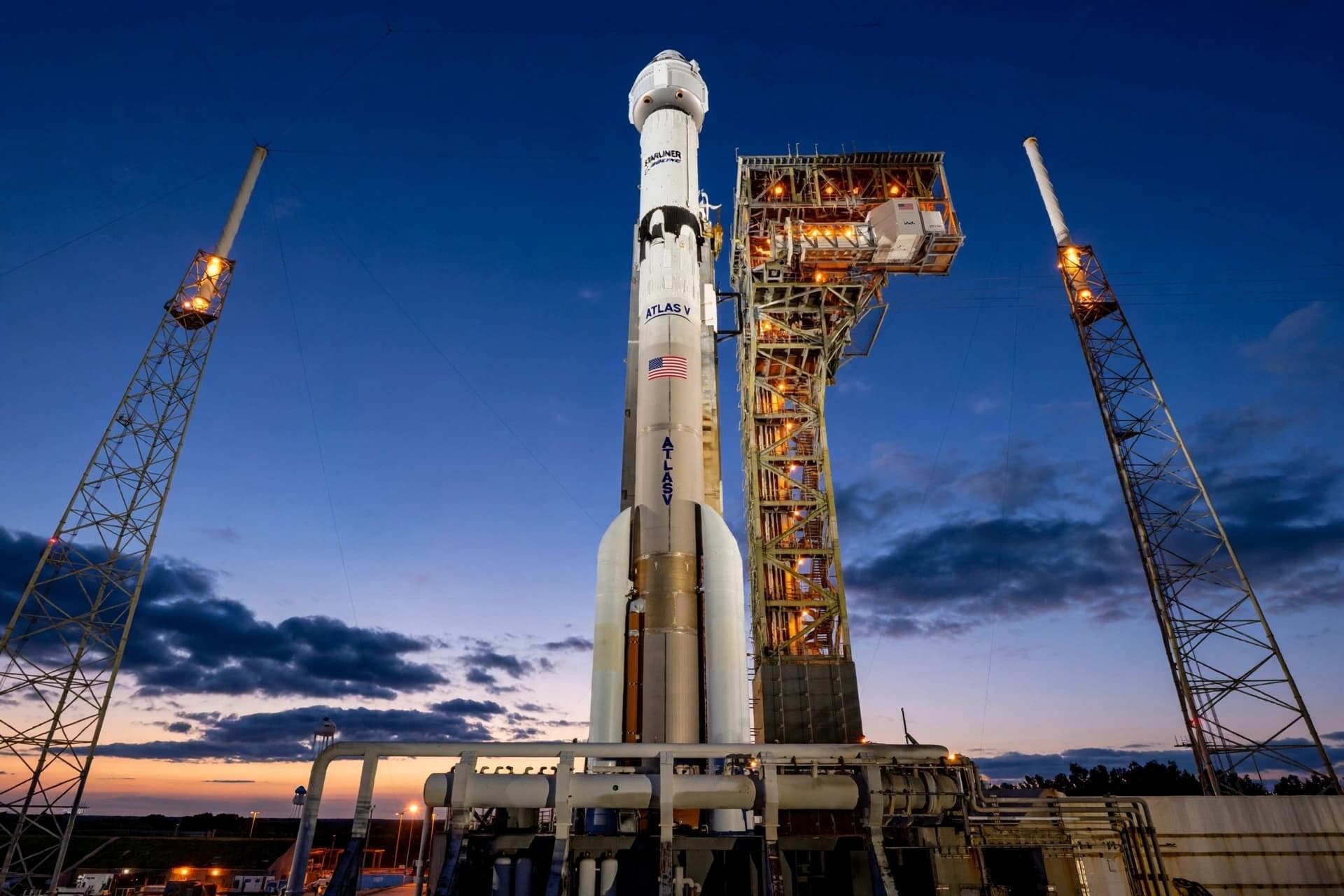
NASA plans an uncrewed Starliner test flight in December, with crewed missions not returning until 2028, as SpaceX prepares to retire Crew Dragon.
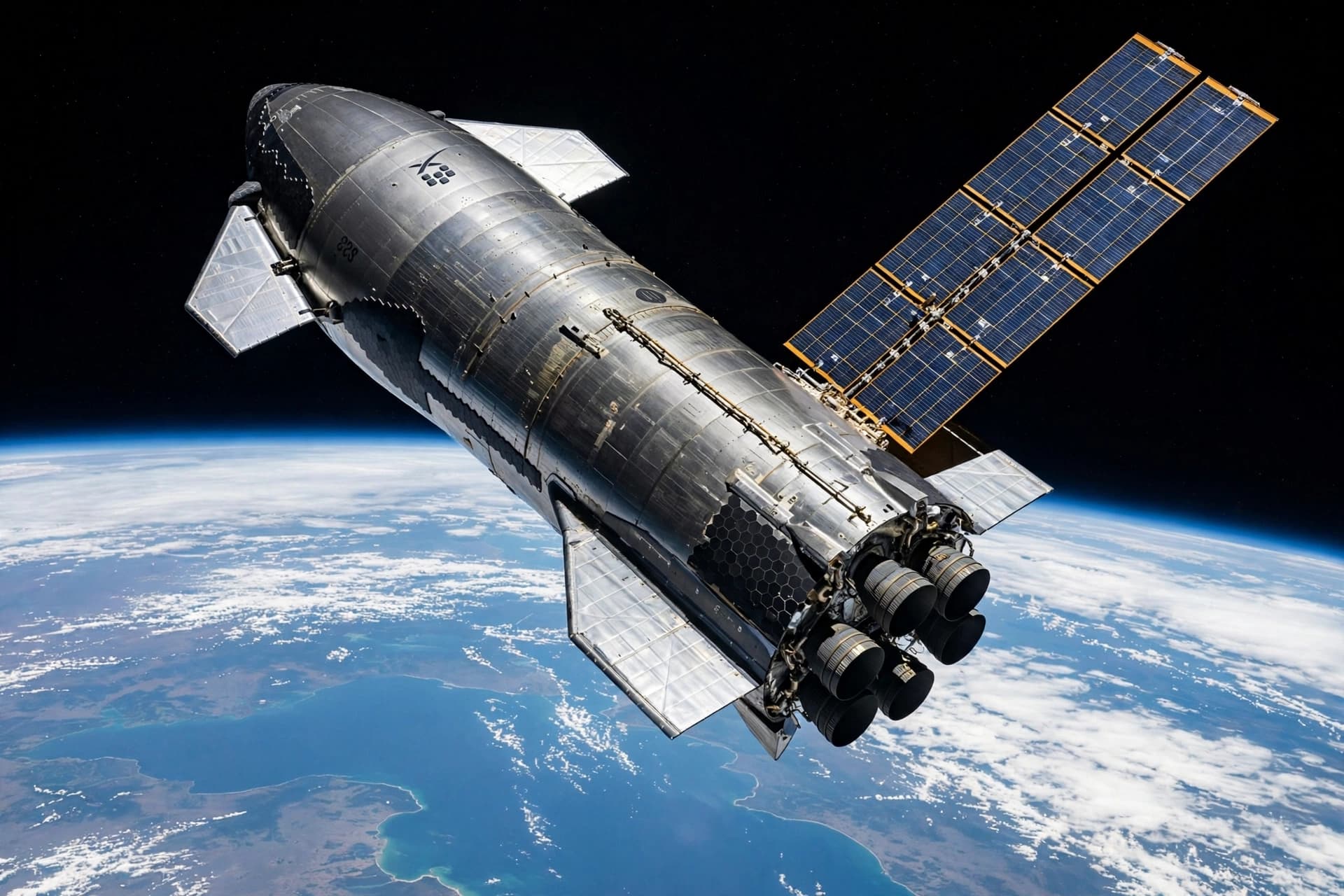
A Raptor engine failure during Starship’s first orbital flight could delay NASA’s Artemis lunar missions, which depend on the same engines for landing astronauts.
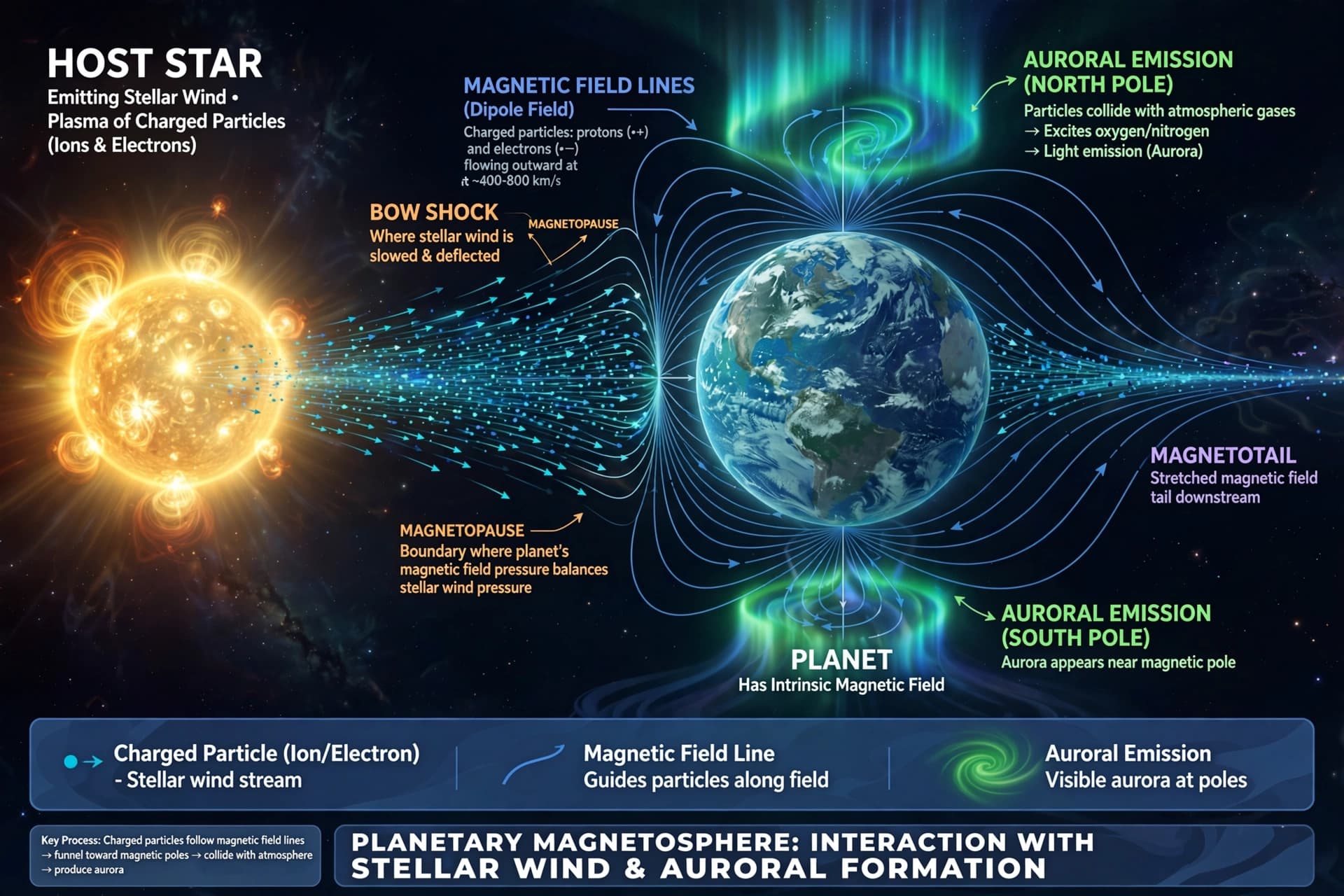
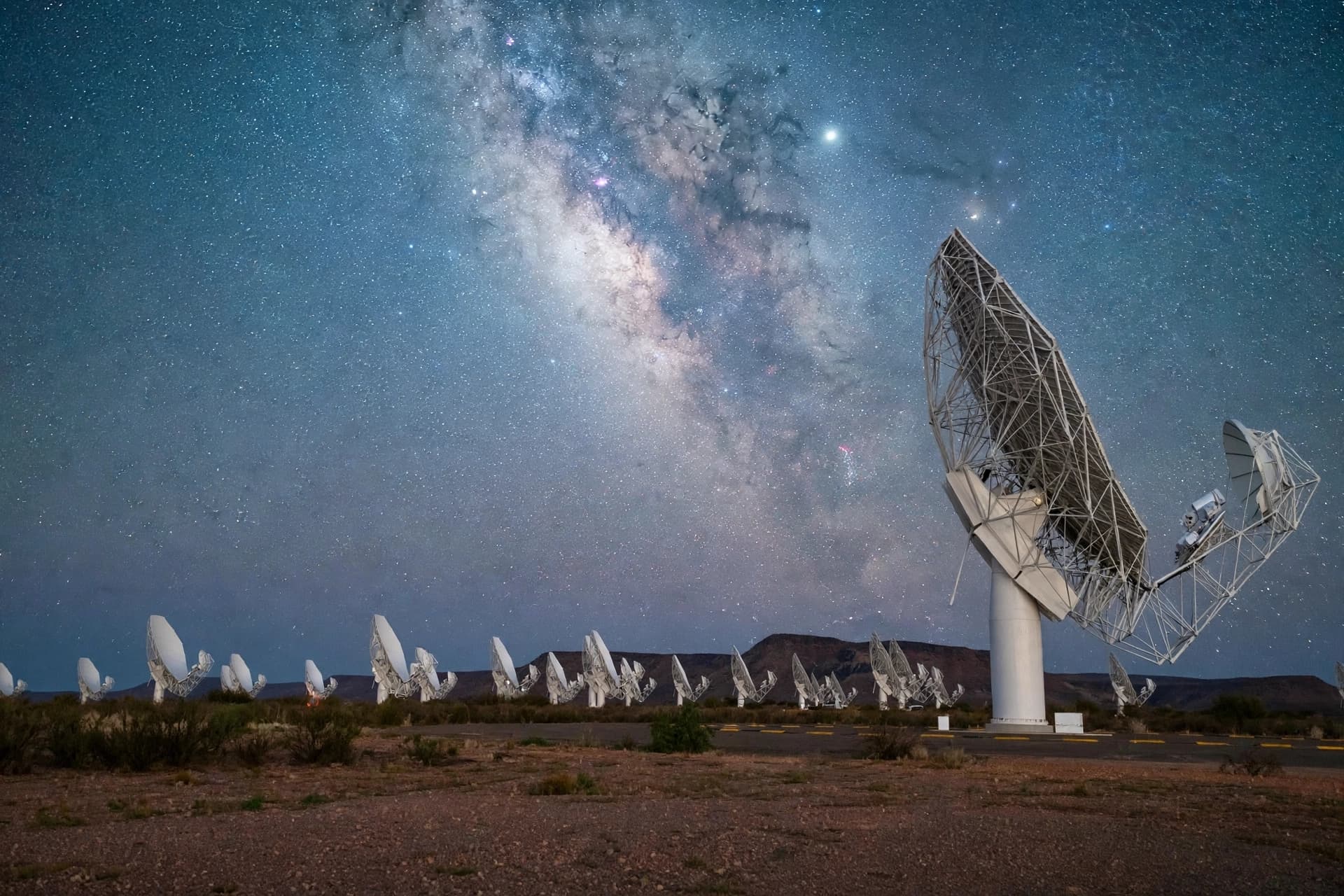
Astronomers have detected radio waves directly from exoplanet Beta Pictoris b, a first that reveals its magnetic field and opens new ways to study distant worlds.
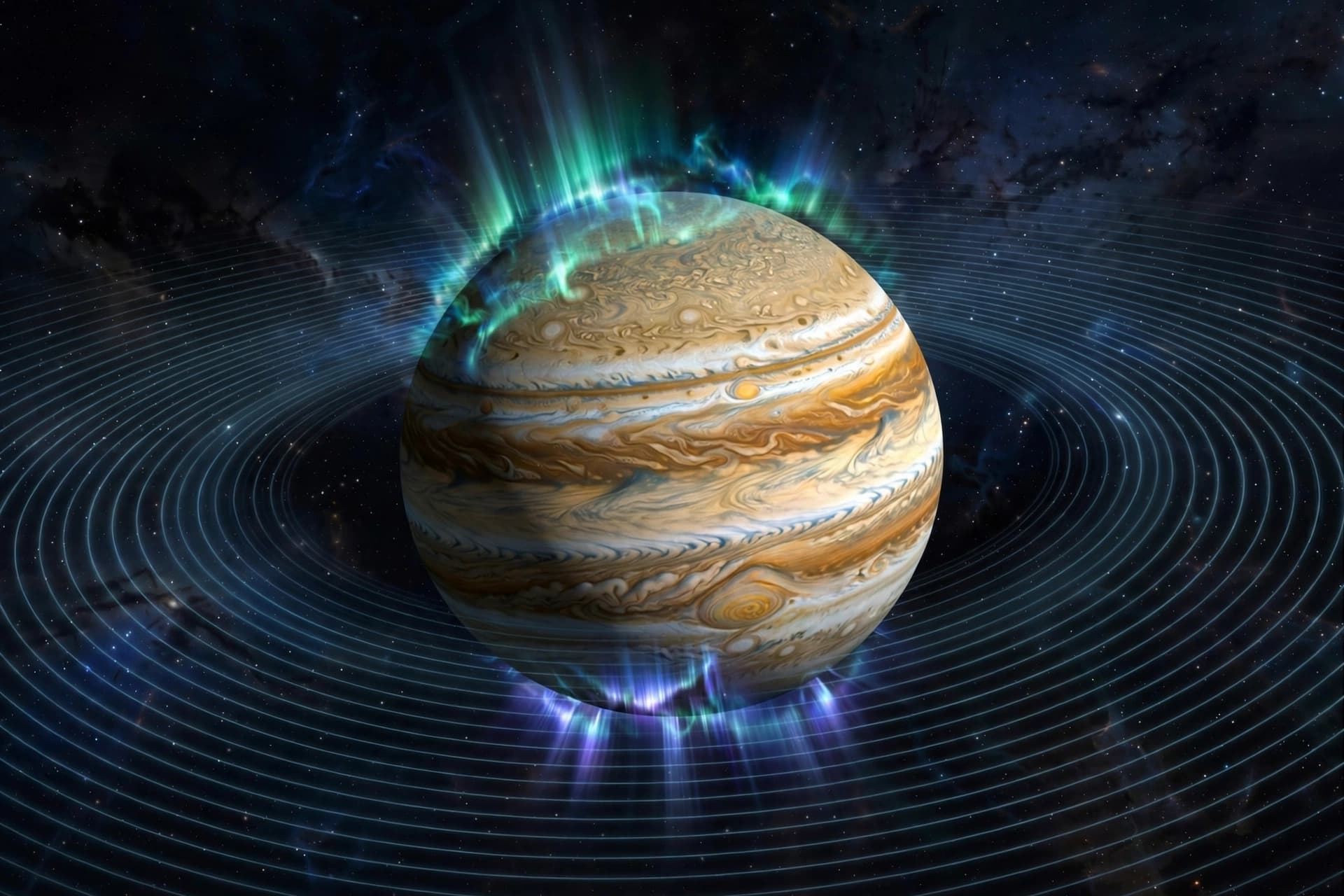
Astronomers have detected radio waves directly from exoplanet Beta Pictoris b, a first that reveals its magnetic field and opens new ways to study distant worlds.

An international team has reconstructed the face of a 315,000-year-old Homo sapiens from composite fossils found at Jebel Irhoud, Morocco.
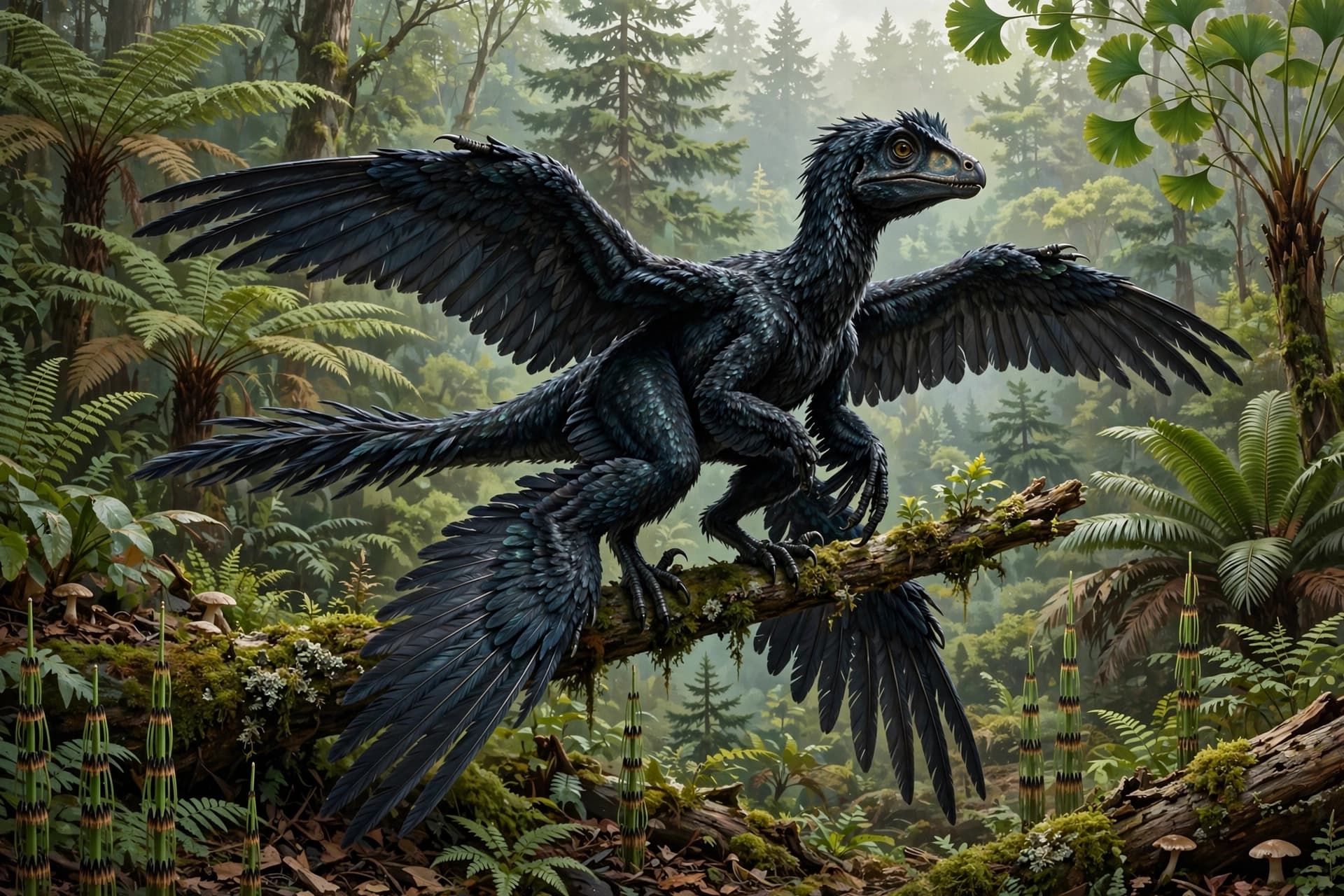
A new microraptorine dinosaur from China suggests that flight-related features evolved independently in non-avian dinosaurs, assembled in a different order than in birds.
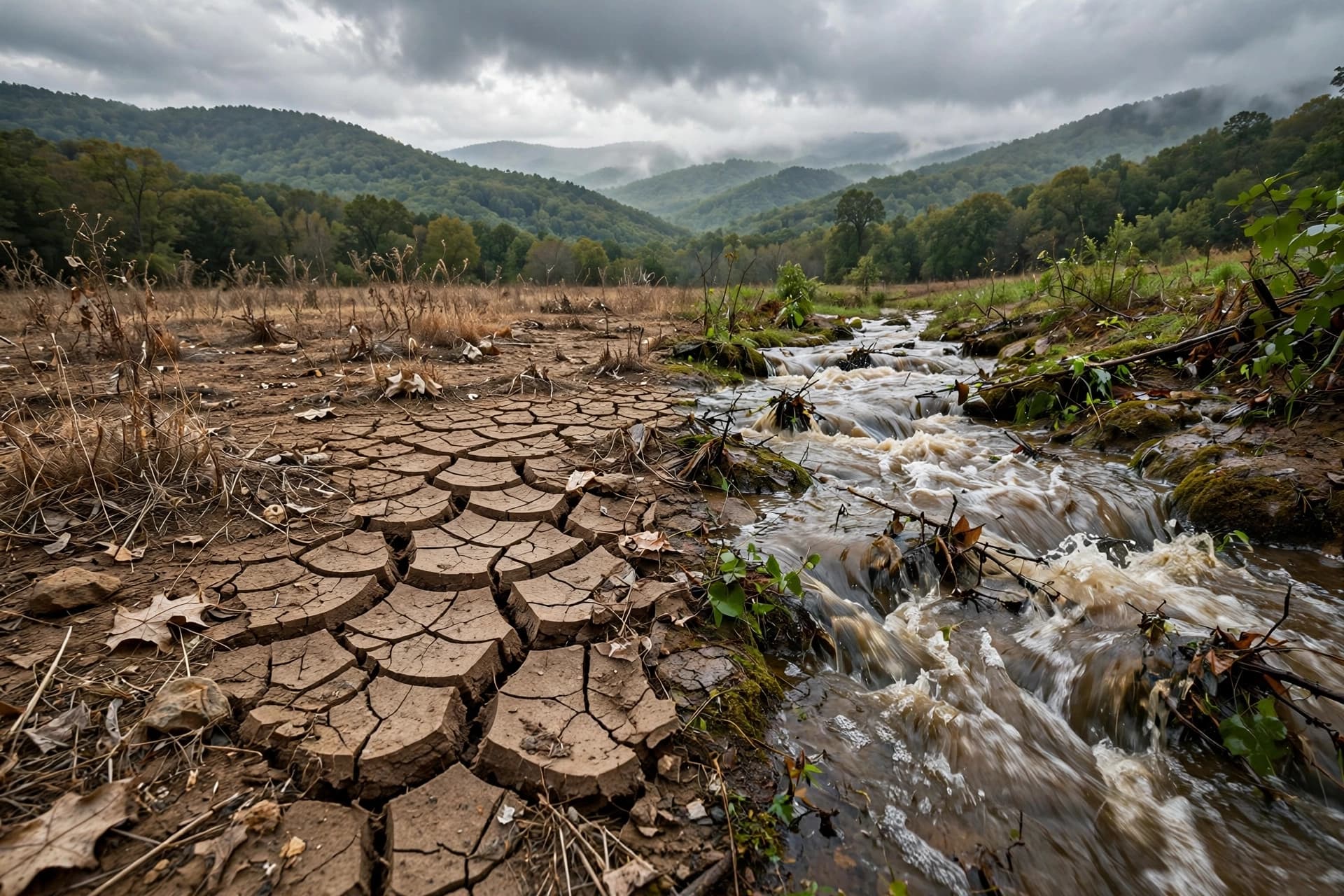
A “Super El Niño” has arrived, with Pacific waters warming over 2°C above normal. For North Carolina, it may bring a wetter winter but also extreme swings between drought and flooding.
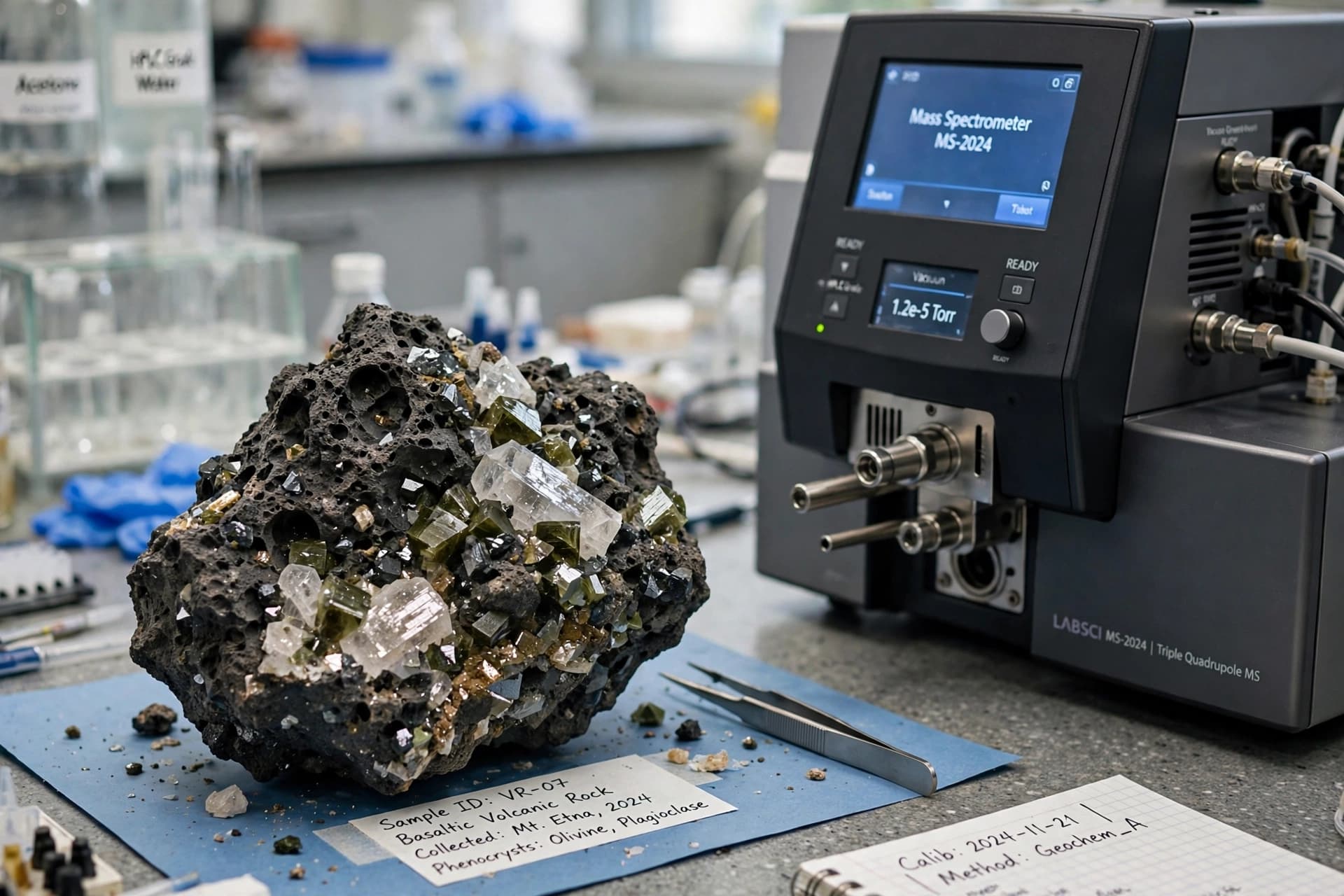
Scientists used argon-argon dating on Vesuvius rocks to date the Pompeii eruption to within 13 years, confirming Pliny’s historical account with 0.7% precision.
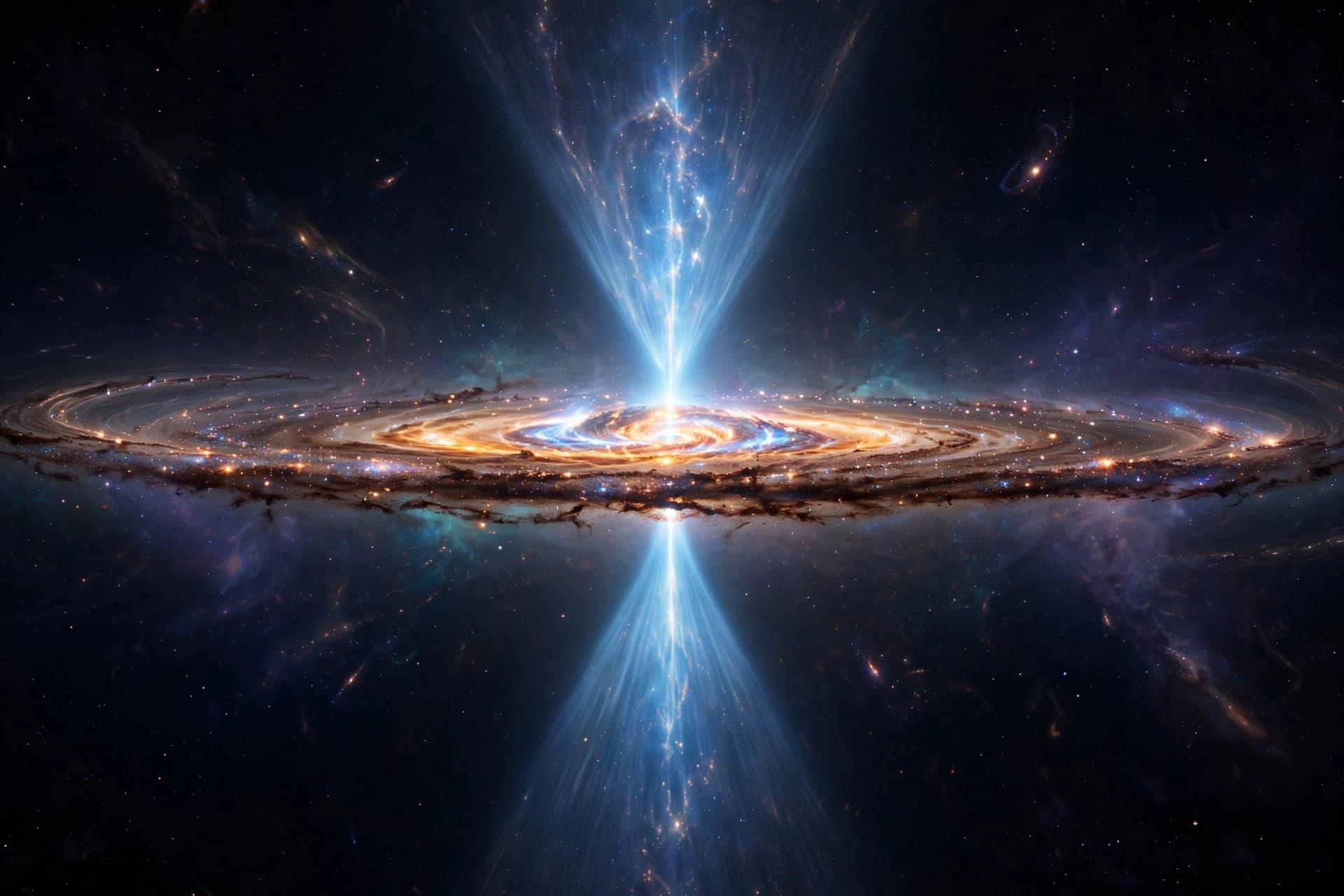
New research on nine Seyfert galaxies finds that active supermassive black holes create shock waves that may actually trigger star formation, not just suppress it.
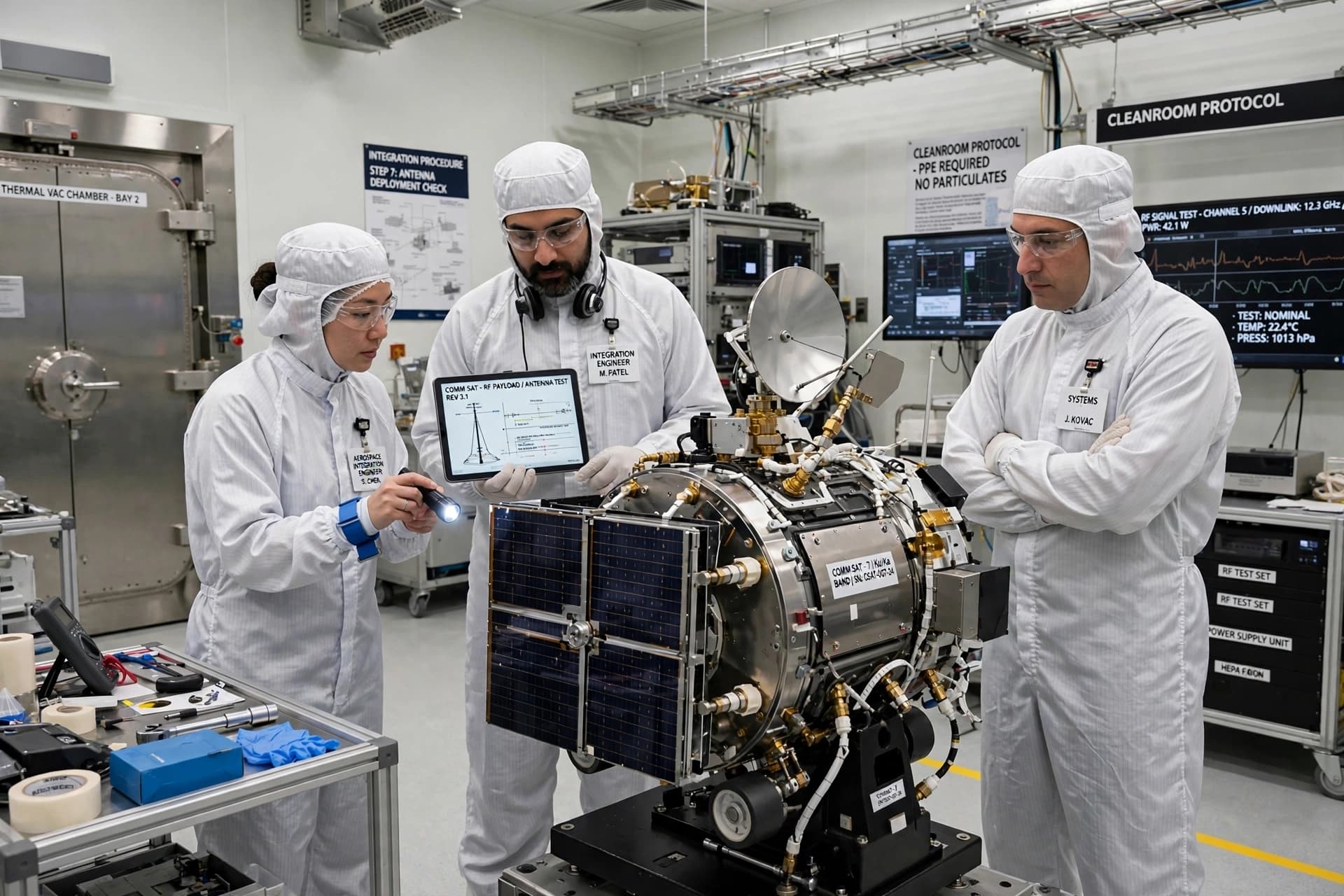
Airbus is exploring broader cooperation with Türkiye in lunar exploration, human spaceflight and satellite communications.
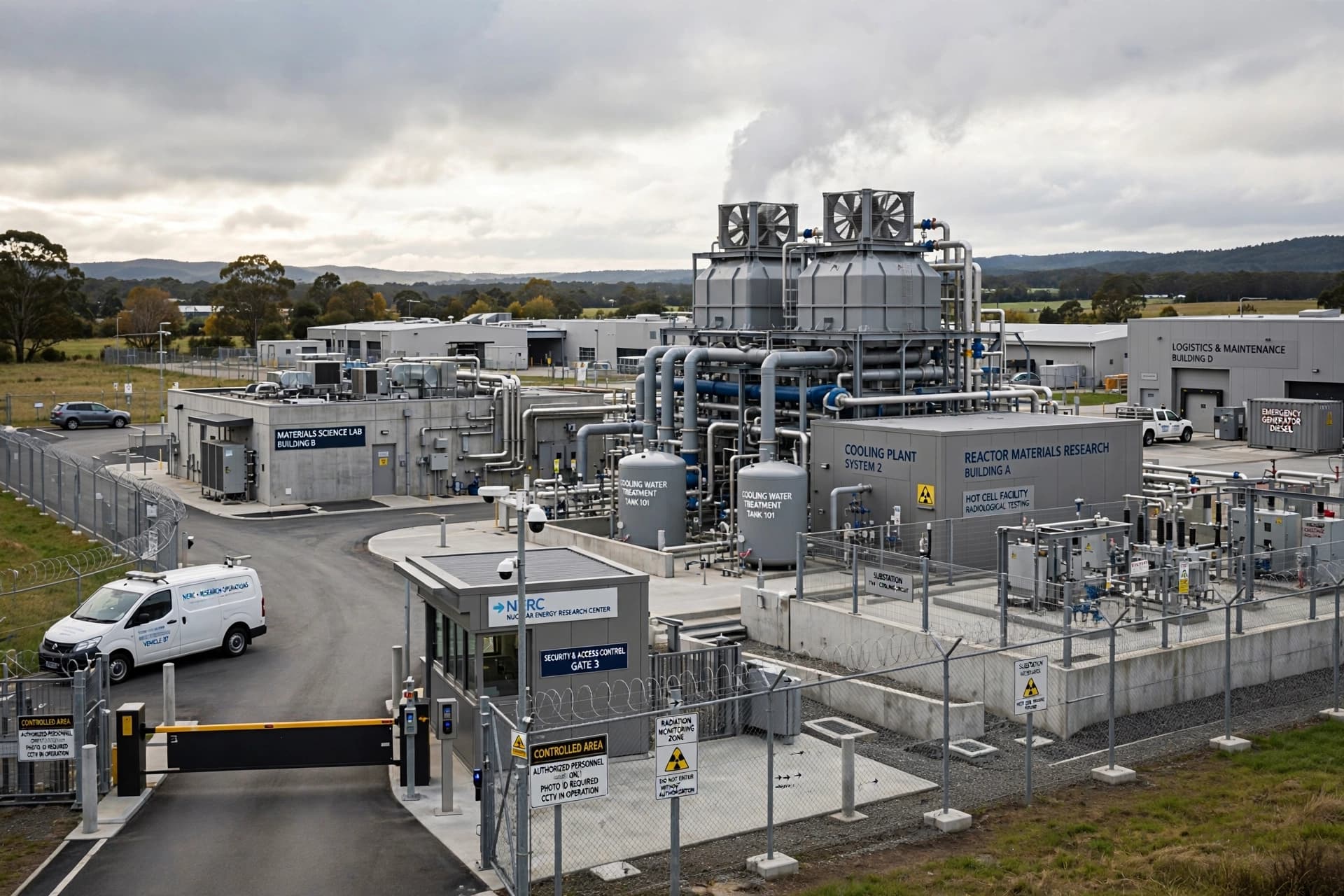
Türkiye and the US signed a roughly $2 million grant agreement to study small modular and fourth-generation reactors.
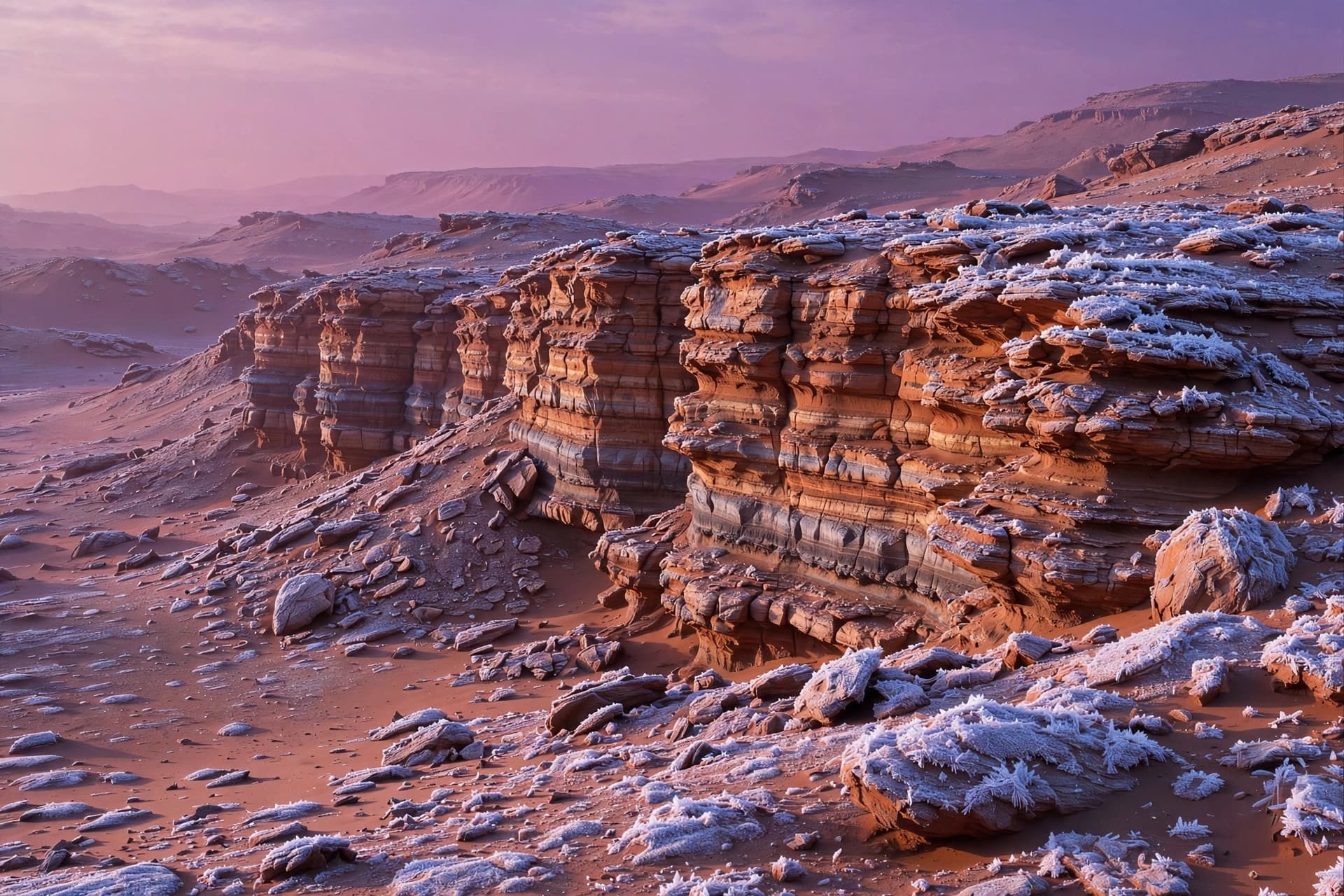
New images from Mars Express reveal violet, pink, and blue hues at the Martian south pole, caused by a mix of volcanic minerals, carbon dioxide frost, dust, and morning light.
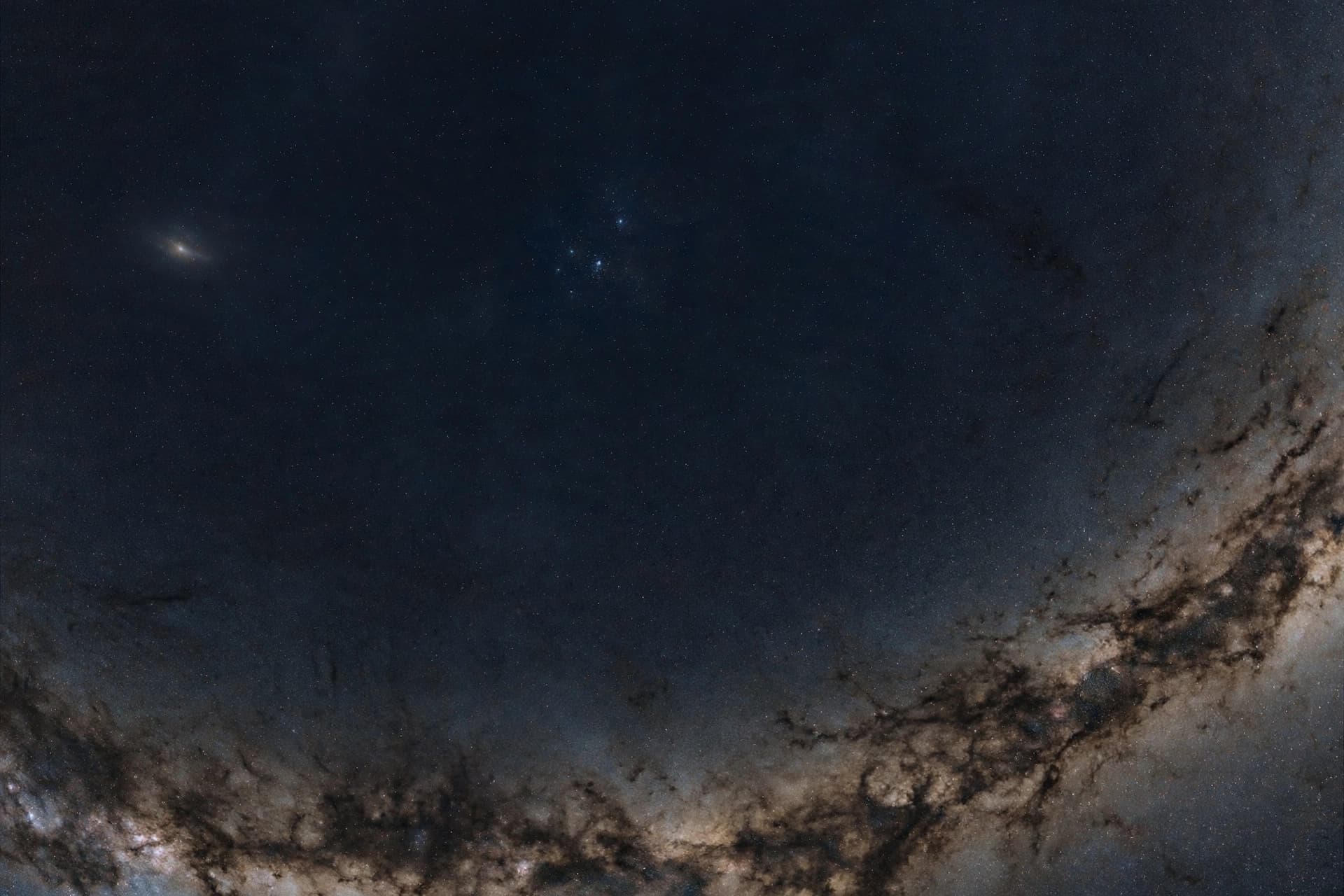
Astronomers using the Euclid telescope have discovered Fornax-7, an ultra-faint stellar system that may be gravitationally bound to the Fornax dwarf galaxy, making it a "satellite of a satellite."
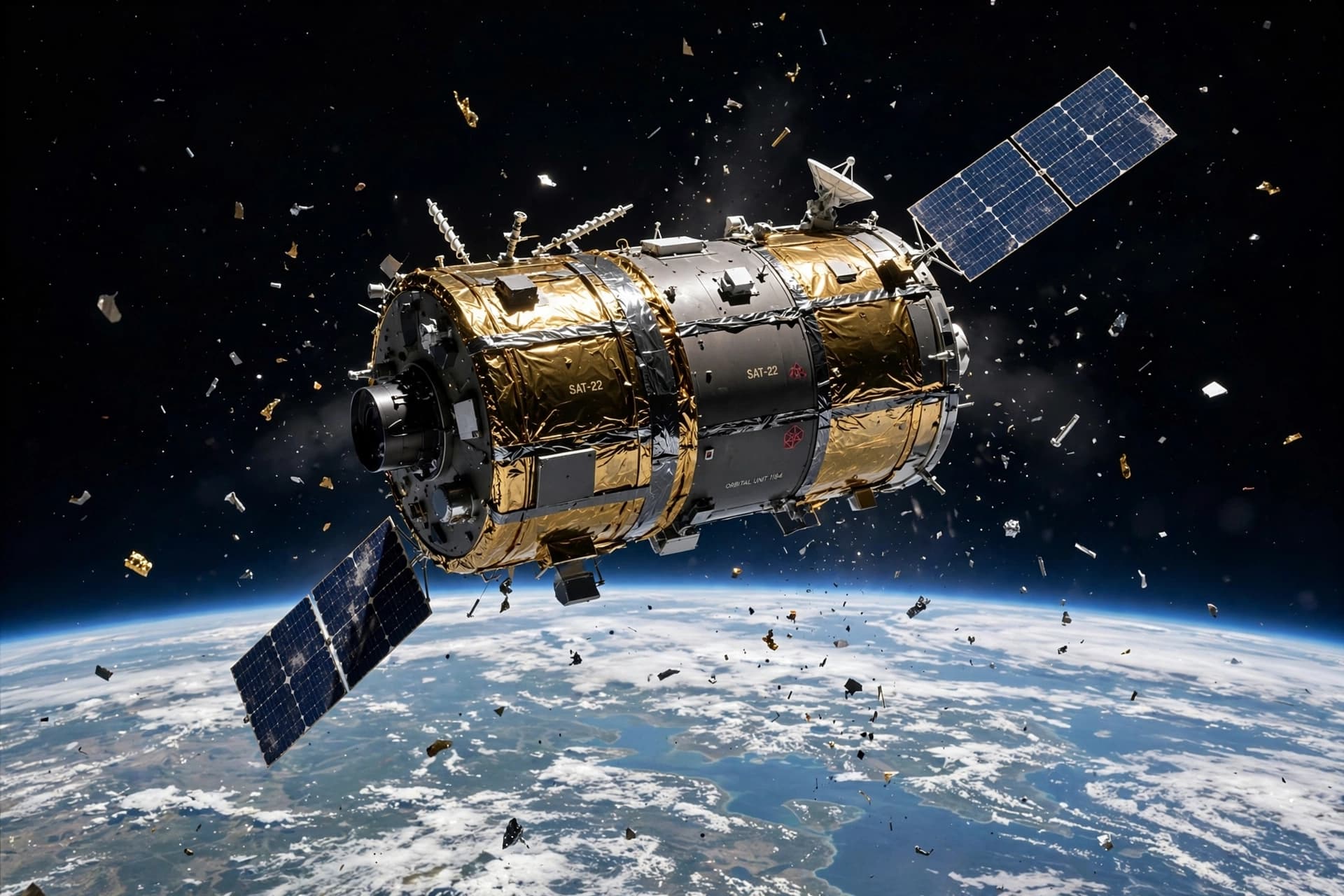
A Cold War-era American spy satellite, USA 32, unexpectedly broke apart 775 km above Earth on September 13, creating debris in a crowded orbital region with no confirmed cause.
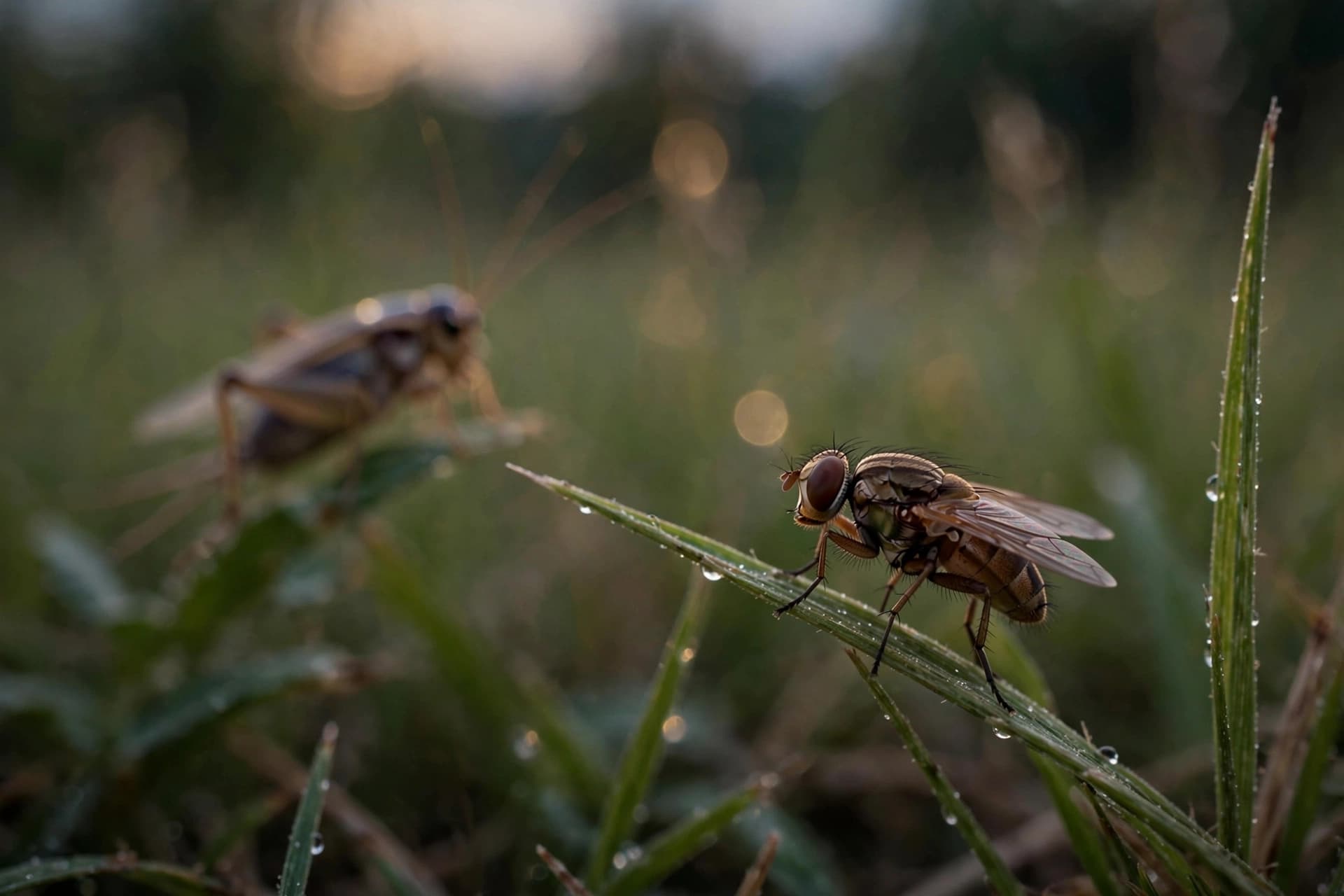
The parasitic fly Ormia ochracea locates cricket hosts by eavesdropping on their songs, but new research shows the fly responds to complex acoustic cues, driving rapid coevolution in Hawaii.
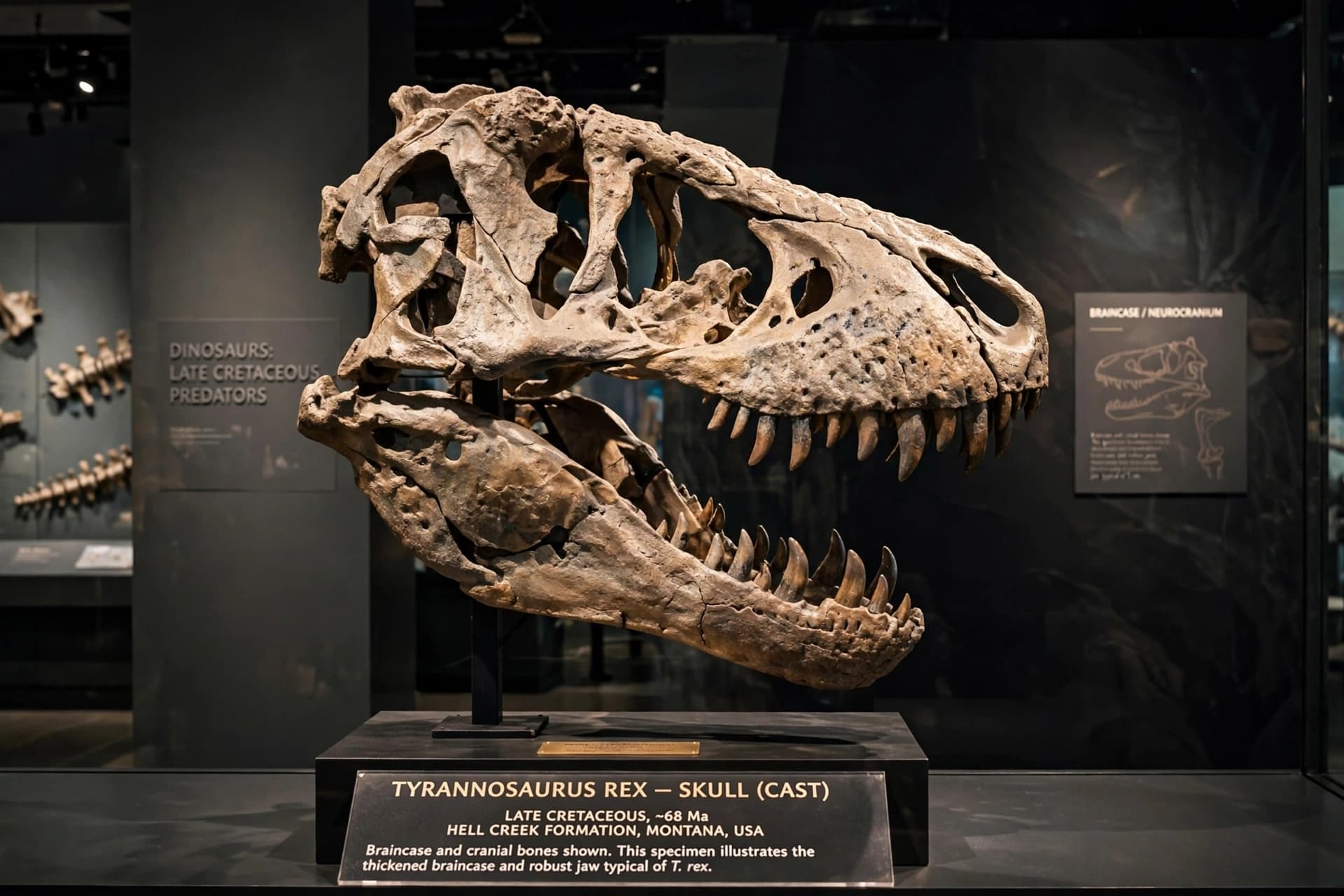
A scientific debate over T. rex intelligence continues, with one study claiming baboon-like neurons and another rebutting that neuron counts cannot reliably predict cognition in extinct species.
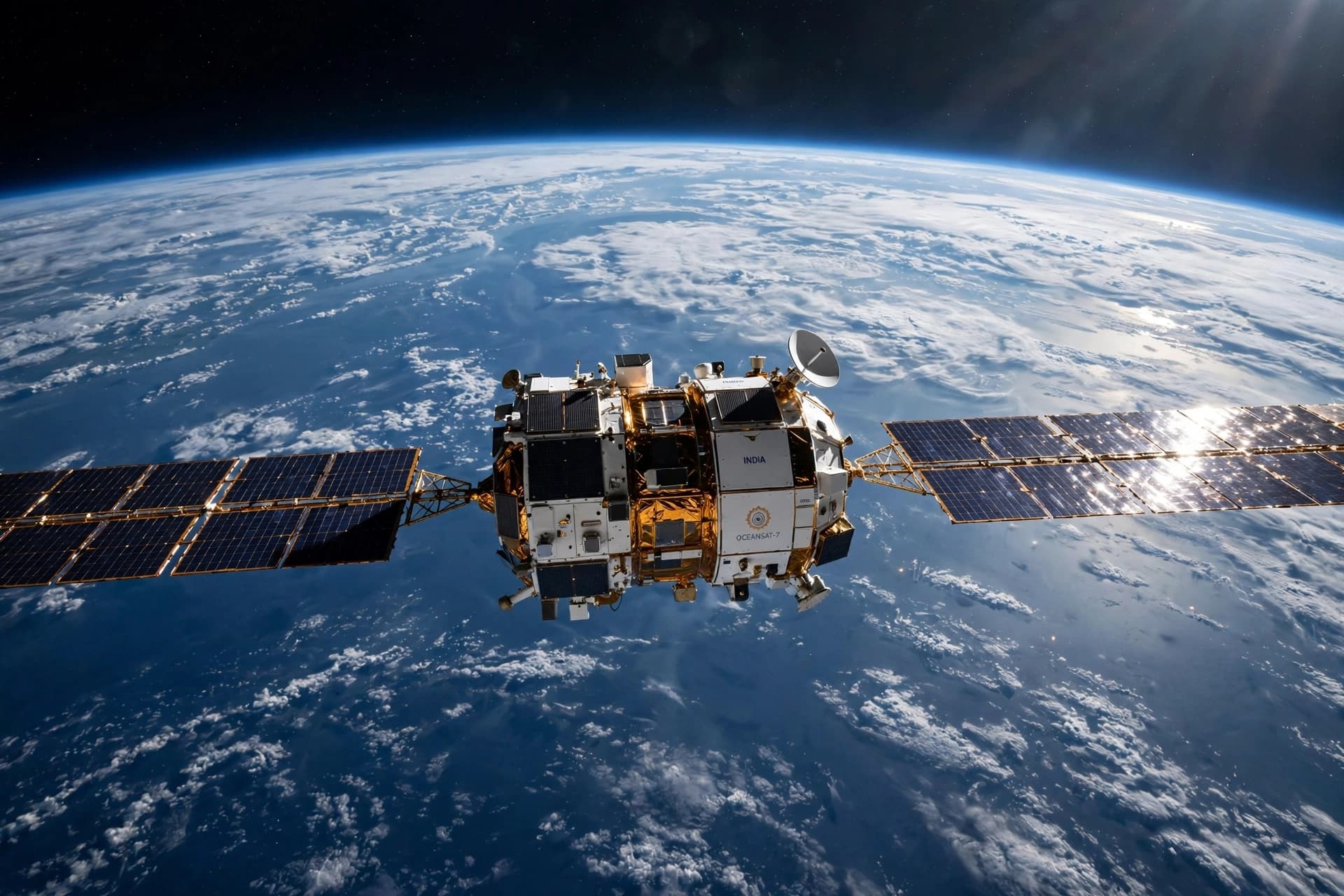
ESA's JUICE spacecraft received a gravity assist from Earth on September 28, boosting its speed by 3.5 km/s and adjusting its trajectory toward Jupiter.
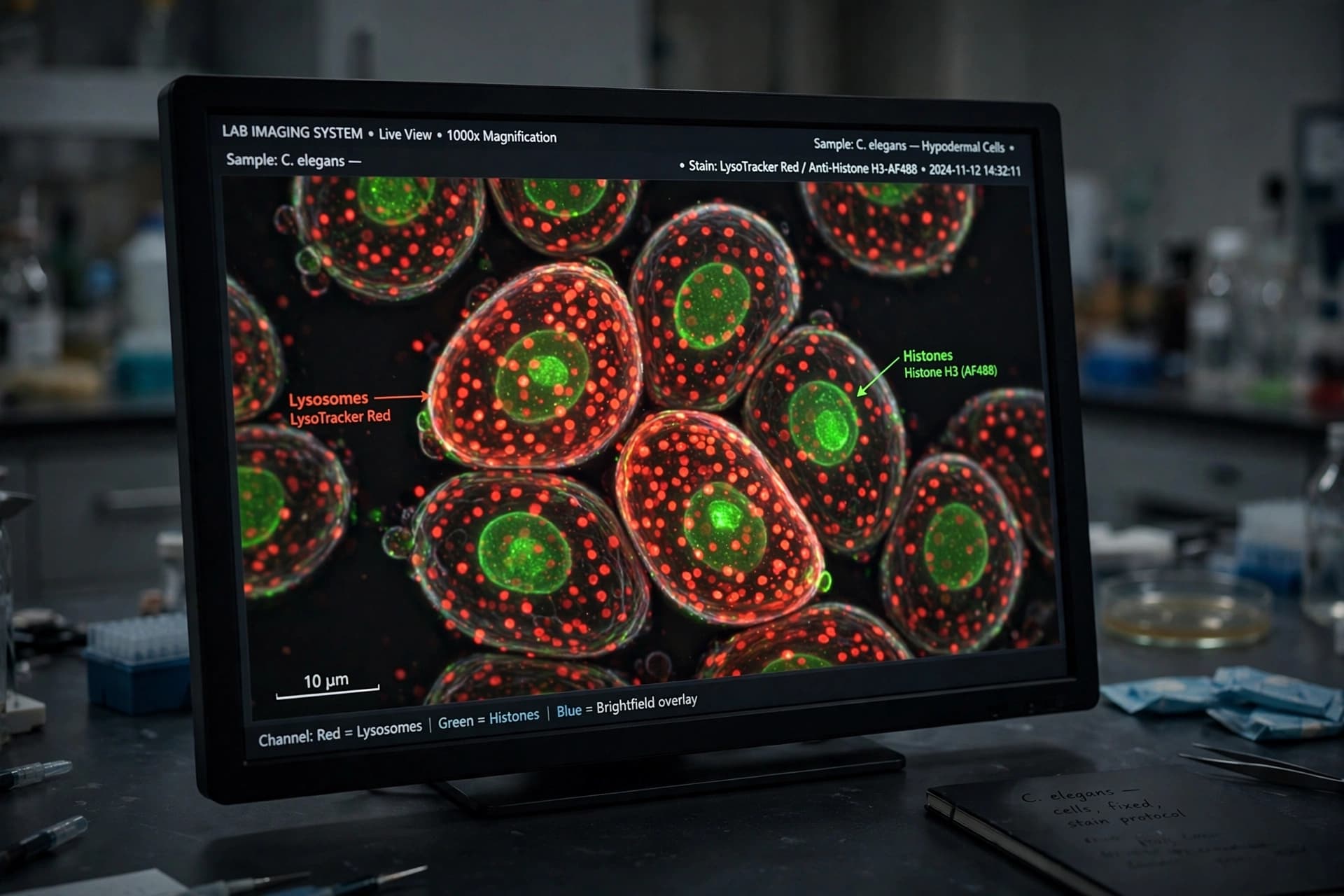
New research in roundworms reveals how lysosomal changes that promote longevity are transmitted across generations through histones, linking the body to the germline.
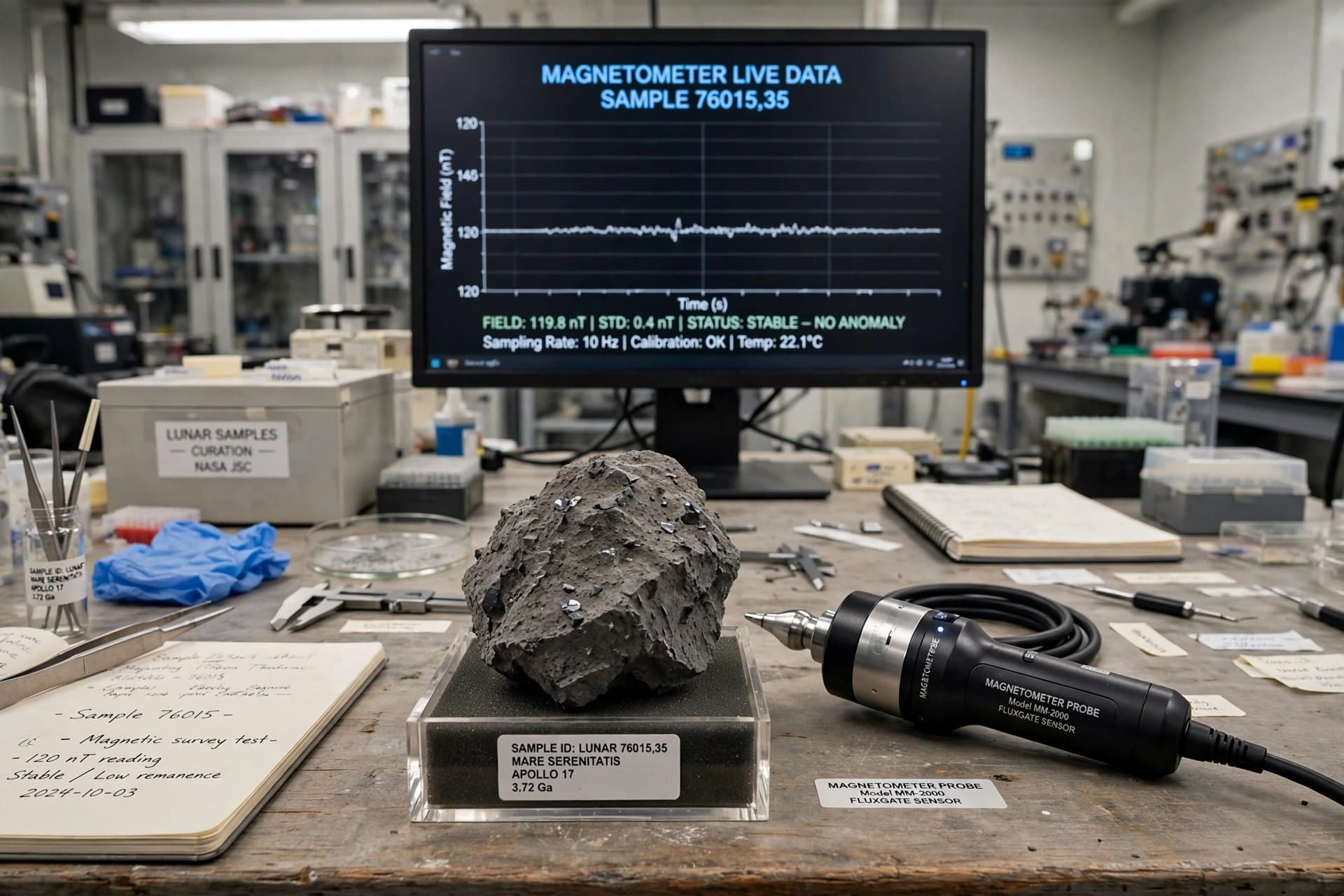
New research suggests the Moon's internal magnetic field may have been limited to its first 140 million years, adding evidence for a short-lived lunar dynamo.
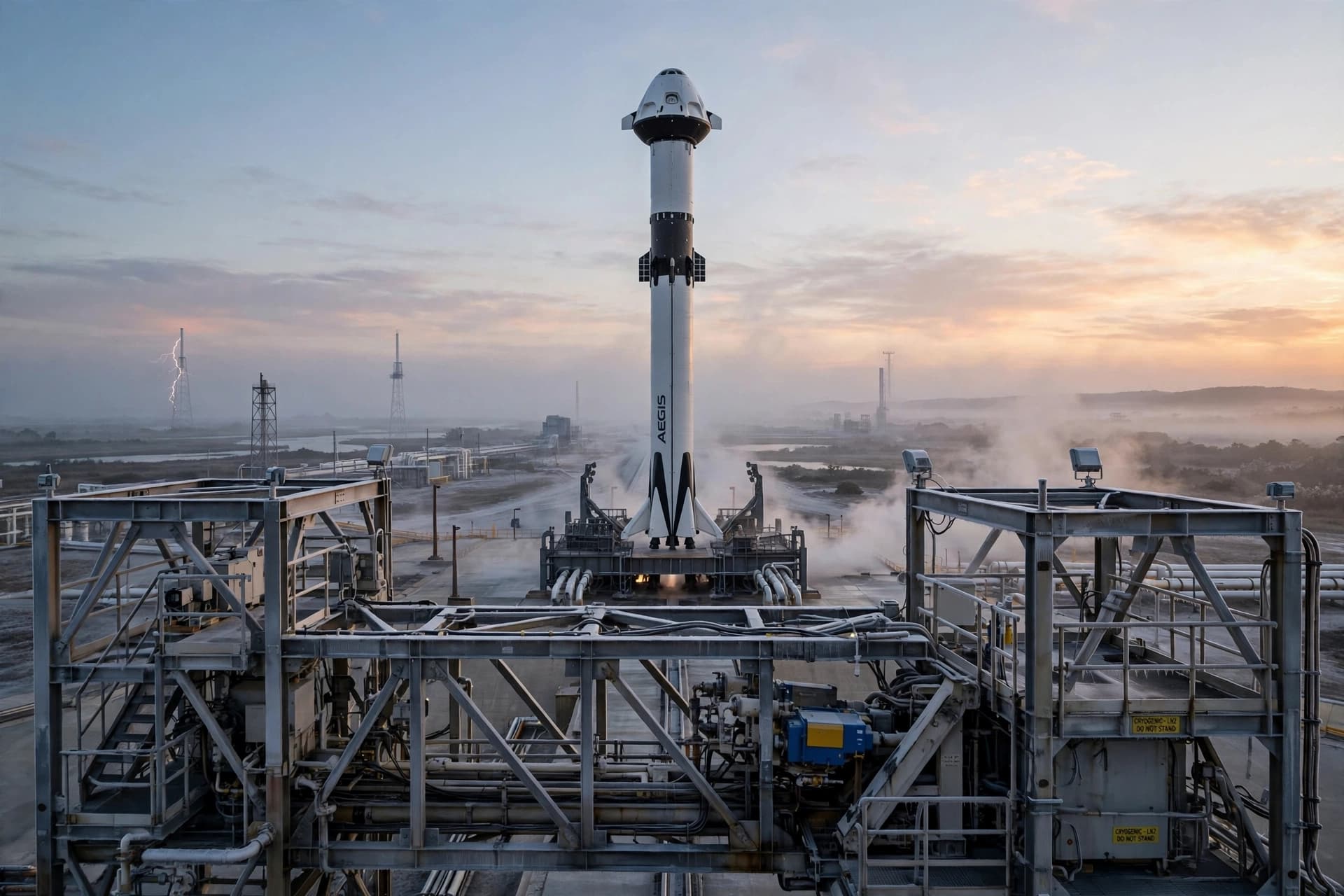
NASA announces an uncrewed Starliner test flight for late 2026 or early 2027, with astronaut Woody Hoburg commanding a crewed mission by 2028.
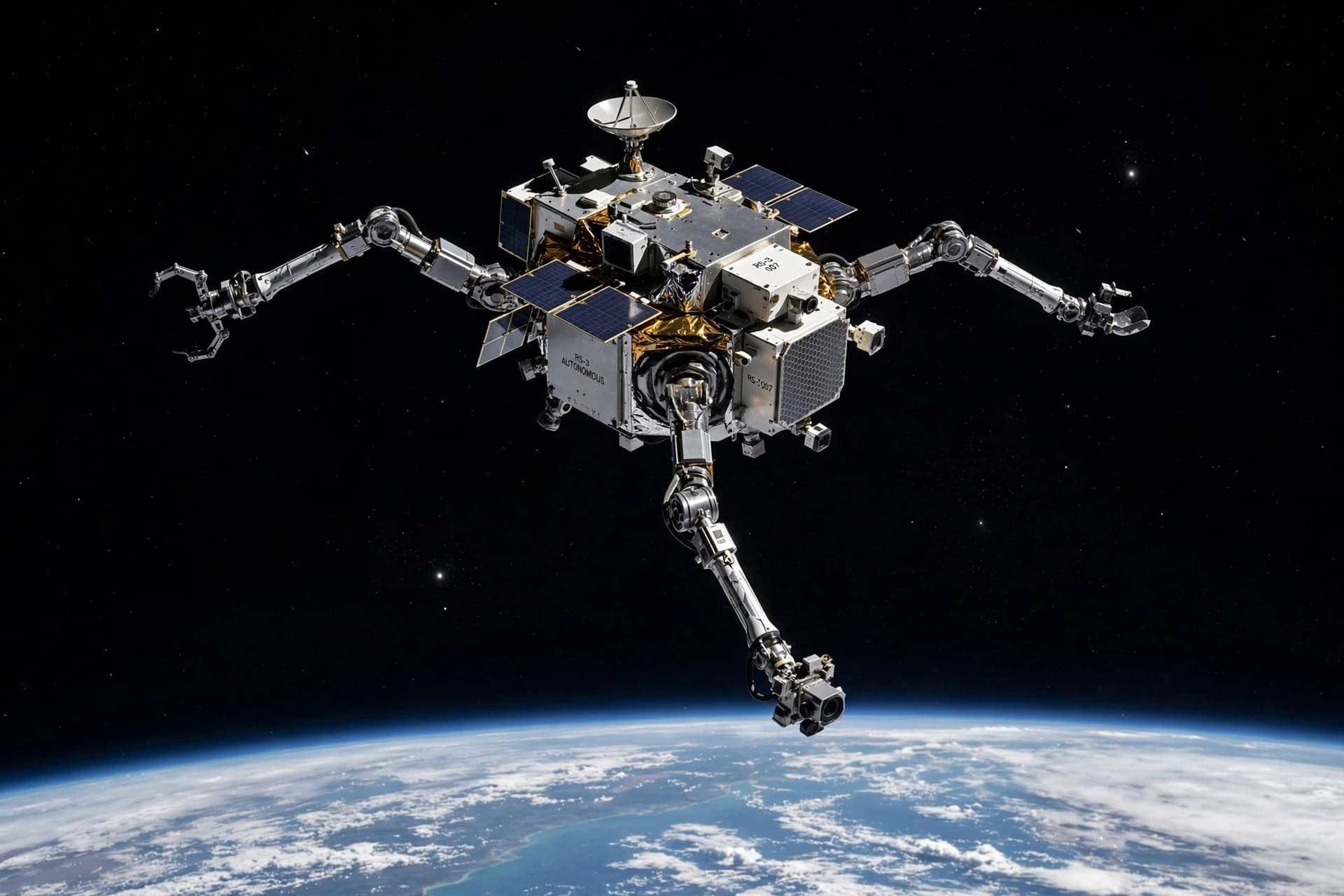
The LINK spacecraft re-entered Earth after a failed rescue mission for NASA's Swift Observatory, which is expected to burn up in November.