SCIENCE94% credibility
When humans returned to the Moon, they brought cameras
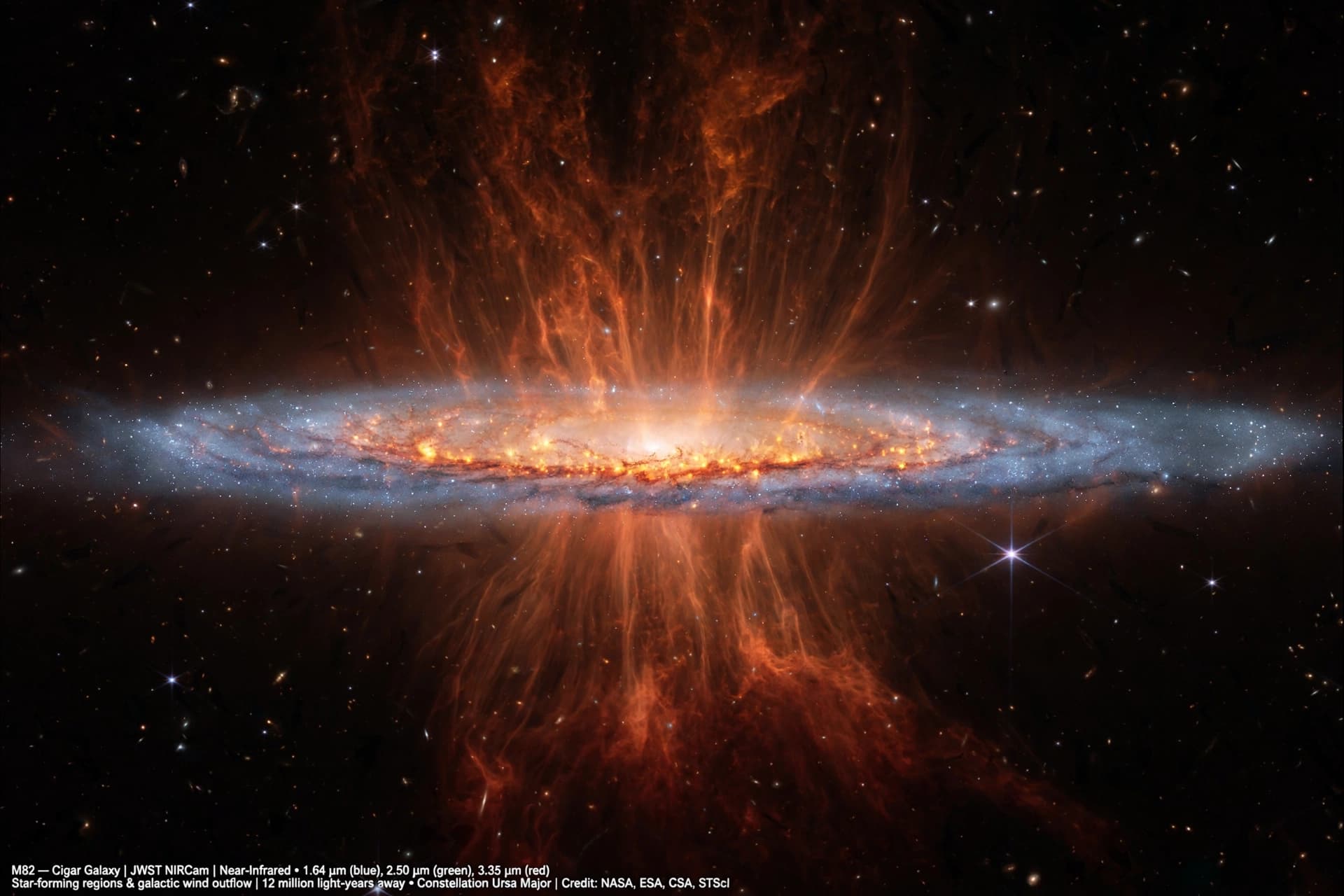
A look at the most striking space images of 2026 so far, from Webb's view of galaxy M82 to the photographs returned by the Artemis II lunar mission.
3 min read

A look at the most striking space images of 2026 so far, from Webb's view of galaxy M82 to the photographs returned by the Artemis II lunar mission.
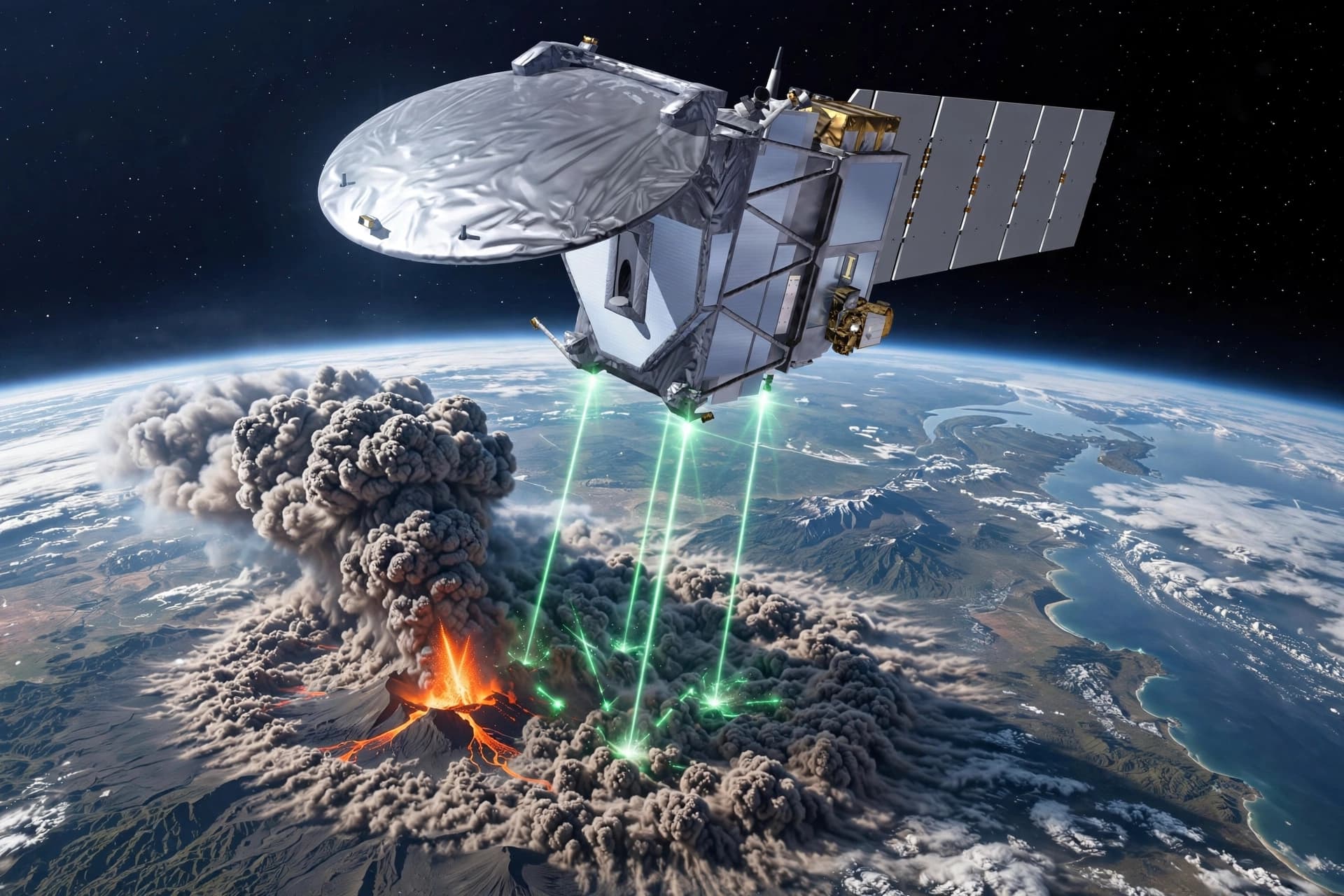
ESA's EarthCARE satellite captured vertical profiles of the Anak Krakatau volcanic plume, offering data that can improve ash dispersion models and support aviation safety.
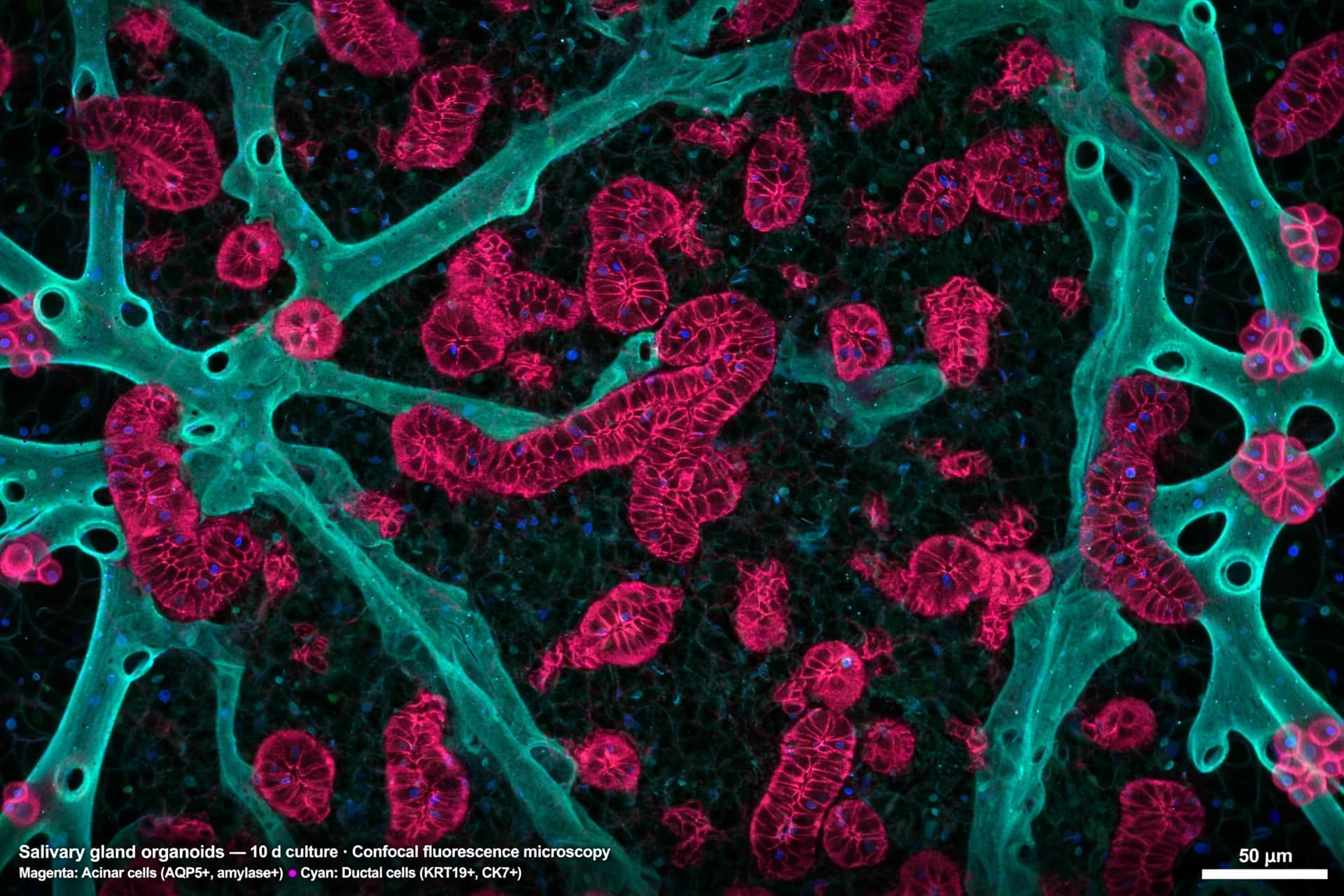
University at Buffalo researchers grow salivary gland organoids from pluripotent stem cells that survive and integrate in mice, offering a potential path to treating severe dry mouth.
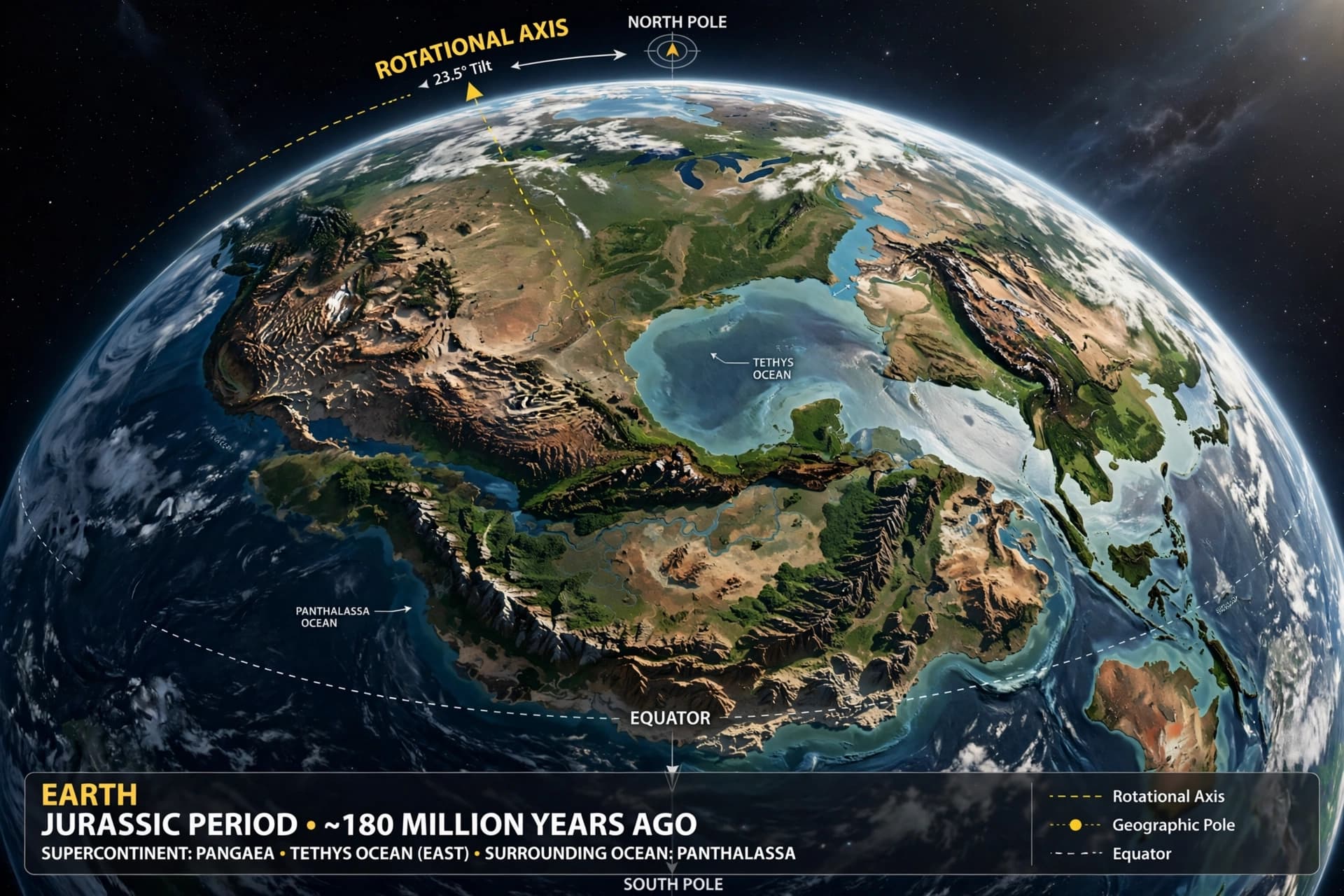
New evidence suggests Earth experienced multiple episodes of true polar wander during the Mesozoic, tilting the planet‘s outer shell relative to its spin axis.
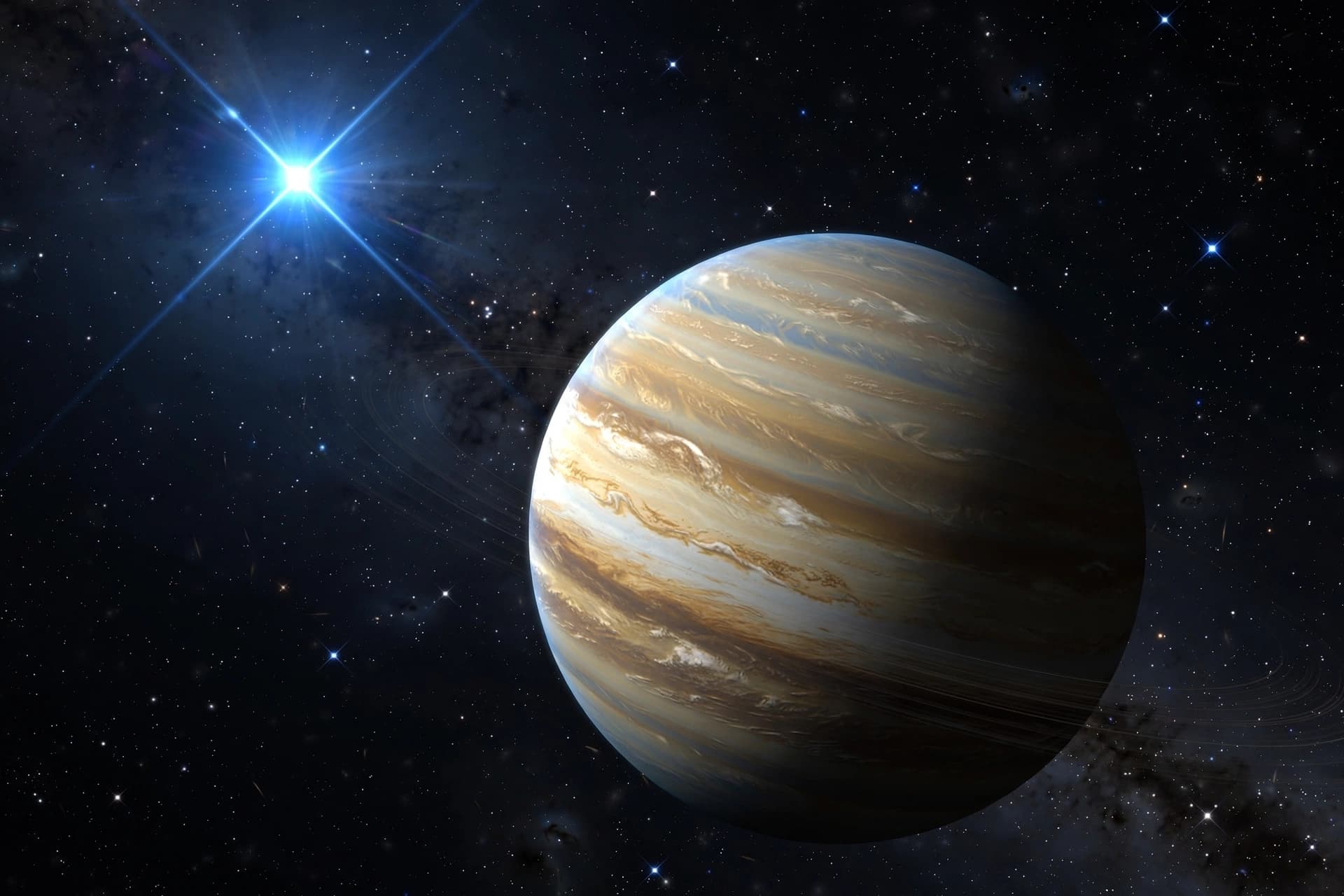
Astronomers detect a possible gas giant in the habitable zone of HD 156295, an A-type star hotter and brighter than the Sun, 140 light-years away.
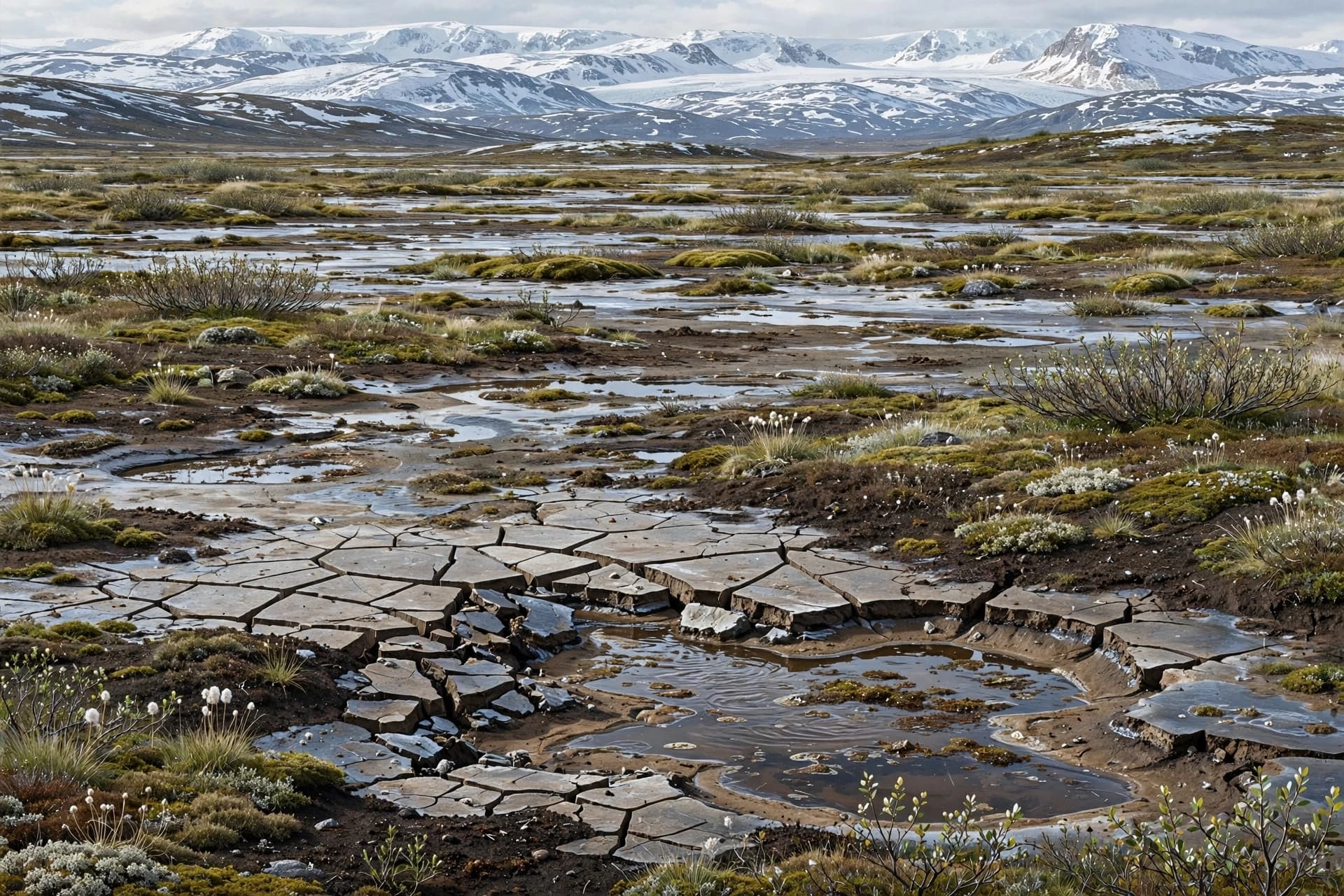
Thawing Arctic permafrost is releasing methane and carbon dioxide, adding nearly half a degree of warming by 2100 and destabilizing land in the region.
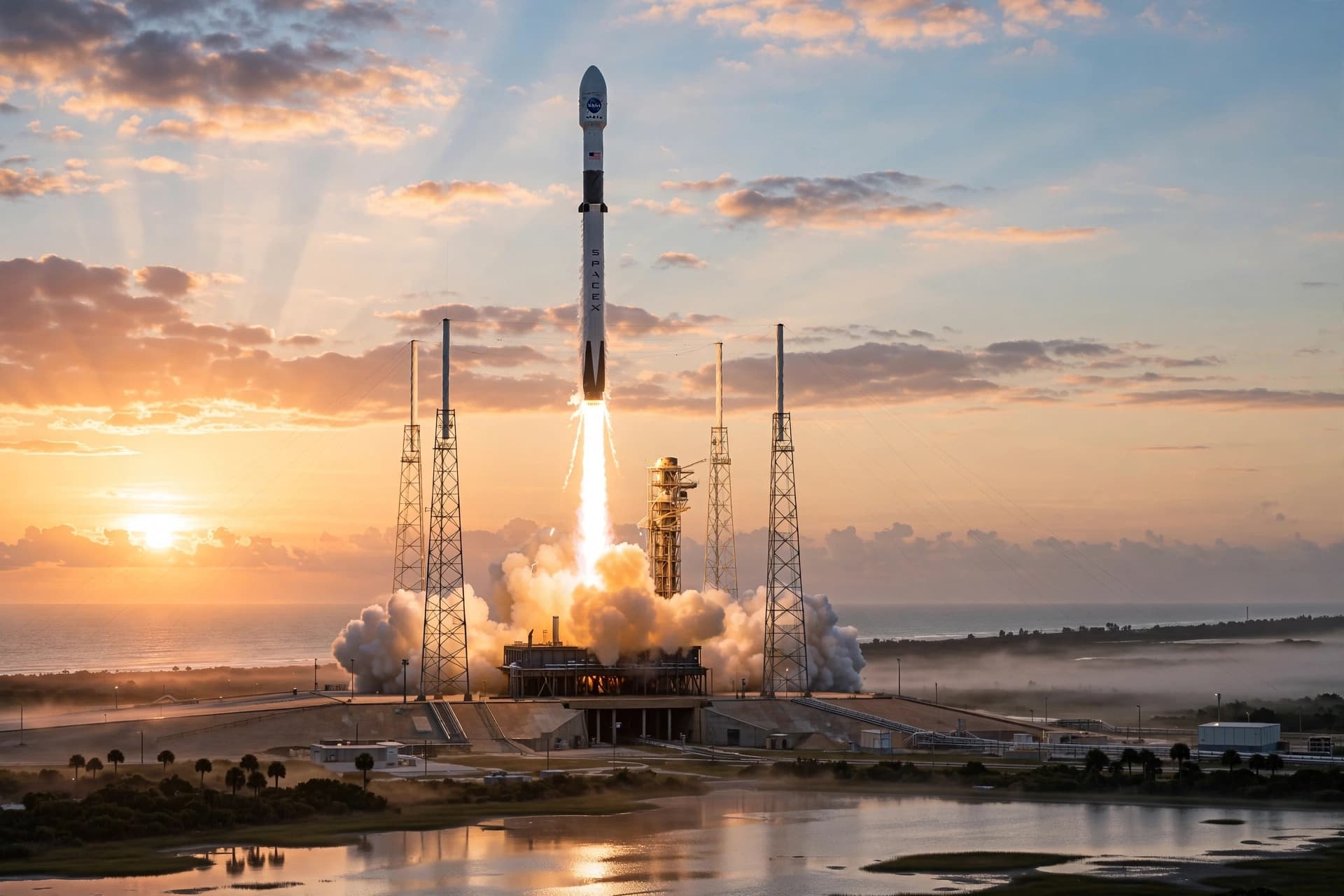
SpaceX Crew-13 launched four astronauts to the ISS, marking the fastest launch-to-docking for a U.S. spacecraft in station history at under eight hours.
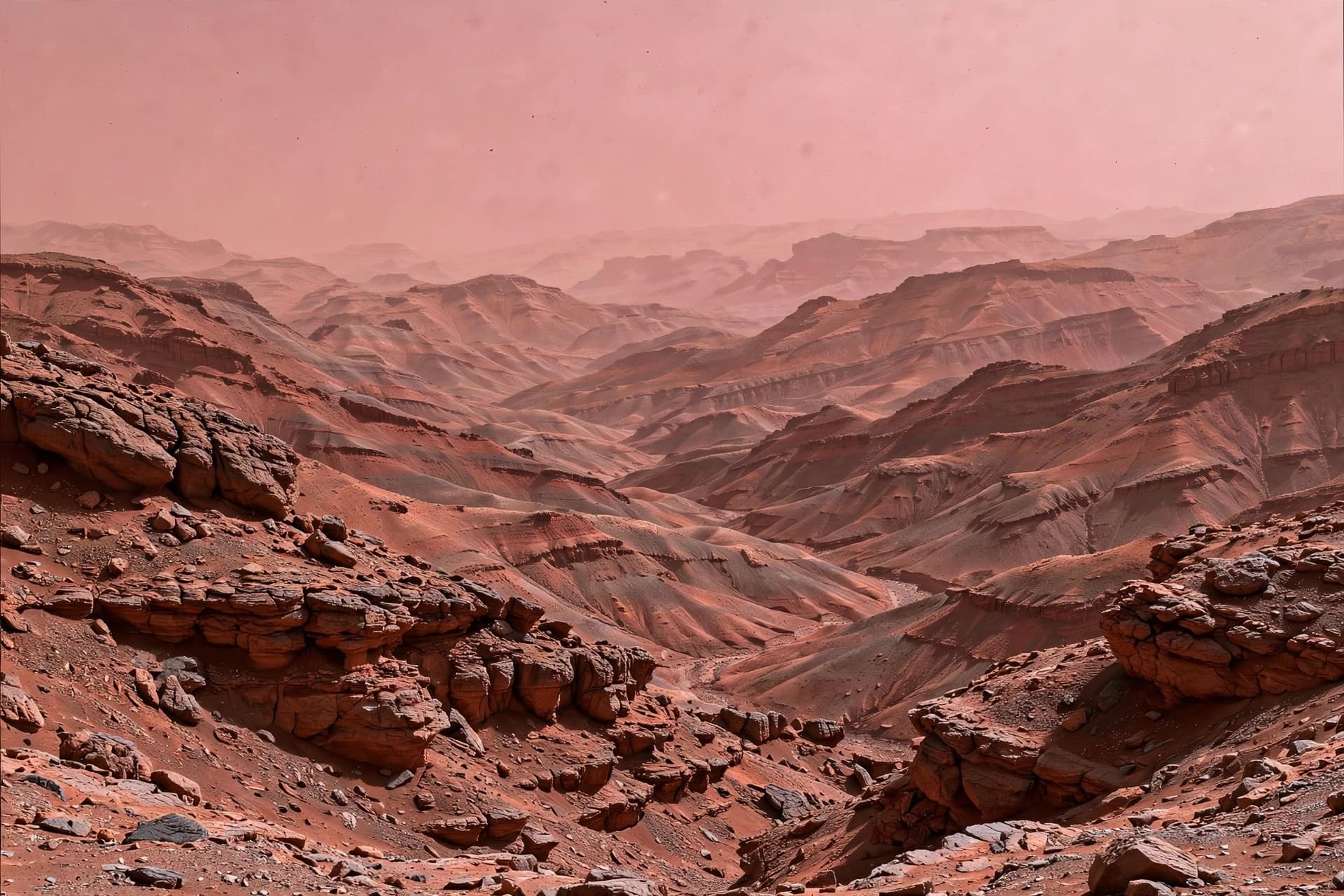
NASA's Perseverance rover explores "Lac de Charmes" on Mars, an area with ancient igneous rocks that could reveal clues about the planet's earliest history.
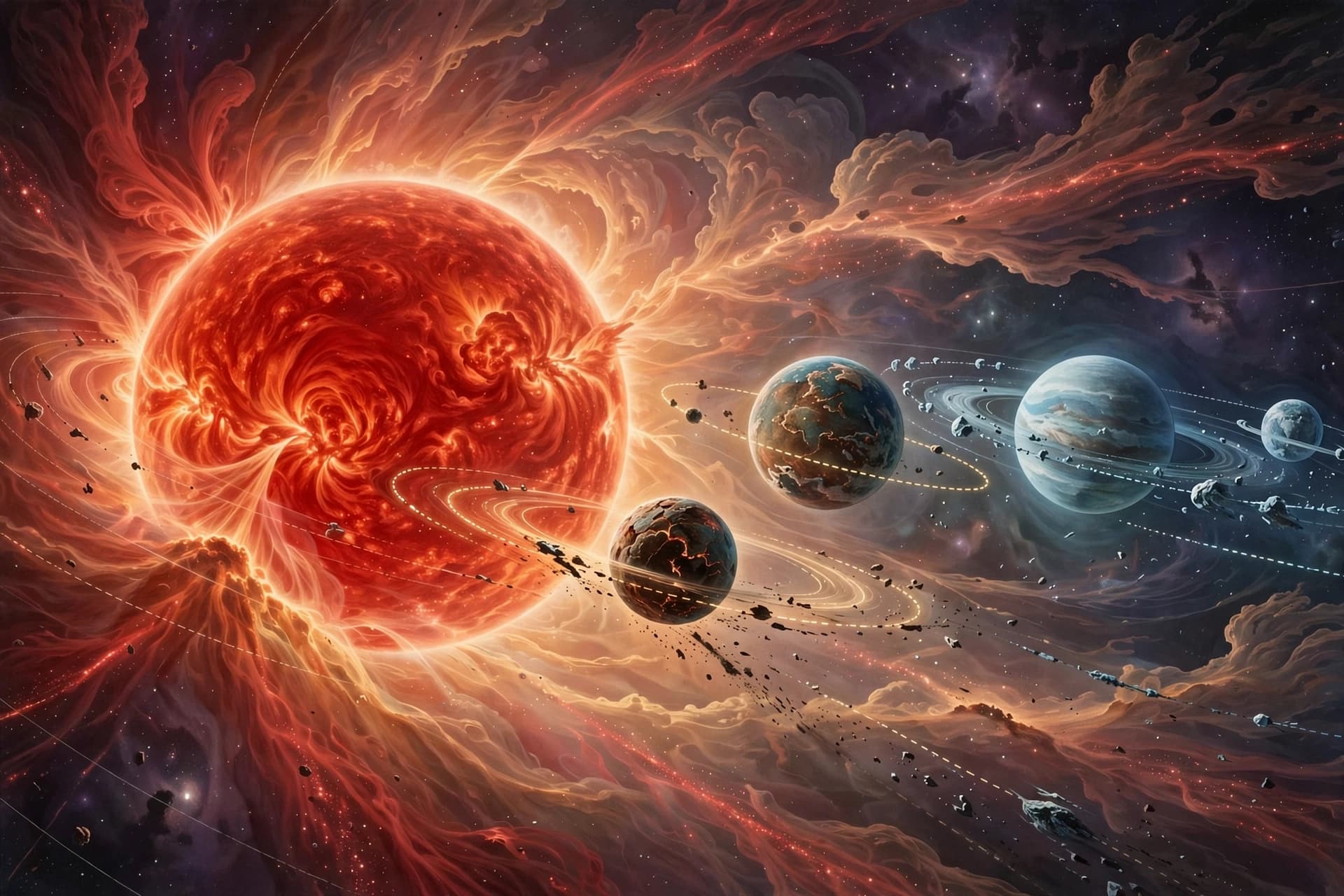
New research suggests the outer solar system could destabilize within a billion years after the Sun becomes a white dwarf, far sooner than previously estimated.
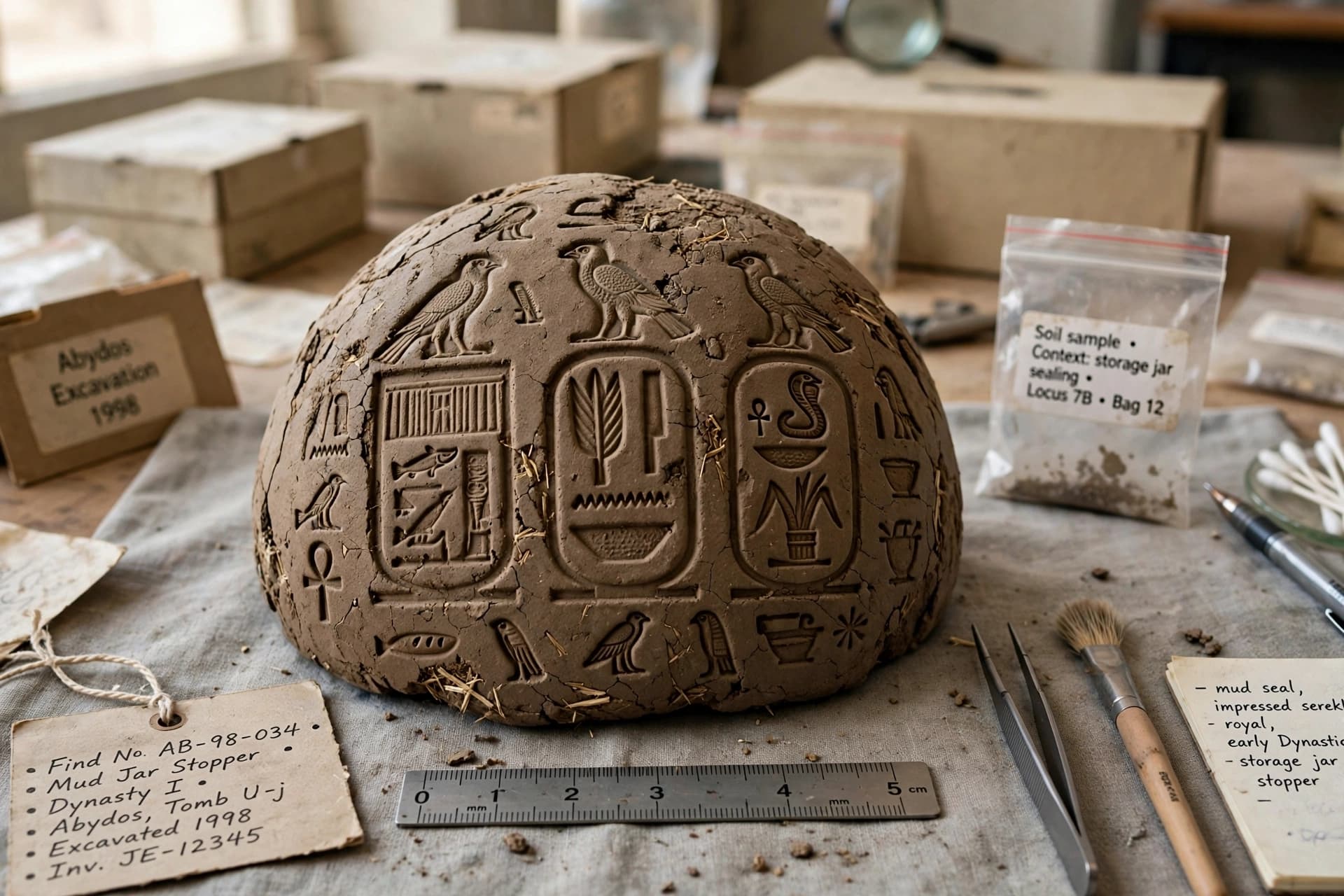
Researchers digitally enhanced a decades-old photograph of hieroglyphs that may strengthen the case that Meretneith ruled Egypt as a king-like sovereign.
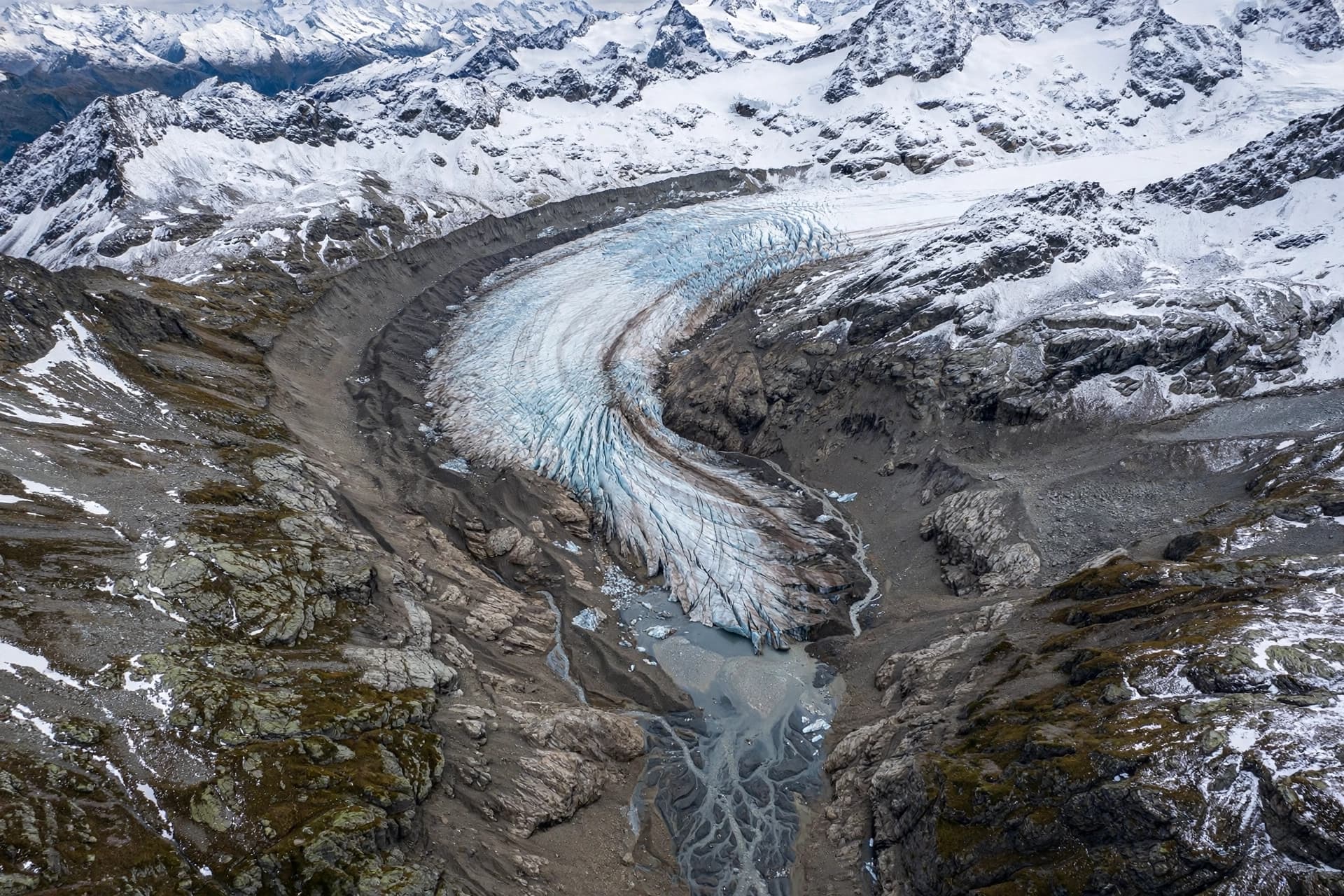
Swiss glaciers lost 19.4% of their ice volume over five years, including a 5.5% decline in 2026 as heat and low snowfall accelerated melting.
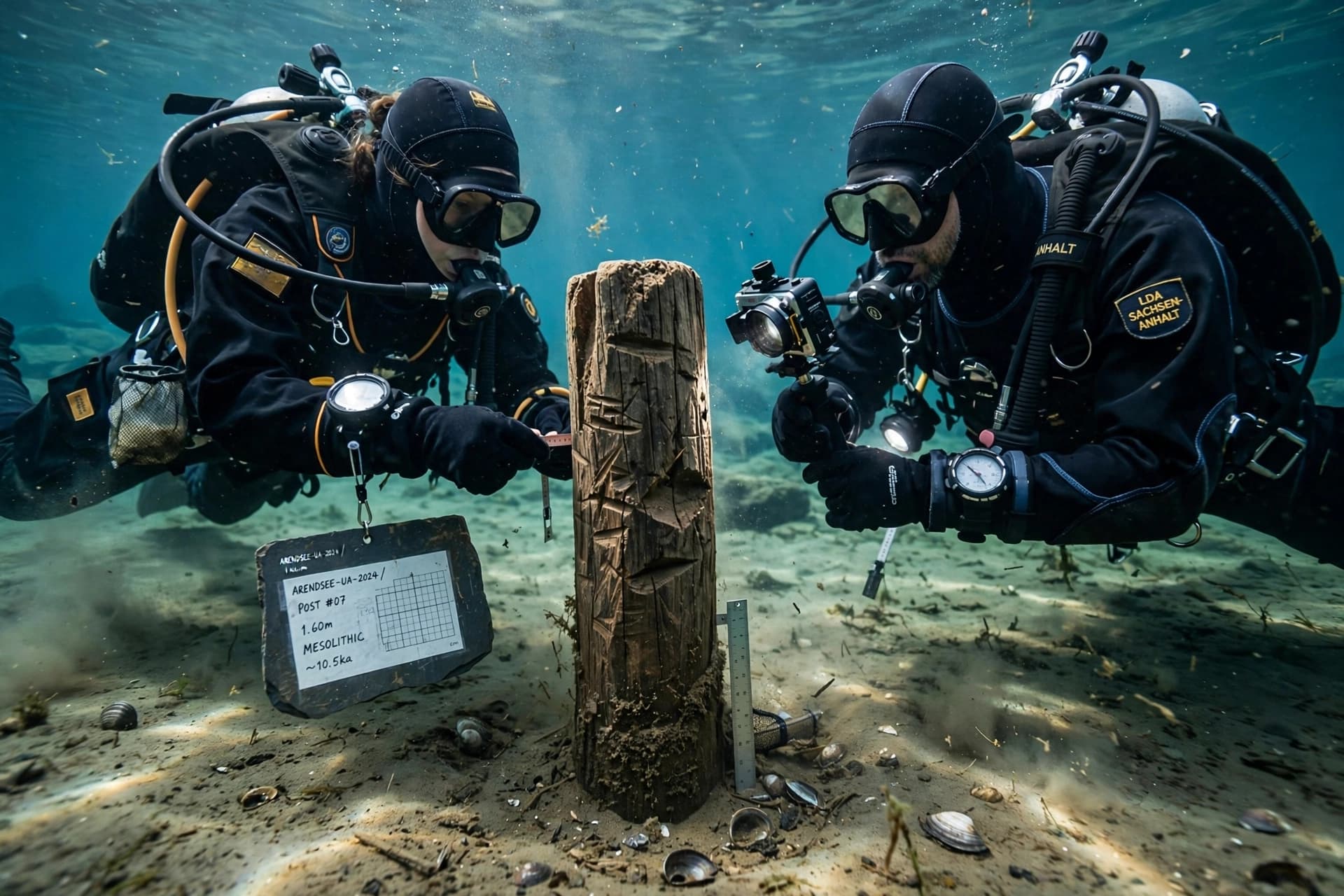
Worked wood found beneath Germany’s Lake Arendsee dates to about 10,500 years ago and may provide rare evidence of Mesolithic structures.
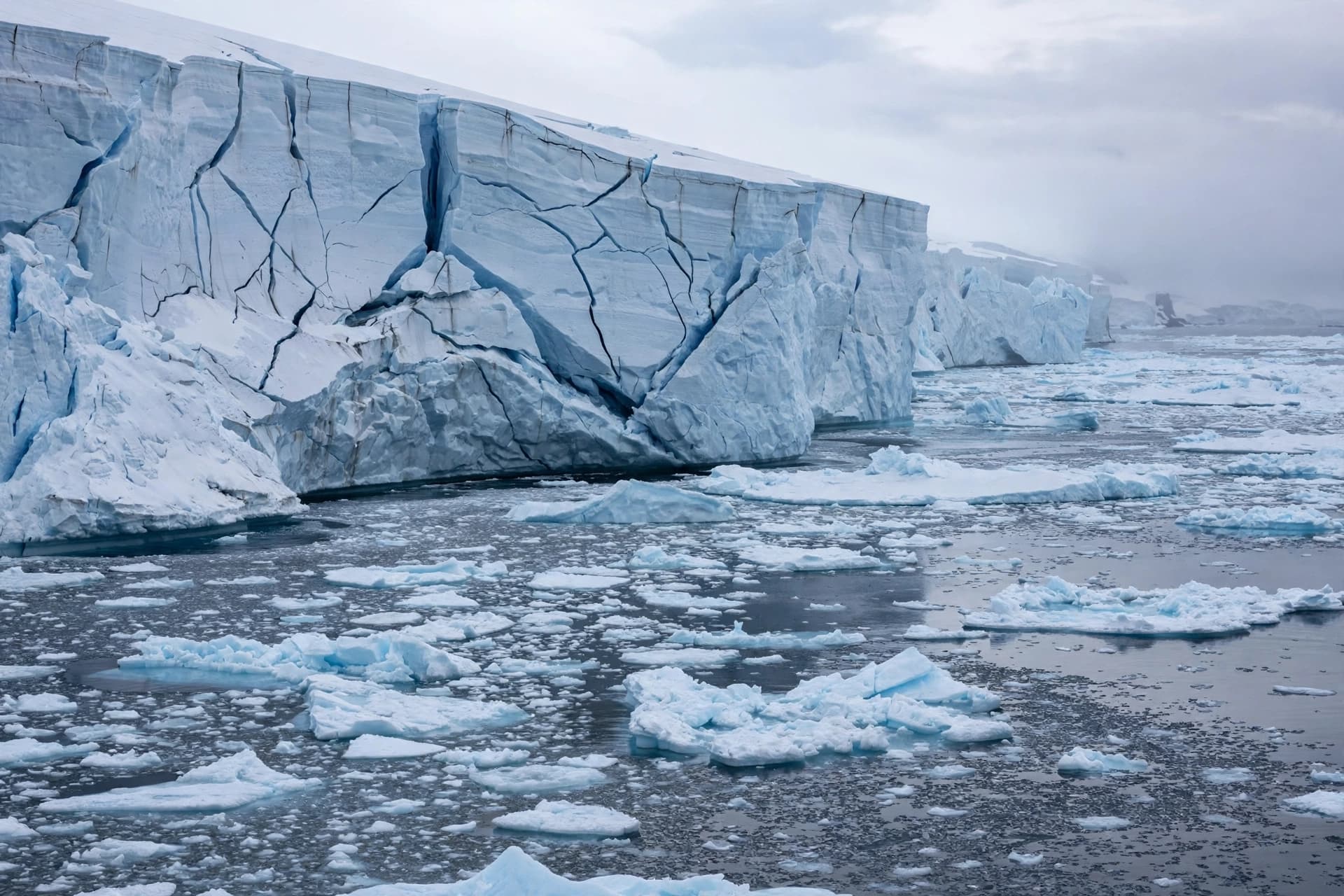
A new Nature Geoscience study finds Antarctic ice loss is very likely to continue through 2100, while lower emissions can limit how much ice is lost.
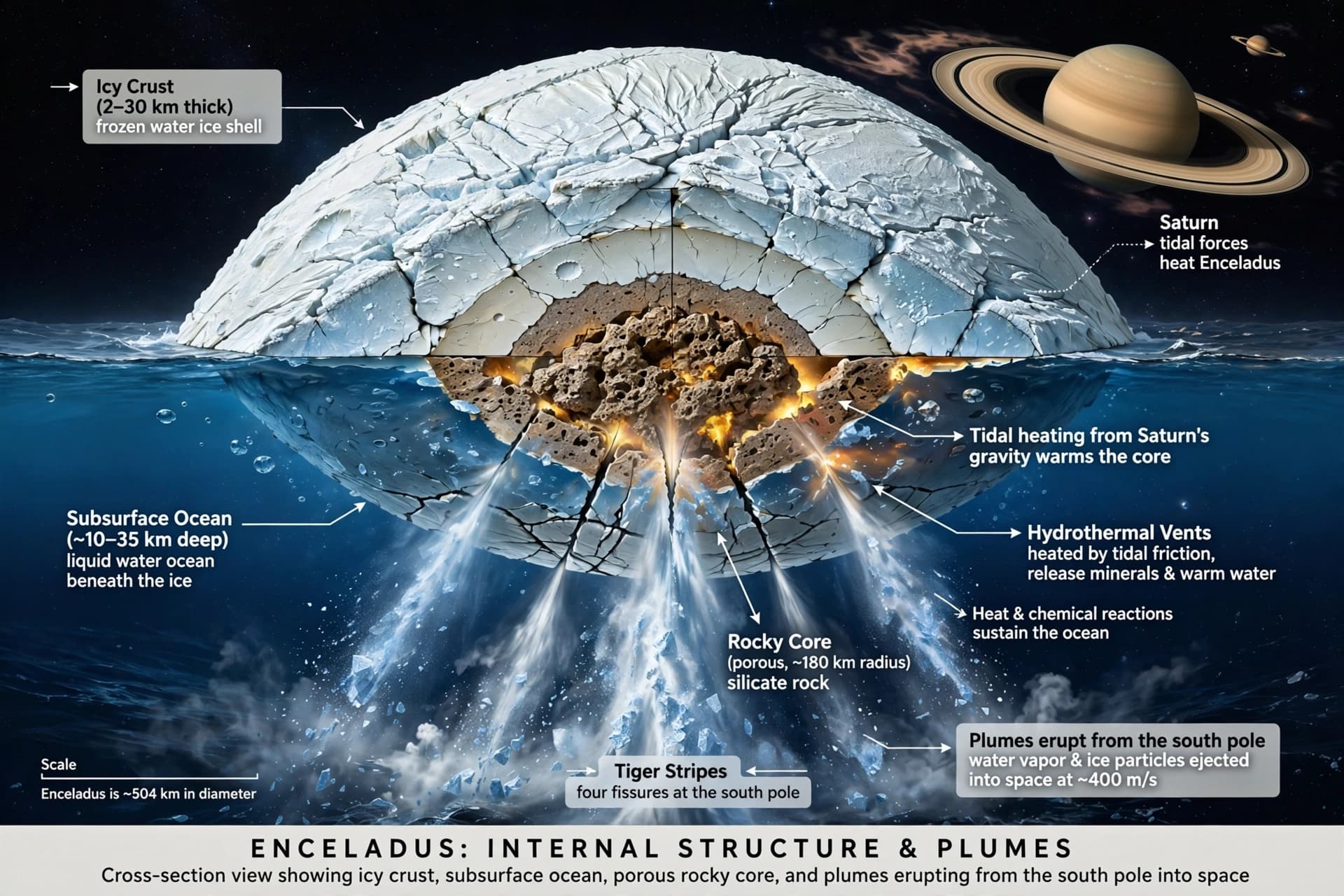
New research suggests Enceladus's plumes naturally concentrate biosignatures in ice grains, and a methane-producing Earth microbe can survive its ocean conditions, making life detection easier.
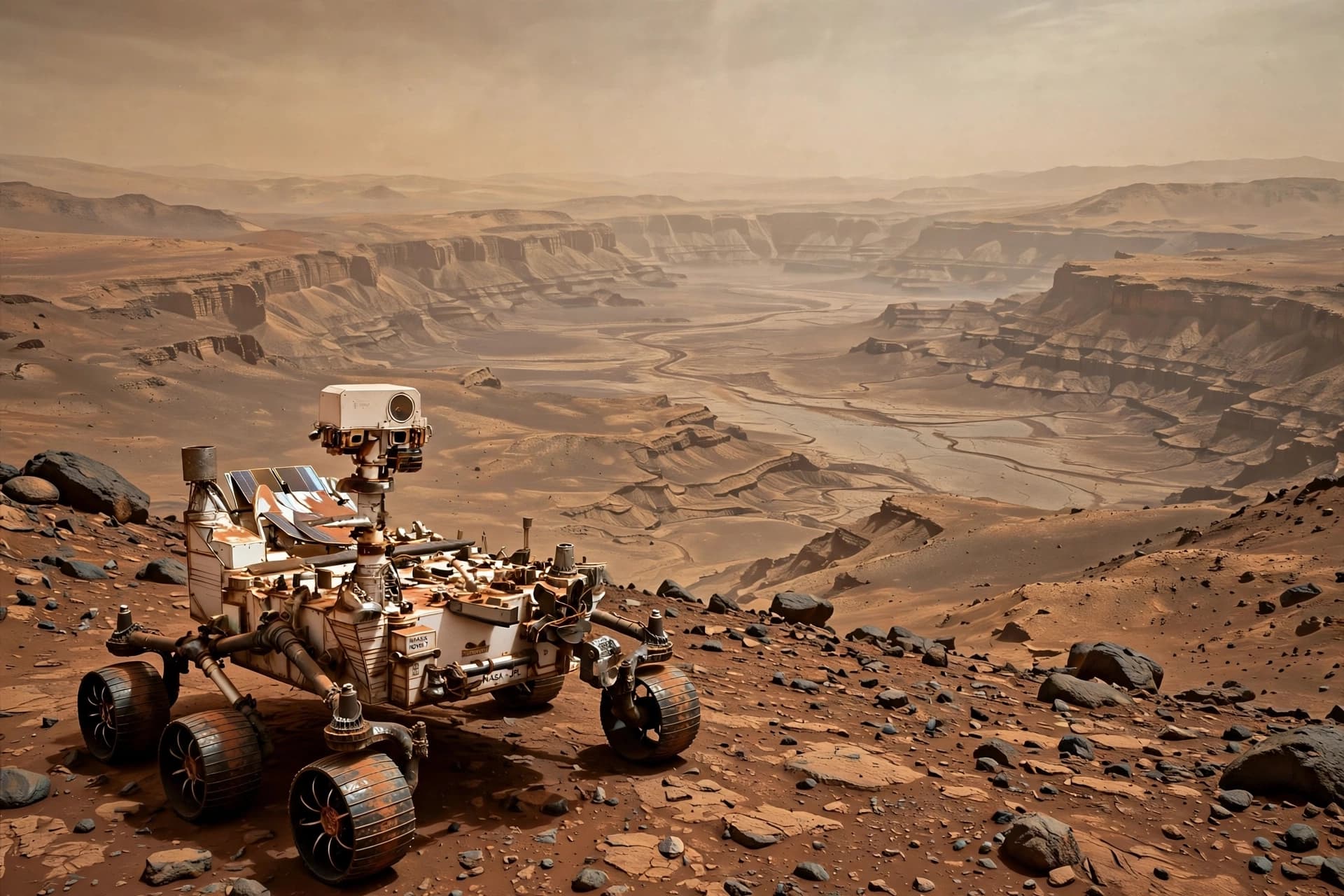
China plans to complete a new-generation geological map of Mars by the end of 2028, using Zhurong rover data and AI to reconstruct the planet's watery past and introduce a Chinese geologic time scheme.
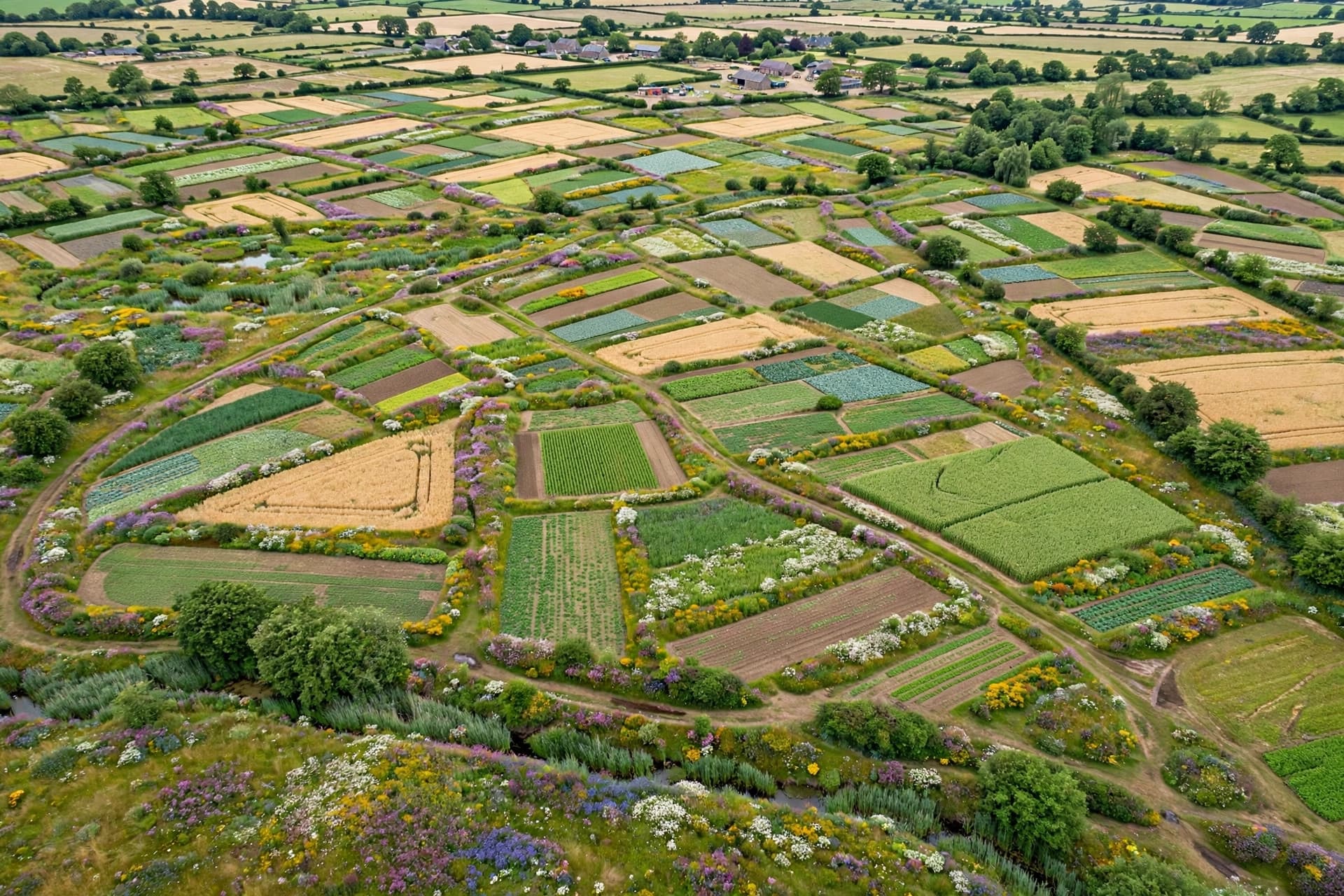
A new study finds that small, diverse crop patches with reduced pesticide use attract 70% more birds than conventional large fields, with the Eurasian skylark benefiting most from structural heterogeneity.
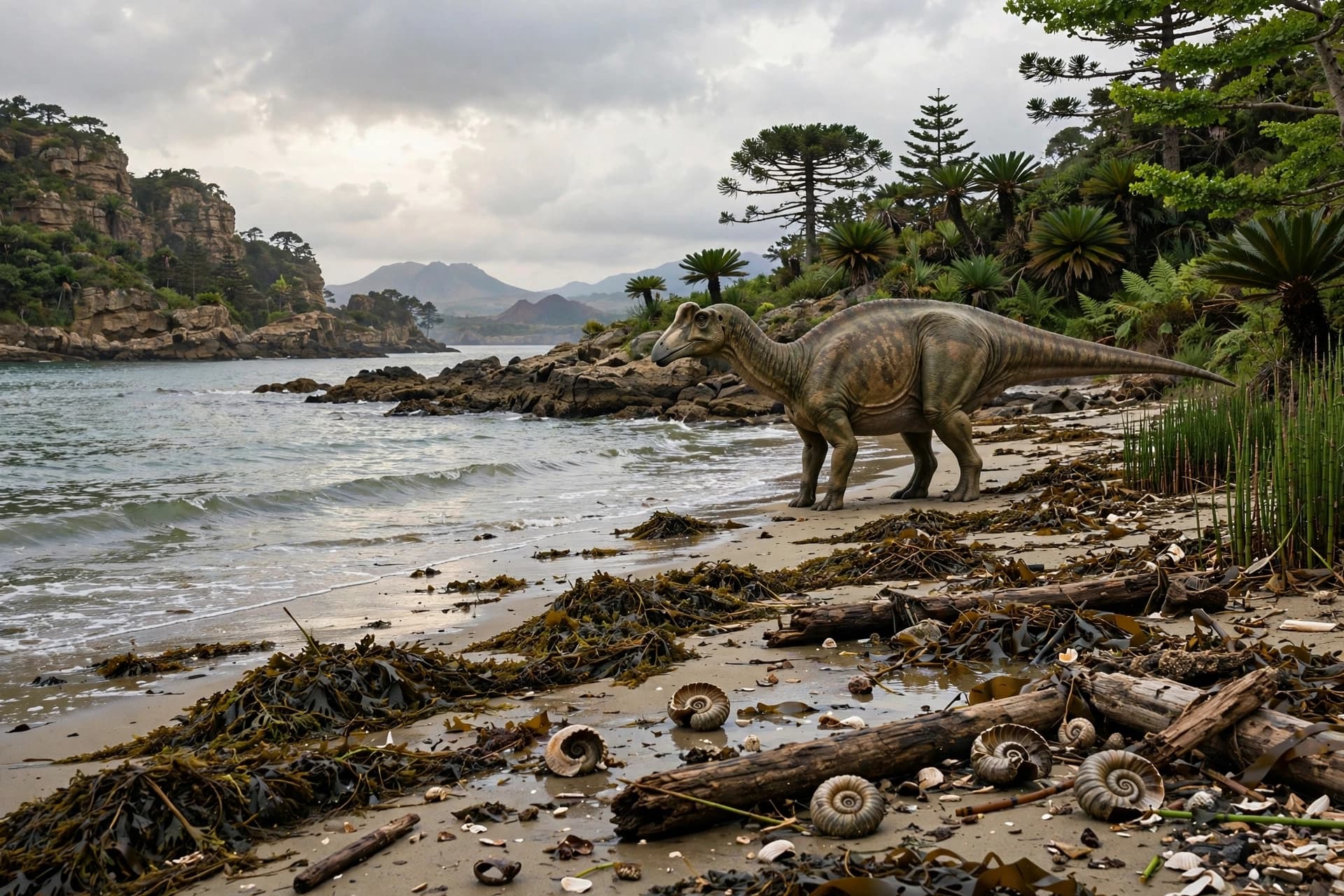
Carbon isotope analysis of fossilized teeth suggests some dinosaurs and their prey ate seaweed and marine matter washed ashore along ancient North American coastlines, explaining mysterious carbon signatures.
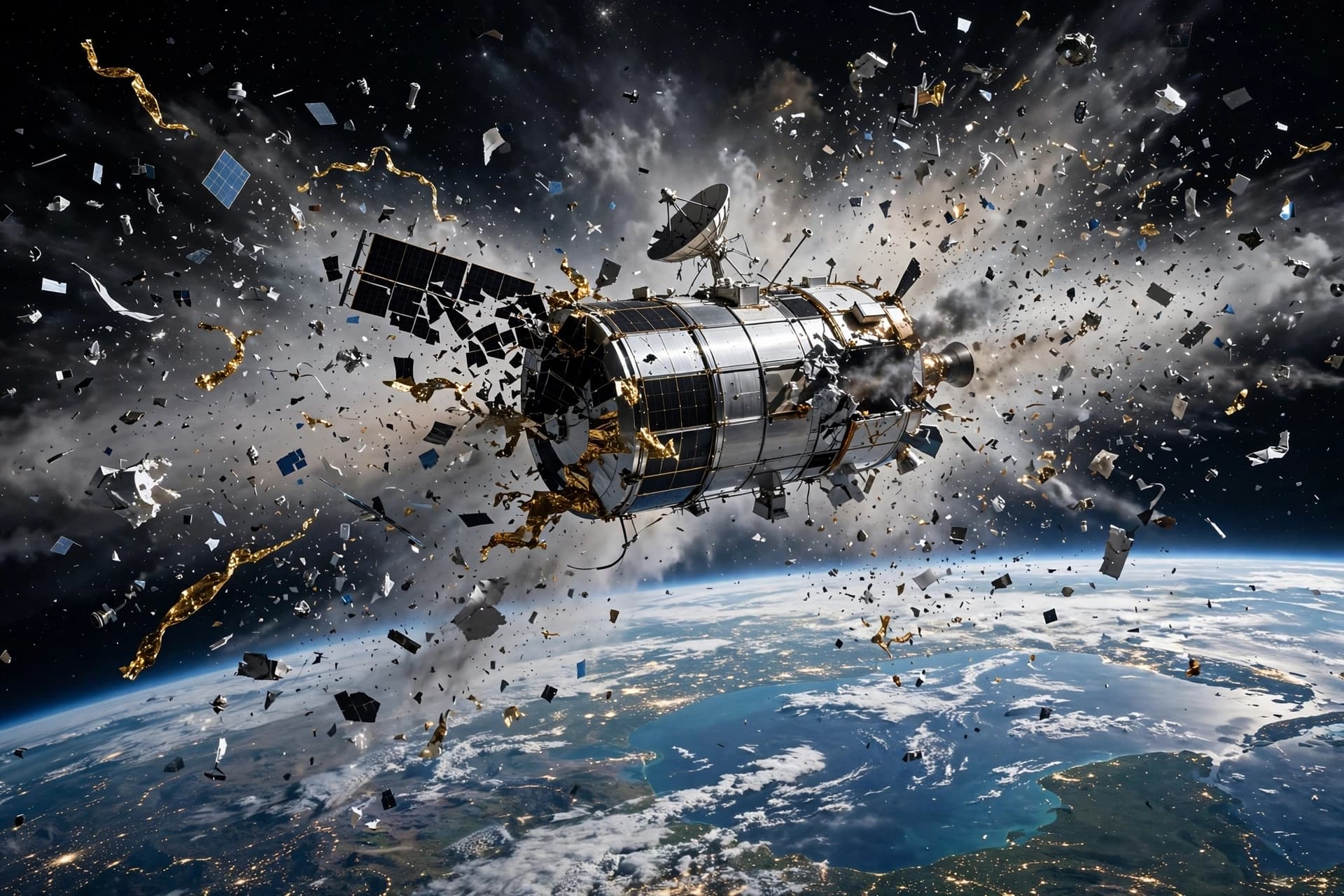
A Cold War-era U.S. spy satellite named Farrah III broke apart in low Earth orbit on September 13, 2026, creating a debris cloud that may threaten other spacecraft; the cause remains unknown.
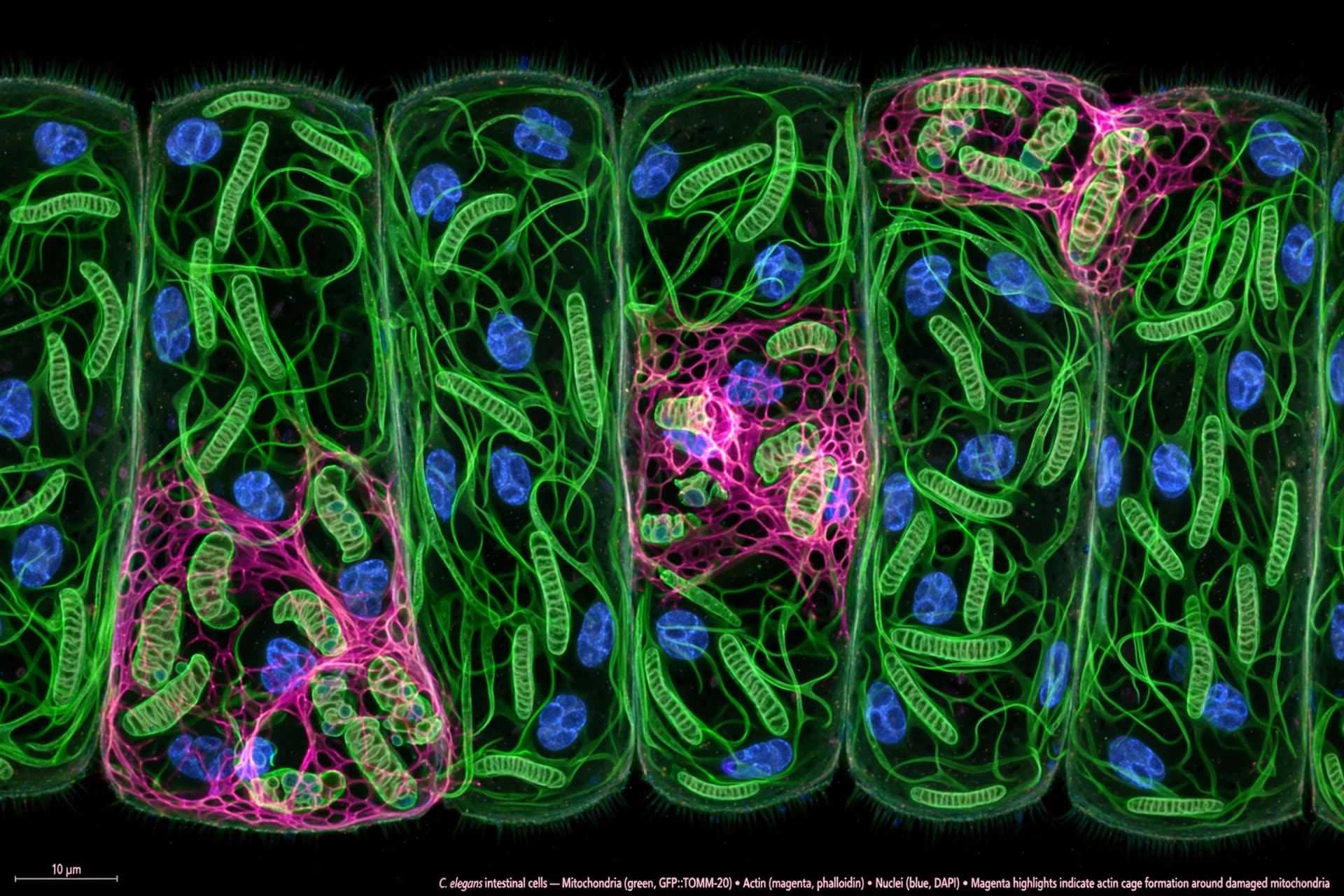
New research in C. elegans reveals that ER calcium signaling through InsP3R builds actin cages that constrain damaged mitochondria, explaining how certain mitochondrial defects extend lifespan.
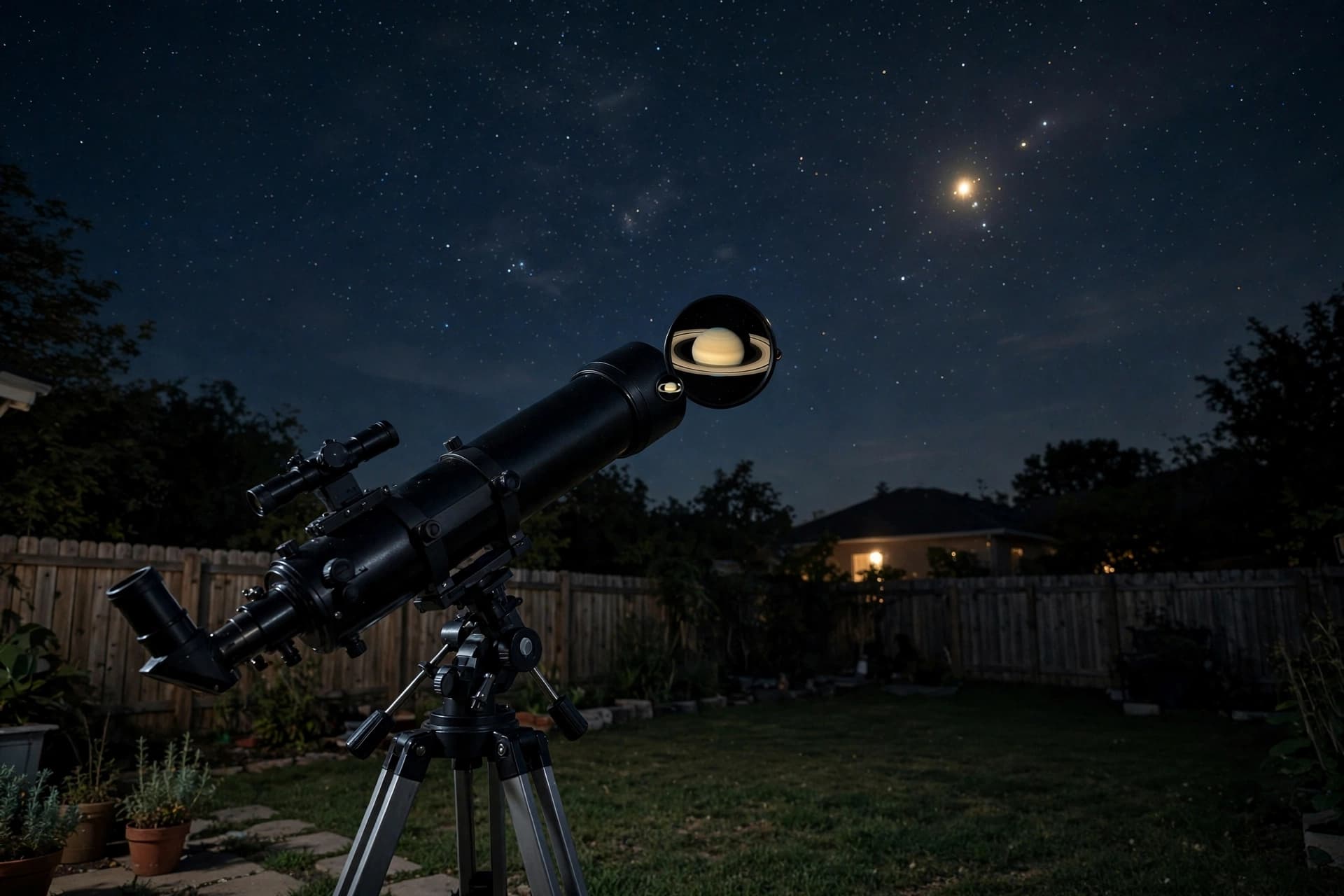
Saturn reaches opposition on October 4, 2026, appearing at its brightest and largest all year, visible to the naked eye and offering spectacular views through a telescope.
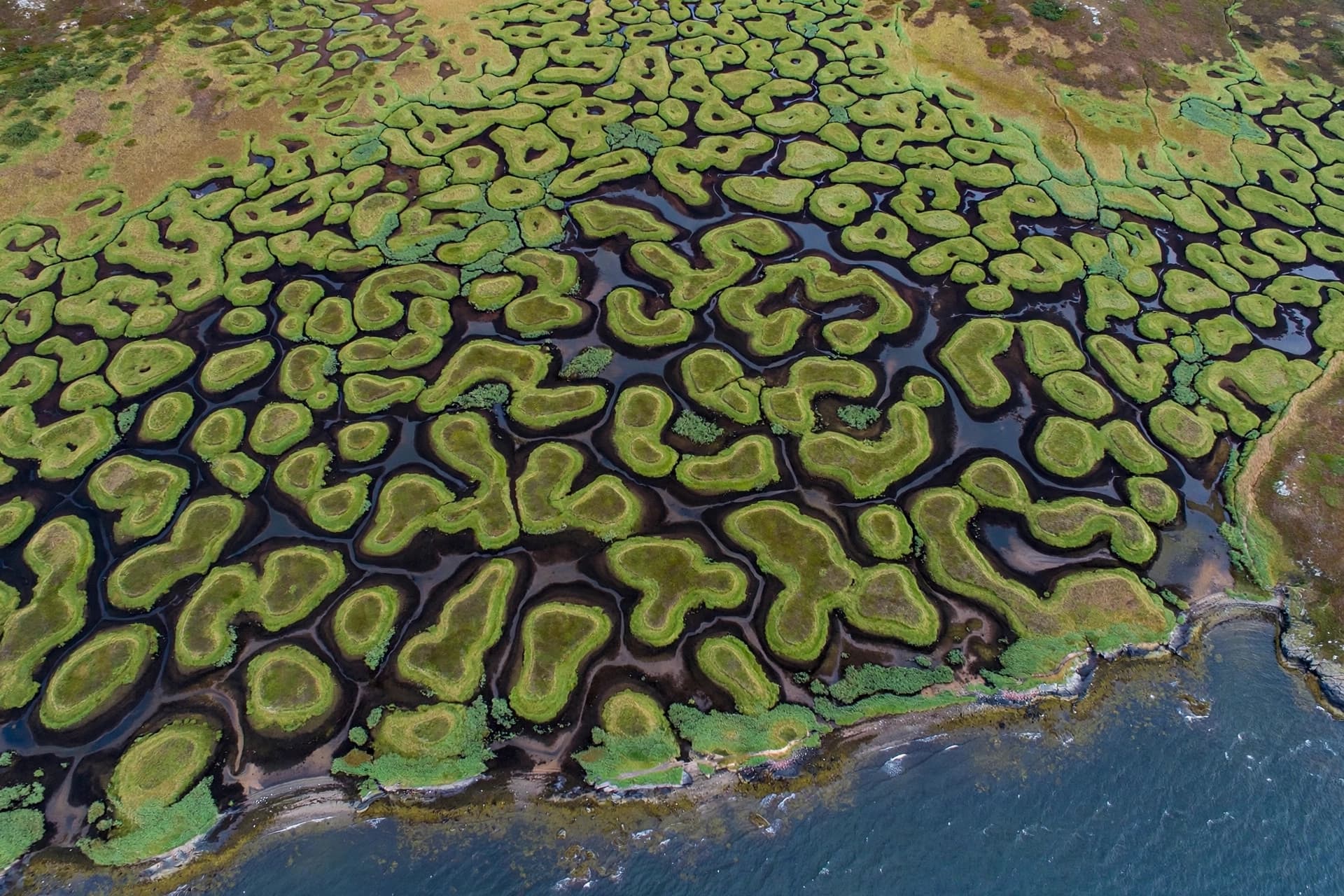
New research shows that self-organized hummock-hollow patterns in coastal meadows redistribute salt away from plant roots, enhancing productivity and helping vegetation survive increased salinization from climate change.
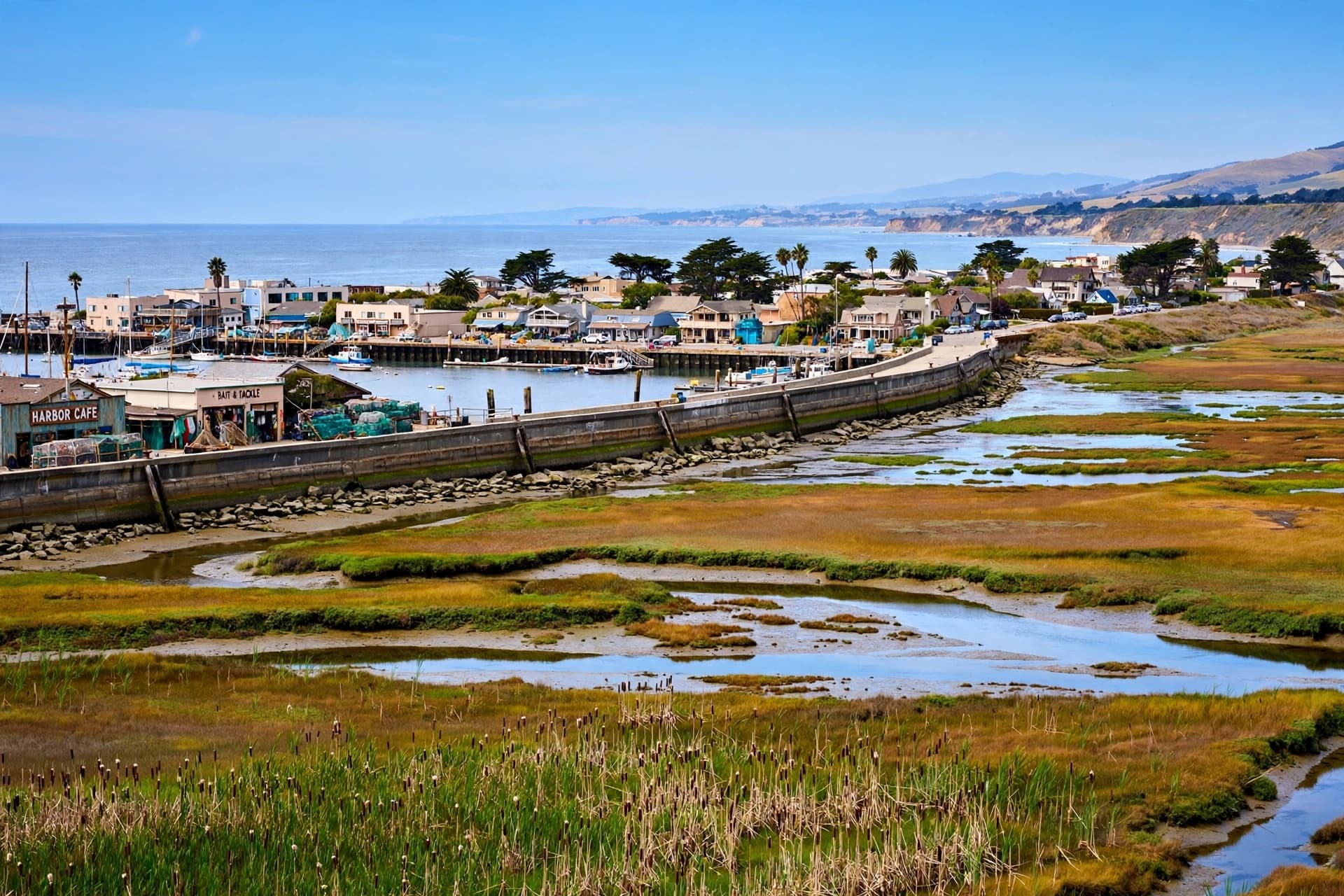
California is preparing for a planetary-scale Kelvin wave that could raise sea levels by up to a foot along the coast, compounding existing risks from El Niño, high tides, and climate-driven sea level rise.
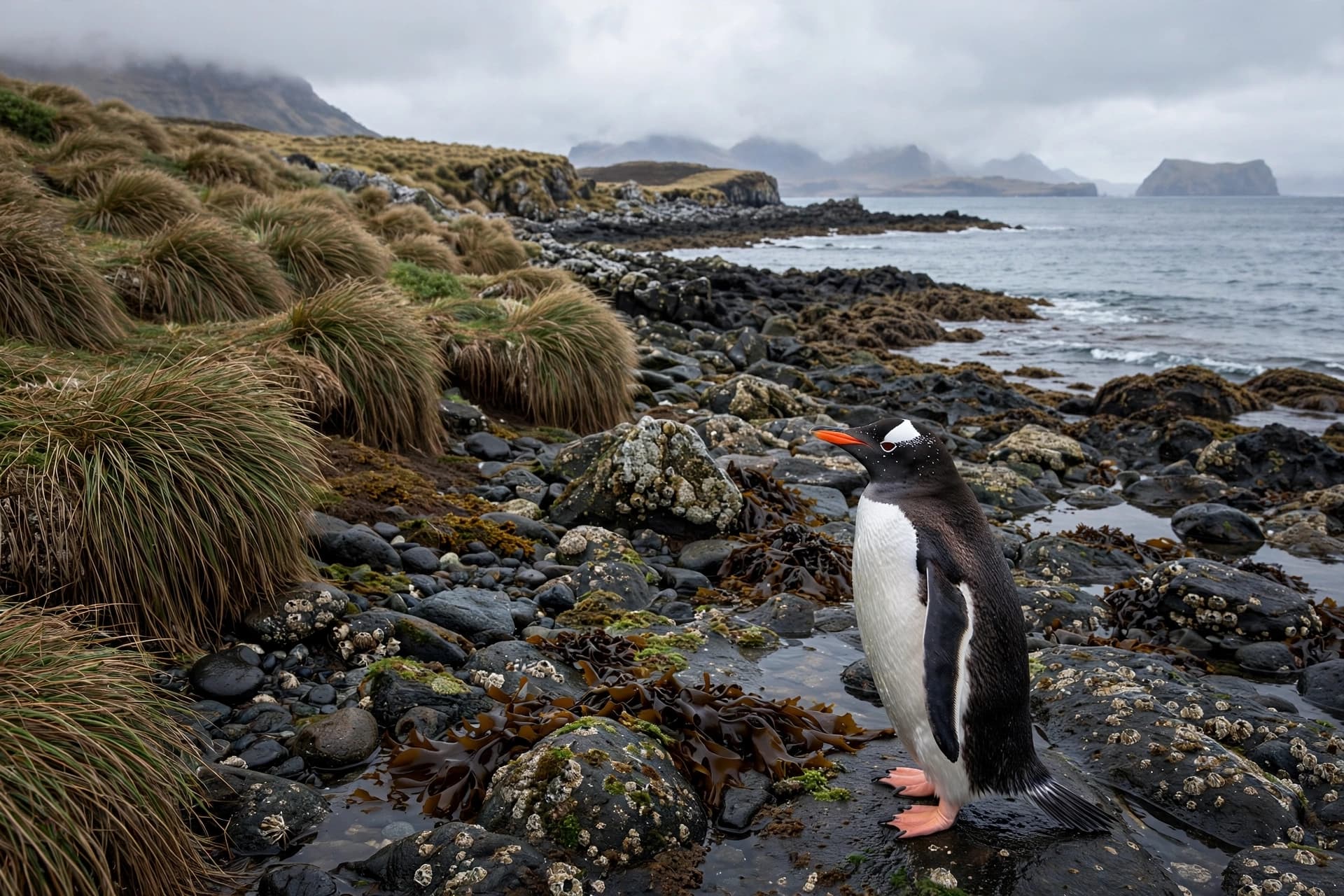
Scientists identify the southeastern gentoo penguin (Pygoscelis kerguelensis) on the Kerguelen Islands, the first new penguin species described in over 100 years.
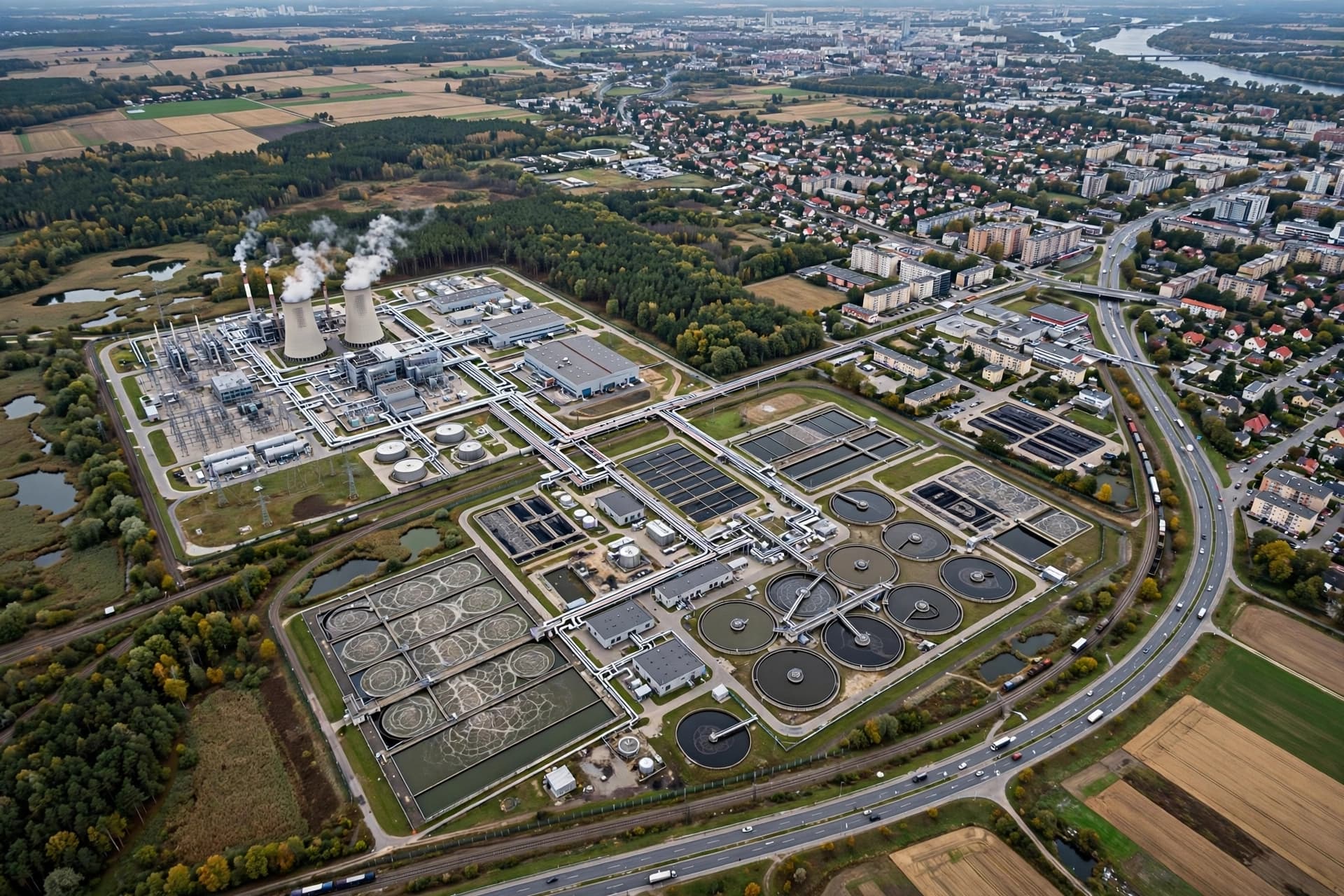
Poland will allow reclaimed municipal wastewater to cool power plants from 2027, reducing reliance on freshwater amid drought and low river levels.