In the Company of Shadows: How a Bonobo Learned to Track the Unseen
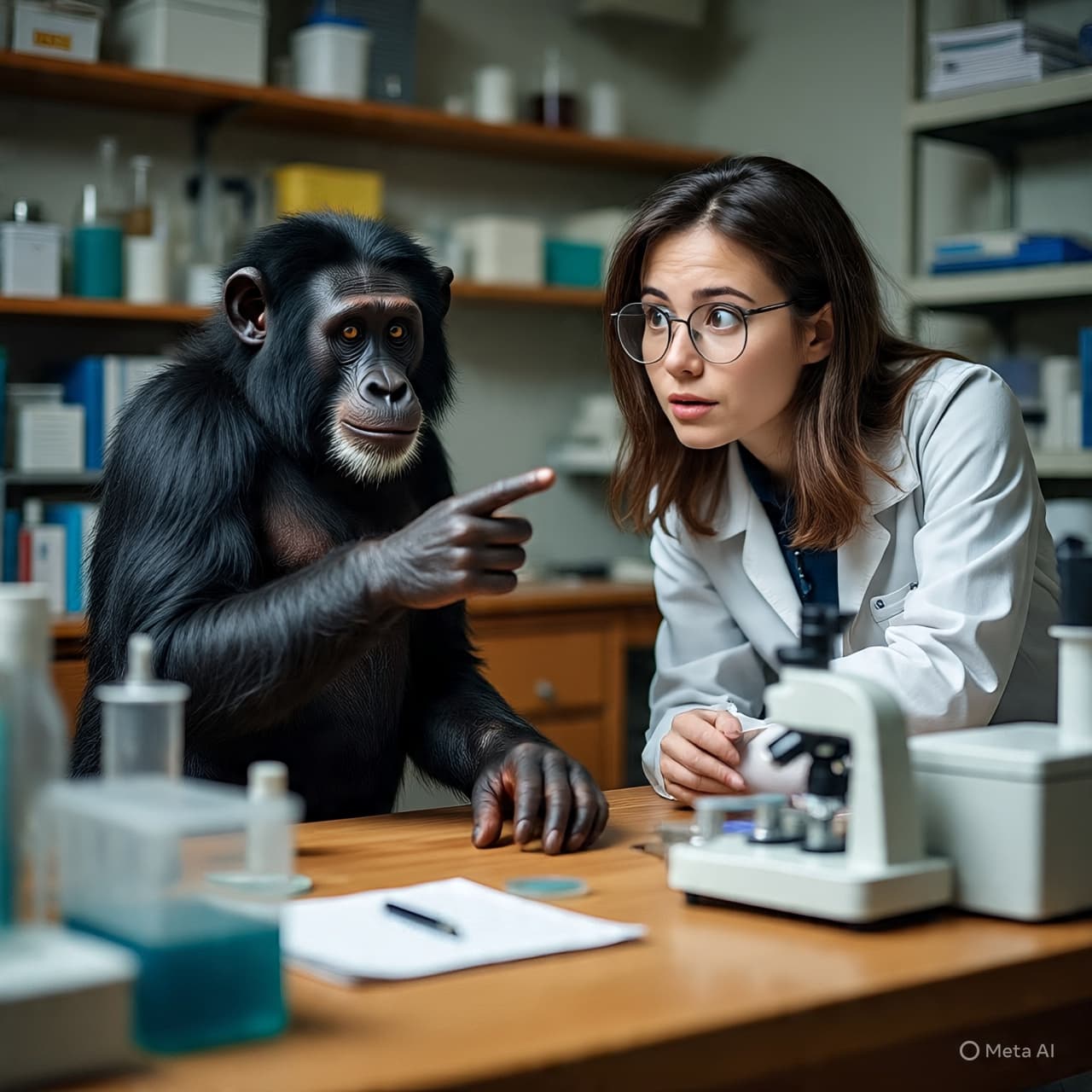
Experimental research shows a bonobo may track pretend objects in play, indicating imagination isn’t exclusively human and offering new insight into primate cognition.

Experimental research shows a bonobo may track pretend objects in play, indicating imagination isn’t exclusively human and offering new insight into primate cognition.

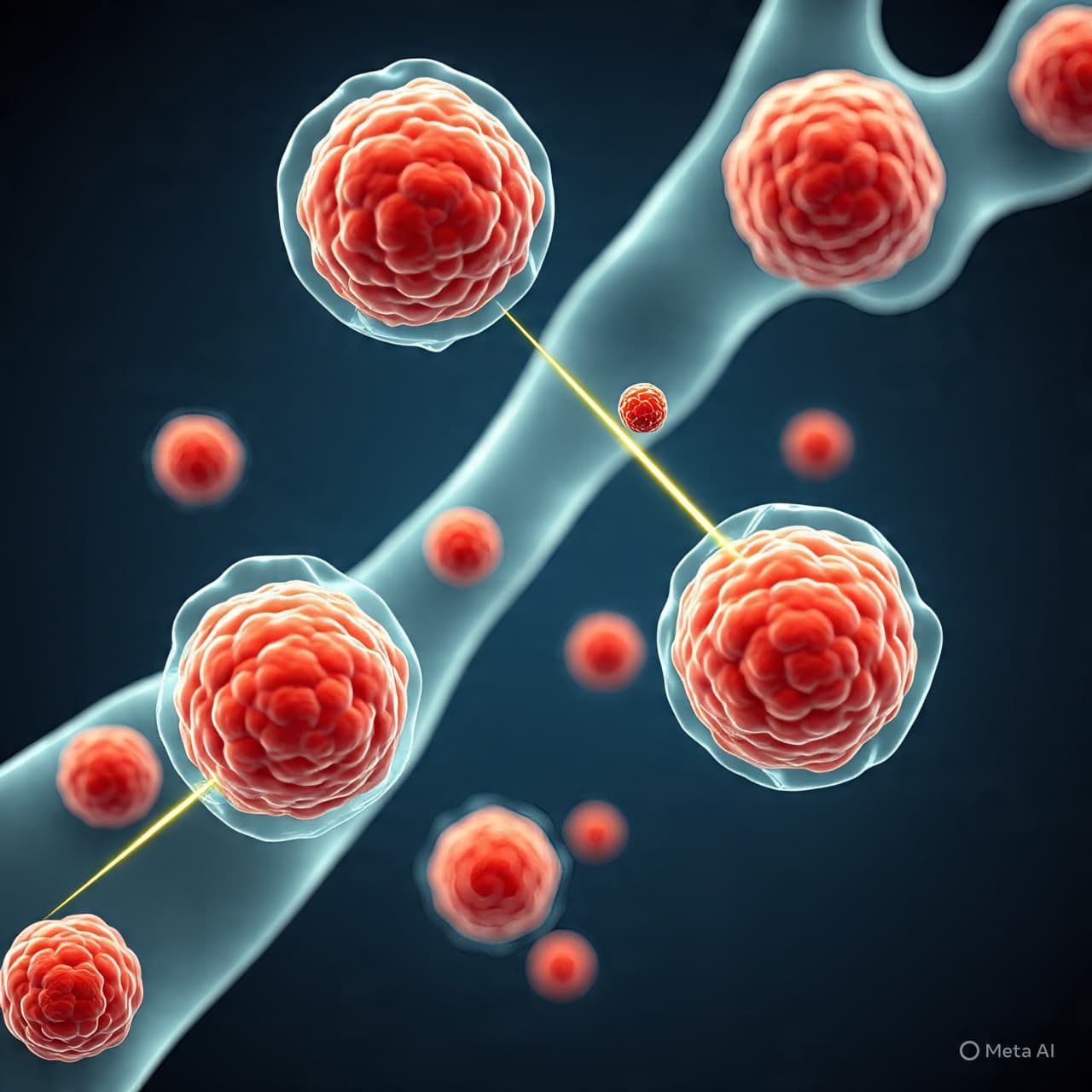
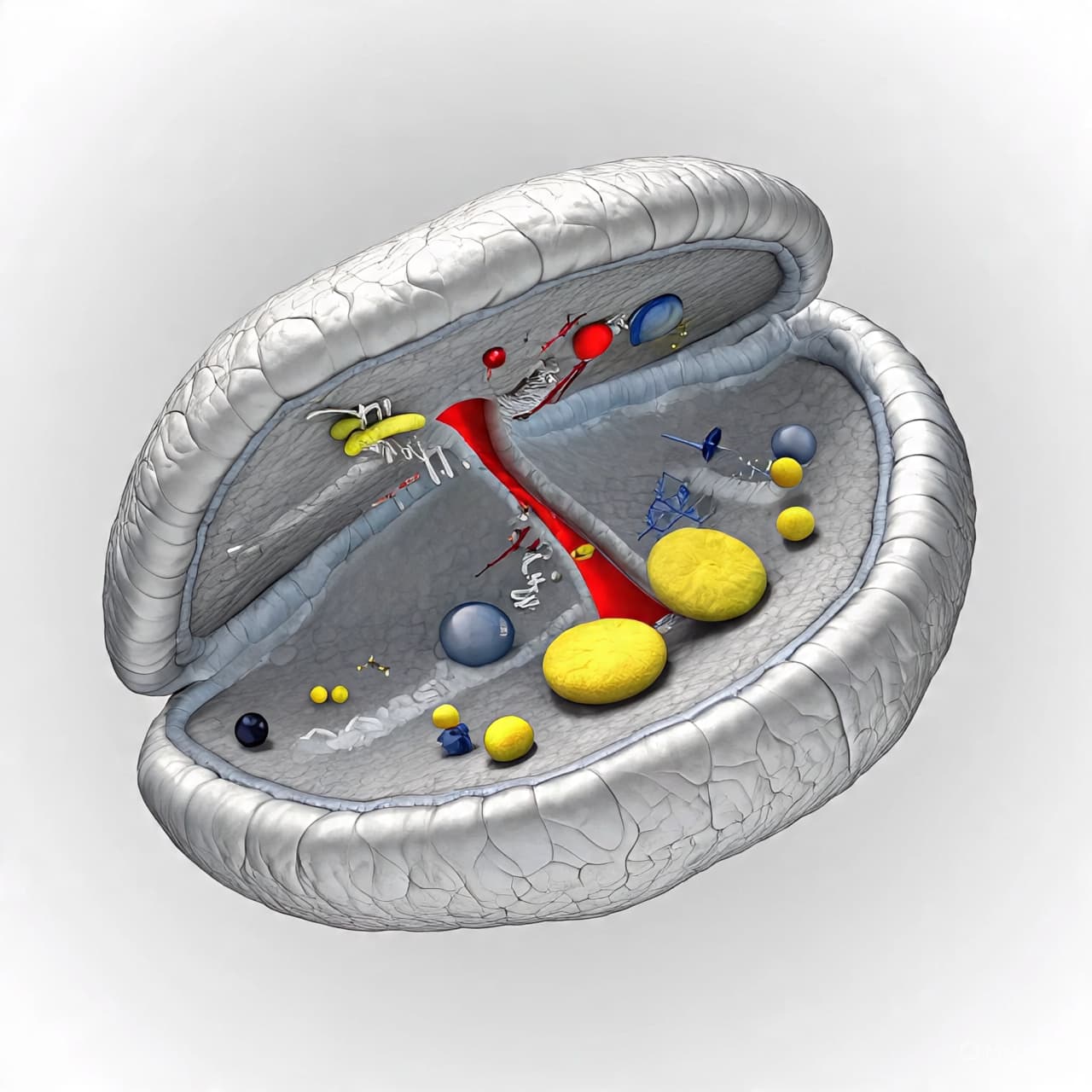
Mathematical models reveal how mutated blood stem cells compete, expand, and evolve over time, illuminating risks for disease and the hidden evolutionary dynamics of our hematopoietic system.

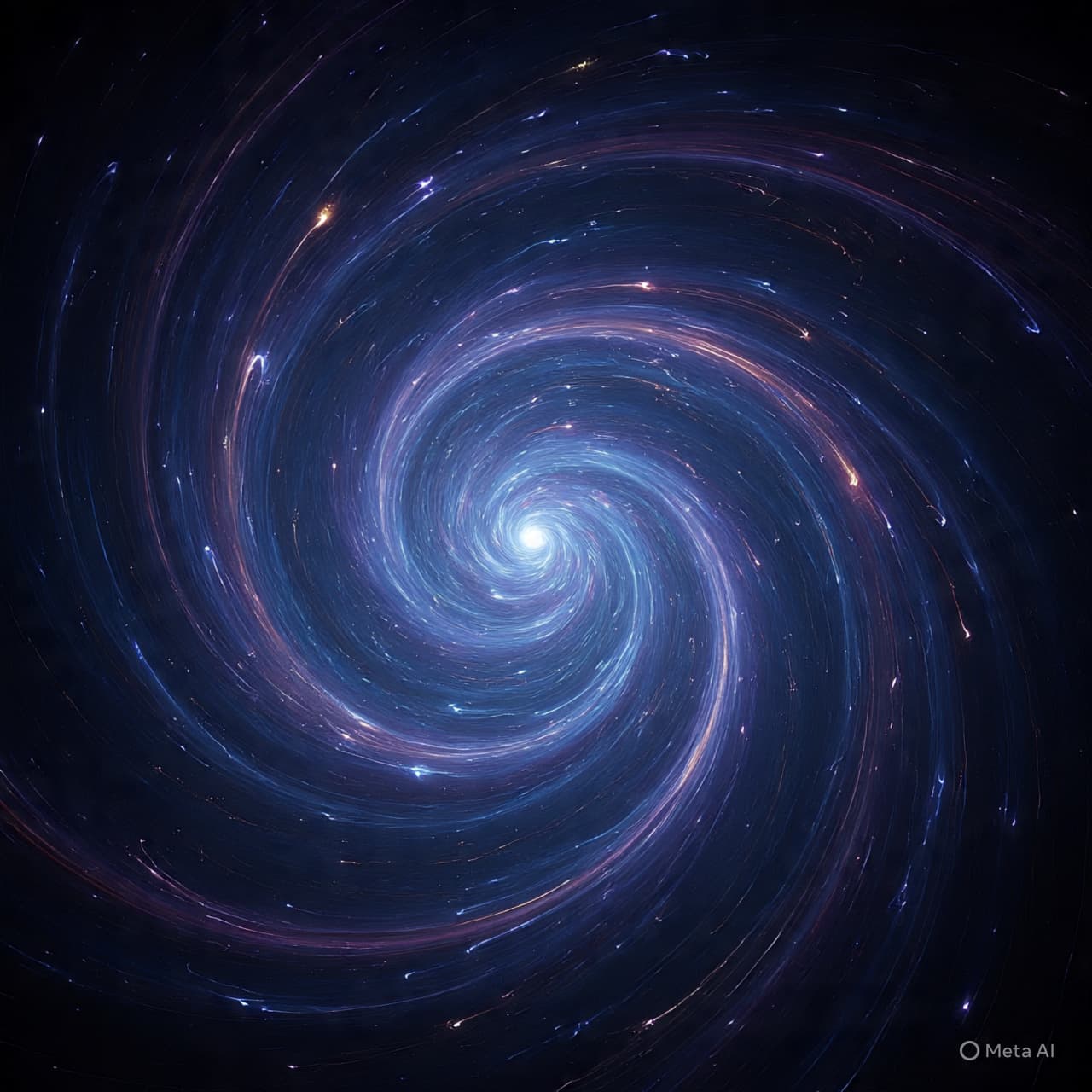
Scientists propose that faint magnetic fields from the early universe may have altered recombination, affecting cosmic microwave background measurements and helping ease the longstanding Hubble tension.

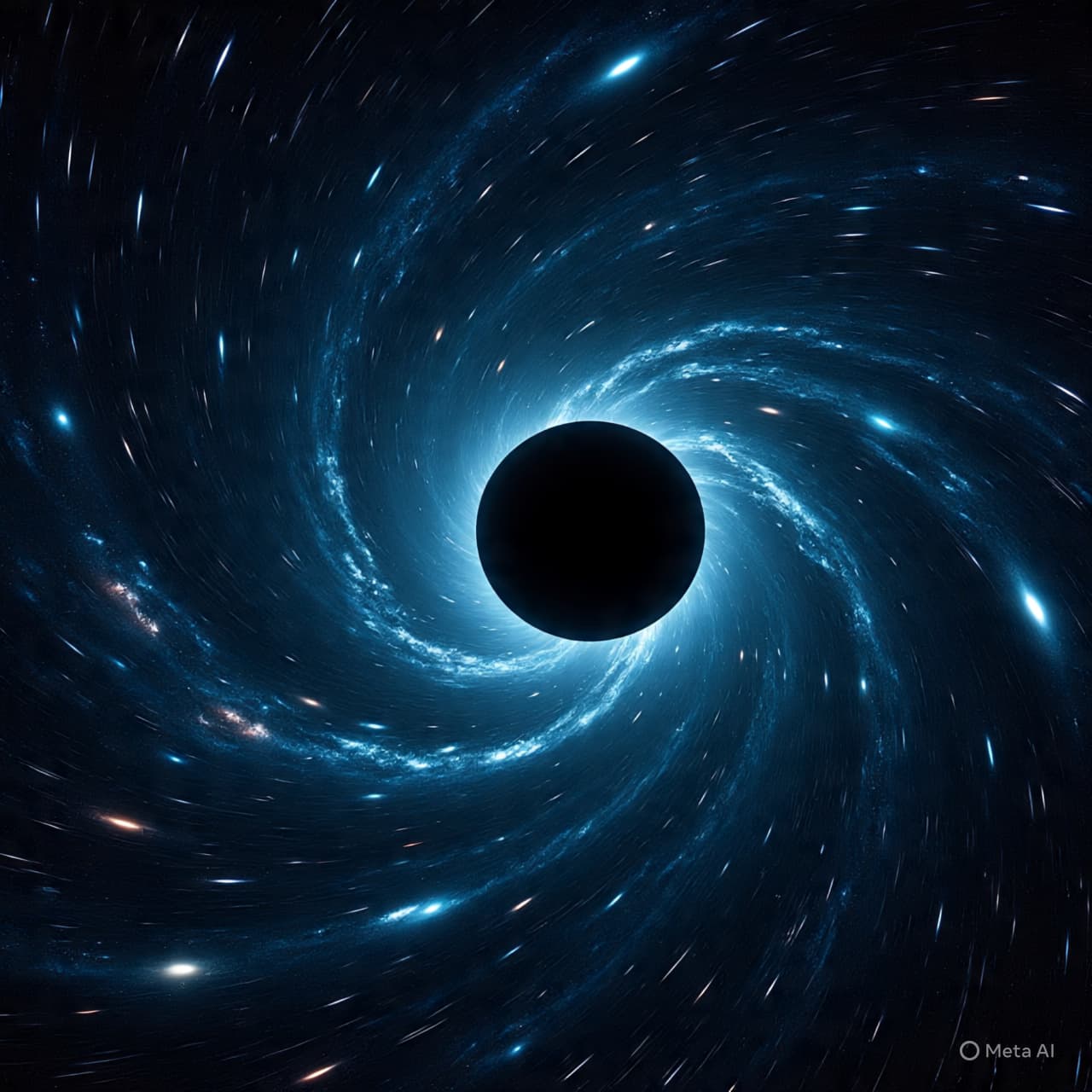
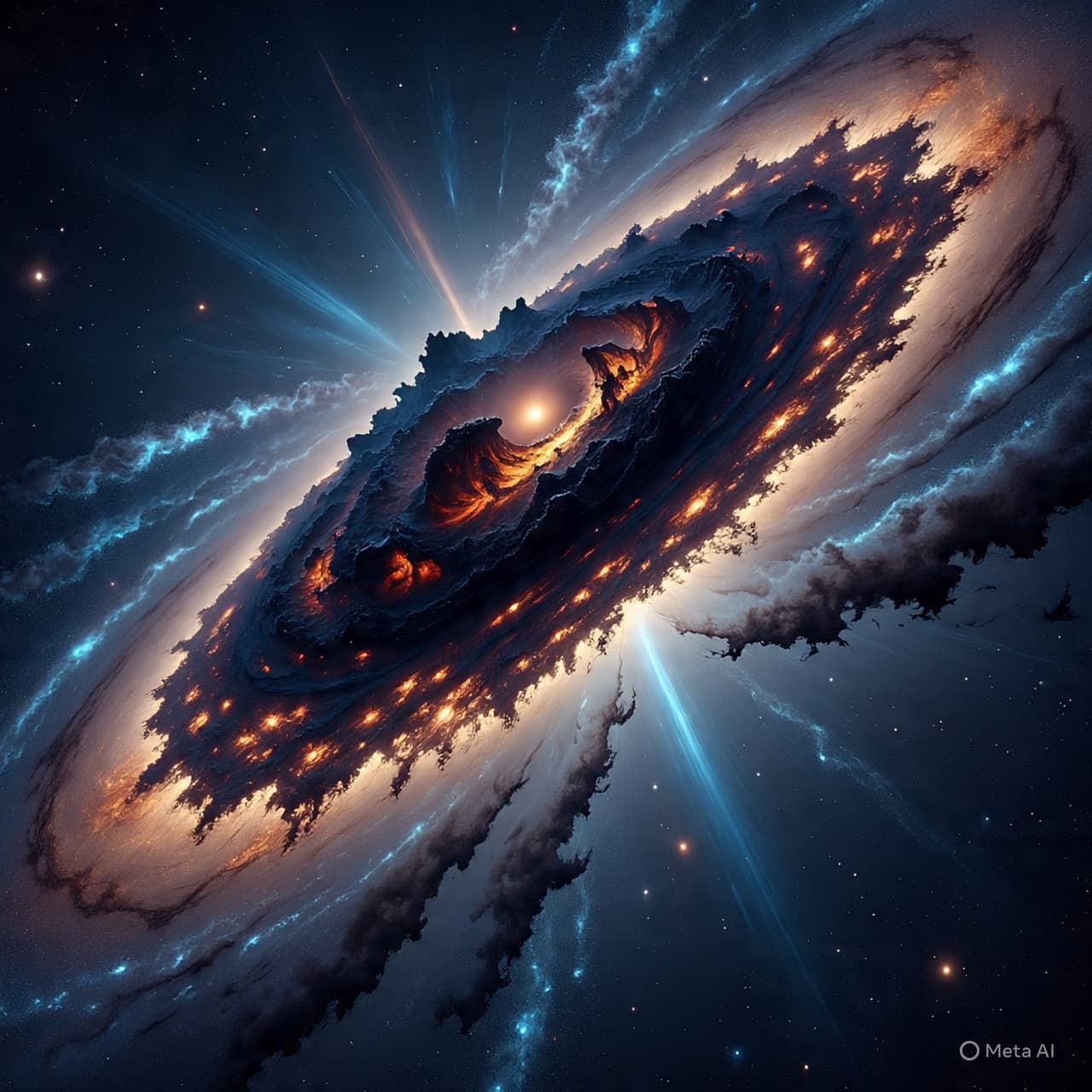
Astronomers have observed a tidal disruption event where a supermassive black hole emits a sustained and rising jet of energy, potentially up to 100 trillion times the output of the fictional Death Star.

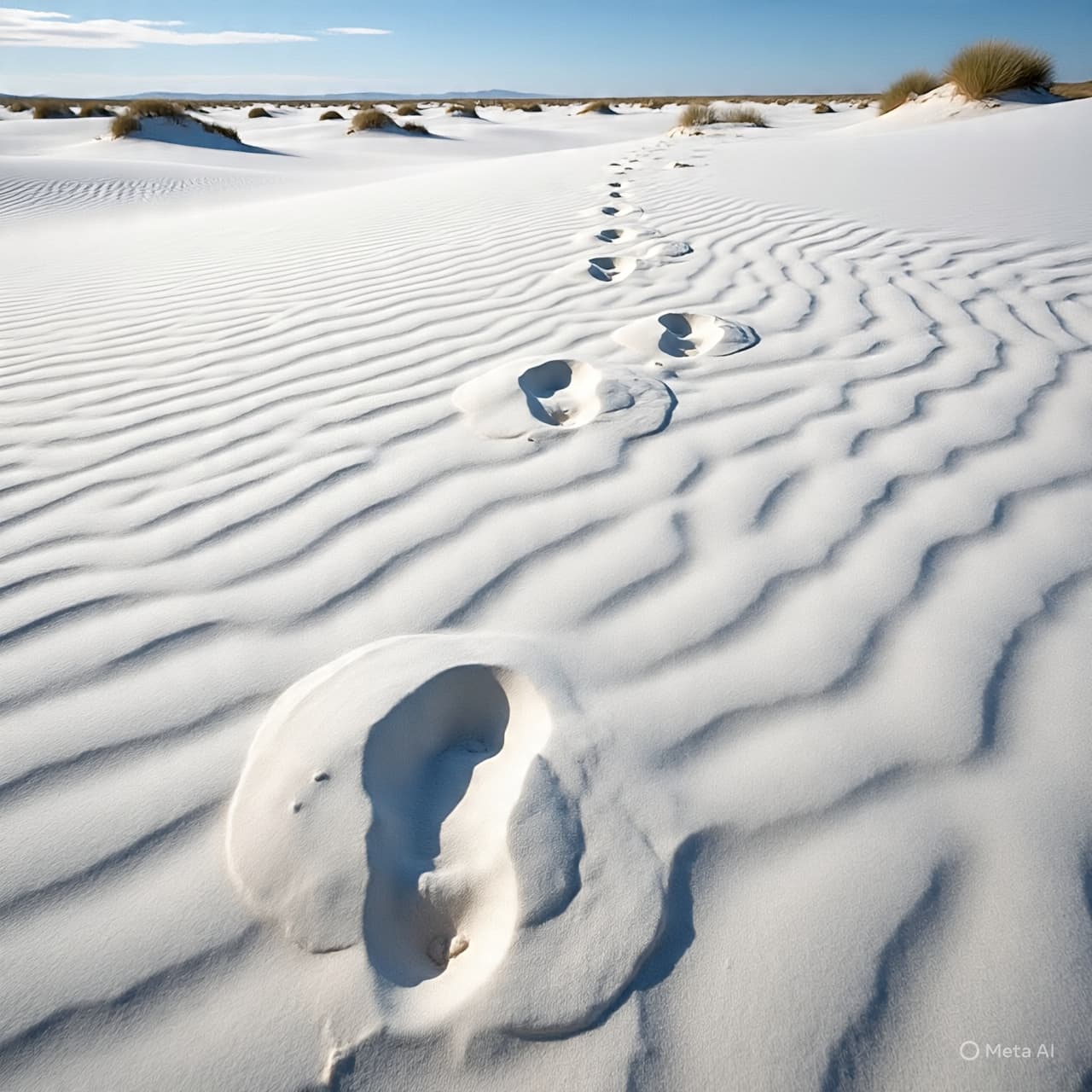
Ancient human footprints in New Mexico have been dated to about 21,000–23,000 years ago, suggesting humans were in the Americas much earlier than previously believed and prompting a review of migration history.

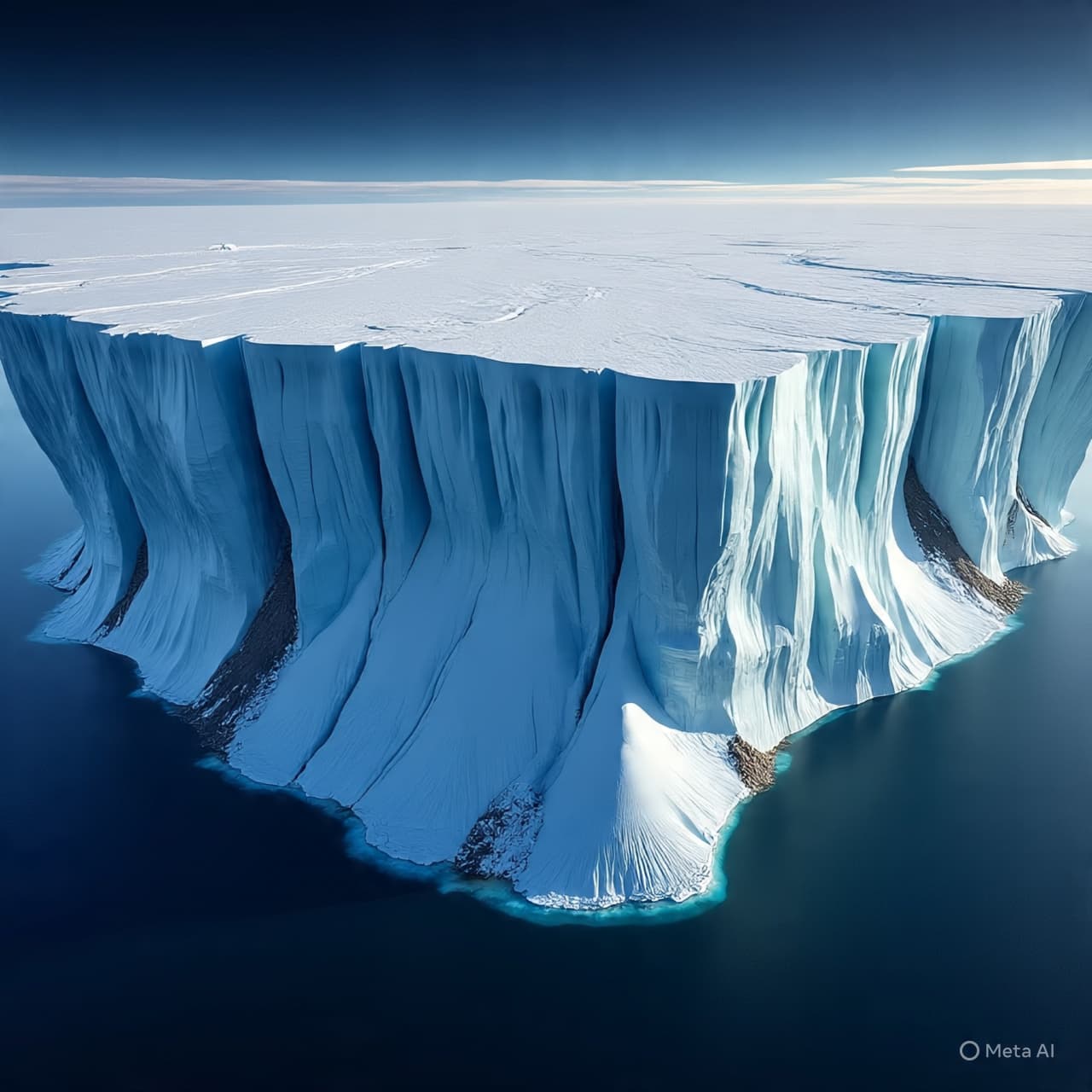
Scientists have mapped ancient river valleys and plains beneath Antarctica’s East Antarctic Ice Sheet, preserved for about 34 million years and offering new insights into Earth’s climate and glacial history.

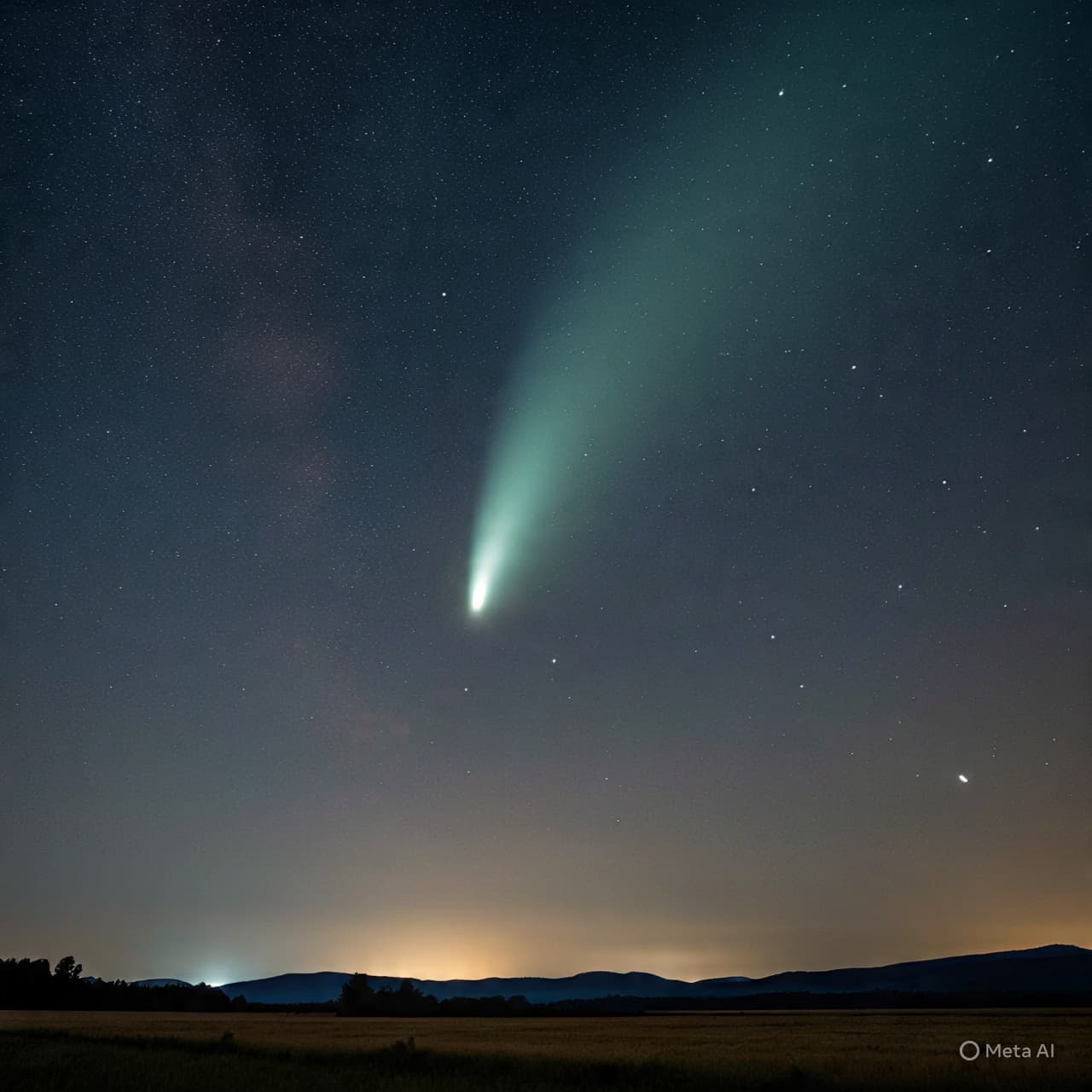
Comet C/2024 E1 (Wierzchoś) is a bright green Oort Cloud comet nearing its closest approach to Earth before it departs the solar system on a hyperbolic trajectory, visible via telescopes.

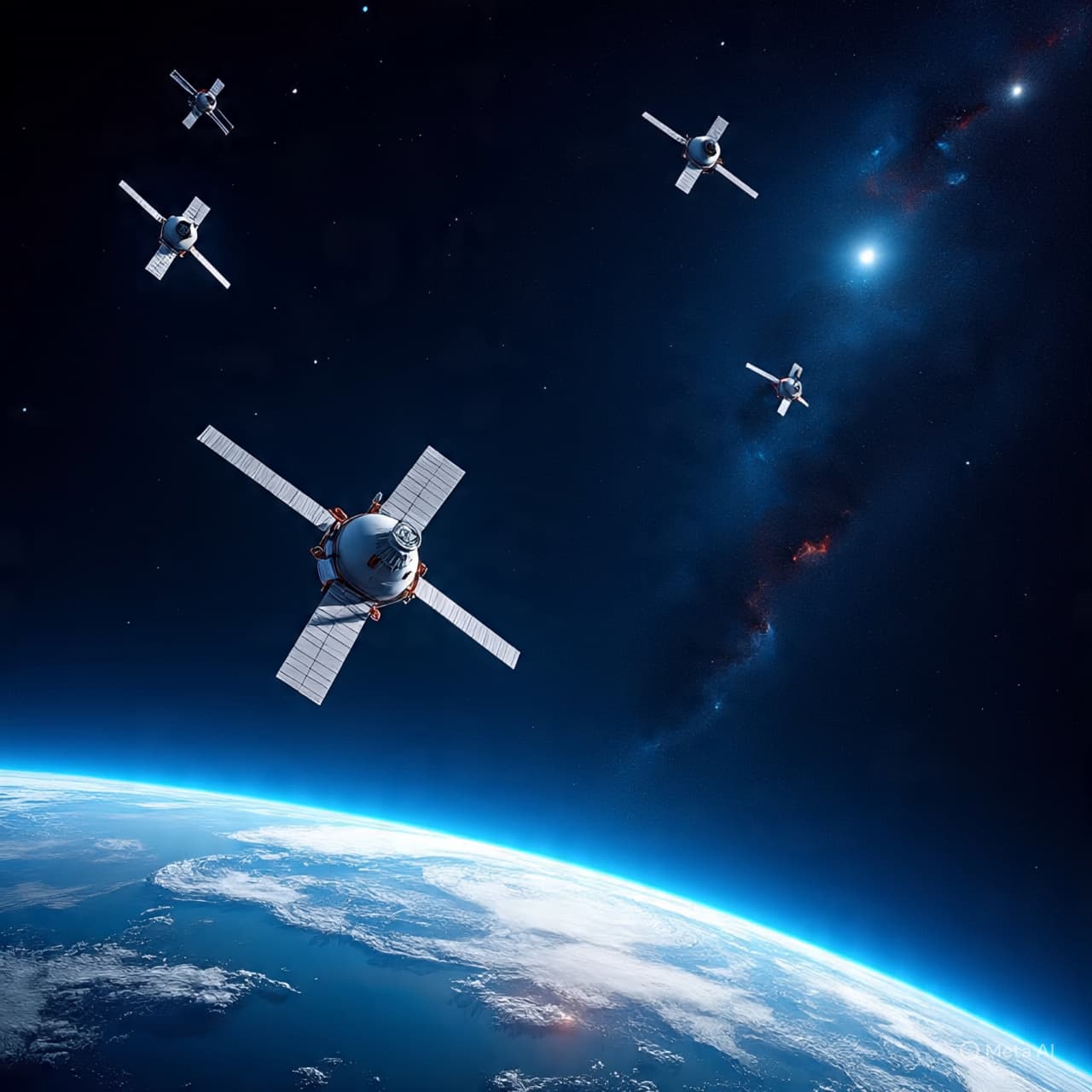
Researchers at The University of Manchester have developed a mission-design tool that could reduce satellite collision risk while preserving vital Earth-observation data.

Researchers led by UAB’s David Reverter have identified how the MraZ protein binds to the dcw gene cluster to regulate bacterial cell division, with findings published in Nature Communications.

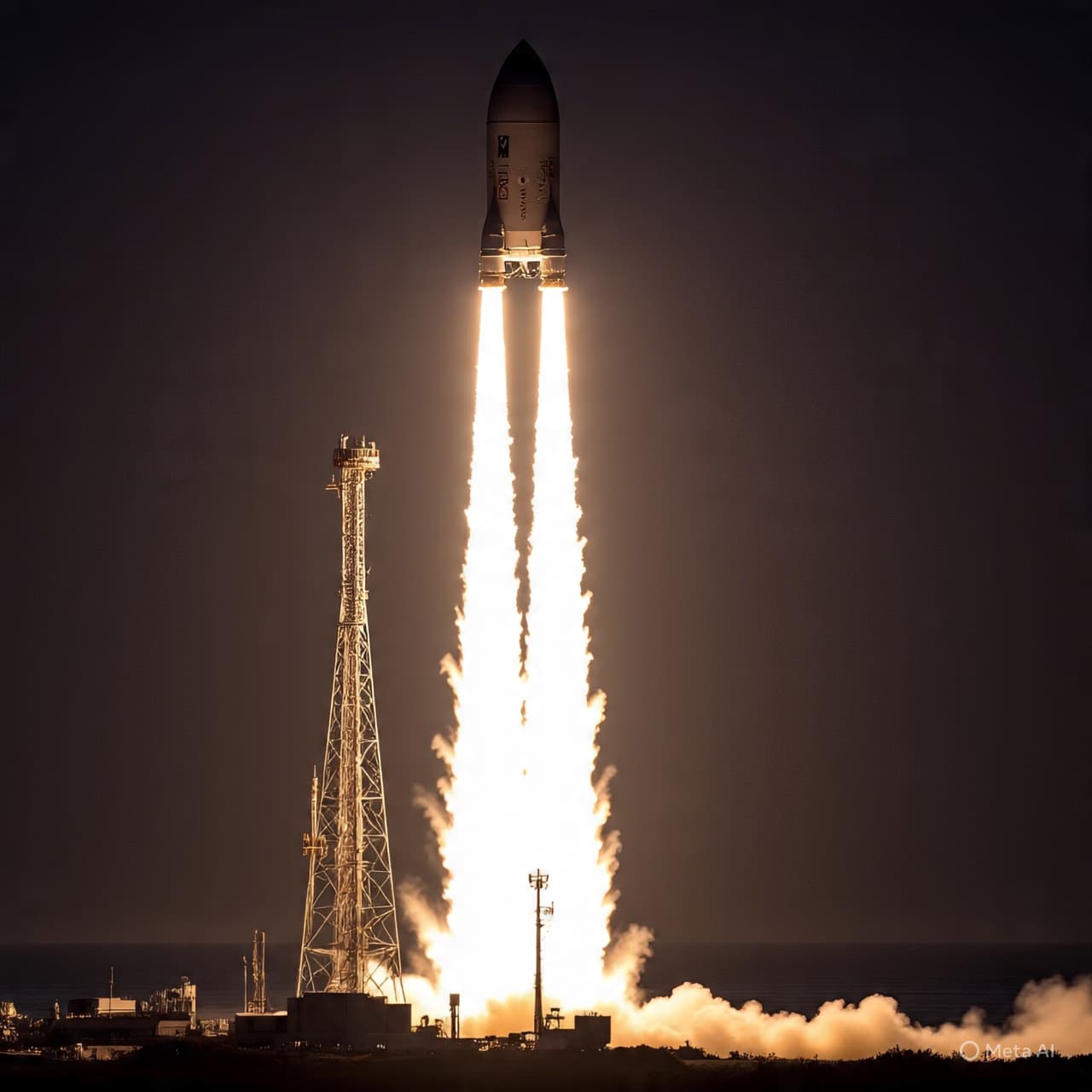
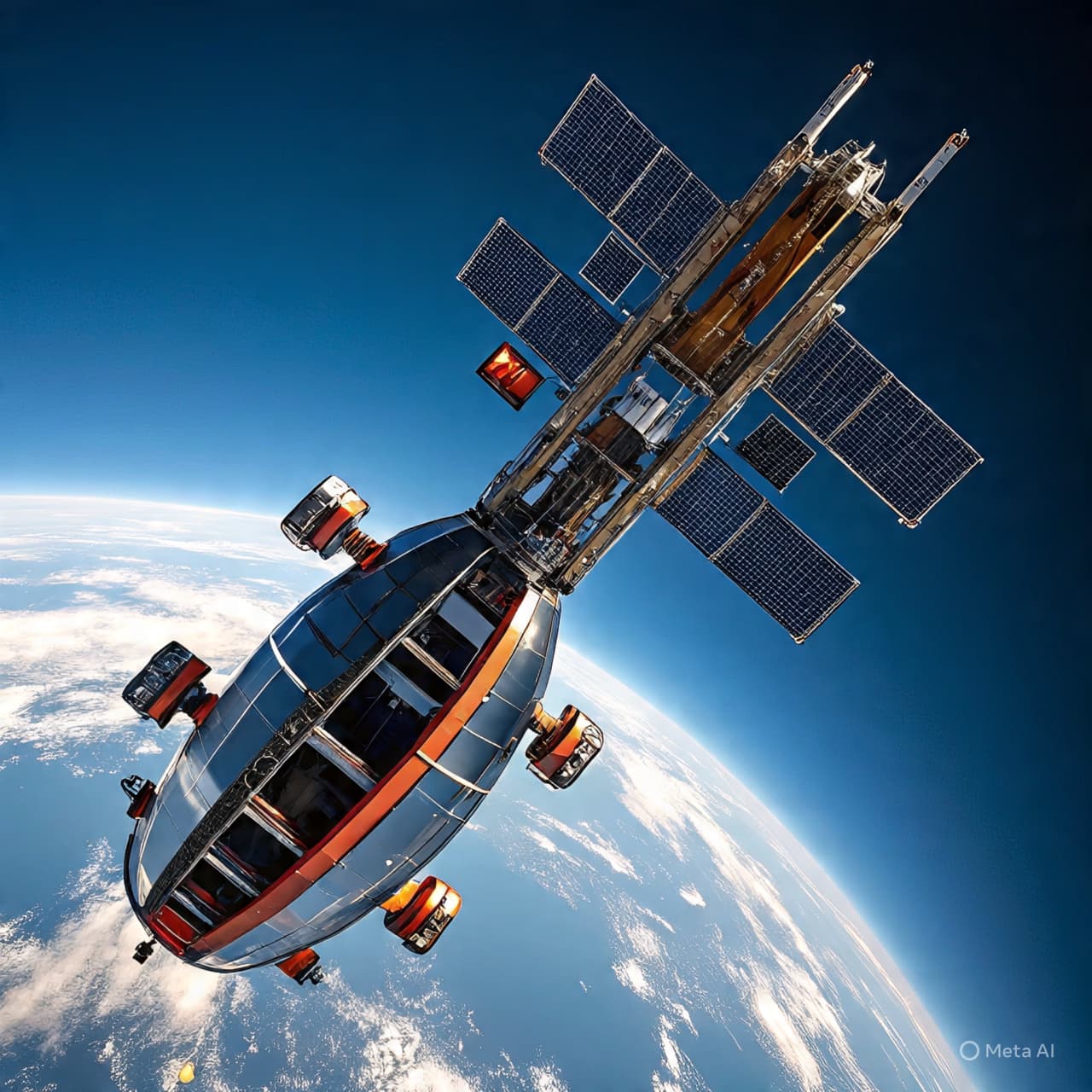
Four astronauts launched aboard a SpaceX Falcon 9 have arrived at the International Space Station, continuing NASA’s crew rotation and sustaining research in low Earth orbit.

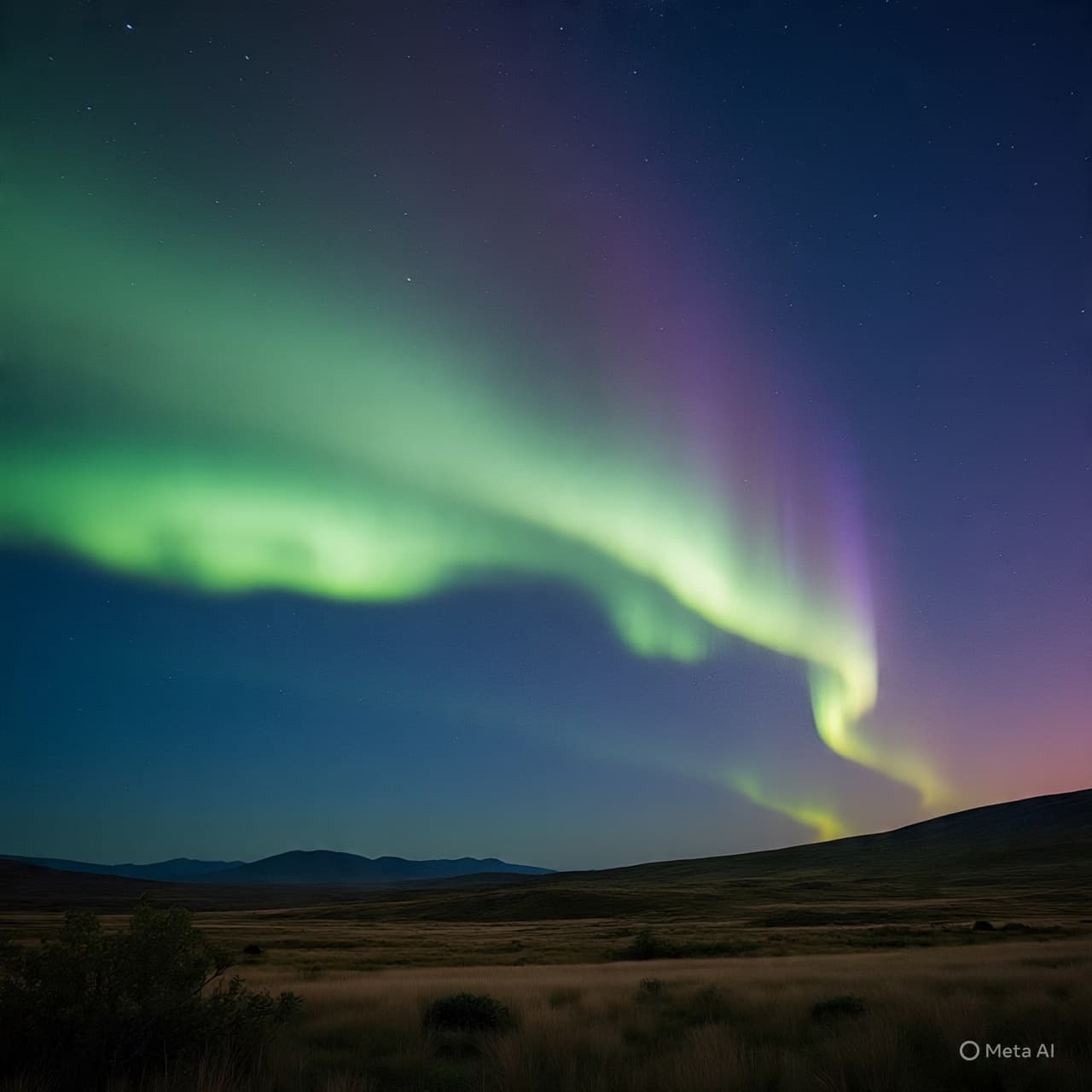
Space weather forecasts suggest the northern lights may be visible over parts of 15 U.S. states Sunday night as geomagnetic activity pushes auroras farther south than usual — ideal for skywatching under dark skies.

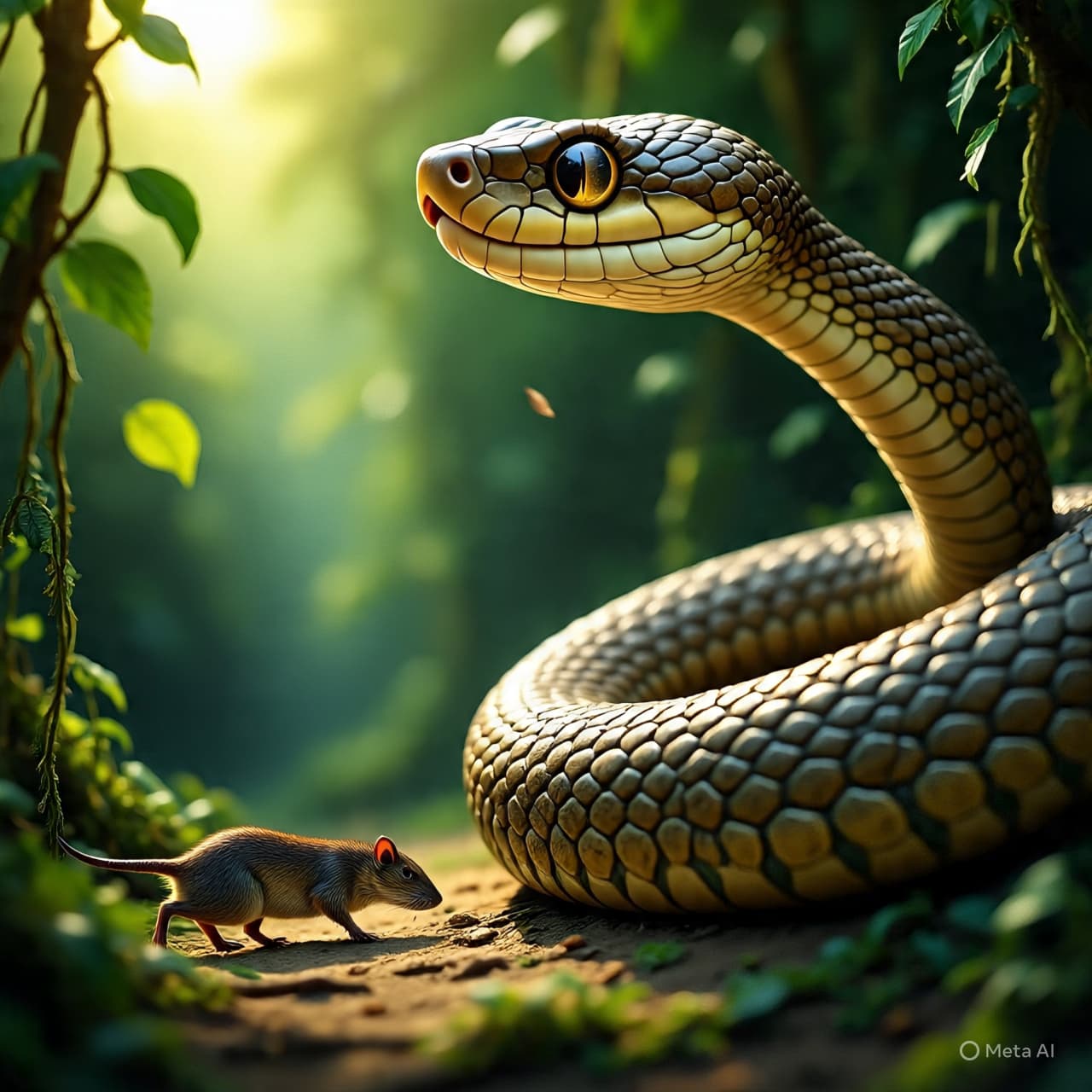
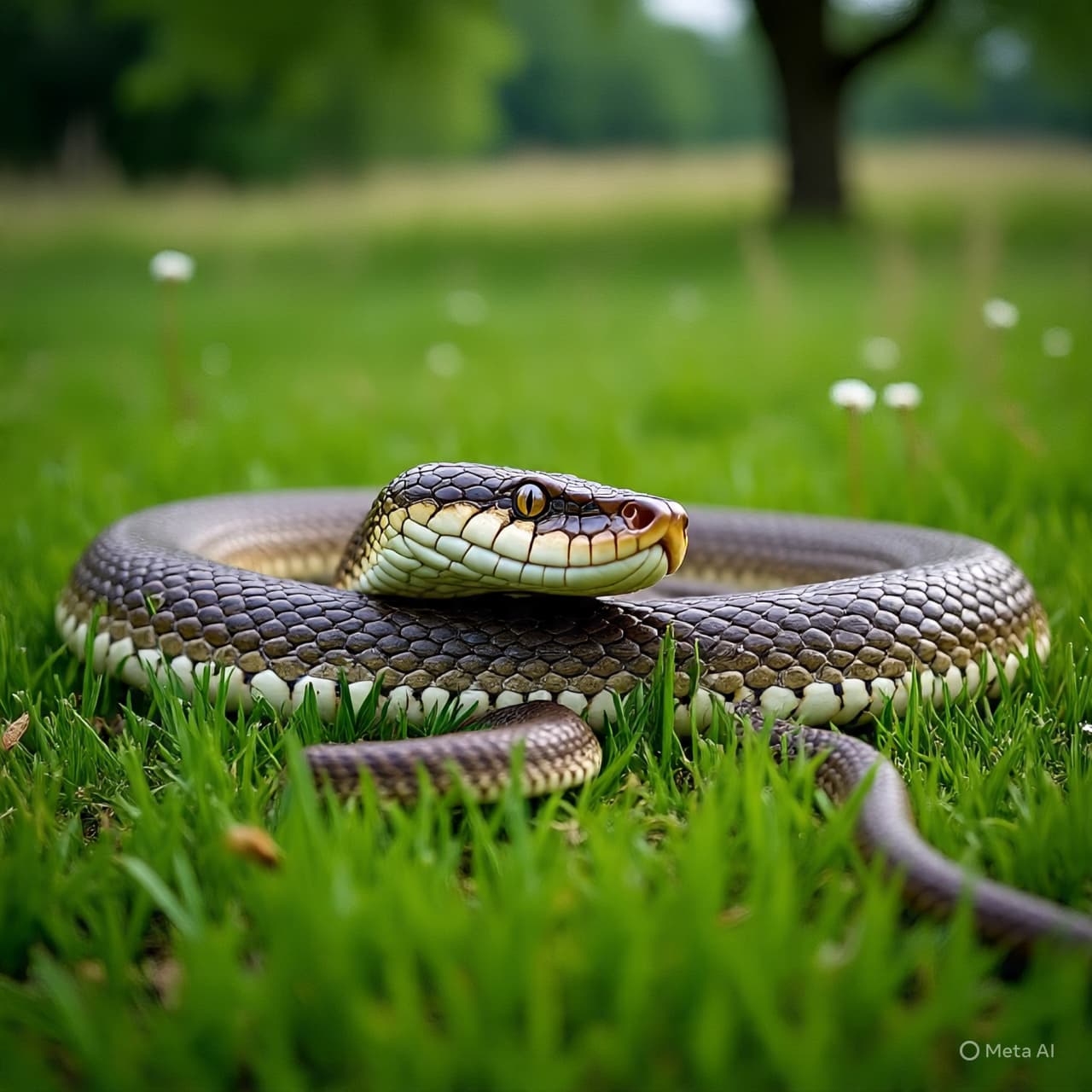
Scientists are finding that some snake species increasingly exhibit cannibalism. This behaviour appears tied to ecological pressures like food scarcity and high population density and may offer survival advantages.

SpaceX’s Crew‑12 mission delivered four astronauts to the International Space Station, restoring a full crew and continuing international research and collaboration in orbit.

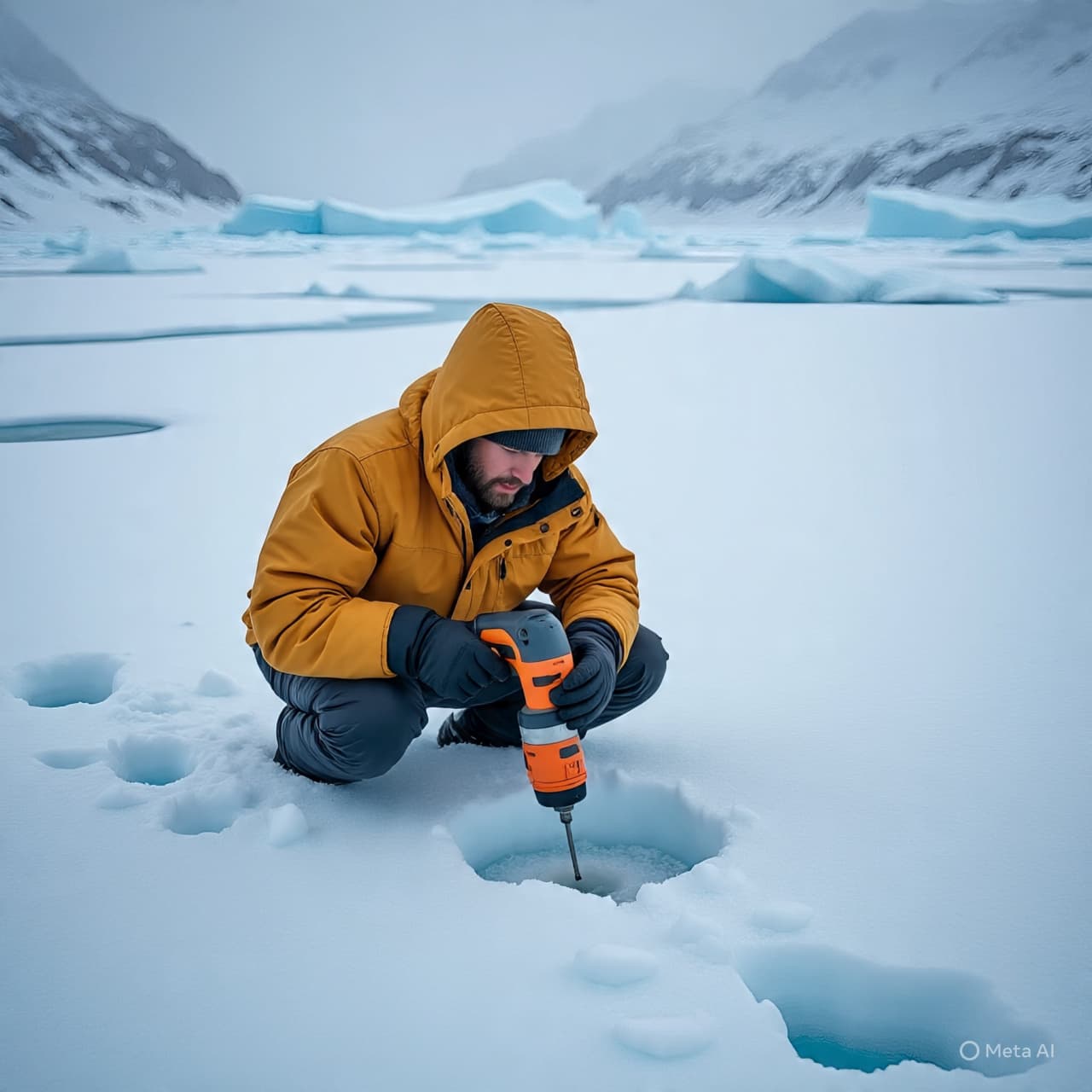
Astrobiologist Dale Andersen’s team drilled through Lake Untersee’s ice and conducted underwater sampling of microbial ecosystems, collecting data on extreme life and environmental conditions.

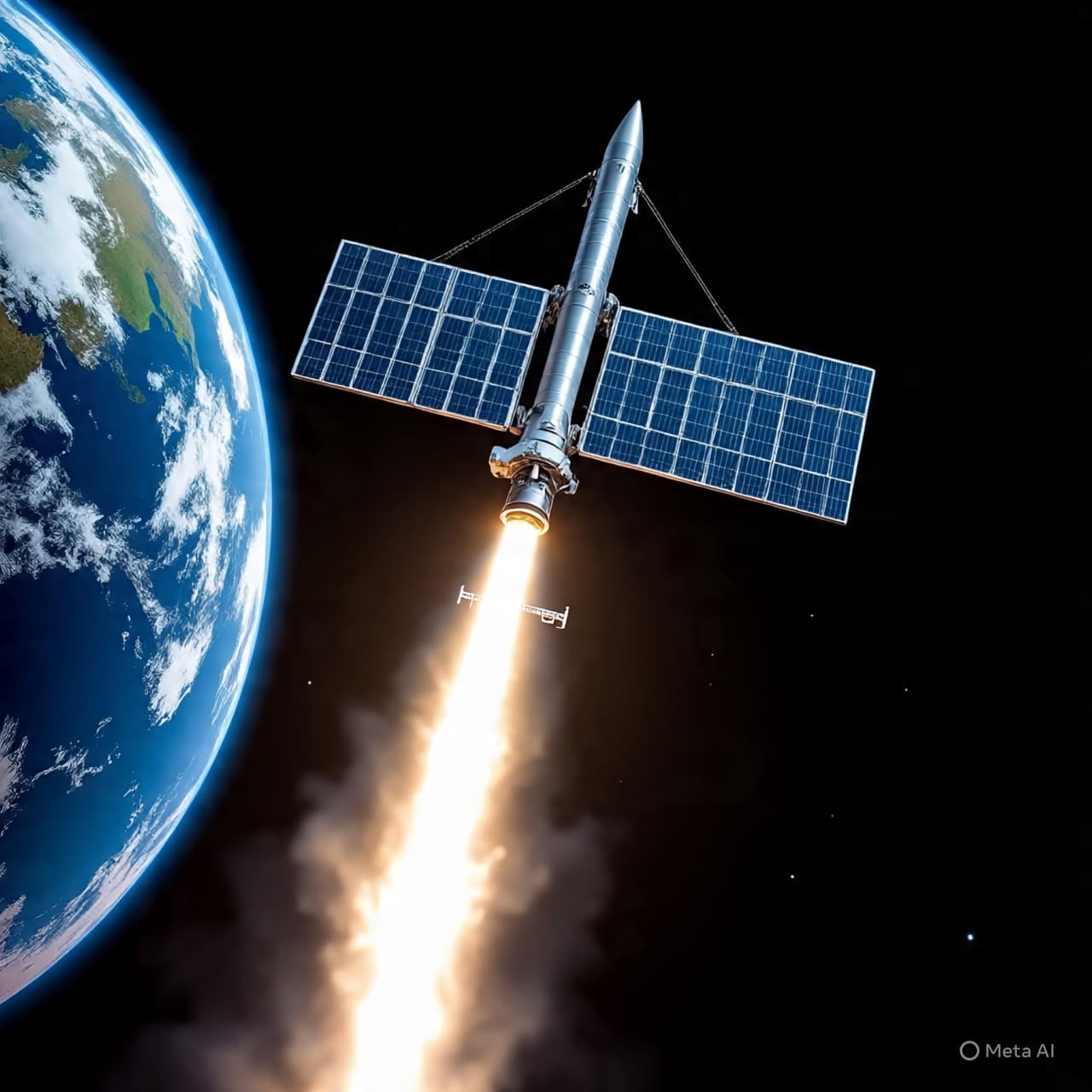
Ex‑SpaceX engineer Halen Mattison and his startup aim to test using water as rocket fuel via electrolysis and plasma propulsion, with a satellite launch planned for October.

Research shows snakes have evolved cannibalistic behavior independently at least 11 times, suggesting eating conspecifics may offer evolutionary advantages under certain ecological conditions.

Astronomers identified the clearest evidence yet of a massive star fading and collapsing directly into a black hole without a supernova, offering new insight into stellar deaths.

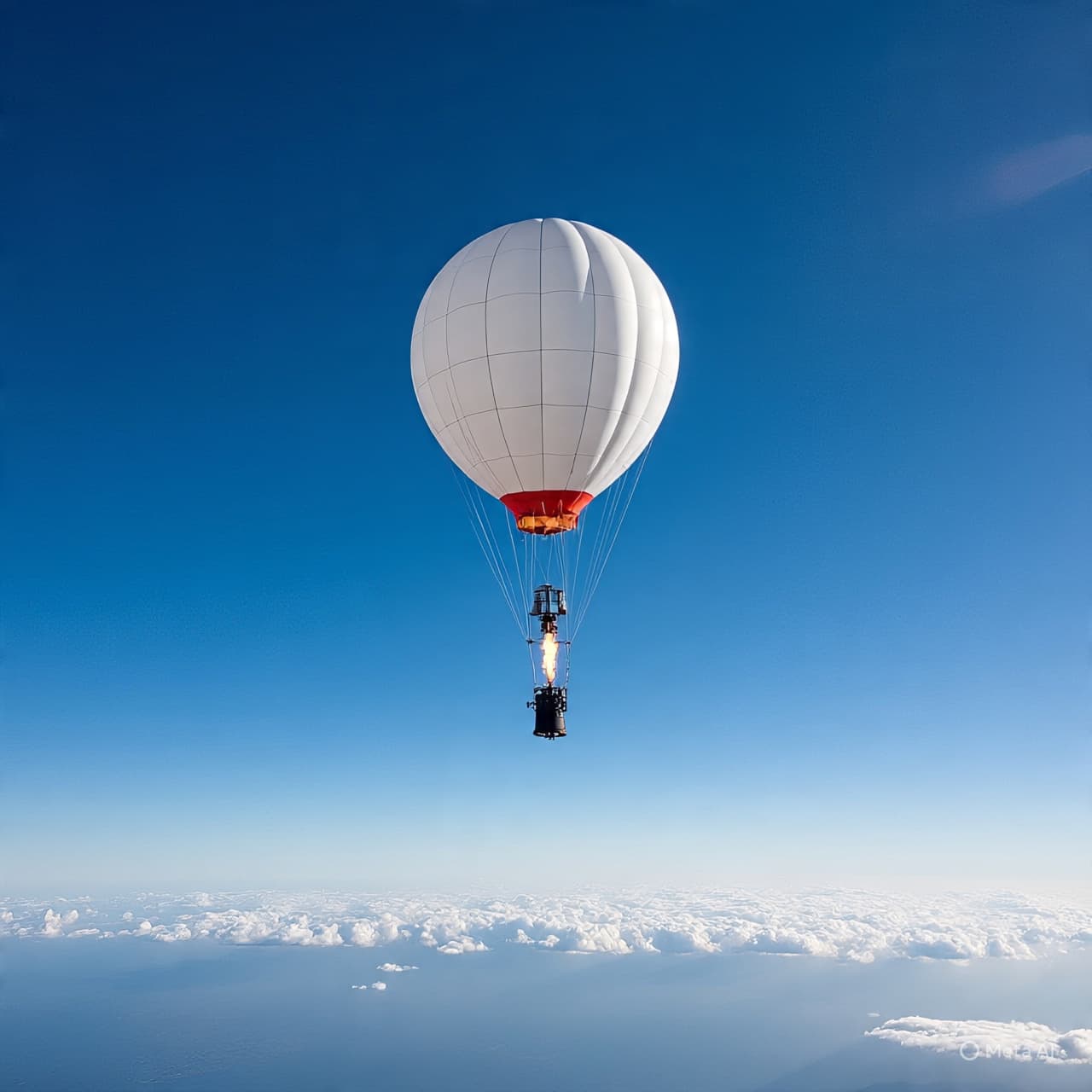
High-altitude balloon missions are advancing exoplanet research by capturing clearer atmospheric data from the stratosphere, offering a cost-effective bridge between ground and space telescopes.

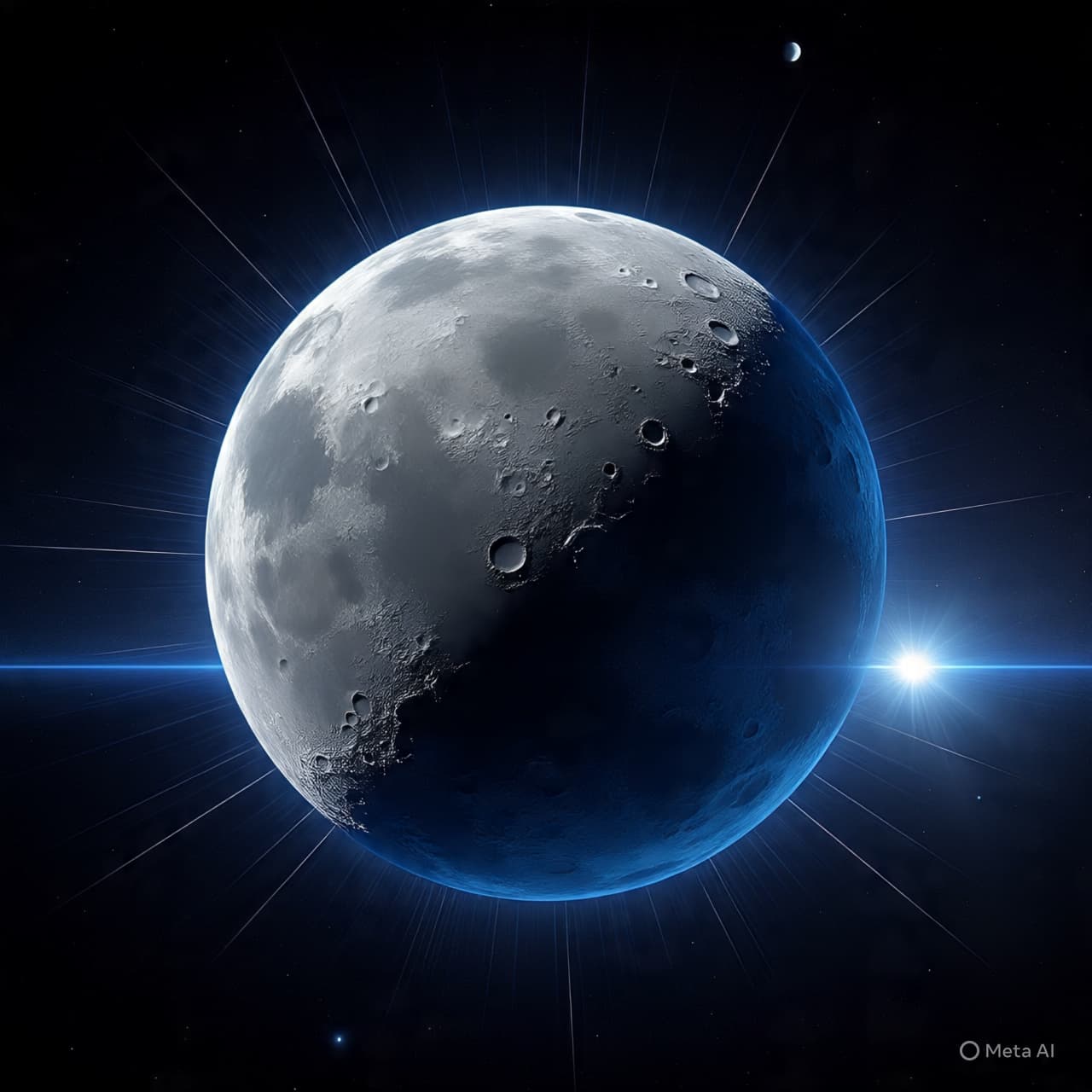
New research suggests the early Moon had a powerful magnetic field comparable to Earth’s, revealing a dynamic past beneath today’s quiet lunar surface.

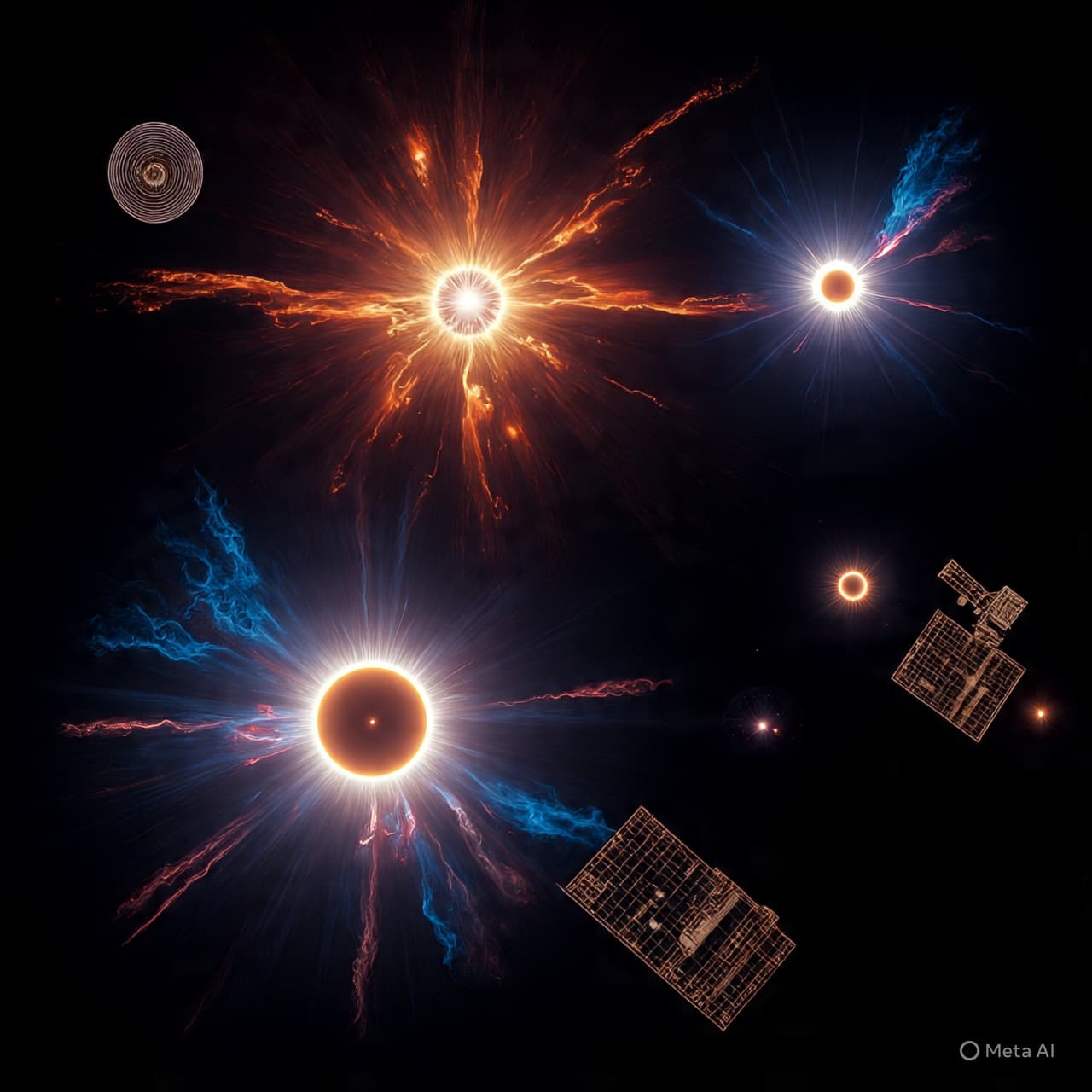
Six powerful solar flares erupted from the Sun over 96 hours, captured in ultraviolet and X-ray by NASA observatories, highlighting ongoing intense solar activity beyond its peak.

Four astronauts safely dock with the International Space Station following the prior crew’s early departure, continuing NASA’s Crew-12 mission and ongoing research in orbit.

Four astronauts on NASA’s Crew-12 mission have docked with the International Space Station, beginning months of research and continuing the steady cadence of commercial crew flights.

SpaceX Crew-12 astronauts are set to dock with the International Space Station, marking the next phase of their mission and continuing ongoing scientific research in orbit.

A crew led by NASA astronaut Jessica Meir has docked with the International Space Station, continuing scientific research and international collaboration in orbit.