When Arrival Comes Without Footsteps, What Marks the Moment?
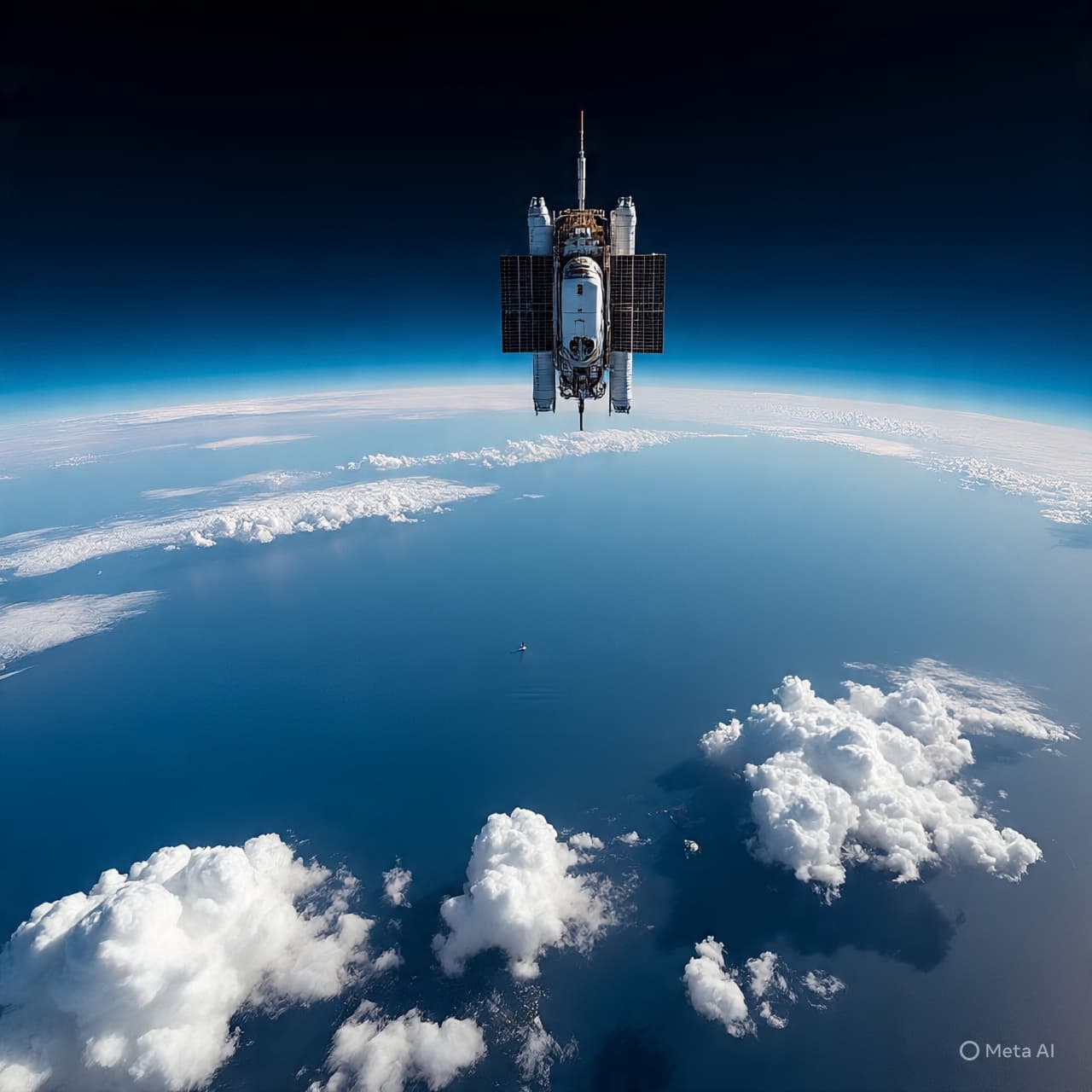
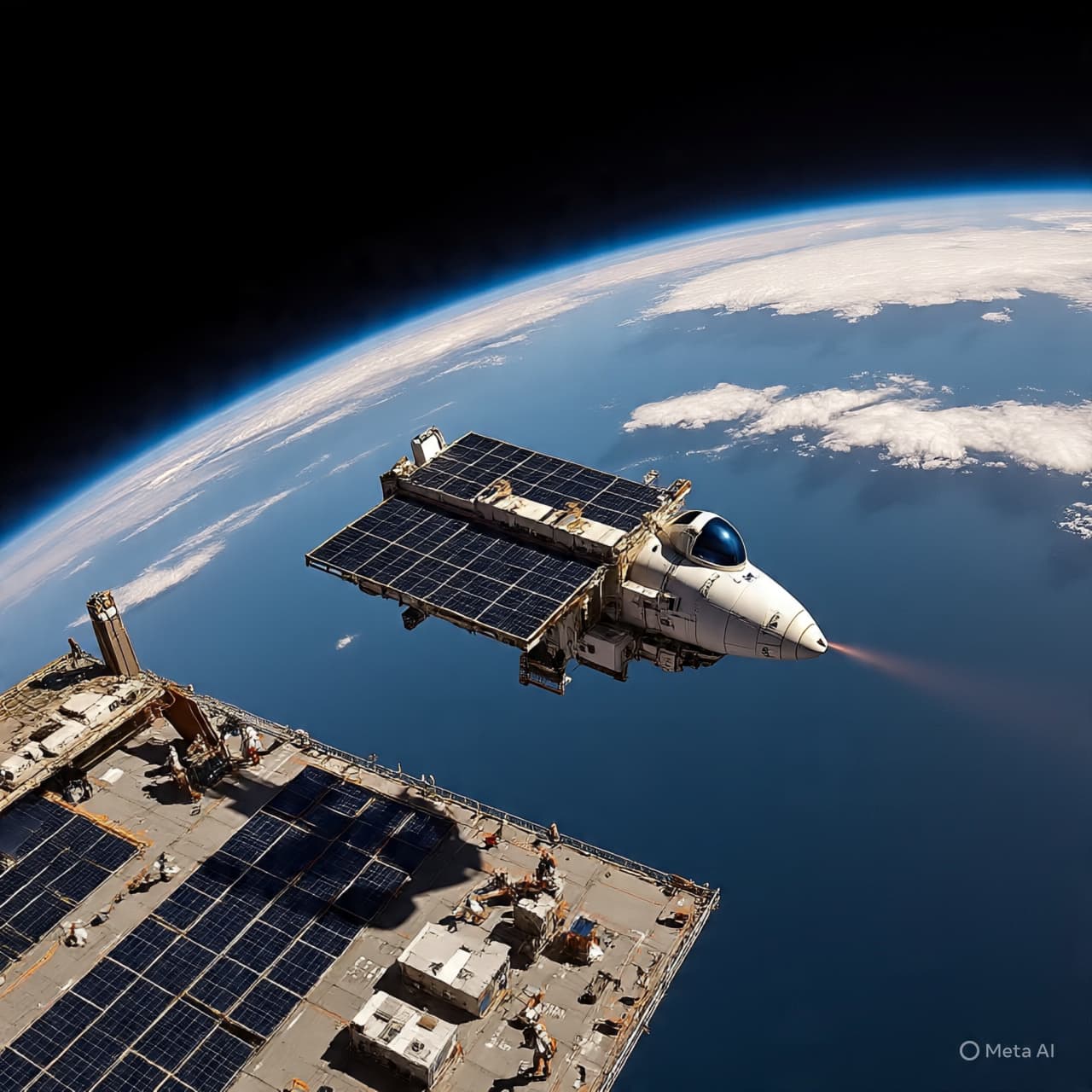
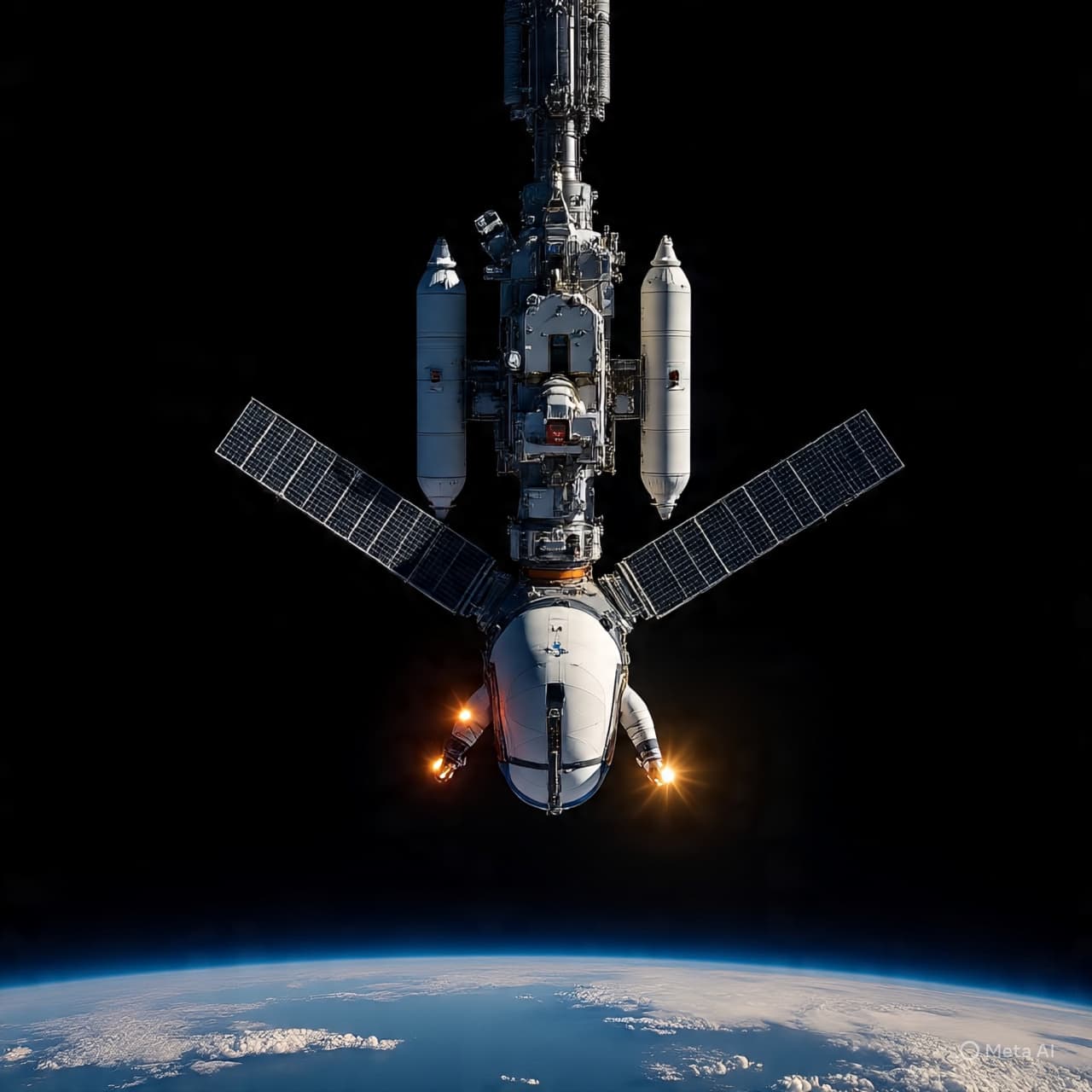
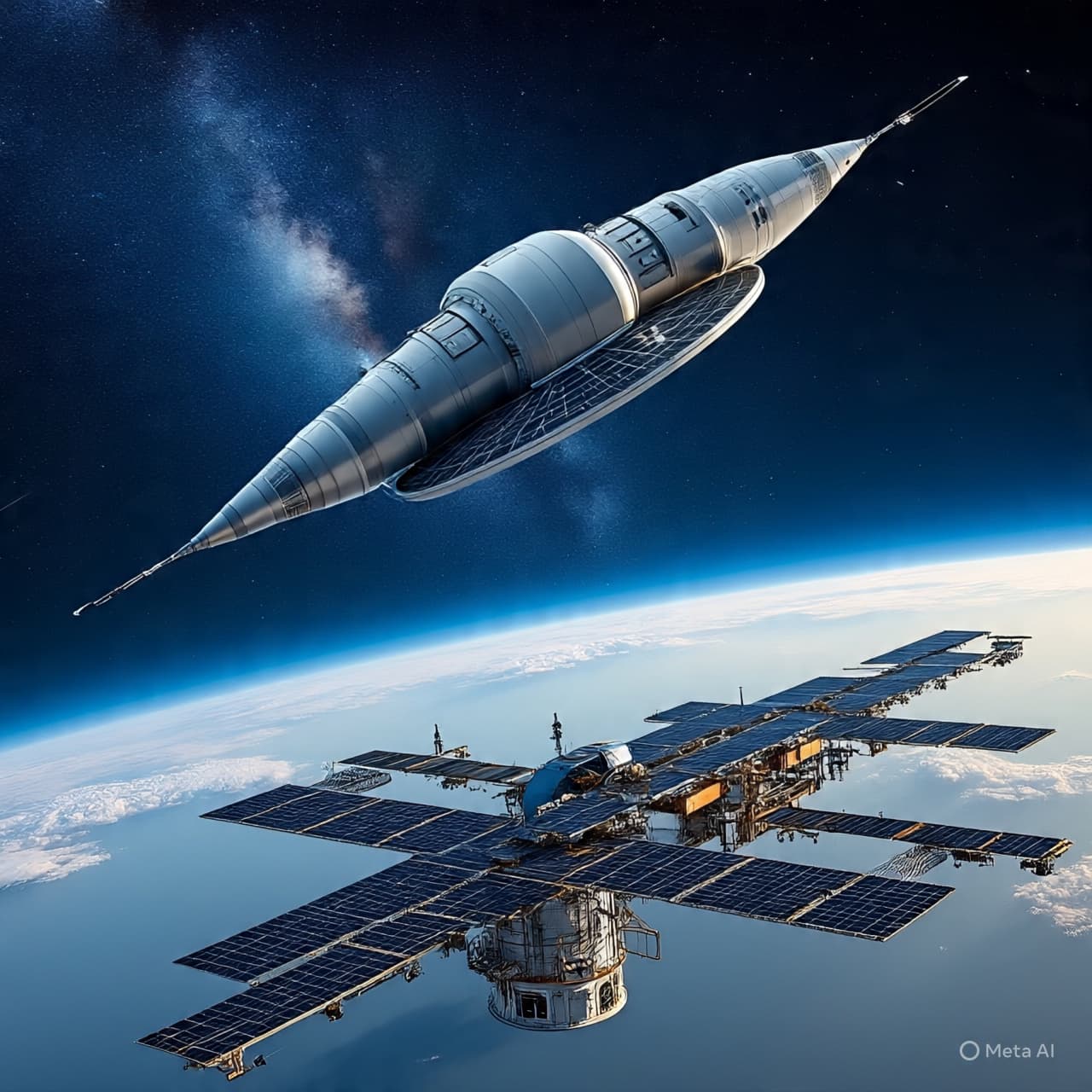
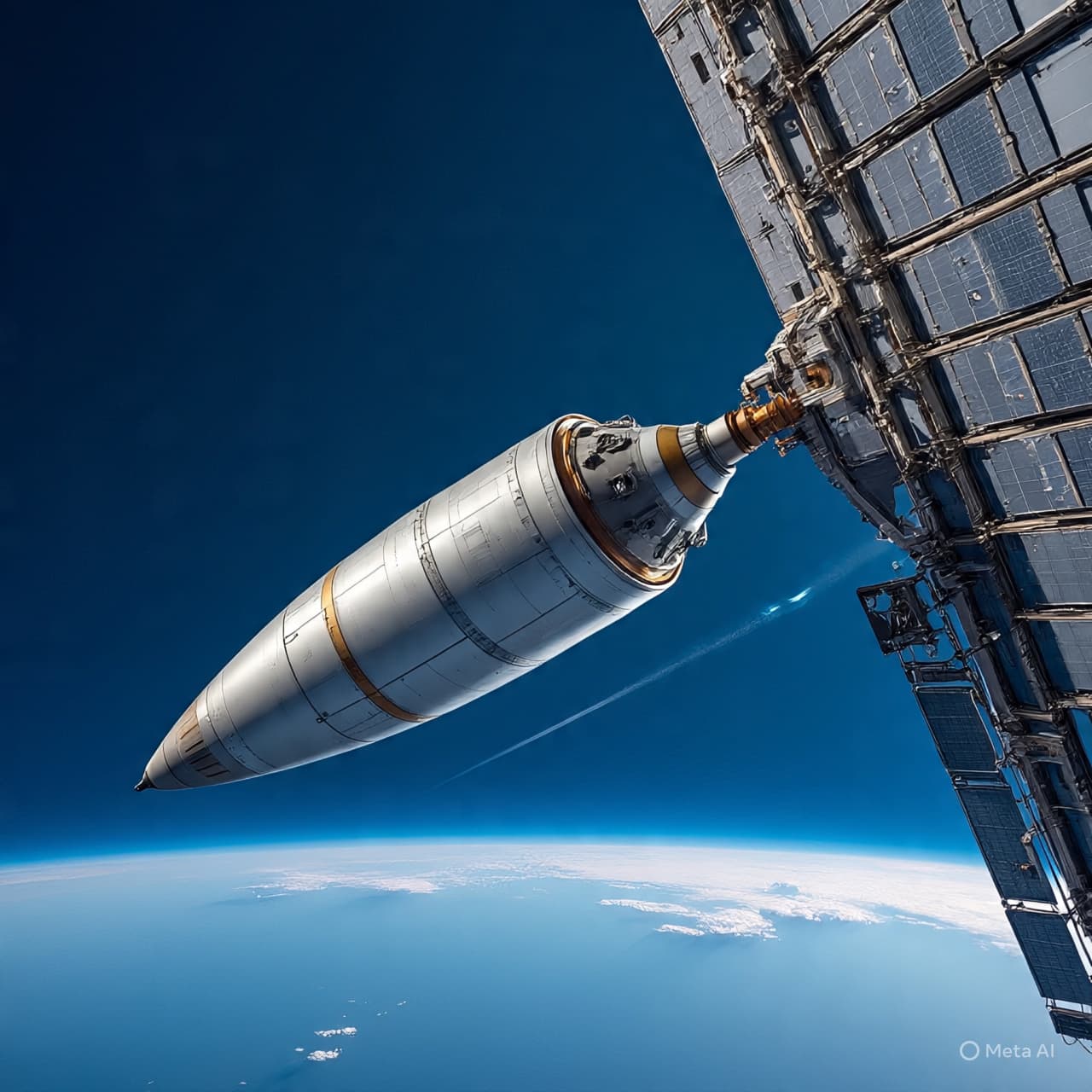
Four astronauts on NASA’s Crew-12 mission have docked with the International Space Station, beginning months of research and continuing the steady cadence of commercial crew flights.

Four astronauts on NASA’s Crew-12 mission have docked with the International Space Station, beginning months of research and continuing the steady cadence of commercial crew flights.

SpaceX Crew-12 astronauts are set to dock with the International Space Station, marking the next phase of their mission and continuing ongoing scientific research in orbit.

A crew led by NASA astronaut Jessica Meir has docked with the International Space Station, continuing scientific research and international collaboration in orbit.

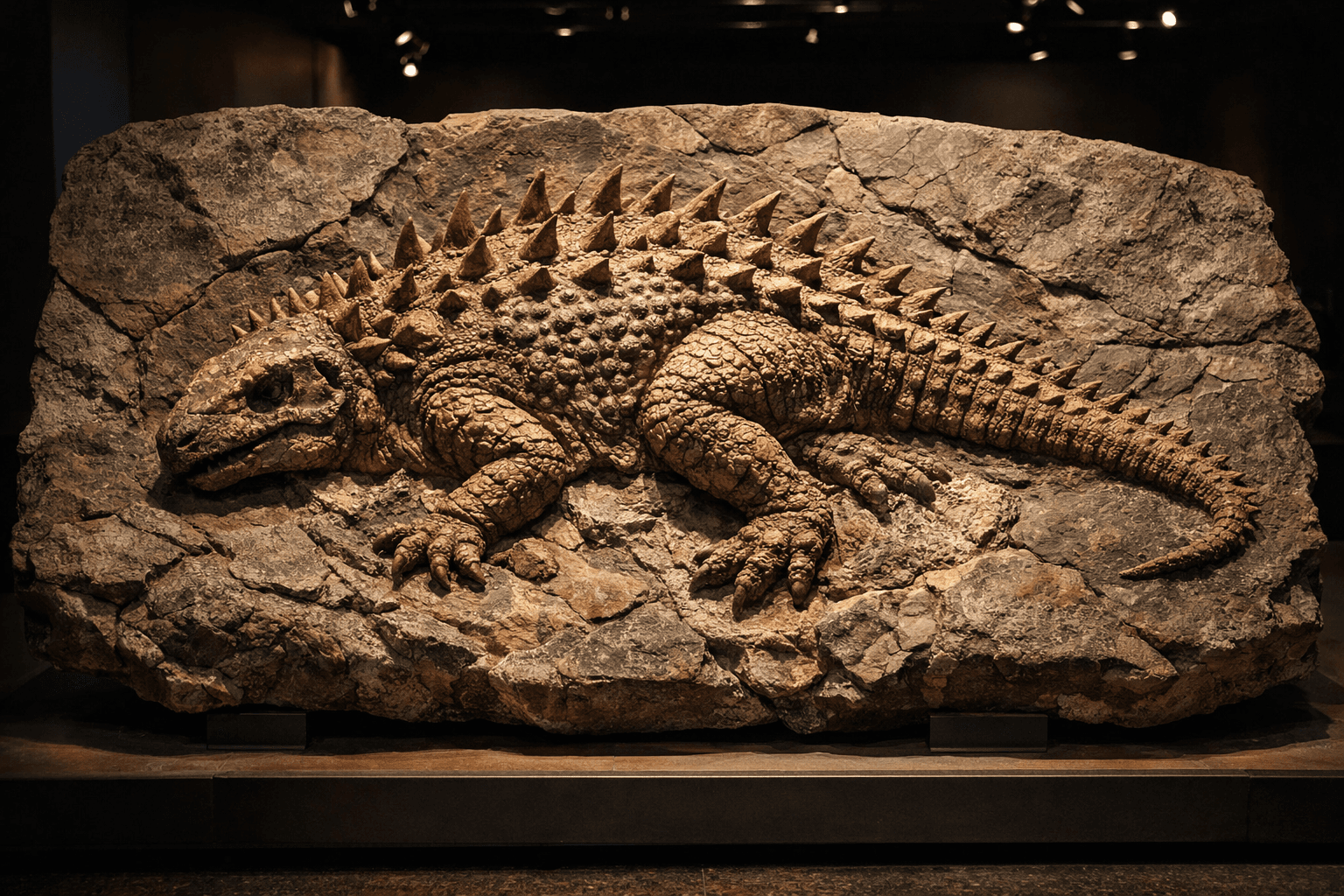
A rare fossil from China preserves dinosaur skin impressions, revealing spiky textures that reshape how scientists understand dinosaur protection, adaptation, and daily life.

Scientists detected the most powerful gravitational wave ever recorded, reinforcing Einstein’s theory of general relativity and offering new insight into massive black hole mergers.

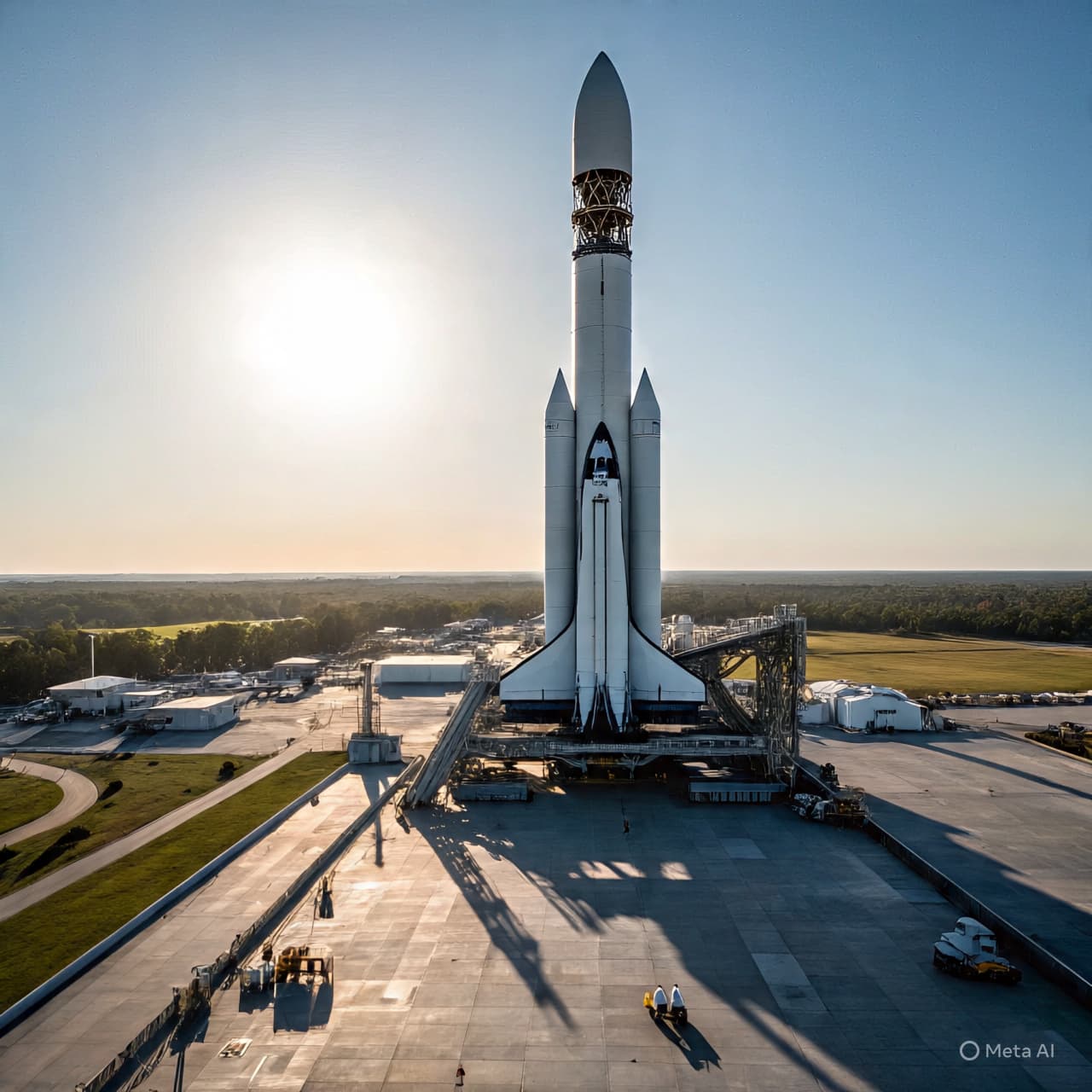
NASA engineers are reviewing confidence test results as the agency considers a March launch window for Artemis II, a crewed lunar flyby mission featuring Canadian astronaut Jeremy Hansen.

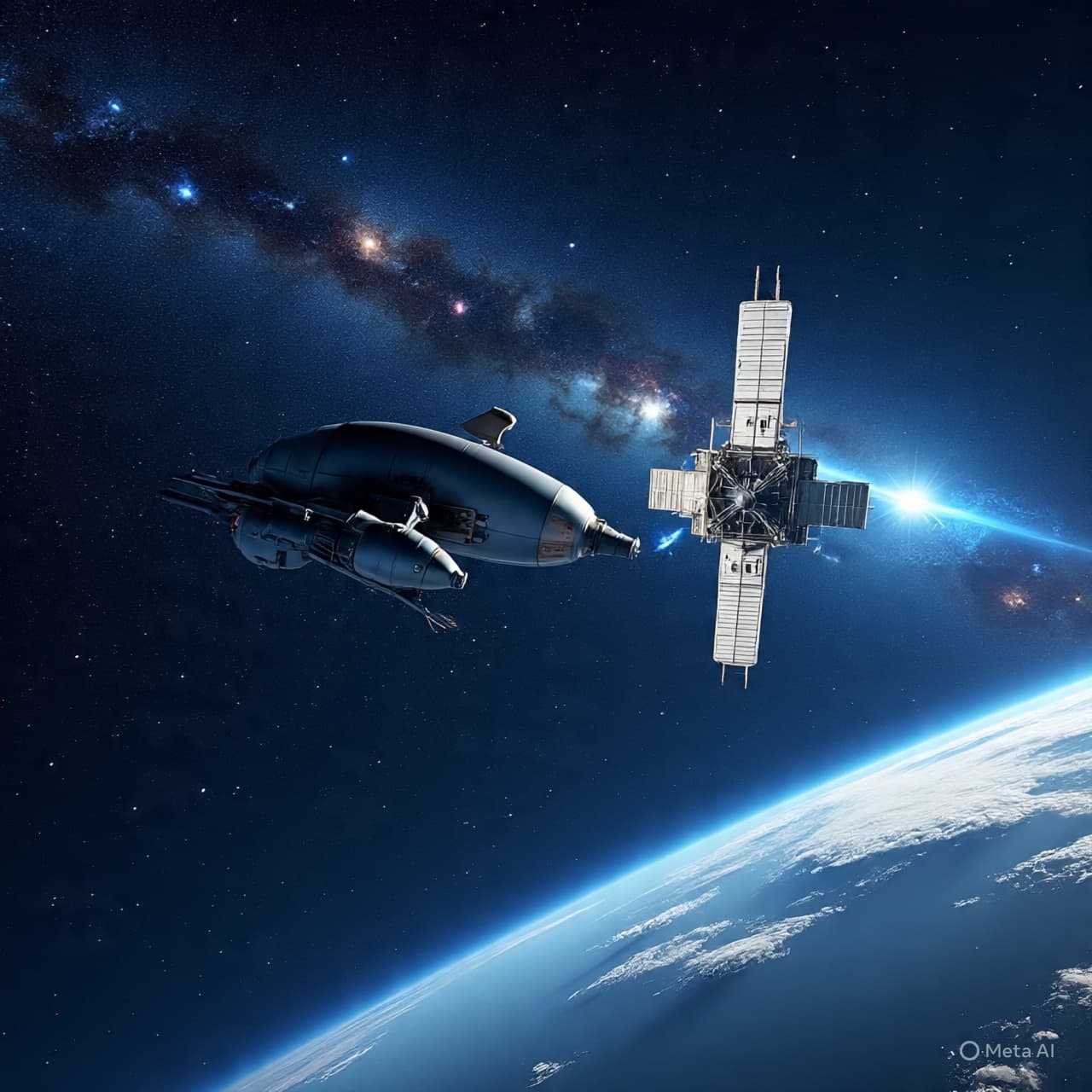
New footage shows the precise moment a SpaceX crew spacecraft docked with the International Space Station, marking a seamless arrival and continuation of orbital research.

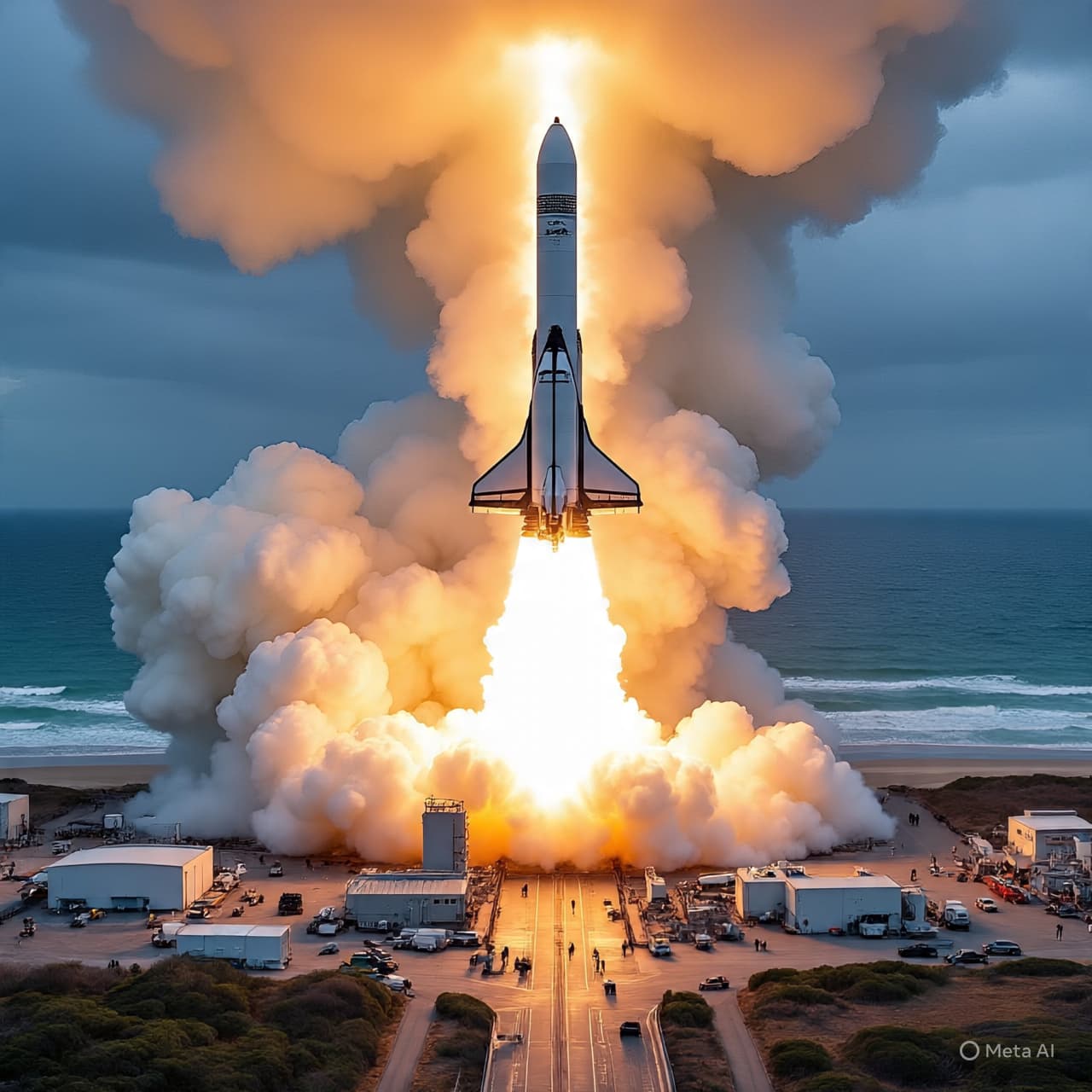
Four astronauts arrived at the International Space Station aboard a SpaceX Falcon 9 rocket, continuing NASA’s commercial crew missions and expanding ongoing research in orbit.

French astronaut Sophie Adenot and her crew have arrived at the International Space Station, marking a new milestone for France and continued global cooperation in orbit.

Astronomers have identified an Earth-sized planet in the habitable zone, where liquid water may exist. The finding expands scientific understanding without confirming life.

NASA’s Crew-12 successfully docked with the International Space Station, adding four astronauts to the orbiting lab for months of scientific research and maintenance work.

On February 17, 2026, a rare annular “ring of fire” solar eclipse will occur, visible fully only from remote Antarctica, with partial views across southern Africa and South America.

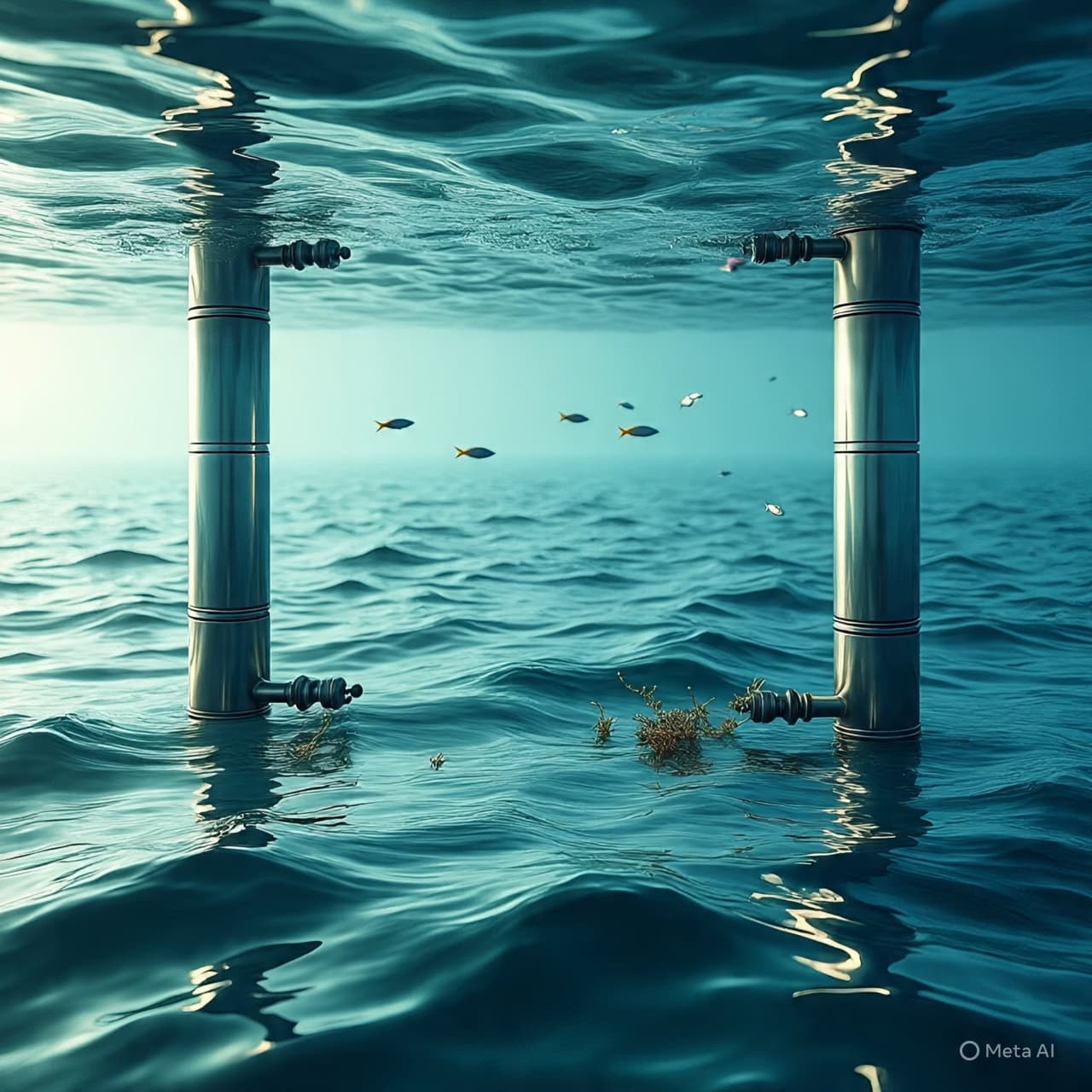
Superhydrophobic metal tubes developed by researchers could remain afloat even when damaged and be linked into platforms to harvest ocean wave energy, offering resilient renewable power possibilities.

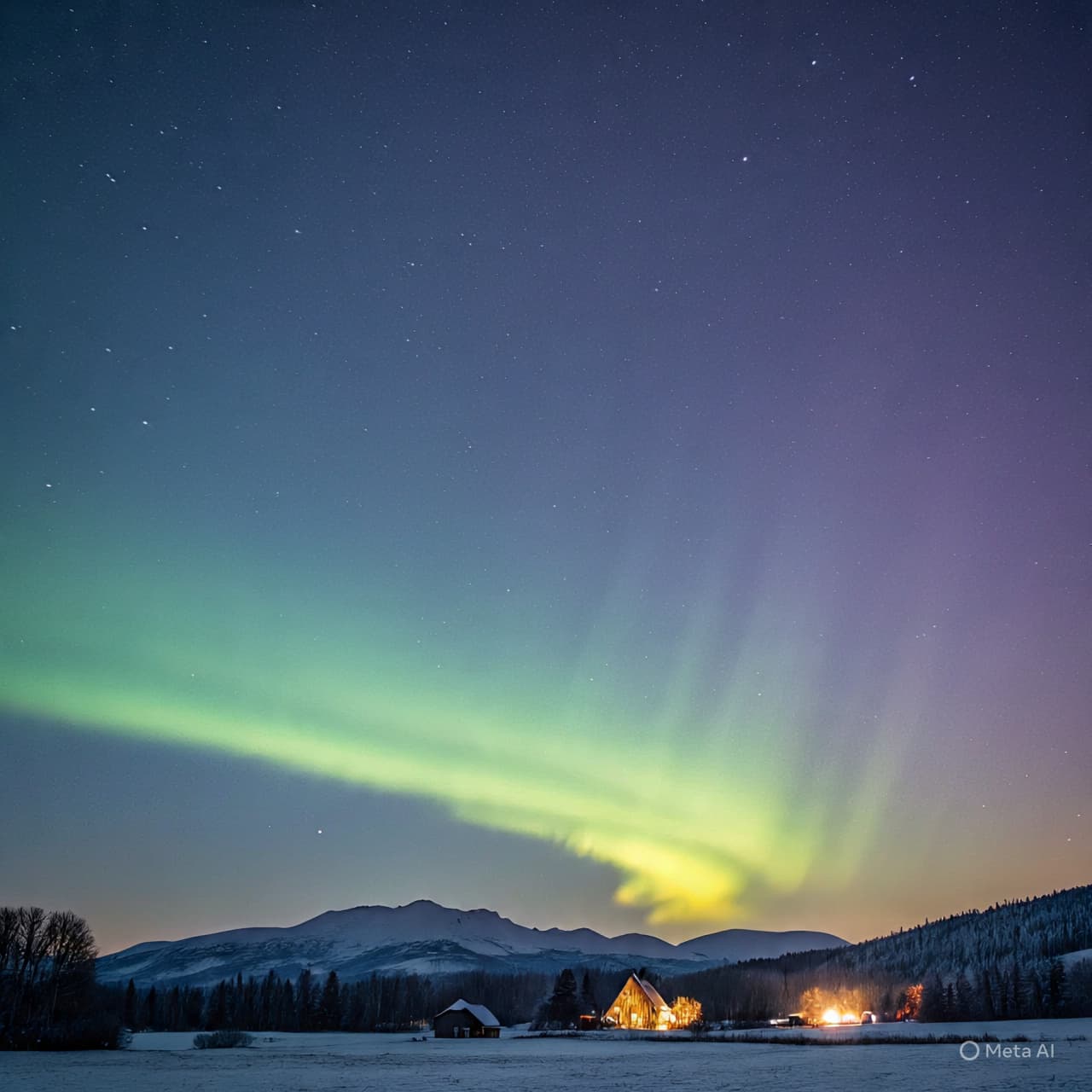
Space weather forecasts suggest that geomagnetic activity could make the northern lights visible across up to 15 U.S. states Sunday night, offering a rare celestial show.

NASA’s Curiosity rover has detected the most complex organic molecules yet on Mars — long carbon chains in ancient rock — deepening insight into Martian chemistry and possible past habitability.

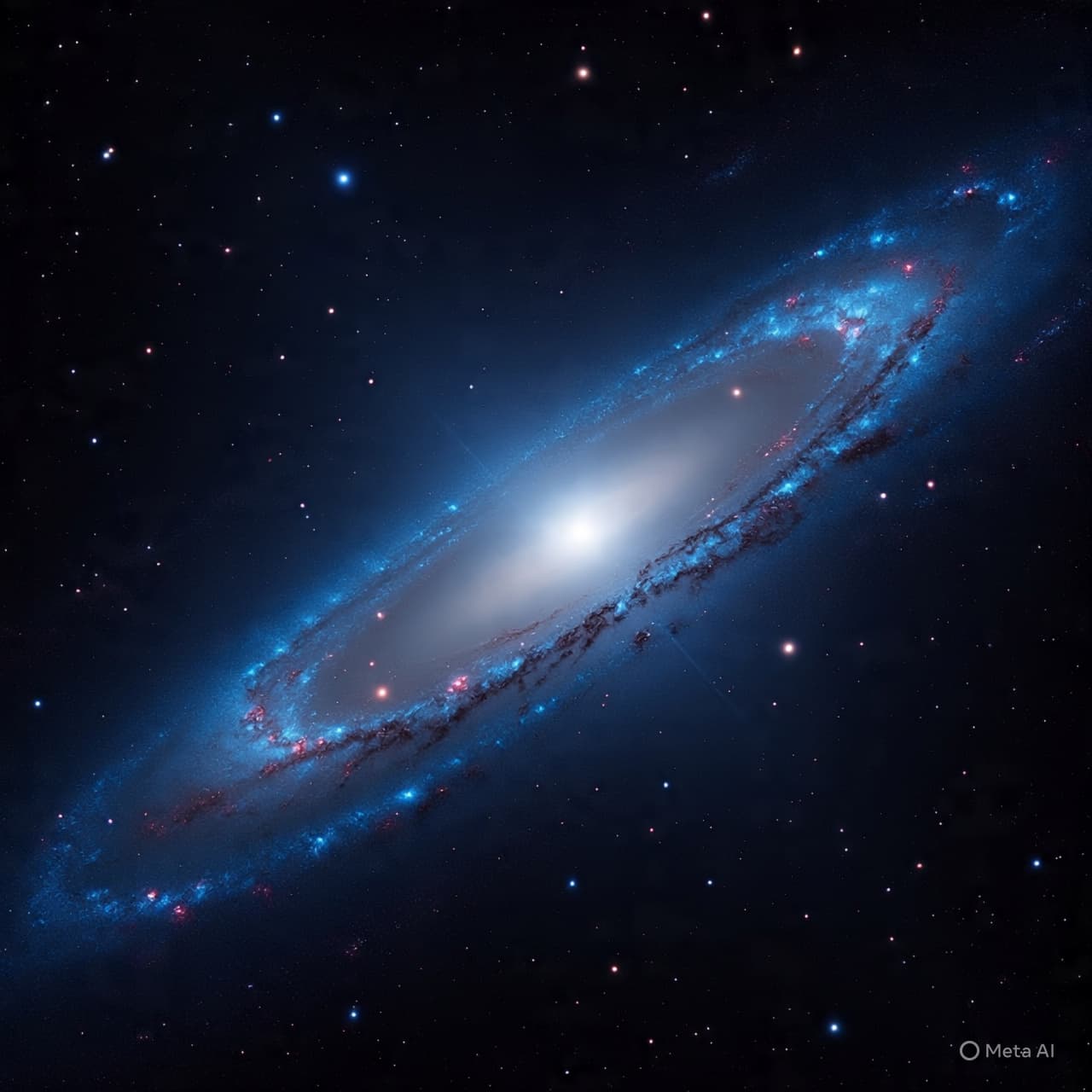
Deep observations from Webb and Chandra have revealed a massive early-universe object that formed faster than theories predict, challenging models of black hole and galaxy growth.

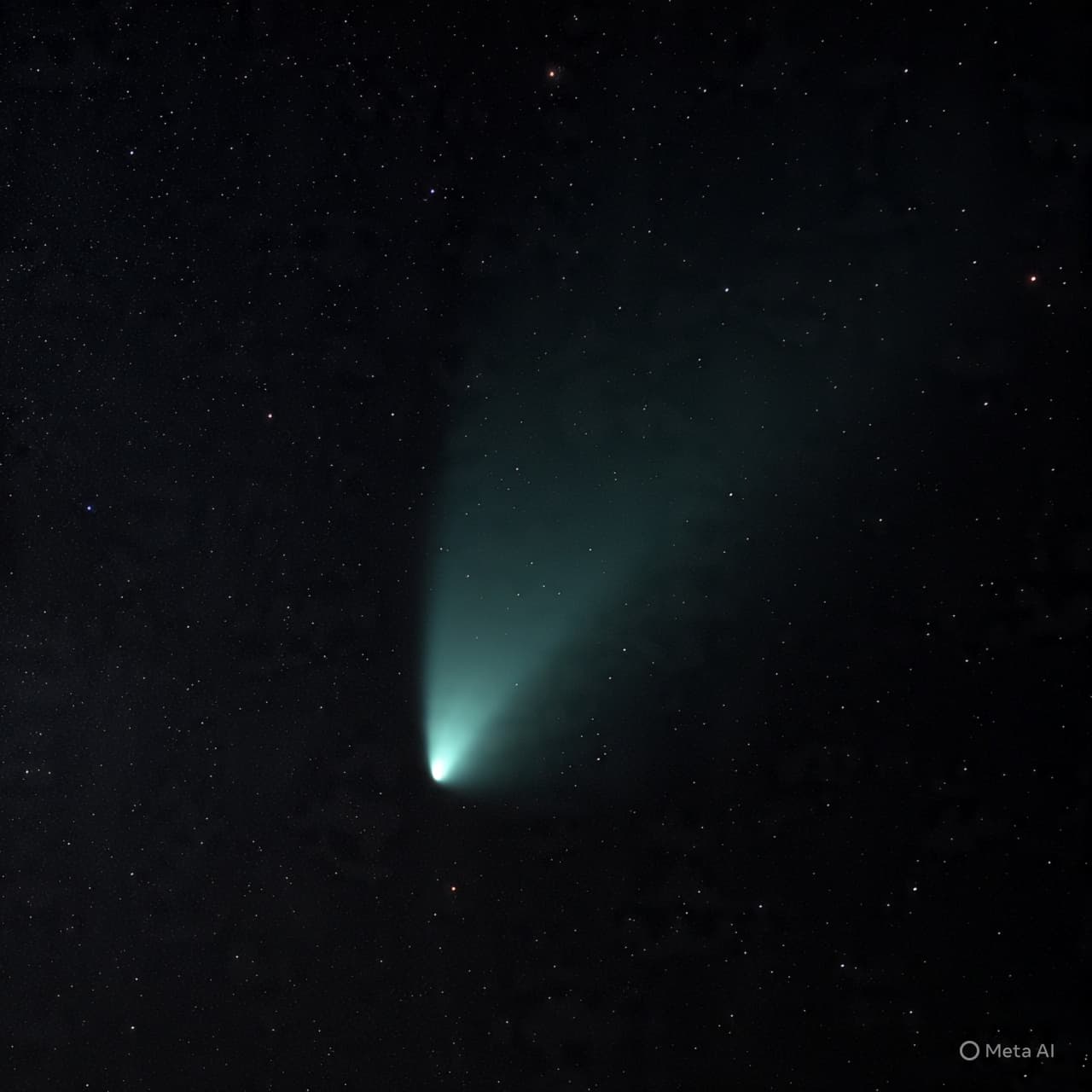
Green Comet C/2024 E1 has briefly brightened as it passed near Mars, and astronomers say its altered orbit means it is likely leaving the solar system forever.

Scientists have identified a fish species with a uniquely structured visual system, enabling it to detect light patterns and possibly polarization in ways unseen in other animals.

NASA launched twin sounding rockets from Alaska to investigate “black auroras,” dark patches within auroral displays that may reveal new details about charged particle behavior in Earth’s atmosphere.

Thermal reduction and gold nanoparticles significantly enhance graphene oxide’s conductivity and light response, improving its potential for photodetectors, sensors, and flexible optoelectronic devices.

Ancient rock formations suggest that during Snowball Earth, ocean currents and climate processes continued beneath global ice, reshaping understanding of Earth’s extreme glacial past.

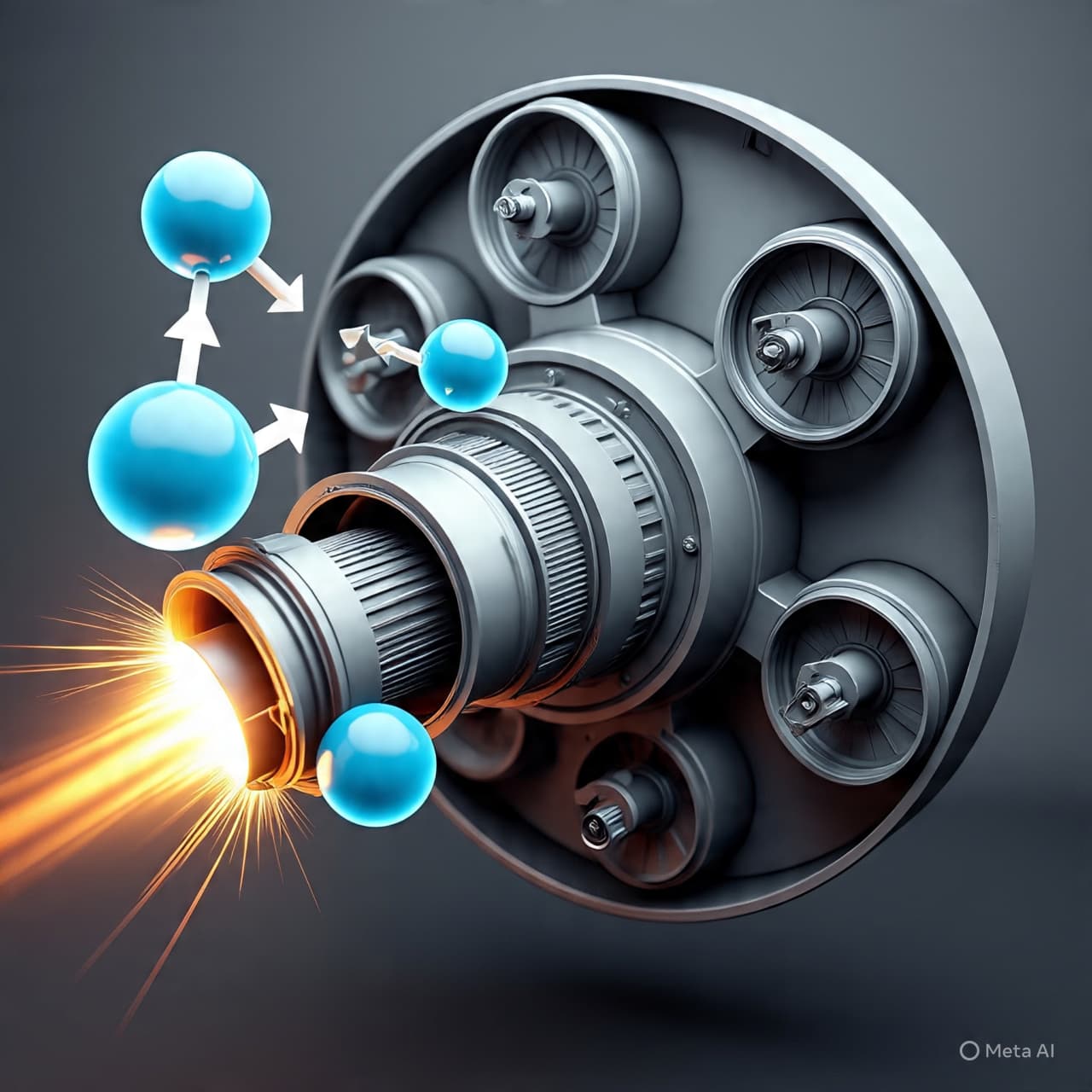
A former SpaceX engineer proposes producing rocket fuel from water via advanced electrolysis, aiming to simplify propulsion and support future space missions using local resources.

Researchers have created a light‑responsive porous material that can repeatedly capture and release carbon dioxide using green and blue light, suggesting a new low‑energy route for carbon capture.

Scientists use nuclear magnetic resonance (NMR) to analyze wine’s chemical makeup, revealing dozens of compounds that shape flavor, origin, and quality.