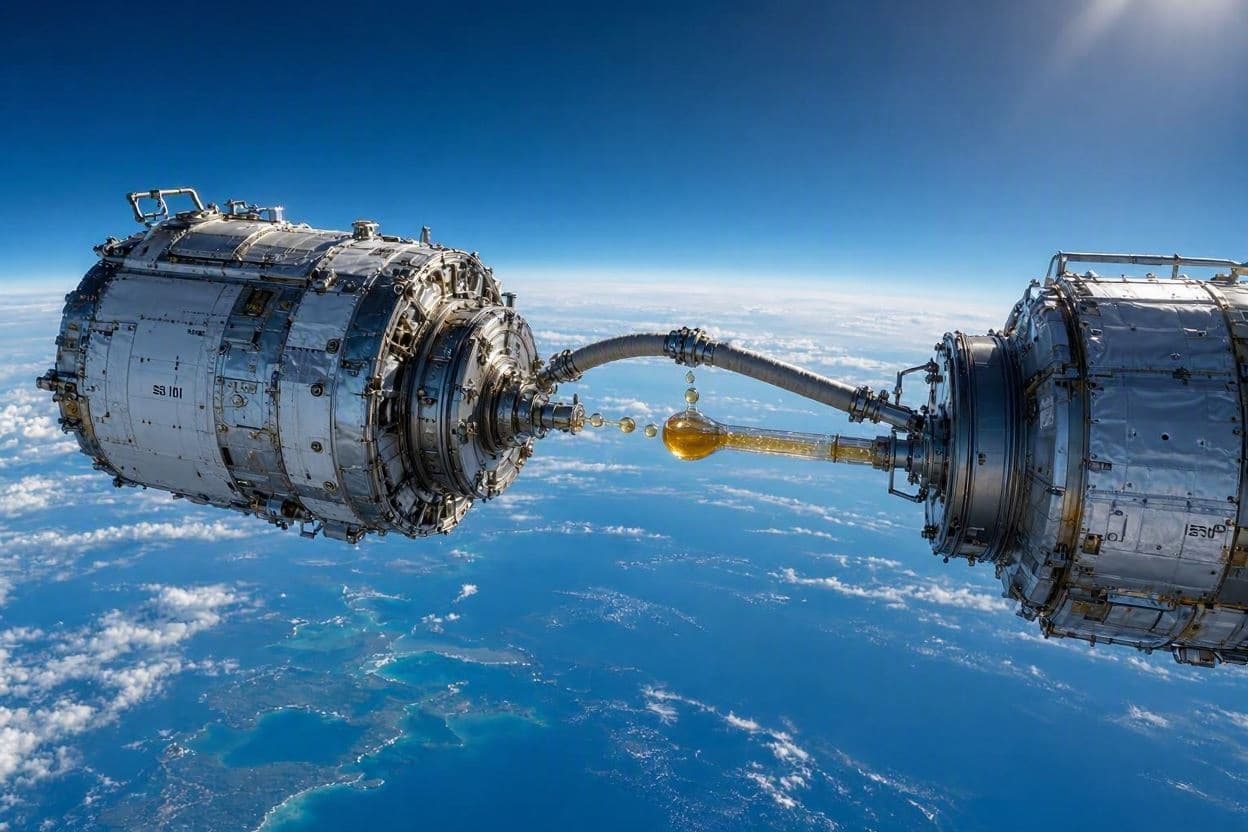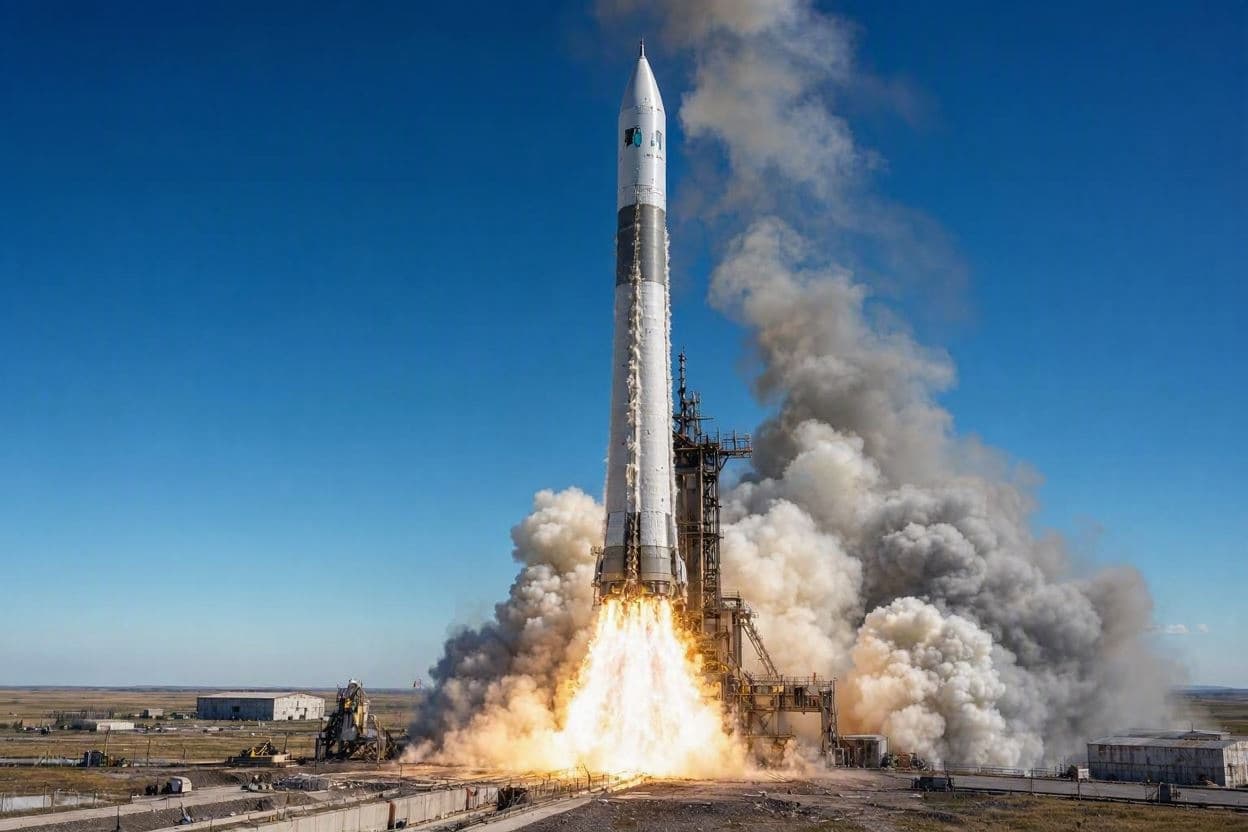
In the steady rhythm of space exploration, resupply missions serve as the lifeline that sustains human presence in orbit. On September 9, 2026, Russia launched the Progress 96 spacecraft, carrying nearly three tons of essential cargo to the International Space Station (ISS). This uncrewed mission, lifted off from the Baikonur Cosmodrome in Kazakhstan aboard a Soyuz rocket, underscores the continued international cooperation that keeps the orbital laboratory functioning smoothly.
The Progress 96, also known as Progress MS-35, is packed with a variety of supplies, including food, water, fuel, and scientific equipment. For the astronauts and cosmonauts aboard the ISS, these deliveries are crucial for maintaining their daily routines and conducting experiments. The reliability of the Progress series has made it a cornerstone of ISS logistics, complementing cargo flights from other partners such as NASA’s Commercial Resupply Services.
The launch proceeded without incident, with the Soyuz rocket placing the spacecraft into its designated orbit. Over the next two days, Progress 96 will perform a series of maneuvers to rendezvous with the ISS, culminating in an automated docking at the Russian segment of the station. This precise choreography is a testament to decades of engineering expertise and operational experience, ensuring that vital resources reach the crew safely and efficiently.
Beyond basic supplies, the cargo includes materials for ongoing scientific research. Experiments in microgravity cover a wide range of disciplines, from biology and medicine to materials science and physics. The results of these studies often have applications on Earth, leading to advancements in healthcare, technology, and environmental monitoring. The ISS serves as a unique laboratory where conditions cannot be replicated on our planet.
The success of this mission also highlights the resilience of the space partnership despite geopolitical tensions on Earth. While political dynamics may shift, the technical collaboration in space remains robust, driven by shared goals and mutual dependence. The ISS stands as a symbol of what humanity can achieve when nations work together toward a common purpose, transcending borders and differences.
For Roscosmos, the Russian space agency, the Progress 96 launch is part of a regular schedule of missions that support both the ISS and its own domestic programs. The agency continues to play a vital role in human spaceflight, leveraging its proven technology to maintain a consistent presence in low Earth orbit. This consistency provides stability for the entire ISS partnership.
As the spacecraft approaches the station, controllers on the ground monitor every step of the journey, ready to intervene if necessary. The docking process is automated, but human oversight ensures that any anomalies are addressed promptly. Once docked, the crew will begin the task of unloading the cargo, integrating new equipment, and disposing of waste in the departing Progress vehicle.
The arrival of Progress 96 is a routine yet significant event in the life of the ISS. It reminds us that living and working in space is a complex endeavor that requires constant support from Earth. Each mission brings not just supplies but also a renewed sense of connection between those in orbit and those who support them from below.
AI Image Disclaimer: The visual aids included here are AI-generated illustrations of the Progress spacecraft and launch operations, not actual photographs from the Baikonur Cosmodrome.
Sources: NASA Space.com SpacePolicyOnline
Published by Banx Network. This article is part of the Banx decentralized media programme, powered by the BXE token on the XRP Ledger.