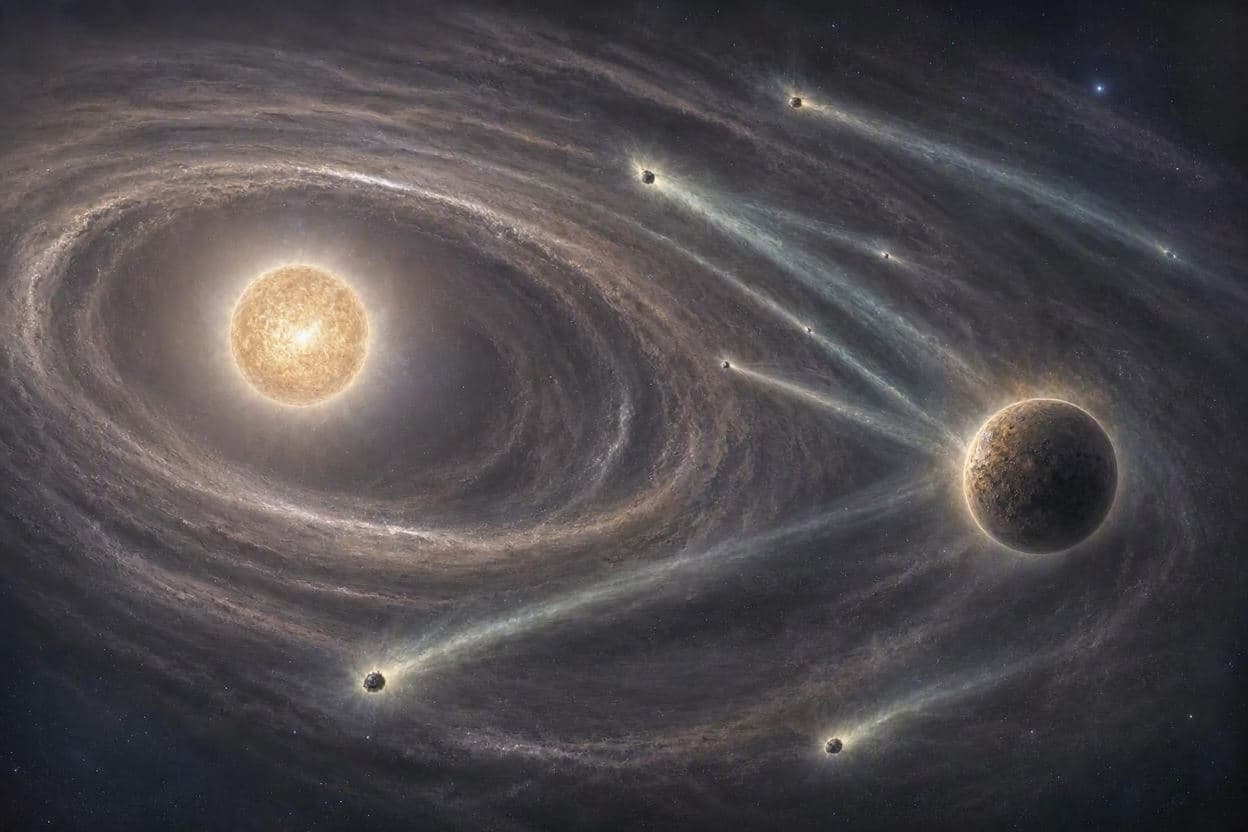
The sun, a constant and comforting presence in our sky, is also a volatile star capable of unleashing powerful bursts of energy that ripple through the solar system. These solar storms, composed of charged particles and magnetic fields, can disrupt satellites, power grids, and communication networks on Earth. For decades, scientists have relied on large, expensive spacecraft to monitor these events, but their vantage points often provide only a brief window of warning. Now, a small satellite no larger than a shoebox is changing the game, offering a tenfold increase in advance notice for these cosmic disturbances.
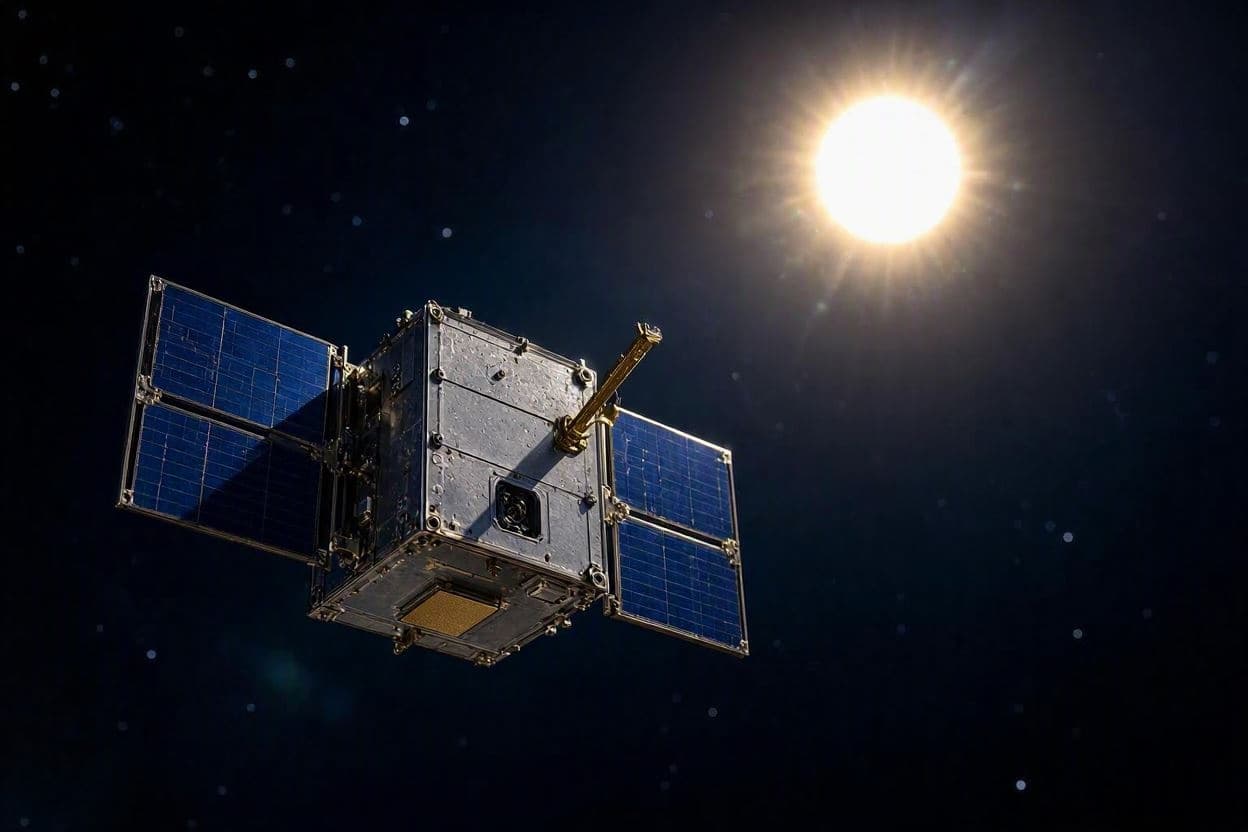
The instrument, known as the Compact Coronagraph (CCOR-1), is part of a CubeSat mission that demonstrates how miniaturization can revolutionize space weather forecasting. Traditional coronagraphs, which block the bright light of the sun to reveal its faint outer atmosphere, are typically bulky and complex. By compressing this technology into a compact form factor, engineers have created a device that can be launched more frequently and positioned at strategic points in space, such as the Lagrange point L1, where it can observe the sun continuously.
This extended warning time is crucial for protecting modern infrastructure. Solar storms can induce geomagnetic currents that damage transformers and disrupt GPS signals. With only minutes or hours of warning, operators of power grids and satellites have limited options to mitigate damage. However, with up to several days of advance notice provided by instruments like CCOR-1, they can take proactive measures, such as shutting down sensitive systems or adjusting satellite orbits, thereby reducing the risk of catastrophic failure.
The success of this CubeSat mission highlights a broader trend in space exploration: the shift toward smaller, more agile platforms. CubeSats are cheaper to build and launch, allowing for rapid iteration and deployment of new technologies. This democratization of space access enables universities, small companies, and government agencies to contribute to scientific research, fostering innovation and reducing the financial barriers to entry.
Beyond practical applications, the data collected by CCOR-1 enhances our understanding of solar physics. By observing the corona in greater detail, scientists can study the mechanisms that drive solar eruptions, improving predictive models. This knowledge is essential for preparing for future solar cycles, which vary in intensity and can pose significant risks to our technologically dependent society.
The collaboration between NASA and private partners has been instrumental in bringing this technology to fruition. It serves as a model for public-private partnerships, leveraging the efficiency of commercial spaceflight with the scientific rigor of federal agencies. Such collaborations are becoming increasingly vital as the demand for space-based services grows.
As we become more reliant on technology, the need for robust space weather monitoring becomes paramount. The CubeSat coronagraph represents a significant step forward in ensuring the resilience of our infrastructure. It reminds us that even the smallest tools can have a profound impact on our ability to navigate the challenges of living in a dynamic solar system.
In the quiet hum of a small satellite orbiting Earth, we find a new layer of protection against the sun’s fury. It is a testament to human ingenuity and our enduring quest to understand and adapt to the natural forces that shape our world.
AI Image Disclaimer: The visual representations included here are AI-generated illustrations designed to conceptualize the CubeSat and its observational capabilities, not actual photographs of the hardware in orbit.
Sources: NASA SpaceNews The Verge
Published by Banx Network. This article is part of the Banx decentralized media programme, powered by the BXE token on the XRP Ledger.