The ocean, vast and deep, has long been a silent partner in regulating Earth’s climate. It absorbs heat and carbon dioxide, buffering the planet against the worst effects of global warming. Now, a innovative startup in Nova Scotia is looking to the sea not just as a victim of climate change, but as a powerful ally in the fight against it. By harnessing the natural properties of seawater, this company is developing technology that could play a significant role in reducing atmospheric carbon, offering a glimpse of hope in a warming world.
The technology focuses on enhancing the ocean’s natural ability to sequester carbon. Through processes such as electrochemical treatment or mineralization, the startup aims to increase the alkalinity of seawater, allowing it to absorb more CO2 from the atmosphere. This approach, known as ocean alkalinity enhancement, is gaining attention as a potential scalable solution for carbon removal. It leverages the sheer volume of the ocean to achieve impacts that land-based methods might struggle to match.
Nova Scotia’s coastal location provides an ideal testing ground for such innovations. The province’s strong maritime heritage and commitment to sustainable development create a supportive environment for green tech startups. By collaborating with local universities and research institutions, the company is able to refine its methods and ensure they are both effective and environmentally safe. This partnership model accelerates innovation while maintaining rigorous scientific standards.
The potential benefits of this technology extend beyond carbon capture. By improving ocean chemistry, it may also help mitigate the effects of ocean acidification, which threatens marine life such as shellfish and coral reefs. This dual benefit makes the approach particularly attractive to policymakers and environmentalists who are seeking multifaceted solutions to complex ecological challenges. It represents a holistic view of climate action.
However, the path to large-scale implementation is not without challenges. Questions remain about the long-term ecological impacts of altering seawater chemistry on a massive scale. Researchers are carefully monitoring pilot projects to assess any unintended consequences, ensuring that the cure does not become worse than the disease. Transparency and caution are essential as this new field evolves.
Funding and regulatory frameworks are also critical components of success. Governments and investors are increasingly interested in carbon removal technologies, recognizing their necessity in meeting net-zero goals. Support from these sectors can help startups scale their operations and bring their solutions to market. The Nova Scotia initiative is part of a growing global movement to innovate in the blue economy.
For the local community, this startup represents economic opportunity as well as environmental progress. It creates jobs in engineering, research, and manufacturing, contributing to a sustainable future for the region. It demonstrates that climate action can be a driver of growth, aligning economic interests with ecological responsibility.
As the world searches for ways to cool down, the ocean offers a promising avenue. By working with nature rather than against it, we may find the tools needed to restore balance to our planet. The efforts in Nova Scotia are a small but significant step toward a cooler, healthier future.
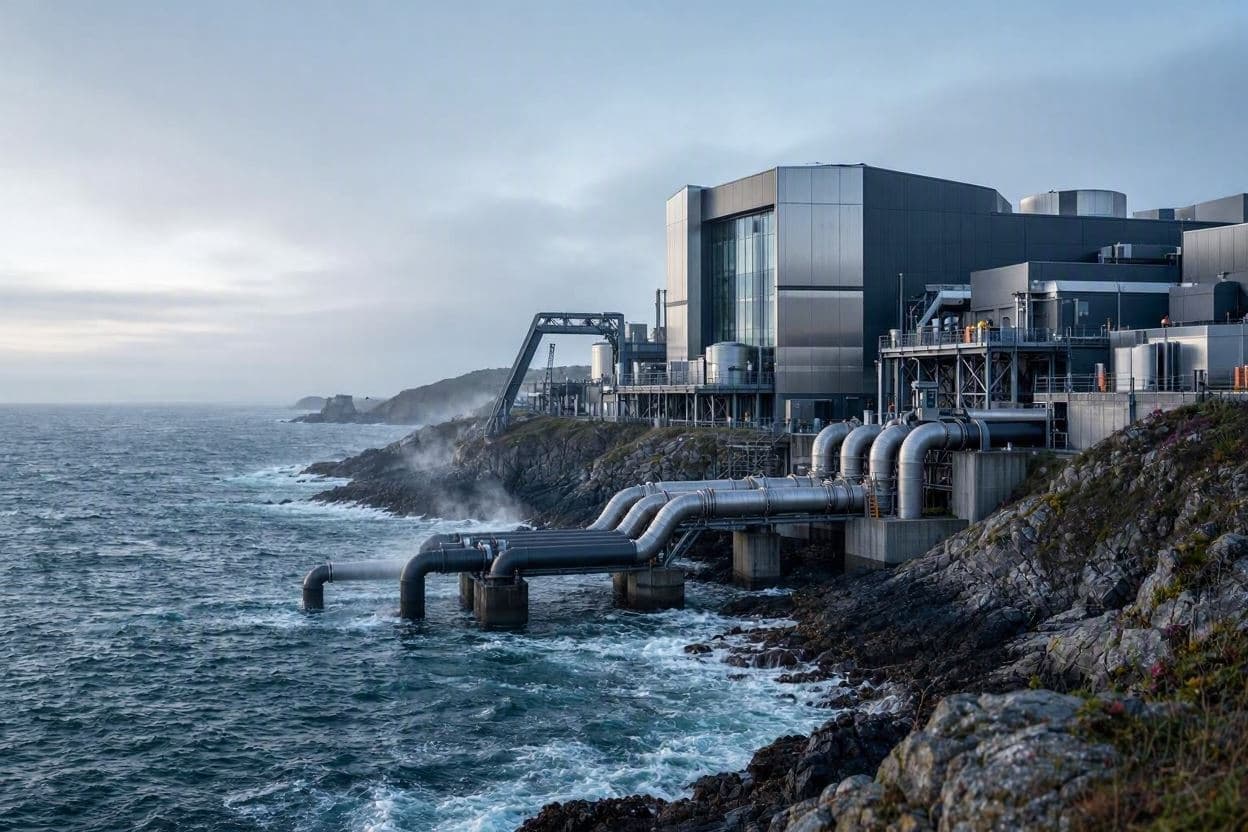
AI Image Disclaimer: The visual aids included here are AI-generated illustrations of ocean technology and coastal scenes, not actual photographs of the startup’s facilities or equipment.
Sources: CBC News The Chronicle Herald Ocean Alkalinity Enhancement Research
Published by Banx Network. This article is part of the Banx decentralized media programme, powered by the BXE token on the XRP Ledger.