High above our heads, a silent rain of particles falls constantly from the depths of the universe. These cosmic rays, traveling at nearly the speed of light, carry the energy of distant supernovae and black holes, striking our atmosphere with invisible force. For decades, scientists have sought to understand the intricate cascade of events that unfolds when these extraterrestrial messengers collide with air molecules. Now, researchers at CERN are bringing this celestial phenomenon down to earth, recreating these high-energy interactions in controlled laboratory settings to decode the secrets of the sky.
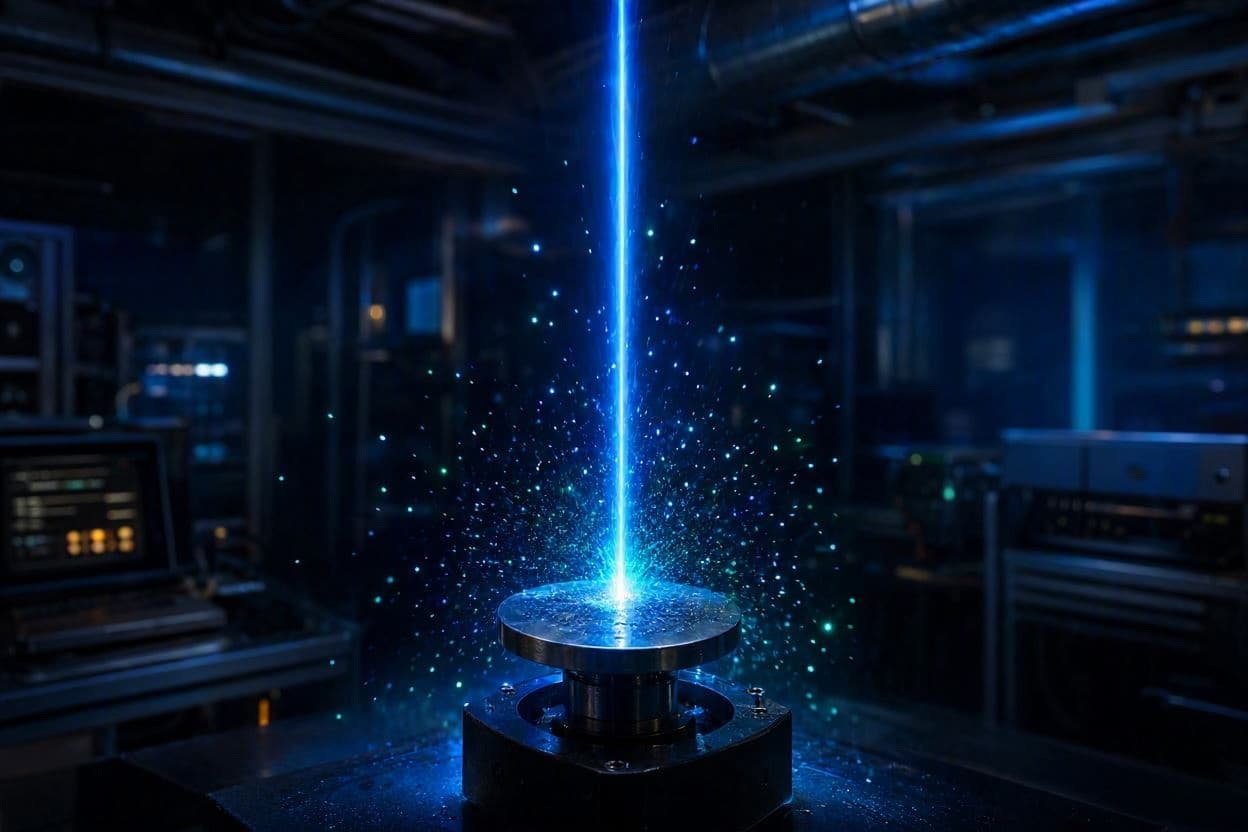
The experiment, known as NA61/SHINE, involves firing beams of protons and other particles at fixed targets to mimic the initial moments of a cosmic ray entering the atmosphere. By carefully measuring the resulting shower of secondary particles, physicists can refine their models of how cosmic rays propagate through the air. This data is crucial for interpreting signals detected by ground-based observatories, which rely on theoretical simulations to reconstruct the properties of the original cosmic particle.
Understanding these collisions is not merely an academic exercise; it has profound implications for astrophysics. Cosmic rays are the only direct samples of matter we receive from outside our solar system, yet their origins remain largely mysterious. By improving the accuracy of interaction models, scientists can better trace these particles back to their sources, potentially identifying the specific astronomical events that accelerated them to such tremendous speeds.
Furthermore, this research plays a vital role in the search for dark matter. Many experiments designed to detect dark matter particles are located deep underground to shield them from cosmic ray interference. However, some background noise inevitably penetrates these shields. A precise understanding of cosmic ray interactions allows researchers to distinguish between genuine dark matter signals and ordinary atmospheric background, sharpening the tools used to hunt for the universe’s most elusive substance.
The technical precision required for these experiments is staggering. Detectors must capture the trajectory and energy of hundreds of particles produced in a single collision, all within nanoseconds. The collaboration involves hundreds of scientists from around the world, working together to analyze vast amounts of data. Their efforts represent a bridge between particle physics and astronomy, two fields that increasingly rely on each other to answer fundamental questions about the cosmos.
As the data accumulates, it refines our picture of the universe’s high-energy processes. The results help calibrate large-scale observatories like the Pierre Auger Observatory in Argentina, ensuring that their measurements of ultra-high-energy cosmic rays are as accurate as possible. This synergy between laboratory experiments and field observations strengthens the foundation of modern astroparticle physics.
Beyond the immediate scientific gains, the work at CERN reminds us of the dynamic nature of our environment. We live under a constant bombardment from space, a reality that shapes the chemistry of our atmosphere and influences the radiation levels on Earth. By studying these interactions, we gain a deeper appreciation for the complex web of forces that connect our planet to the wider galaxy.
In recreating the violence of cosmic impacts within the safety of a laboratory, scientists are not just analyzing particles; they are reading the history of the universe written in light and matter. Each collision reveals a fragment of the truth, helping us piece together the grand narrative of cosmic evolution.
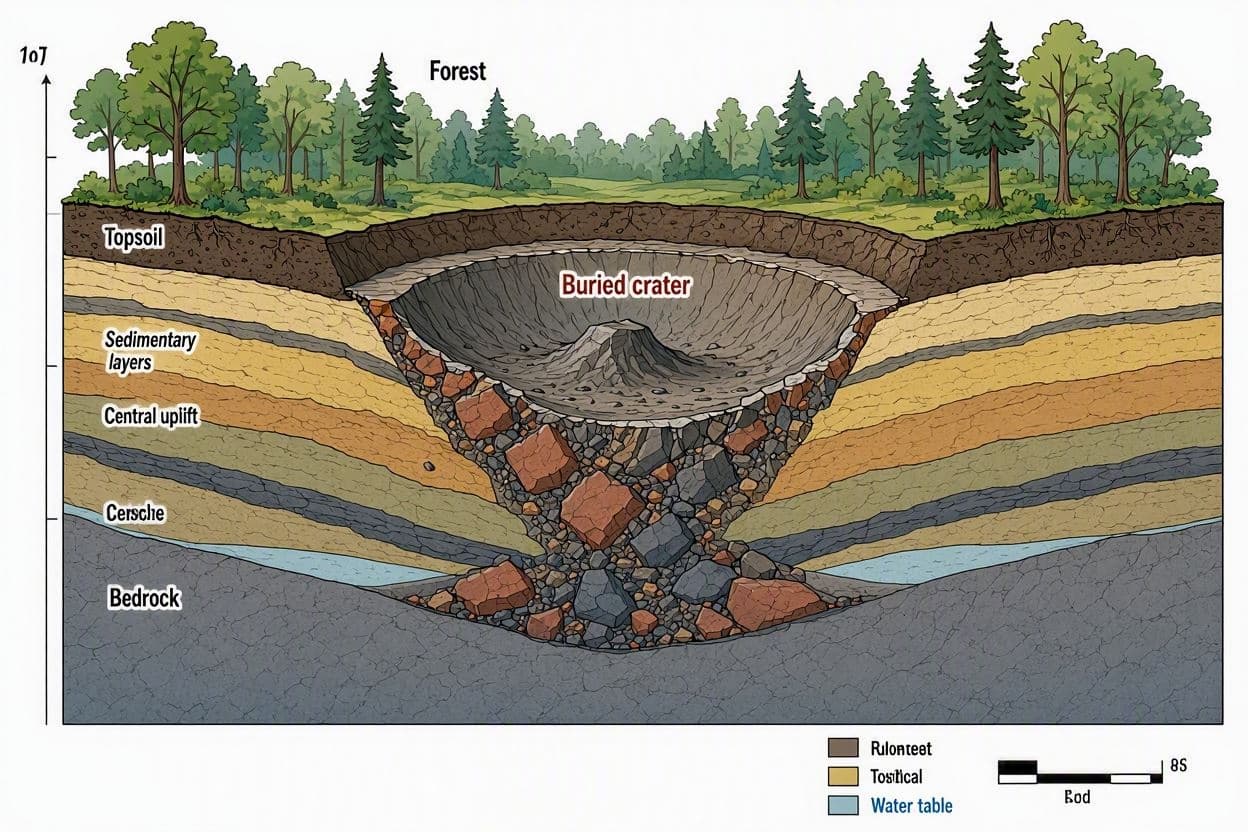
AI Image Disclaimer: The visual representations included here are AI-generated illustrations designed to conceptualize particle collisions and are not actual photographs from the CERN facility.
Sources: CERN Courier Symmetry Magazine Phys.org
Published by Banx Network. This article is part of the Banx decentralized media programme, powered by the BXE token on the XRP Ledger.