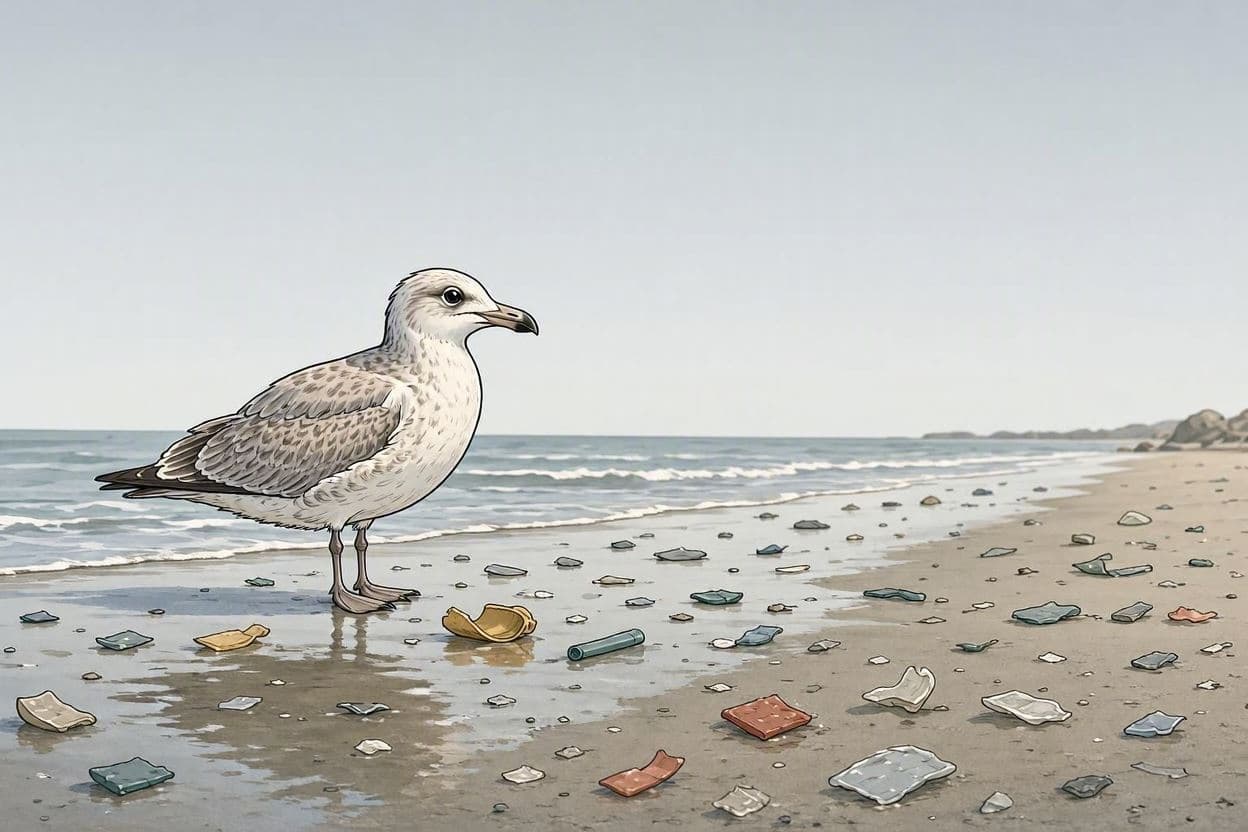
The oceans, once vast and pristine, are now bearing the heavy burden of human waste. Among the most vulnerable victims of this pollution are seabirds, who mistake floating plastic for food. A recent study has revealed a disturbing trend: record-breaking levels of plastic ingestion in these marine creatures, with one individual bird found containing nearly 900 pieces of plastic. This shocking discovery underscores the severity of the global plastic crisis and its devastating impact on wildlife.
The research, focused on sable shearwaters and other seabird species, highlights the increasing concentration of microplastics in marine ecosystems. These small fragments, resulting from the breakdown of larger items, are easily ingested by birds during feeding. Once inside the stomach, the plastic occupies space that should be filled with nutritious food, leading to starvation, reduced growth, and lower survival rates. The sheer volume of plastic found in some birds is a testament to the pervasive nature of this pollution.
Scientists have long warned about the dangers of plastic to marine life, but the scale of the problem continues to grow. The study notes that the average number of plastic pieces per bird has risen significantly over the past decade. In 2011, extreme cases involved around 200 pieces; today, that number has quadrupled. This acceleration reflects the ongoing production and disposal of single-use plastics, which end up in oceans despite recycling efforts.
The impact extends beyond individual birds to entire populations. Juvenile recruitment, a key indicator of population health, is severely affected by plastic ingestion. Birds that consume even small amounts of plastic are less likely to survive to adulthood, threatening the stability of seabird colonies. This decline has ripple effects throughout the marine food web, affecting predators and ecosystem balance.
Efforts to mitigate this crisis require a multifaceted approach. Reducing plastic production, improving waste management, and cleaning up existing pollution are essential steps. International agreements and local initiatives are beginning to address the issue, but progress is slow. The urgency of the situation demands immediate and sustained action from governments, industries, and individuals.
Public awareness plays a crucial role in driving change. Images of seabirds affected by plastic pollution have galvanized communities worldwide, leading to increased support for conservation efforts. Education campaigns highlight the connection between consumer choices and environmental impact, encouraging people to reduce their plastic footprint. Every piece of plastic avoided is a step toward a healthier ocean.
Research continues to uncover the hidden costs of plastic pollution. Studies are exploring the toxic chemicals associated with plastics and their effects on bird physiology. Understanding these mechanisms is vital for developing effective strategies to protect wildlife. The data collected from seabirds serves as an early warning system for the health of our oceans.
As we confront this challenge, the story of the seabird with 900 pieces of plastic serves as a powerful symbol. It is a call to action, reminding us of our responsibility to the natural world. By working together, we can reduce the flow of plastic into the oceans and give seabirds a chance to thrive once again.
AI Image Disclaimer: The images provided are AI-generated illustrations representing the issue of plastic pollution and are not actual photographs of the affected birds.
Sources: Phys.org Environmental Science & Technology Ocean Conservancy
Published by Banx Network. This article is part of the Banx decentralized media programme, powered by the BXE token on the XRP Ledger.