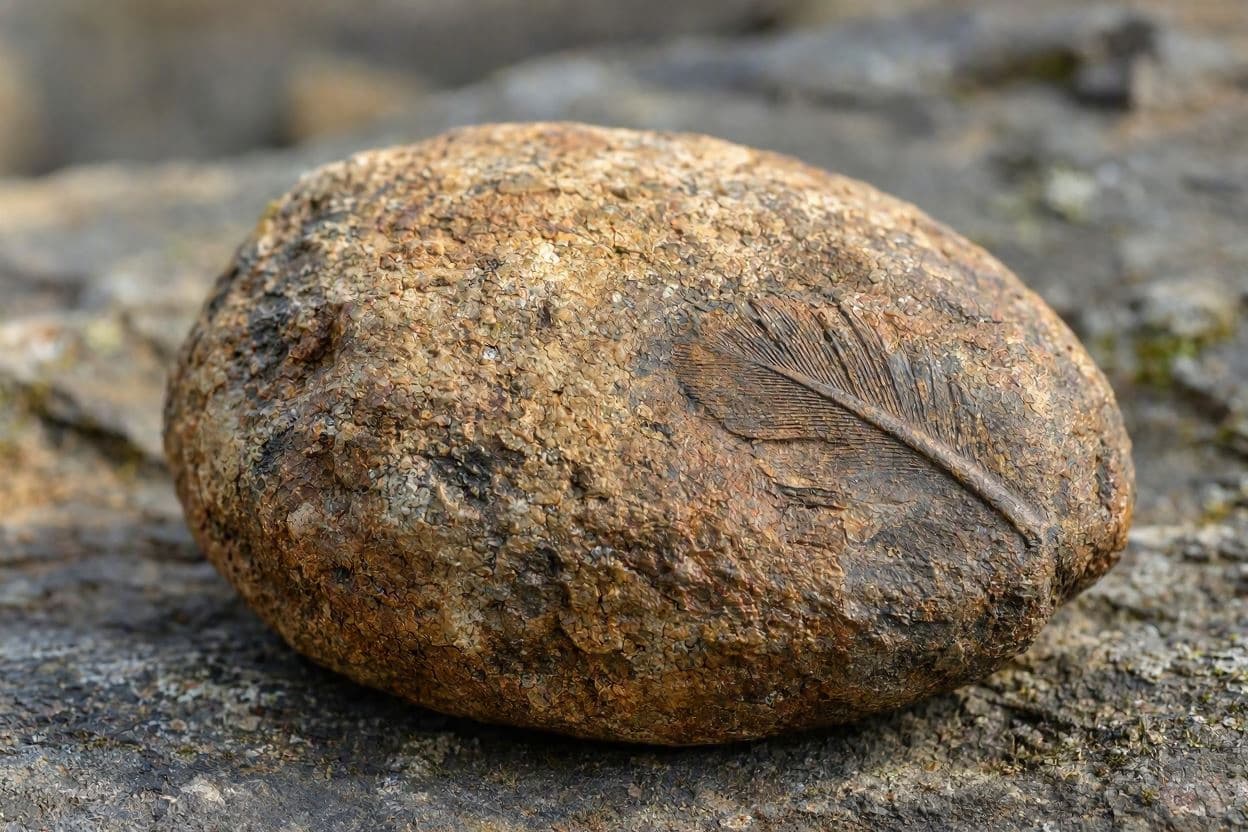
Time has a way of preserving what we least expect. In a lump of fossilized dinosaur dung, known as coprolite, discovered in North Dakota, researchers have found a delicate bird feather. This tiny fragment, trapped in waste for 66 million years, offers a poignant glimpse into the final days of the Cretaceous period. It belonged to a bird that did not survive the asteroid impact that wiped out the dinosaurs, serving as a silent witness to one of Earth’s most catastrophic events.
The coprolite was likely produced by a large theropod dinosaur, possibly a tyrannosaur, shortly before the Chicxulub impact. The feather, preserved within the digestive tract remnants, provides rare evidence of the diet and environment of these apex predators. It suggests that birds were part of the food chain, either as prey or scavengers, and highlights the intricate ecological relationships that existed before the mass extinction.
Analyzing the feather’s structure and chemistry allows scientists to identify the type of bird it came from. While the specific species remains unknown, the findings indicate it was likely a non-avian bird that shared the landscape with dinosaurs. This discovery adds to the growing body of evidence that birds were diverse and abundant in the Late Cretaceous, occupying various ecological niches.
The preservation of such fragile material in coprolite is exceptional. Usually, feathers decompose quickly, but the rapid burial and mineralization processes associated with fossilization can protect them. This find underscores the importance of studying not just bones and teeth, but also trace fossils like dung, which can contain soft tissues and other organic materials that are otherwise lost to time.
The timing of the deposit is significant. Being dated to just before the asteroid impact, the feather represents a snapshot of life moments before it changed forever. It reminds us of the fragility of existence and the suddenness with which entire ecosystems can collapse. For the bird that lost this feather, it was a mundane event; for us, it is a precious link to the past.
This discovery also sheds light on the survival strategies of birds. While many species perished, some lineages survived the extinction event, eventually evolving into the diverse array of birds we see today. Understanding which traits allowed certain birds to survive while others failed is a key question in evolutionary biology. Each fossil, no matter how small, contributes to answering this puzzle.
Researchers continue to examine the coprolite for other clues, such as pollen or plant fragments, which can provide information about the local vegetation and climate. These details help reconstruct the environment of the Hell Creek Formation, offering a more complete picture of the world that existed before the impact. It is a meticulous process, but one that yields rich rewards in understanding Earth’s history.
As we hold this ancient feather in our minds, we are reminded of the continuity of life. Despite the devastation of the asteroid, life persisted, adapting and evolving in the aftermath. The feather is a symbol of loss, but also of resilience, connecting us to a distant past and the enduring story of life on Earth.
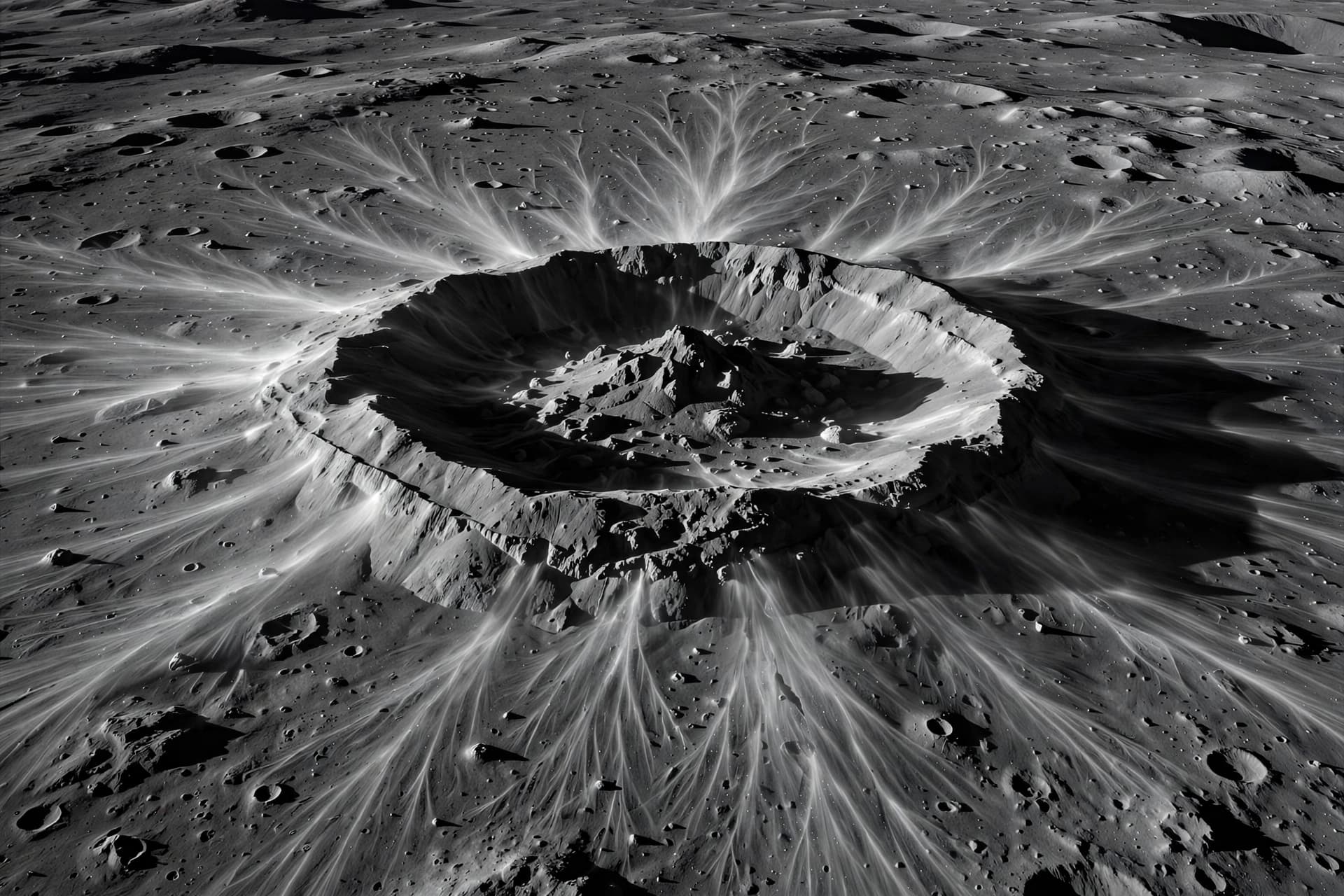
AI Image Disclaimer: The images accompanying this article are AI-generated artistic interpretations of the fossil and its context, not actual photographs of the specimen.
Sources: Scientific Reports Nature Ecology & Evolution Live Science
Published by Banx Network. This article is part of the Banx decentralized media programme, powered by the BXE token on the XRP Ledger.