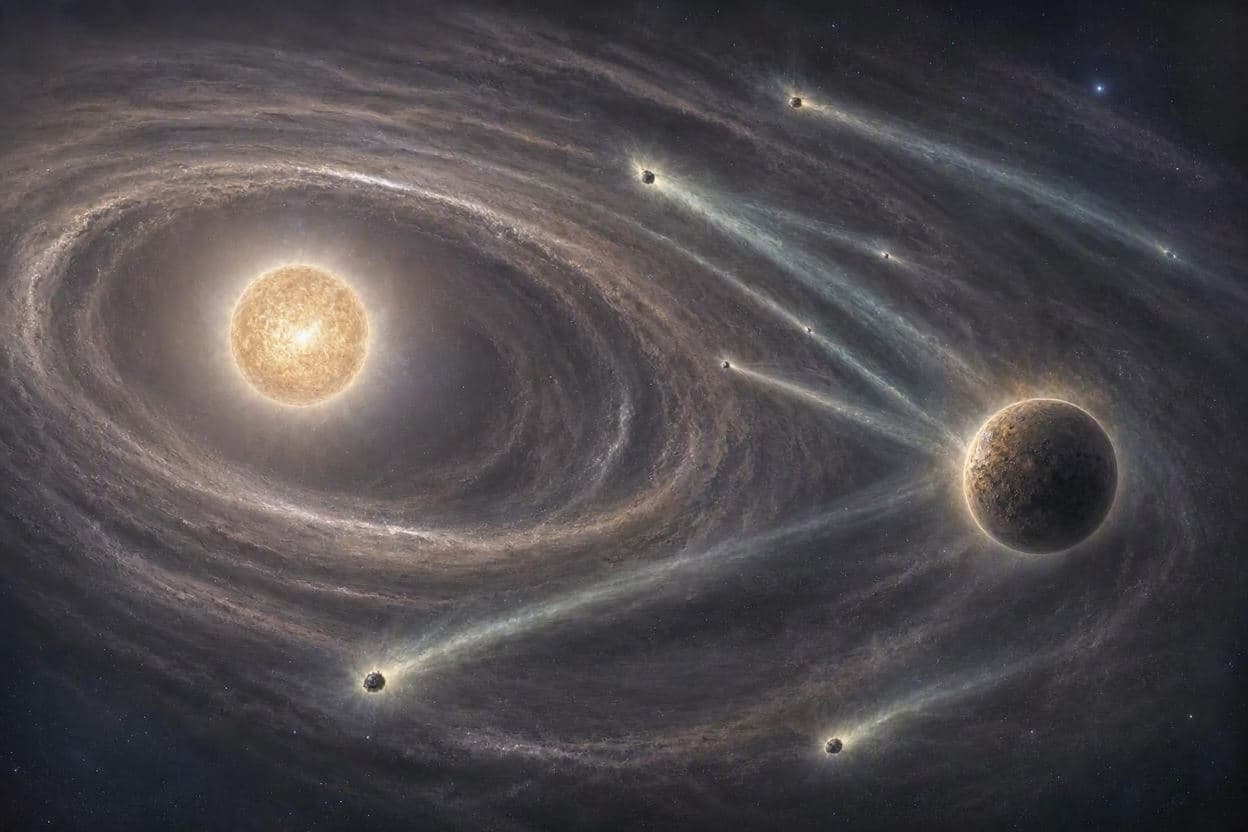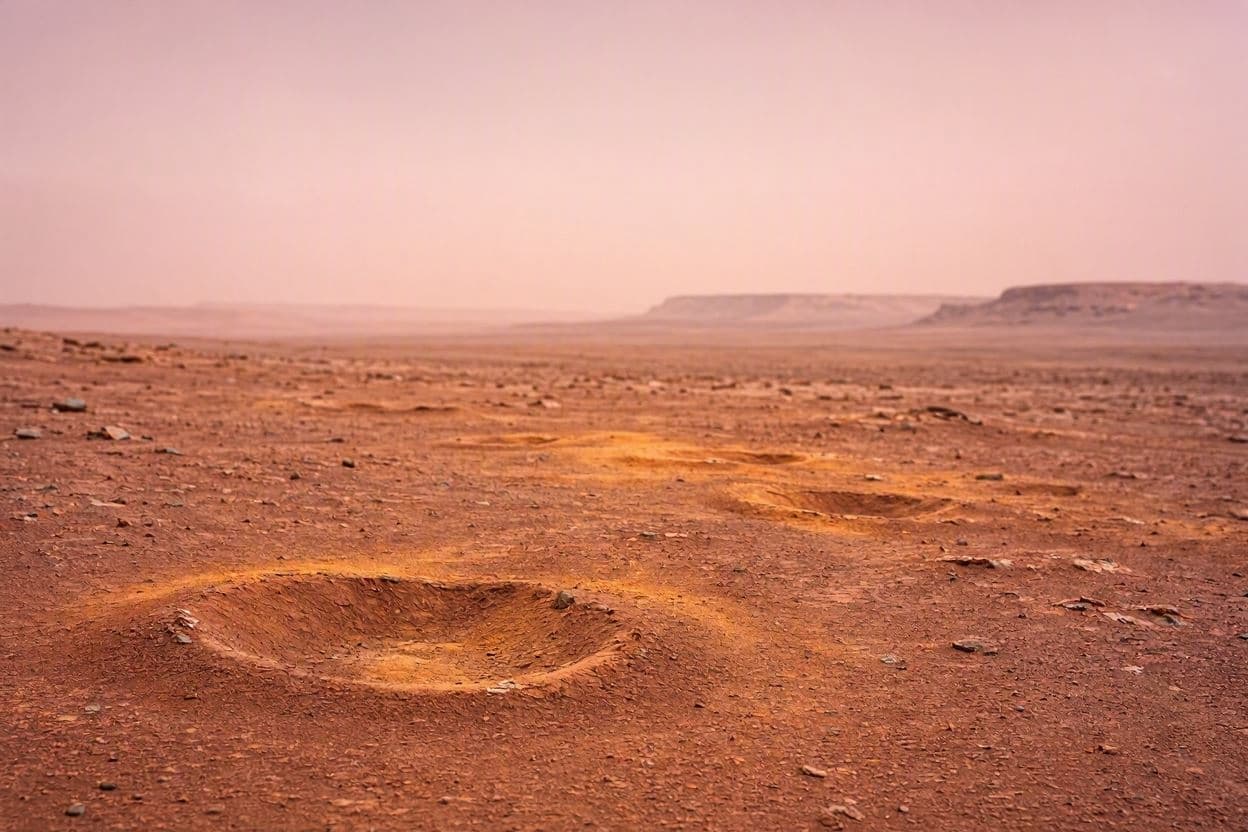
On the dusty, rust-colored plains of Mars, every mark tells a story. For years, NASA’s Curiosity rover has traversed the Martian landscape, leaving behind its own distinct track marks as it climbs the slopes of Mount Sharp. But recently, the rover’s cameras captured something unusual: a series of indentations that resemble footprints, sparking curiosity and speculation among space enthusiasts. While these marks are not evidence of ancient Martians, they offer a fascinating glimpse into the geological processes shaping the Red Planet.
The images, taken by Curiosity’s Mars Hand Lens Imager (MAHLI), show a pattern of shallow depressions in the soil. At first glance, they might appear to be the result of biological activity, but scientists quickly identified them as natural formations. These "footprints" are likely the result of wind erosion or the settling of loose regolith after previous rover movements. The Martian environment, with its thin atmosphere and frequent dust storms, is constantly reshaping the surface, creating patterns that can mimic familiar shapes from Earth.
This phenomenon, known as pareidolia, is the human tendency to perceive meaningful patterns in random stimuli. Just as we see faces in clouds or animals in rock formations, the brain seeks familiarity in the alien landscape of Mars. The "footprints" serve as a reminder of how our perception influences our interpretation of scientific data. While they are not signs of life, they highlight the importance of careful analysis and context in planetary exploration.
Curiosity’s mission has been instrumental in understanding the habitability of Mars. Since landing in 2012, the rover has analyzed soil samples, studied rock layers, and monitored weather patterns. Each discovery, no matter how small, contributes to our knowledge of the planet’s history. The identification of these odd marks adds another piece to the puzzle, helping scientists refine their models of Martian geology and atmospheric interaction.
The location of the find, near the base of Mount Sharp, is significant. This area has yielded numerous clues about past water activity and potential microbial life. By studying the surface features in detail, researchers can better understand the environmental conditions that existed billions of years ago. The "footprints" may be recent, but they are part of a landscape that holds secrets of a wetter, warmer past.
Public engagement with Mars missions remains strong, with images like these capturing the imagination of people around the world. Social media platforms buzz with discussions and theories, fostering a sense of shared exploration. While scientists must remain grounded in evidence, the enthusiasm generated by such discoveries helps sustain support for space exploration programs. It is a testament to the enduring human desire to explore the unknown.
As Curiosity continues its journey, it will undoubtedly encounter more strange and wonderful features. Each image sent back to Earth is a window into another world, inviting us to look closer and question what we see. The "footprints" may be simple geological artifacts, but they remind us that Mars is a dynamic and evolving planet, still full of surprises.
In the end, the true value of these observations lies in their ability to inspire. They encourage us to look at the world with fresh eyes, to appreciate the beauty of natural patterns, and to remain curious about the mysteries of the universe. Whether real or imagined, the footprints on Mars are a step forward in our collective journey of discovery.
AI Image Disclaimer: The accompanying visuals are AI-generated artistic interpretations of the Martian surface and do not represent the actual raw images from the rover.
Sources: Space.com NASA Jet Propulsion Laboratory Yahoo Science
Published by Banx Network. This article is part of the Banx decentralized media programme, powered by the BXE token on the XRP Ledger.