SCIENCE94% credibility
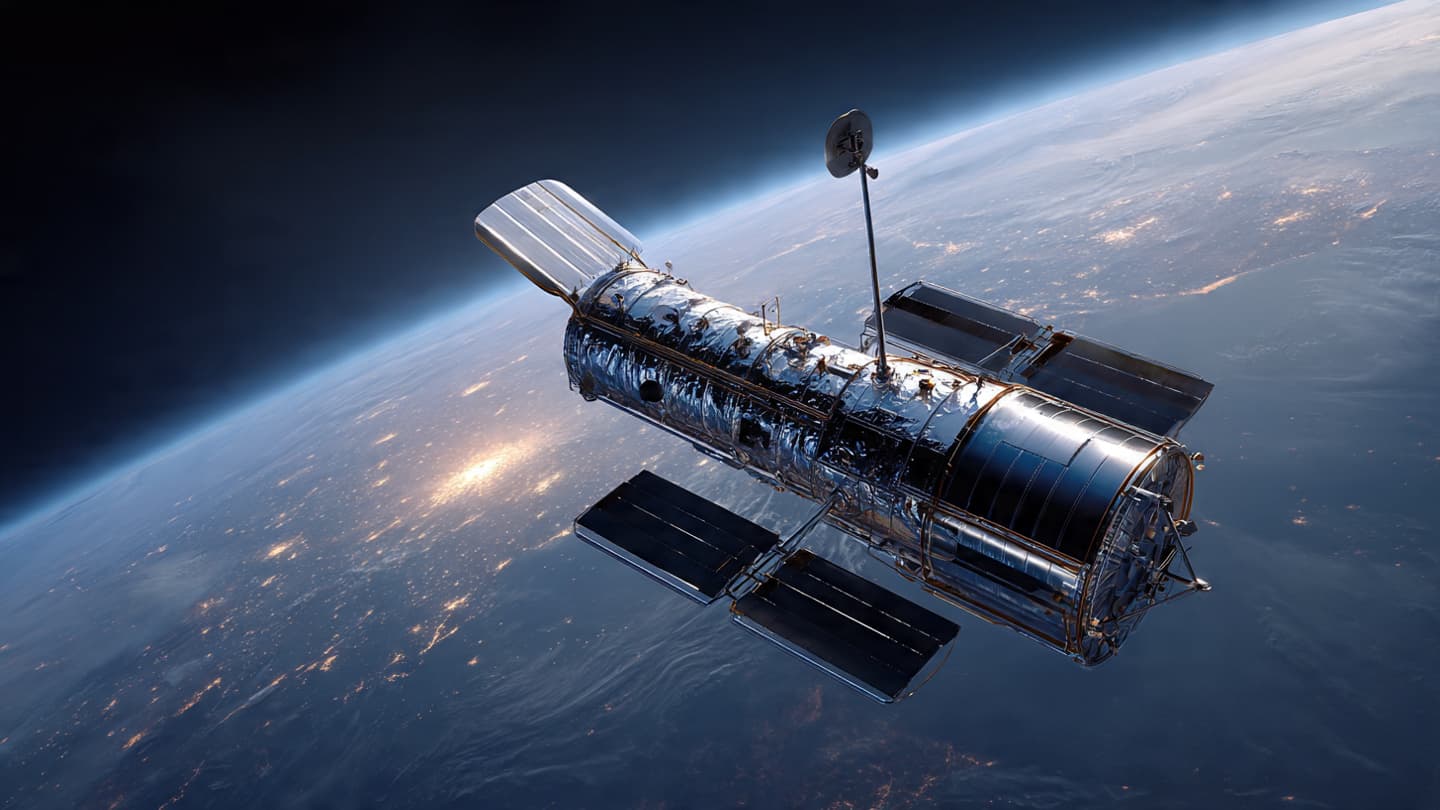
An Old Telescope Still Finds New Ways to See the Universe
Scientists are planning new Hubble research programs that could extend valuable astronomical studies into the 2030s.
2 min read

Scientists are planning new Hubble research programs that could extend valuable astronomical studies into the 2030s.

Researchers have developed Quantum Cinema, an interactive approach to making quantum physics more accessible and engaging.

Google has outlined the evolution of its TPU supercomputing technology designed to improve AI performance and efficiency.

Google has launched a US$30 million AI initiative to support scientific research in health, climate, and other fields.
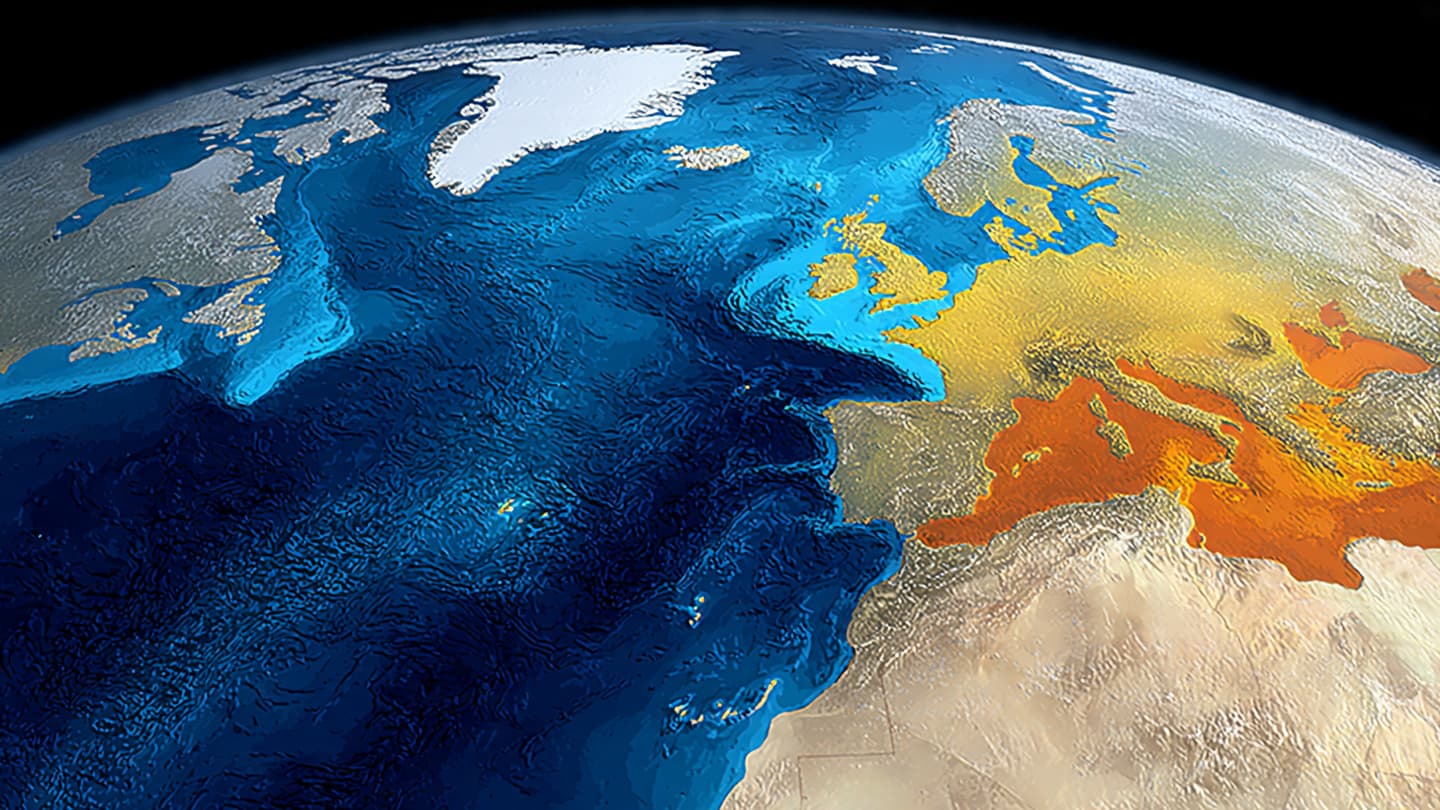
Scientists are studying the expanding North Atlantic Cold Blob and its possible connections to ocean circulation and climate patterns.
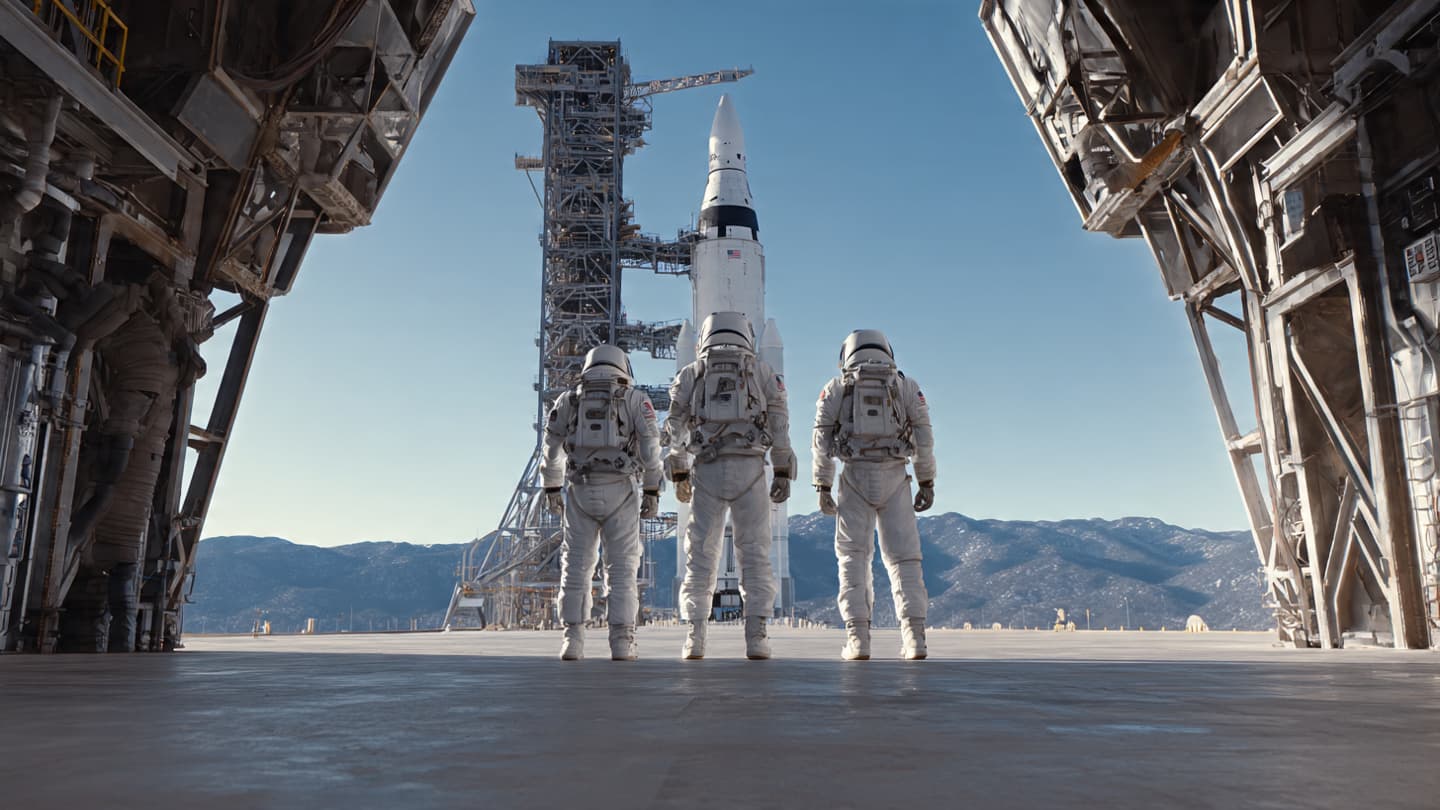
NASA has announced the Artemis III crew, advancing plans for humanity's return to the Moon and future deep-space exploration.
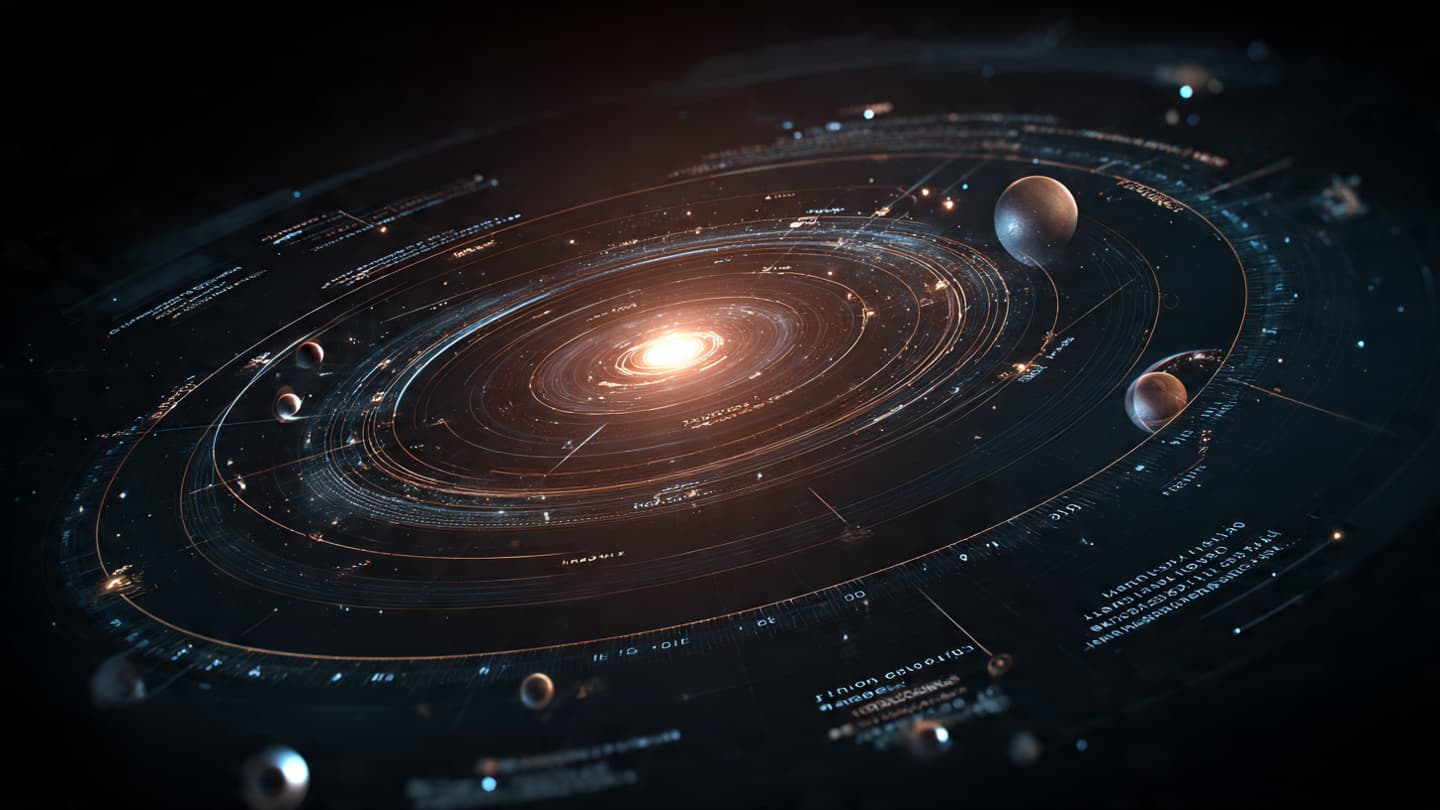
Scientists have introduced the ThousandWorlds dataset to support exoplanet research and improve AI-based astronomical studies.
New astronomical research provides deeper insight into how galaxies formed during the early stages of the universe.
Scientists continue making progress in nuclear fusion technology, offering long-term possibilities for cleaner and more sustainable energy.
Scientists are using artificial intelligence to improve drug discovery by analyzing complex biological and chemical data more efficiently.
Astronomers have identified a potentially habitable exoplanet candidate that will undergo further scientific investigation
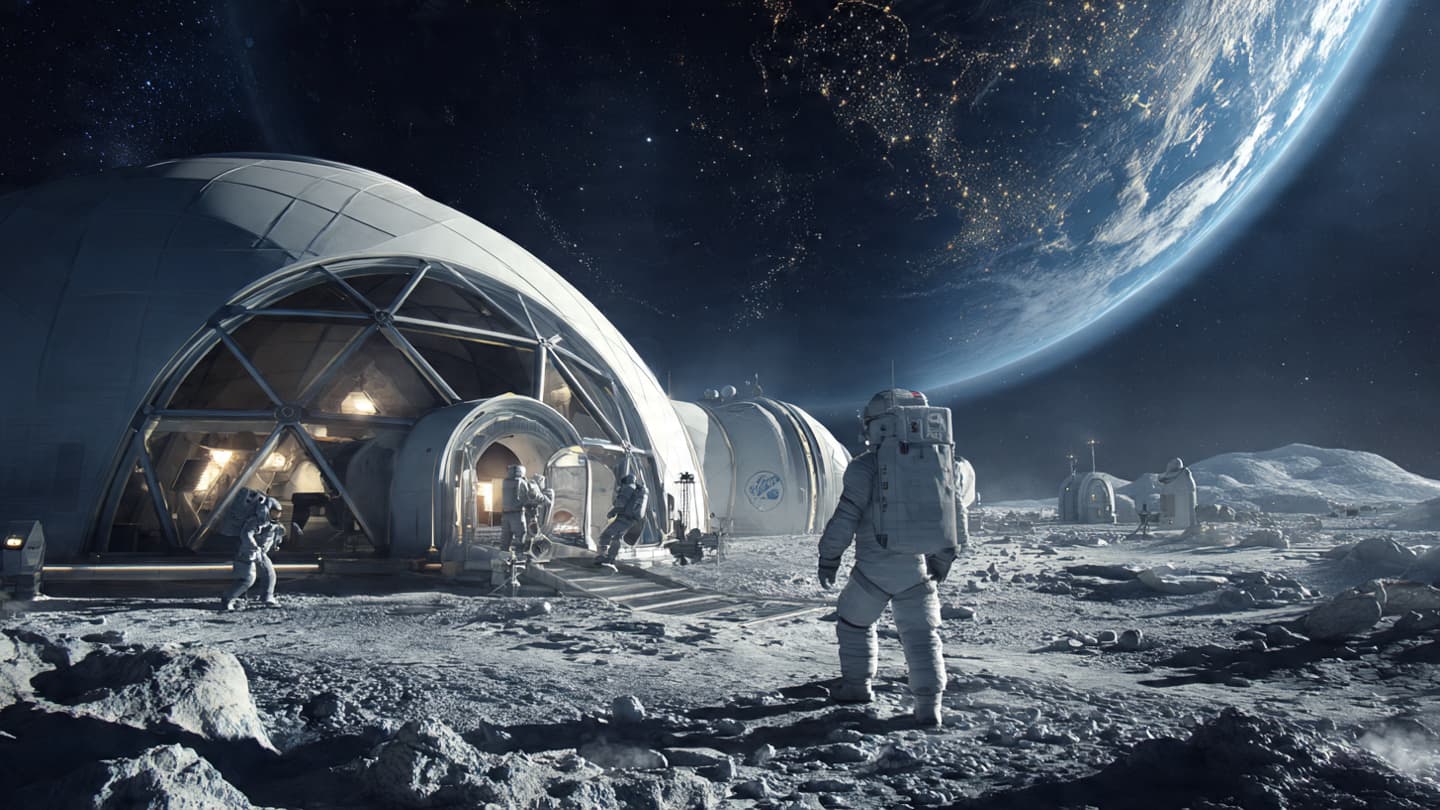
NASA is developing advanced technologies to support future Moon and Mars missions through improved energy, life-support, and communication systems.
CRISPR enables plants with improved nutrition and altered traits through precise gene editing technology.

Quantum computing advances improve qubit stability, bringing practical applications closer to reality.

Underground fungal networks connect plants and ecosystems, enabling nutrient and signal exchange across forests.
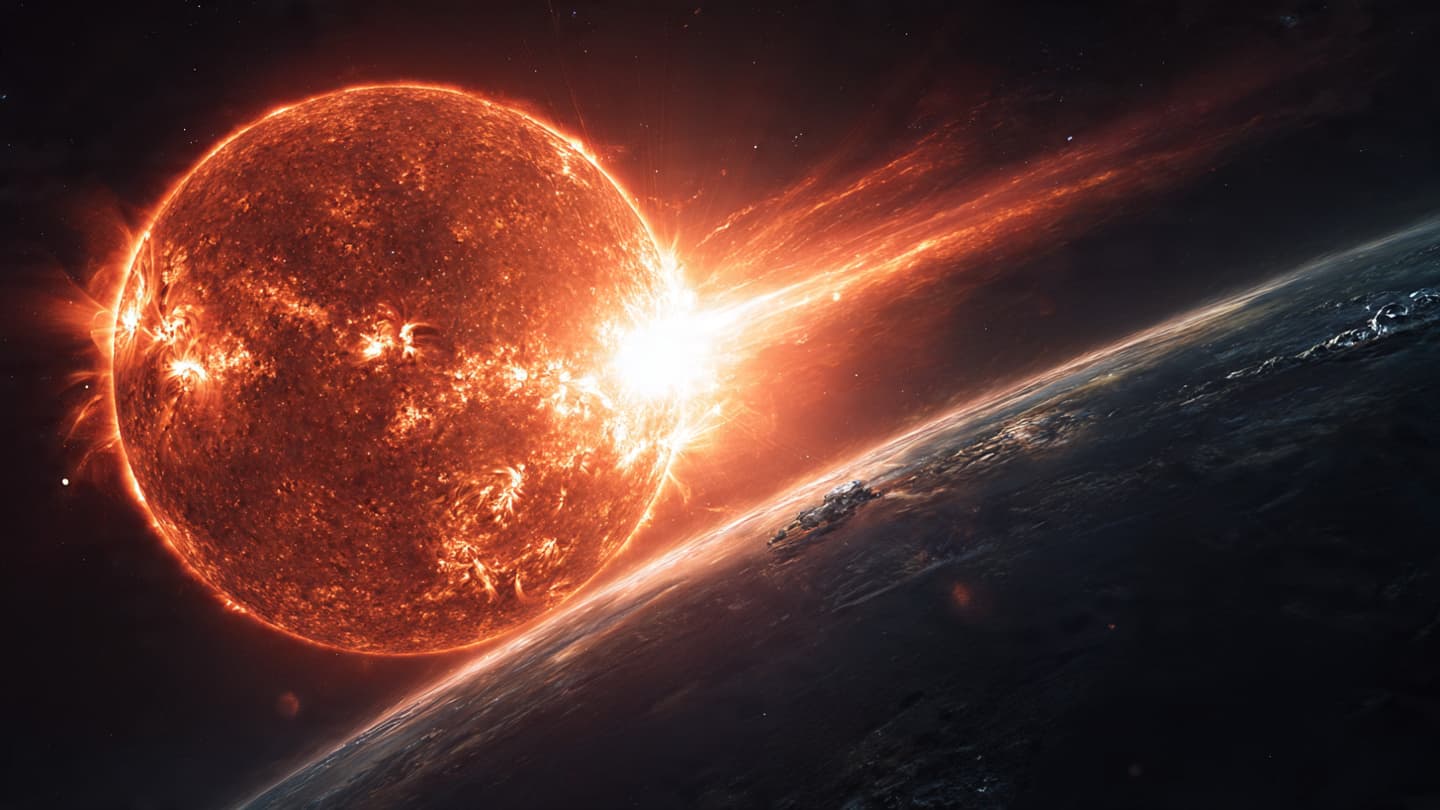
A strong solar eruption triggers widespread auroras and highlights impacts of space weather on Earth.
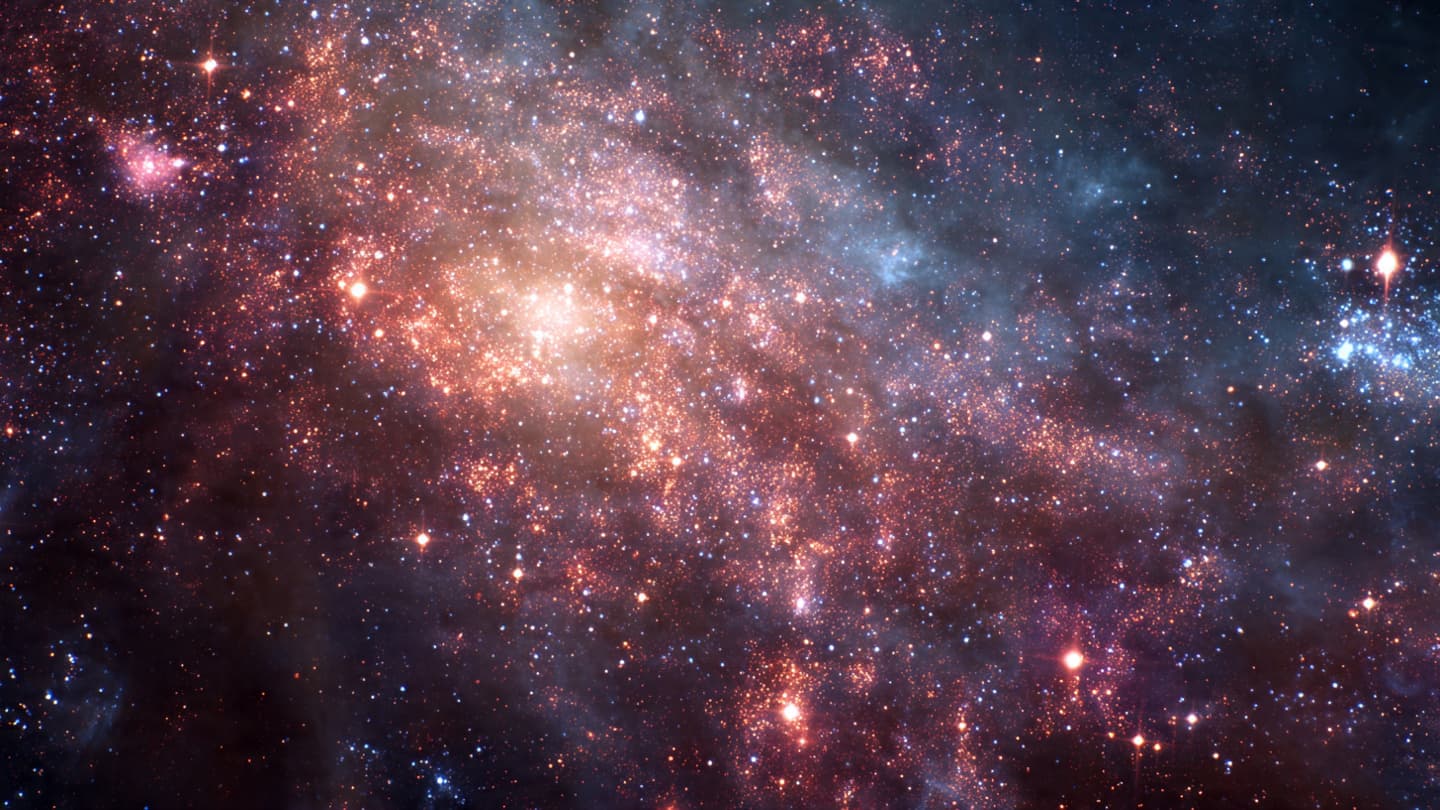
James Webb Telescope finds unusual cosmic structures that challenge current galaxy formation models.
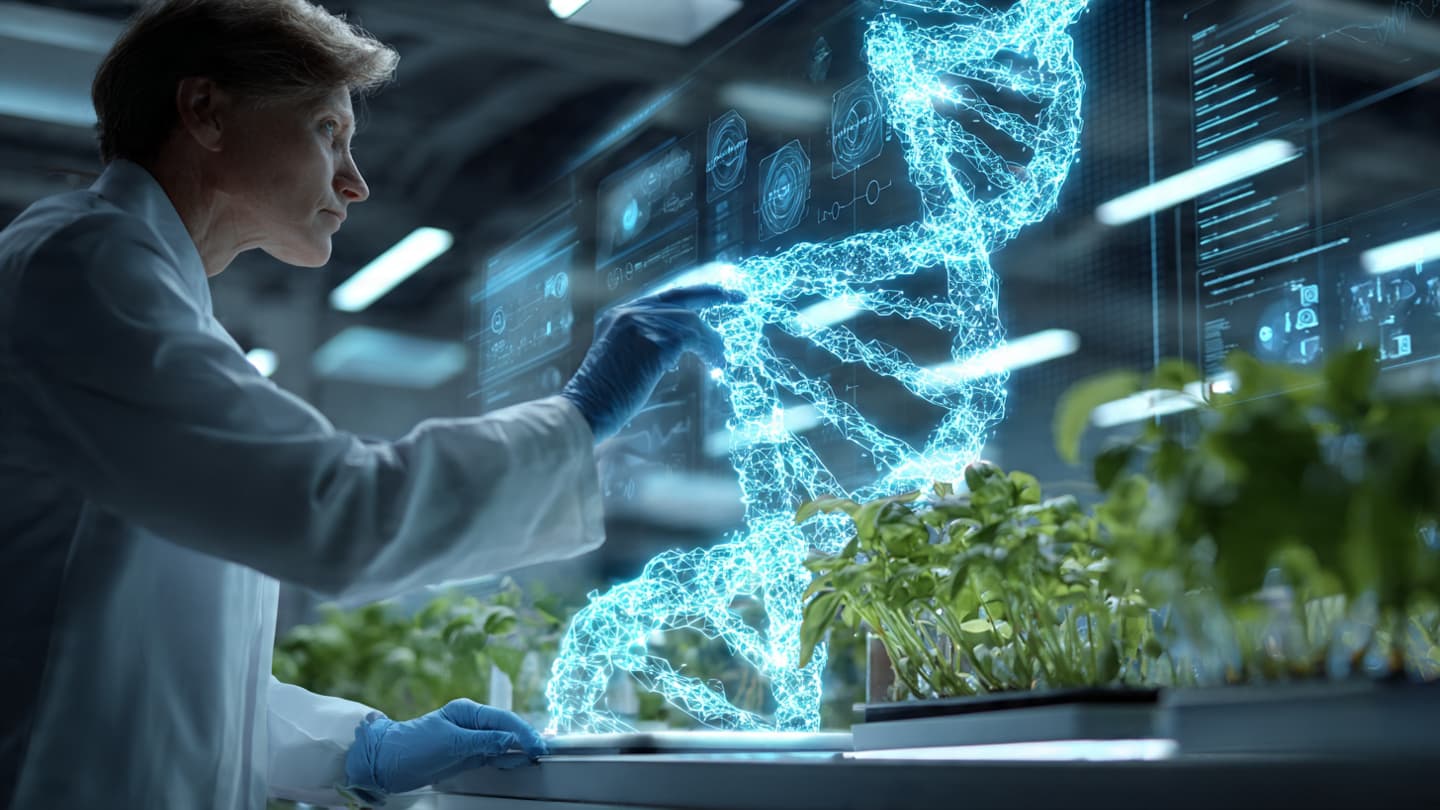
New adaptive materials can switch between strong and brittle states, enabling responsive engineering applications.
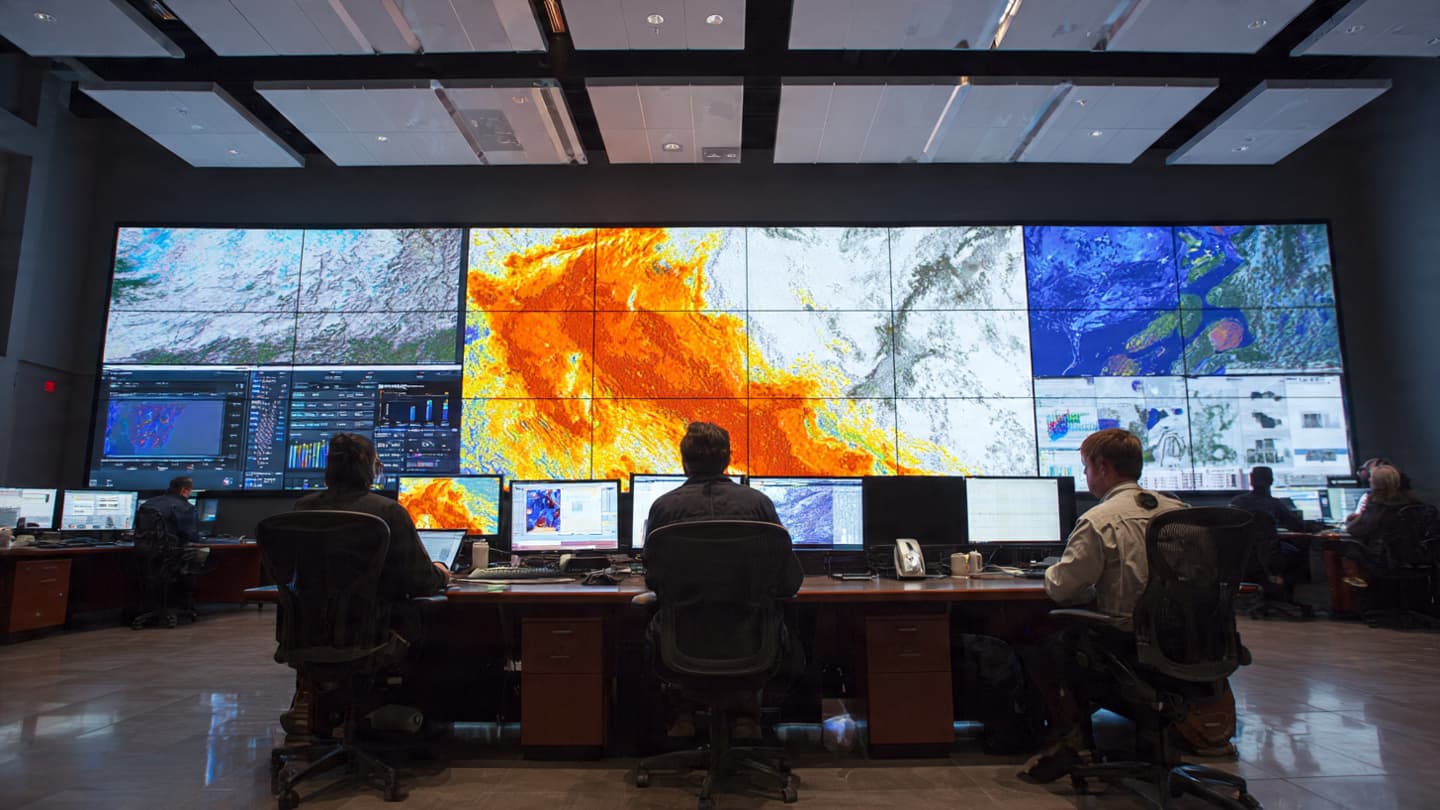
Scientists worldwide are developing technologies and strategies to improve disaster resilience and preparedness.
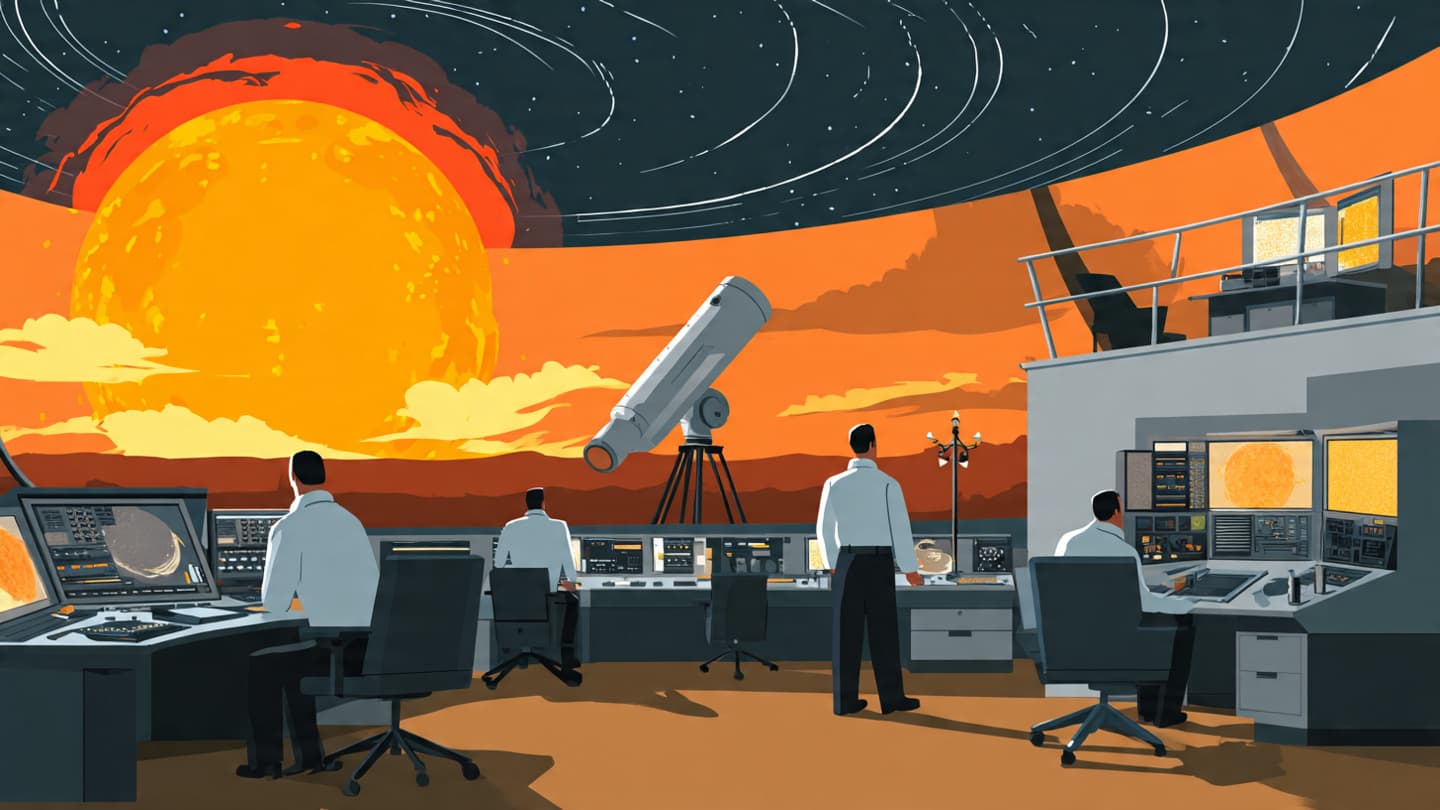
Researchers are expanding solar monitoring efforts as activity increases during the current solar cycle.
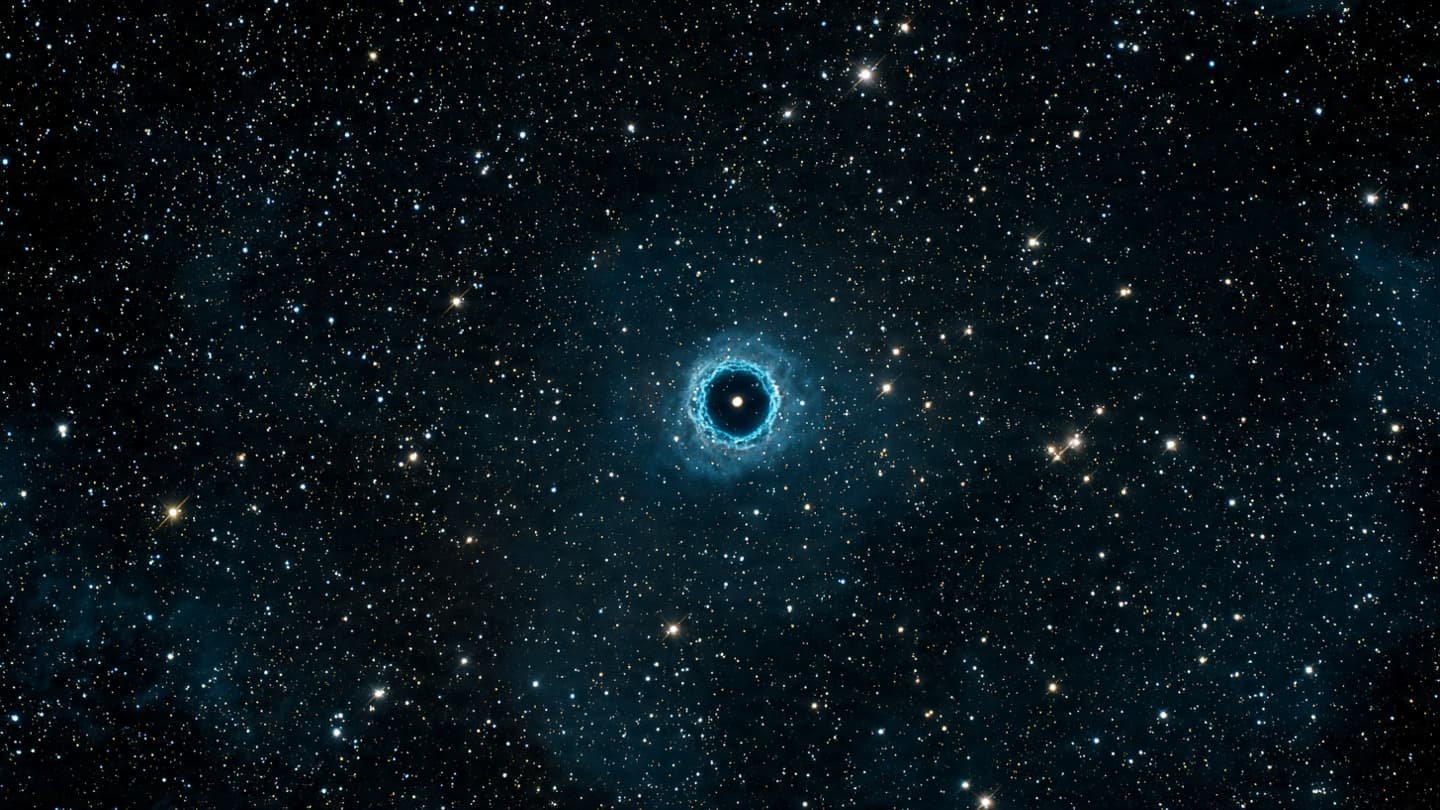
Astronomers say June offers ideal opportunities to observe several famous deep-sky objects, including the Ring and Veil Nebulae.
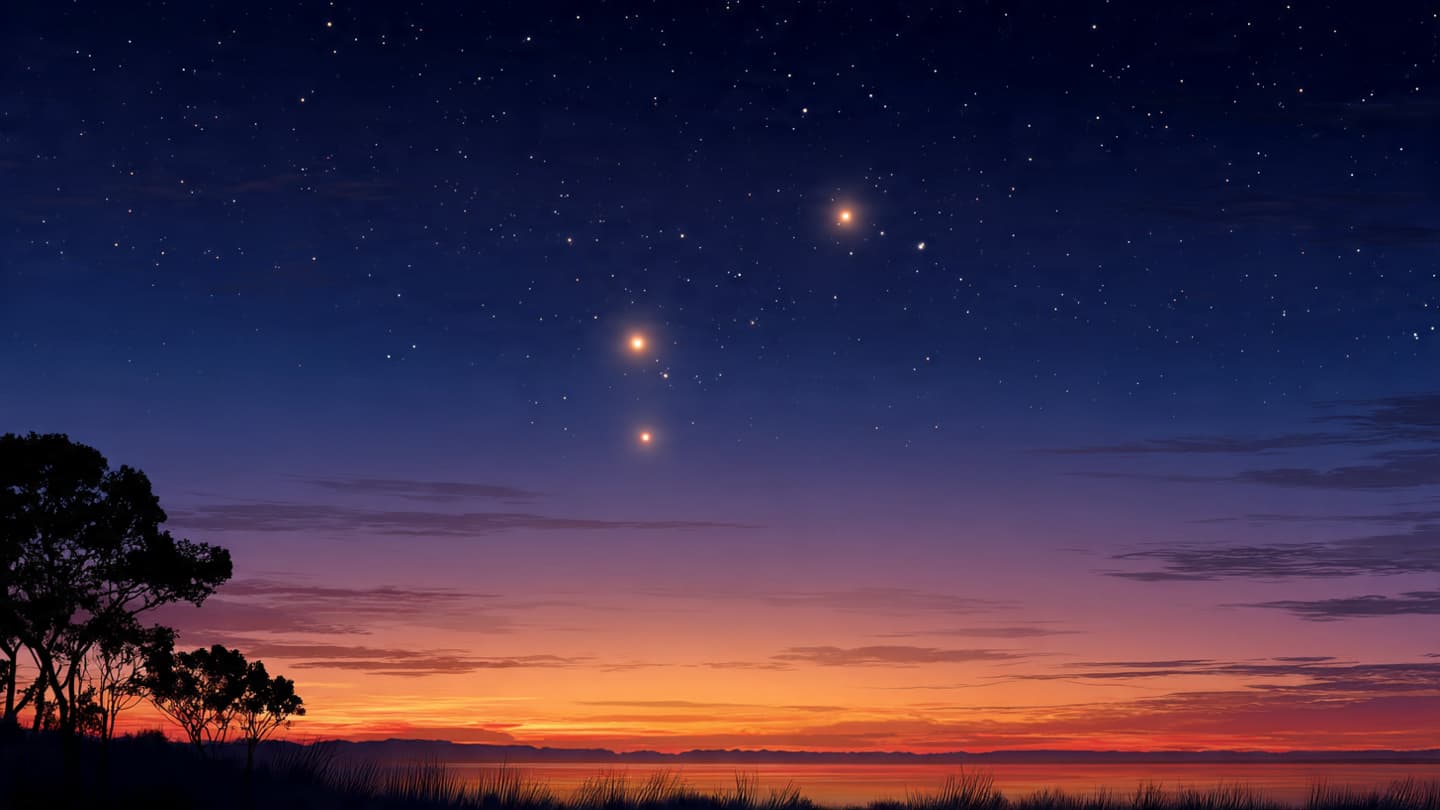
Venus, Jupiter, and Mercury will appear together in a rare planetary alignment visible during June 2026.

A rare lunar occultation will cause Venus to temporarily disappear behind the Moon for observers in selected regions.
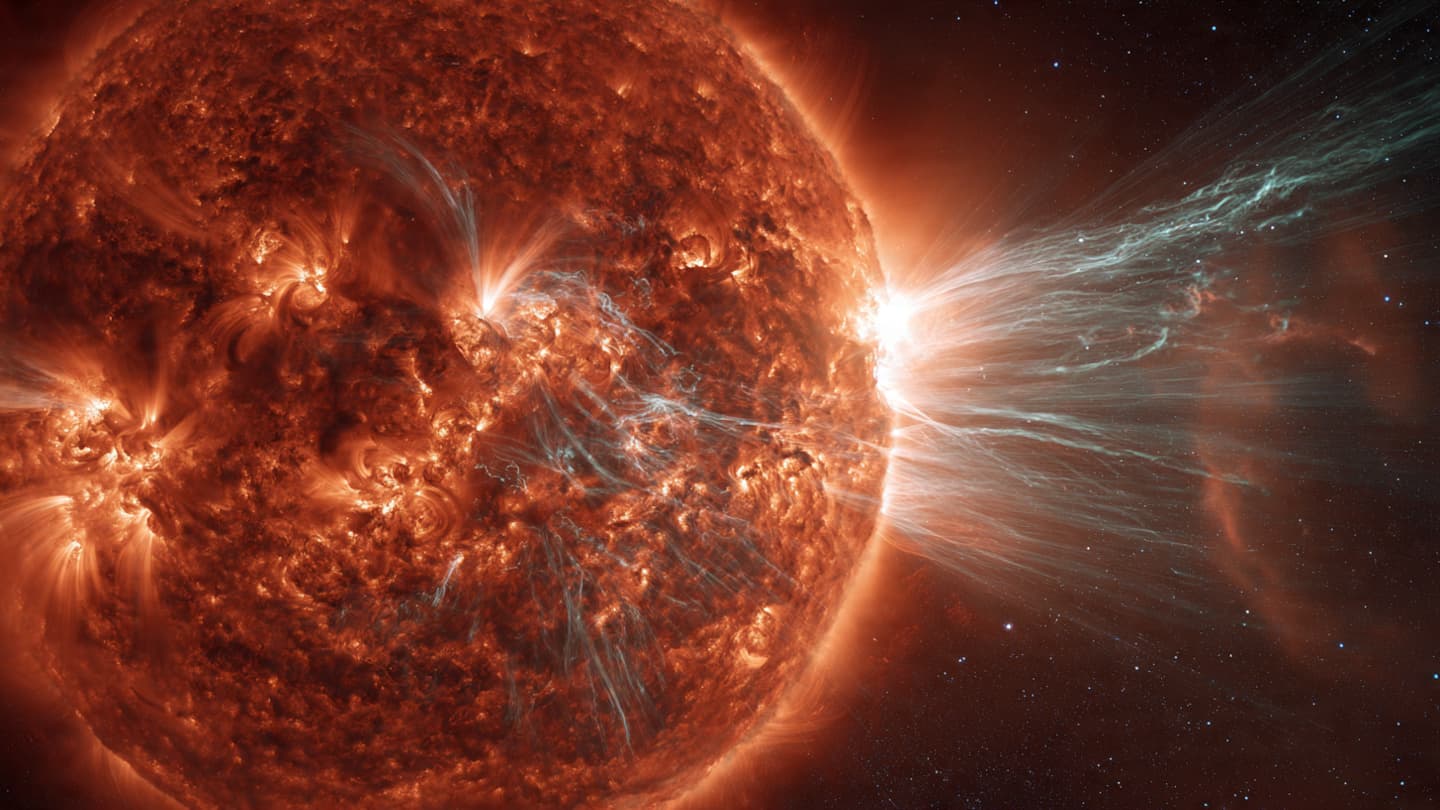
Scientists are monitoring two significant solar eruptions that could influence satellites, communications, and geomagnetic activity.