
SCIENCE97% credibility
Artificial Intelligence Takes a New Step into Medical Discovery
An AI-assisted vaccine candidate has entered human clinical testing, highlighting the growing role of artificial intelligence in medical research.
1 min read

An AI-assisted vaccine candidate has entered human clinical testing, highlighting the growing role of artificial intelligence in medical research.
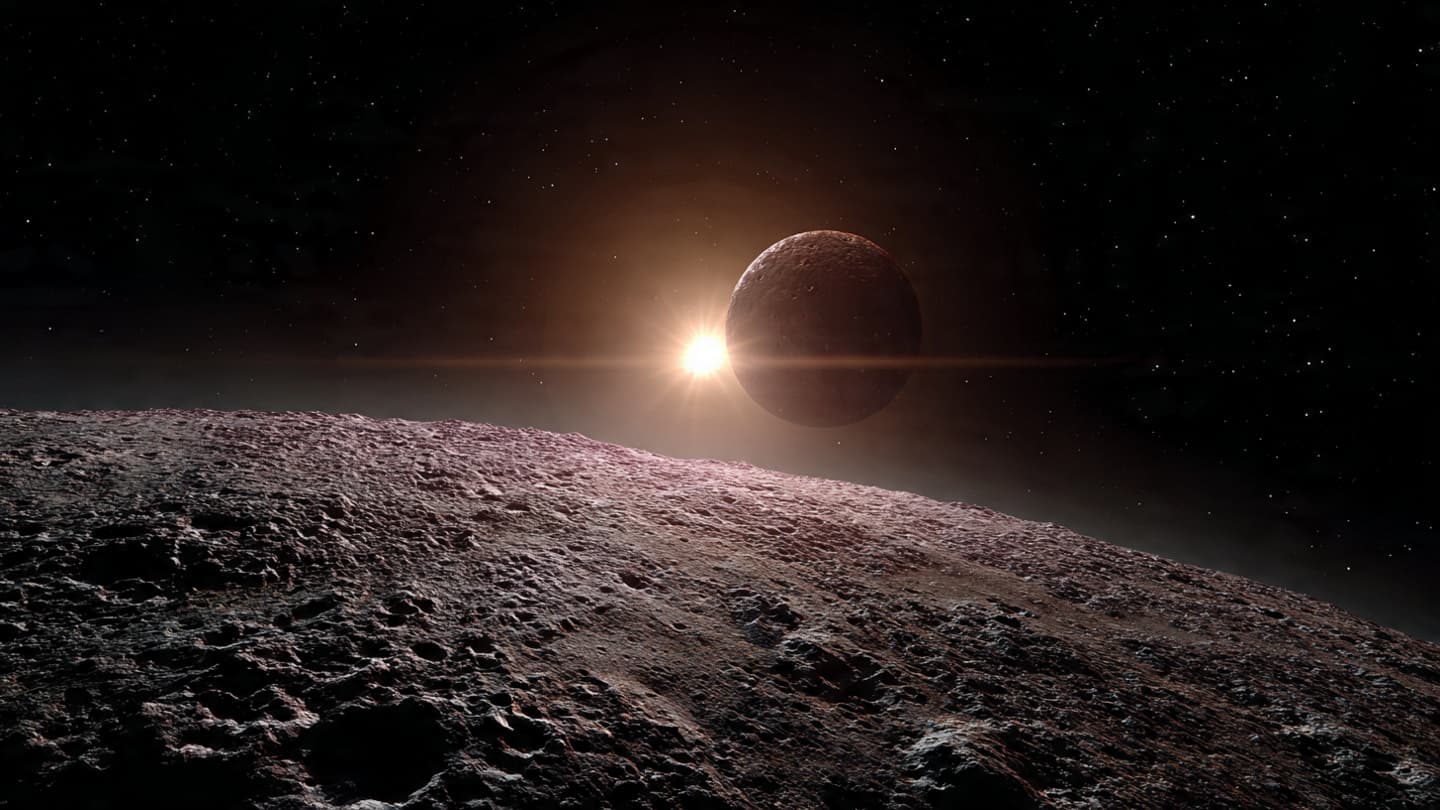
Astronomers have detected evidence of a thin atmosphere surrounding a distant trans-Neptunian object, expanding understanding of the outer solar system.
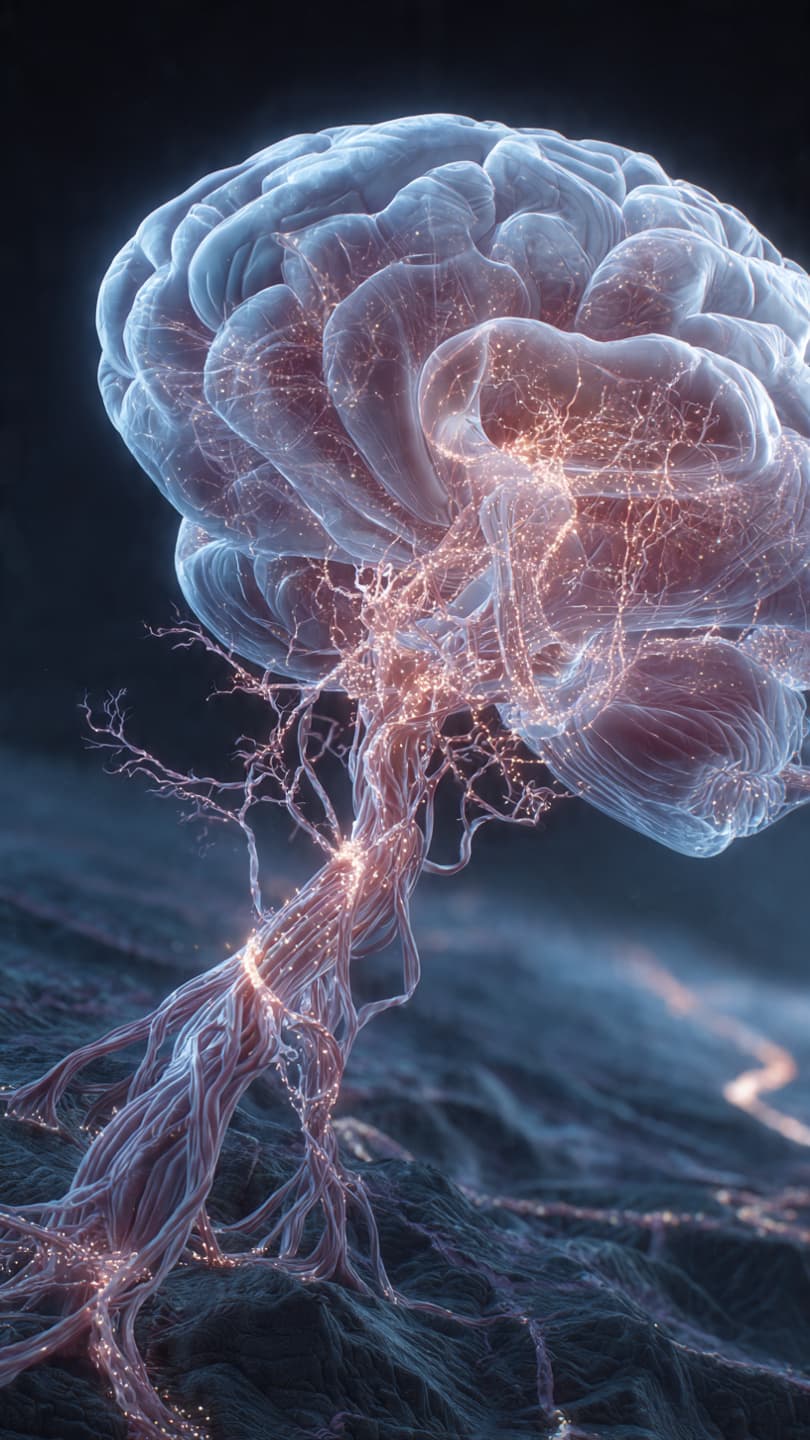
Researchers have mapped how the brain constructs sentences word by word, offering new insight into language and cognition.
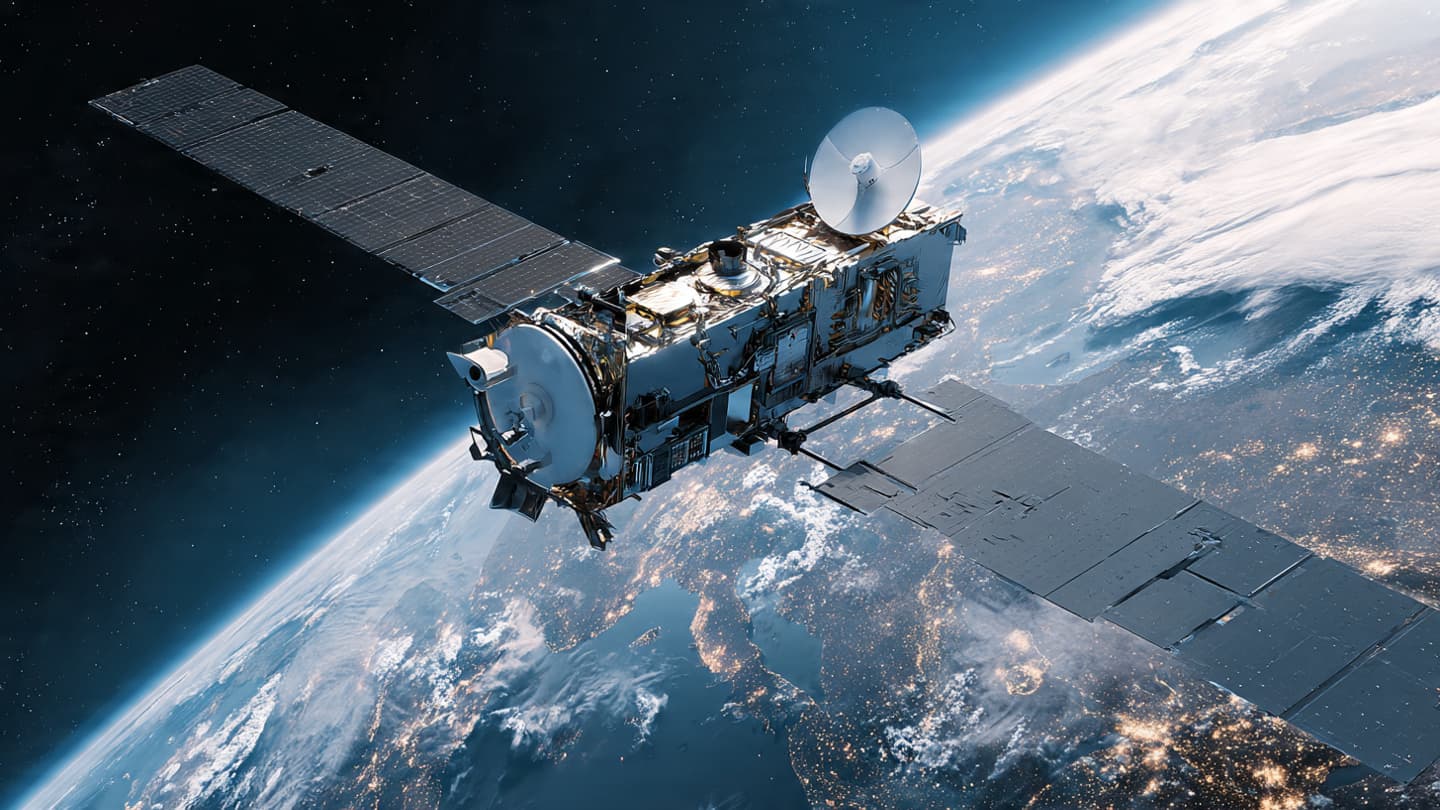
SpaceX is reportedly preparing orbital AI computing tests that could transform how satellites process and transmit data.
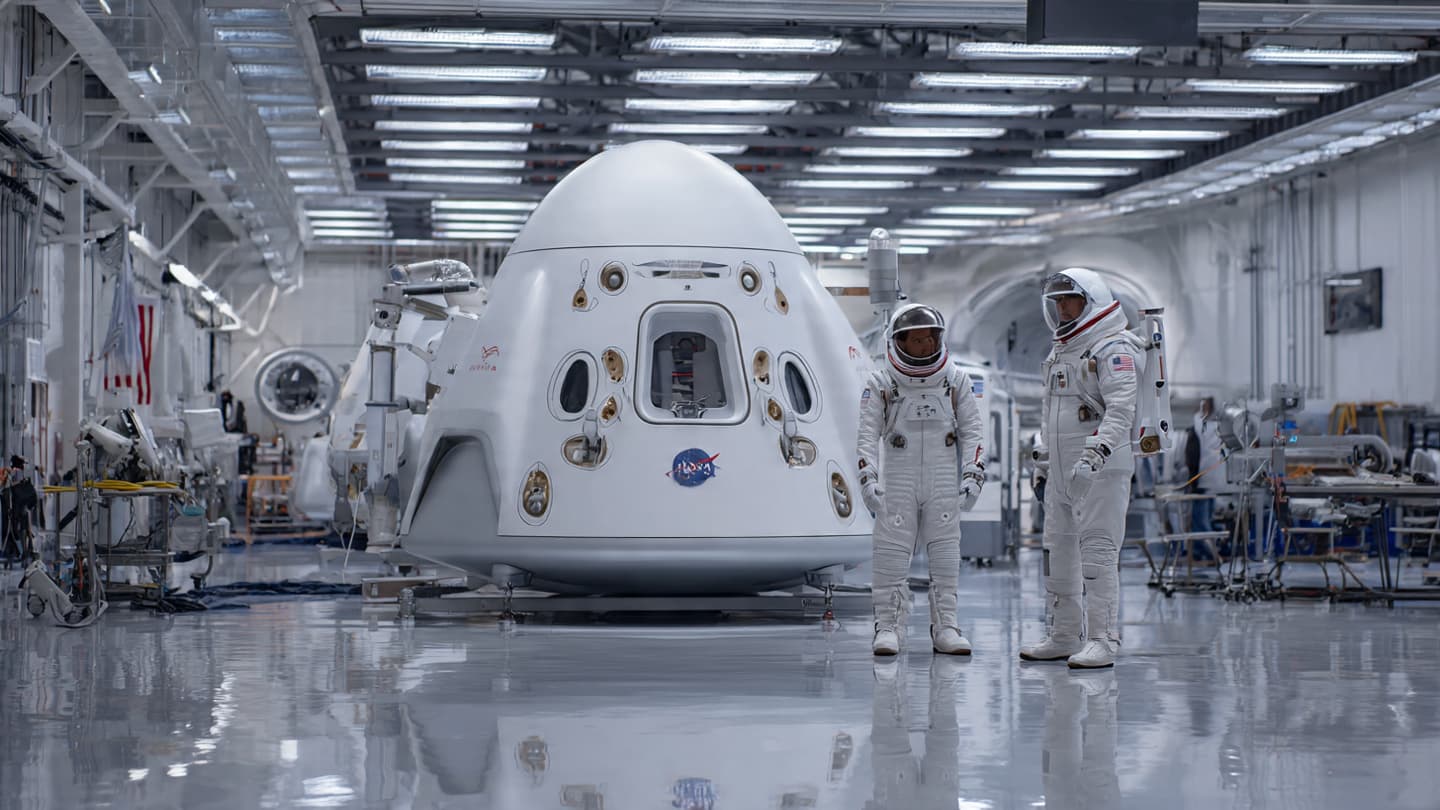
NASA has announced the next Artemis crew as preparations continue for future lunar exploration missions and deep-space ambitions.

U.S. lawmakers are working to preserve a major ocean observation network considered essential for climate, environmental, and marine research.
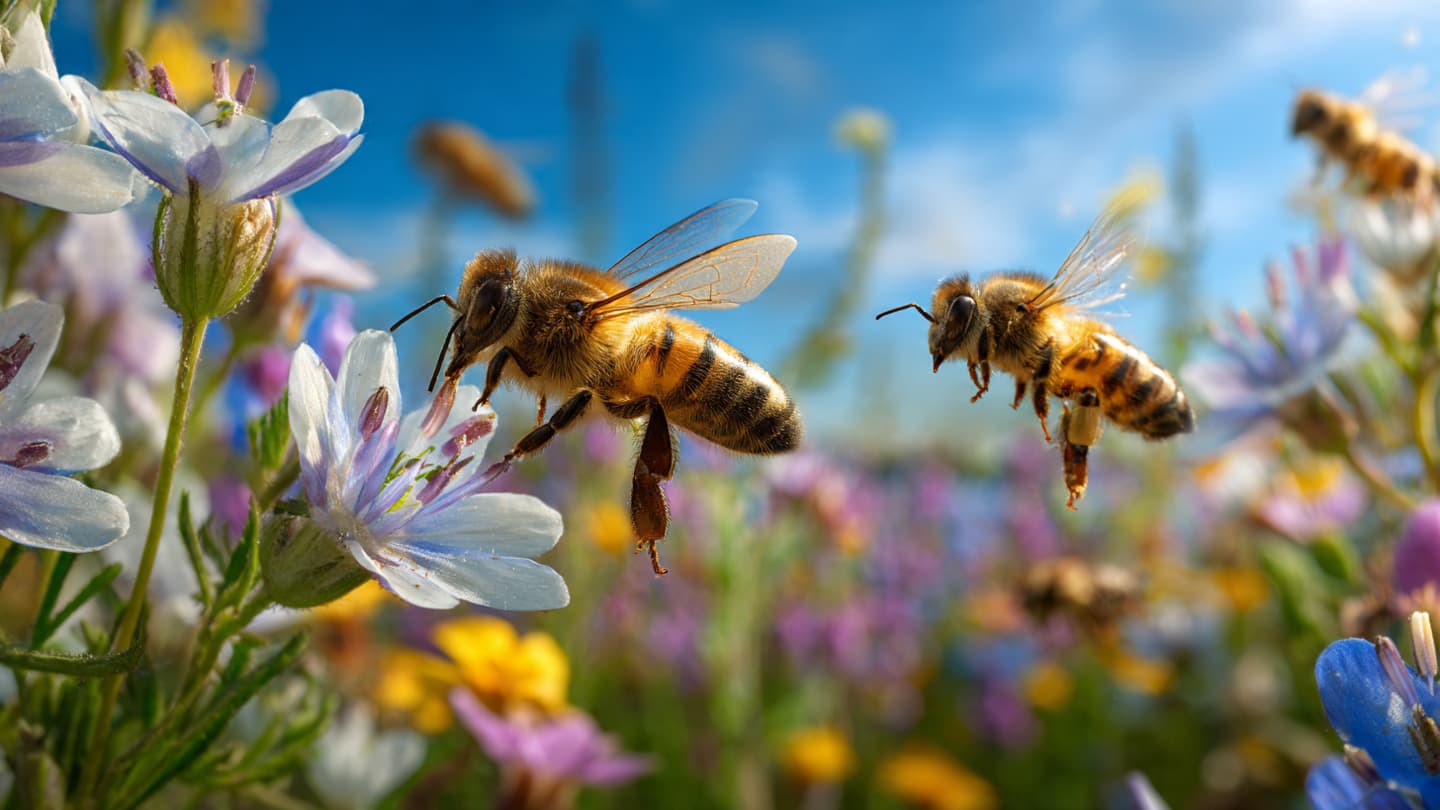
Scientists have developed a new nutritional supplement that may help strengthen bee colonies and support pollinator conservation efforts.
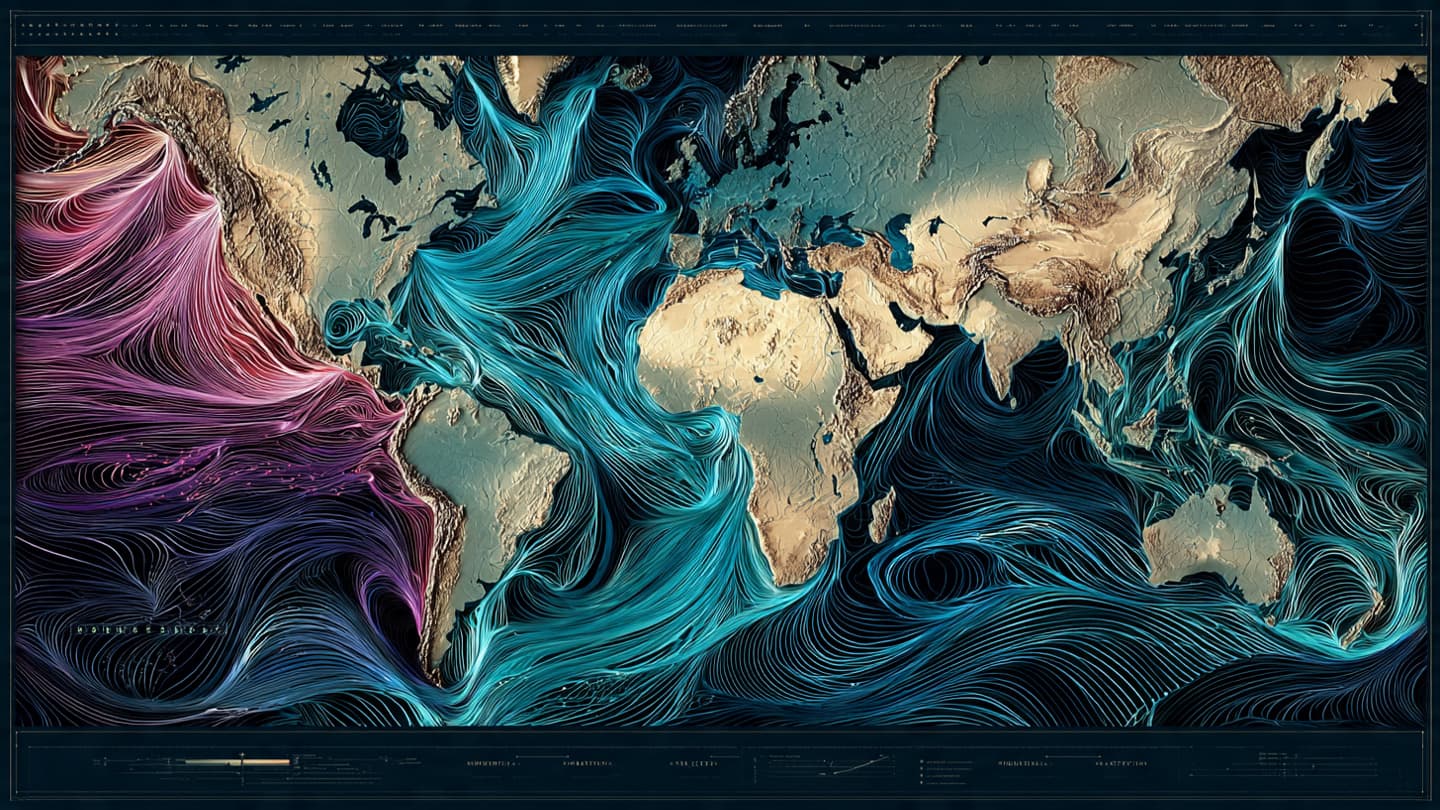
A new study suggests the Atlantic Ocean’s major circulation system may weaken faster than expected, prompting renewed scientific investigation.

MIT researchers have developed a model that predicts wave behavior on distant planets, offering new insights into extraterrestrial oceans and habitability.
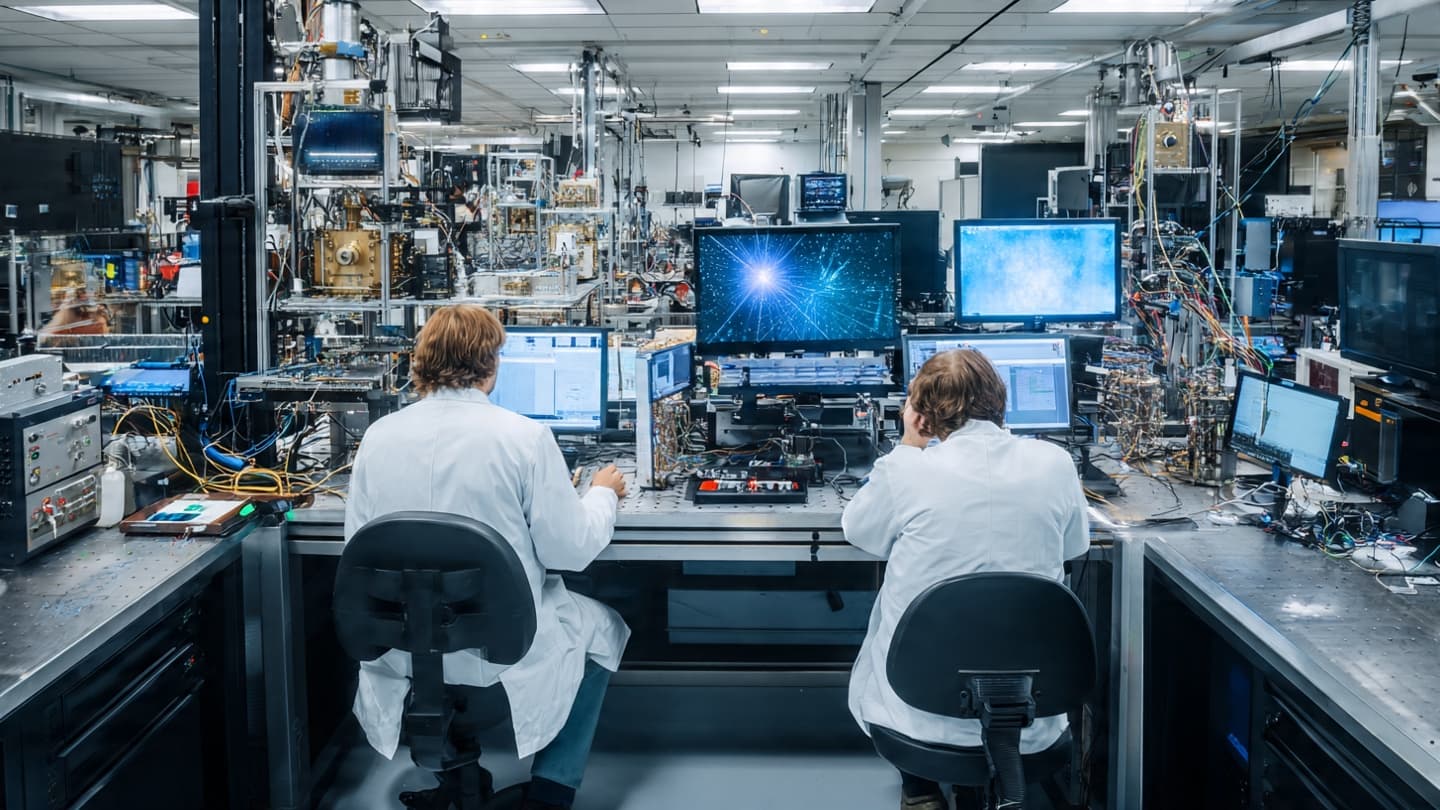
Researchers have demonstrated the world's first nuclear clock, opening new possibilities for precision measurement and fundamental physics.
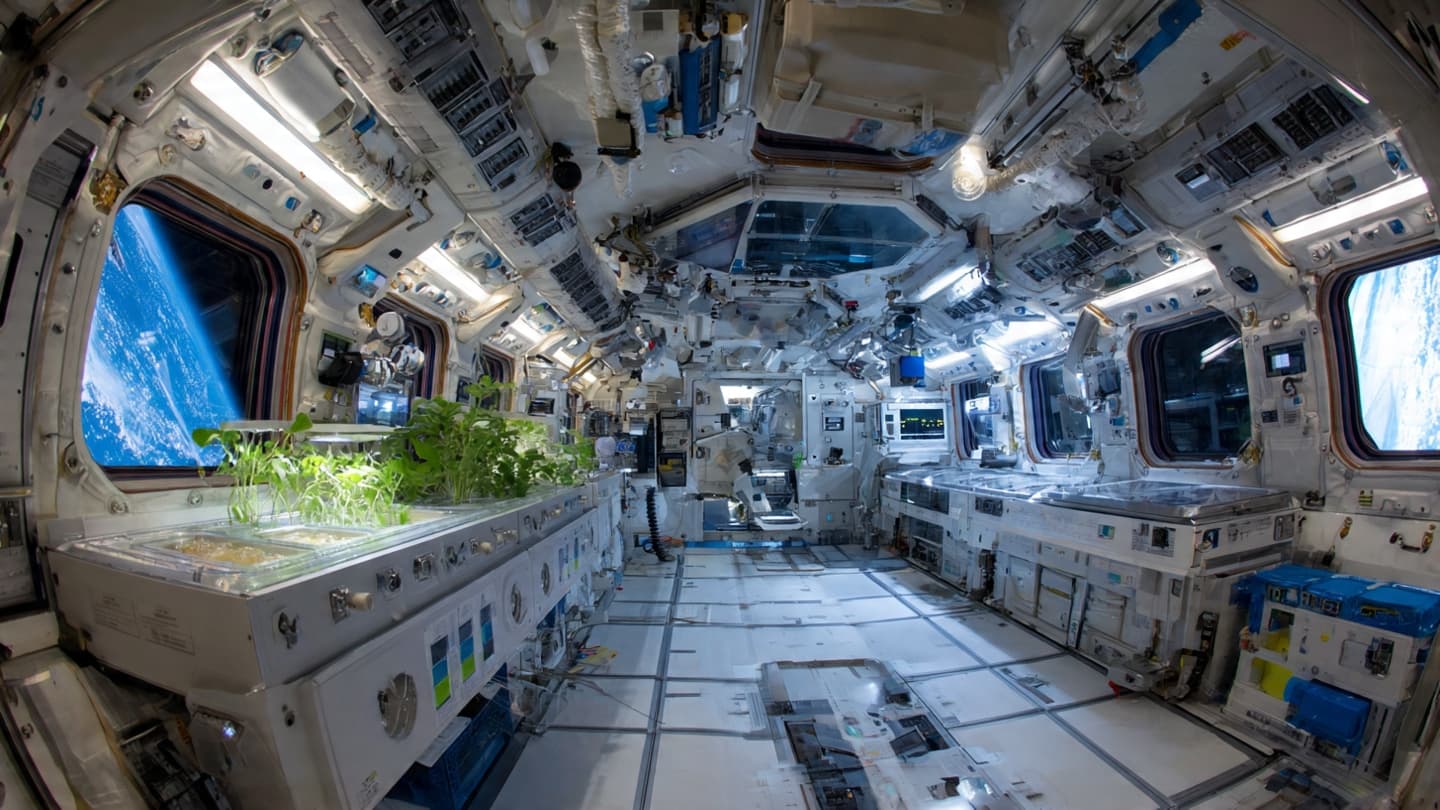
NASA has upgraded the Cold Atom Laboratory aboard the ISS, expanding opportunities for advanced quantum physics research.
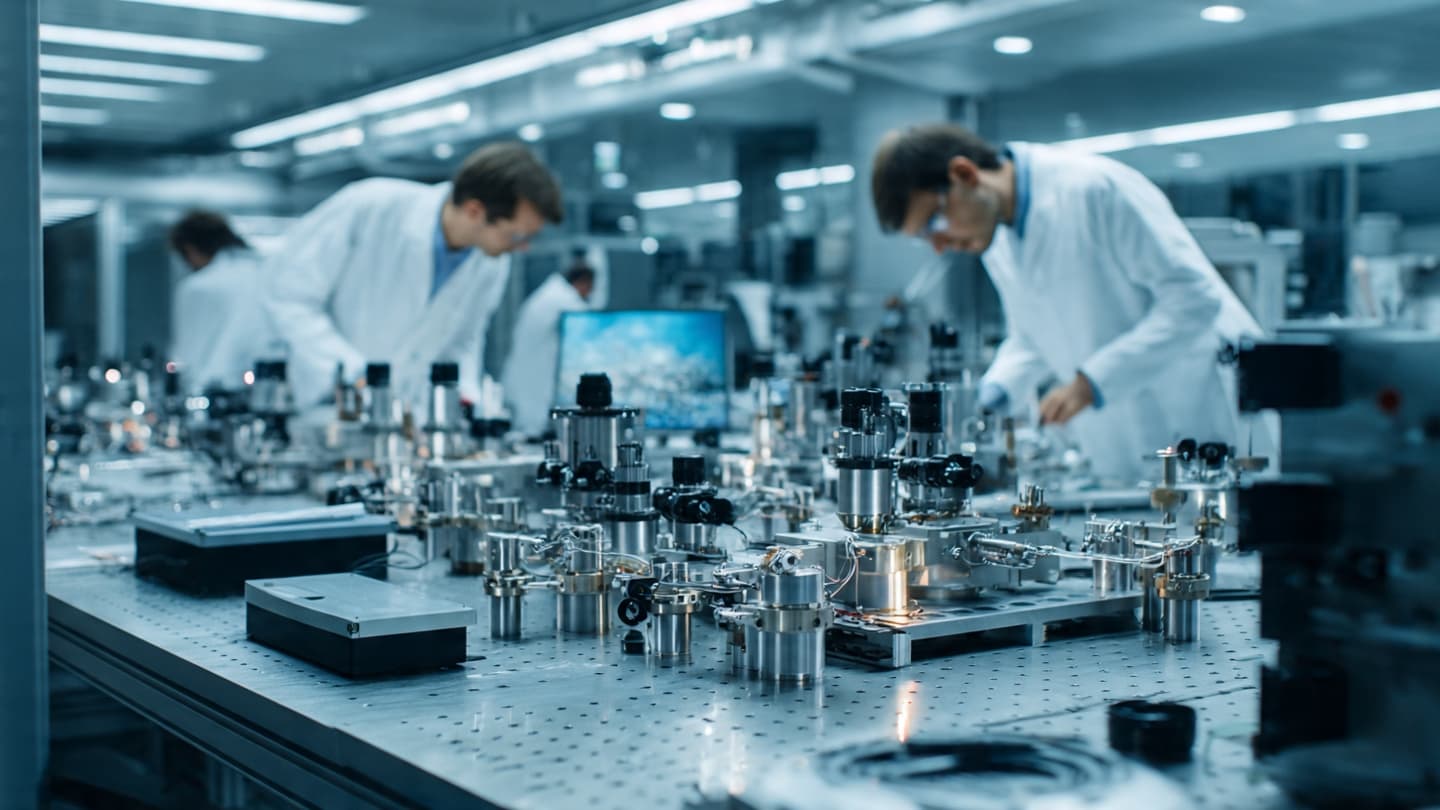
British researchers have advanced quantum sensor technology that could improve future gravitational-wave detection and deepen cosmic exploration.
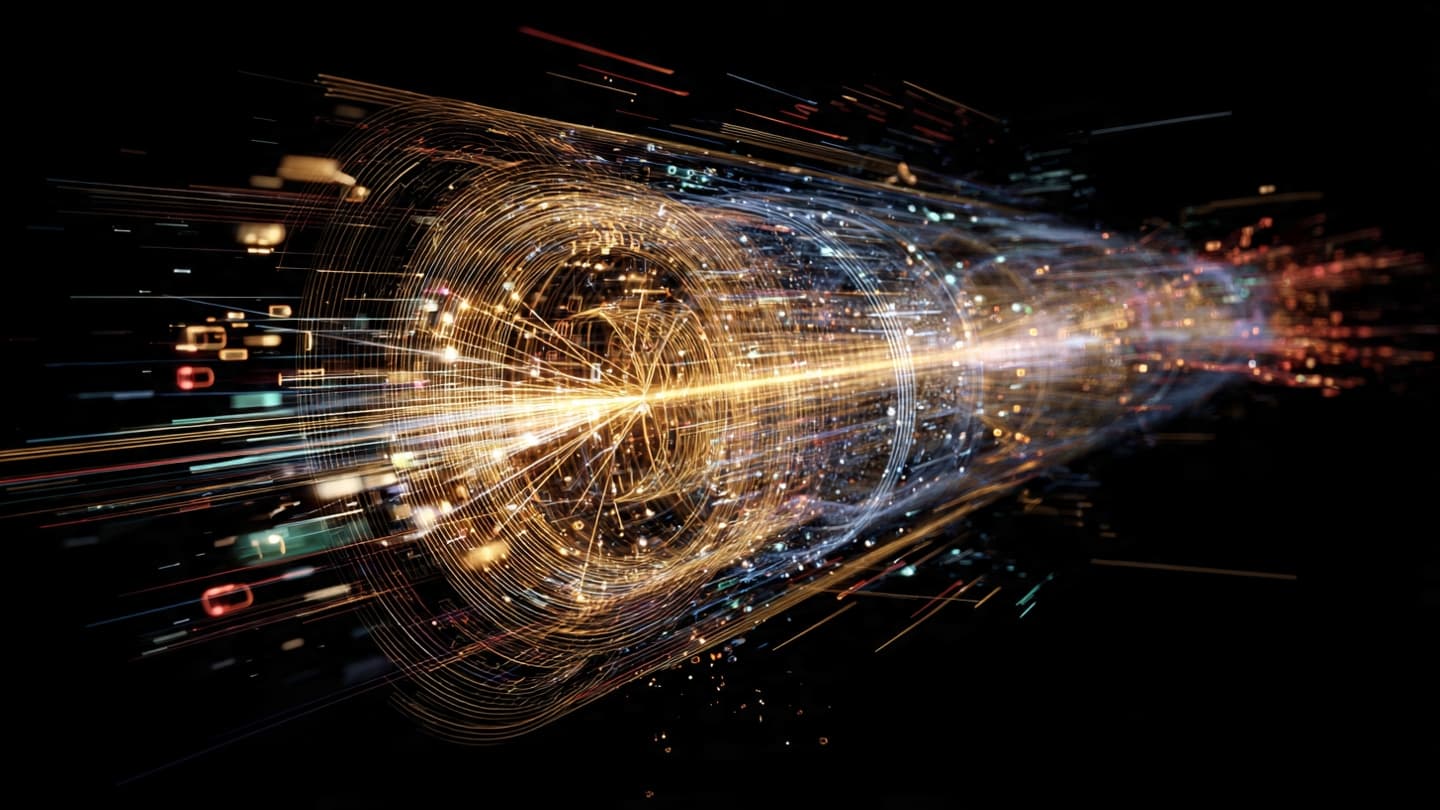
CERN researchers have identified the final member of a long-studied particle family, strengthening understanding of fundamental physics.
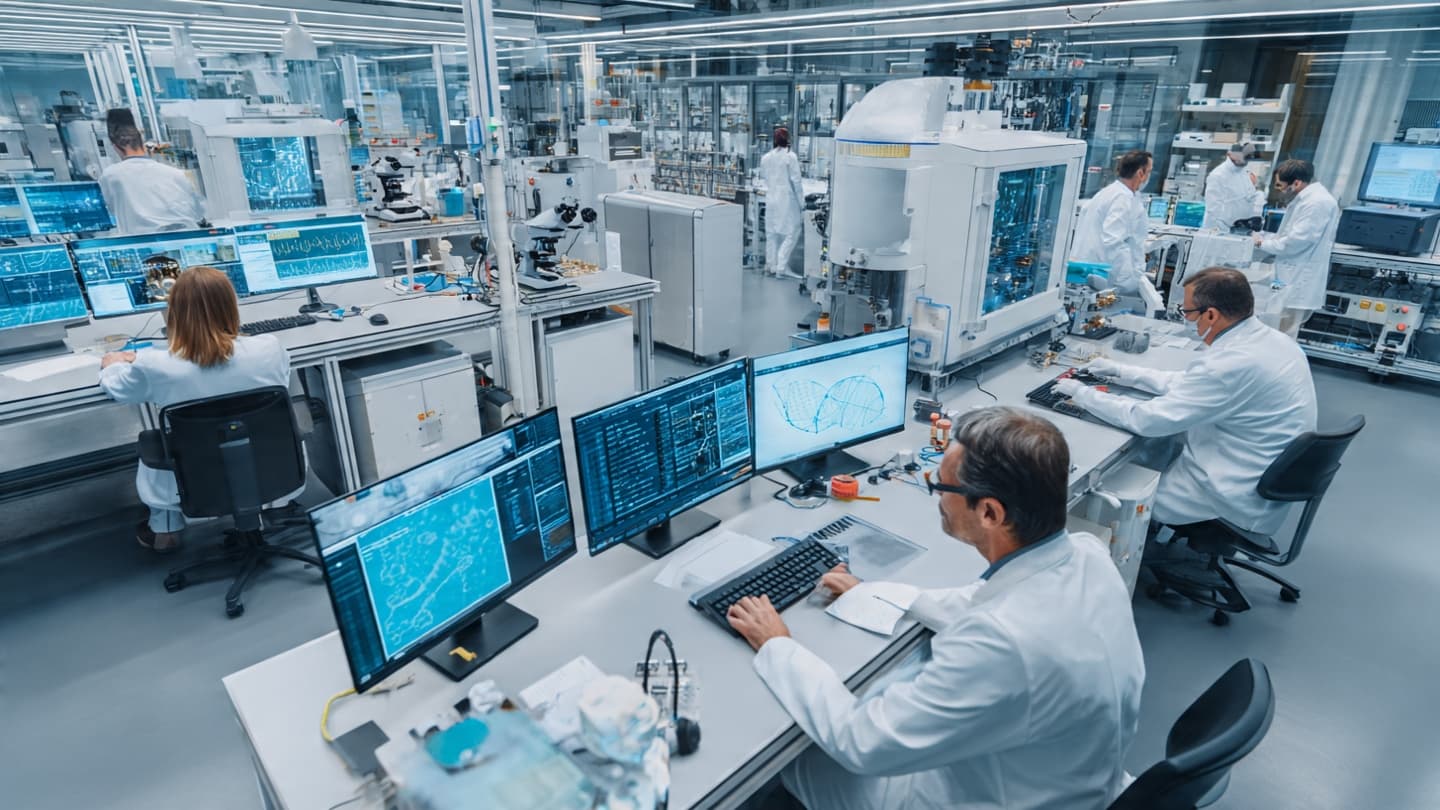
Researchers have developed a nanoscale approach that could improve superconductivity and support future advances in energy and computing technologies.
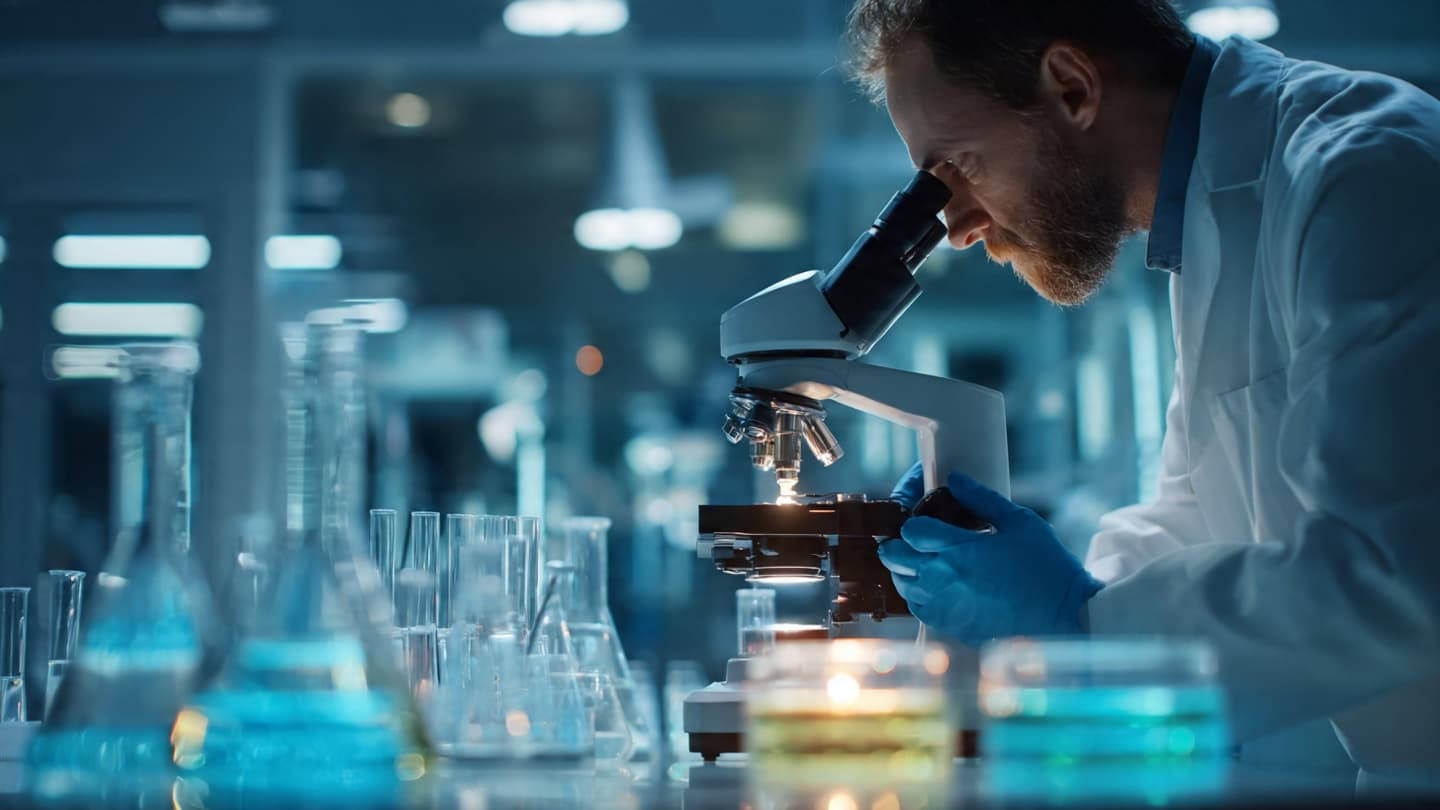
Researchers found a potential link between a common plastic chemical and long-term neurological effects, prompting further scientific investigation.
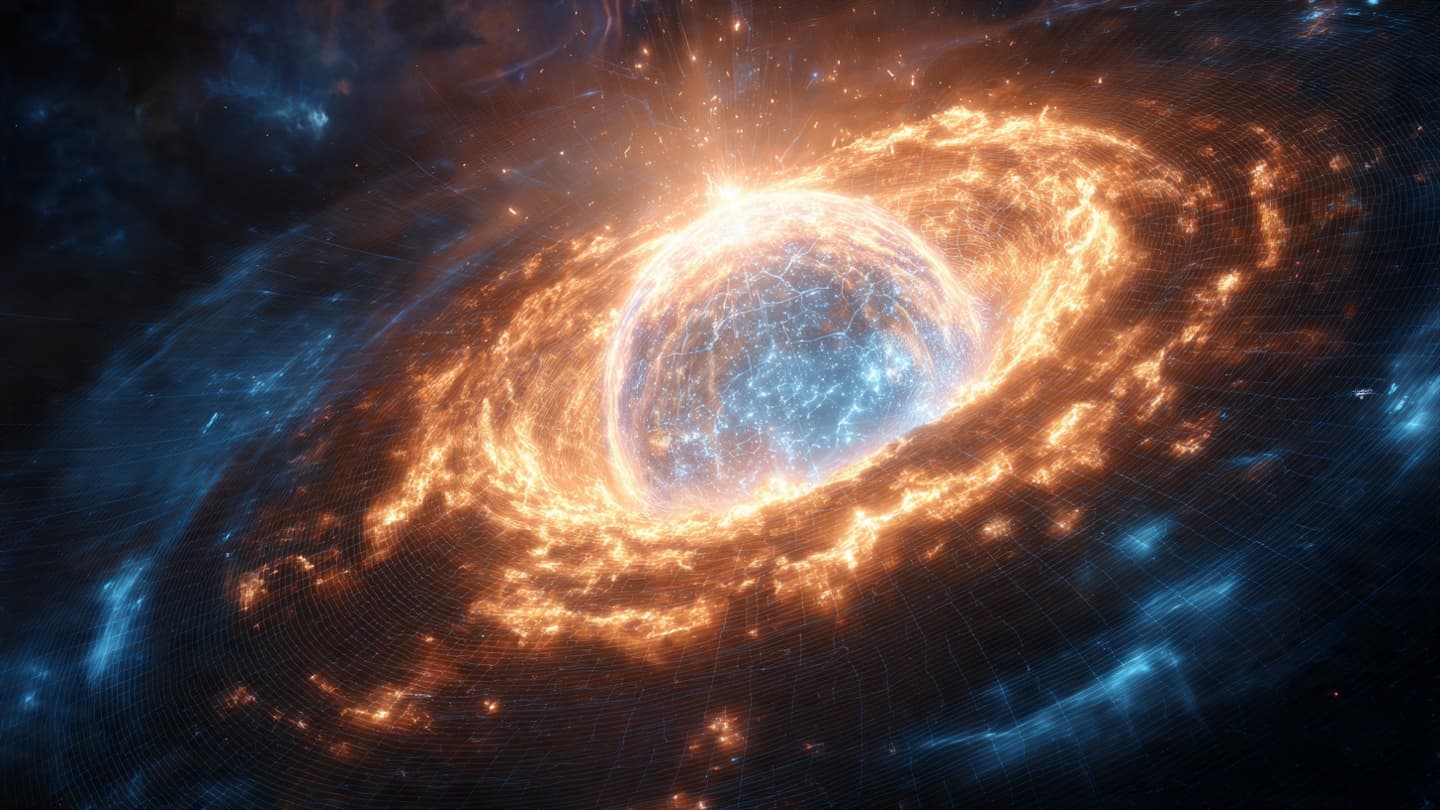
A theoretical study suggests collapsing stars could potentially generate new universes, though the idea remains unconfirmed by observation.

Researchers have demonstrated new capabilities in a 98-qubit quantum computer, advancing efforts toward more powerful quantum systems.
Canada has announced its 2026 Science Policy Conference, bringing together researchers, policymakers, and industry leaders.
Australia is advancing efforts to join Horizon Europe, potentially expanding international research collaboration and innovation opportunities.
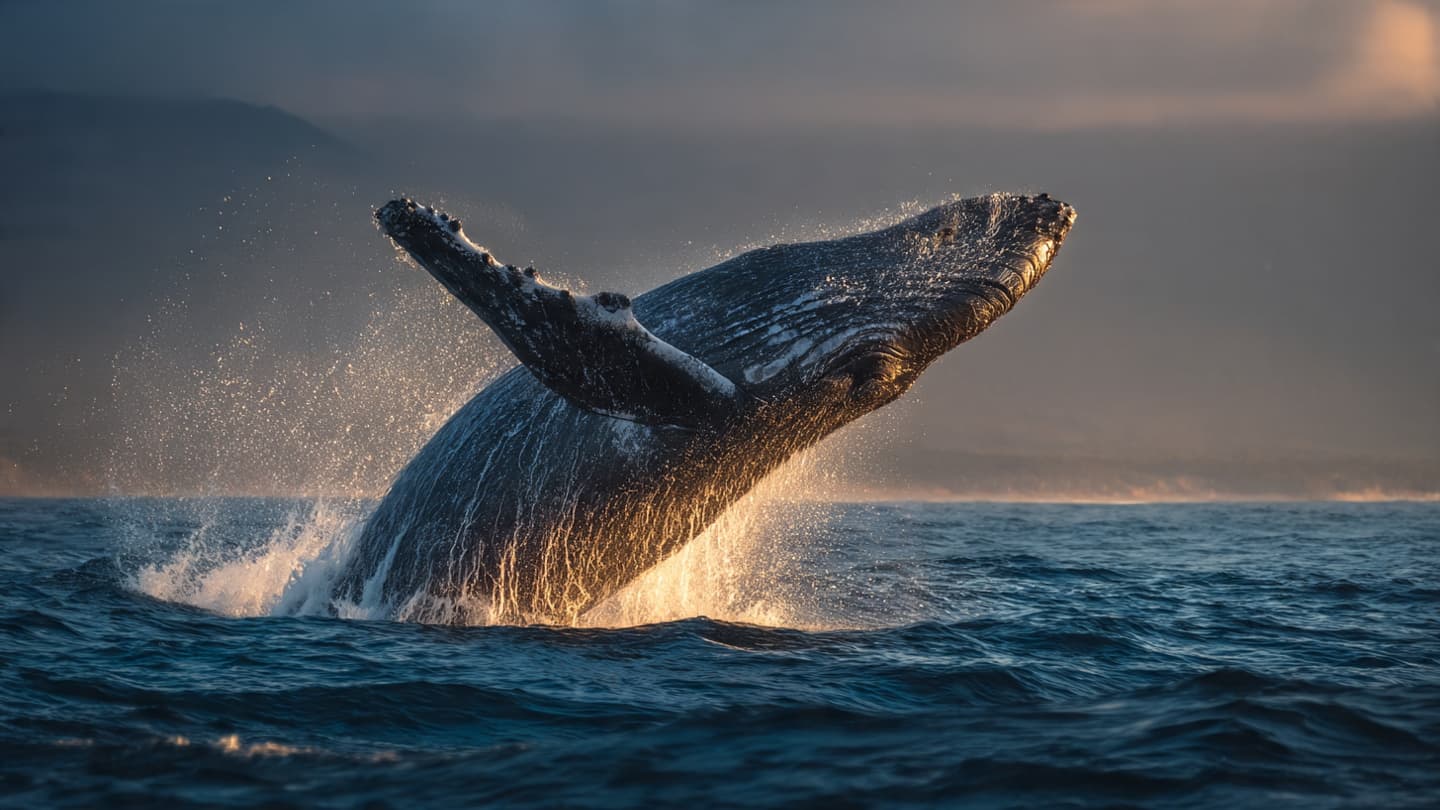
Scientists confirmed a humpback whale migrated from Brazil to Australia, setting a record for the longest known individual whale journey.
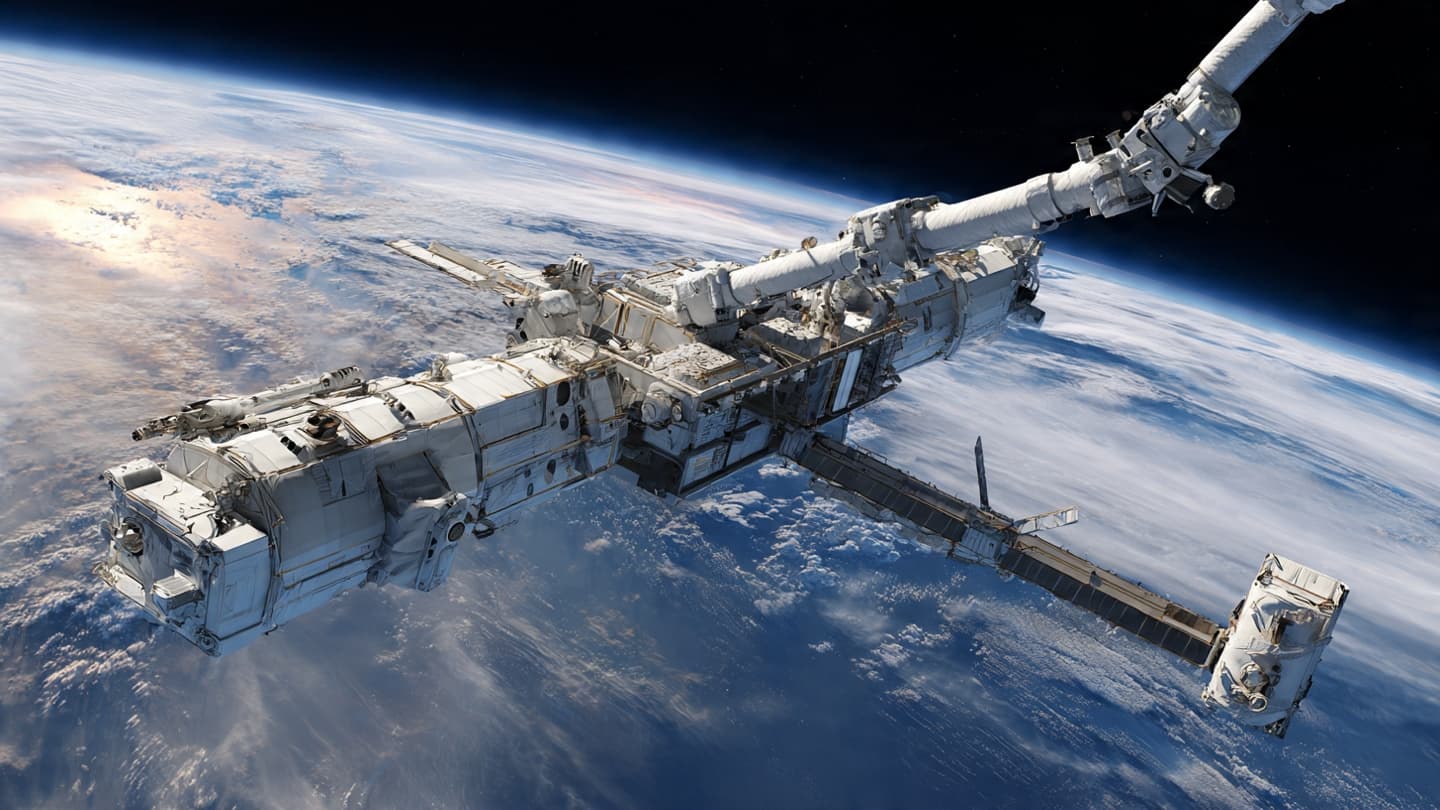
Canadarm2 aboard the ISS experienced a technical issue, prompting evaluation and potential repair planning by space agencies.
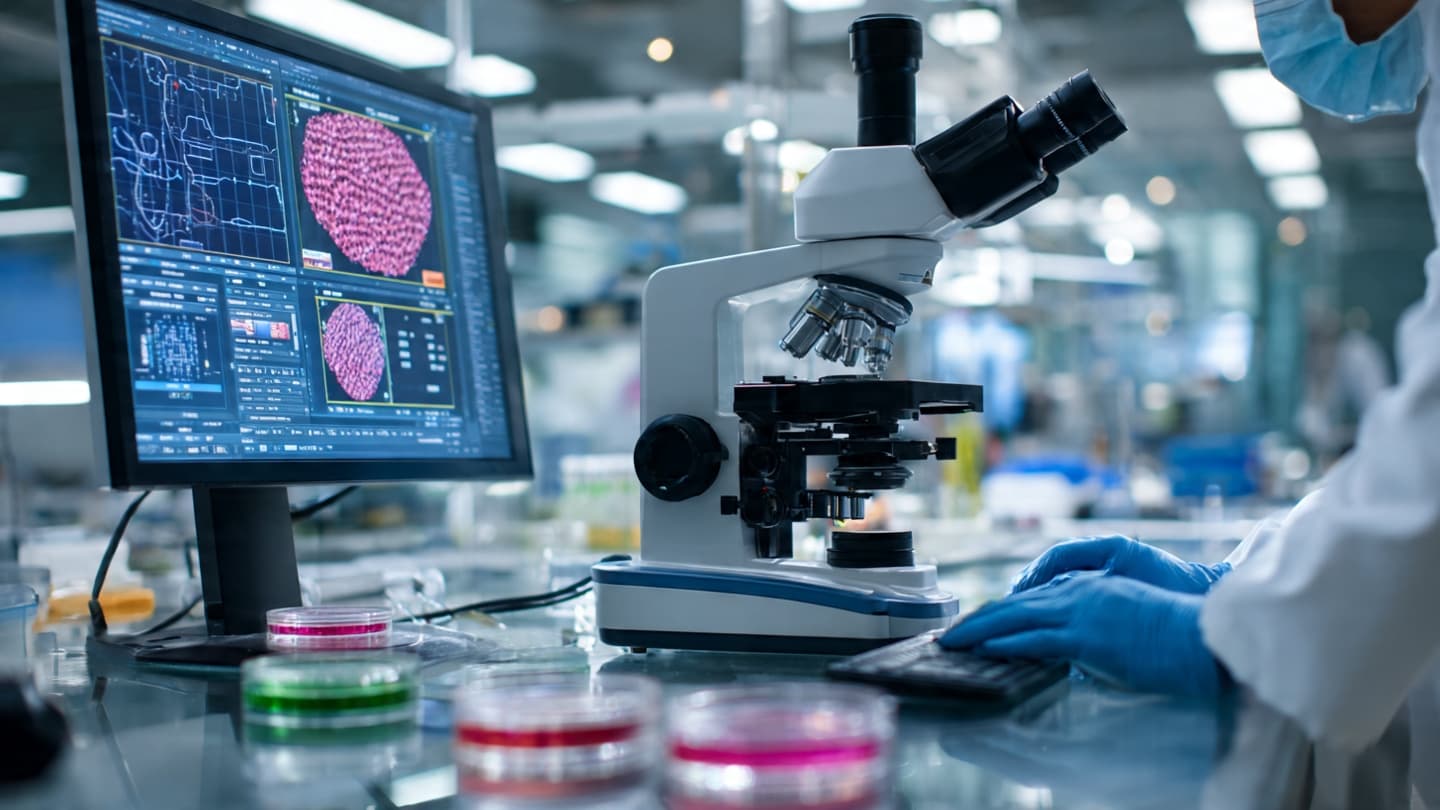
Australia has allocated AU$323.7 million to research infrastructure projects supporting science, innovation, and national competitiveness.
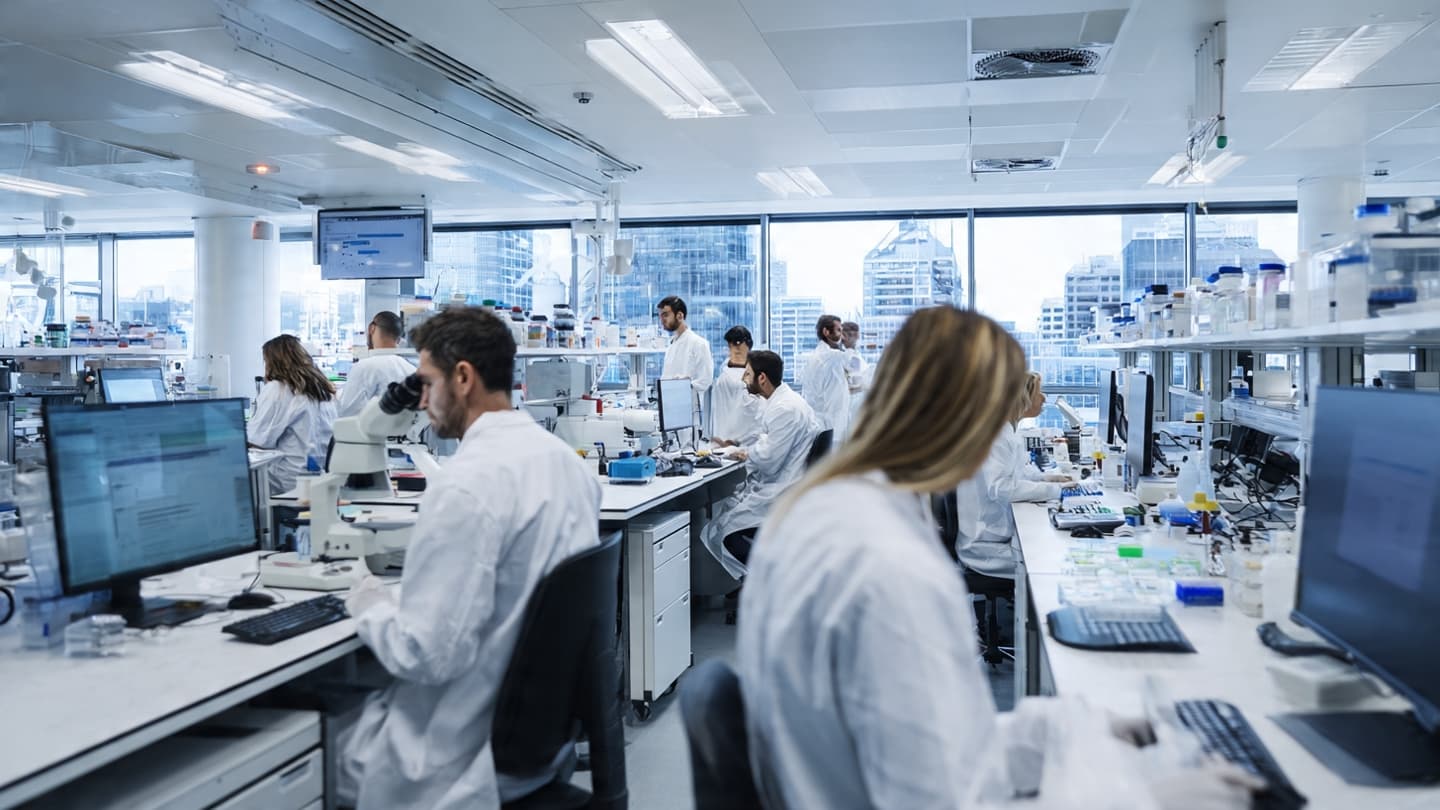
Australia's Academy of Science launched the Restore Science campaign to advocate stronger support for research and innovation.
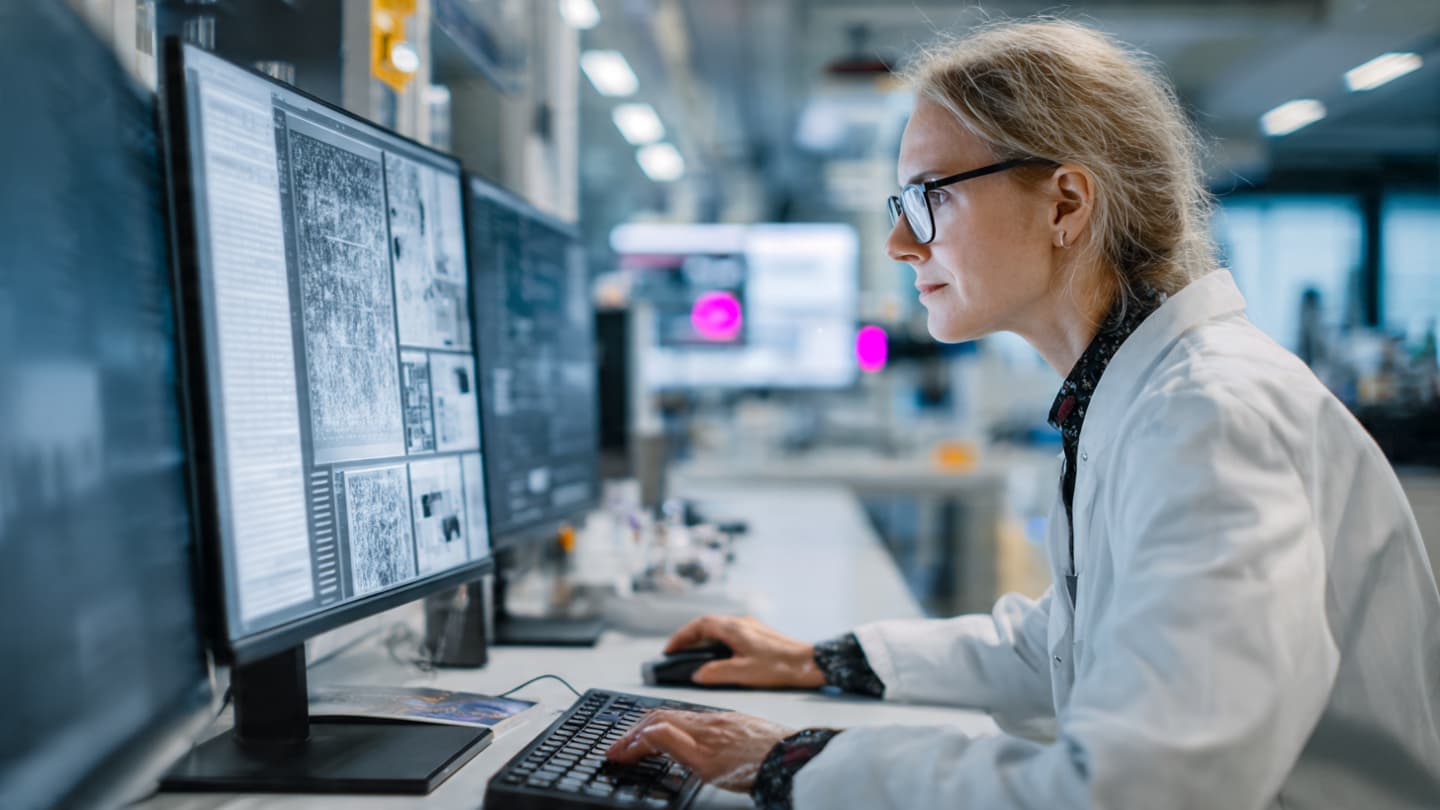
The scientific community is adapting to the growing use of AI in academic publishing through new standards and oversight.