
The growth of artificial intelligence has often been compared to teaching machines to recognize patterns, solve problems, and assist human creativity. Behind these capabilities lies an equally important story about computing power. Google has recently shared new research detailing the evolution of its Tensor Processing Units, or TPUs, designed specifically to support AI applications.
Traditional computer processors are built to perform a wide variety of tasks. TPUs, however, are specialized chips optimized for machine learning workloads, enabling faster calculations and improved efficiency for artificial intelligence systems.
According to Google's research, several generations of TPU technology have been developed over the years, with each version offering improvements in processing capability and energy efficiency. These advances support increasingly complex AI models used in research and commercial applications.
Artificial intelligence systems often require enormous computational resources during training. Specialized hardware such as TPUs helps reduce processing times while managing energy consumption more effectively, an important consideration as AI workloads continue to grow.
Researchers and developers use TPU technology across many scientific and practical fields. Applications include language processing, image recognition, climate modeling, healthcare research, and advanced data analysis.
Energy efficiency has become an important focus for the technology industry. As demand for computing power increases, companies are exploring ways to improve performance while minimizing environmental impact. Specialized processors represent one approach to achieving that balance.
The development of TPU technology also reflects broader competition and innovation within the semiconductor industry. Multiple companies continue investing in advanced hardware designed to support the expanding capabilities of artificial intelligence.
Academic researchers and technology experts view these hardware improvements as important foundations for future AI development. Faster and more efficient systems may enable new scientific discoveries and practical applications that were previously difficult to achieve.
Google's latest research offers a closer look at the infrastructure supporting modern artificial intelligence. While software often receives the most public attention, advances in specialized computing hardware remain essential to the continued growth of AI technologies.
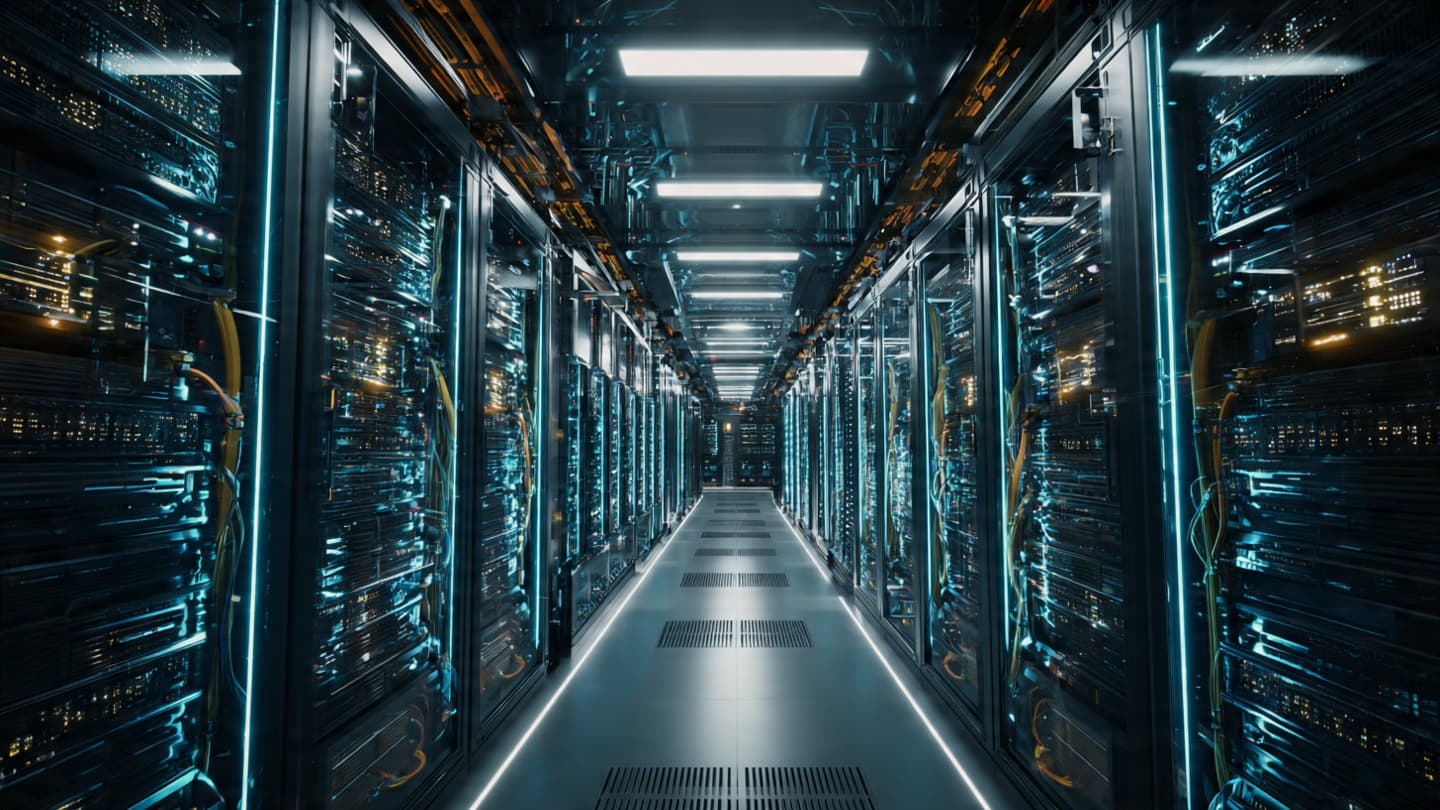
AI Image Disclaimer: The accompanying images are AI-generated editorial illustrations and do not depict proprietary hardware designs.
Sources Verified: Google Research, arXiv, Reuters, MIT Technology Review, Associated Press
Published by Banx Network. This article is part of the Banx decentralized media programme, powered by the BXE token on the XRP Ledger.



