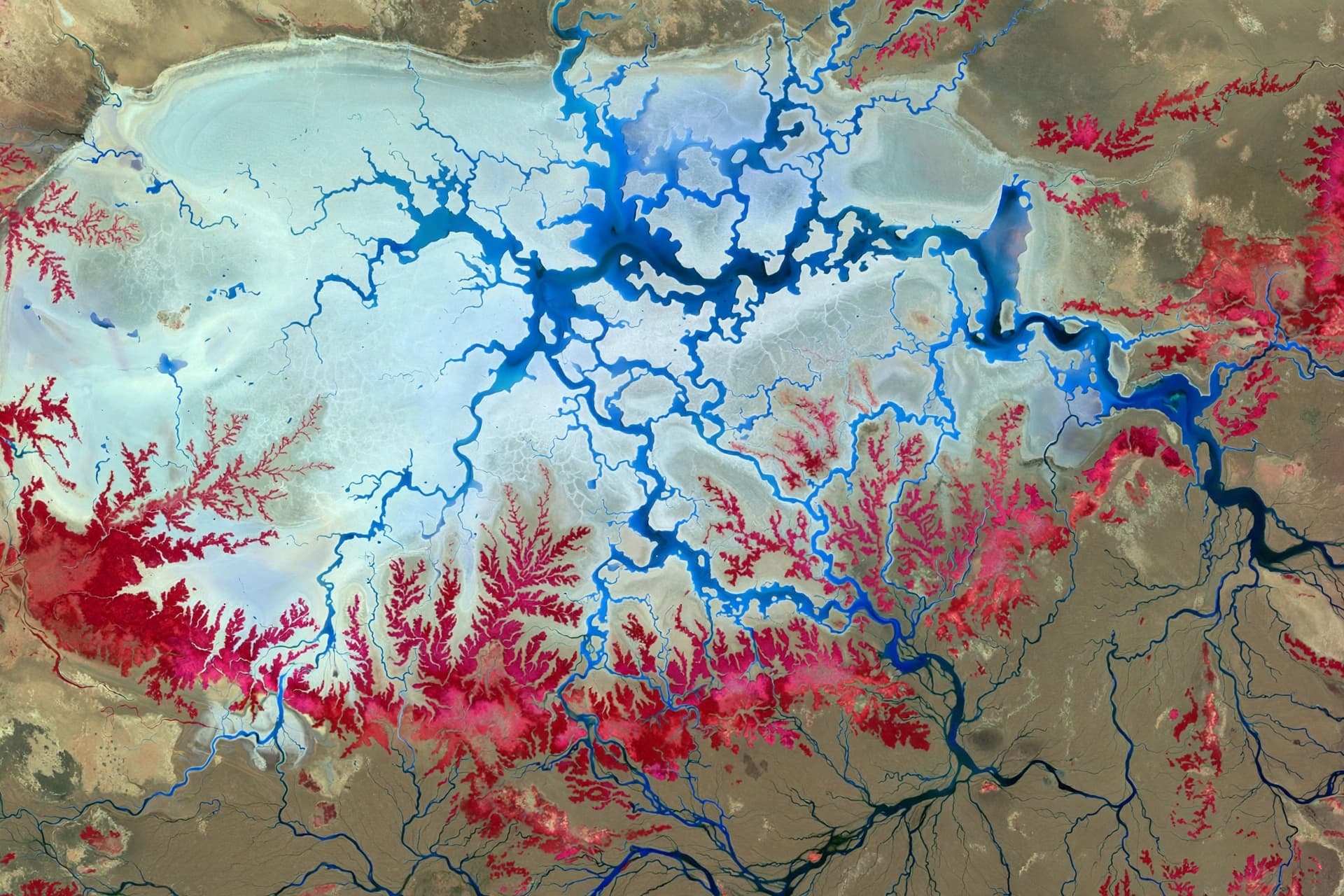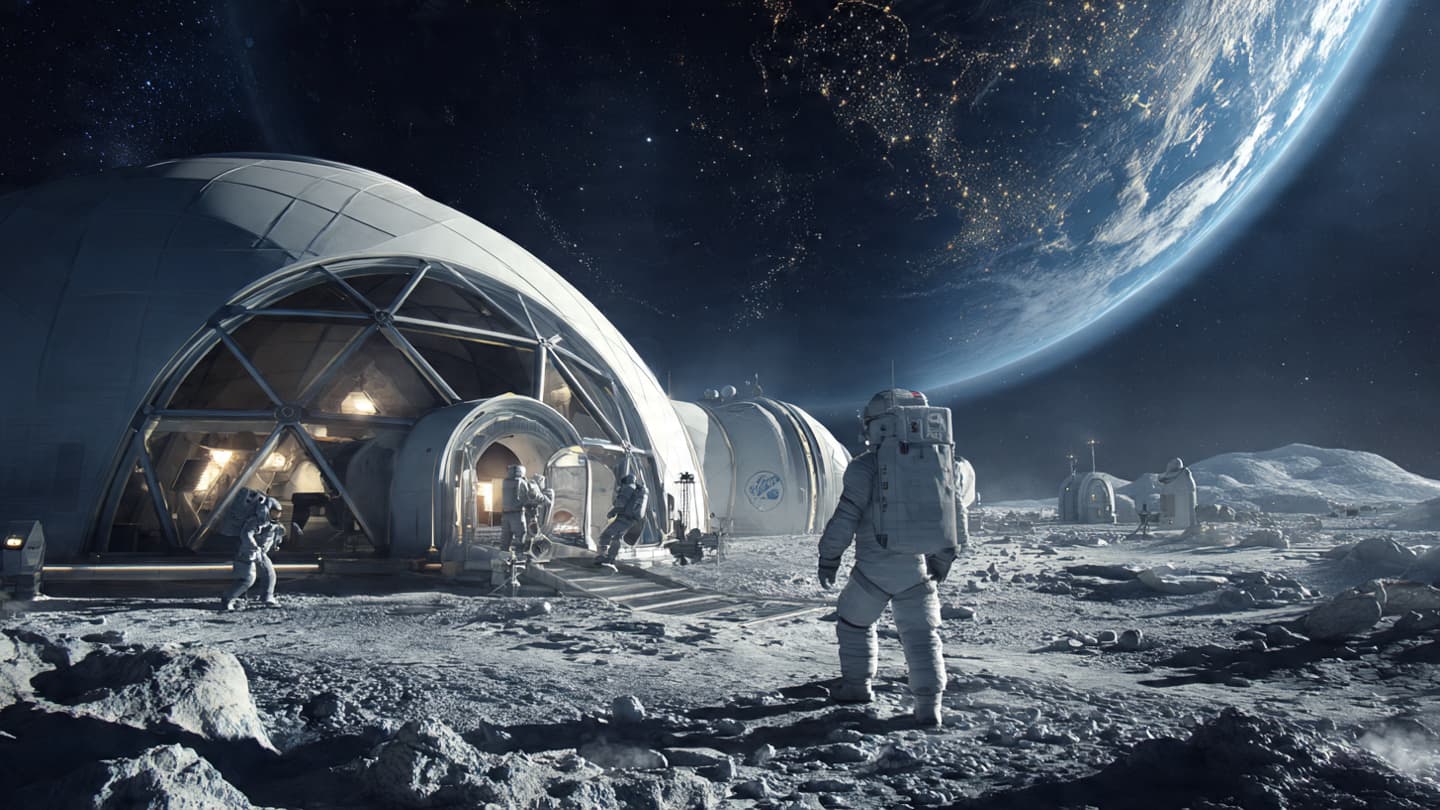
The night sky has always offered a quiet invitation. Long before rockets and satellites, people looked upward and imagined distant worlds waiting beyond the horizon. Today, that ancient curiosity continues to shape modern science as NASA develops new technologies designed to support future missions to the Moon and Mars, bringing ambitious exploration plans closer to reality.
NASA's latest research focuses on improving the safety, efficiency, and sustainability of long-duration space missions. Engineers and scientists are working on advanced energy systems, life-support technologies, communication networks, and equipment capable of operating in the harsh environments of deep space.
Future lunar missions are expected to serve as important preparation for eventual journeys to Mars. The Moon provides an opportunity to test habitats, power systems, and resource management techniques under conditions that share some similarities with those astronauts may encounter during longer expeditions.
Energy technology remains a key area of development. Reliable power sources are essential for supporting spacecraft, scientific instruments, and future human habitats. Researchers continue to study systems that can function during long lunar nights and the challenging environmental conditions of Mars.
Life-support technology is equally important. Scientists are exploring methods for recycling water and air while reducing the need for frequent resupply missions. Efficient systems could help astronauts remain healthy during extended stays far from Earth.
Communication systems are also advancing. Future missions may require faster and more reliable ways to transmit scientific data and maintain contact between astronauts and mission control. Improved networks could enhance both exploration and operational safety.
The development of new technologies often produces benefits beyond space exploration. Materials, medical innovations, robotics, and communication systems created for space missions have historically found practical applications in everyday life on Earth.
International cooperation continues to play an important role in modern space exploration. NASA works with government agencies, research institutions, and commercial partners to develop technologies and share scientific expertise for future missions.
NASA's ongoing work reflects humanity's enduring interest in discovery and exploration. While challenges remain, continued innovation may help future astronauts travel farther into space while expanding scientific knowledge and inspiring generations to come.
AI Image Disclaimer: The illustrations accompanying this article are AI-generated artistic interpretations for editorial purposes.
Sources Verified: NASA, Reuters, Space.com, Associated Press
Published by Banx Network. This article is part of the Banx decentralized media programme, powered by the BXE token on the XRP Ledger.