The night sky often rewards patience. While bright planets and meteor showers frequently capture public attention, some of the universe's most remarkable sights remain hidden in the darkness, waiting for clear skies, steady instruments, and curious observers. This June, astronomers say conditions are becoming particularly favorable for observing several well-known deep-sky objects.
Among the celestial targets drawing attention are the Ring Nebula, the Veil Nebula, and the Dumbbell Nebula. These distant objects are considered favorites among amateur and professional astronomers because of their unique structures and scientific significance.
Unlike planets, which reflect sunlight and often appear bright to the naked eye, nebulae are generally much fainter. Observers typically require telescopes or long-exposure photography to reveal their intricate details.
The Ring Nebula, located in the constellation Lyra, is one of the most studied planetary nebulae in the night sky. It represents the remains of a dying star that has shed its outer layers into space.
The Veil Nebula offers a different story. It is the expanding remnant of a massive stellar explosion that occurred thousands of years ago. Its delicate filaments provide astronomers with valuable insights into the aftermath of supernova events.
Meanwhile, the Dumbbell Nebula holds a special place in astronomical history. It was the first planetary nebula ever discovered and remains a popular observation target due to its distinctive appearance.
Advances in telescope technology and digital imaging have made deep-sky observation more accessible than ever. Amateur astronomers can now capture detailed images that were once possible only with professional observatories.
Educational institutions and astronomy clubs often use these seasonal opportunities to introduce newcomers to observational astronomy. Such experiences can transform abstract scientific concepts into direct encounters with the universe.
As darkness settles and telescopes turn toward these distant objects, observers are reminded that the universe contains stories measured not in years but in cosmic timescales stretching across millennia and beyond.
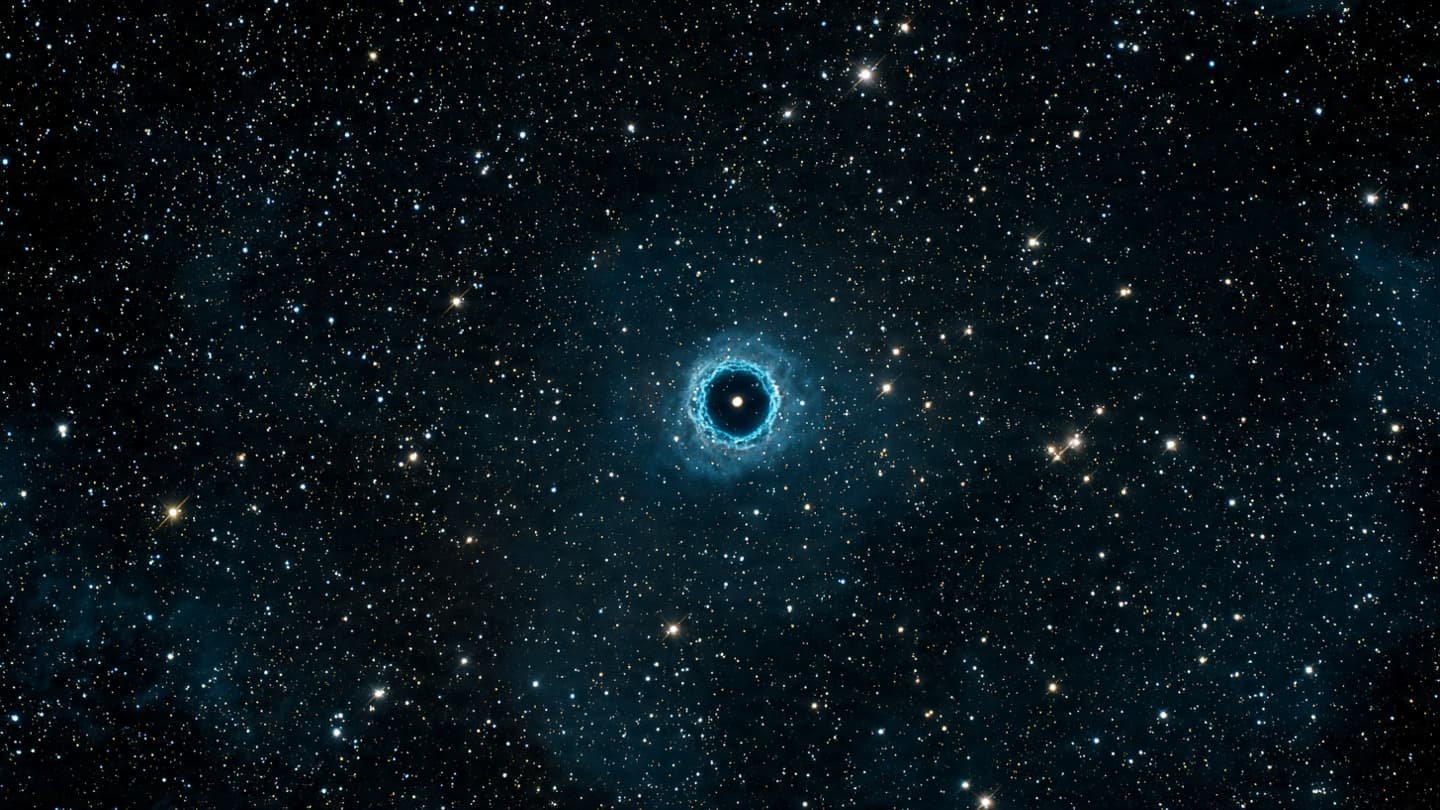
AI Image Disclaimer: Illustrations accompanying this article are AI-generated visual representations inspired by astronomical objects and are not actual telescope images.
Sources (Verification Check): NASA, ScienceDaily, Sky & Telescope, EarthSky, European Space Agency
Published by Banx Network. This article is part of the Banx decentralized media programme, powered by the BXE token on the XRP Ledger.