In the vast silence of orbit, even the most advanced instruments are not immune to the slow pull of gravity. Reports surrounding a NASA-related telescope facing orbital decay have drawn attention to how carefully humanity must manage its presence beyond Earth.
Body: According to space reporting outlets and technical briefings, discussions or operational planning have emerged regarding a telescope or orbital observatory that is gradually losing altitude. Such situations can occur when satellites experience reduced orbital stability due to atmospheric drag or system limitations.
Space agencies, including NASA, routinely monitor aging spacecraft and telescopes to determine whether they require orbital correction, controlled re-entry, or decommissioning procedures. These decisions are based on safety, cost, and scientific value.
In some cases, international partners or private aerospace companies may contribute to mitigation efforts, especially when high-value scientific instruments are involved. However, “rescue missions” in space are rare and technically complex.
Experts note that most spacecraft are not physically retrieved but instead adjusted, relocated, or safely deorbited. This minimizes risk to both orbital infrastructure and Earth’s surface.
The situation highlights how space missions, even highly successful ones, have finite operational lifespans. Radiation exposure, fuel limits, and mechanical degradation all play roles in orbital decline.
Scientific communities emphasize that even end-of-life spacecraft continue to provide valuable lessons for future mission design and orbital sustainability strategies.
Discussions surrounding this telescope also reflect broader concerns about space debris management and long-term orbital safety.
Closing: As monitoring continues, agencies focus on ensuring that any transition—whether adjustment or re-entry—is conducted safely and responsibly in line with established space protocols.
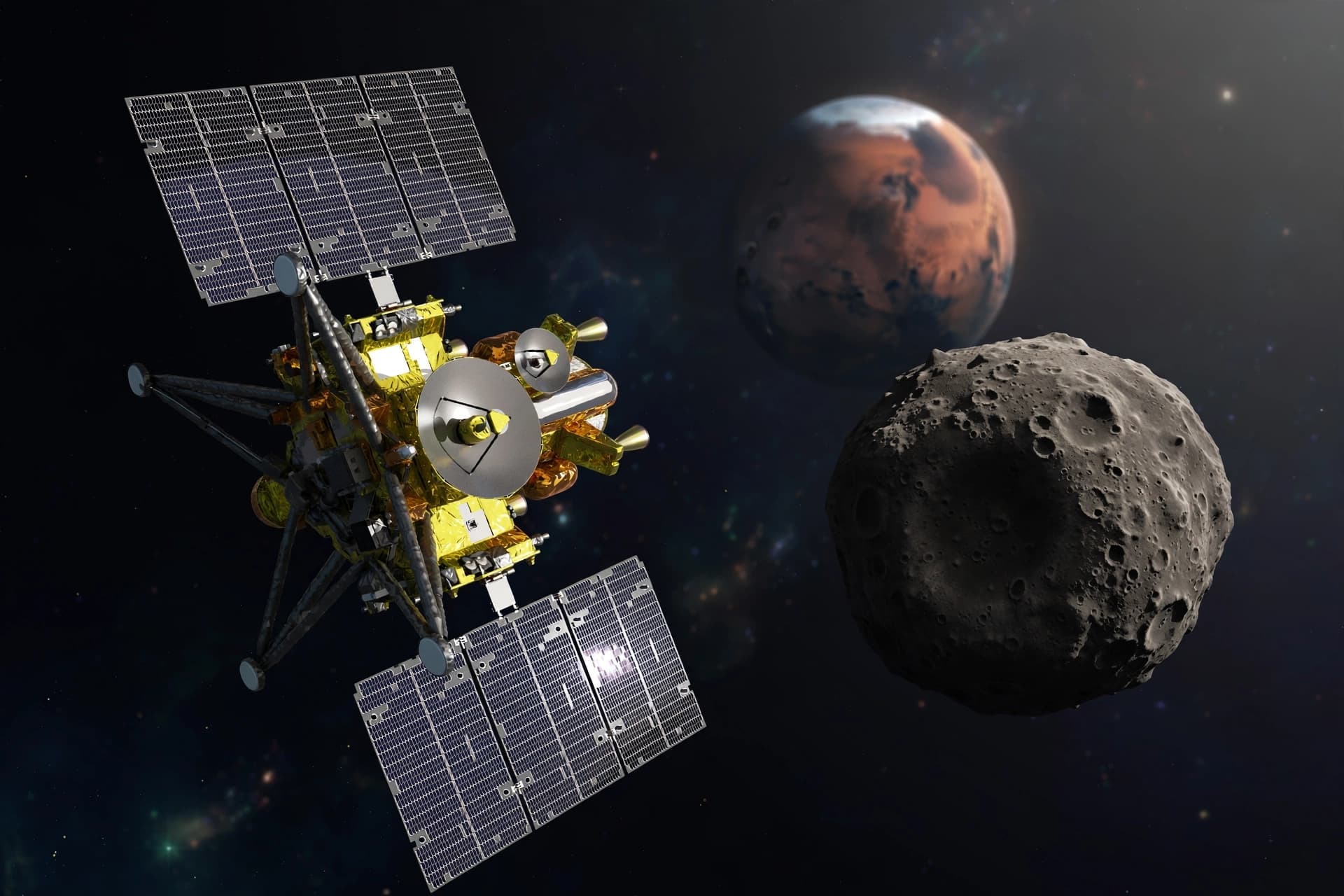
AI Image Disclaimer: Some visuals in this article are AI-generated for editorial illustration purposes.
Sources: NASA, SpaceNews, BBC Science, Reuters Science Desk
Published by Banx Network. This article is part of the Banx decentralized media programme, powered by the BXE token on the XRP Ledger.