In the vast distance between Earth and the Sun, there exists a silent tension that has always shaped the rhythm of our technological world. Occasionally, scientists imagine solutions that feel almost poetic in scale, as if the planet itself could be gently wrapped in protection.
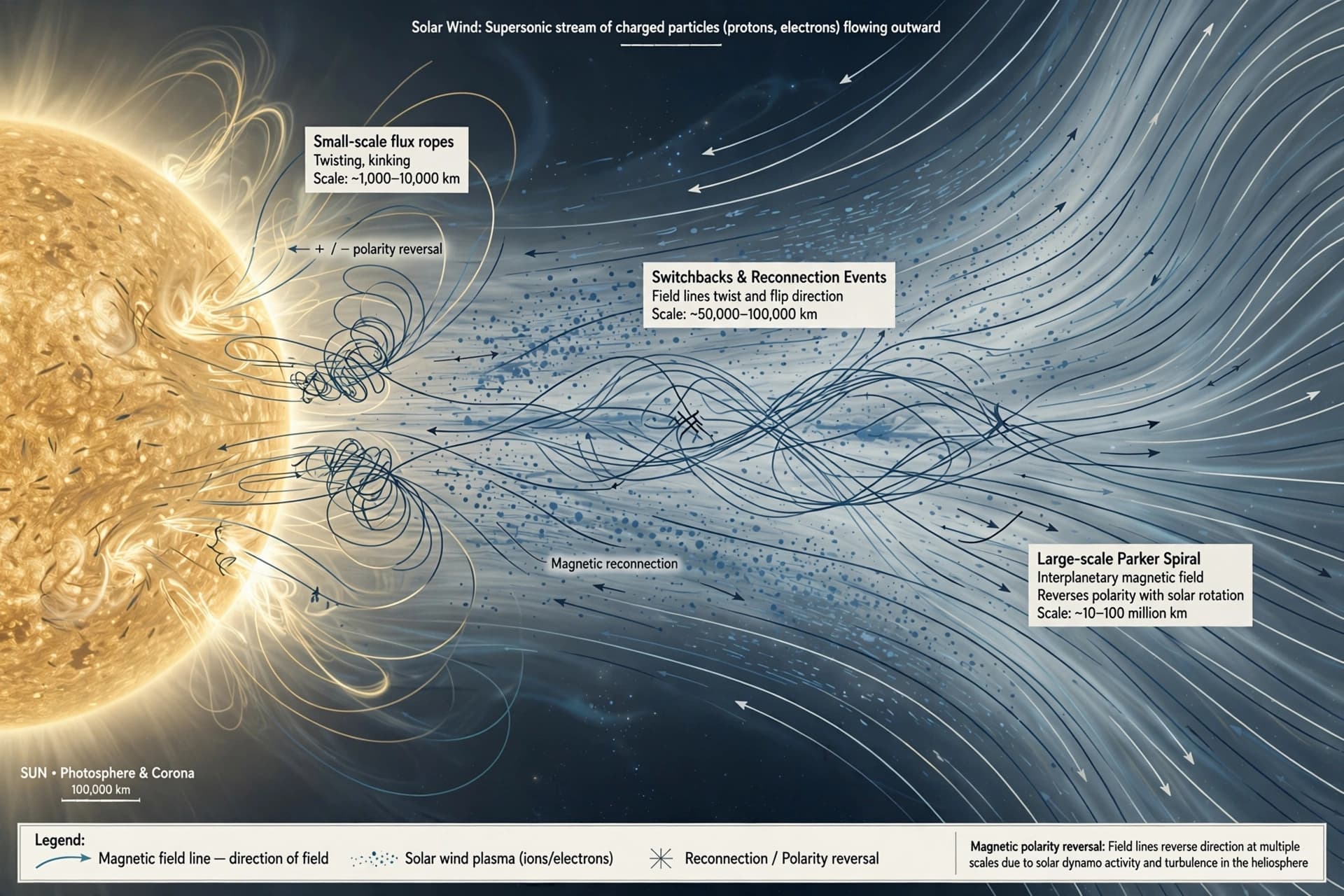
Body: Recent scientific discussions have revisited the idea of using large-scale space-based systems to mitigate the impact of solar storms on Earth. These storms, driven by bursts of charged particles from the Sun, can disrupt satellites, communication networks, and power grids.
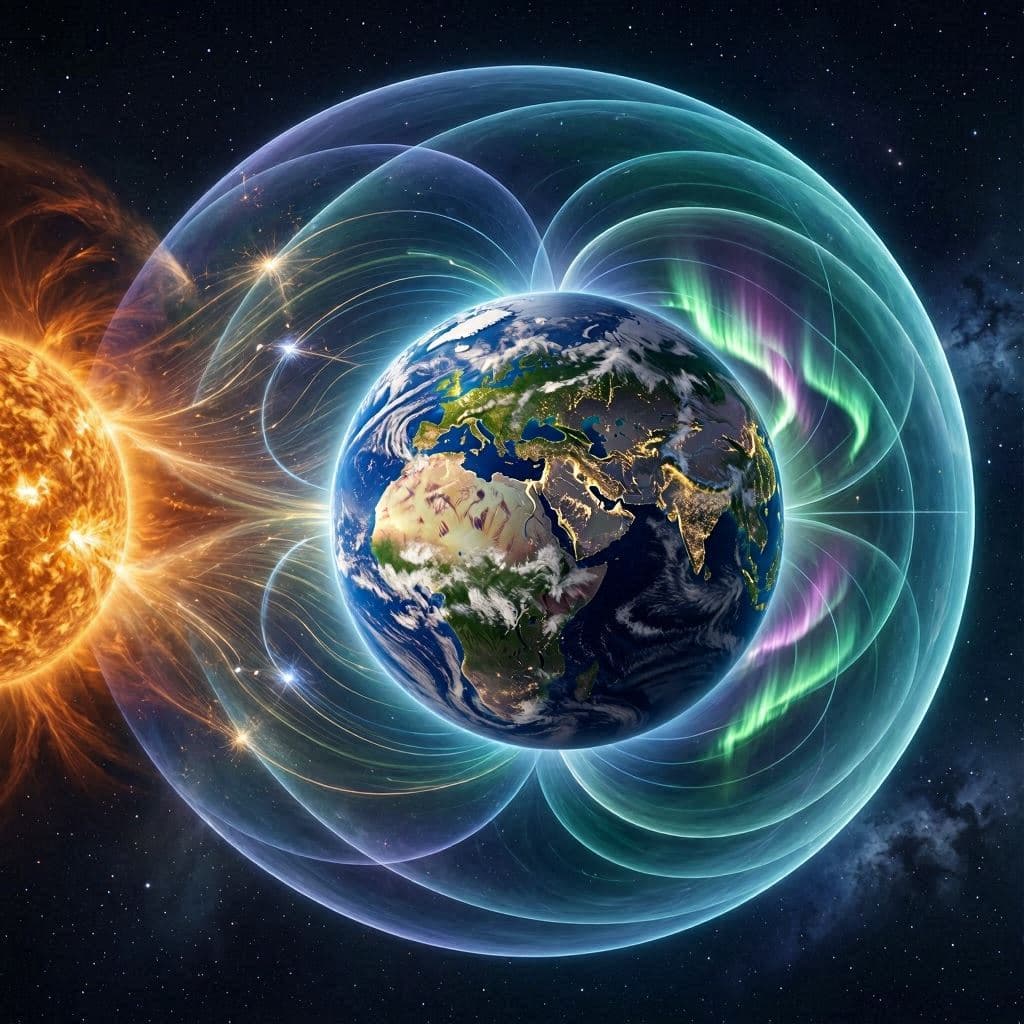
One proposed concept involves creating a kind of protective buffer in space, designed to reduce the intensity of incoming solar radiation before it reaches Earth’s magnetic environment. While still theoretical, such ideas reflect growing concerns about space weather resilience.
Researchers emphasize that the Sun follows natural cycles of activity, and stronger solar events are part of its long-term behavior. However, modern civilization has become increasingly dependent on technologies that are vulnerable to these disturbances.
Engineering discussions around space-based shielding often involve plasma physics, magnetic field manipulation, and large orbital structures. These are areas that remain under active research and development rather than practical deployment.
Experts note that even partial mitigation strategies could help reduce risks to satellites that support navigation, weather forecasting, and global communications.
The concept also highlights a broader shift in thinking: instead of only reacting to space weather, scientists are exploring proactive measures that could reshape how humanity interacts with its cosmic environment.
Closing: While the idea remains conceptual, it reflects an ongoing effort within the scientific community to better understand and prepare for the Sun’s powerful influence on Earth.
AI Image Disclaimer: Illustrative visuals may be AI-generated for conceptual editorial purposes.
Source Verification Check: NASA, Live Science, ScienceDaily, European Space Agency (ESA), Nature Science Reports
Published by Banx Network. This article is part of the Banx decentralized media programme, powered by the BXE token on the XRP Ledger.