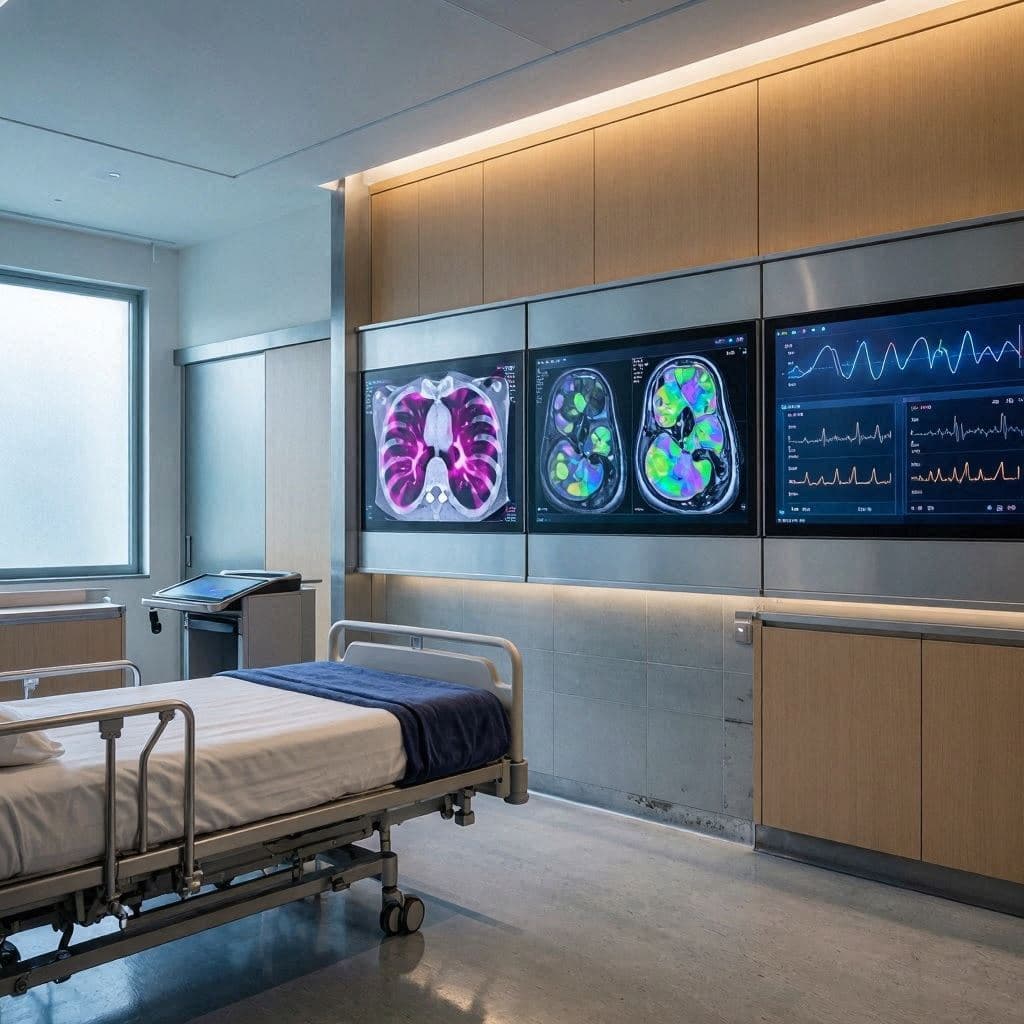
Inside modern healthcare systems in France, a quiet transformation is taking place. Artificial intelligence is gradually being introduced into hospital workflows, offering new tools to assist medical professionals in diagnosing disease.
Body: French hospitals are implementing AI-based diagnostic systems designed to analyze medical imaging, patient histories, and laboratory results. These systems aim to support early detection of conditions such as cancer and cardiovascular disease.
The AI tools are trained on large datasets that allow them to identify patterns that may not always be visible in traditional analysis.
Doctors emphasize that these systems are not replacing human judgment but rather enhancing clinical decision-making by providing additional data insights.
Hospitals participating in pilot programs report improvements in diagnostic speed, particularly in radiology departments where imaging analysis is time-intensive.
Medical researchers highlight the importance of maintaining strict ethical standards, particularly regarding patient privacy and data security.
Regulatory bodies are closely monitoring the integration of AI into healthcare to ensure safety, transparency, and accuracy.
This development reflects a broader global trend toward digital transformation in medicine, where technology and human expertise increasingly work together.
Closing: As AI systems evolve, they are expected to become a more integrated part of medical practice in France and beyond.
AI Image Disclaimer: Some visuals may be AI-generated for editorial illustration purposes.
Source Verification Check: Le Monde Science, WHO Europe, Nature Medicine, Reuters Health, BBC Science
Published by Banx Network. This article is part of the Banx decentralized media programme, powered by the BXE token on the XRP Ledger.