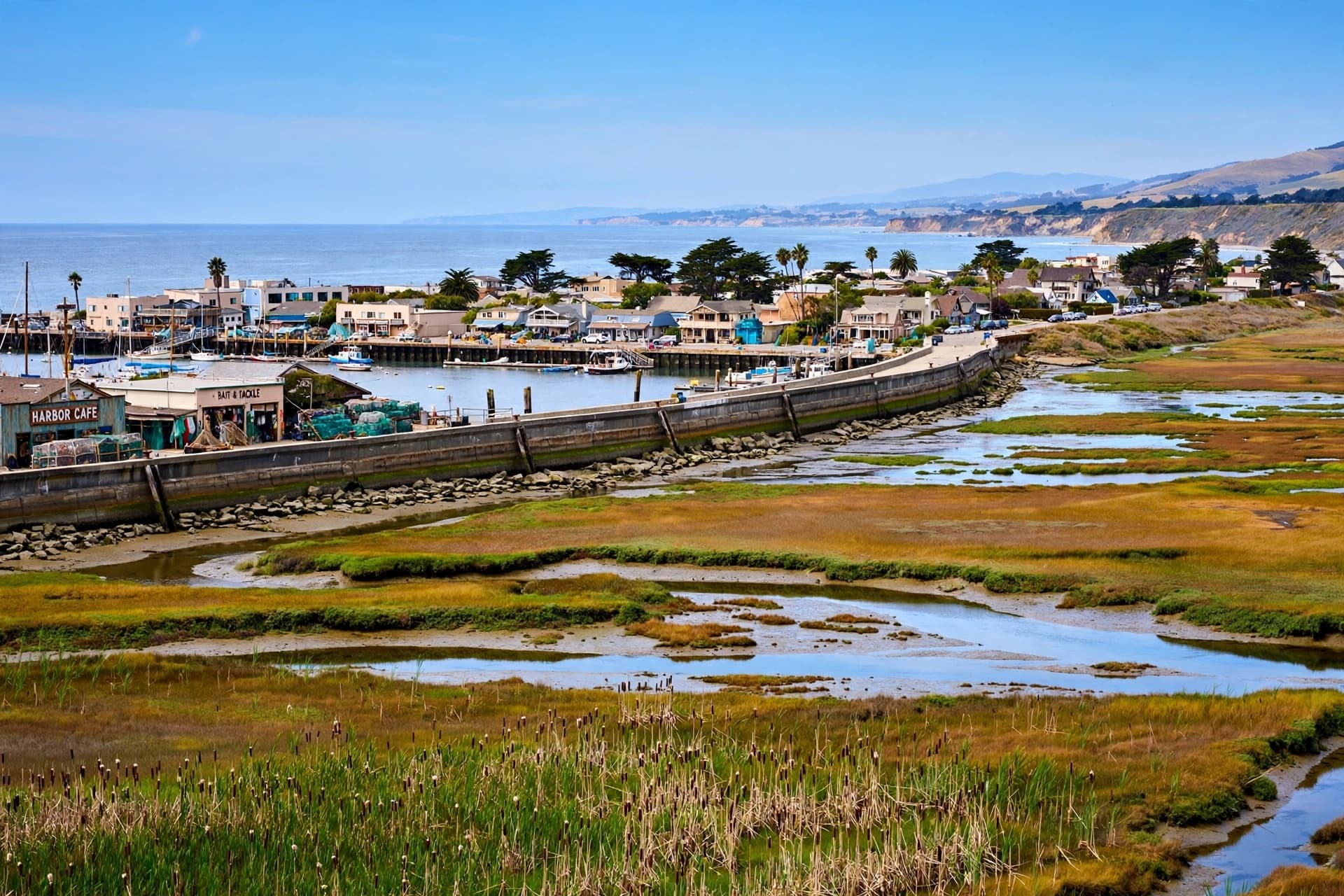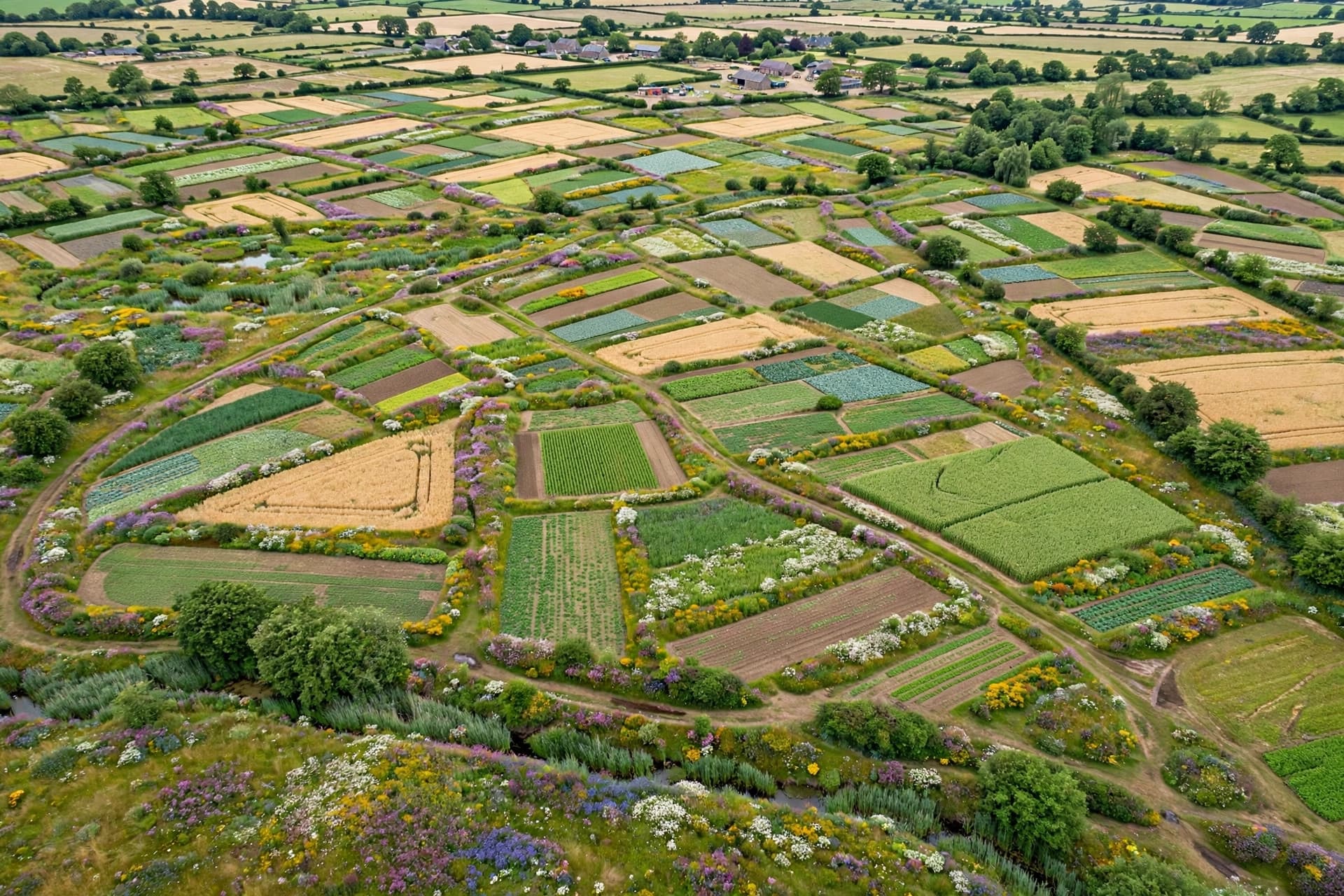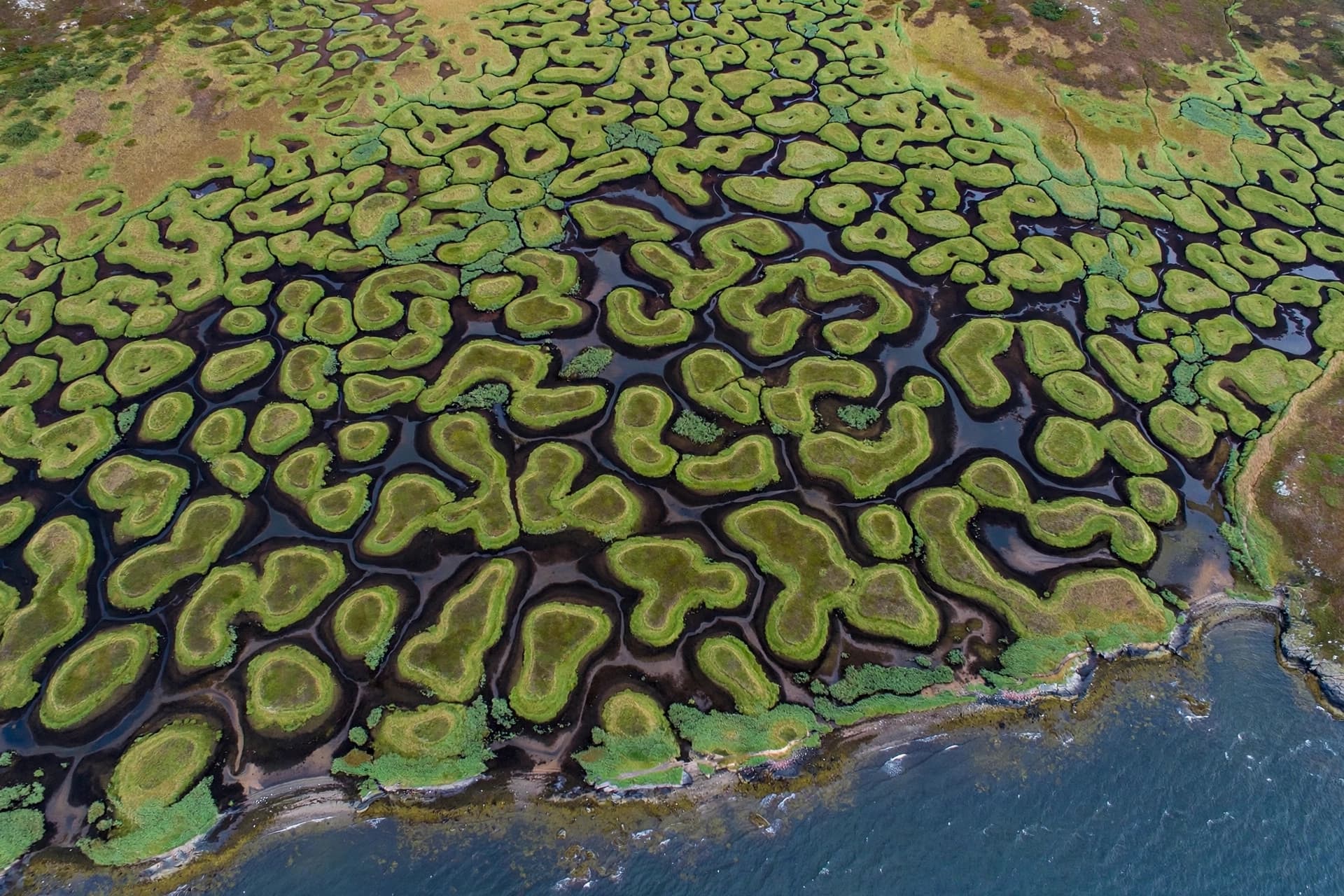
There is a quiet wisdom written into the surface of some coastal meadows, a pattern of raised mounds and lower hollows that looks, from above, like the skin of some vast, breathing creature. For years, scientists have studied such self-organized patterns in ecosystems—the stripes of arid vegetation, the fairy circles of drylands—and wondered what purpose they serve. New research suggests that in salt-stressed coastal meadows, these hummock-hollow patterns are not merely a symptom of stress but an active solution to it, redistributing salinity so that plants can survive where they otherwise could not.
The study, published in Science Advances, was led by Dr. Mingxuan Wu of the Royal Netherlands Institute for Sea Research (NIOZ). The researchers examined a saline meadow near Yerseke in the Netherlands, where vegetation grows on raised hummocks separated by lower, largely bare hollows . Their field measurements and modelling revealed something unexpected: rainfall moves salt away from the hummocks and into the hollows, creating low-salinity refuges where plants can thrive .
The effect is visible in the vegetation itself. Plants growing on patterned hummocks produced more biomass and more seeds than the same vegetation in an adjacent meadow without these patterns. They also remained green and active for two to three weeks longer, extending their growing season into the autumn . Even when the bare hollows were included in the comparison, the patterned meadow showed greater overall vegetation activity.
What makes this finding significant is the mechanism it reveals. Much of the previous research on self-organized ecosystems has focused on how patterns concentrate scarce resources—water, nutrients—in places where plants can benefit from them. This study demonstrates a different process: the patterns improve growing conditions by shifting stress away from the places where plants grow . The hollows, though apparently unproductive, serve an essential function. By accumulating salt, they keep the hummocks less saline, allowing plants to persist and reproduce.
The researchers combined field measurements, laboratory experiments, remote sensing, and mathematical modelling to confirm the pattern. Their model indicated that patterned vegetation can persist under higher levels of salinity than uniform vegetation and may recover more quickly after sudden increases in salt stress . In a world where climate change and sea-level rise are increasing salinization in coastal areas, this natural resilience mechanism could prove valuable.
The findings have practical implications for ecosystem restoration. Restoration efforts often focus on reintroducing species or vegetation, but the natural feedback processes that organize the spatial configuration of a landscape can be overlooked. The study suggests that preserving or restoring these patterns—and the conditions that create them—could help ecosystems cope with stresses such as salinization. As Dr. Wu's broader doctoral work notes, self-organized patterns function as a kind of "living infrastructure," routing water and salt and keeping recovery pathways open under stress . In the humble hummock and hollow, nature has found a way to turn stress into structure.
AI Image Disclaimer: The accompanying images in this report were created with artificial intelligence and are intended for conceptual representation only.
Sources: Science Advances, NIOZ Royal Netherlands Institute for Sea Research, University of Groningen
Published by Banx Network. This article is part of the Banx decentralized media programme, powered by the BXE token on the XRP Ledger.