We often think of the world as a fixed map, with seven continents firmly established in our collective consciousness. But beneath the waves of the Southwest Pacific, a hidden landmass has long waited for recognition. Zealandia, or Te Riu-a-Māui, is now widely accepted by geologists as Earth’s eighth continent. Unlike the others, it is mostly submerged, with only New Zealand and New Caledonia breaking the surface. Its formal recognition is not just a change in geography textbooks; it is a testament to the power of modern science to reveal what has been hidden in plain sight, reshaping our understanding of the planet’s structure.
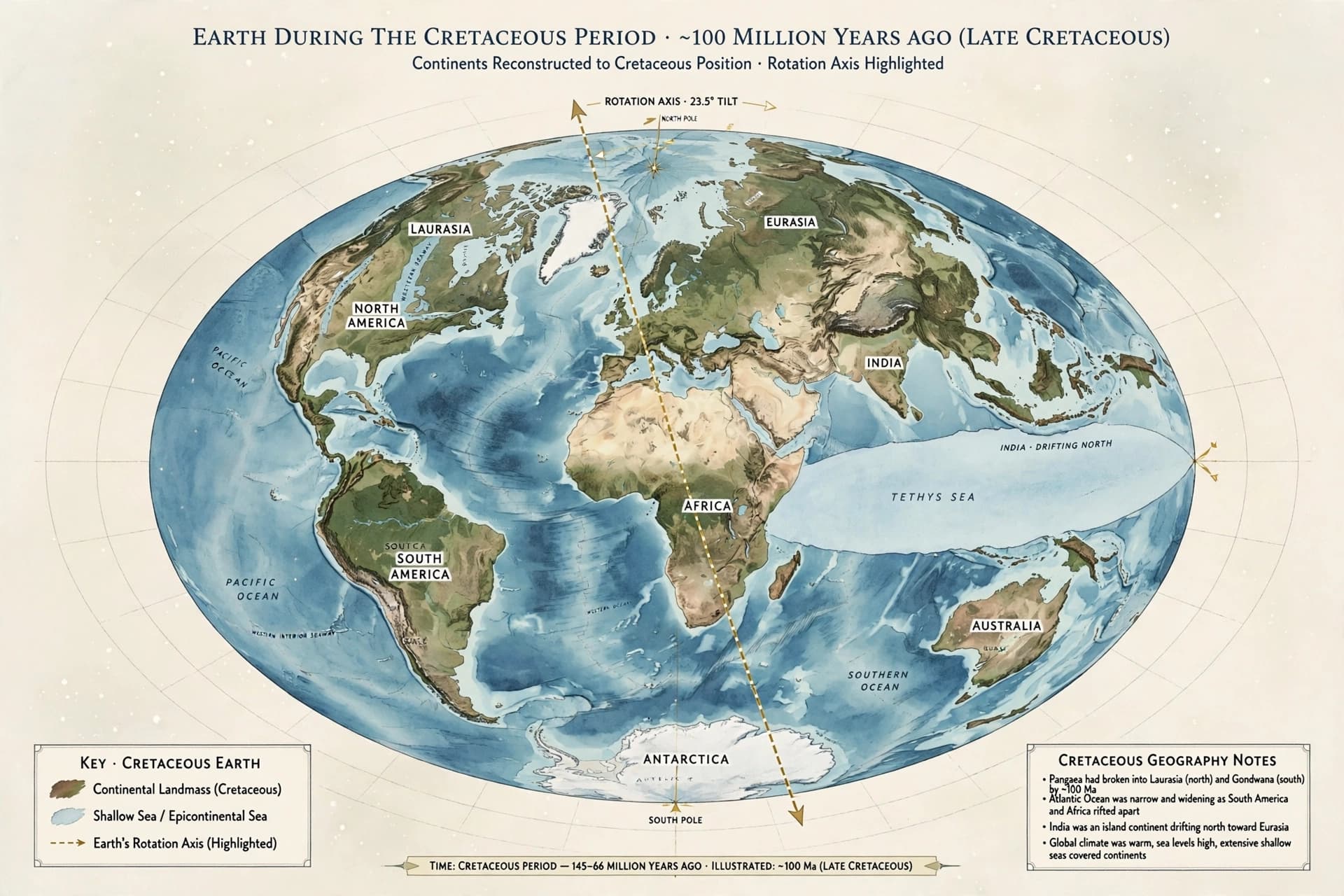
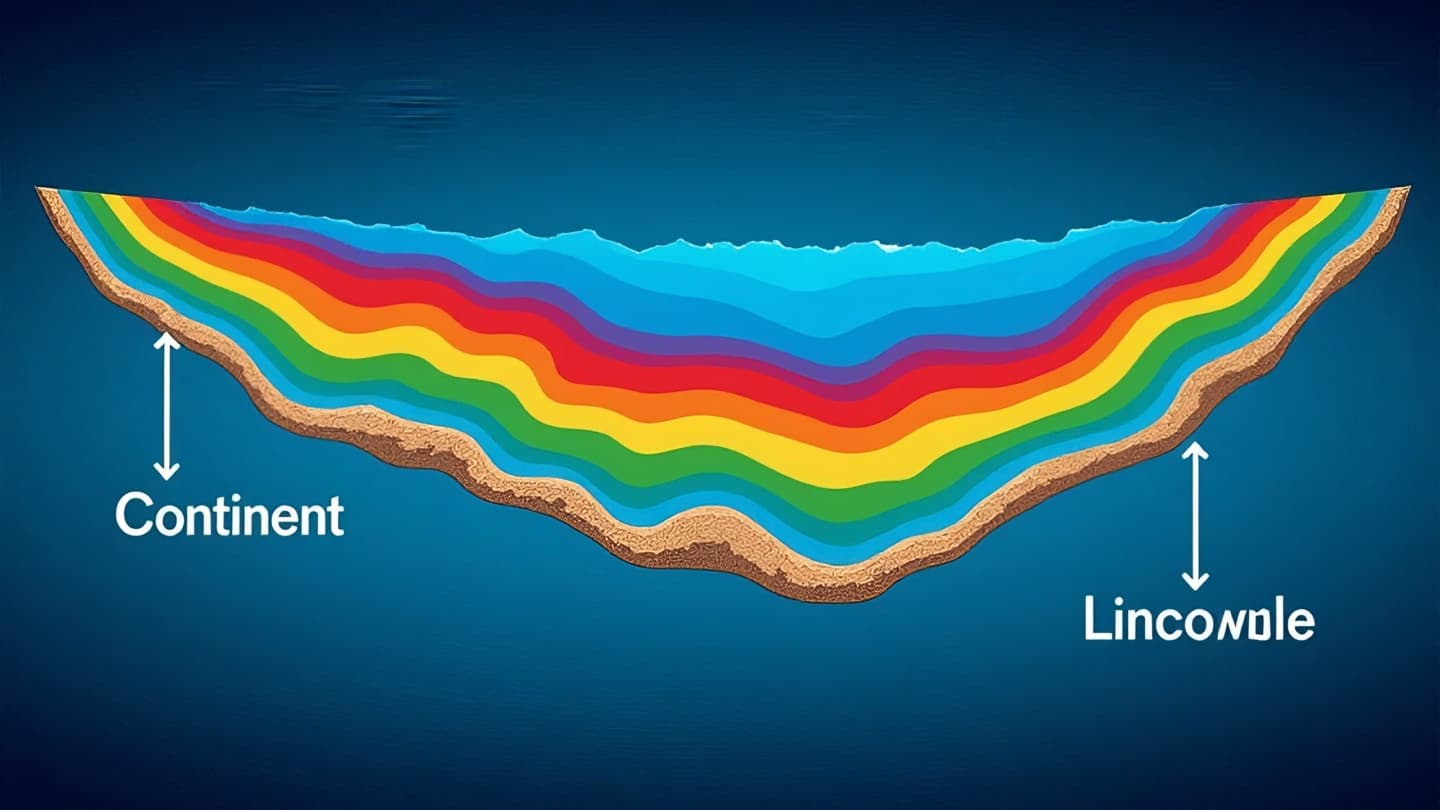
Body: Zealandia broke away from the supercontinent Gondwana around 80 million years ago. Over time, most of it sank beneath the ocean, leaving only a small fraction above water. For decades, scientists debated whether it qualified as a continent, given that most of it is underwater. However, recent detailed mapping and geological analysis have confirmed that it meets all the criteria: it has a distinct crust, elevated topography relative to the ocean floor, and well-defined boundaries.
The recognition of Zealandia highlights the dynamic nature of Earth’s crust. Continents are not permanent fixtures but drifting rafts of rock that collide, split, and sink over millions of years. Zealandia’s story is one of gradual subsidence, driven by tectonic forces that thinned its crust and caused it to sink. Yet, it remains a coherent geological entity, distinct from the surrounding oceanic basins.
This discovery has significant implications for our understanding of plate tectonics. It provides a natural laboratory for studying how continents form and evolve. By analyzing the rocks and structures of Zealandia, scientists can gain insights into the processes that shaped other landmasses. It also helps explain the unique biodiversity found in New Zealand, which evolved in isolation after the continent separated from Gondwana.
For the indigenous Māori people, the concept of Te Riu-a-Māui has long been part of their oral history and cultural identity. The scientific validation of Zealandia aligns with traditional knowledge, bridging the gap between modern geology and ancestral wisdom. This convergence of perspectives enriches the narrative, acknowledging that the land has always been there, even if its full extent was unknown to Western science.
The mapping of Zealandia was made possible by advances in satellite gravity data and seabed sonar technology. These tools allow researchers to "see" through the water and map the underlying rock structures with unprecedented detail. The resulting maps reveal a vast, submerged landscape of mountains, valleys, and plains, comparable in size to India. It is a hidden world that rivals the visible continents in scale and complexity.
Recognizing Zealandia also has practical implications for resource management and environmental protection. Understanding the geological context of the region helps in assessing mineral resources, seismic risks, and marine ecosystems. It underscores the interconnectedness of land and sea, reminding us that the ocean floor is not just a void but a complex geological terrain.
As we continue to explore our planet, more surprises may await. The acceptance of Zealandia encourages scientists to look beyond traditional categories and question established norms. It reminds us that our knowledge of Earth is still evolving, and that there is much left to discover beneath the waves. The eighth continent is no longer lost; it is finally seen.
Closing: Zealandia, the submerged eighth continent, has gained formal recognition from the scientific community. This acknowledgment reflects advances in geological mapping and a deeper understanding of plate tectonics. It highlights the dynamic history of Earth’s crust and the importance of integrating scientific and cultural perspectives.
AI Image Disclaimer: The images associated with this article are AI-generated interpretations designed to visualize the context of geological discovery and submerged landmasses.
Sources: GNS Science National Geographic BBC News The Guardian
Published by Banx Network. This article is part of the Banx decentralized media programme, powered by the BXE token on the XRP Ledger.