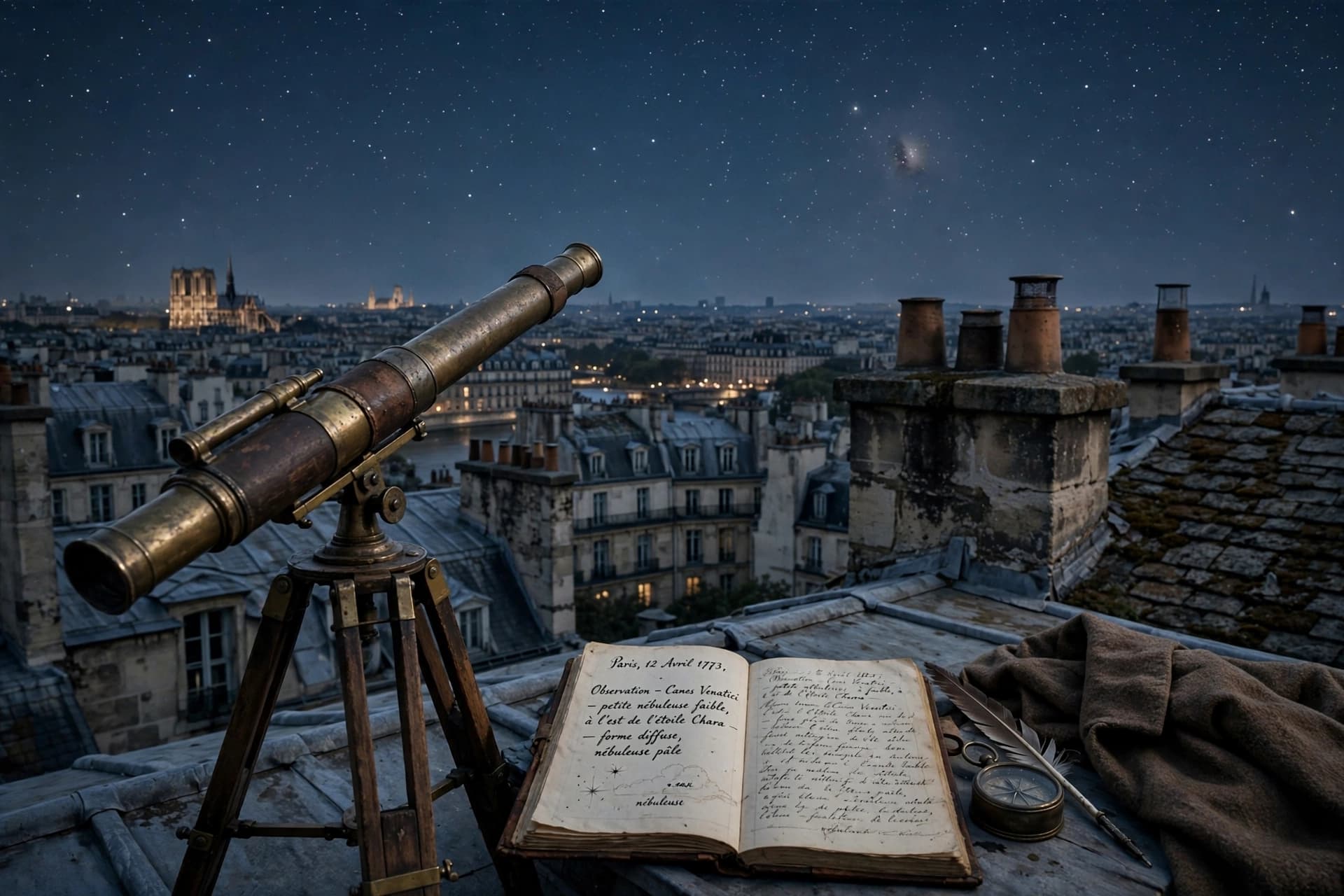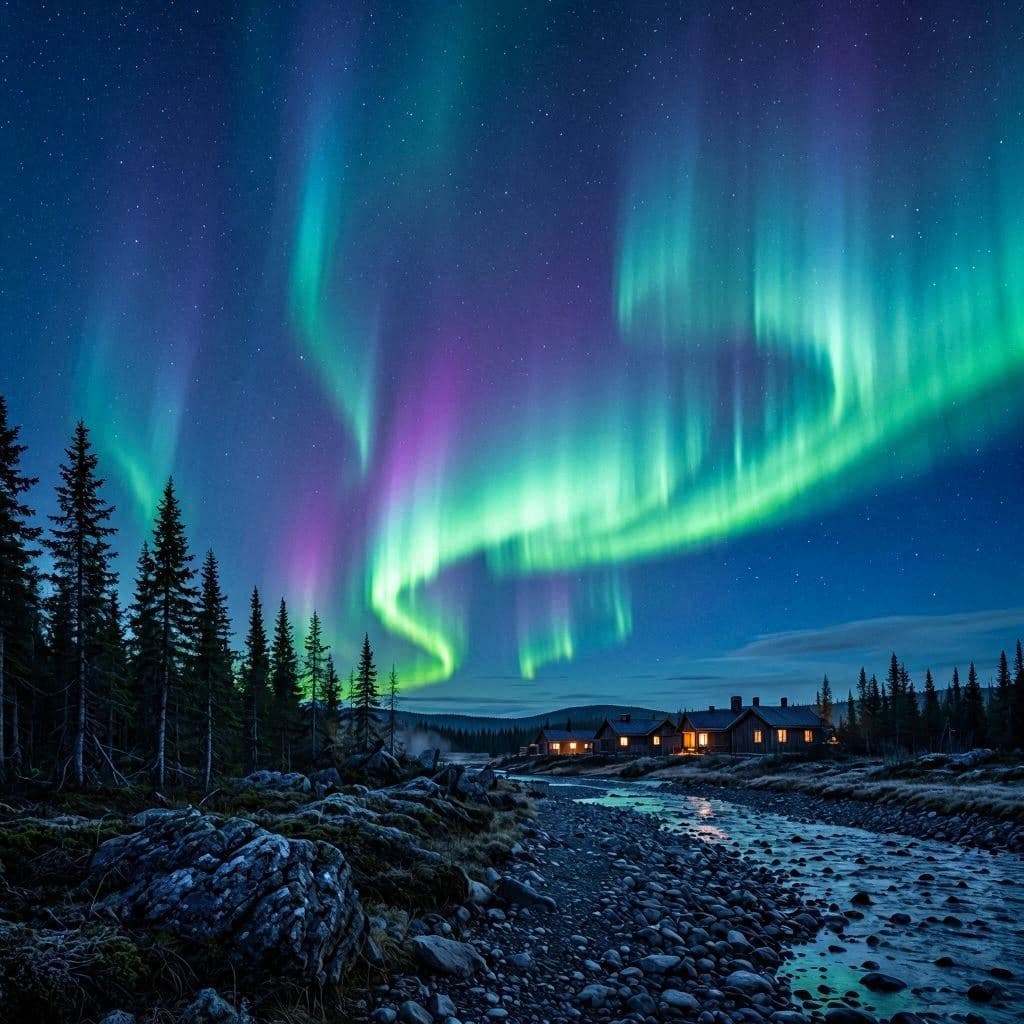
Across the night sky, light sometimes arrives not as a constant presence, but as a fleeting performance shaped by invisible forces. The aurora borealis, or Northern Lights, transforms solar activity into shifting curtains of color that drift across polar skies.
Body Forecasters have indicated that geomagnetic activity may increase, raising the possibility of auroral visibility across several northern regions of the United States. Such events occur when charged particles from the Sun interact with Earth’s magnetic field.
These interactions occur during periods of heightened solar activity, often linked to solar flares or coronal mass ejections. When these particles collide with atmospheric gases, they produce visible light displays in shades of green, red, and purple.
Experts note that aurora visibility depends on several factors, including cloud cover, local light pollution, and the strength of the geomagnetic storm. Even during favorable conditions, sightings can vary widely by location.
The forecast suggesting visibility in up to eight U.S. states reflects moderate-to-strong geomagnetic conditions, which can temporarily expand the auroral oval farther south than usual.
Scientists use satellite data and ground-based observatories to monitor solar wind conditions and predict potential aurora activity, although exact visibility remains inherently variable.
These natural light displays continue to serve as both scientific phenomena and cultural inspiration, linking modern space weather research with centuries of human observation.
Closing Authorities and observatories continue to monitor solar conditions as aurora forecasts evolve in real time.
AI Image Disclaimer: Images accompanying this article are AI-generated for editorial visualization purposes only.
Sources: NASA, NOAA Space Weather Prediction Center, Space.com, BBC Science
Published by Banx Network. This article is part of the Banx decentralized media programme, powered by the BXE token on the XRP Ledger.