The cosmos is a vast library of secrets, and each month, humanity turns another page in its quest to understand the universe. July 2026 has been a particularly vibrant chapter for NASA, with updates spanning the depths of space exploration, the delicate balance of Earth observation, and the intricate dynamics of our solar system. These developments are not isolated events but interconnected threads in the tapestry of scientific discovery. They invite us to pause and reflect on the breadth of our curiosity and the dedication required to unravel the mysteries of existence.
Body: In the realm of space exploration, the Psyche mission continues to captivate scientists with its recent flyby of Mars. The data transmitted during this encounter offers new insights into the gravitational influences of the Red Planet and the trajectory of the spacecraft as it heads toward its primary target: a metal-rich asteroid. This journey is not just about reaching a destination but about testing the resilience of our technology and the ingenuity of our engineering in the harsh environment of deep space.
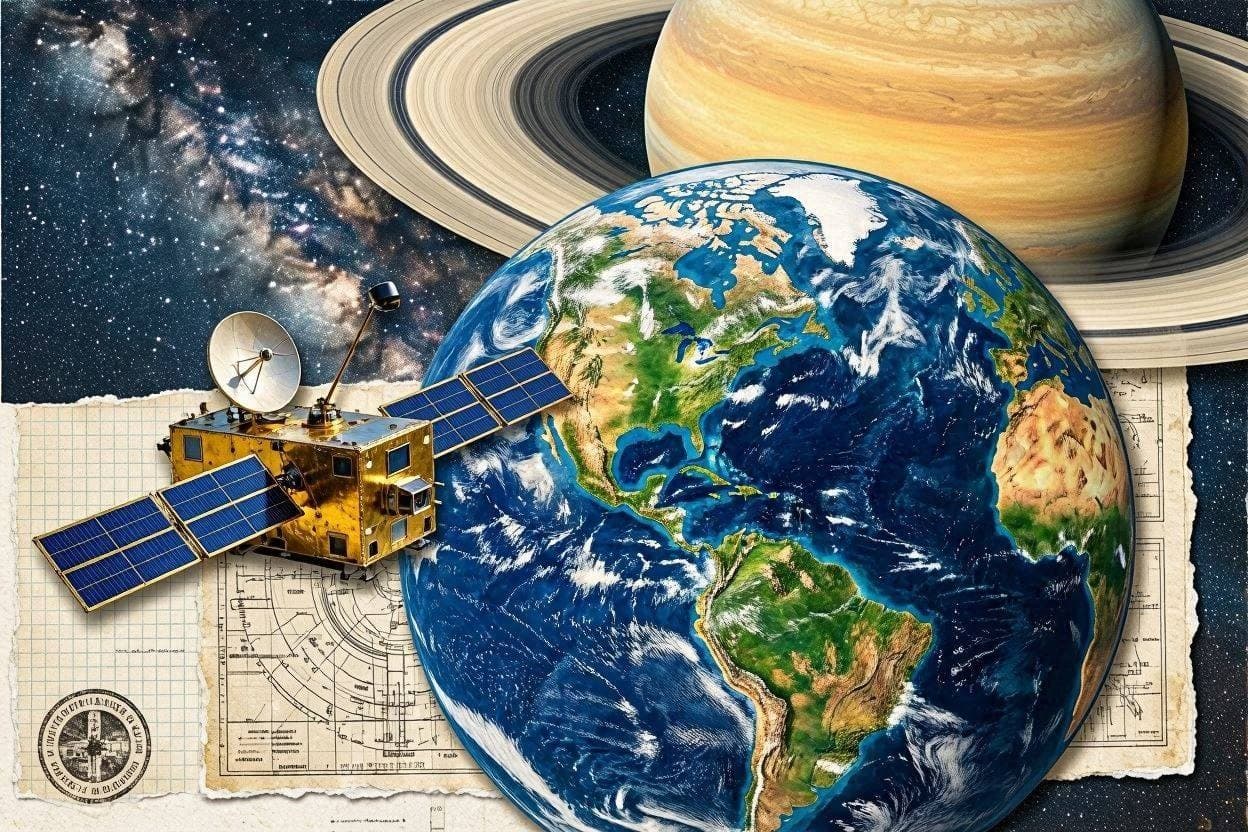
Simultaneously, Earth observation efforts have yielded critical data on climate patterns and environmental changes. Satellites monitoring atmospheric conditions, ocean temperatures, and ice sheet stability provide a real-time pulse of our planet’s health. In July, new findings highlighted the accelerating rate of glacial melt in polar regions, underscoring the urgency of climate action. These observations serve as a mirror, reflecting the consequences of human activity and the need for sustainable stewardship of our home.
Solar system research has also seen significant advances, particularly in the study of planetary atmospheres and magnetic fields. Recent analyses of data from Jupiter and Saturn have revealed complex interactions between their moons and ring systems, challenging existing models of planetary formation. These discoveries remind us that our own neighborhood in the galaxy is still full of surprises, waiting to be understood by those willing to look closely.
The integration of artificial intelligence in processing this vast amount of data has accelerated the pace of discovery. Machine learning algorithms help identify patterns and anomalies that might otherwise go unnoticed, allowing scientists to focus on interpretation and hypothesis testing. This synergy between human intellect and computational power is reshaping the landscape of astronomical research, making it more efficient and insightful.
Public engagement remains a cornerstone of NASA’s mission. Through live broadcasts, interactive websites, and educational programs, the agency shares its findings with the world, inspiring the next generation of scientists and explorers. The excitement surrounding July’s updates reflects a collective desire to know more about our place in the universe, fostering a sense of wonder and connection among people from all walks of life.
Collaboration with international partners continues to amplify these efforts. Shared resources and expertise enable more ambitious missions and broader data coverage, ensuring that scientific progress is a global endeavor. The spirit of cooperation transcends political boundaries, uniting humanity in the common goal of knowledge and exploration.
Closing: The scientific updates from July 2026 highlight the dynamic nature of space exploration and Earth science. As we continue to gather data and refine our understanding, we move closer to answering fundamental questions about our origins and our future. The journey of discovery is endless, and each step brings new possibilities.
AI Image Disclaimer: Visuals in this piece are artificially generated and should be viewed as artistic interpretations rather than factual documentation.
Sources: NASA Science Jet Propulsion Laboratory Space.com Science Daily
Published by Banx Network. This article is part of the Banx decentralized media programme, powered by the BXE token on the XRP Ledger.