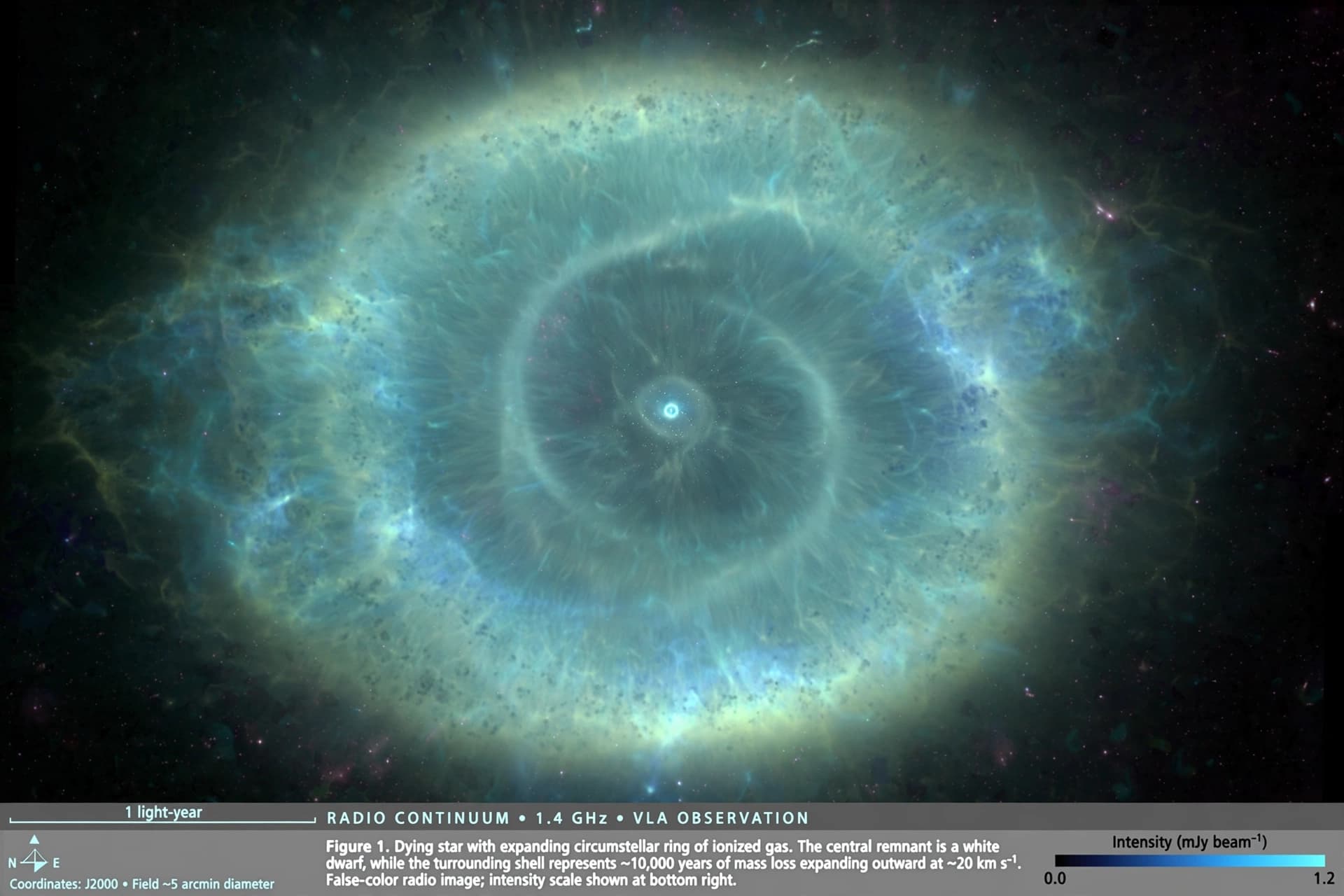
Opening: Sixty-six million years ago, the Earth witnessed a cataclysm that reshaped the course of life. The Chicxulub impact, long attributed to the sudden extinction of the dinosaurs, is a story written in rock and ash. Yet, new scientific insights suggest that the narrative may be more complex than previously believed. Rather than a single, instantaneous blow, the aftermath may have involved a prolonged series of environmental stresses. This evolving understanding invites reflection on how science refines its truths, revealing deeper layers of history with each discovery.
Body: Recent studies have focused on the immediate and long-term effects of the asteroid strike in what is now the Yucatán Peninsula. While the impact itself was undoubtedly devastating, causing massive tsunamis and wildfires, researchers are now examining the role of subsequent climate changes. Evidence suggests that the release of sulfur aerosols into the atmosphere blocked sunlight for years, leading to a "impact winter" that severely disrupted photosynthesis and food chains.
This prolonged darkness would have had a cascading effect on ecosystems. Plants died off, leading to the collapse of herbivore populations, which in turn affected carnivores. The traditional view of a quick extinction event is being replaced by a model of gradual decline, where species struggled to adapt to changing conditions over thousands of years. This nuance helps explain why some species survived while others, including non-avian dinosaurs, did not.
Furthermore, geological records indicate that volcanic activity in the Deccan Traps of India may have contributed to environmental stress prior to the impact. The combination of volcanic emissions and asteroid-induced cooling could have created a "double whammy" effect, weakening ecosystems before the final blow. This multi-factorial approach provides a more comprehensive picture of the mass extinction event.
Paleontologists are also reevaluating the fossil record, finding evidence that some dinosaur populations were already in decline before the impact. This suggests that the asteroid may have been the final straw rather than the sole cause. The interplay between pre-existing vulnerabilities and catastrophic events highlights the complexity of evolutionary history and the fragility of biodiversity.
The implications of this research extend beyond paleontology. Understanding past mass extinctions helps scientists predict how current ecosystems might respond to climate change and other human-induced stresses. By studying the resilience and vulnerability of ancient life, we gain insights into preserving today’s biodiversity. The past, it seems, holds keys to protecting our future.
Public interest in dinosaurs remains high, driven by movies and museums. These new findings offer an opportunity to engage audiences with the dynamic nature of scientific inquiry. It shows that knowledge is not static but evolves with new evidence and technologies. The story of the dinosaurs is not just about their end, but about the enduring quest to understand life on Earth.
Closing: The revised understanding of the dinosaur extinction underscores the complexity of natural history. While the Chicxulub asteroid played a central role, it was part of a broader web of environmental changes. As science continues to uncover these details, we gain a richer appreciation for the resilience and fragility of life.
AI Image Disclaimer: Please note that the images accompanying this article are AI-generated and intended for illustrative purposes only.
Sources: Nature Communications Science Daily Smithsonian Magazine BBC Future
Published by Banx Network. This article is part of the Banx decentralized media programme, powered by the BXE token on the XRP Ledger.