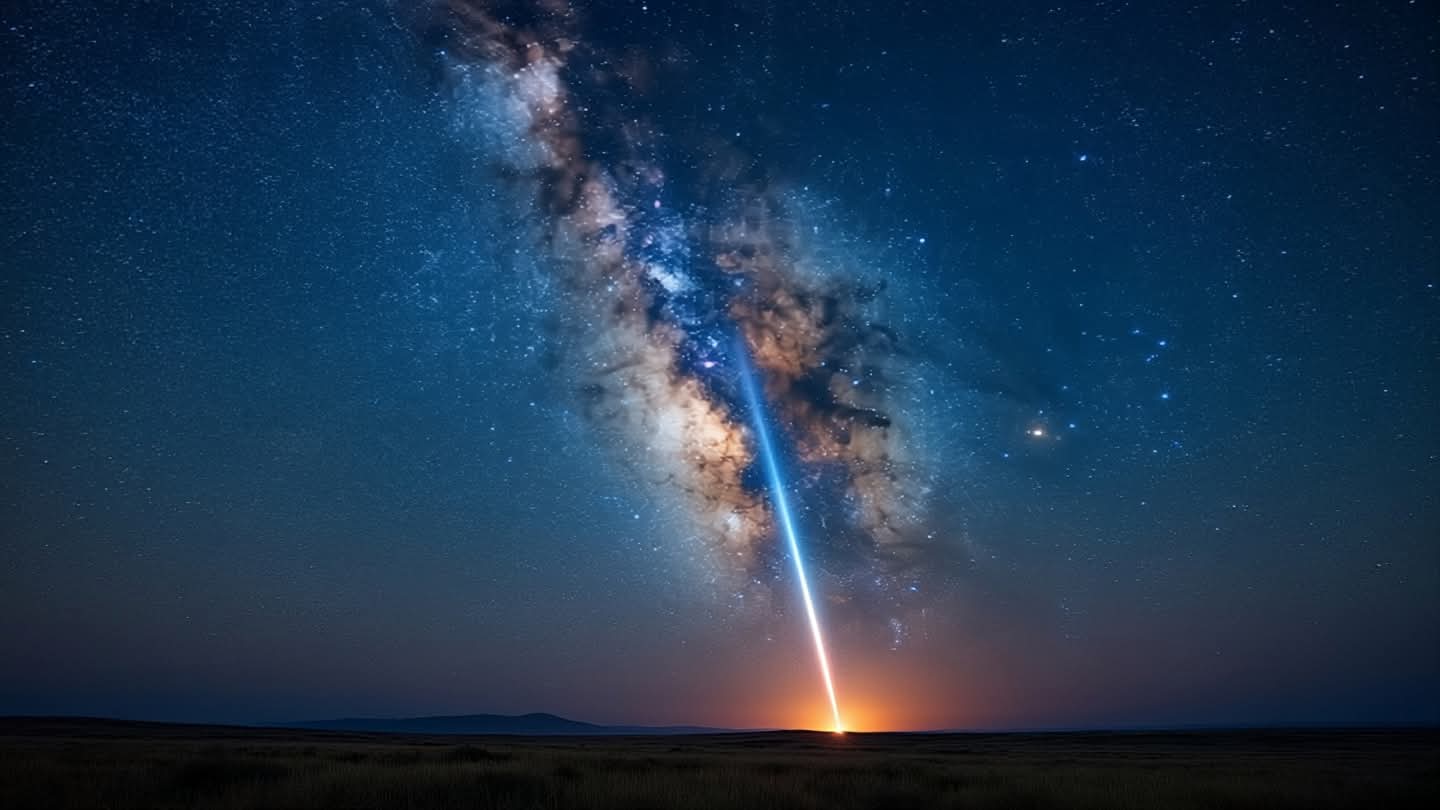
There are moments when the universe seems to put on a show specifically for us, scattering diamonds across the velvet canvas of the night. The Canadian Space Agency has highlighted the Perseid meteor shower as the "best of the year," urging citizens to look up and witness the display. This announcement invites reflection on the accessibility of wonder and the simple joy of connecting with the cosmos. It is a reminder that some of the most profound experiences require no equipment, only attention.
The Perseids are renowned for their brightness and frequency, often producing fireballs that leave lingering trails of ionized gas. In 2026, the shower’s peak coincided with a new moon, eliminating lunar interference and allowing even fainter meteors to be seen. Darkness reveals depth. Clarity enhances beauty.
Viewing conditions were particularly favorable in rural areas away from city lights. The agency recommended finding a dark spot, lying back, and allowing eyes to adjust to the darkness for at least twenty minutes. Patience yields reward. Stillness brings sight.
For many Canadians, this event served as an introduction to amateur astronomy. The ease of viewing makes it an ideal opportunity for families and friends to share in the excitement of spotting shooting stars. Shared wonder binds people. Simplicity invites participation.
The scientific significance of the Perseids also offers a learning opportunity. Understanding that these meteors are remnants of Comet Swift-Tuttle connects observers to the broader history of the solar system. Debris tells stories. History is visible.
As the night progresses, the radiant point in the constellation Perseus rises higher, increasing the number of visible meteors. The peak hours after midnight often provide the most spectacular views. Timing matters. Night holds secrets.
The Canadian Space Agency identified the Perseid meteor shower as the best of the year, citing favorable viewing conditions due to the new moon. The event encouraged public engagement with astronomy and appreciation for natural phenomena. The hope is for clear skies and successful observations across the country.
AI Image Disclaimer: Visuals associated with this article are AI-generated to illustrate the themes of meteor observation and public science engagement.
Sources: Canadian Space Agency CBC News Global News
Published by Banx Network. This article is part of the Banx decentralized media programme, powered by the BXE token on the XRP Ledger.