In Japan, the future of energy is being considered against a landscape shaped by mountains, coastlines, cities, and limited domestic fuel resources. Electricity demand continues to evolve, while the country remains attentive to the security and reliability of its energy supply.
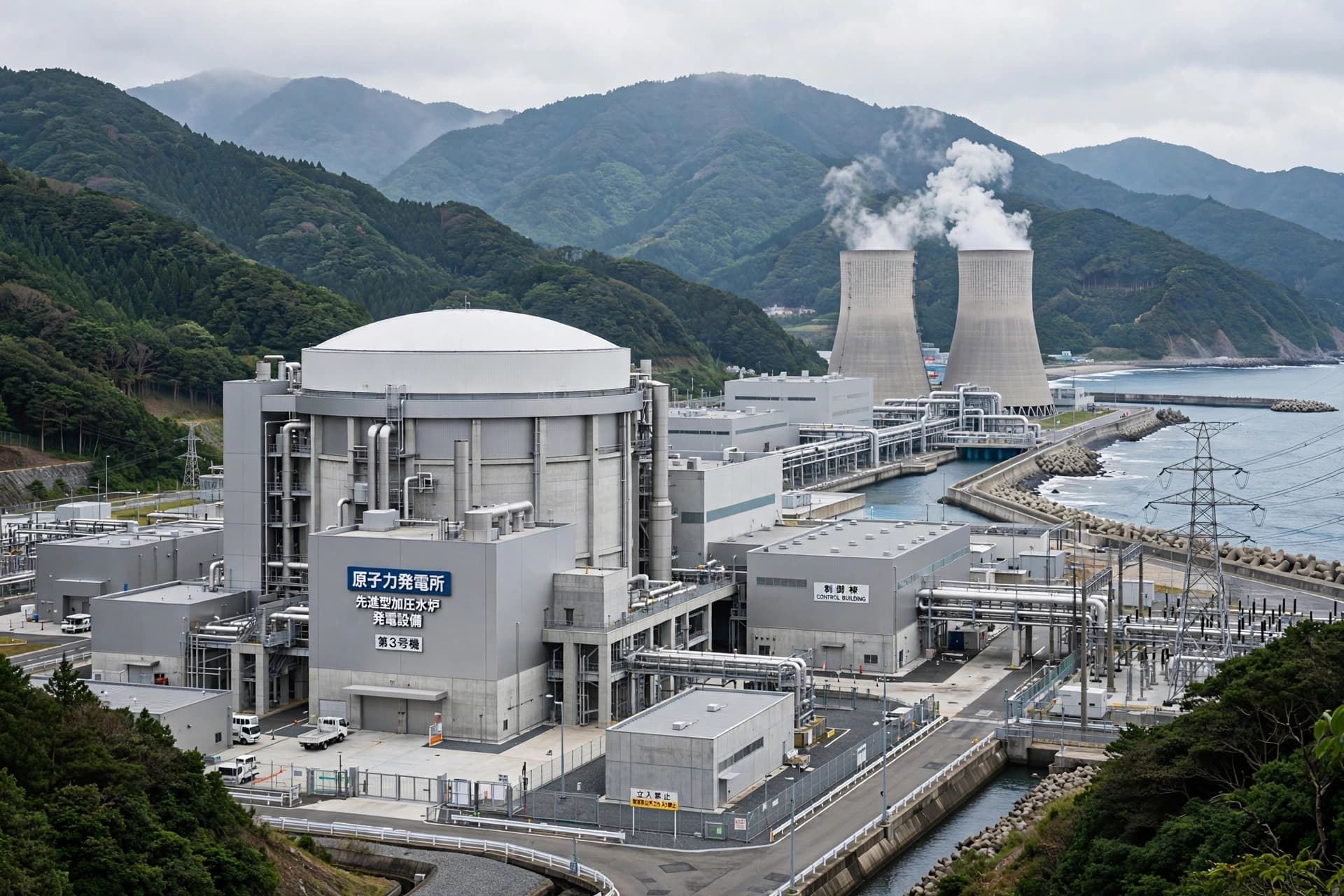
A new chapter is now taking shape around nuclear technology. Mitsubishi Heavy Industries has secured Japanese government support for three projects focused on next-generation reactor development, including advanced light-water reactors and small modular reactors.
The support reflects Japan’s effort to strengthen its nuclear capabilities while developing technologies that could eventually provide additional options for the country’s electricity system. The projects are part of a broader movement toward reactor designs intended to improve efficiency, safety, and flexibility.
Small modular reactors, commonly known as SMRs, differ from traditional large nuclear power stations in their design philosophy. Their smaller size and modular construction are intended to make them easier to manufacture and potentially more flexible to deploy, although commercial development and regulatory approval remain substantial challenges.
Advanced light-water reactors represent another pathway. They build on technologies already familiar to the nuclear industry while incorporating newer engineering approaches intended to improve performance and safety characteristics.
For Japan, the development of these technologies has significance beyond the engineering itself. The country imports much of its fossil fuel supply, leaving energy costs and security closely connected to international markets and events beyond its borders.
Nuclear power can provide electricity without direct carbon emissions during operation, making it one component of Japan’s broader effort to balance energy security with decarbonization. The country has therefore been reconsidering the role of nuclear generation alongside renewable energy and other technologies.
The government’s support for Mitsubishi Heavy’s projects also reflects the importance of maintaining domestic expertise. Nuclear technology requires specialized engineers, manufacturers, research institutions, and supply chains, and preserving that knowledge can take decades.
Still, next-generation reactors remain a long-term proposition. Technical development, safety assessments, construction costs, regulatory procedures, and public acceptance all influence whether a reactor concept eventually becomes a commercial power station.
The projects therefore represent an early stage rather than an immediate change in Japan’s electricity supply. Their significance lies in the research, engineering, and industrial capabilities being developed today for possible use in future decades.
For Mitsubishi Heavy Industries and Japan’s energy sector, government backing provides another step toward developing advanced reactor technology. The projects add to the country’s effort to maintain nuclear expertise while exploring new designs that could contribute to a more diversified energy system.
AI Image Disclaimer The illustrations shown here were generated with AI and are intended as conceptual depictions rather than photographs of real reactor projects.
Sources Reuters Mitsubishi Heavy Industries Japan's Ministry of Economy, Trade and Industry World Nuclear Association Nikkei Asia
Published by Banx Network. This article is part of the Banx decentralized media programme, powered by the BXE token on the XRP Ledger.