In the grand tapestry of evolution, some threads are woven from the most unexpected materials. Recent studies suggest that the evolution of complex animals, including humans, may have been facilitated by a humble and often overlooked source: feces. This provocative idea invites reflection on the interconnectedness of ecosystems and the role of waste in driving biological innovation. It is a reminder that what one organism discards, another may use as a foundation for growth.
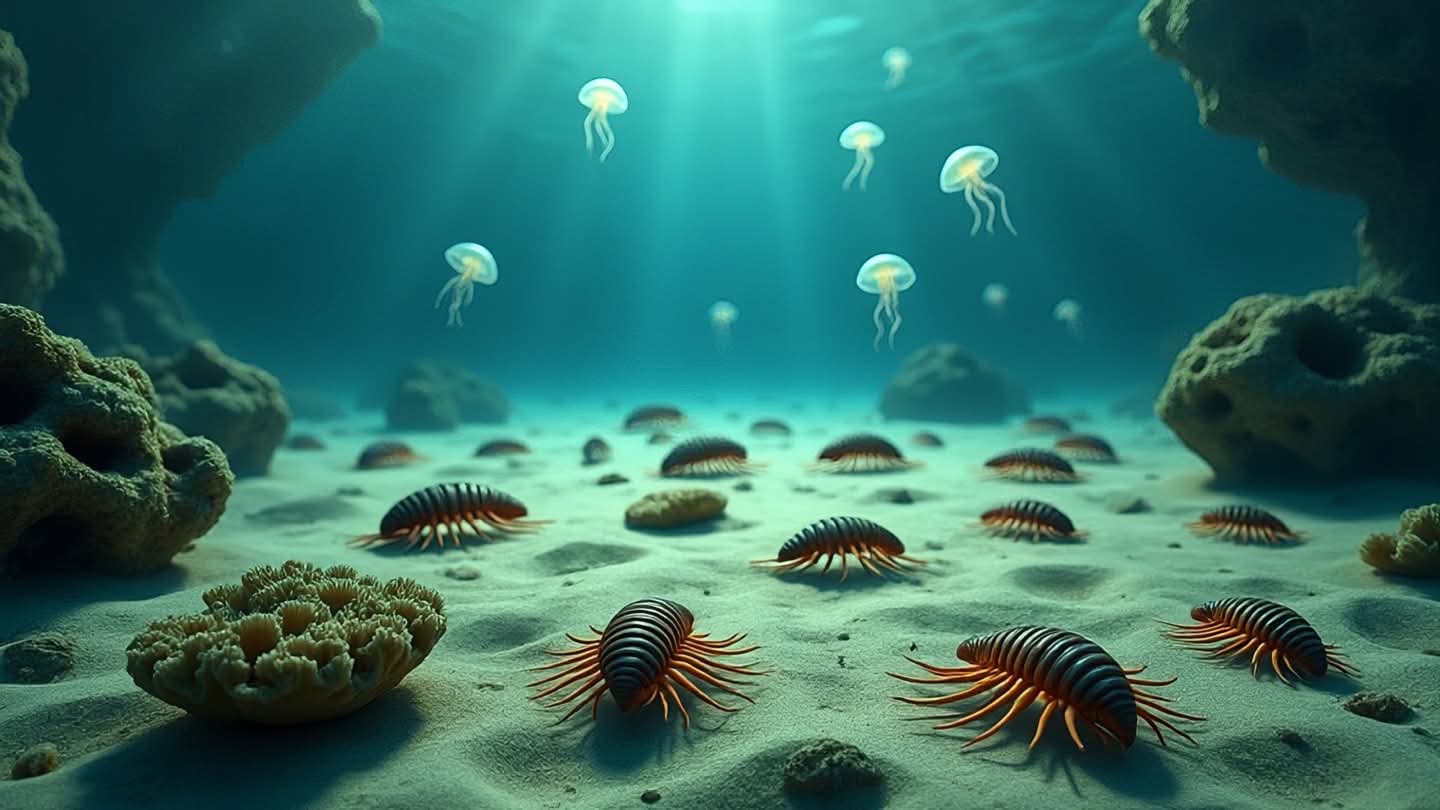
During the Cambrian explosion, a period of rapid diversification of life forms, the emergence of animals with through-guts allowed for more efficient digestion and the production of nutrient-rich waste. This fecal matter sank to the ocean floor, providing a concentrated food source for other organisms. Waste becomes wealth. Efficiency drives complexity.
The availability of this nutrient pump may have supported the development of larger and more complex body plans. By recycling nutrients more effectively, early ecosystems could sustain higher levels of biological activity. Nutrition fuels evolution. Recycling sustains life.
For scientists, this theory connects physiological changes with ecological impacts. It suggests that the evolution of digestion was not just about individual survival but also about shaping the environment for others. Interdependence defines nature. Action has consequence.
The study highlights the importance of considering less glamorous aspects of biology when reconstructing evolutionary history. Often, the key to understanding major transitions lies in the mundane details of daily life. Detail reveals pattern. Humility aids insight.
As we continue to explore the origins of complexity, the role of waste management in early ecosystems offers a fresh perspective. It reminds us that even the most basic biological functions can have profound historical significance. Simplicity holds power. History is layered.
Research suggests that the evolution of complex animals may have been aided by nutrient-rich fecal matter from early organisms with through-guts, which fueled ecosystem productivity. This theory highlights the ecological impact of digestive evolution. The hope is for further validation of this nutrient-driven model.
AI Image Disclaimer: Visuals associated with this article are AI-generated to illustrate the themes of evolutionary biology and ecological cycles.
Sources: Current Biology Science Daily The Conversation
Published by Banx Network. This article is part of the Banx decentralized media programme, powered by the BXE token on the XRP Ledger.