Gravity is the invisible force that anchors us to the Earth, holding our atmosphere, oceans, and very bodies in place. It is so constant that we rarely notice it until it is gone. But what if, for a brief moment, gravity simply switched off? This hypothetical scenario invites reflection on the fundamental forces that govern our existence and the delicate balance of our planetary system. It is a thought experiment that reveals just how much we rely on the pull of the Earth.
If gravity were to vanish, everything not physically attached to the planet would immediately float away. People, cars, and even the atmosphere would begin to drift into space. The sudden loss of weight would be disorienting, but the consequences would be far more severe than just floating. Freedom becomes danger. Anchor is life.
The atmosphere, held in place by gravity, would rapidly expand and dissipate into the vacuum of space. Without air pressure, breathing would become impossible, and temperatures would plummet. Life depends on pressure. Breath requires hold.
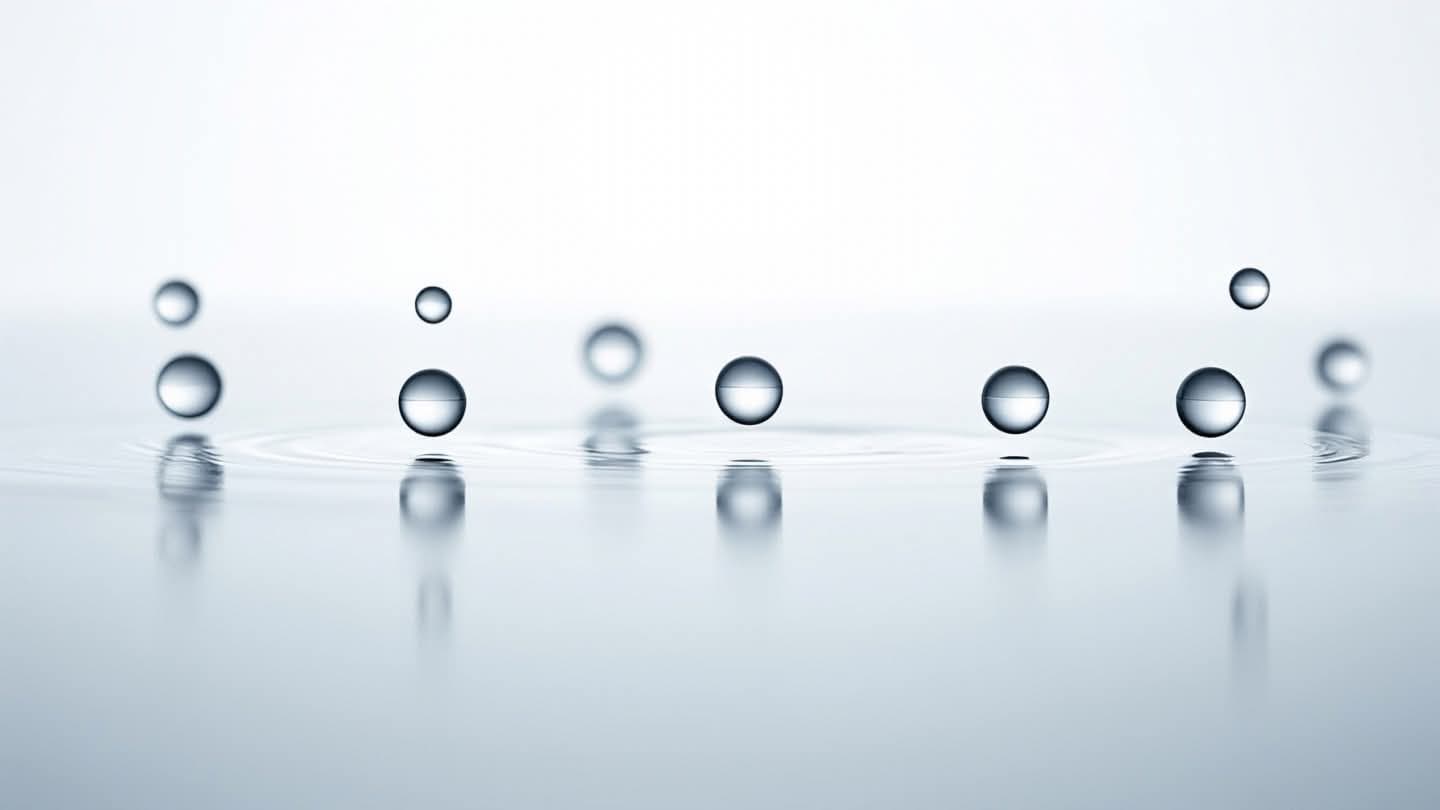
Oceans and lakes would also break free from their basins, forming massive spheres of water that would drift upward. The landscape would be transformed into a chaotic scene of floating debris and liquid globules. Water seeks no bottom. Chaos follows release.
Structures like buildings and bridges, designed to withstand downward force, might suffer structural failure as tension and compression forces shifted unexpectedly. The integrity of our built environment relies on predictable loads. Stability requires consistency. Design assumes pull.
Fortunately, gravity is a fundamental property of mass and cannot simply "turn off." However, exploring this scenario helps us appreciate the stability it provides. Imagination tests limits. Reality offers comfort.
While gravity cannot temporarily disappear, hypothetically losing it would cause the atmosphere, oceans, and loose objects to float into space, leading to catastrophic environmental changes. The thought experiment highlights the critical role gravity plays in sustaining life on Earth. The hope is for continued appreciation of the natural forces that support our world.
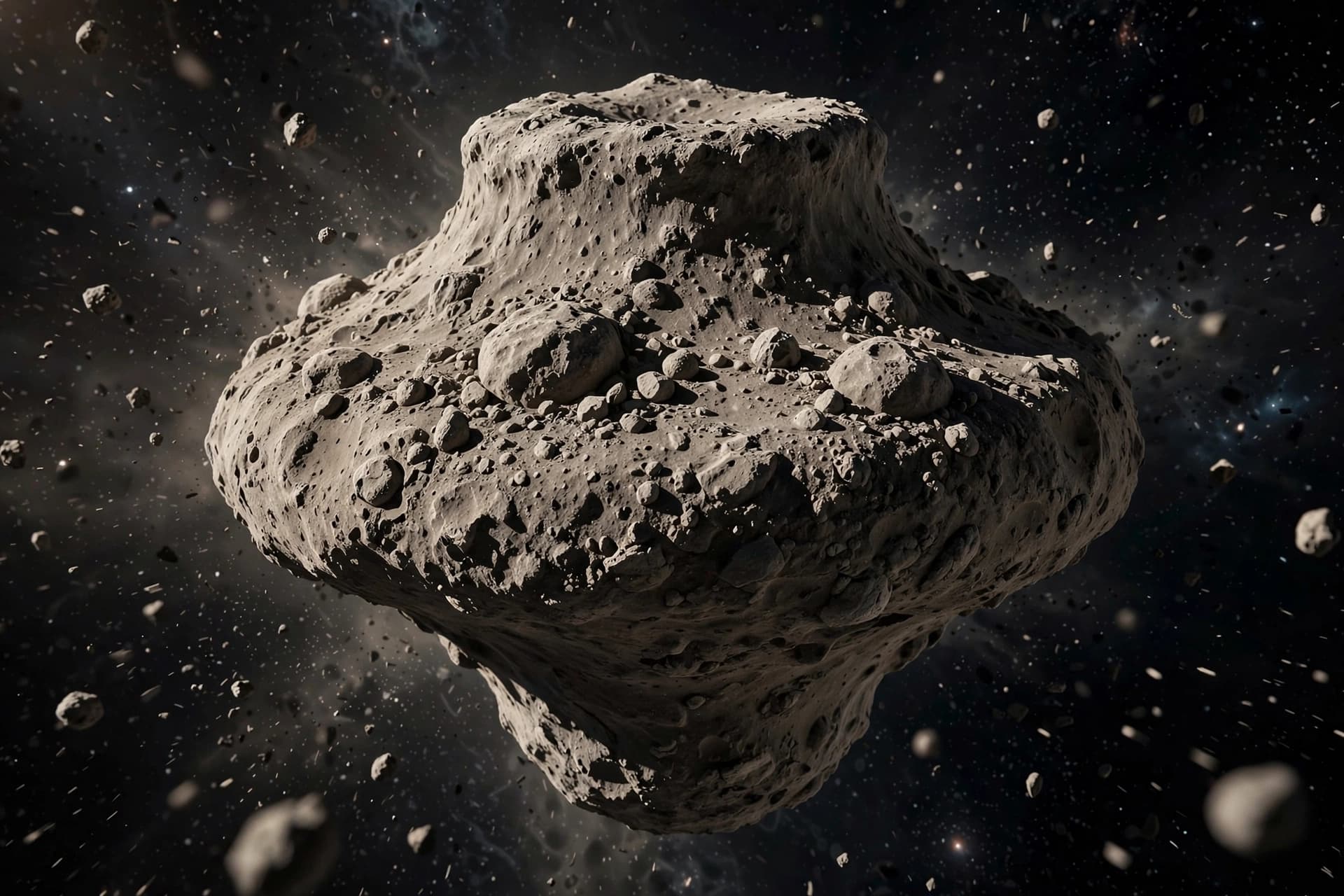
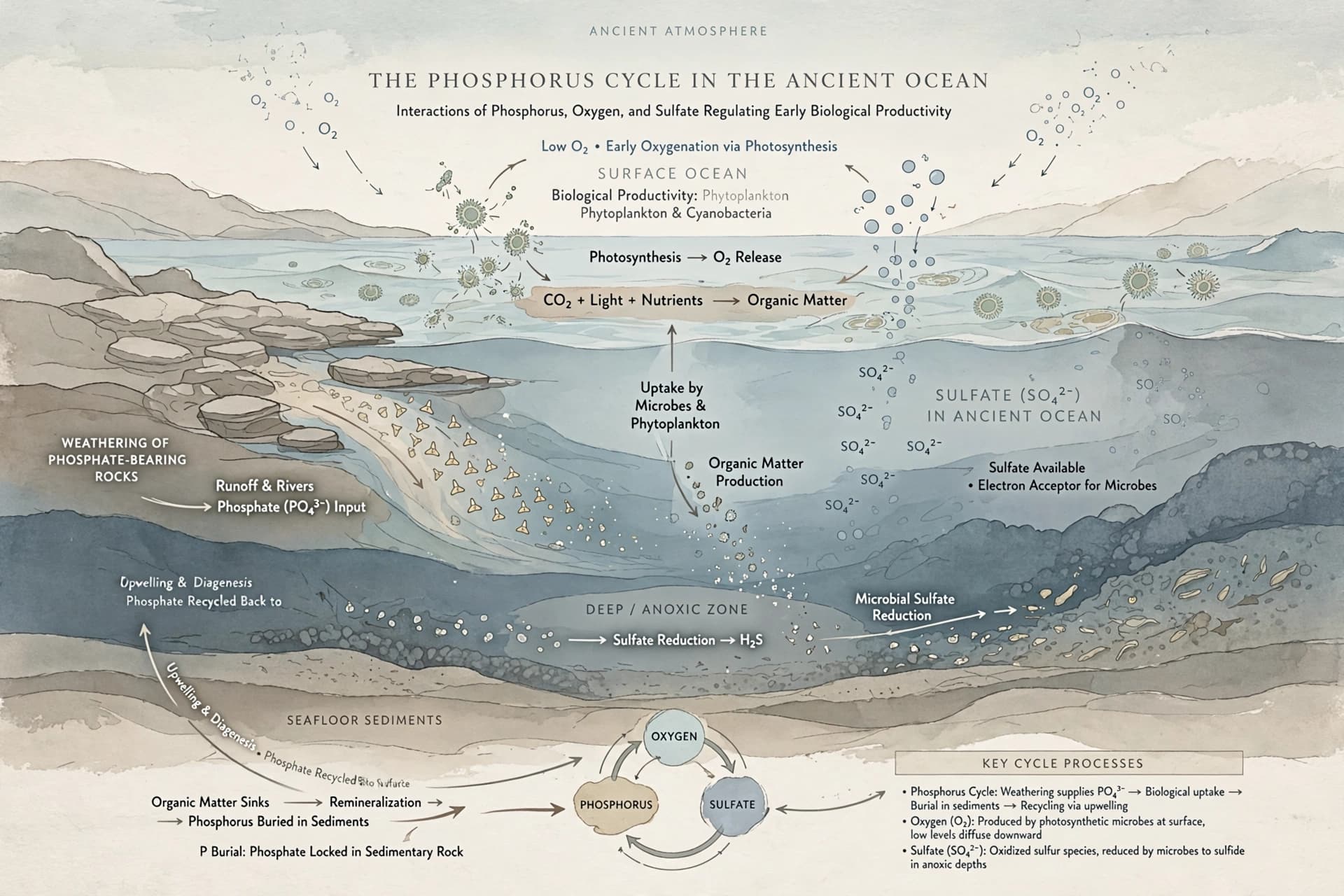
AI Image Disclaimer: The images provided are AI-generated to visually represent the hypothetical and scientific aspects of the story.
Sources: Live Science National Geographic Physics Today
Published by Banx Network. This article is part of the Banx decentralized media programme, powered by the BXE token on the XRP Ledger.