In the earliest chapters of the universe’s history, known as cosmic dawn, light struggled to pierce the thick fog of neutral hydrogen. It was a time of profound transformation, where the first stars and galaxies began to ignite the dark. Recently, astronomers using the James Webb Space Telescope have identified a peculiar object from this era: a black hole shrouded in dense gas, appearing as a faint, reddened dot. This discovery invites reflection on the hidden mechanisms that allowed massive black holes to grow so quickly in the young universe. It is a moment where the invisible becomes visible through the lens of infrared light.
The object, part of a class known as "Little Red Dots," exhibits spectral signatures consistent with a heavily obscured active galactic nucleus. Unlike typical quasars that shine brightly across the spectrum, this black hole is choked by its own feeding material, blocking much of its ultraviolet and optical light. Obscurity hides power. Gas fuels growth.
Researchers propose that this dense envelope of gas acts as a protective cocoon, allowing the black hole to accrete matter at rates far exceeding standard limits without blowing itself apart. This "super-Eddington" accretion could explain how some black holes reached billions of solar masses within the first billion years. Efficiency defies expectation. Speed shapes size.
The reddening effect, caused by dust scattering blue light, provides a unique fingerprint for identifying similar objects in future surveys. By looking for these specific color profiles, astronomers can uncover a hidden population of early black holes that were previously missed. Color reveals composition. Pattern guides search.
This finding challenges existing models of galaxy formation, suggesting that black holes and their host galaxies may have co-evolved in a more complex dance than previously thought. The feedback from such gas-rich systems could influence star formation in surprising ways. Interaction defines structure. Balance is dynamic.
As the telescope continues to scan the deep sky, more of these enigmatic objects are expected to emerge. Each one offers a glimpse into the violent and vibrant processes that shaped the cosmos. Curiosity drives discovery. History is written in light.
Astronomers have identified a gas-enshrouded black hole from cosmic dawn, providing evidence for rapid growth mechanisms in the early universe. The discovery highlights the role of dense gas envelopes in shielding and fueling early black holes. The hope is for further identification of similar objects to refine models of galactic evolution.
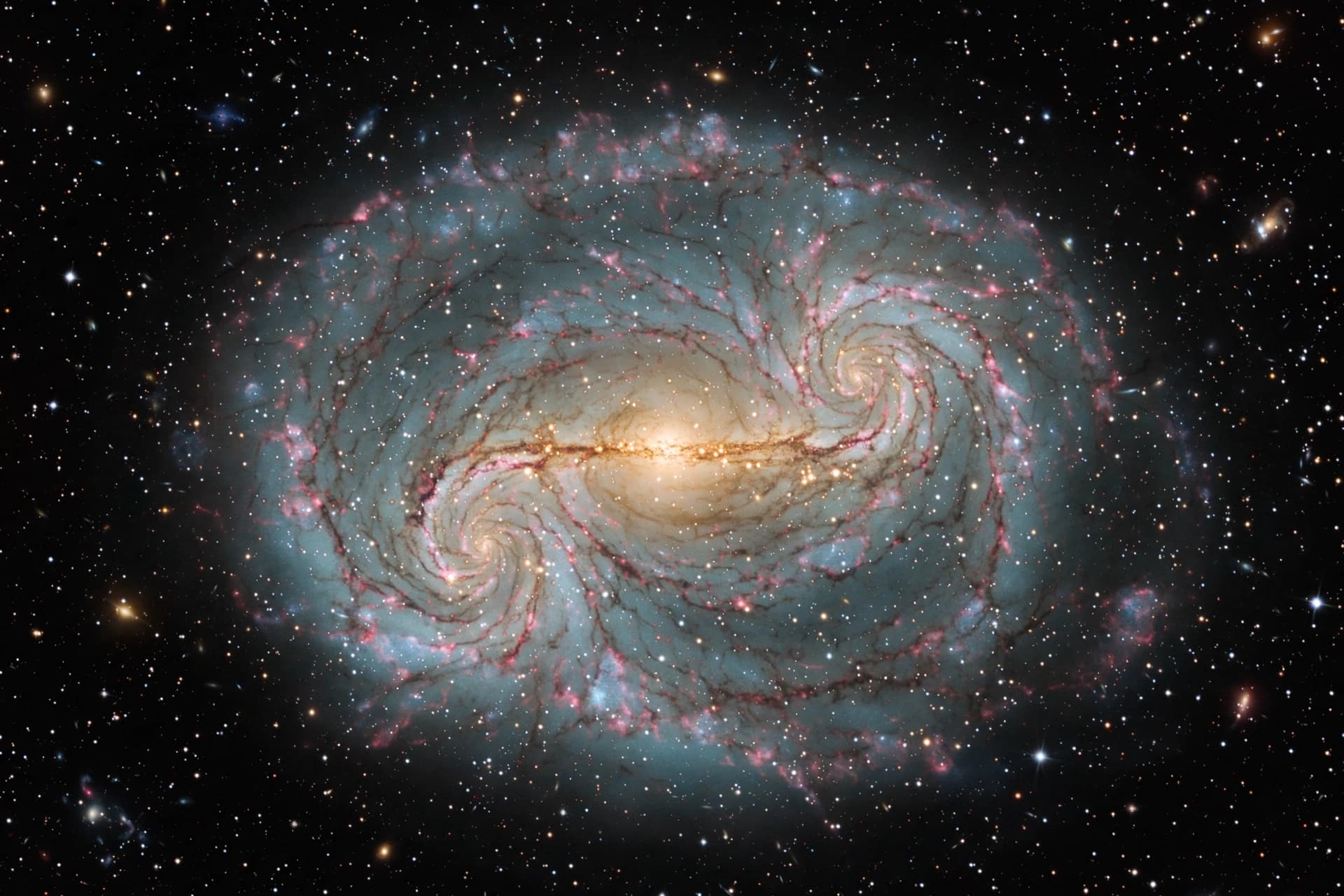
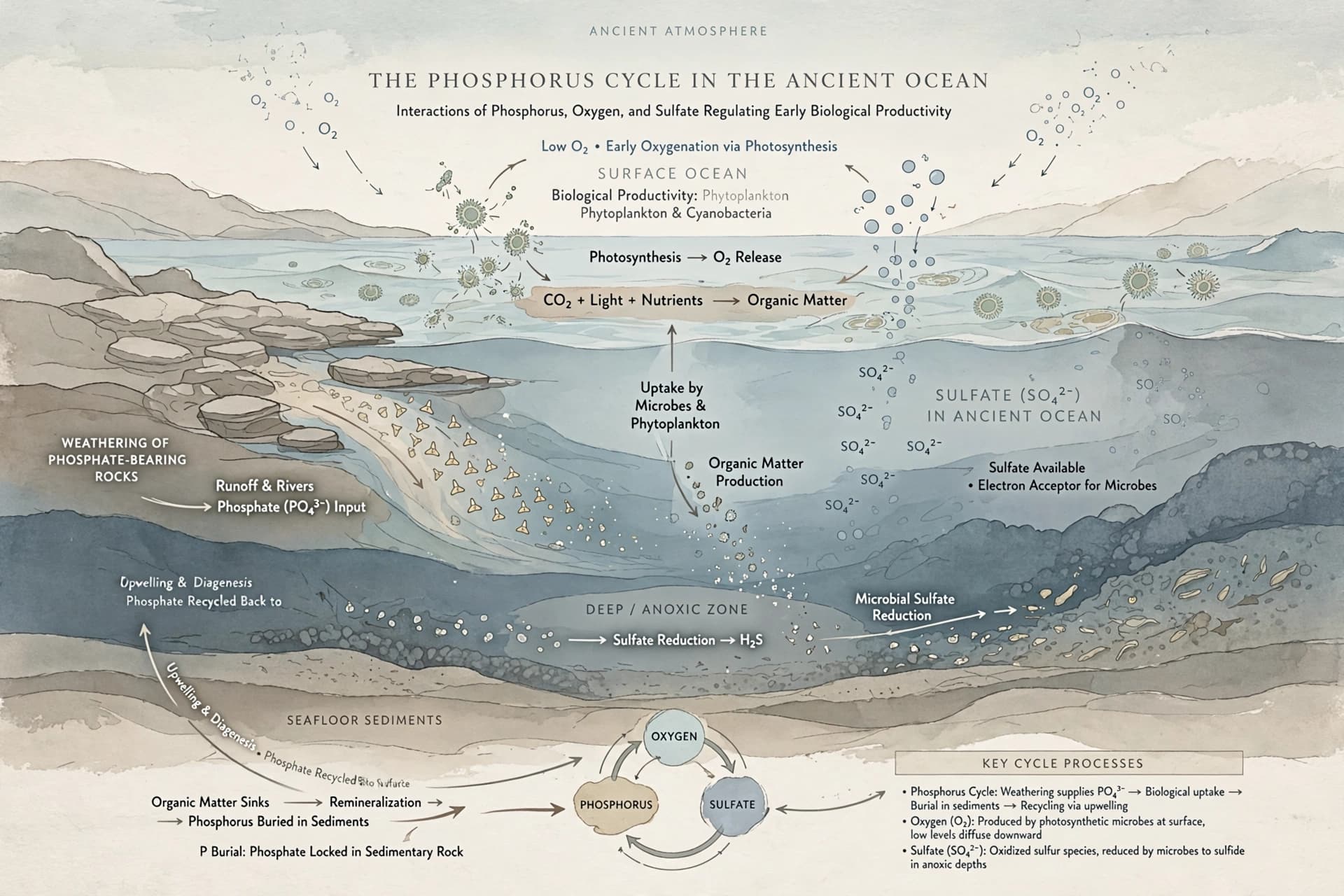
AI Image Disclaimer: The visual elements accompanying this report are AI-generated interpretations designed to reflect the astronomical and cosmological context of the story.
Sources: Nature Phys.org Space.com
Published by Banx Network. This article is part of the Banx decentralized media programme, powered by the BXE token on the XRP Ledger.