In the cold vacuum of space, hardware failures can seem like final verdicts, ending missions prematurely. Yet, sometimes a line of code can breathe new life into a silent satellite. NASA’s Neil Gehrels Swift Observatory, which had been in safe mode due to a gyroscope issue, has been revived thanks to a clever software update. This achievement invites reflection on the resilience of engineering and the power of ingenuity to overcome physical limitations. It is a moment where digital solutions rescue analog realities, extending the reach of human curiosity.
The Swift mission, launched in 2004, has been a cornerstone of high-energy astrophysics, studying gamma-ray bursts and other transient events. When one of its gyroscopes failed, the spacecraft lost its ability to orient itself correctly, halting scientific operations. Failure stops motion. Code restores direction.
Engineers devised a workaround using the remaining functional gyroscopes and star trackers, rewriting the attitude control software to compensate for the missing sensor. This fix required precise calculations and rigorous testing to ensure stability. Innovation solves problems. Precision ensures safety.
The successful implementation of the software patch has returned Swift to full operational status, allowing it to resume its vital observations of the dynamic universe. For scientists, this means the continuation of a decades-long data stream that has reshaped our understanding of cosmic explosions. Data flows again. Science continues.
This incident highlights the importance of flexibility in spacecraft design and the skill of ground teams in troubleshooting complex issues. It serves as a testament to the enduring value of well-built instruments and the creativity of those who operate them. Skill saves missions. Design allows repair.
As Swift looks to the skies once more, it reminds us that even in the harsh environment of space, there is room for adaptation and recovery. The mission’s extended life promises more discoveries and insights into the high-energy universe. Hope persists in code. Discovery awaits.
NASA successfully restored the Swift Observatory to full operation using a software fix to compensate for a failed gyroscope. The update allows the mission to continue its study of gamma-ray bursts and other high-energy phenomena. The hope is for sustained performance and further scientific breakthroughs.
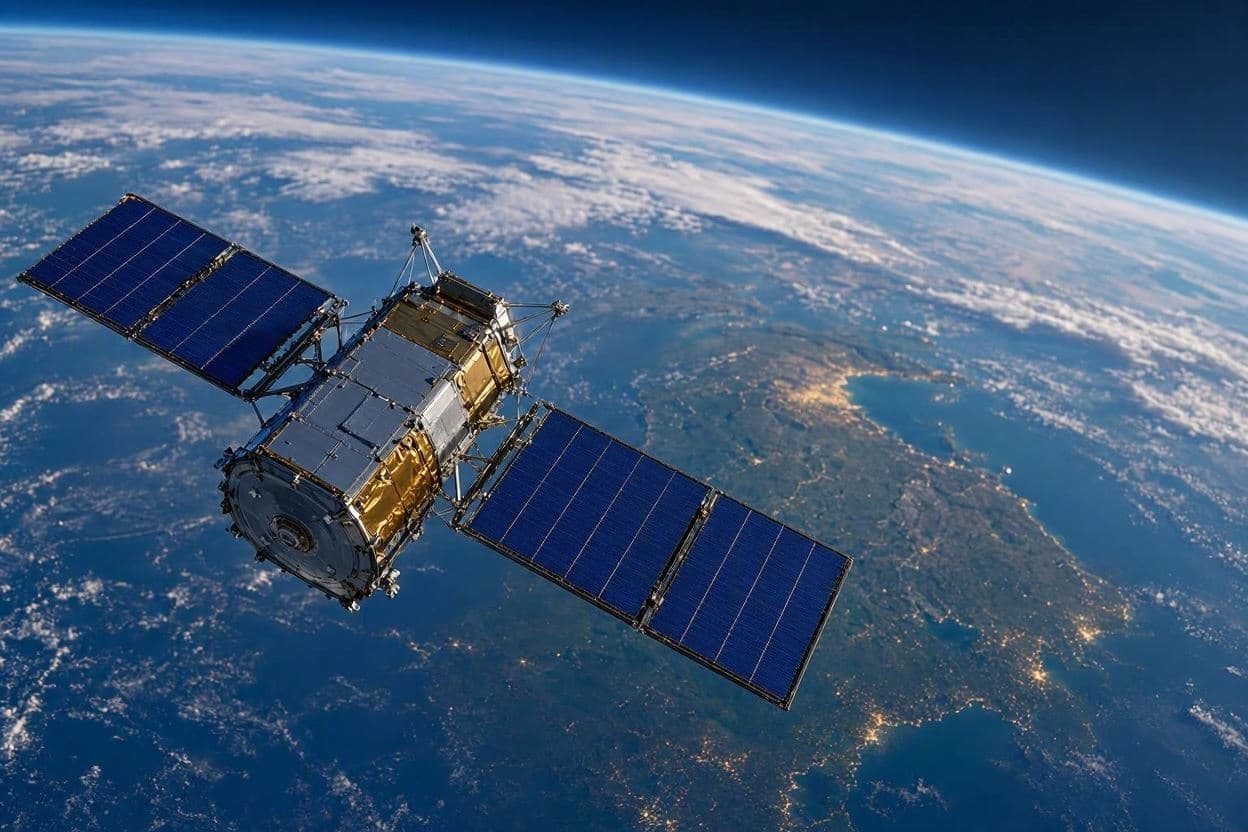
AI Image Disclaimer: Visuals associated with this article are AI-generated to illustrate the themes of space technology and software engineering.
Sources: NASA Goddard Space Flight Center Space.com Phys.org
Published by Banx Network. This article is part of the Banx decentralized media programme, powered by the BXE token on the XRP Ledger.