SCIENCE86% credibility
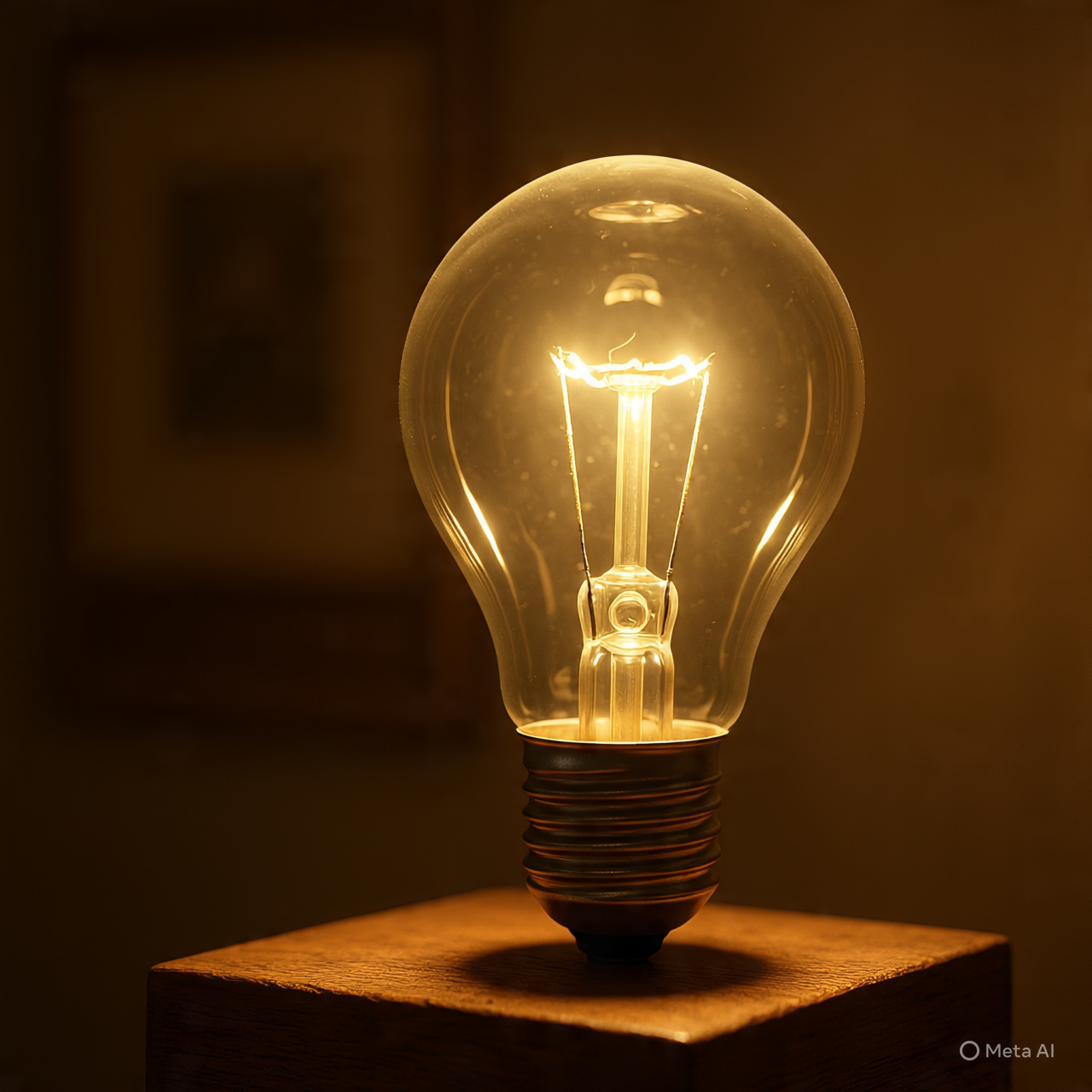
Did Thomas Edison Accidentally Create Graphene in 1879?
Exploring whether Thomas Edison inadvertently created graphene in 1879, this article delves into the nature of scientific discovery and innovation.
2 min read

Exploring whether Thomas Edison inadvertently created graphene in 1879, this article delves into the nature of scientific discovery and innovation.
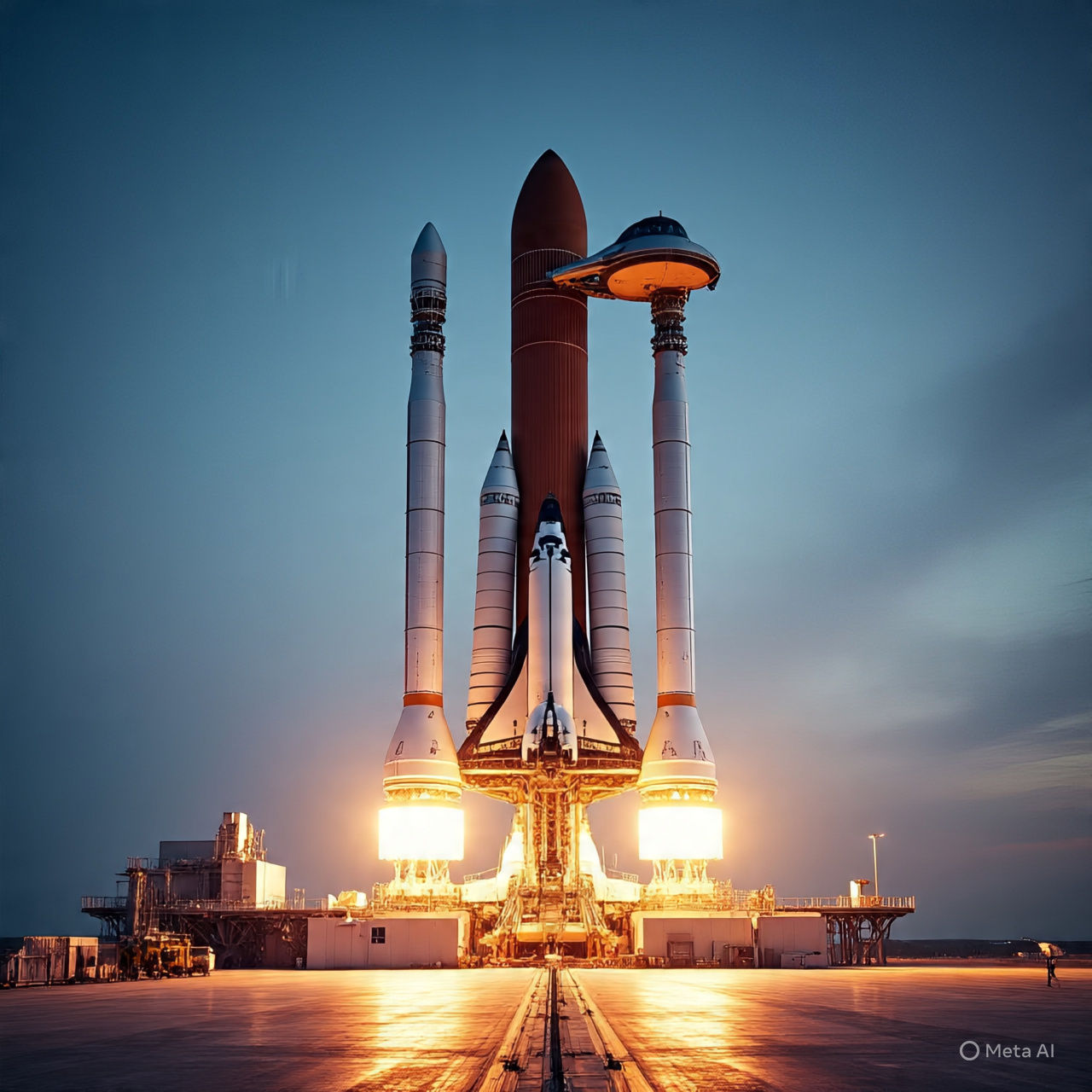
NASA prepares for Artemis II, a mission to send astronauts around the Moon, balancing the legacy of Apollo with modern risks and challenges in space exploration.
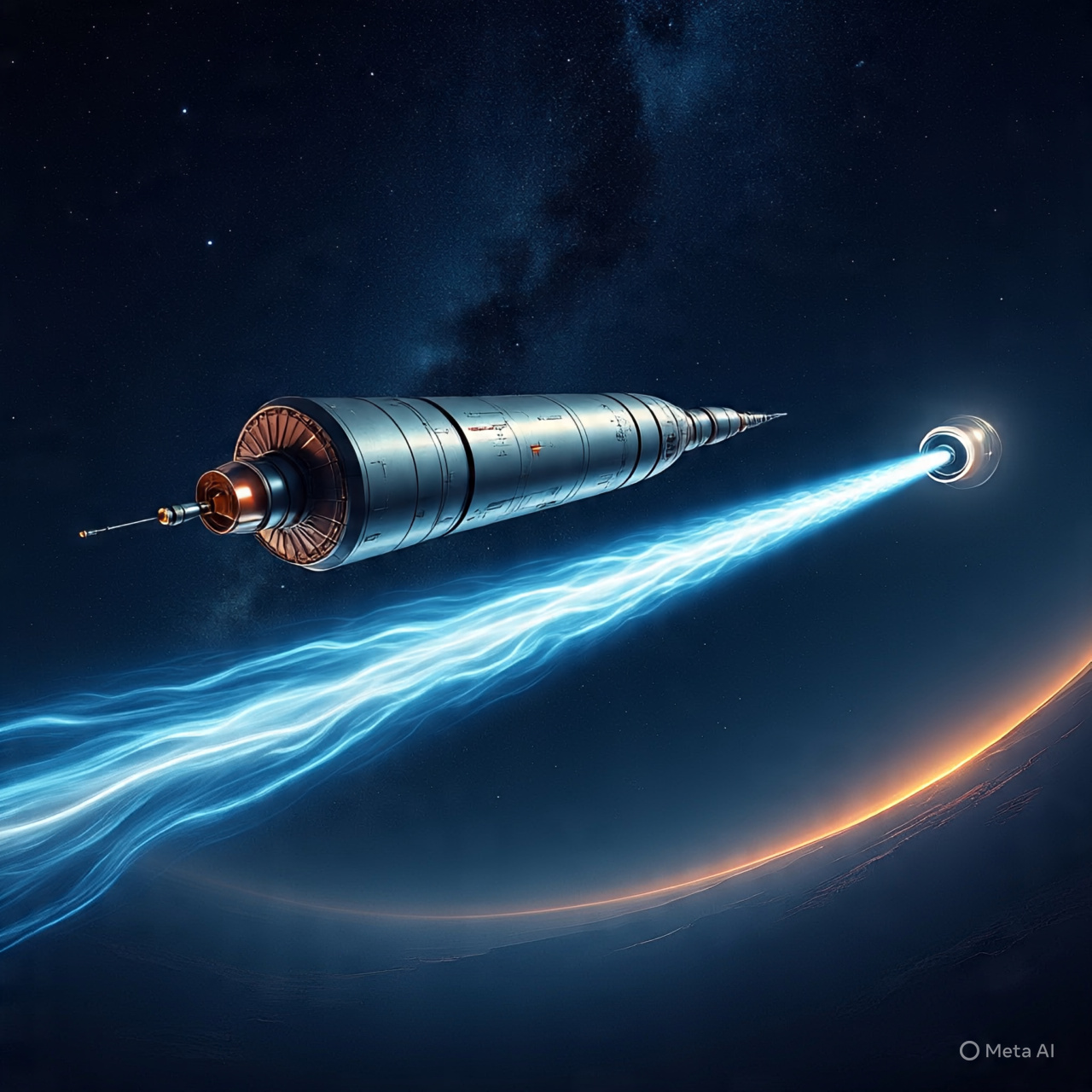
Explore the potential of plasma engines in revolutionizing space travel to Mars, promising faster journeys and new challenges in propulsion technology.
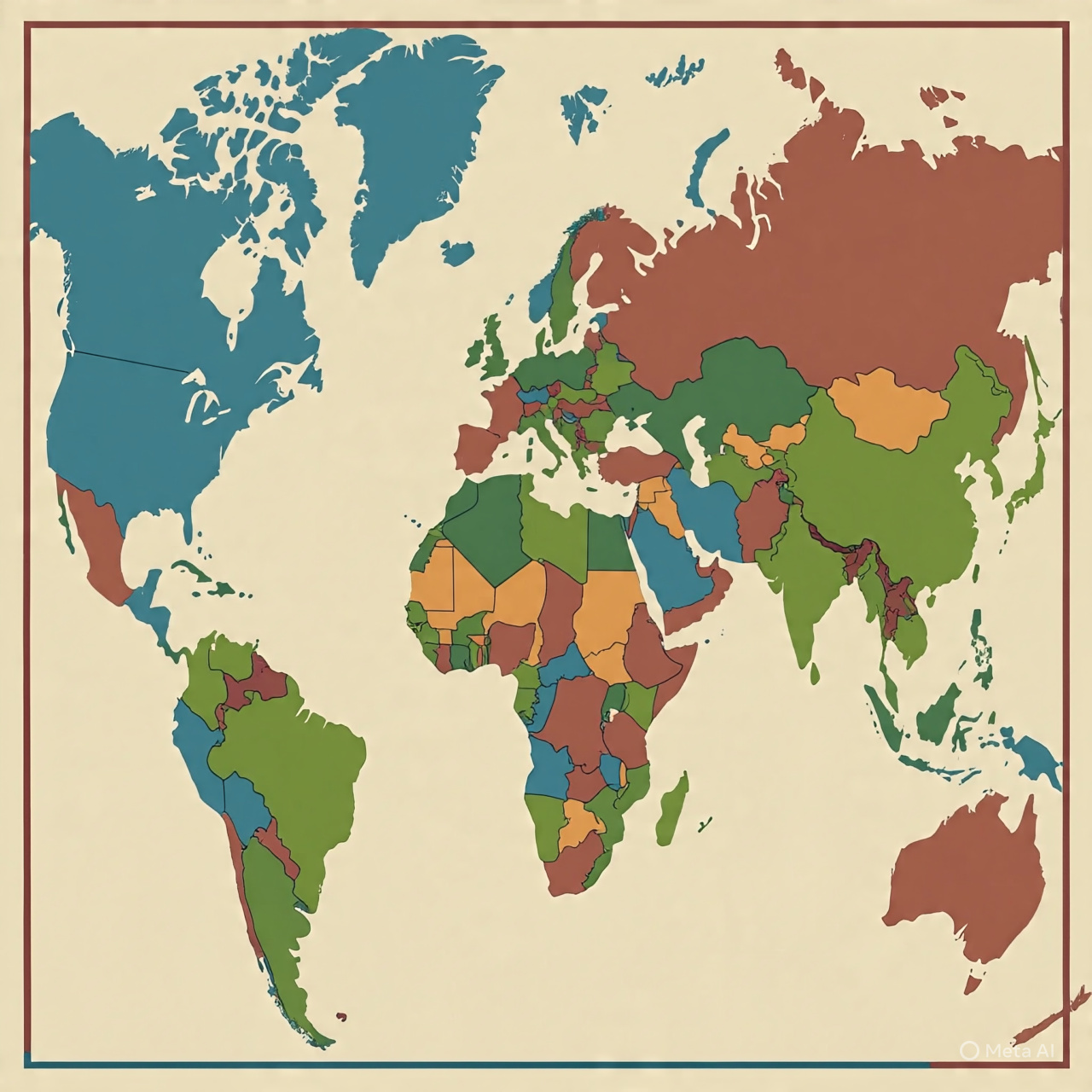
Explore how the ancient Tethys Ocean influenced Asia's geology, shaping mountains and landscapes through tectonic forces over millions of years.
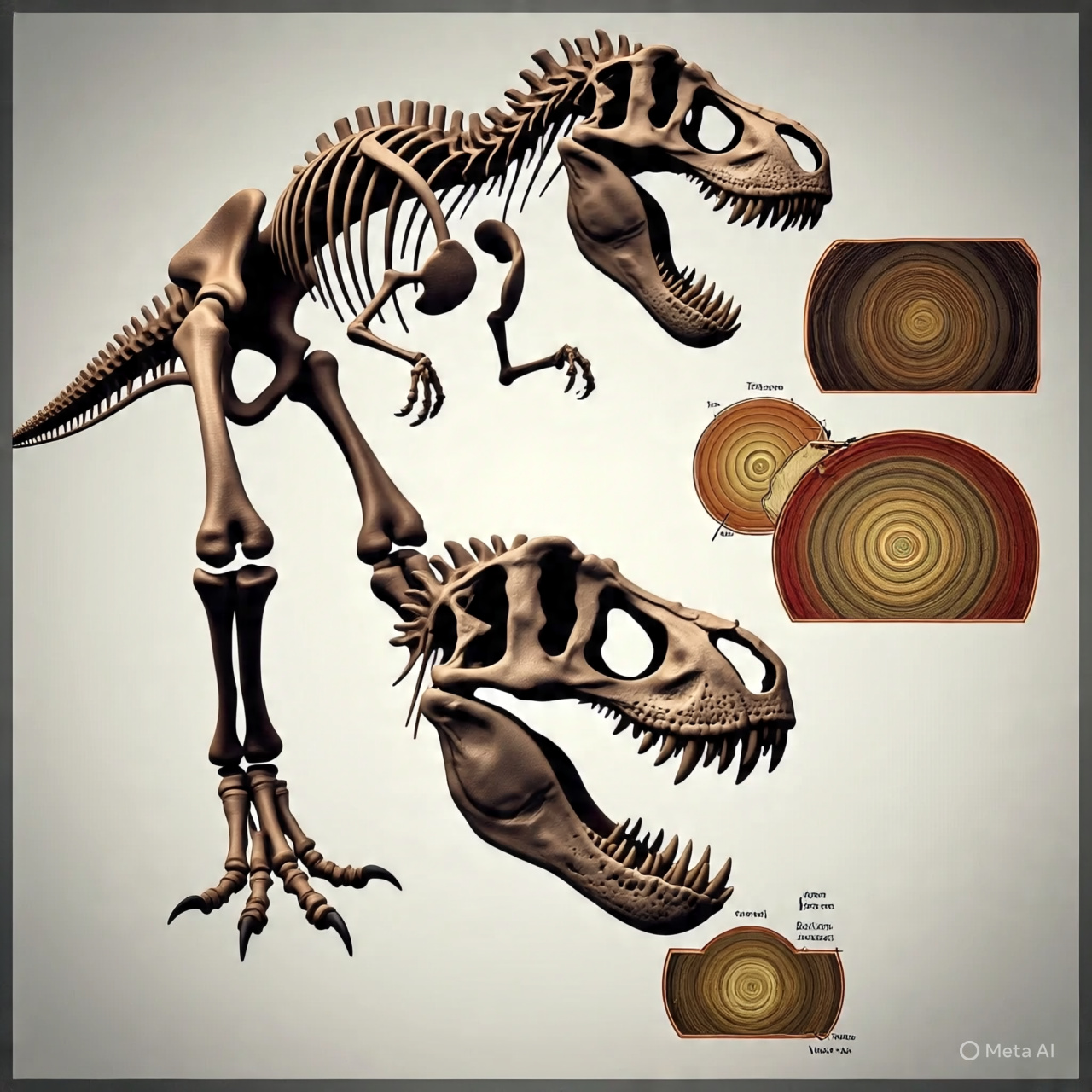
A new study reveals that T. rex continued to grow into its late 30s, challenging previous beliefs about its life history and growth patterns.
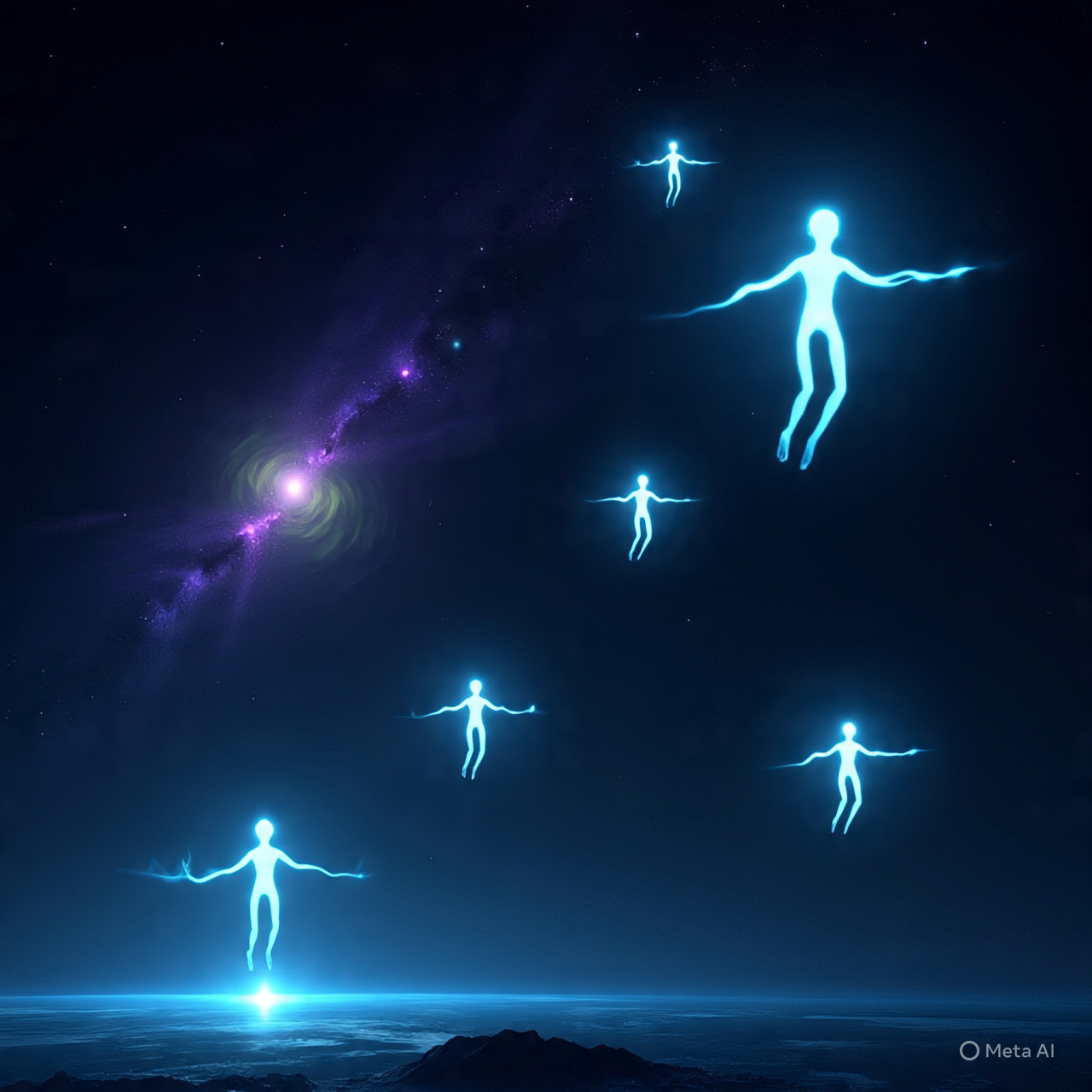
A newly detected energetic neutrino may hint at primordial black holes, ancient cosmic relics that could explain dark matter and the universe's early history.
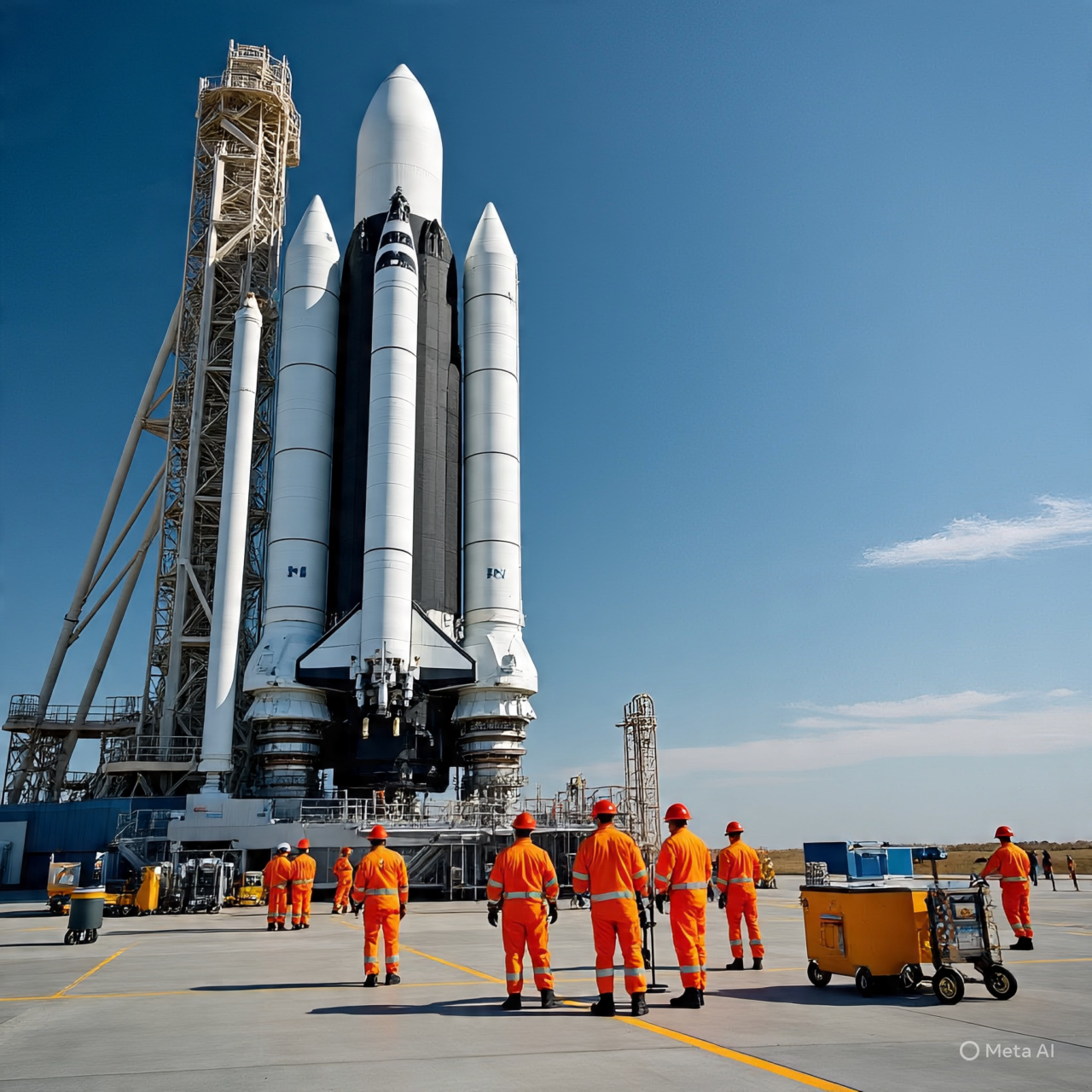
NASA's Artemis 2 mission gears up for its 2026 launch, with the SLS rocket on the pad and critical pre-launch tests underway for crewed lunar flight.
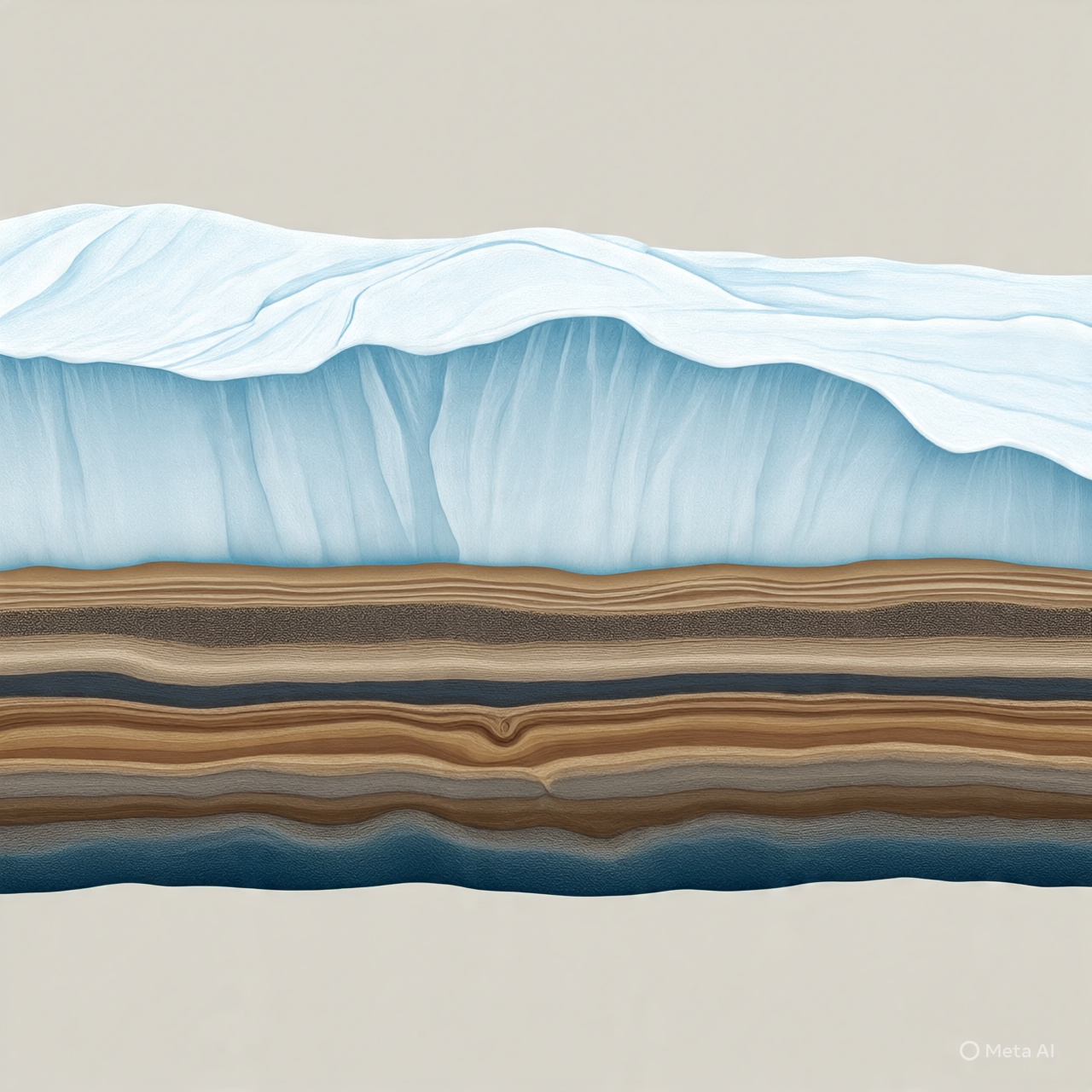
A groundbreaking discovery reveals a 34-million-year-old ecosystem beneath Antarctica's ice, shedding light on Earth's climatic history and ancient vegetation.
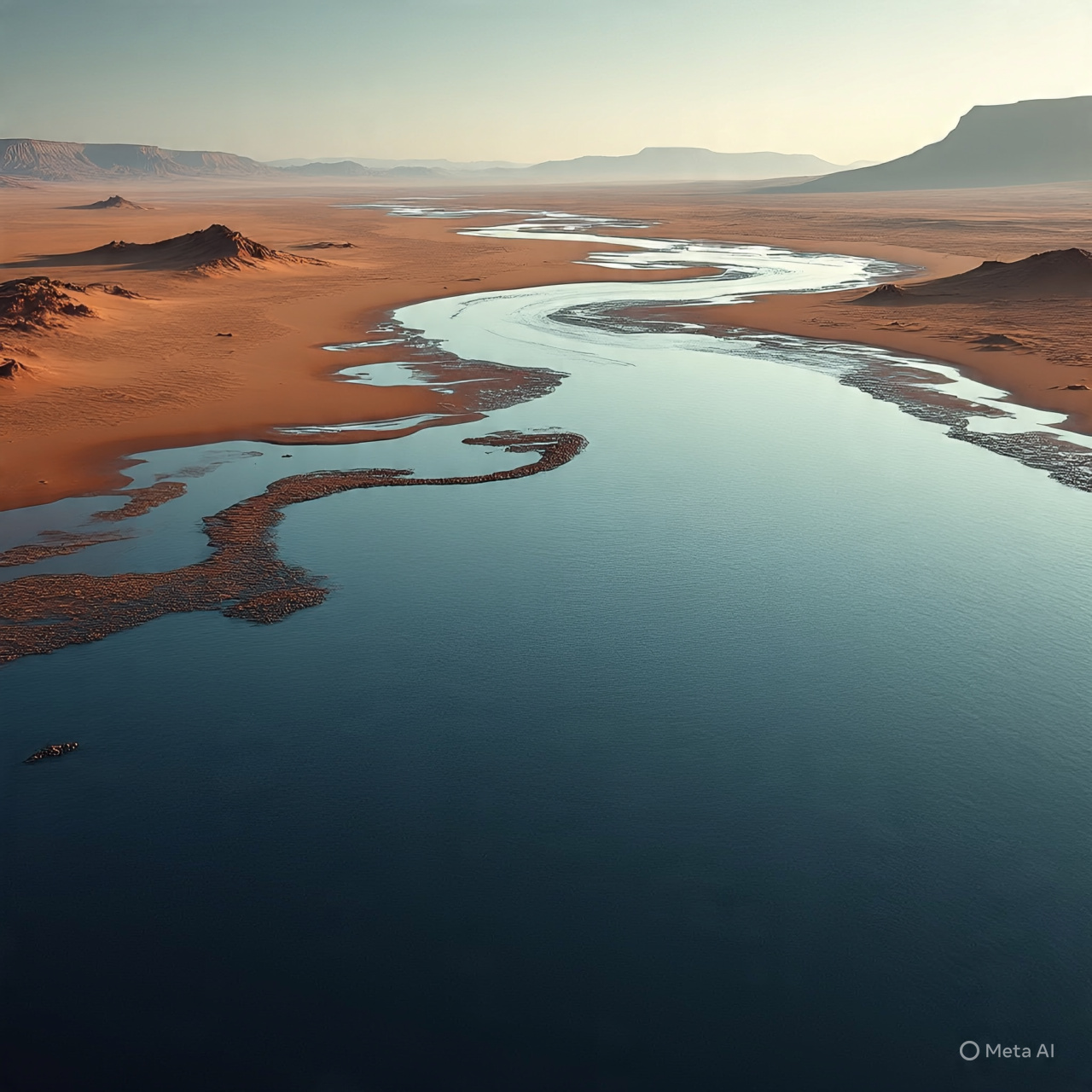
Scientists have found evidence of a vast ancient ocean on Mars, reshaping our understanding of the planet's past and its potential for habitability.
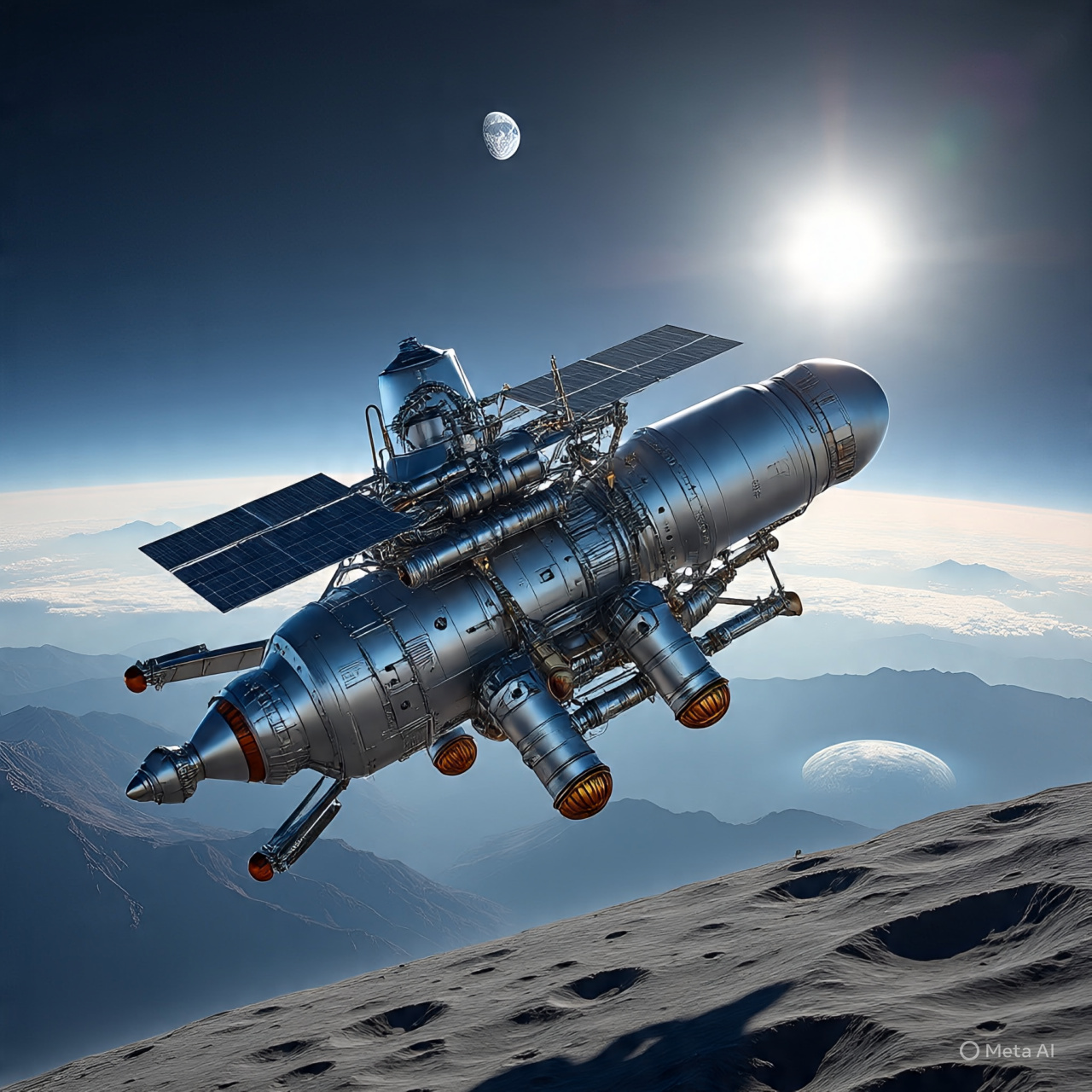
NASA's Artemis mission marks a pivotal return to lunar exploration, with astronauts set to orbit the moon for the first time in 50 years, redefining our relationship with space.
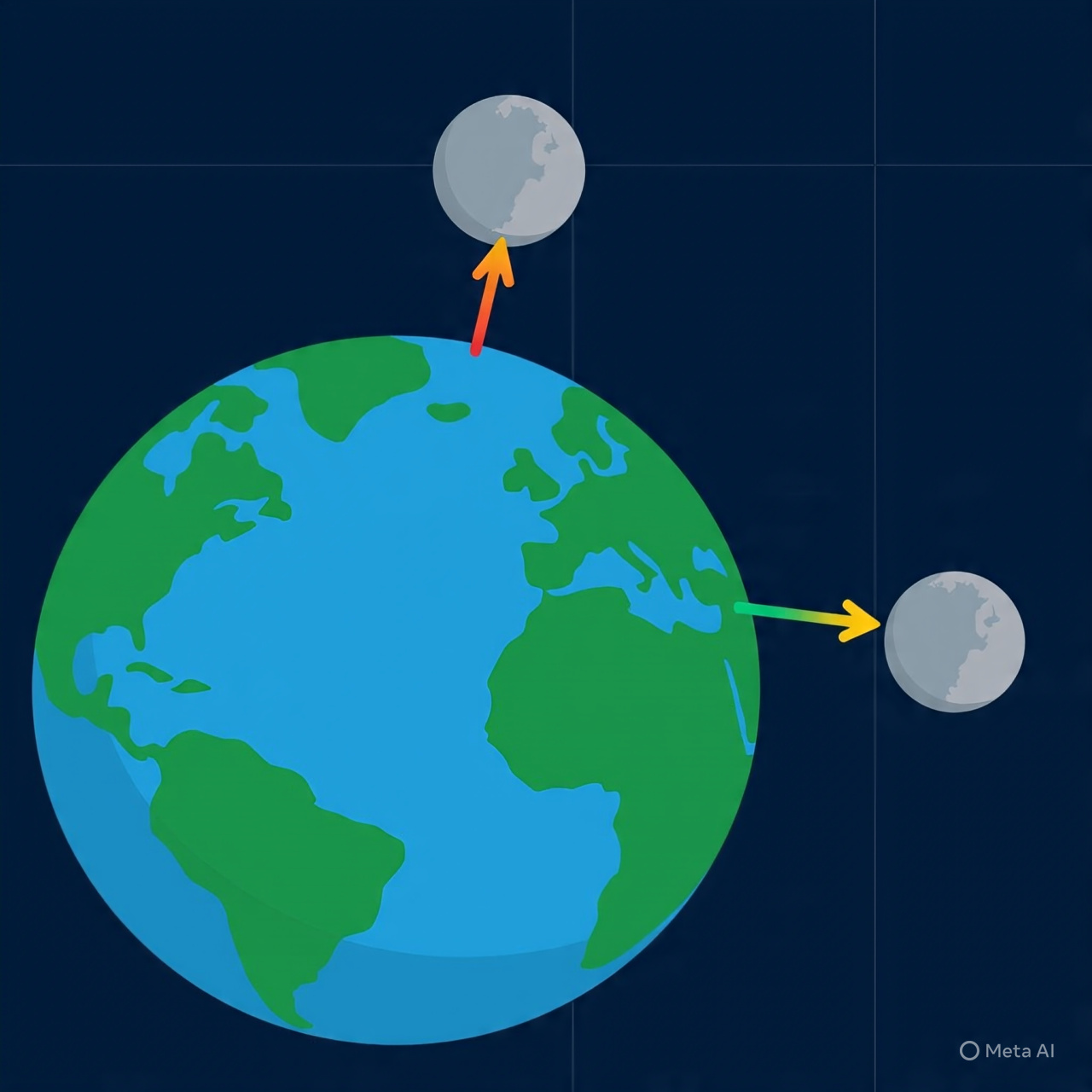
NASA's new analysis of lunar soil suggests that meteorites contributed less to Earth's water than previously thought, reshaping theories on water's origins.
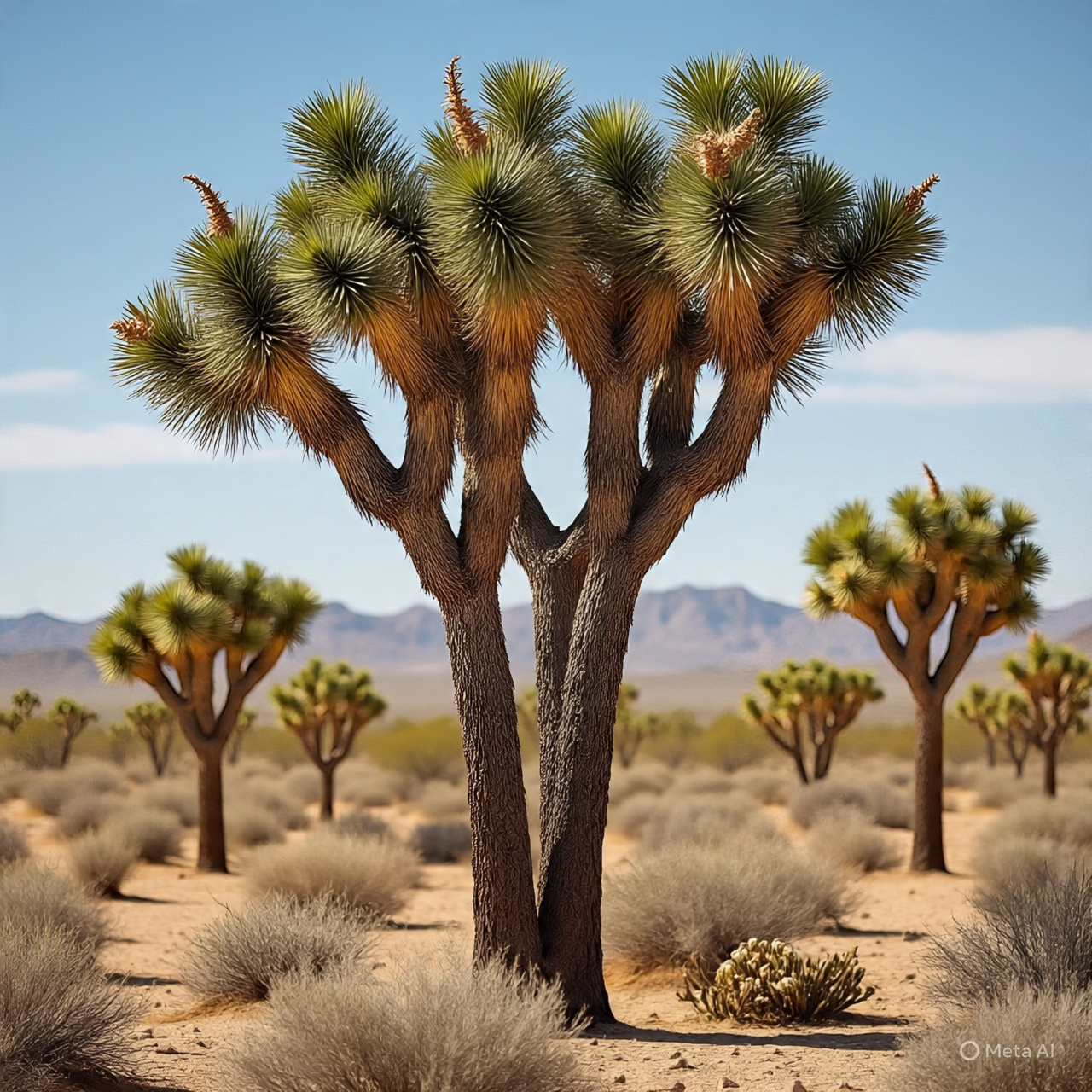
Joshua trees are blooming earlier than usual in the Mojave Desert, signaling climate change impacts that threaten their reproductive success and ecosystem balance.
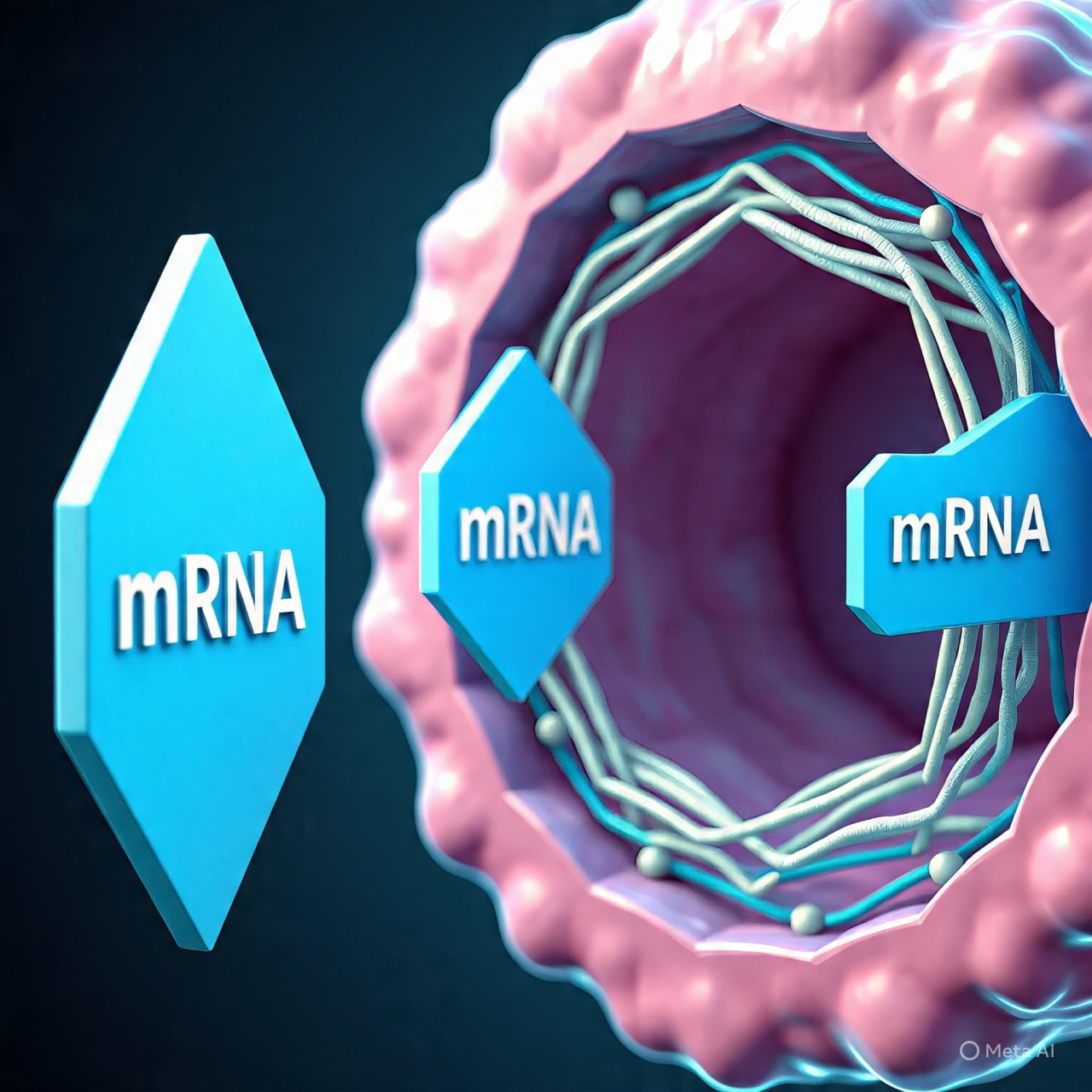
Researchers at MIT and Harvard have engineered cellular vaults to preserve mRNA, creating a TimeVault that chronicles genetic activity over time.
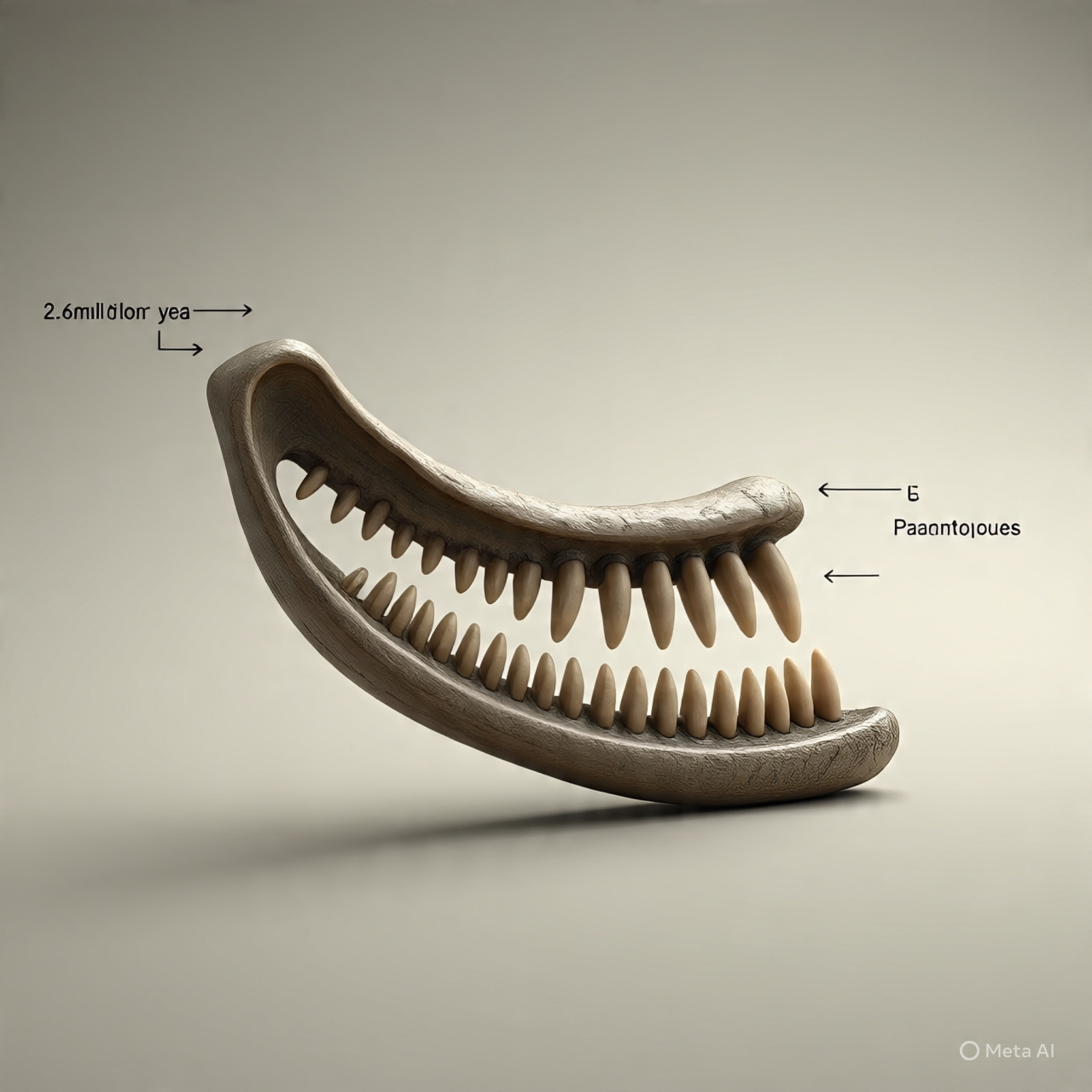
A newly discovered 2.6-million-year-old Paranthropus jawbone in Ethiopia reshapes our understanding of early hominin adaptability and geographic range.
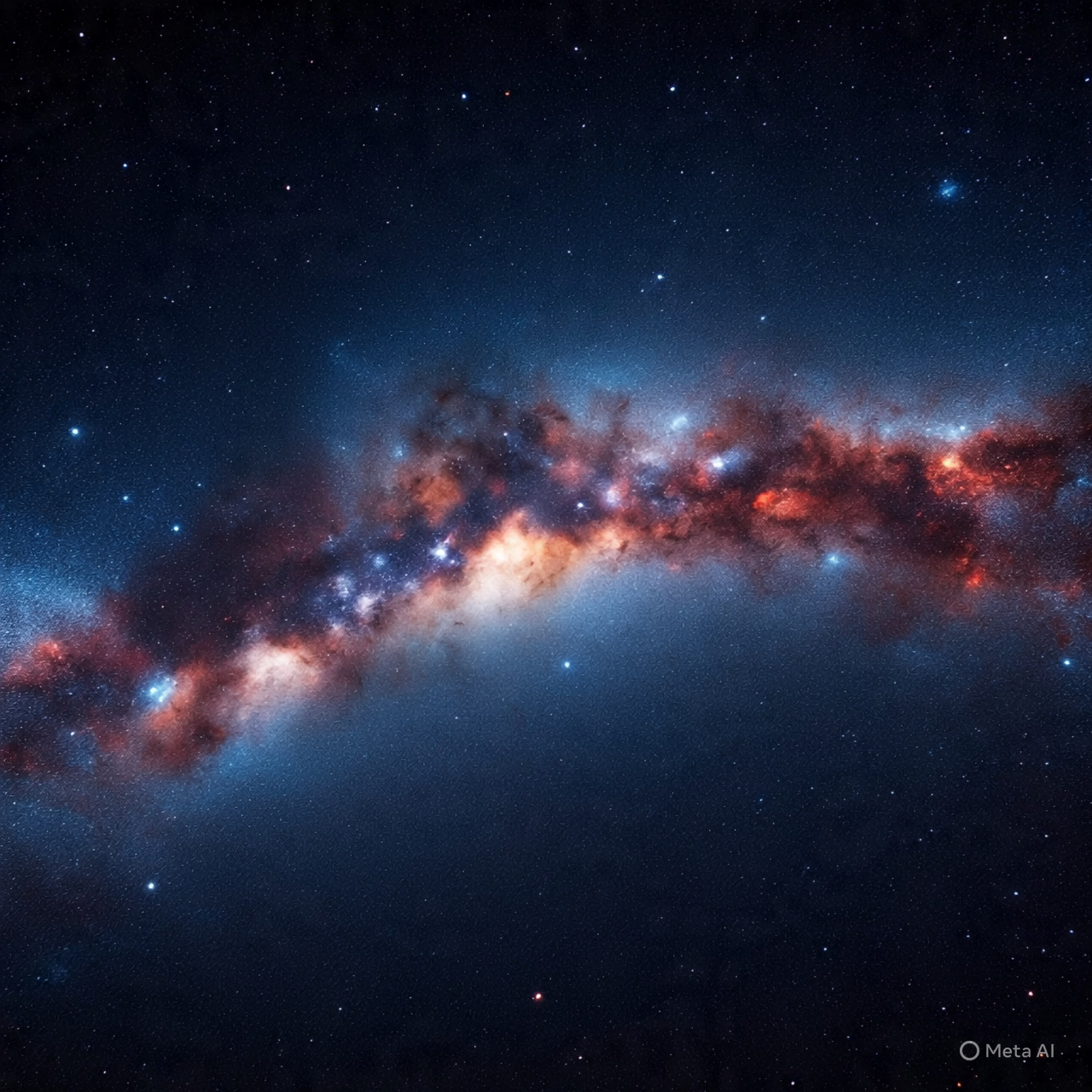
Astronomers unveil a groundbreaking radio image of the Milky Way, revealing hidden structures and stories of stellar life in unprecedented detail.
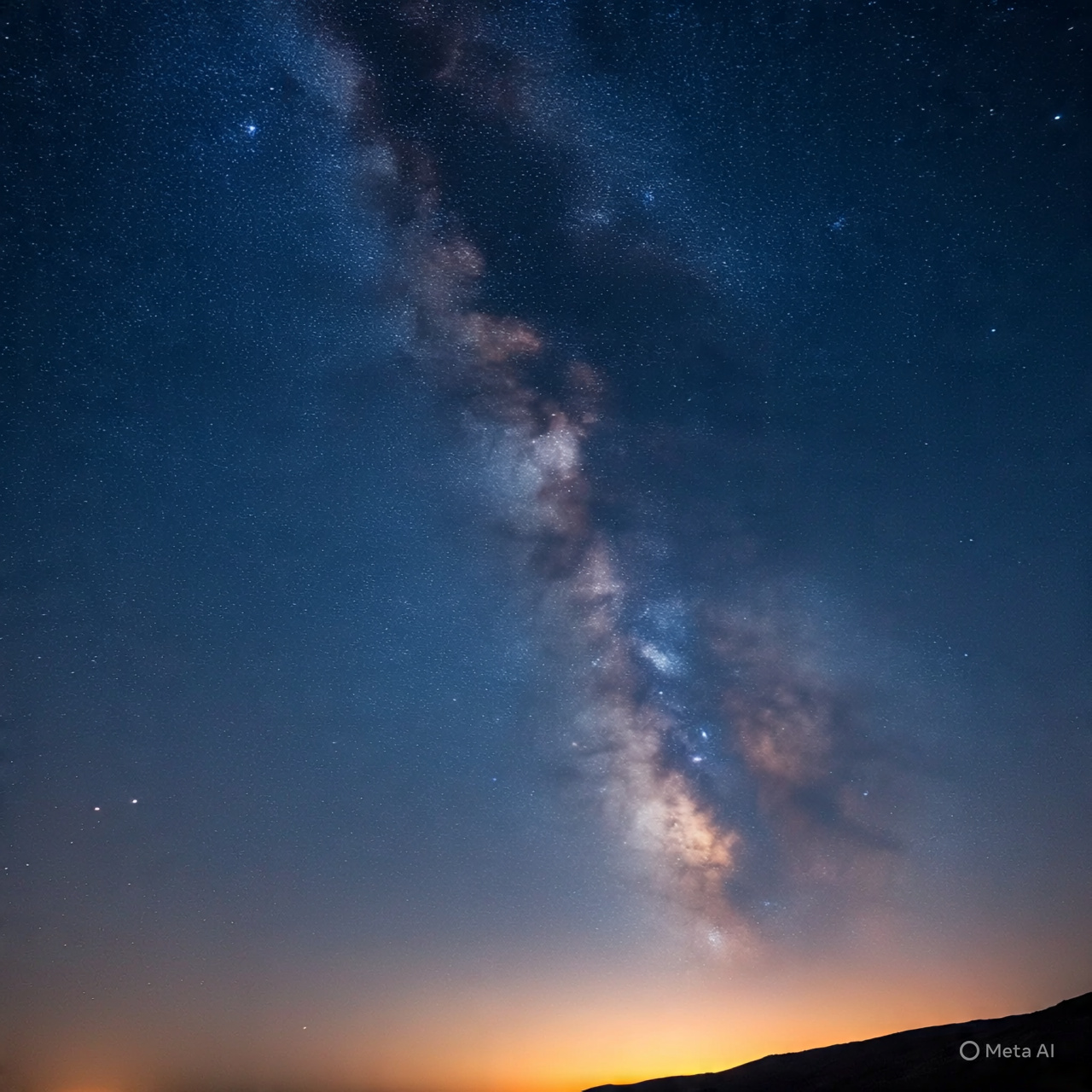
On January 24, Asteroid 16 Psyche shifts from retrograde to eastward motion in Taurus, inviting skywatchers to observe this subtle celestial dance.

Explore how troponin and NT-proBNP serve as vital biomarkers in predicting outcomes for critically ill patients, enhancing clinical decision-making.
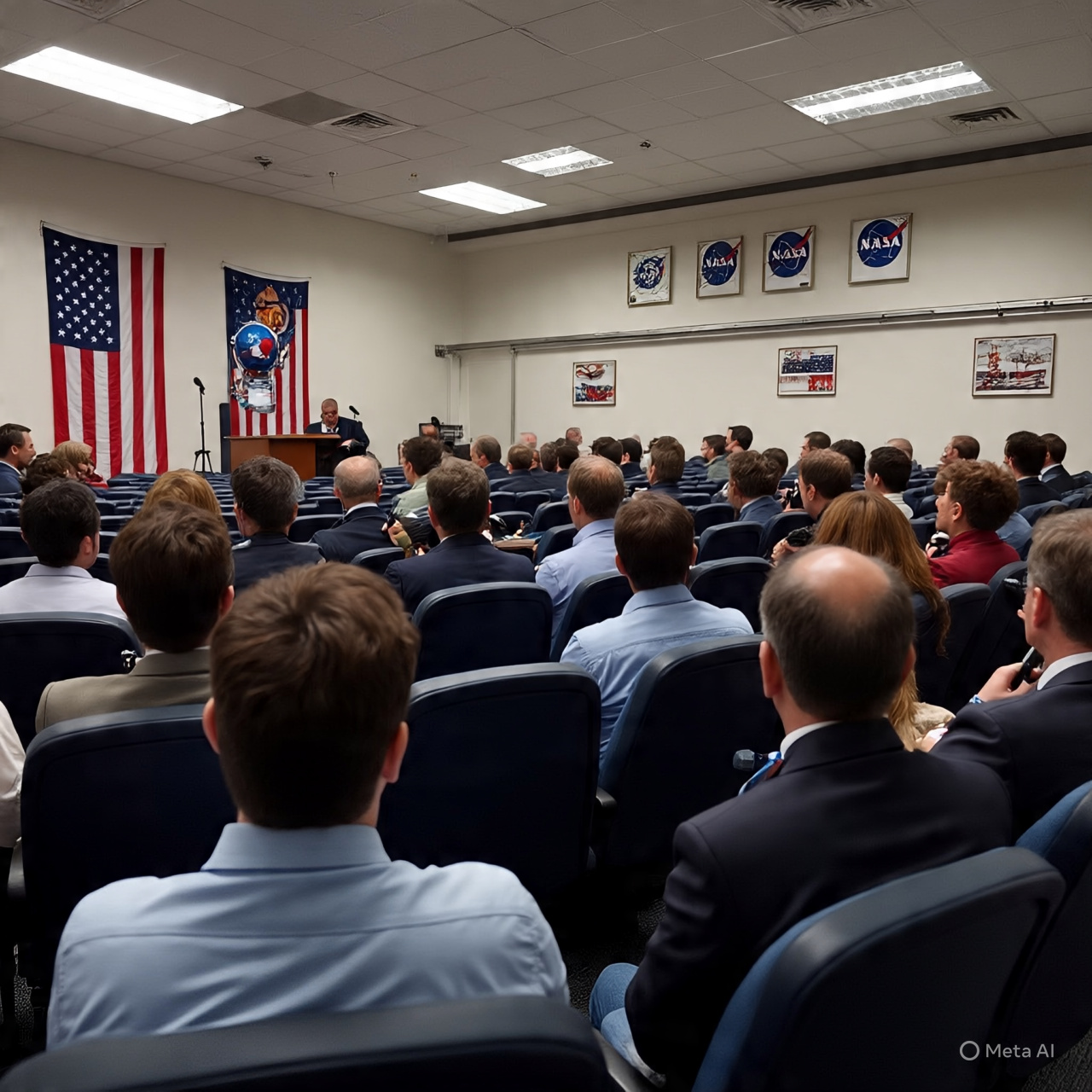
NASA's upcoming briefings for the Crew-12 mission highlight international collaboration and the journey to the International Space Station.
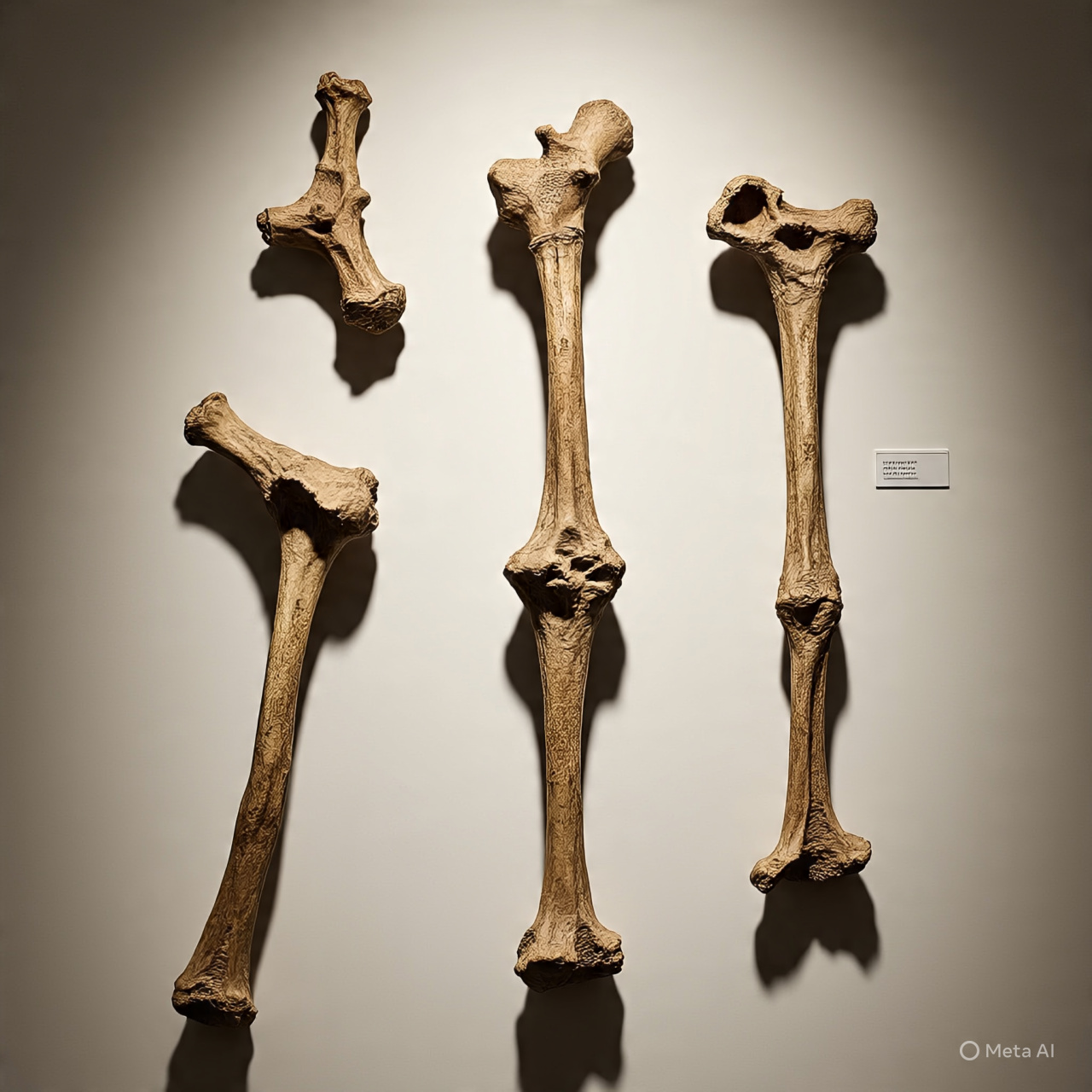
A new study uncovers how ancient kangaroos adapted their hopping abilities, challenging previous assumptions about their size and movement in the Pleistocene epoch.
New research challenges myths about the Greenland shark, revealing its longevity, sensory capabilities, and ecological significance in ocean ecosystems.
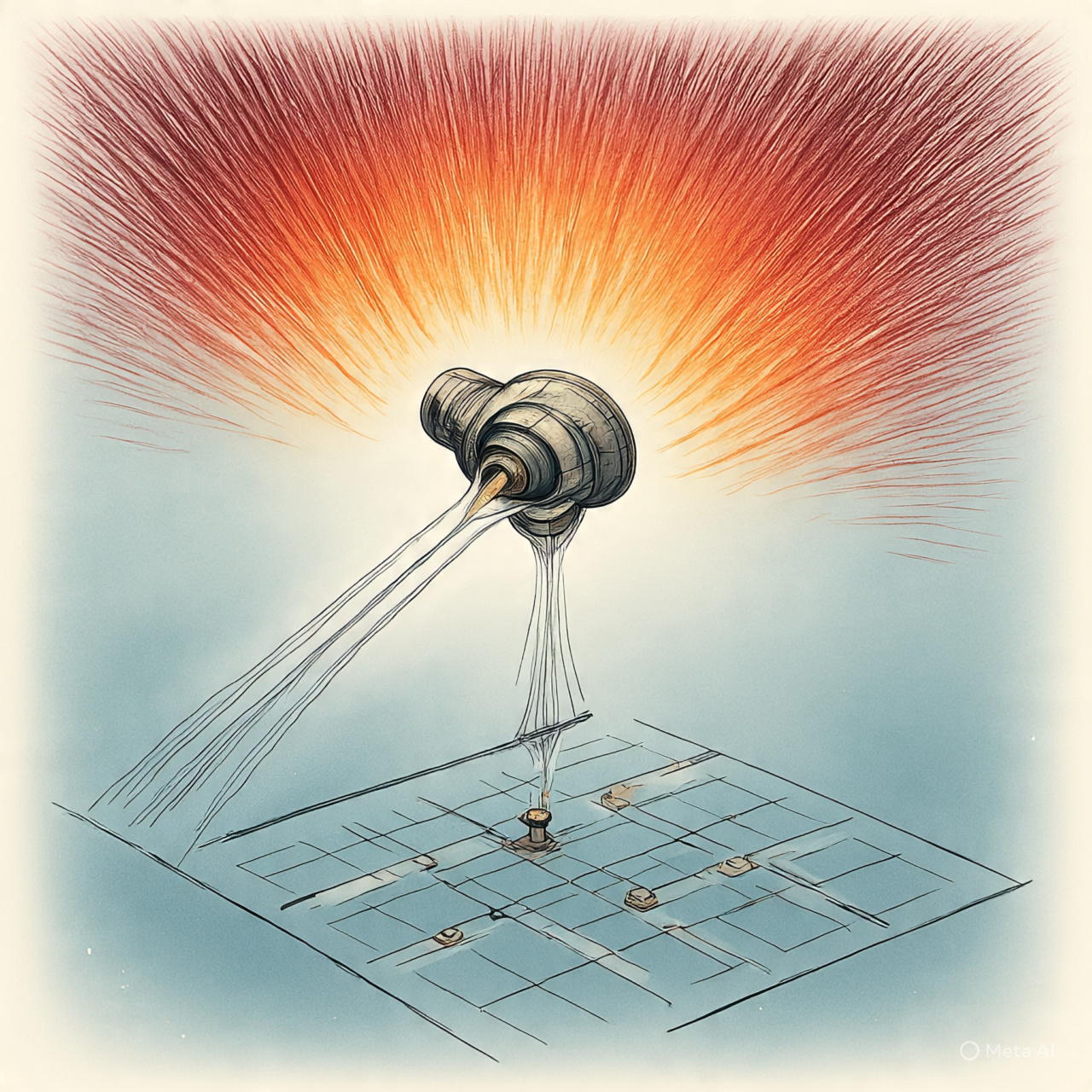
Recent research shows how earthquake sensors can detect sonic booms from space debris, enhancing tracking methods and safety during uncontrolled reentries.
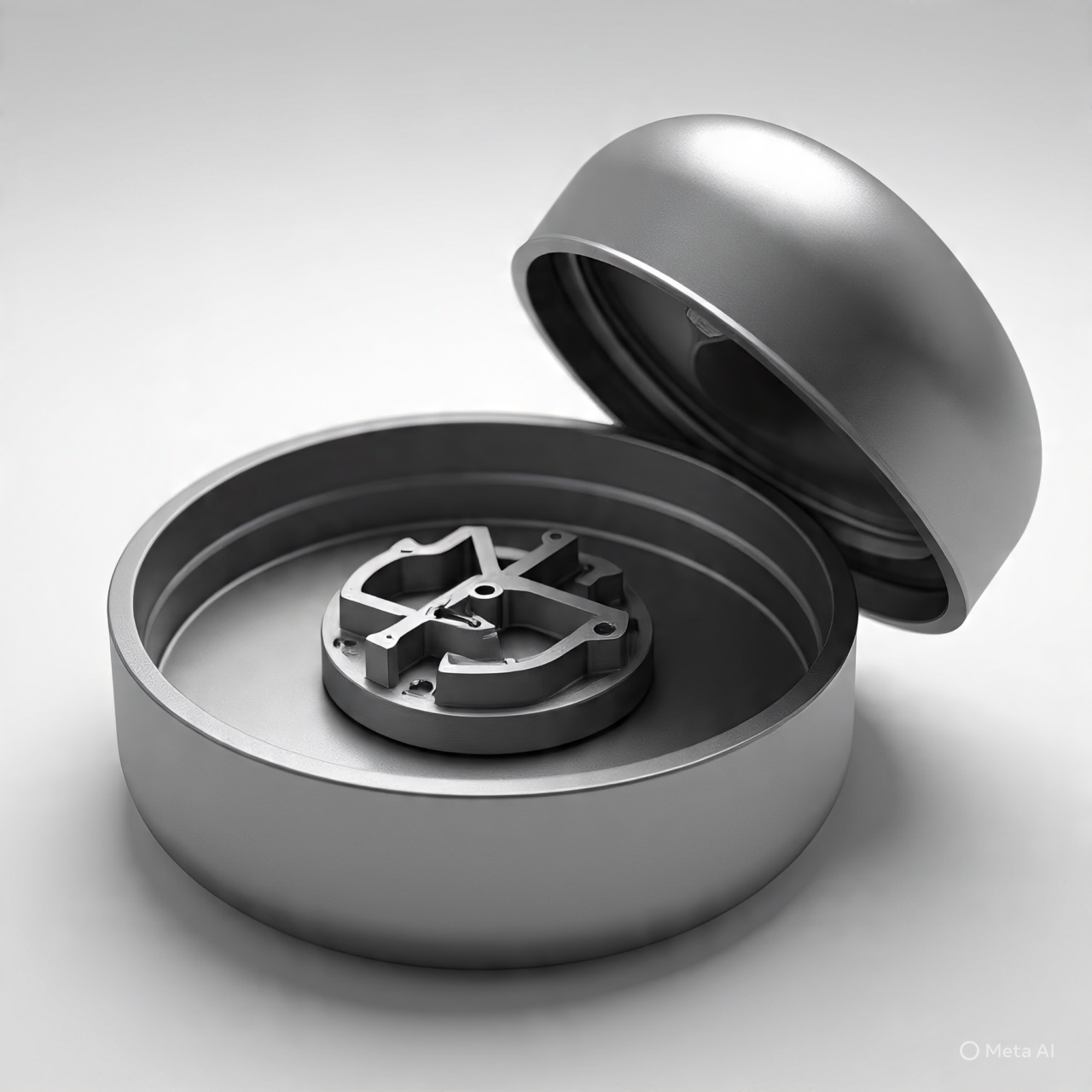
Researchers at the University of Nottingham use 3D printing to create textured surfaces that enhance quantum sensors, improving particle control and measurement accuracy.
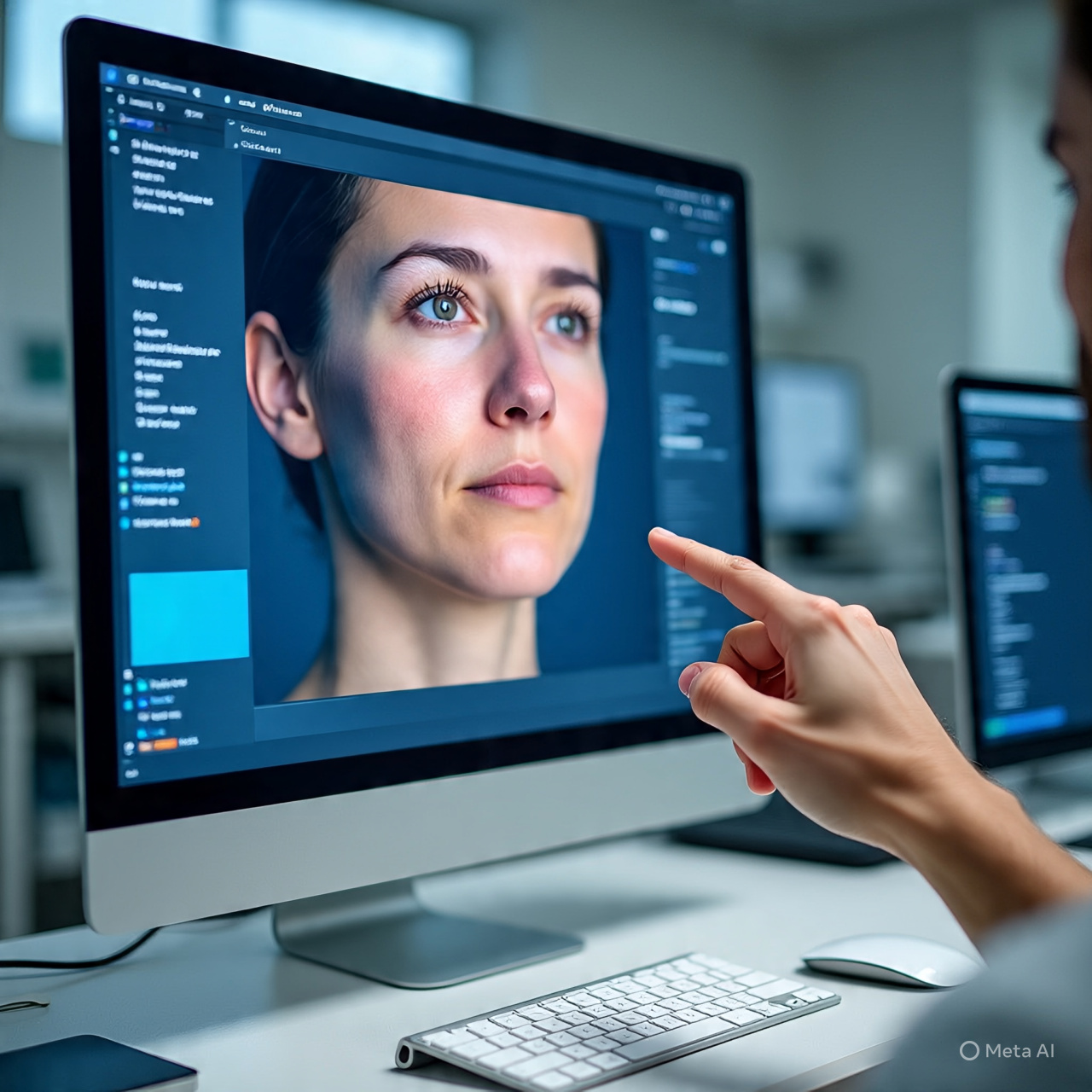
A new study reveals how video technology can monitor heart and breath rhythms without physical contact, enhancing comfort in health assessments.
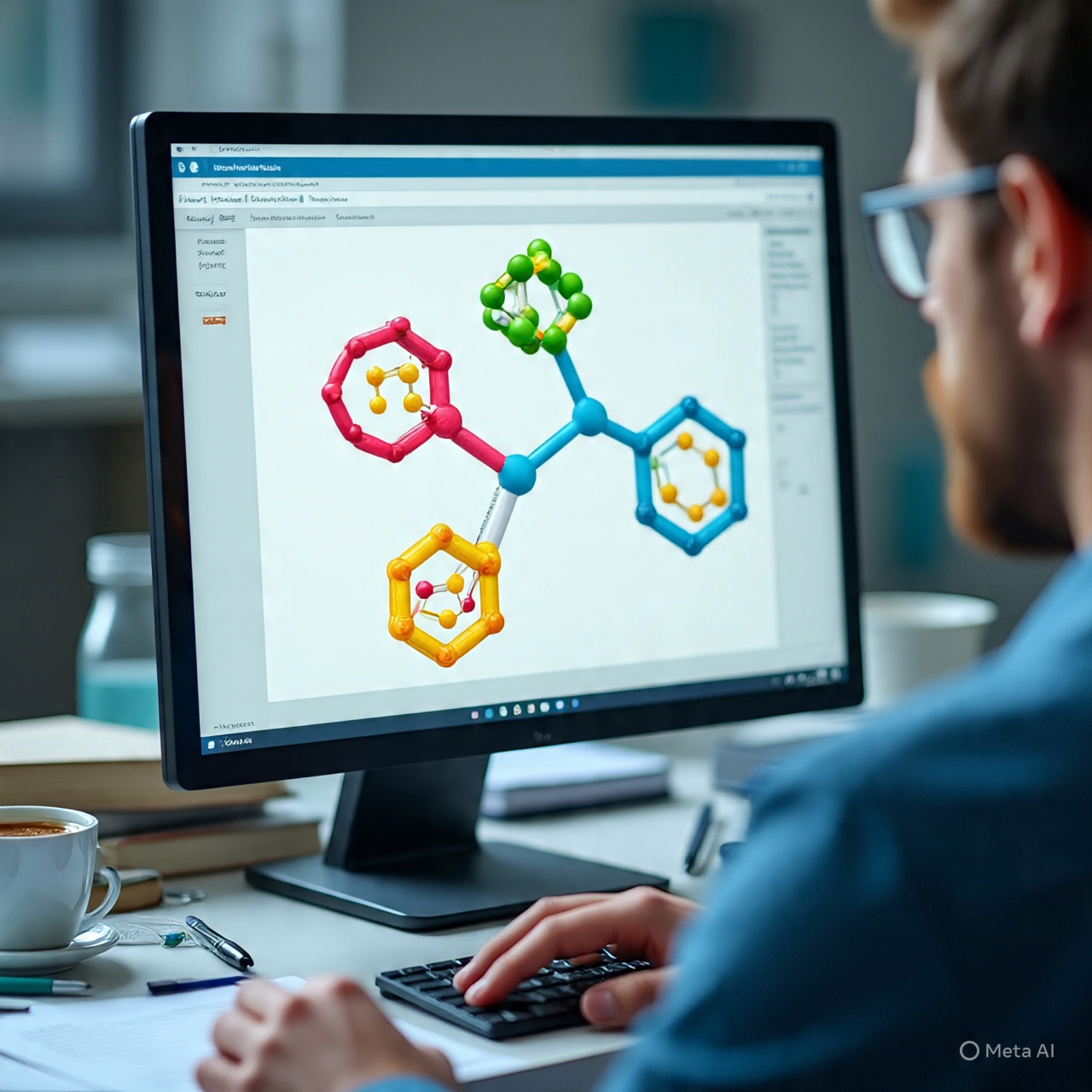
Discover how AI is transforming enzyme design, enhancing efficiency and specificity in biotechnology, with implications for medicine and sustainability.