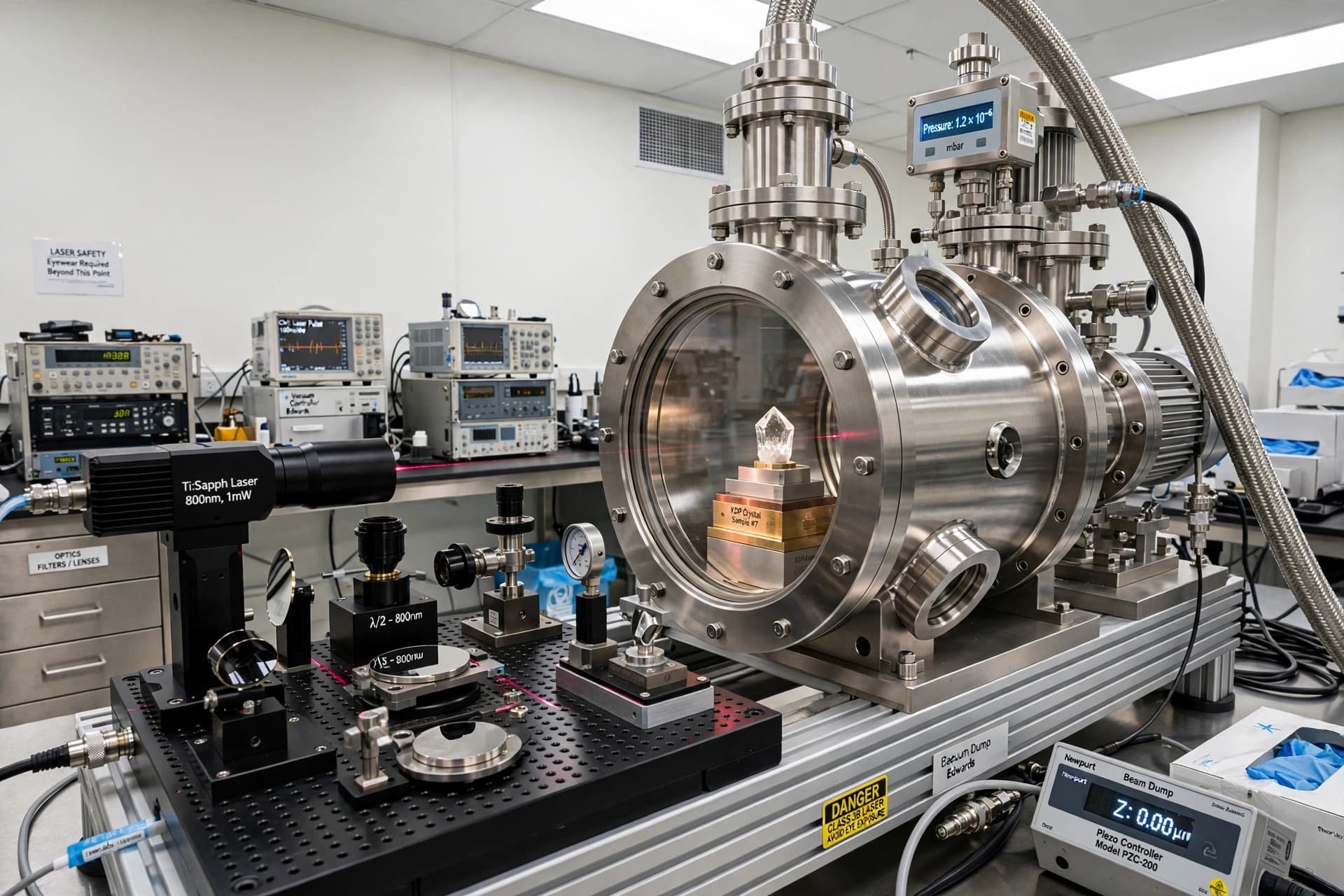
In 1879, Thomas Edison was searching for light.
Not metaphorical light, but the literal glow that might push back darkness in homes and streets. His laboratory was crowded with filaments—carbonized cotton, bamboo, paper—each tested, scorched, discarded. Most failed quietly. Some endured just long enough to matter. One of them, preserved in notebooks and fragments, now invites a question that Edison himself never asked.
Did Edison accidentally make graphene?
Graphene, as modern science defines it, is a single layer of carbon atoms arranged in a hexagonal lattice—thin enough to be nearly invisible, strong enough to challenge steel, conductive in ways that seem almost theoretical. It was formally isolated in 2004, an achievement that earned a Nobel Prize and rewrote expectations about materials. Yet carbon, heated and shaped by human hands, has been with us far longer.
Edison’s filaments were carbonized under carefully controlled conditions. Heated in low-oxygen environments, organic materials transformed into thin carbon structures. Some surviving samples, studied more than a century later, show regions of graphitic carbon—flat, layered arrangements that resemble the building blocks of graphene itself.
But resemblance is not identity.
Graphene is defined not just by carbon’s presence, but by precision: a single atomic layer, isolated, measurable, repeatable. Edison was not aiming for atomic perfection. He worked by trial, intuition, and relentless iteration, pushing materials until they either glowed or failed. If graphene emerged in those filaments, it did so briefly, unevenly, and unnoticed—an accident without a name.
That distinction matters. Discovery is not only about creation, but recognition. Graphene required microscopes that could see atoms, theories that could explain electron behavior, and questions that had not yet been formed in the nineteenth century. Without those, even a miracle can pass through history as debris.
Still, the idea lingers because it reminds us how often science moves forward in overlapping shadows. Innovation does not always arrive cleanly on schedule. Sometimes it appears early, half-formed, embedded in a different problem, waiting for a future language to describe it.
Edison did not invent graphene. But his work brushed against its edges—carbon pushed to its limits by heat, curiosity, and urgency. In that sense, graphene’s story does not begin in 2004 or 1879, but somewhere between: in the long human habit of making things before we fully understand what they are.
AI Image Disclaimer
“Illustrations were created using AI tools and are not real photographs.”
Sources (names only)
Smithsonian Institution Nature Scientific American Royal Society of Chemistry American Chemical Society
Published by Banx Network. This article is part of the Banx decentralized media programme, powered by the BXE token on the XRP Ledger.