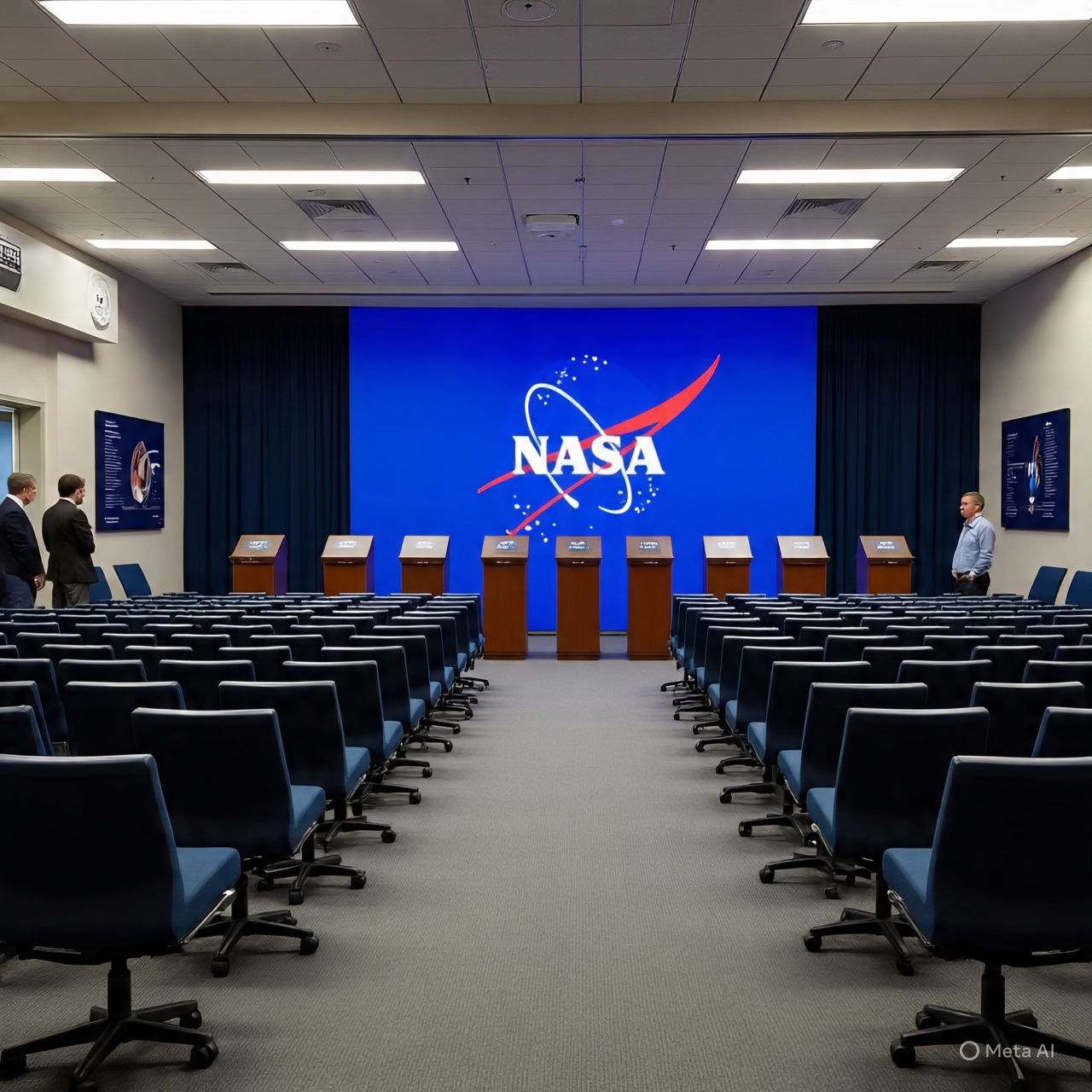
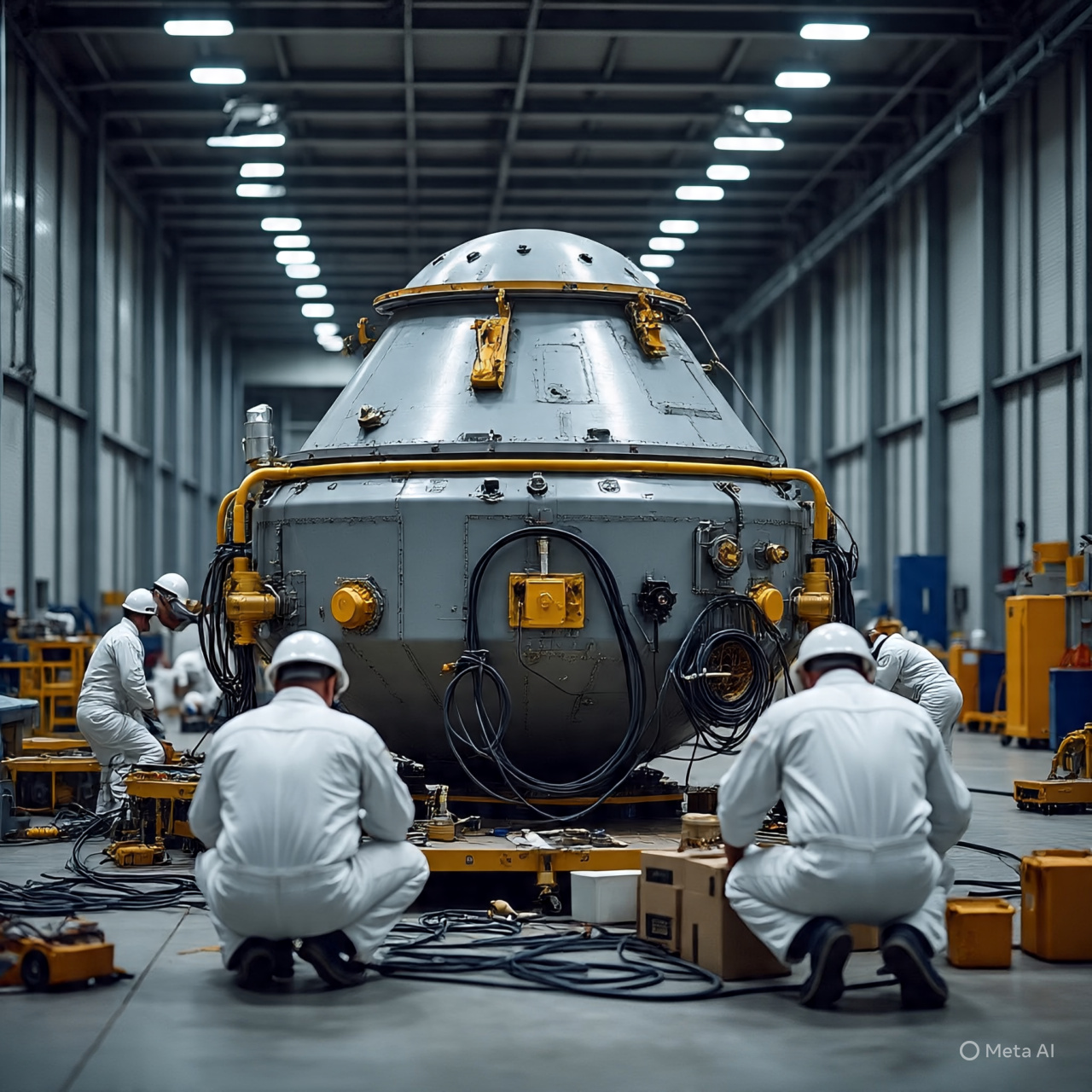
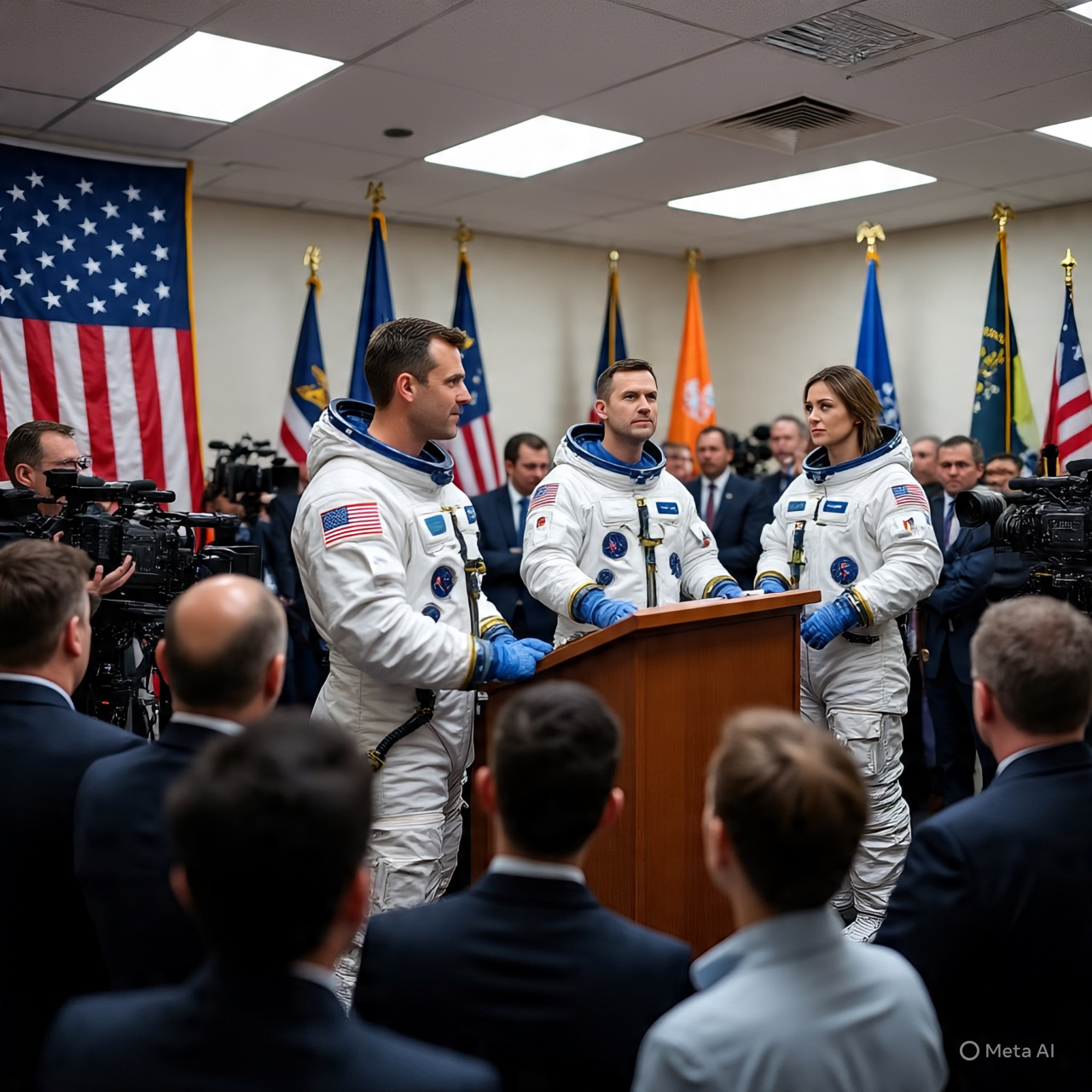
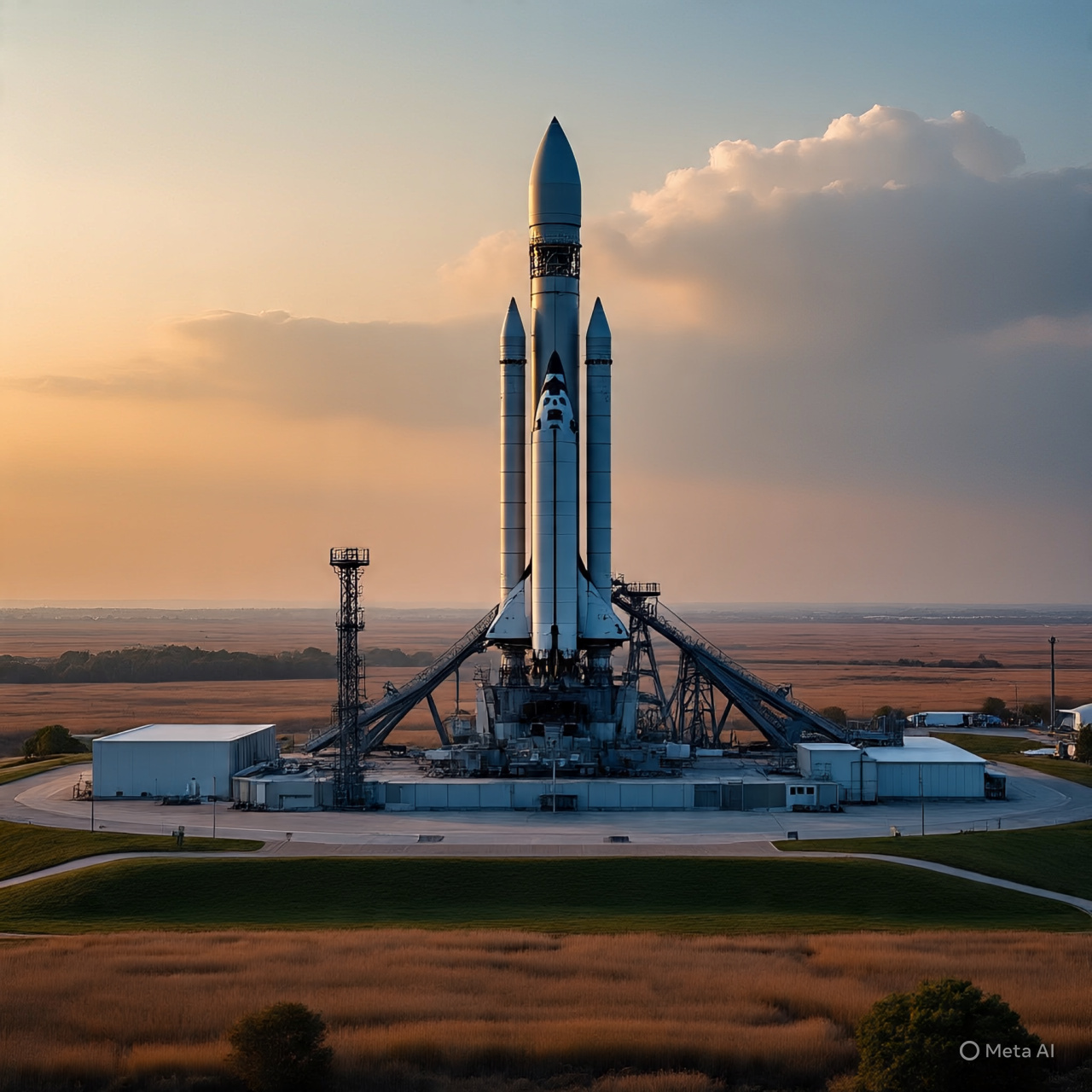
NASA Prepares for SpaceX Crew-12 Mission with Upcoming Briefings
NASA announces briefings for the SpaceX Crew-12 mission, featuring astronaut insights and final preparations before launch to the International Space Station.

NASA announces briefings for the SpaceX Crew-12 mission, featuring astronaut insights and final preparations before launch to the International Space Station.

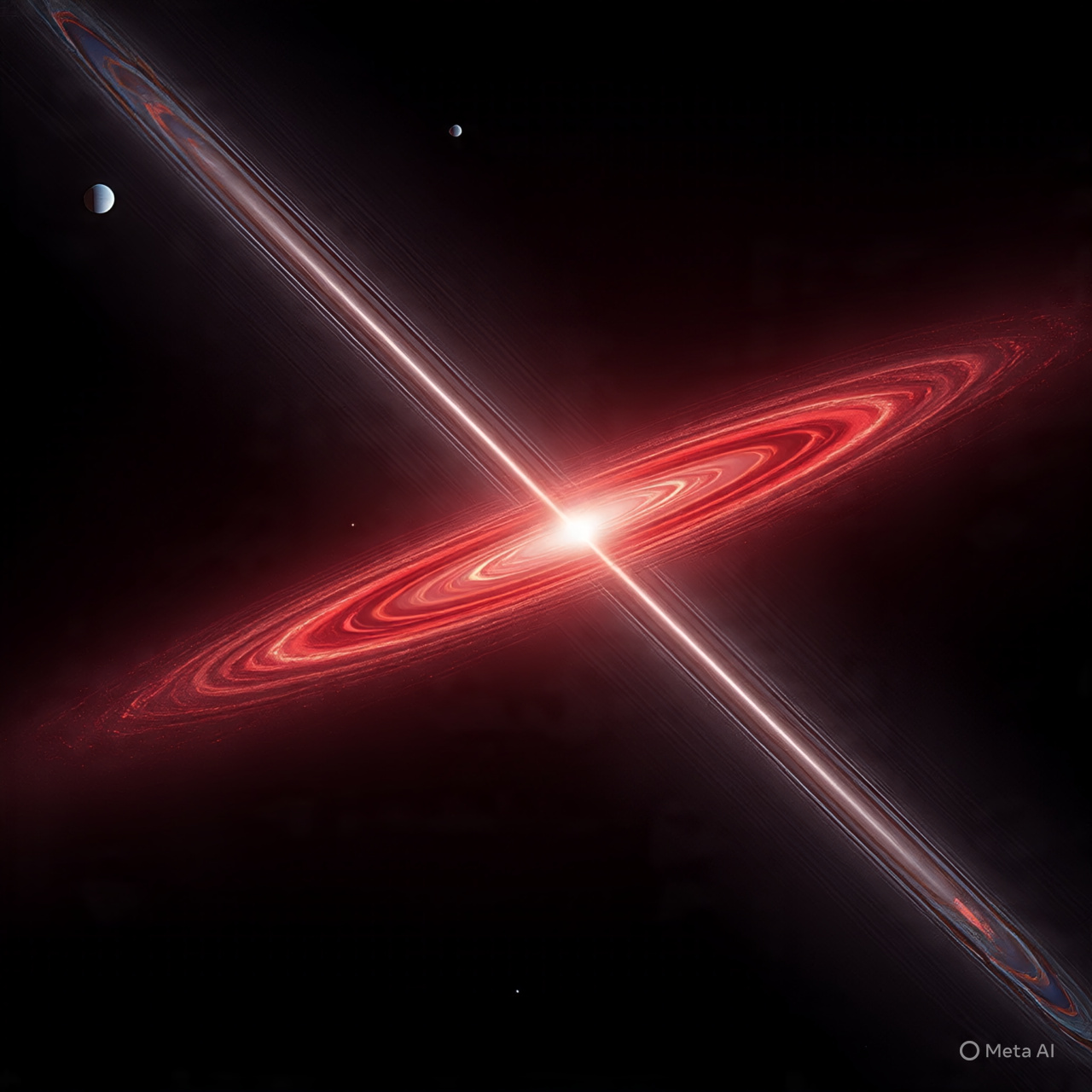
Astronomers study red dwarf stars to uncover the origins of carbon and oxygen, shedding light on the universe's chemical evolution and life's building blocks.

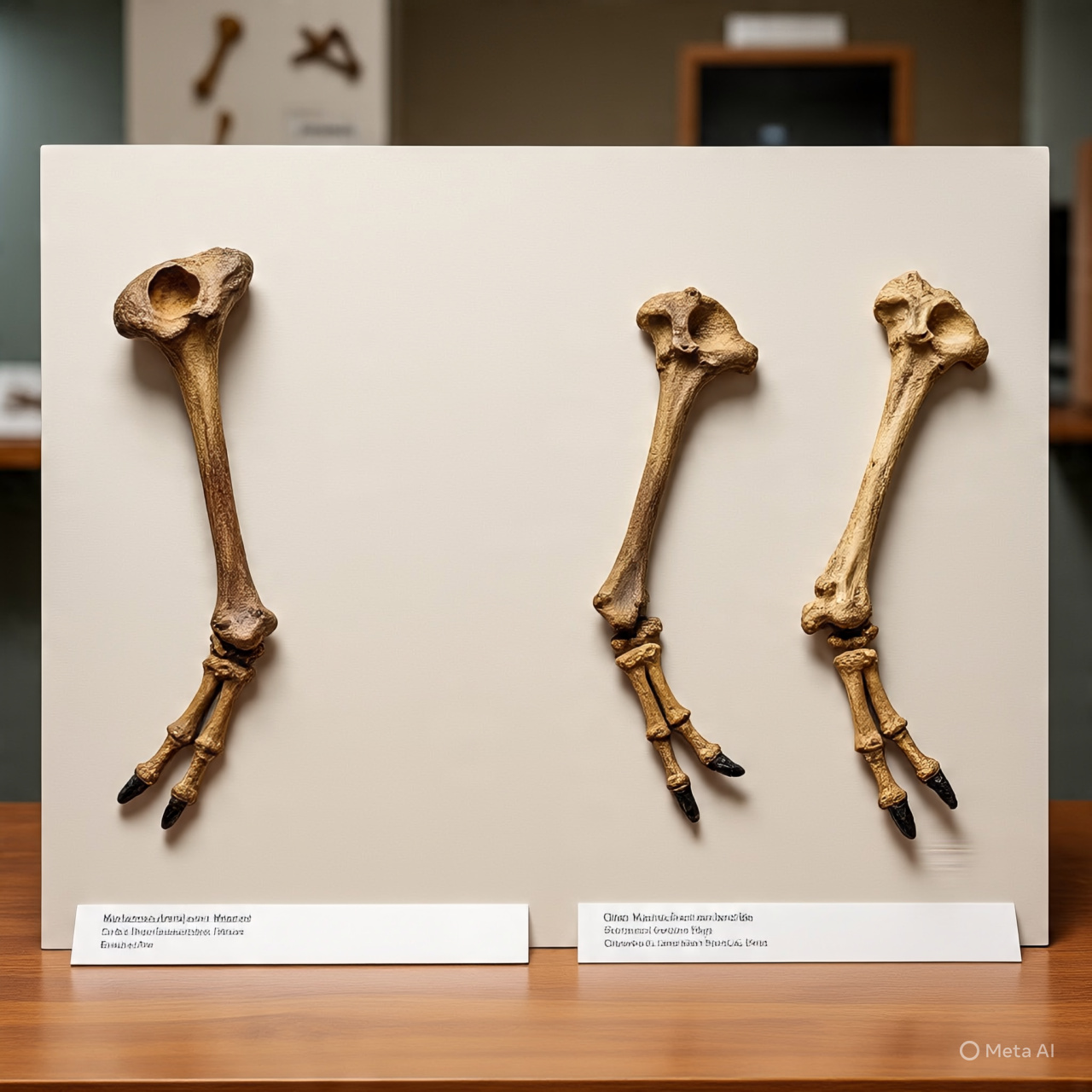
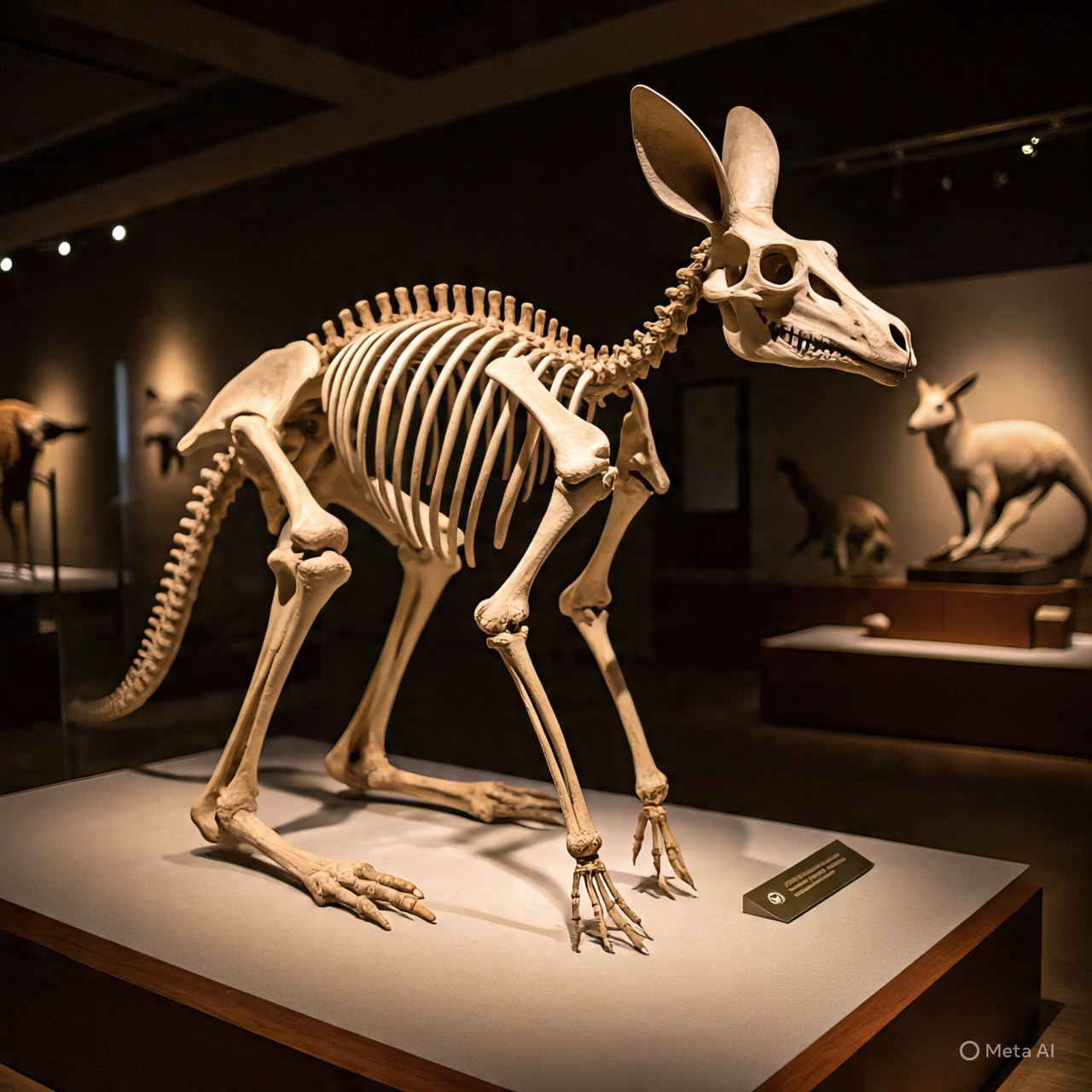
A new study explores how giant kangaroos moved in prehistoric Australia, revealing insights into their locomotion and adaptations to their environment.

NASA's Artemis II mission invites 34 global volunteers to track the Orion spacecraft's journey to the Moon, marking a new era in lunar exploration.

Discover how seismic sensors detect sonic booms from space debris reentry, revealing new insights into tracking space junk and its implications for safety.

Four astronauts enter quarantine as they prepare for the Artemis II mission, marking a significant step in human exploration of the Moon.

Recent research reveals that Europa's ice may deliver essential nutrients to its ocean, potentially supporting life beneath its frozen surface.

A vaccine advisory panel chair's proposal to make polio vaccines optional sparks debate, challenging decades of scientific consensus on vaccination efficacy.

NASA's Crew-11 returns to Earth after a medical emergency in orbit, marking the agency's first medical evacuation in space history. Insights from astronauts.

Half of the world's largest cities are experiencing severe water stress, driven by climate change, urban expansion, and aging infrastructure. Explore the implications.

Chinese scientists discover naturally occurring carbon nanotubes in lunar soil from the Chang’e-6 mission, challenging previous assumptions about their formation.

The European Space Agency's Proba-3 mission reveals the Sun's corona through artificial eclipses, enhancing our understanding of solar phenomena.

McMaster University and the Hakai Institute receive $2.3 million to study ancient DNA, revealing insights into climate change's impact on ecosystems over millennia.

Explore how deep-sea hydrothermal vents may provide insights into the origins of life on Earth, revealing the chemistry behind life's building blocks.

Recent research indicates that Sagittarius A*, the Milky Way's black hole, may have experienced a significant outburst, challenging previous assumptions of its dormancy.

Scientists propose a new method to track space debris, enhancing safety for satellites and future space missions by mapping dangerous fragments in orbit.

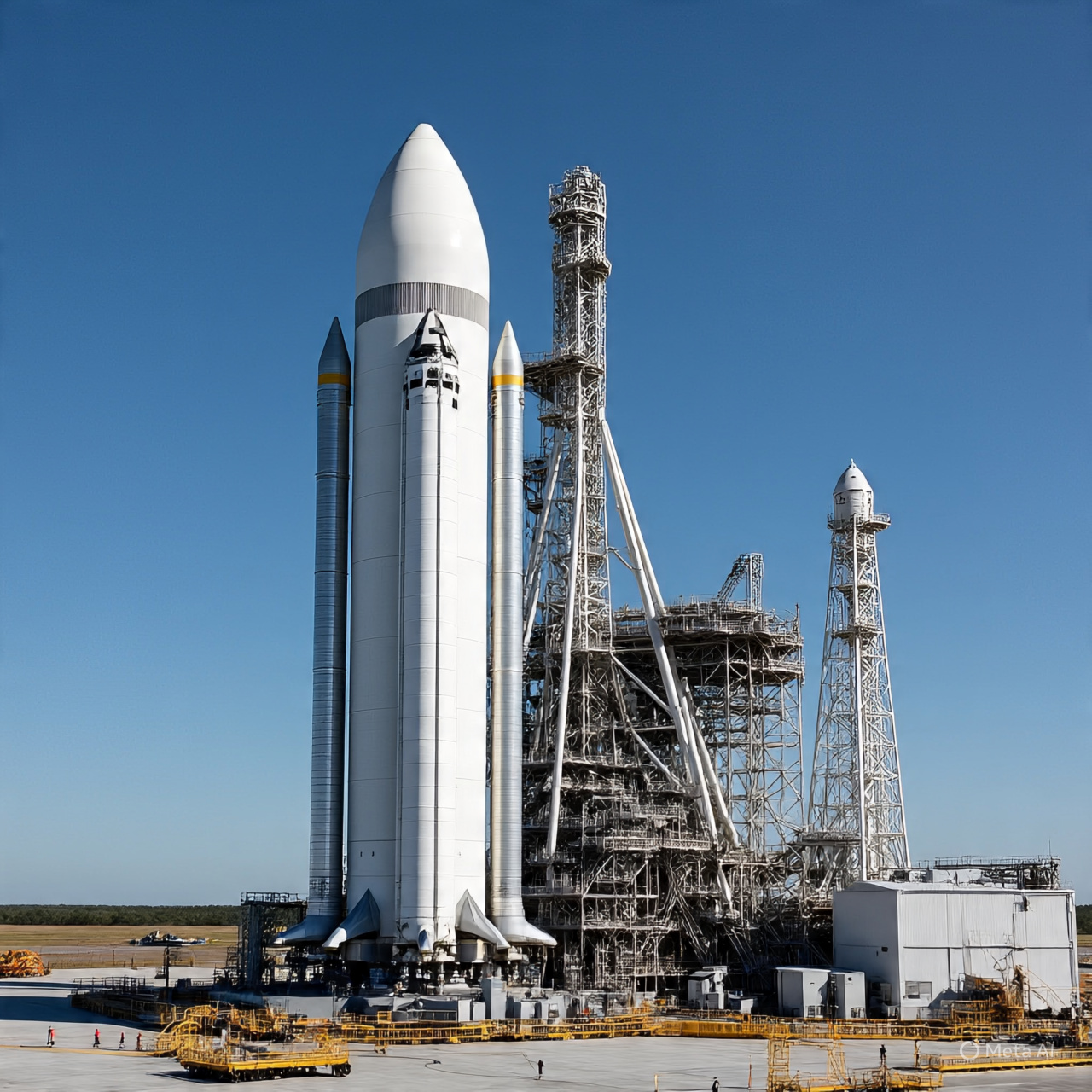
An astronaut aboard the ISS captures the Artemis 2 moon rocket, symbolizing humanity's ambition and the intricate planning behind space exploration.

Explore astronauts' insights on emergency evacuation strategies in space, highlighting NASA's preparations for crew safety beyond Earth’s atmosphere.

Discover the fascinating story of Australia's giant kangaroo, a creature of immense size and surprising agility, revealing nature's evolutionary creativity.

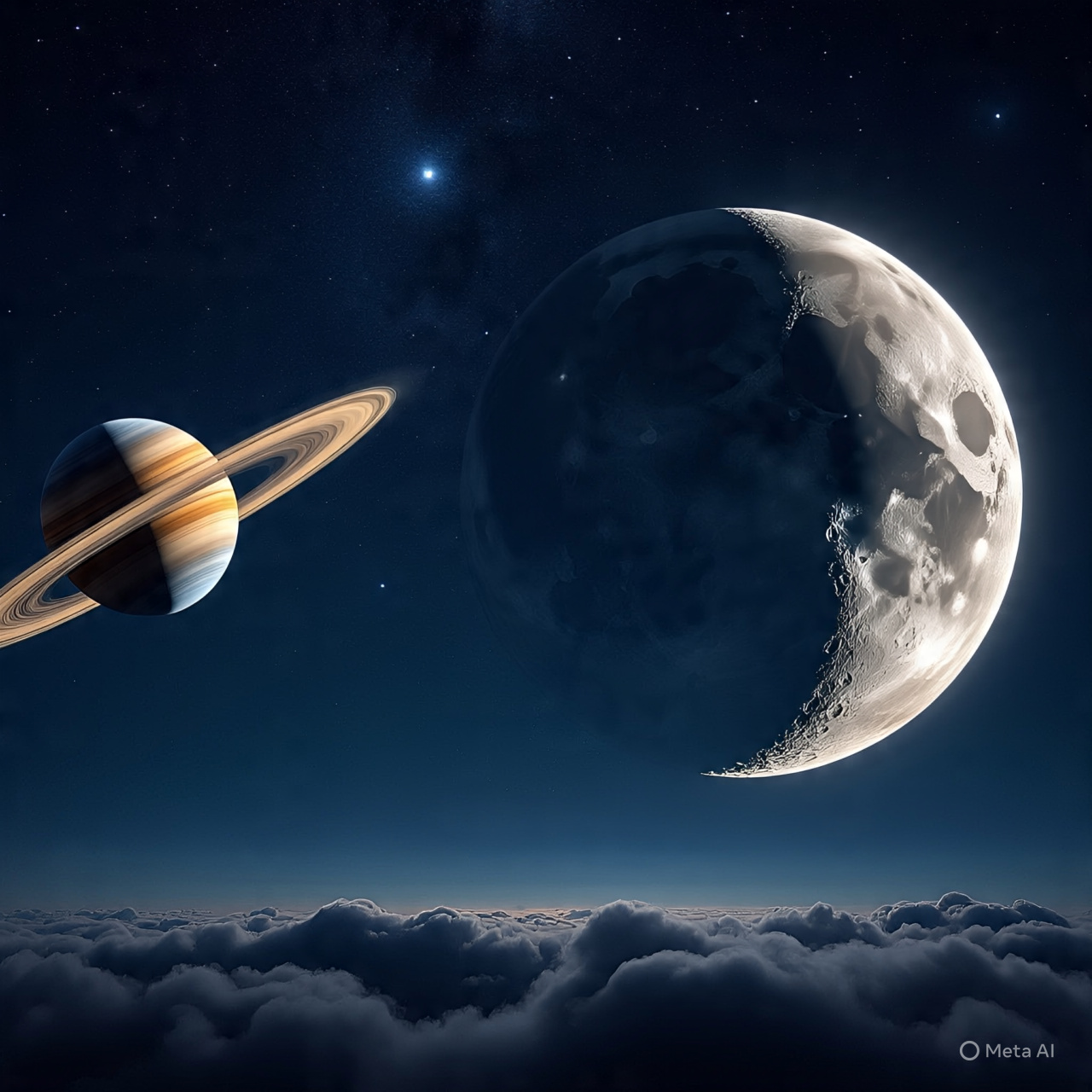
Discover the poetic connection between Saturn, the Moon, and Neptune as they illuminate our understanding of the cosmos and our place within it.

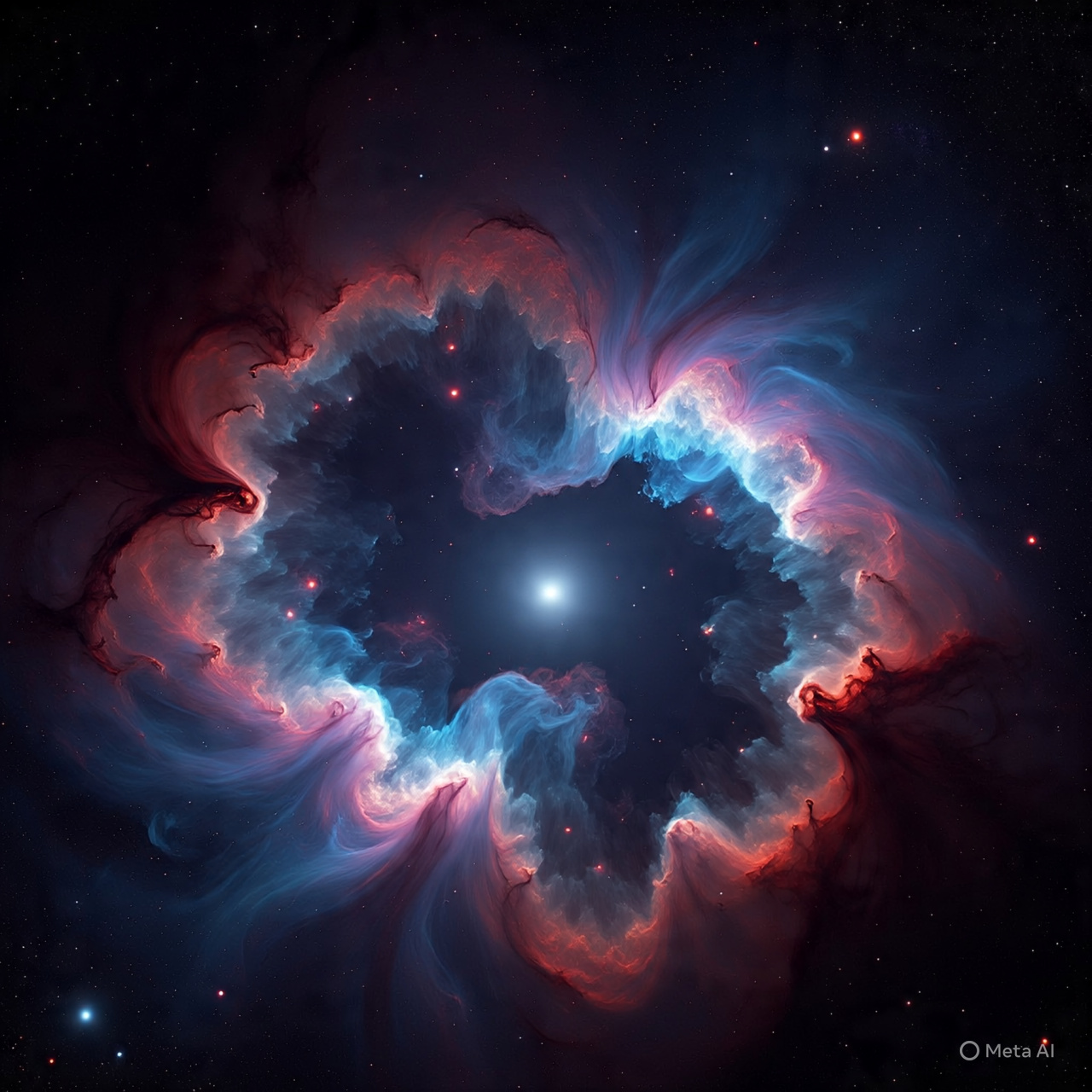
The James Webb Space Telescope unveils breathtaking details of the Helix Nebula, showcasing its cosmic beauty and the processes of stellar death.

A new Israeli study suggests that planets capable of supporting life may be more common in the universe than previously thought, reshaping our understanding of cosmic possibilities.

SpaceX successfully launched 25 Starlink satellites, enhancing global internet connectivity and marking a significant achievement in space technology.

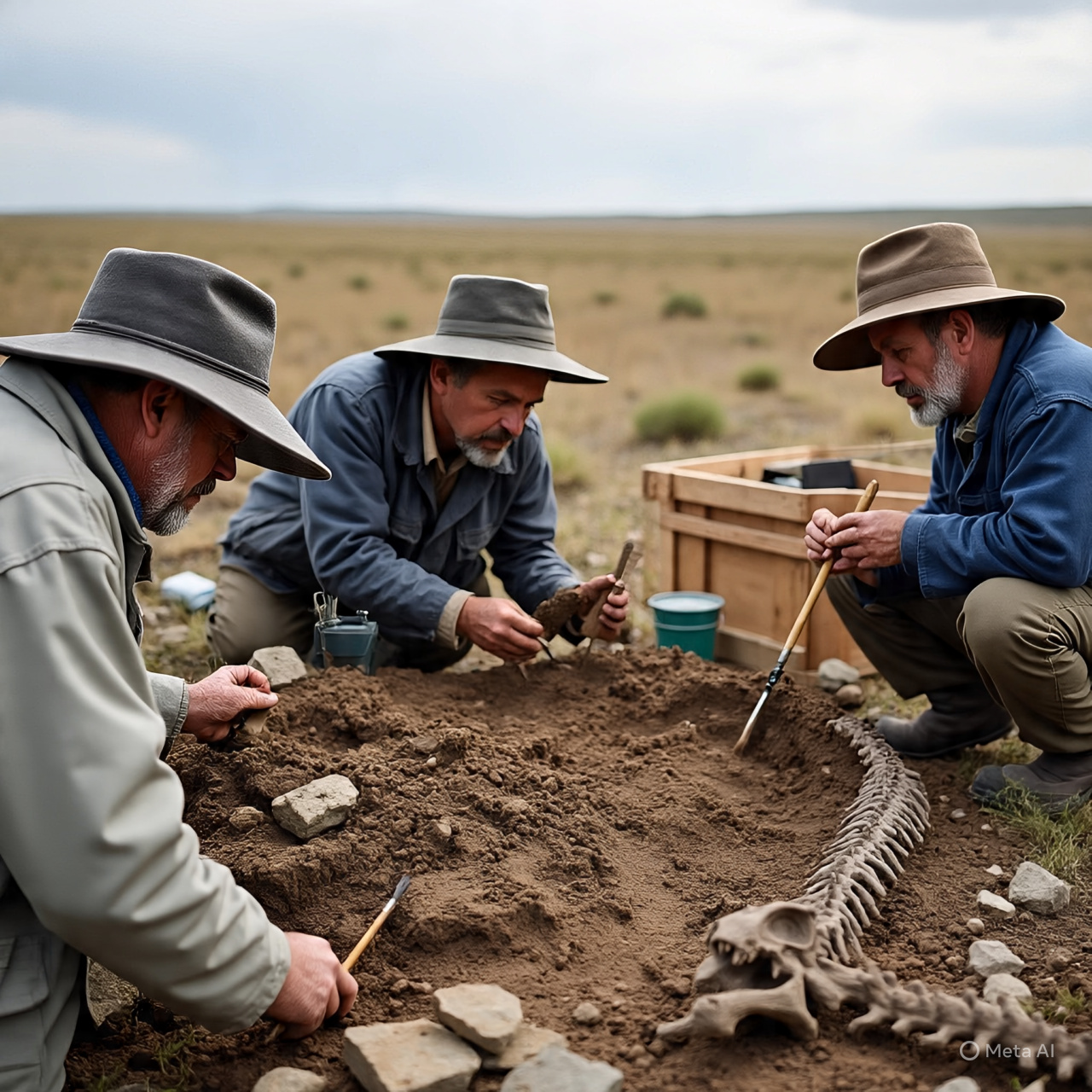
Researchers may have discovered a new extinct species through fossil analysis, shedding light on ancient biodiversity and evolutionary history.