SCIENCE89% credibility
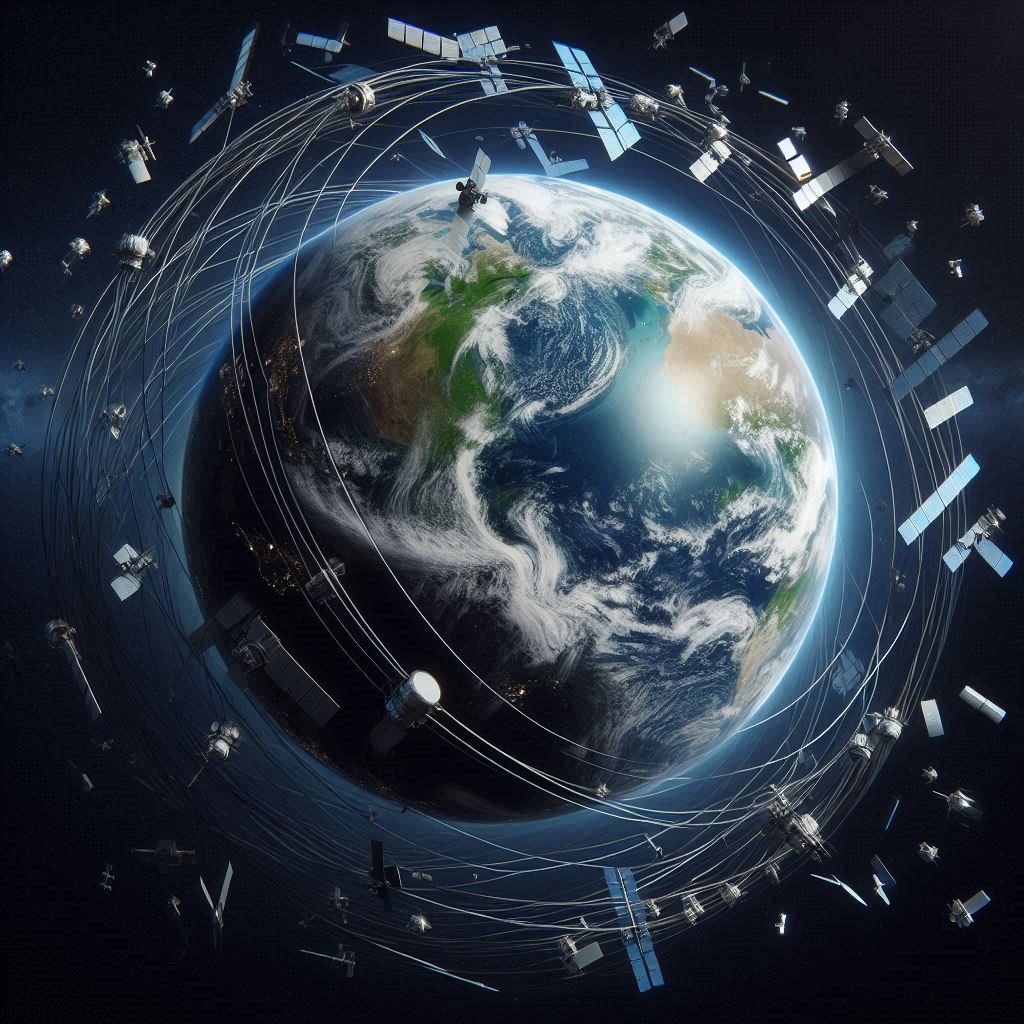
Low Earth Orbit Faces Critical Risks of Rapid Collapse
Experts warn that low Earth orbit could face rapid collapse due to satellite congestion, risking vital services like navigation and communications.
2 min read

Experts warn that low Earth orbit could face rapid collapse due to satellite congestion, risking vital services like navigation and communications.
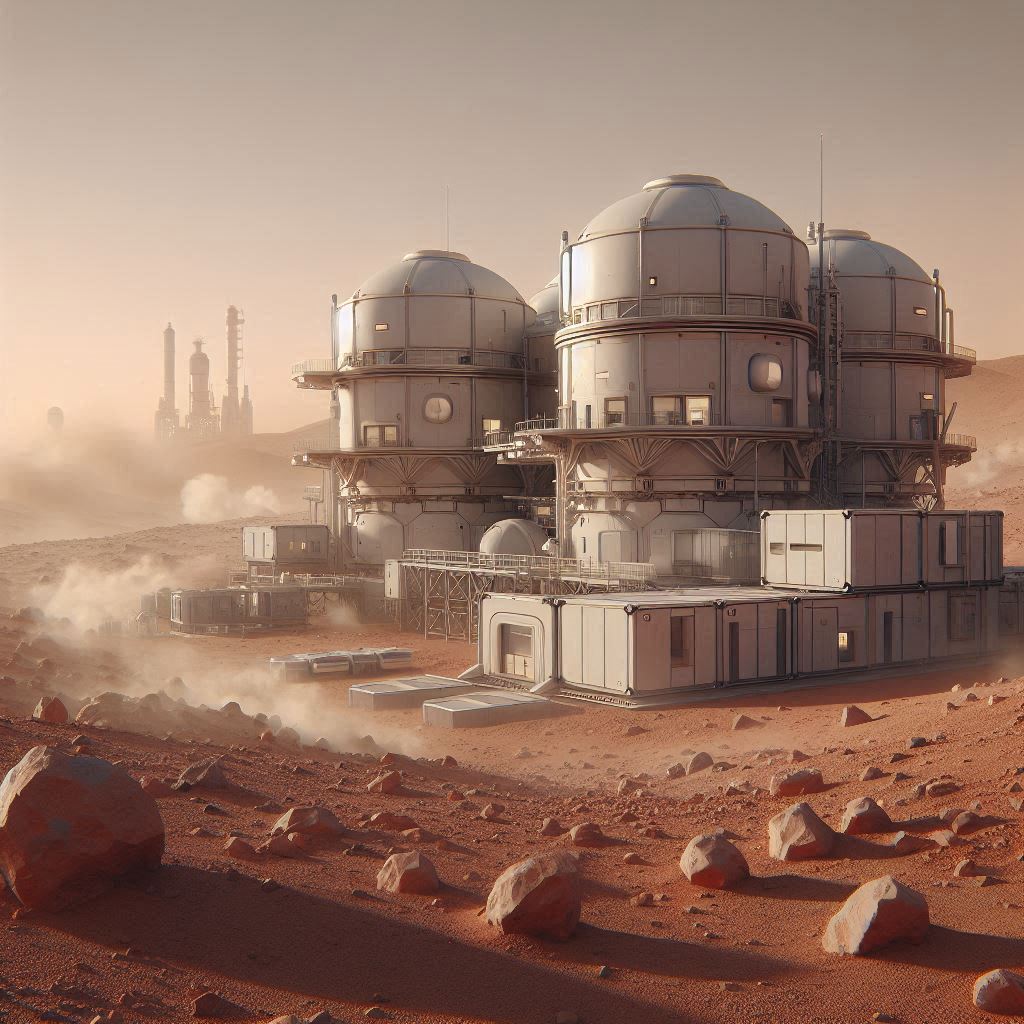
Recent studies reveal how Mars' thin atmosphere, rich in carbon dioxide, could support human life through oxygen production and sustainable habitats.
Explore how purple, a color without a wavelength, is a creation of the brain, revealing the complexities of color perception and reality.

Queensland's Open Brethren schools instruct teachers to present dinosaurs as vegetarians on Noah's Ark, blending science with biblical narratives.
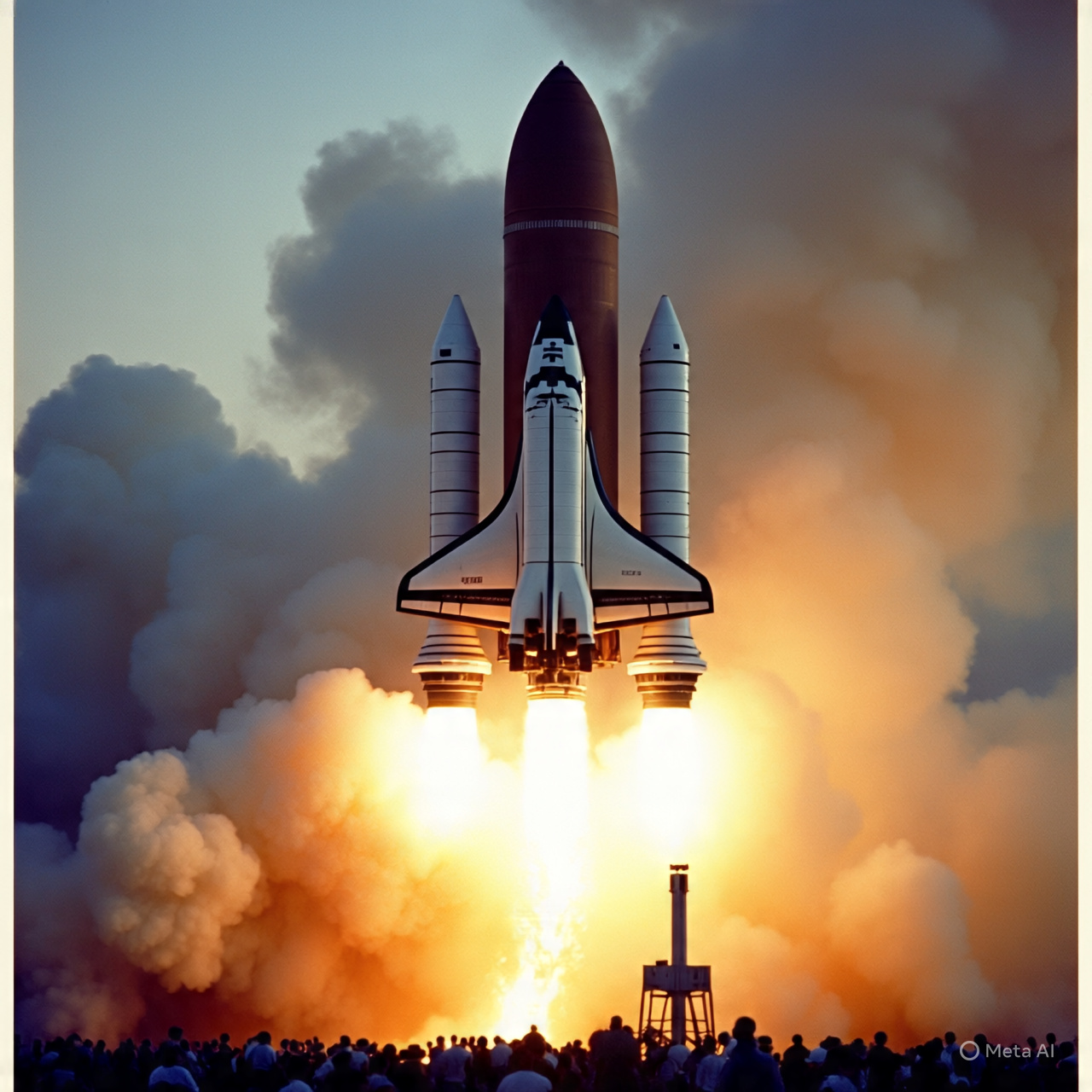
As we mark the 40th anniversary of the Challenger disaster, we reflect on its lessons and the ongoing commitment to safety in space exploration.
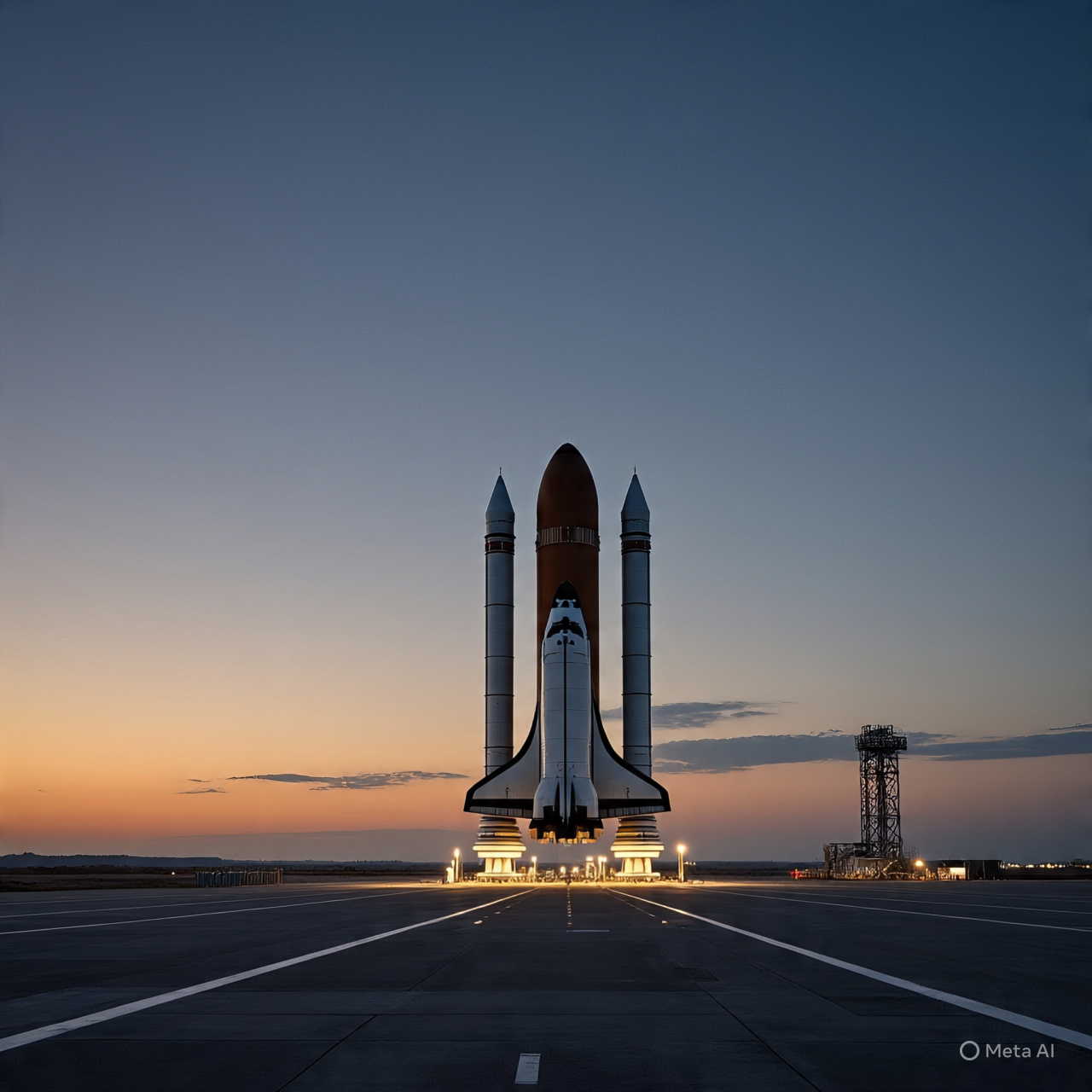
Explore the lasting impact of the Challenger disaster 40 years later, examining its lessons on risk, communication, and the human cost of exploration.

Ireland's Marine Institute invites citizen scientists to monitor oystercatchers, fostering community engagement and conservation efforts along the coast.

New DNA analysis reveals the origins of the Beachy Head Woman, shedding light on her life in Roman-era Britain and challenging previous assumptions.
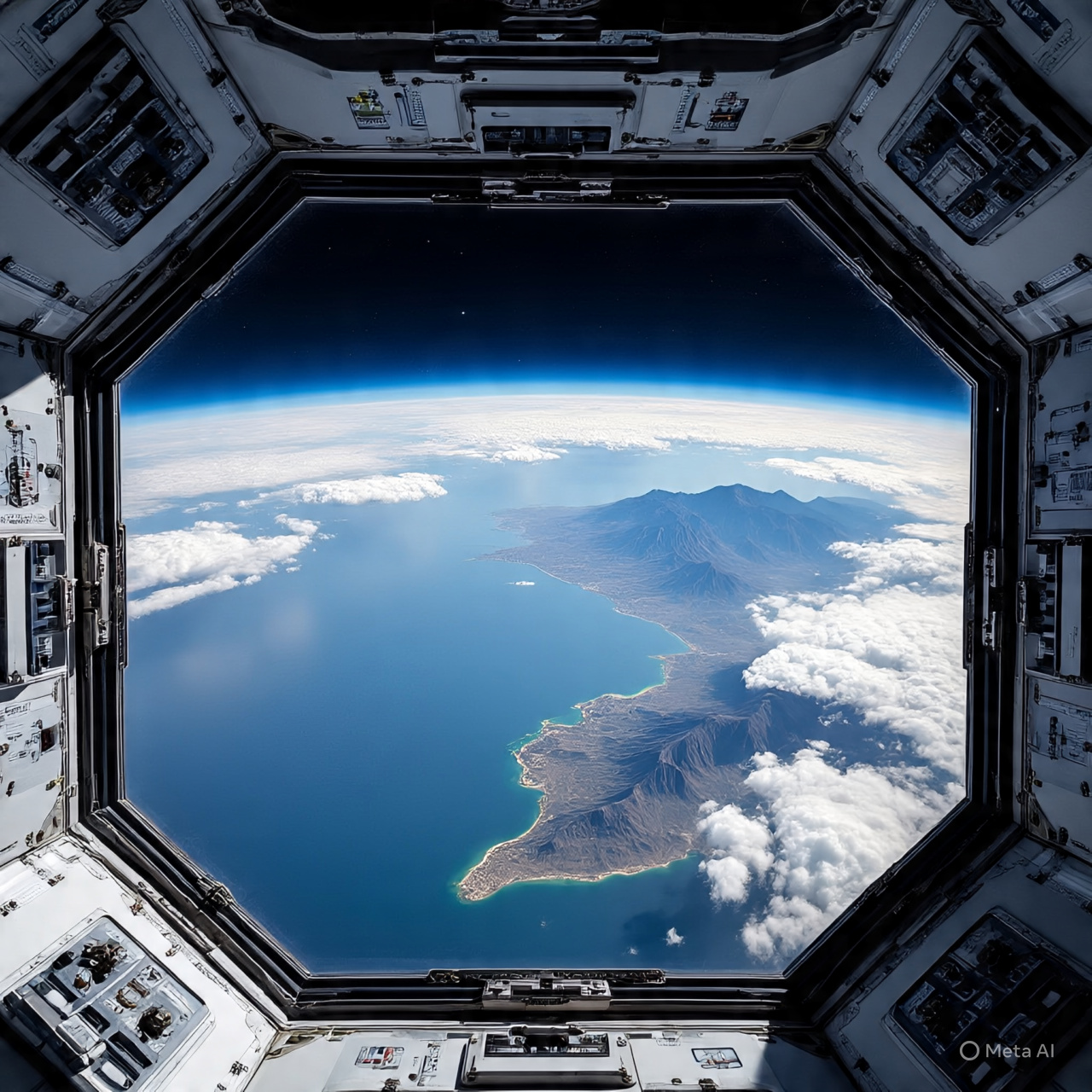
A Polish astronaut's breathtaking footage from the ISS reveals Earth's beauty and fragility, offering a unique perspective on our planet and its history.

Exploring the intriguing possibility that Thomas Edison may have unintentionally created graphene while developing the incandescent light bulb in 1879.
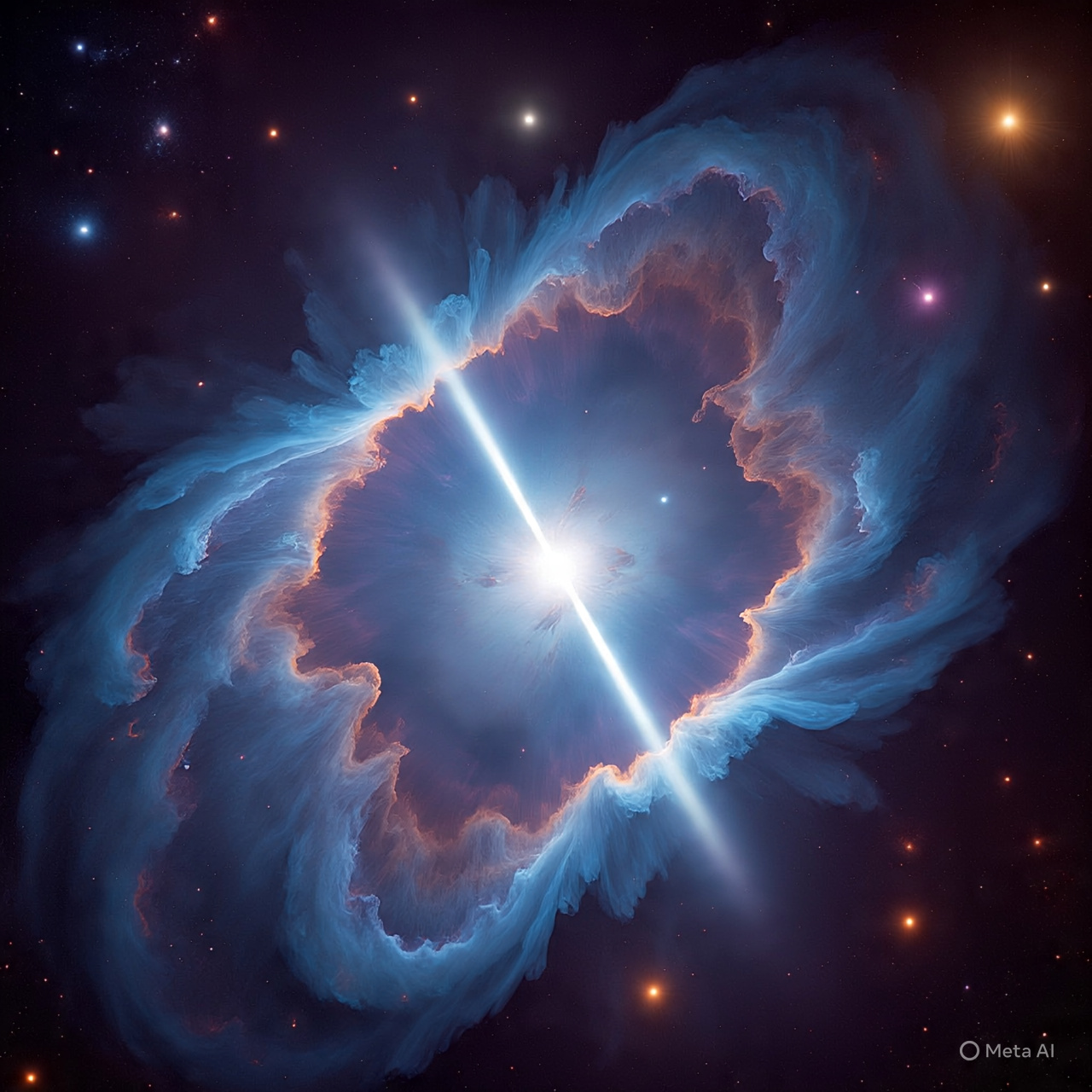
A newly discovered iron bar in the Ring Nebula challenges our understanding of stellar evolution, revealing secrets of cosmic history.
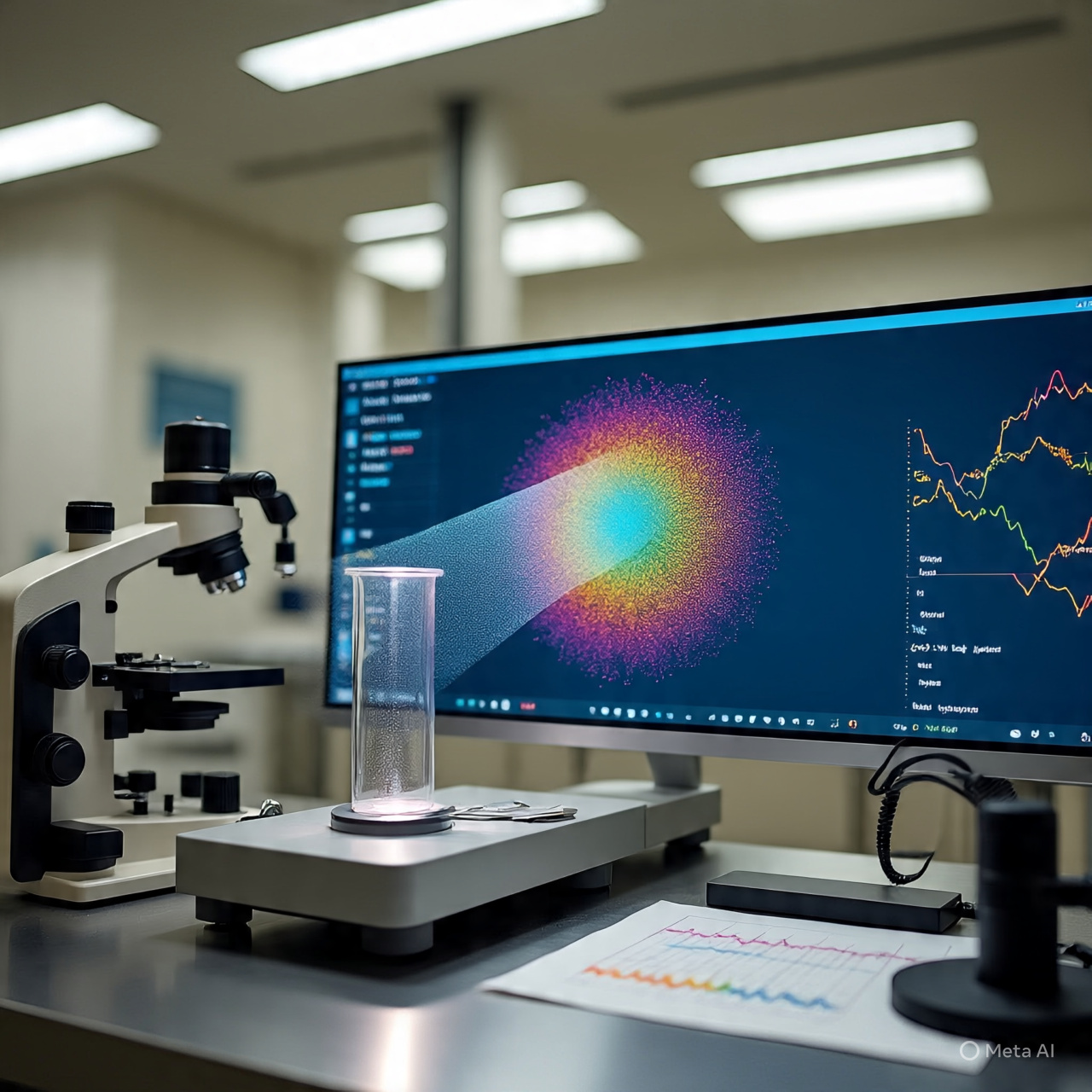
Recent studies reveal that clusters of thousands of atoms can exhibit quantum behavior, challenging traditional boundaries between quantum and classical physics.
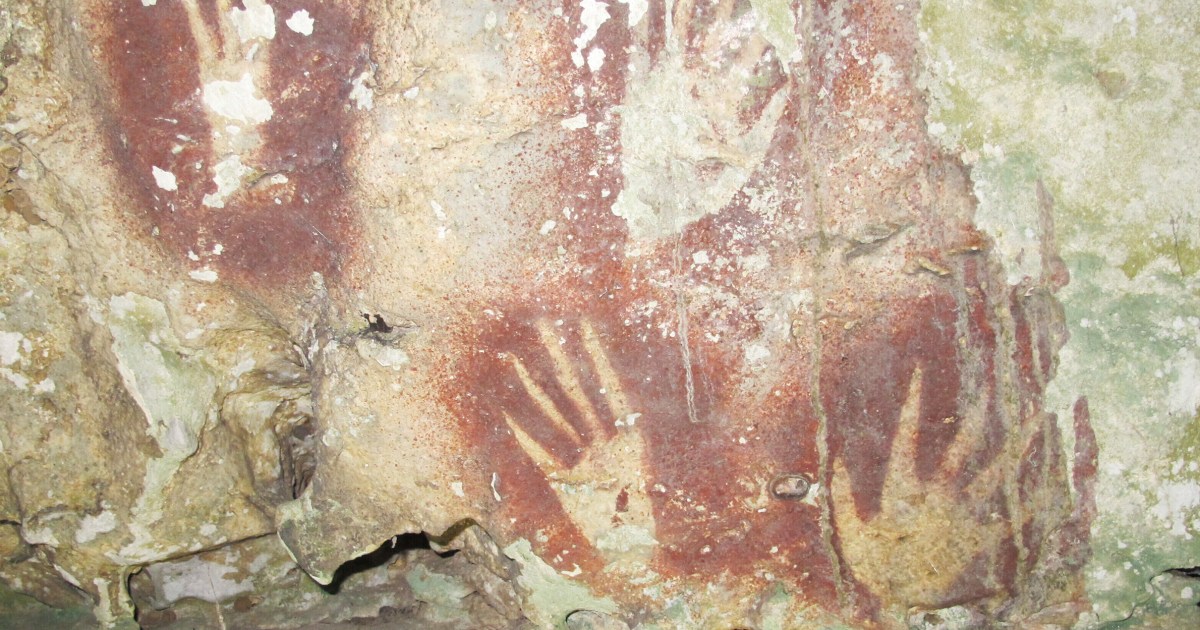
A newly discovered hand stencil in Indonesia, dating back nearly 68,000 years, is the oldest cave art ever found, reshaping our understanding of prehistoric creativity.
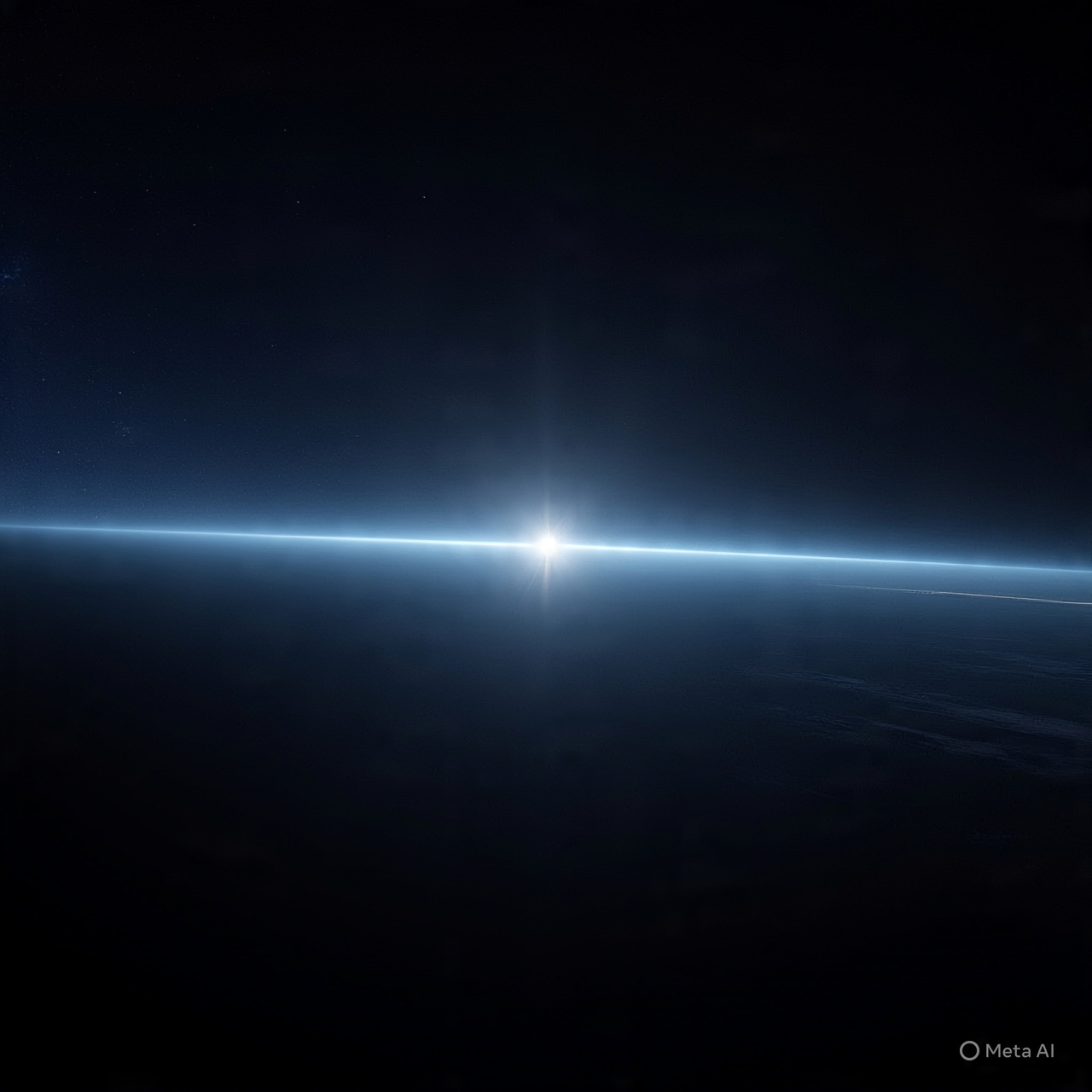
A physicist's reflections on the cosmic horizon and its metaphorical ties to spiritual concepts of heaven challenge our understanding of the universe's limits.
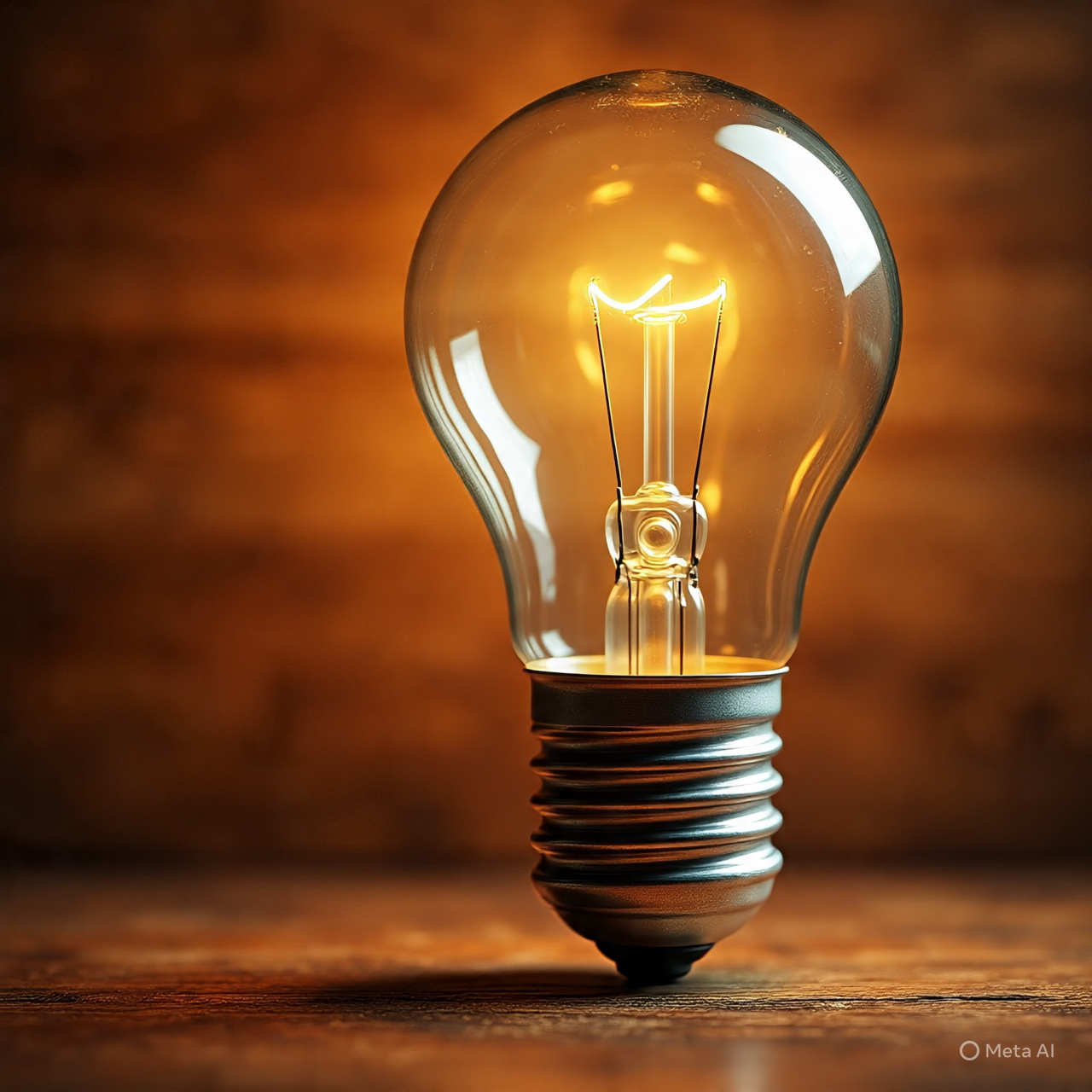
Researchers at Rice University suggest Thomas Edison may have unintentionally created graphene in his 1879 light bulb, revealing new insights into innovation.
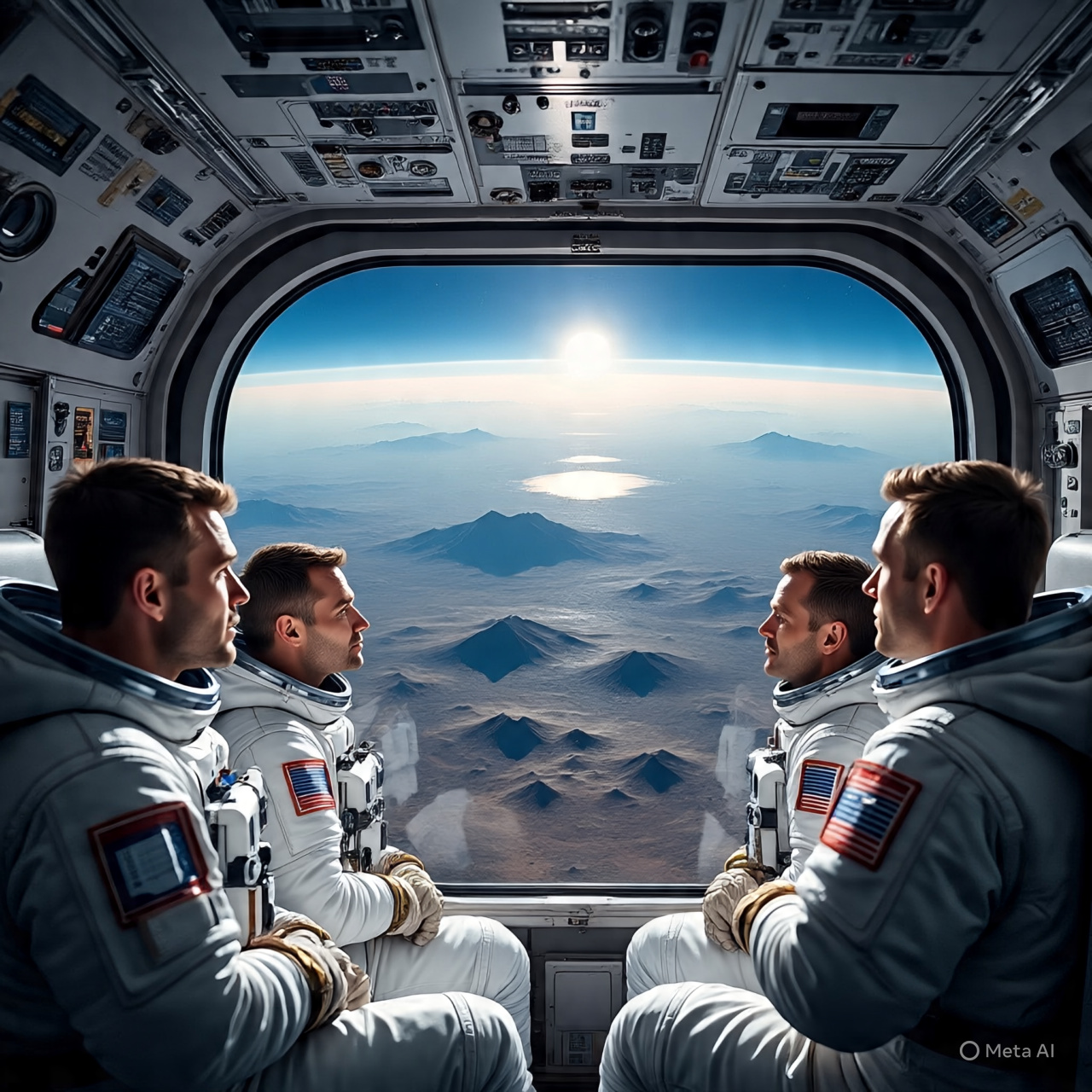
NASA's Artemis II mission aims to provide astronauts with a unique view of the Moon's far side, revealing unseen geological features and enriching lunar science.
Discover how rare solar explosions reveal the Sun's hidden secrets, showcasing its dynamic nature and impact on Earth's space environment.
Scientists explore Jupiter's moon Europa, revealing its hidden ocean's potential for life. Discover the latest findings on this icy world.
As Artemis II prepares for its lunar mission, experts weigh safety concerns against the excitement of deep-space exploration. What lies ahead for NASA?
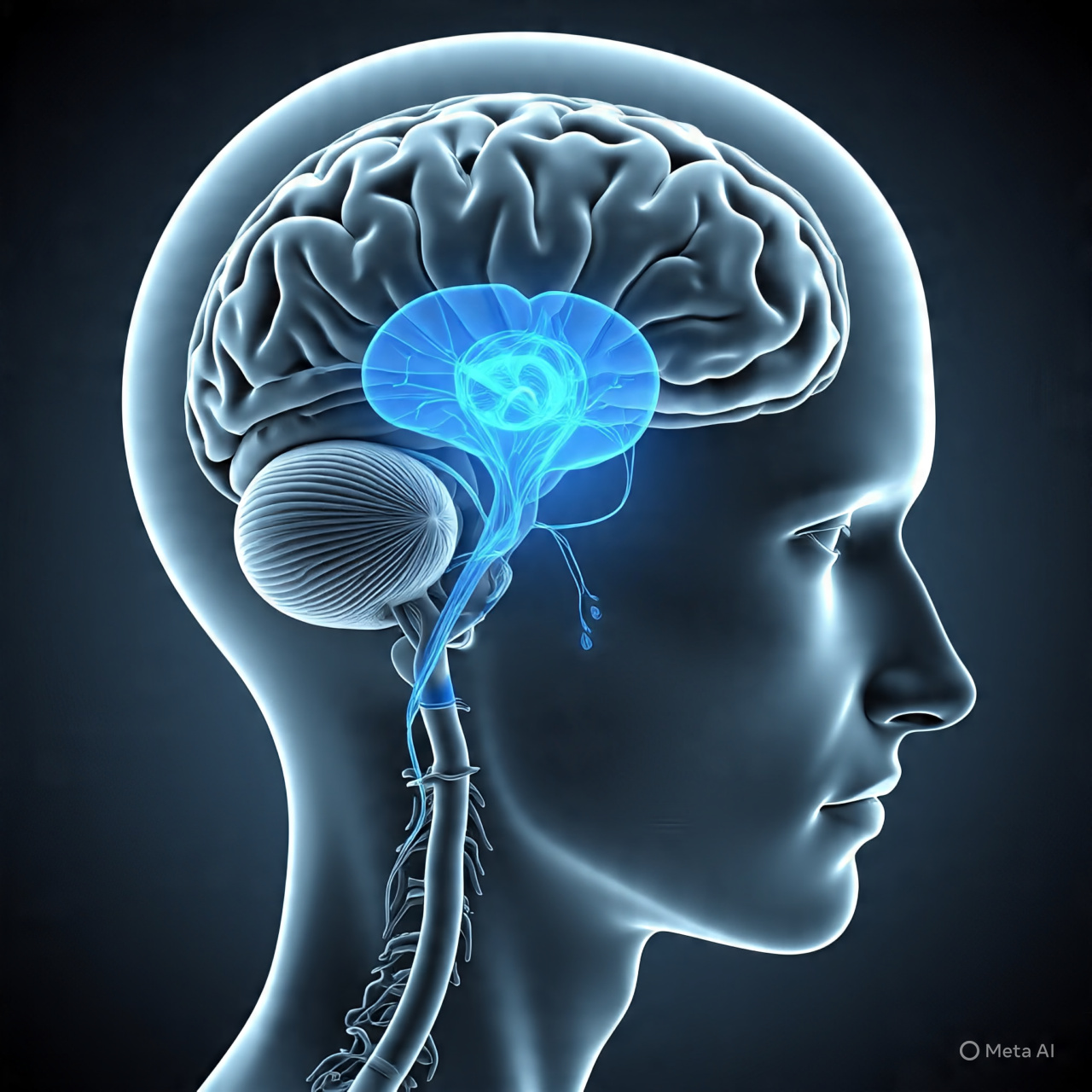
Scientists have identified a hidden brain cleanup system that clears waste during rest, reshaping understanding of sleep, brain health, and how the mind quietly maintains itself.
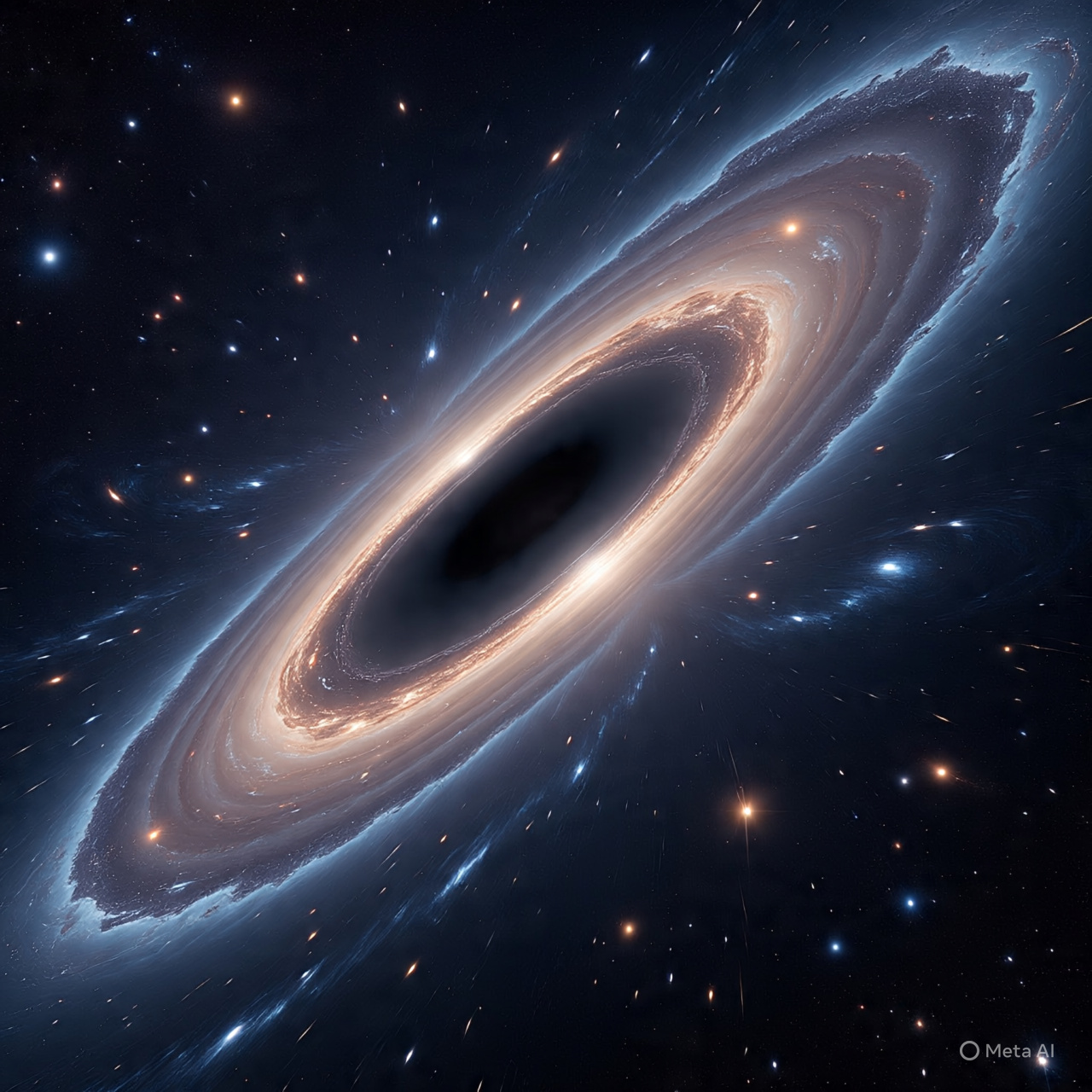
Recent findings reveal black holes growing at unprecedented rates, challenging existing theories and offering new insights into the early universe's conditions.

Explore how AI is reshaping our understanding of evolution and biological design, marking a significant shift in biotechnology and life sciences.
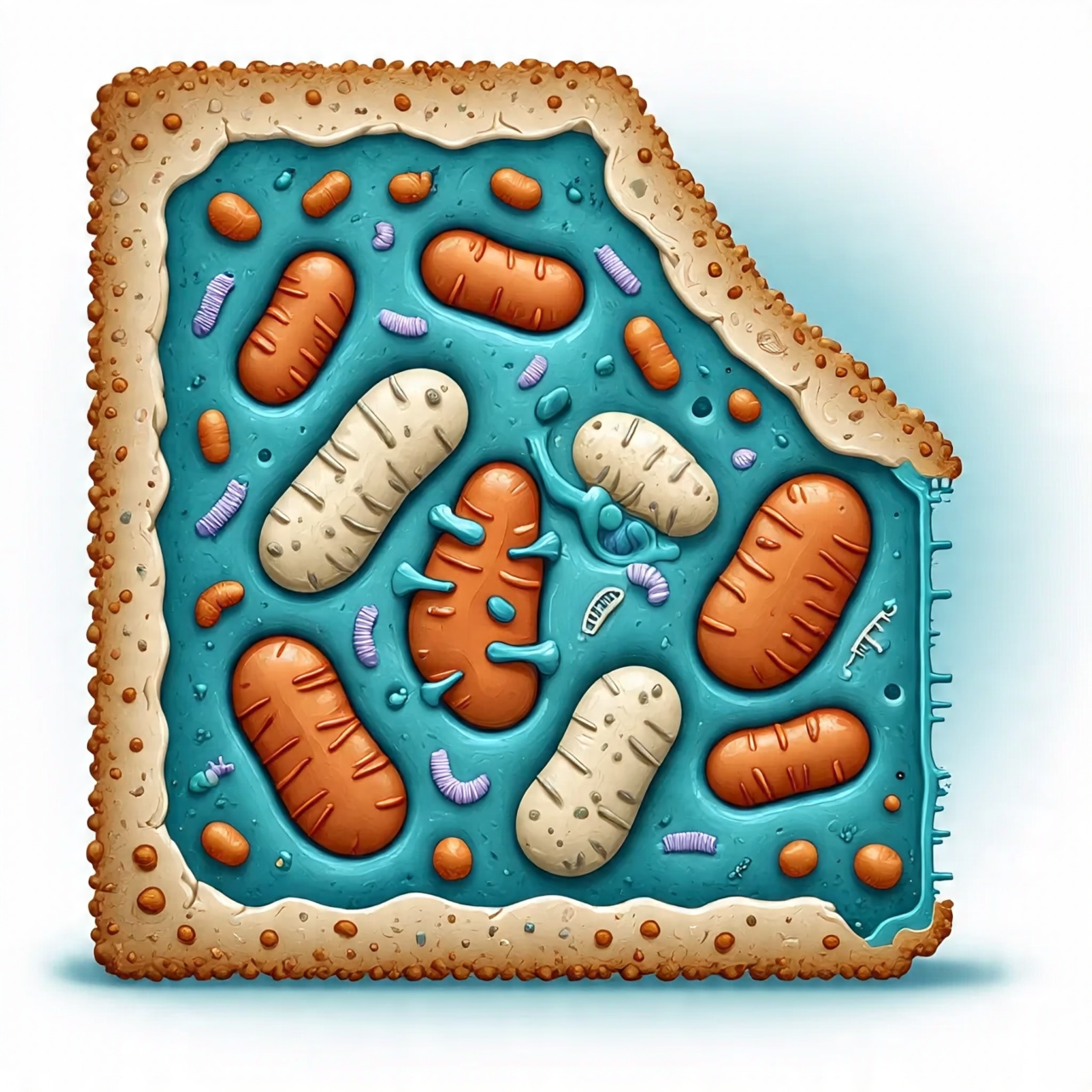
Explore how biofilms, ancient communities of microorganisms, are crucial for survival, ecology, and future space exploration efforts.
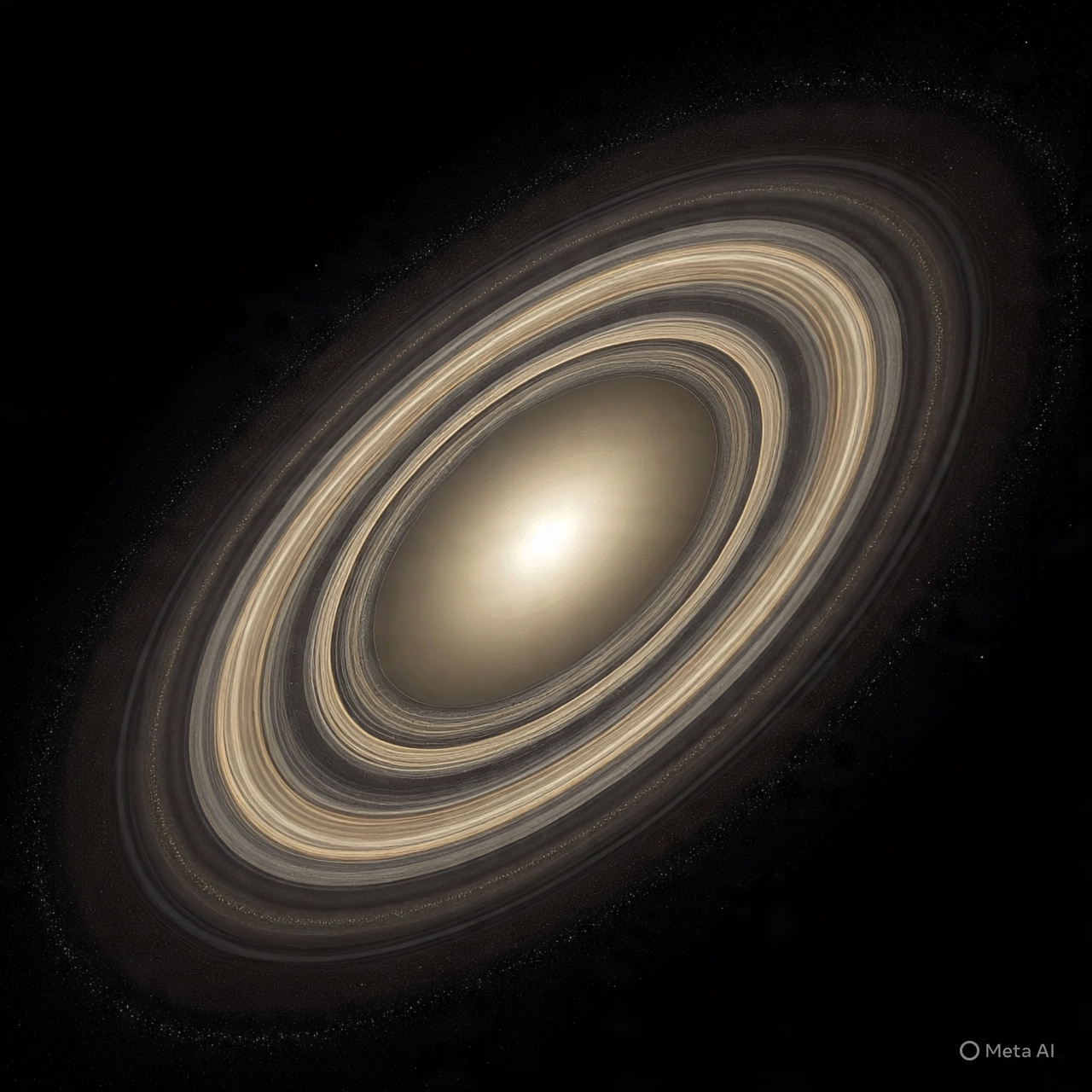
Astronomers using ALMA reveal detailed images of dust rings around young stars, shedding light on planetary formation and the universe's history.