SCIENCE99% credibility
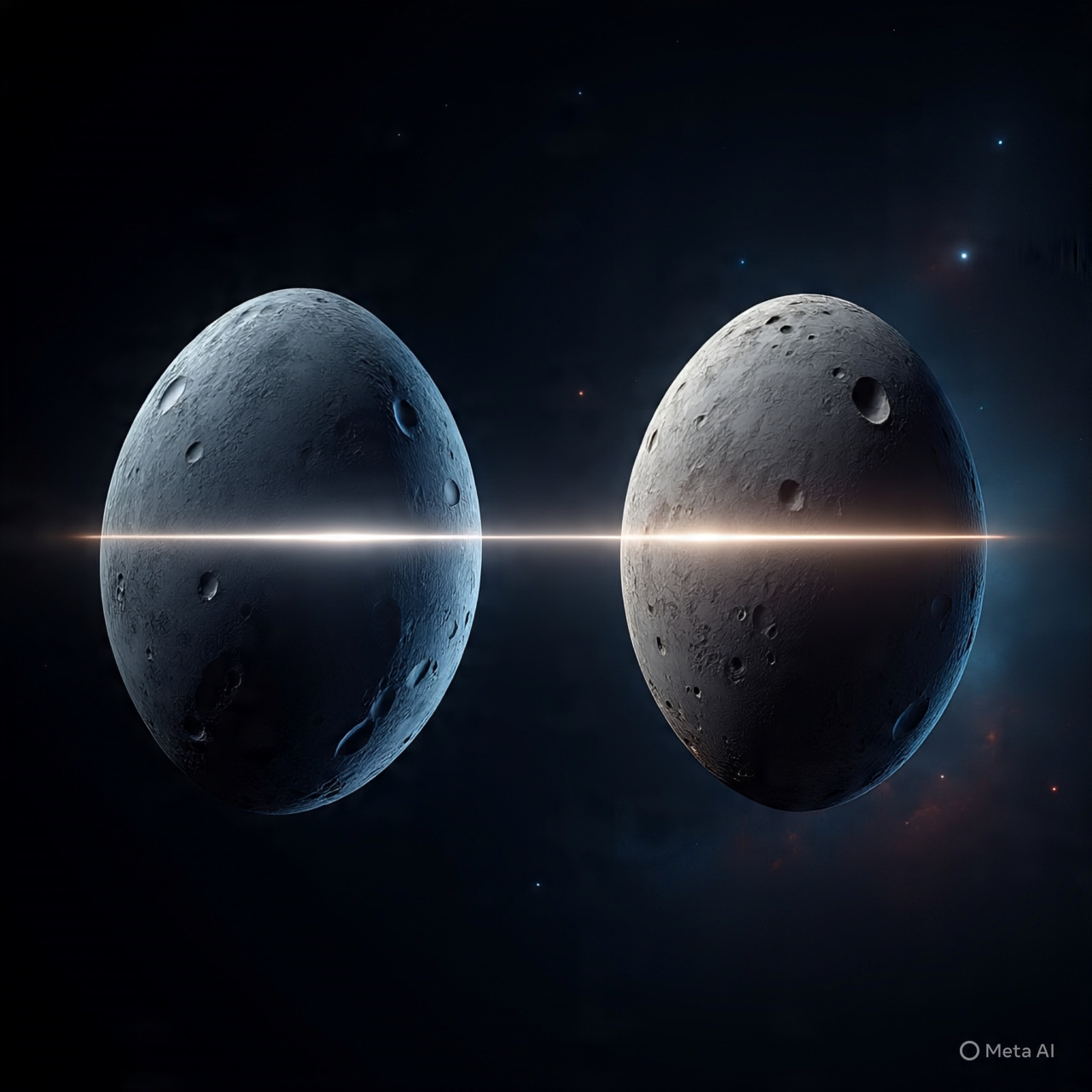
Kuiper Belt Snowmen: Insights into Cosmic Formation Processes
Explore how Kuiper Belt snowmen reveal insights into cosmic formation, shedding light on the dynamics of early solar system development.
3 min read

Explore how Kuiper Belt snowmen reveal insights into cosmic formation, shedding light on the dynamics of early solar system development.
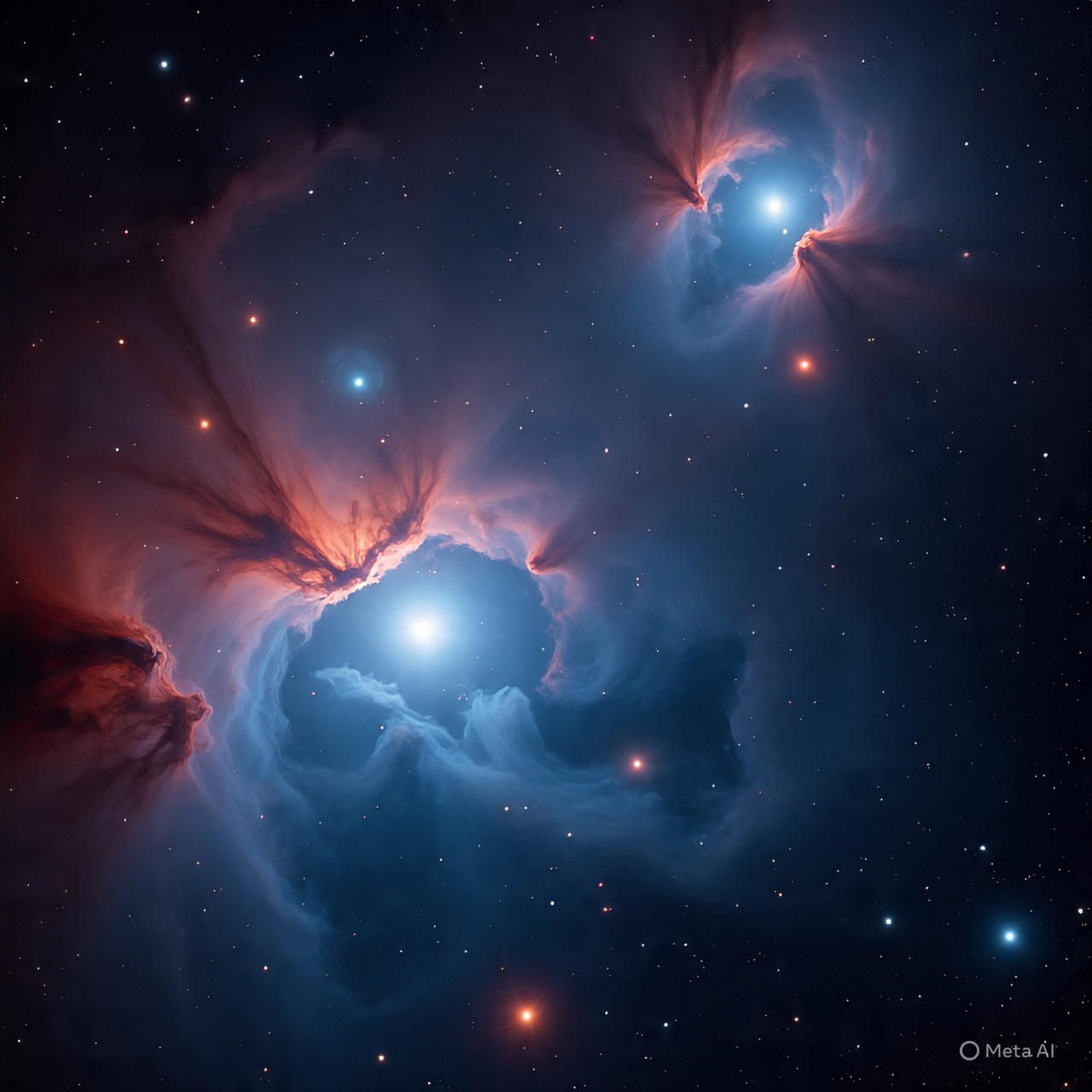
NASA's Chandra X-ray Observatory uncovers hundreds of young stars in the Cocoon Nebula, enhancing our understanding of stellar formation and evolution.
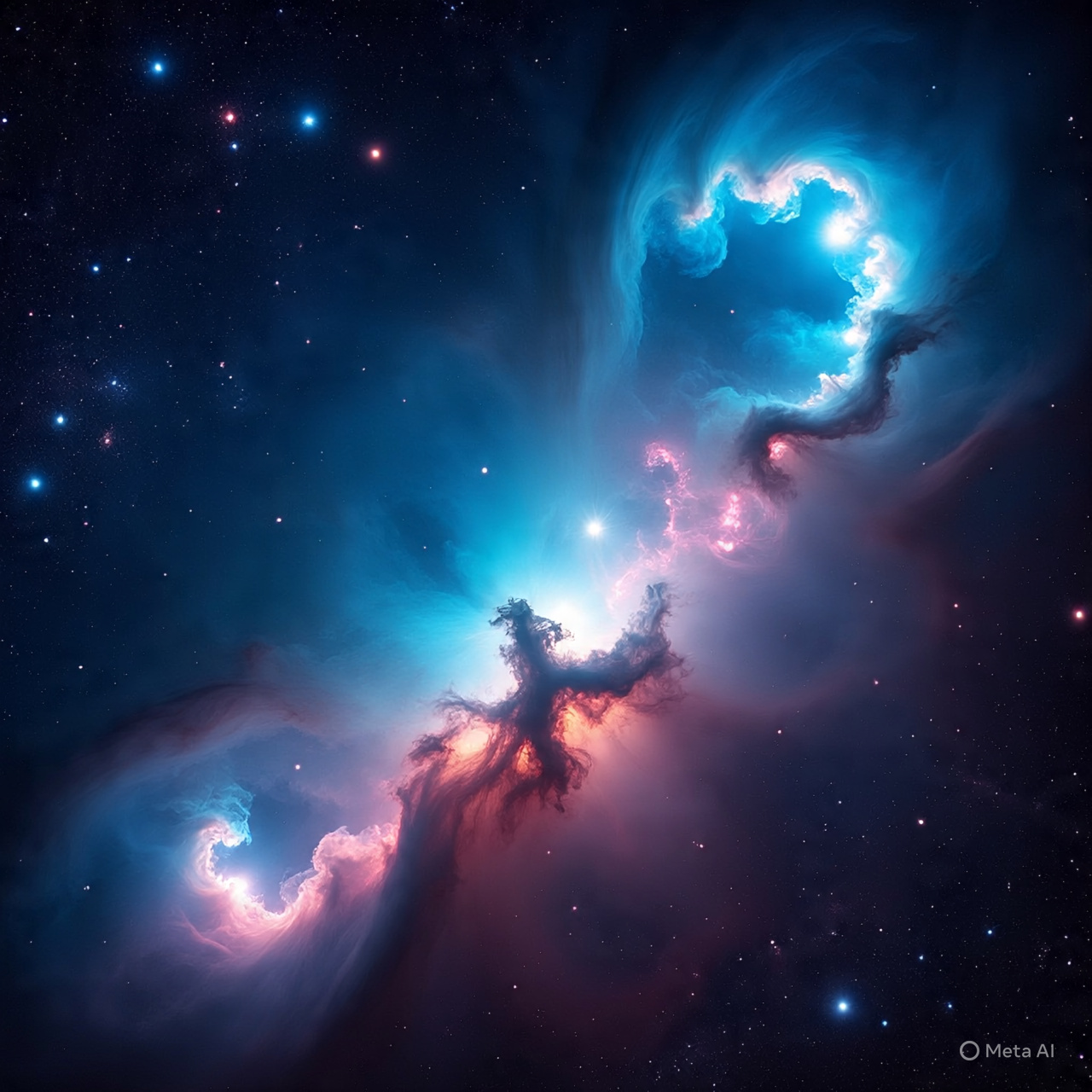
NASA's Chandra X-ray Observatory uncovers a cluster of young stars in the Cocoon Nebula, enhancing our understanding of stellar formation.

Discover why some ammonites grew into giants of the deep, exploring environmental factors, evolutionary advantages, and the mysteries of ancient oceans.
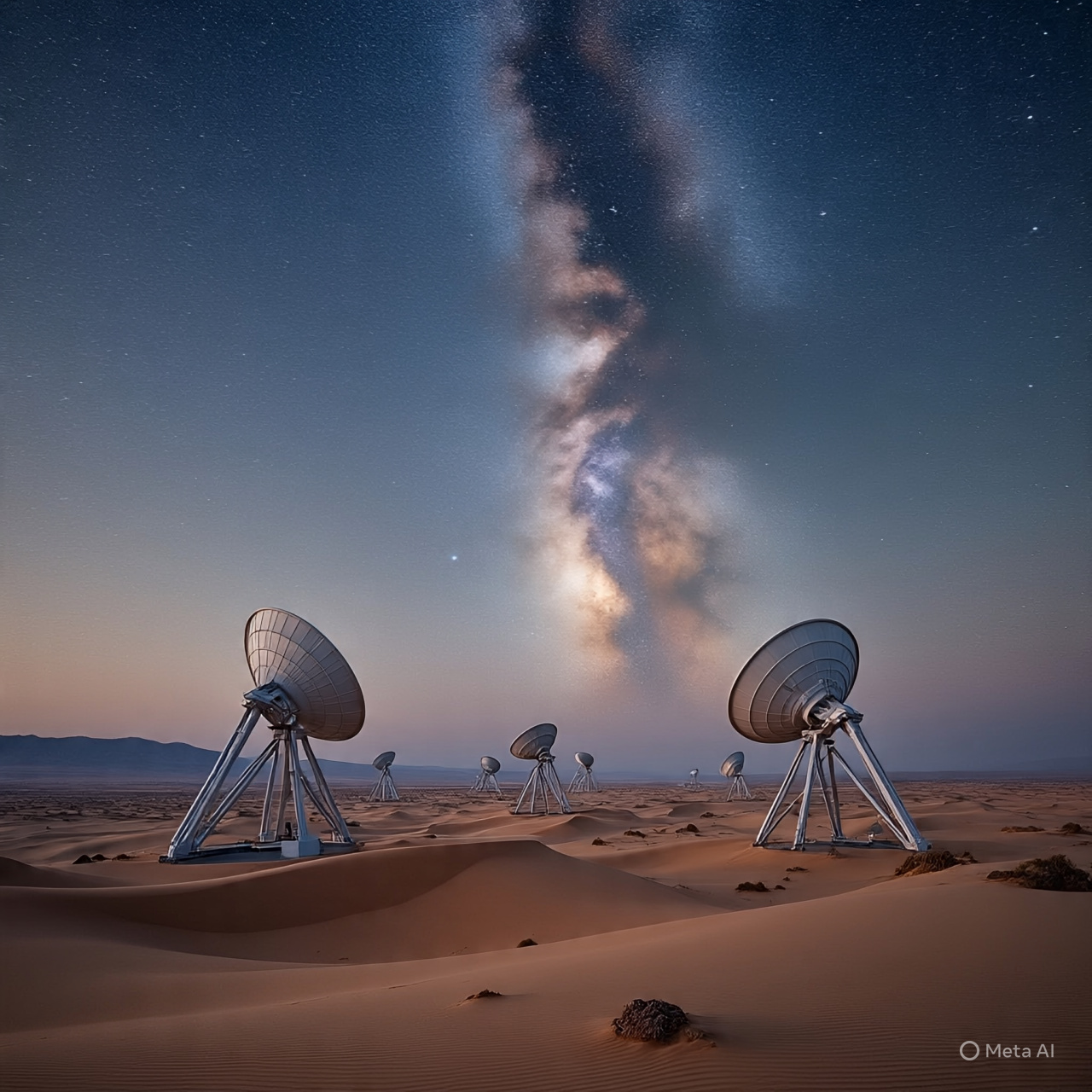
The MeerKAT telescope has detected the most distant megamaser in history, revealing insights into early galaxy formation and cosmic evolution.

NASA's report on the Starliner crewed flight test highlights significant safety issues and leadership failures, marking a pivotal moment for the agency's future missions.

NASA's Starliner delays prompt scrutiny of Boeing's role in spaceflight. The agency reassesses partnerships amid ongoing technical challenges.
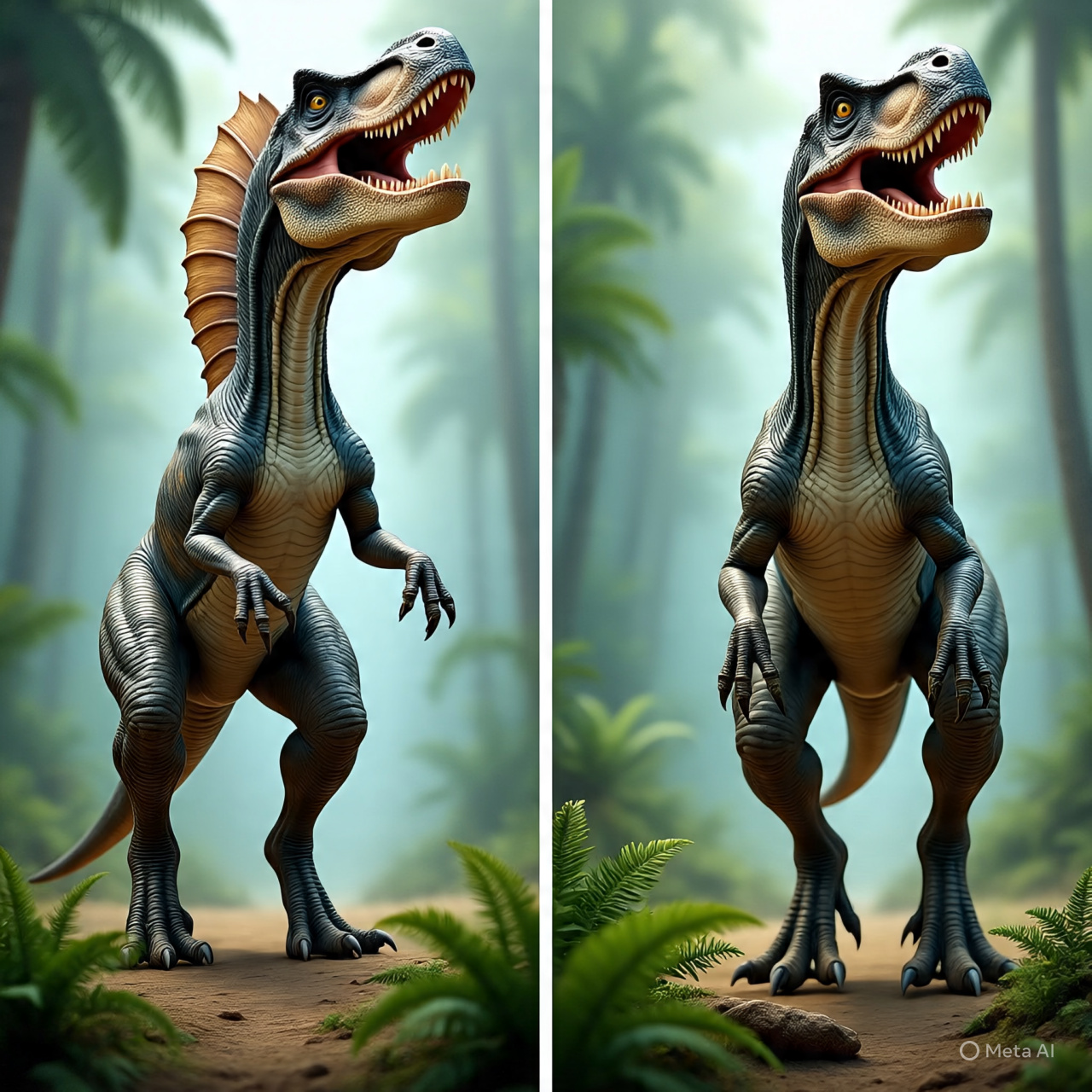
Explore the evolving interpretations of Spinosaurus, a dinosaur that challenges our understanding of prehistoric life and aquatic adaptation.

Witness the total lunar eclipse on March 3-4, 2026, as the moon transforms into a blood moon, visible from Asia, Australia, and the Americas.
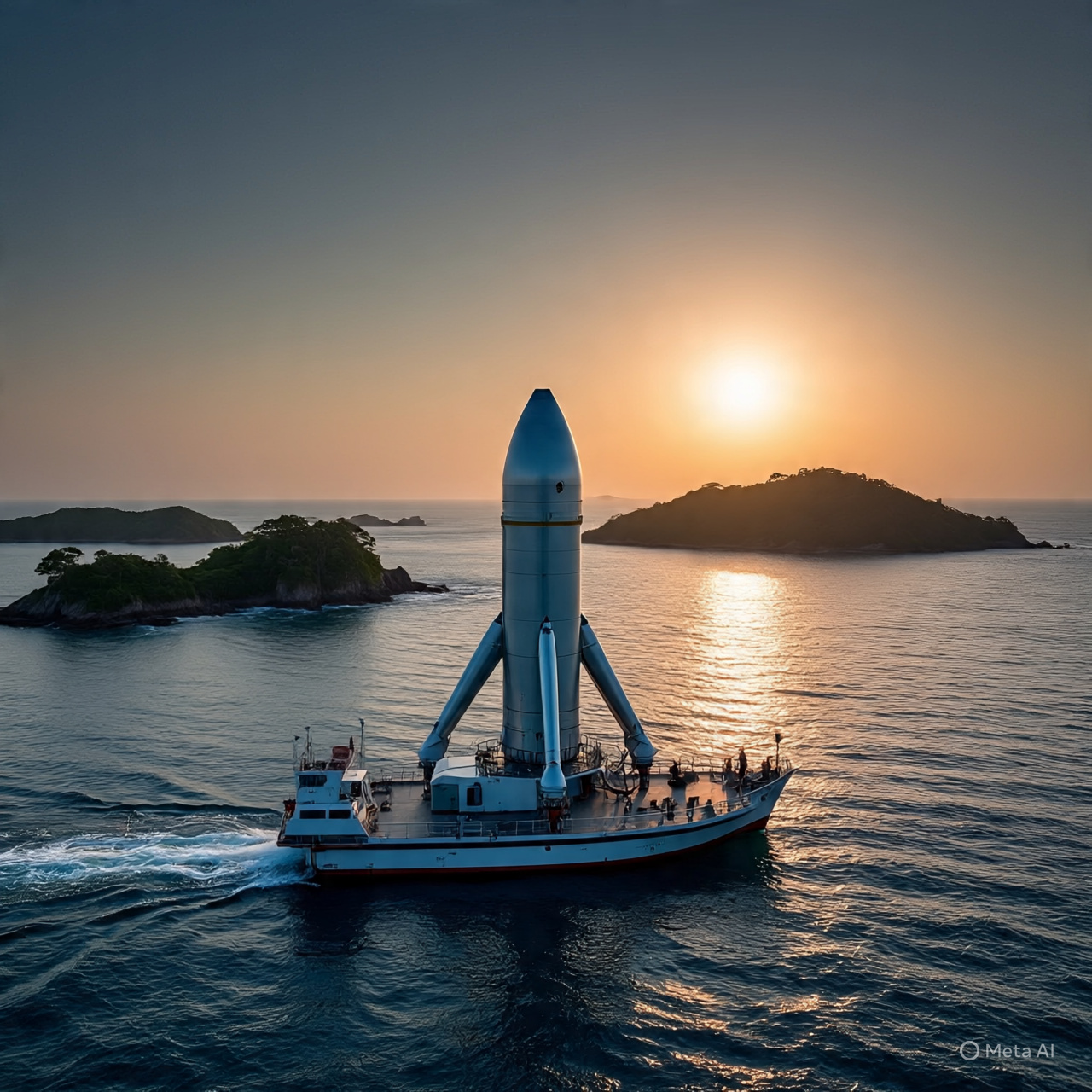
SpaceX launched a Falcon 9 with 29 Starlink satellites and achieved a rare second booster landing on a droneship near The Bahamas, showcasing advances in reusable rocket recovery.
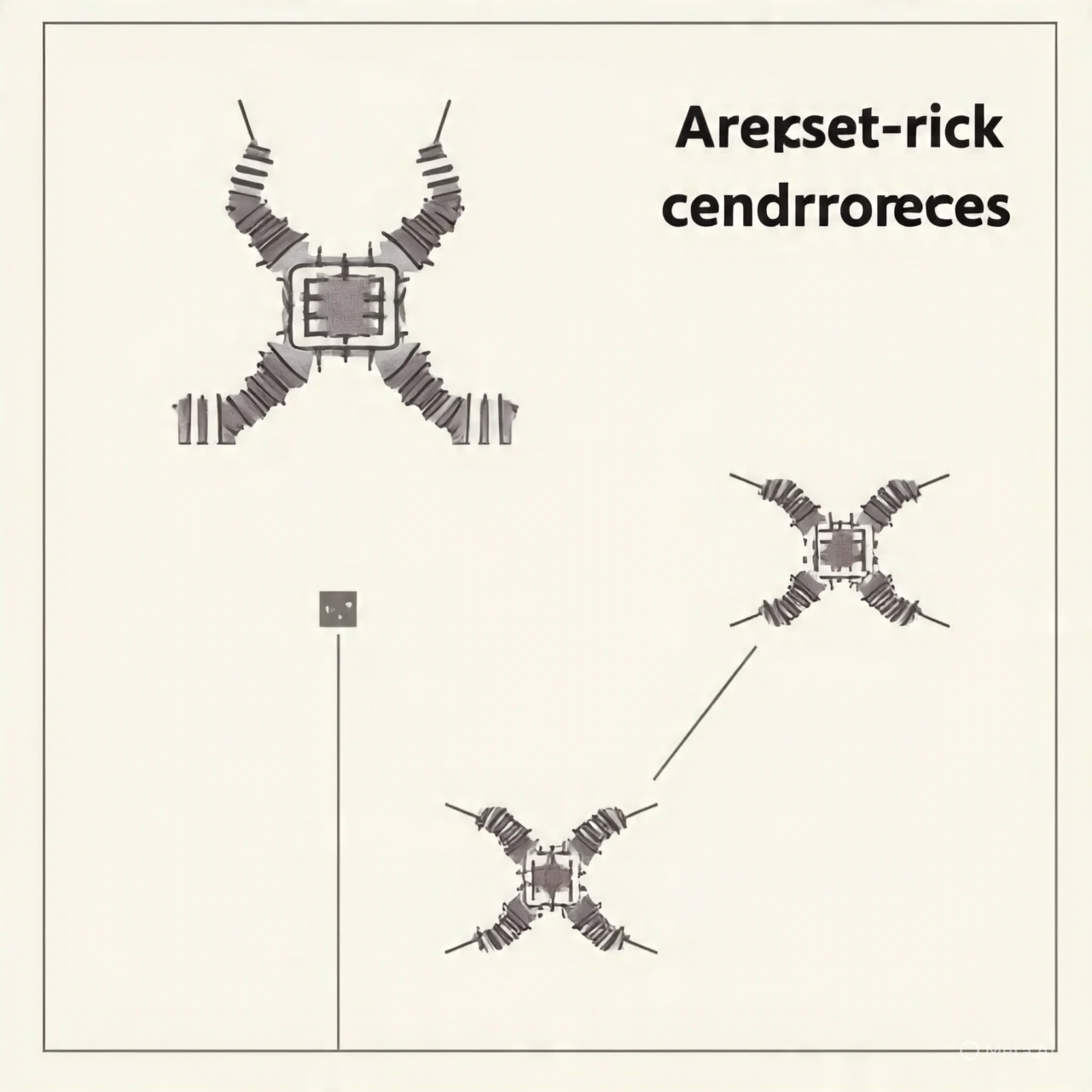
Research reveals how centromeres in yeast evolved from complex DNA sequences, shedding light on chromosome segregation mechanisms across species.
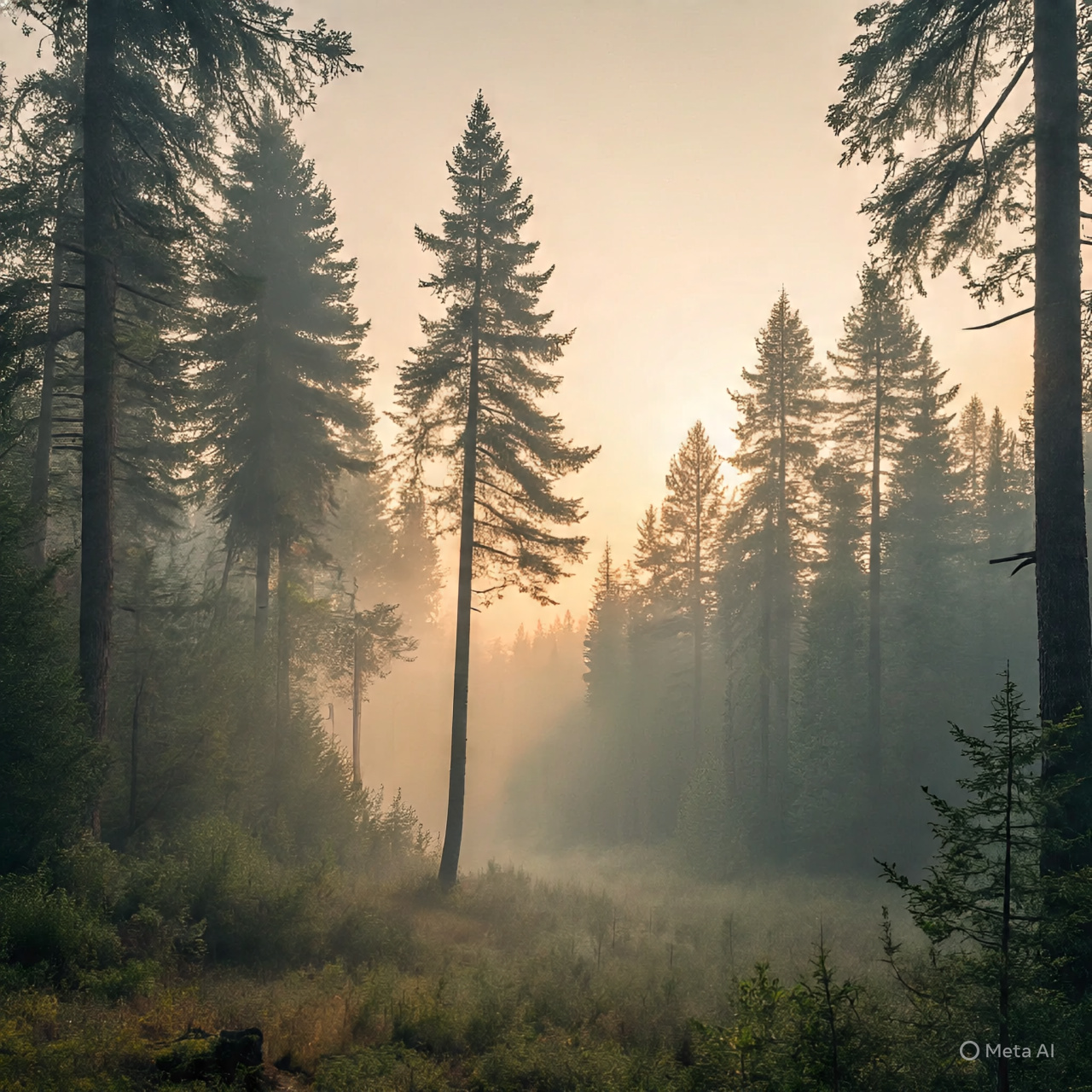
Research reveals that increasing atmospheric CO2 is tightening the nitrogen cycle in boreal forests, impacting tree growth and ecosystem health.
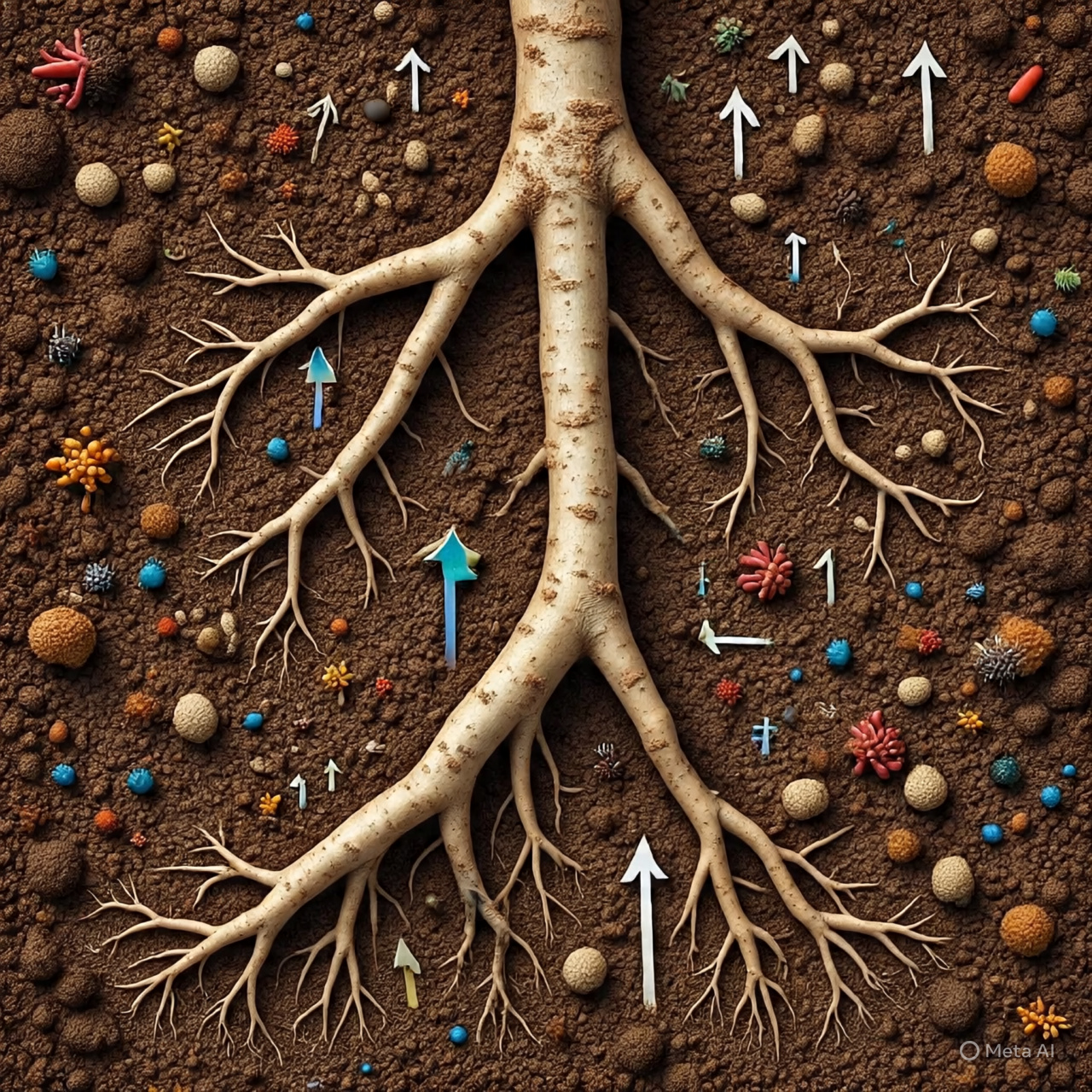
Explore how climate change and nitrogen deposition are altering soil respiration in forests, impacting global carbon cycles and ecosystem health.

Explore the science of twilight vision, revealing how our eyes adapt to low-light conditions and the factors influencing our perception at dusk.
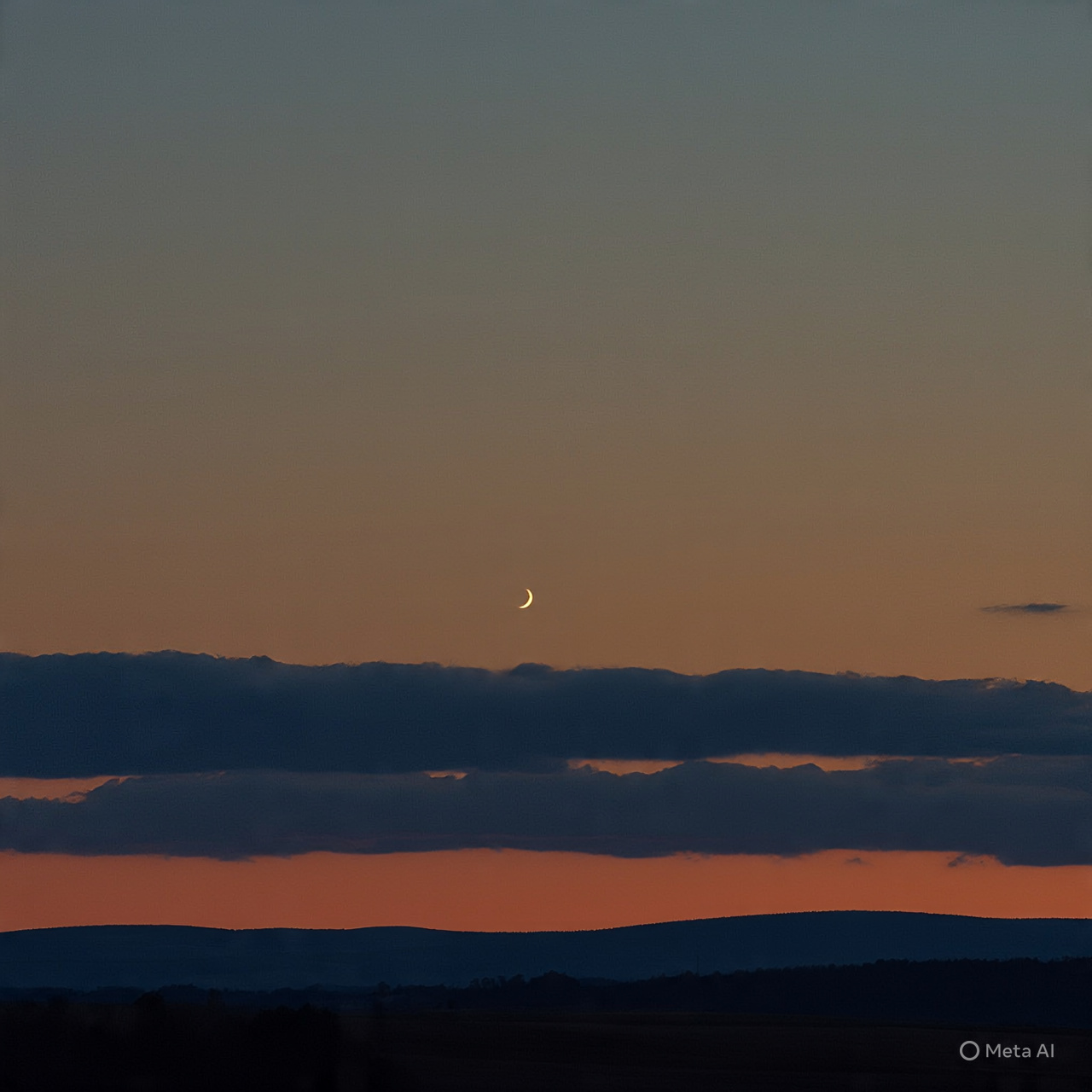
On February 19, a crescent moon will appear near Saturn at dusk, offering a brief celestial spectacle for skywatchers. Don't miss this enchanting view.

The Salt Creek Boardwalk in Death Valley reopens after three years, allowing visitors to observe the rare Salt Creek pupfish in its unique habitat.
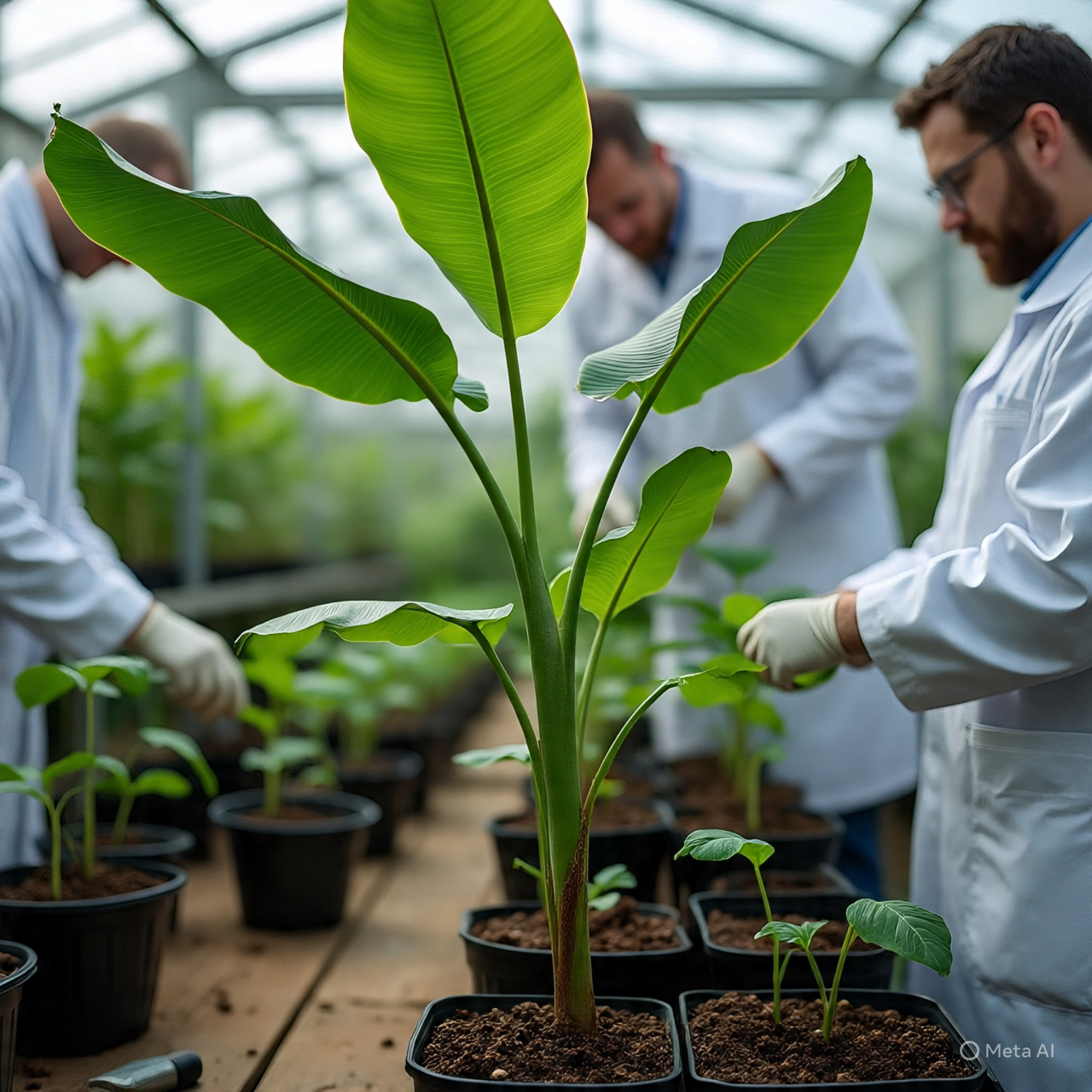
Scientists at The University of Queensland identify a genetic region in wild bananas that offers resistance to Fusarium wilt, aiding future banana cultivation.

Explore how mathematical patterns in music shape memory and cognition, revealing why certain melodies resonate deeply with listeners across cultures.
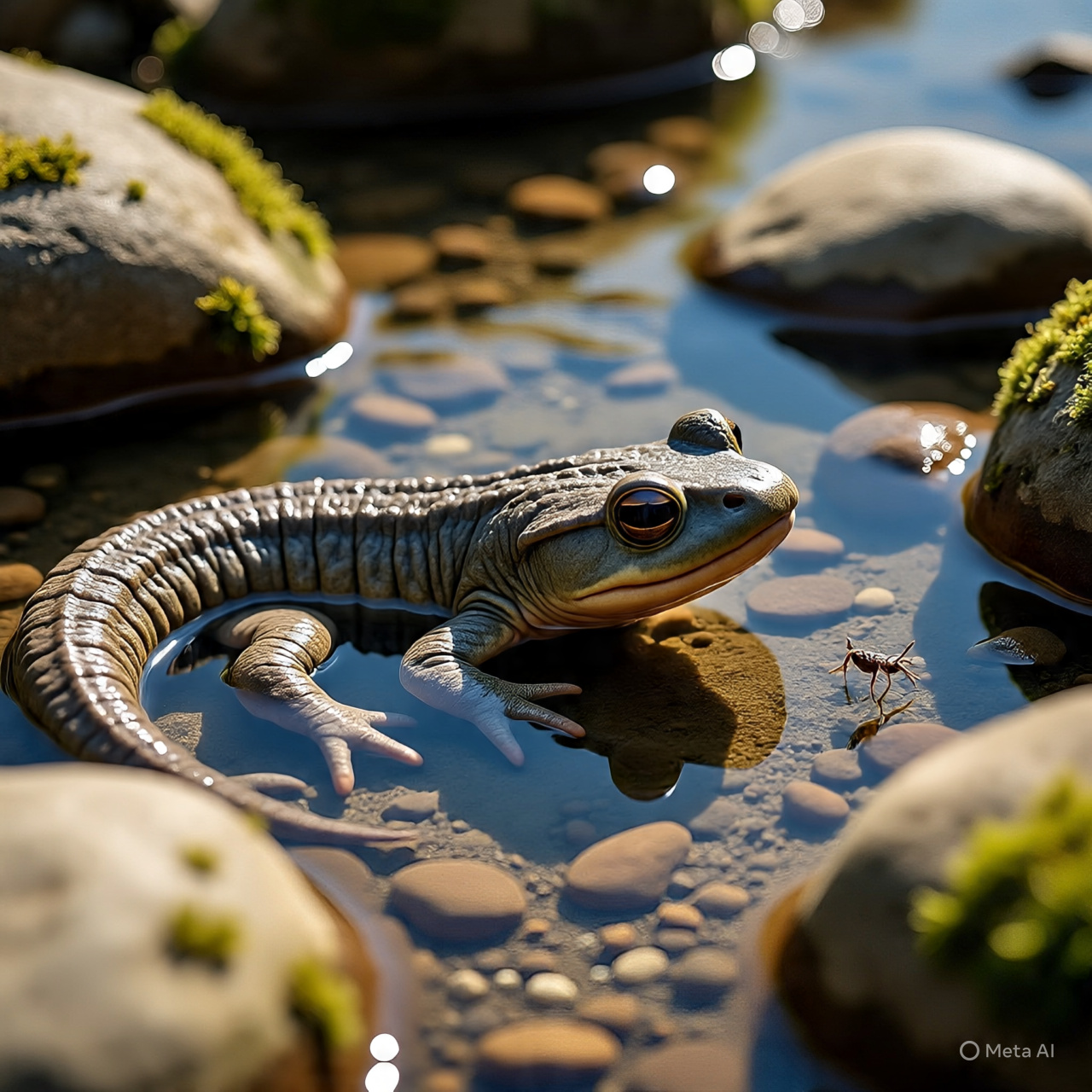
Conservation groups sue U.S. Fish and Wildlife Service for failing to protect Tennessee's eastern hellbender salamander under the Endangered Species Act.
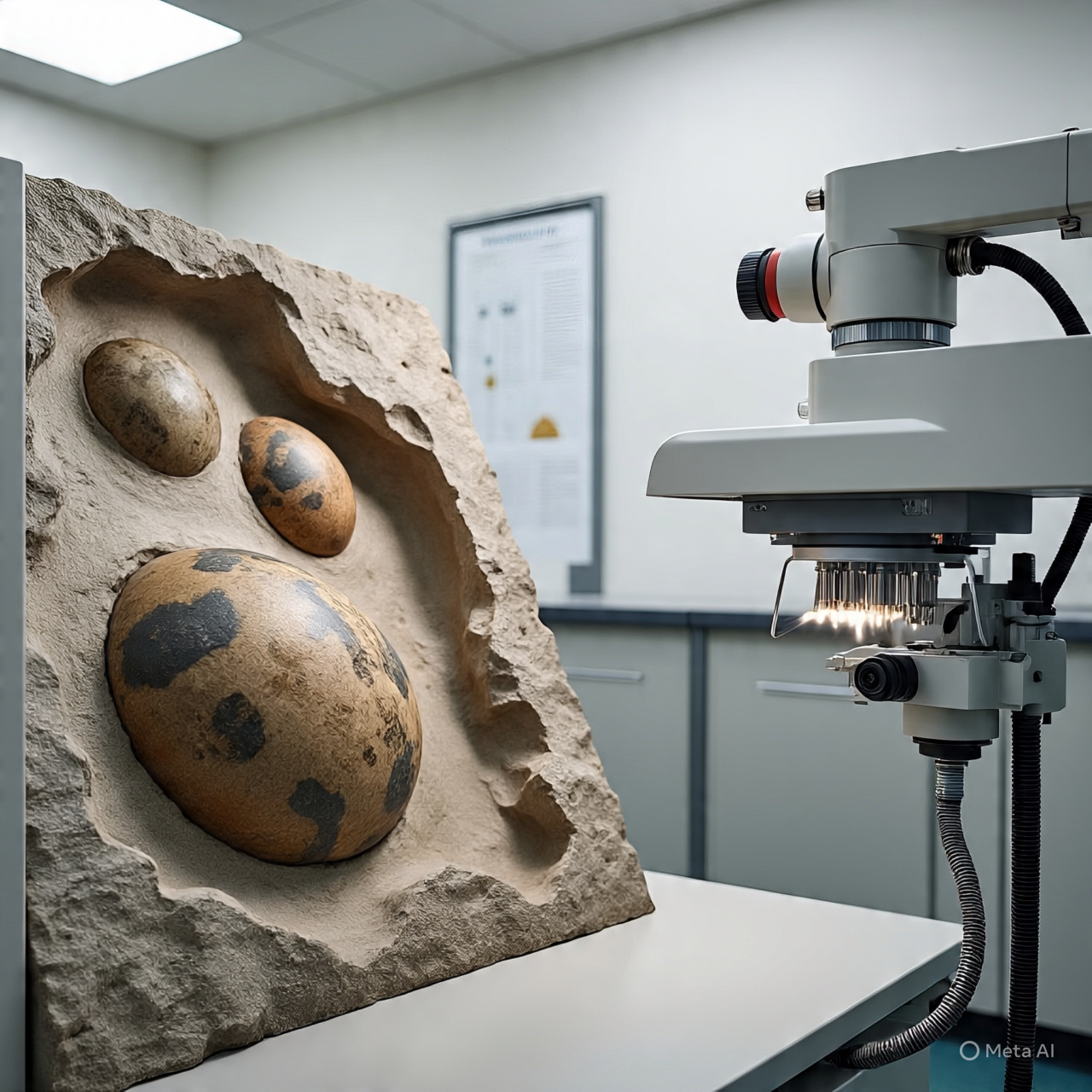
Discover how advanced imaging technology unveiled the secrets of ancient dinosaur embryos, shedding light on their development and evolutionary history.

Researchers led by Jacob Linder explore triplet superconductivity in a niobium-rhenium alloy, revealing potential for quantum computing advancements.
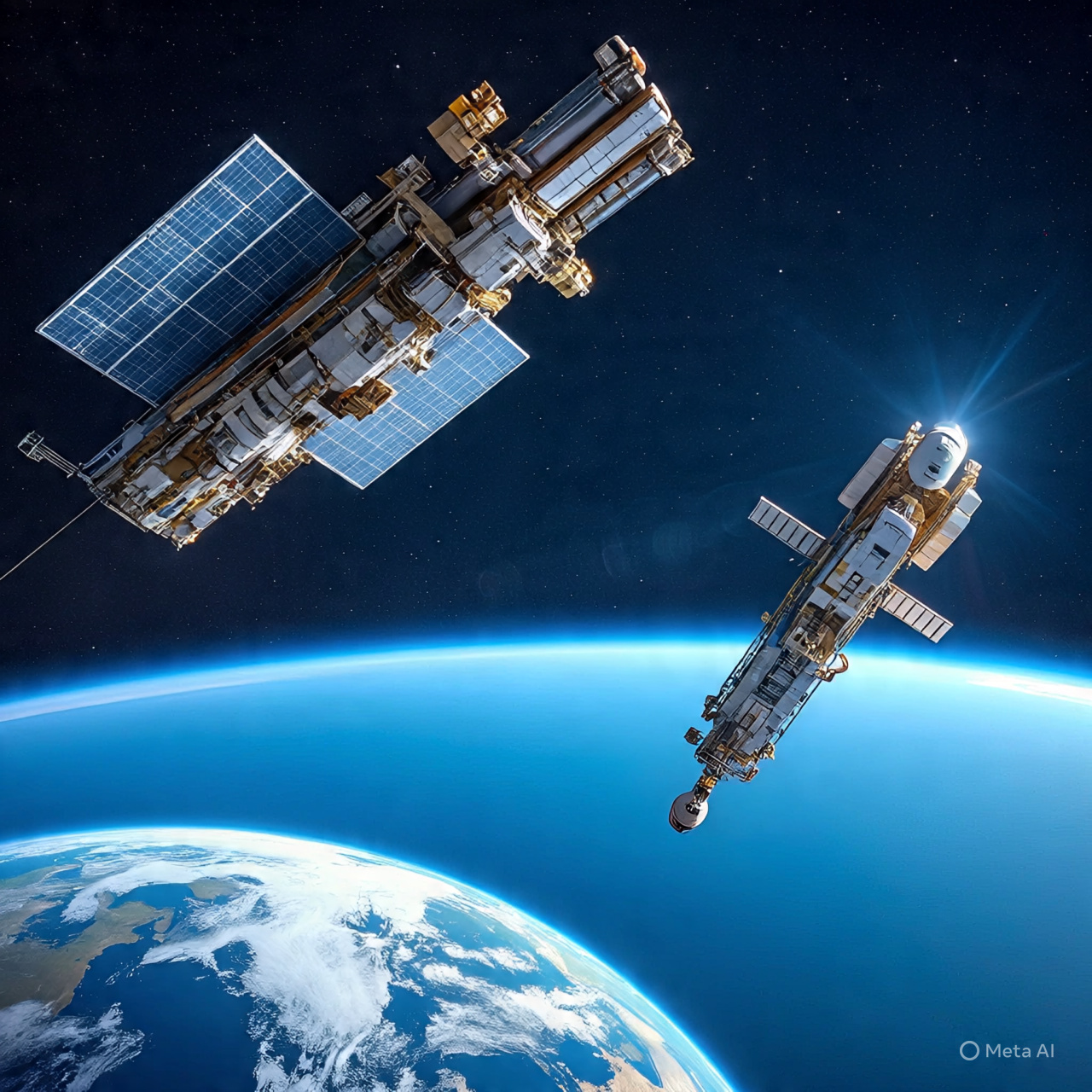
Four astronauts have arrived at the International Space Station, marking a significant moment in space exploration and international collaboration.
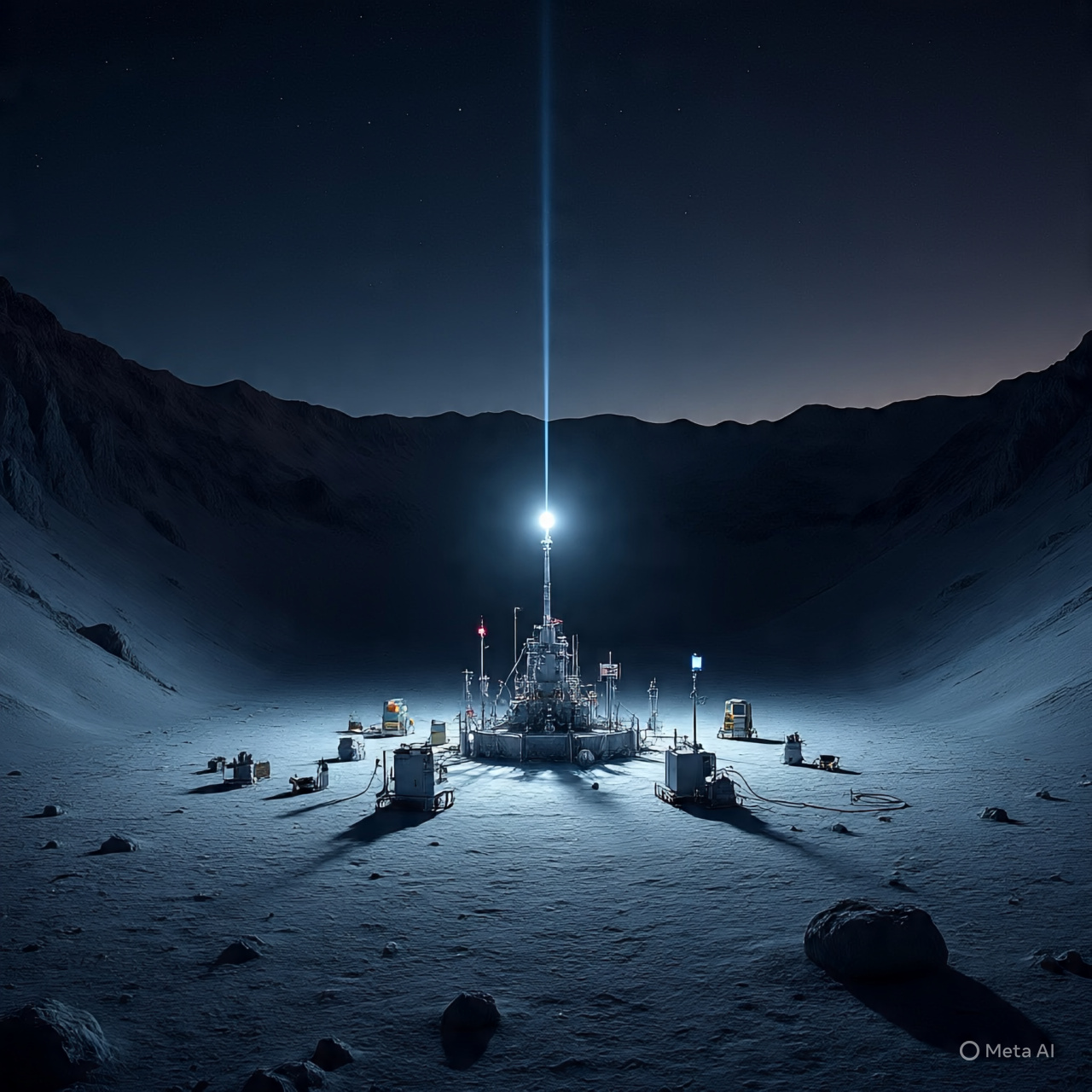
A proposed lunar laser system aims to enhance navigation for spacecraft and improve timekeeping on Earth, utilizing the Moon's unique environment.

Explore the challenges faced by Boeing's Starliner mission, highlighting technical issues, organizational dynamics, and the astronauts' extended journey in space.