SCIENCE86% credibility
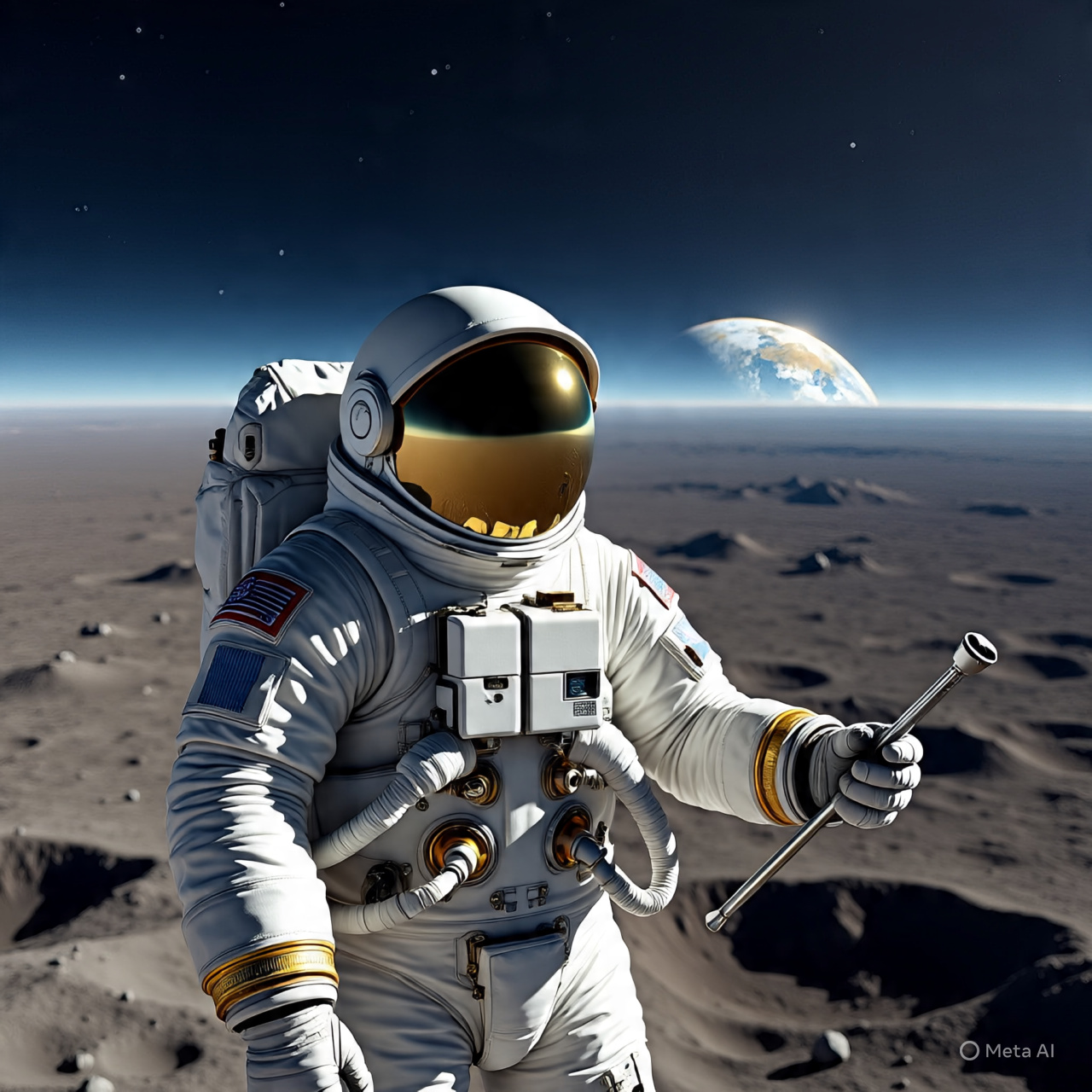
Exploring the Moon: New Insights and Future Missions Ahead
Renewed lunar exploration aims to uncover new insights about the Moon's history, potential resources, and its role in future space missions.
3 min read

Renewed lunar exploration aims to uncover new insights about the Moon's history, potential resources, and its role in future space missions.

Explore the plight of pangolins, the world's most trafficked mammals, their ecological role, and the efforts to combat illegal trade and protect them.

President Trump orders the Pentagon to disclose more records on unidentified aerial phenomena, enhancing transparency amid ongoing investigations.

Explore how Bengkalis mangroves are vital for coastal protection and climate resilience, showcasing nature's role in combating rising sea levels.
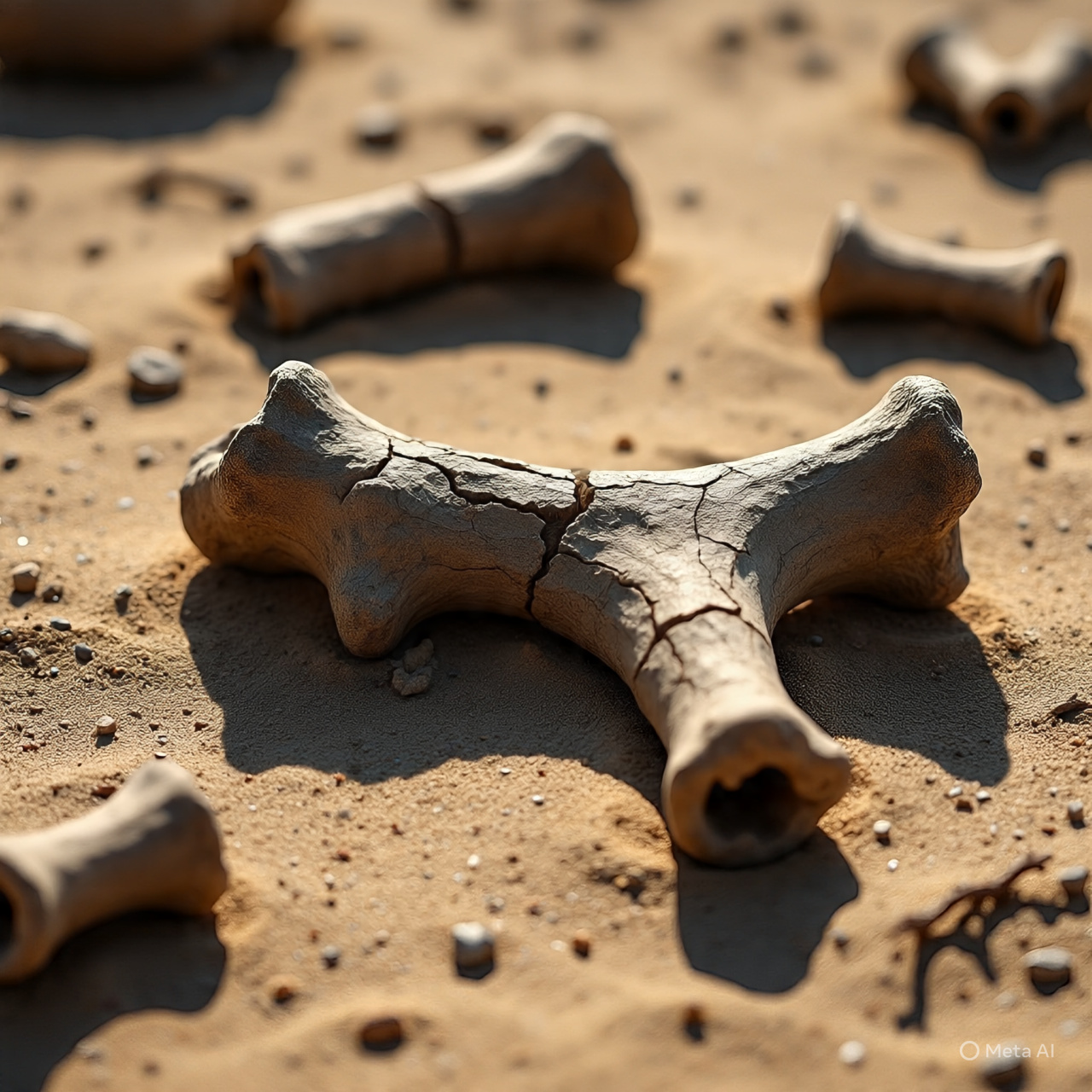
A recent fossil find in Niger reveals insights into ancient ecosystems and the role of the 'hell heron' as a top predator in prehistoric Africa.
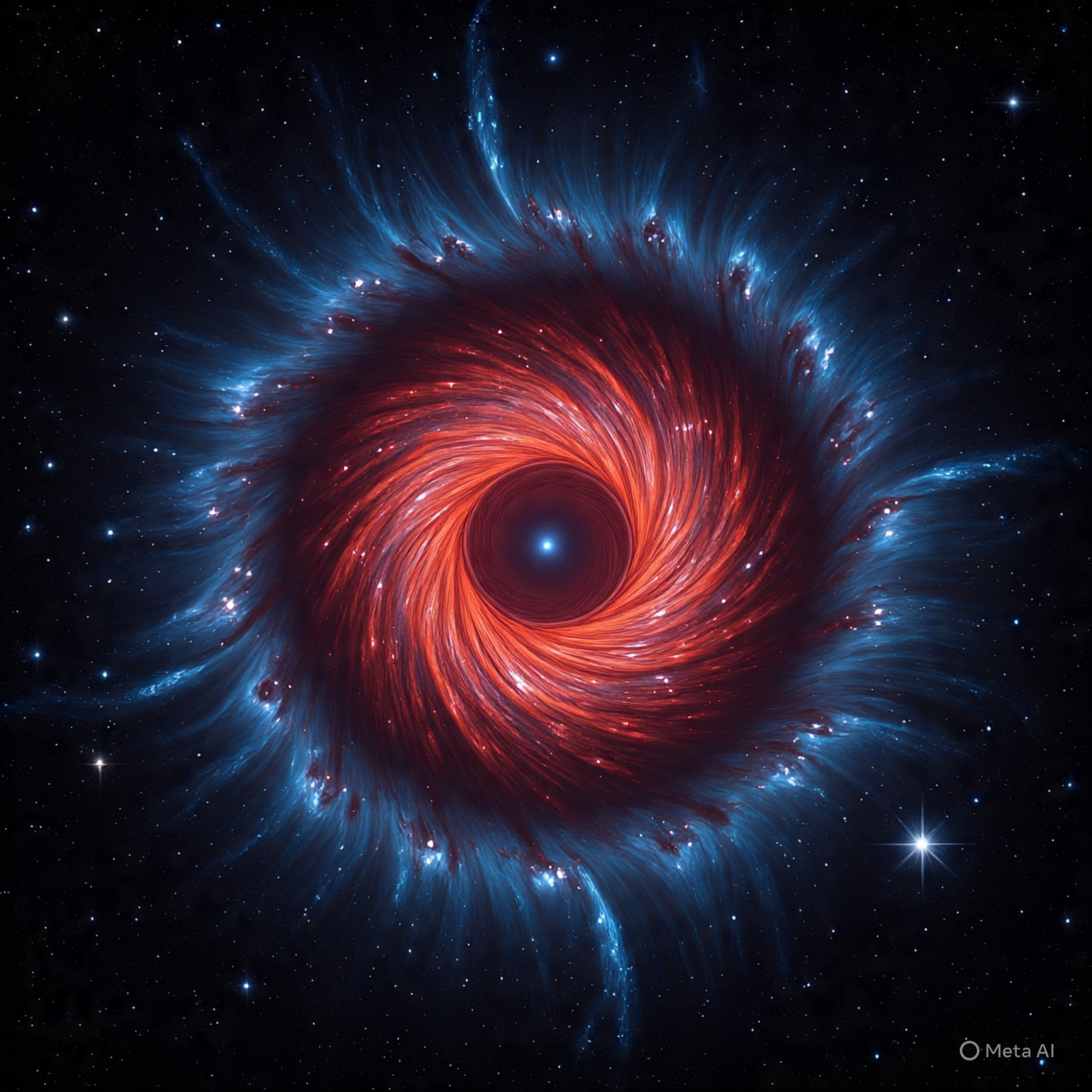
Recent simulations show that rotation plays a crucial role in chemical mixing within red giant stars, reshaping our understanding of stellar evolution.
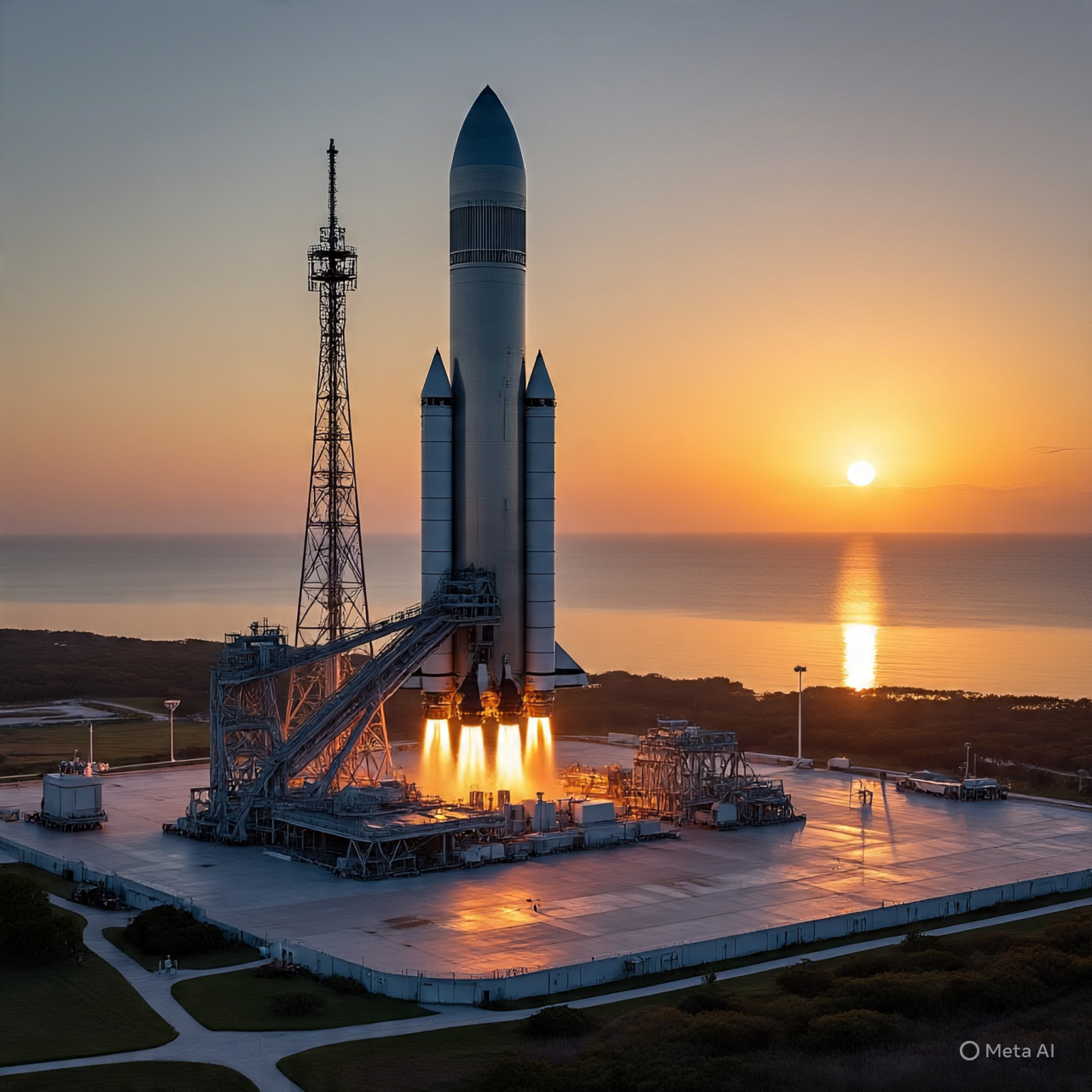
NASA's Artemis II mission is set for a March launch, marking humanity's return to lunar exploration. Key preparations and crew details are highlighted.

Explore the impact of mercury pollution from illegal gold mining in the Amazon and efforts by the Wildlife Conservation Society to combat this crisis.

The UN High Seas Treaty offers West Africa a chance to enhance marine protection, boost economies, and combat illegal fishing, shaping a sustainable future.
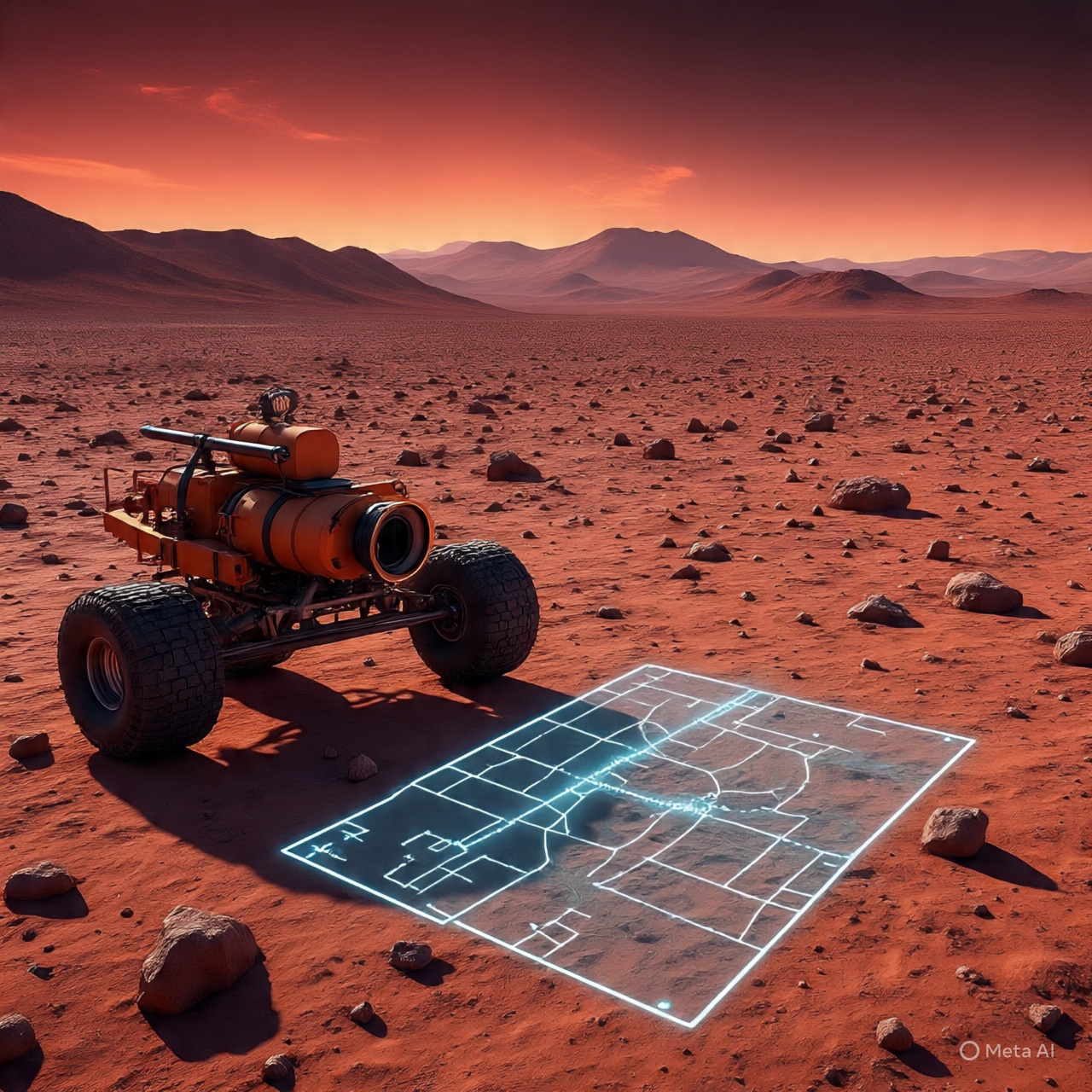
NASA's Perseverance rover improves its navigation capabilities on Mars, autonomously pinpointing its location without GPS, enhancing exploration efficiency.
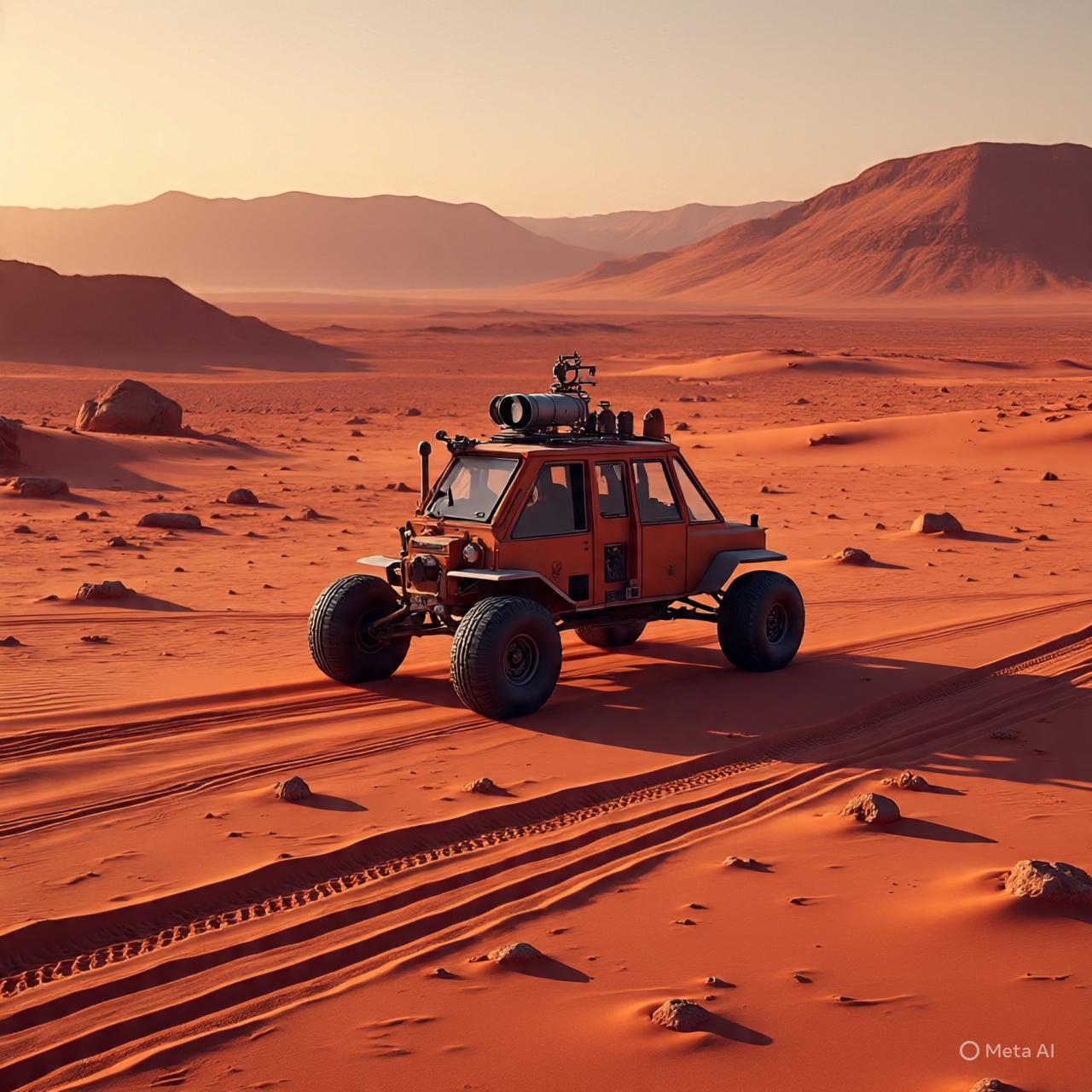
NASA's Perseverance rover enhances its autonomy on Mars, enabling it to navigate and explore more efficiently, paving the way for future missions.

Discover how shifts in orbital frequencies around black holes provide insights into their mass, spin, and the nature of gravity in extreme environments.
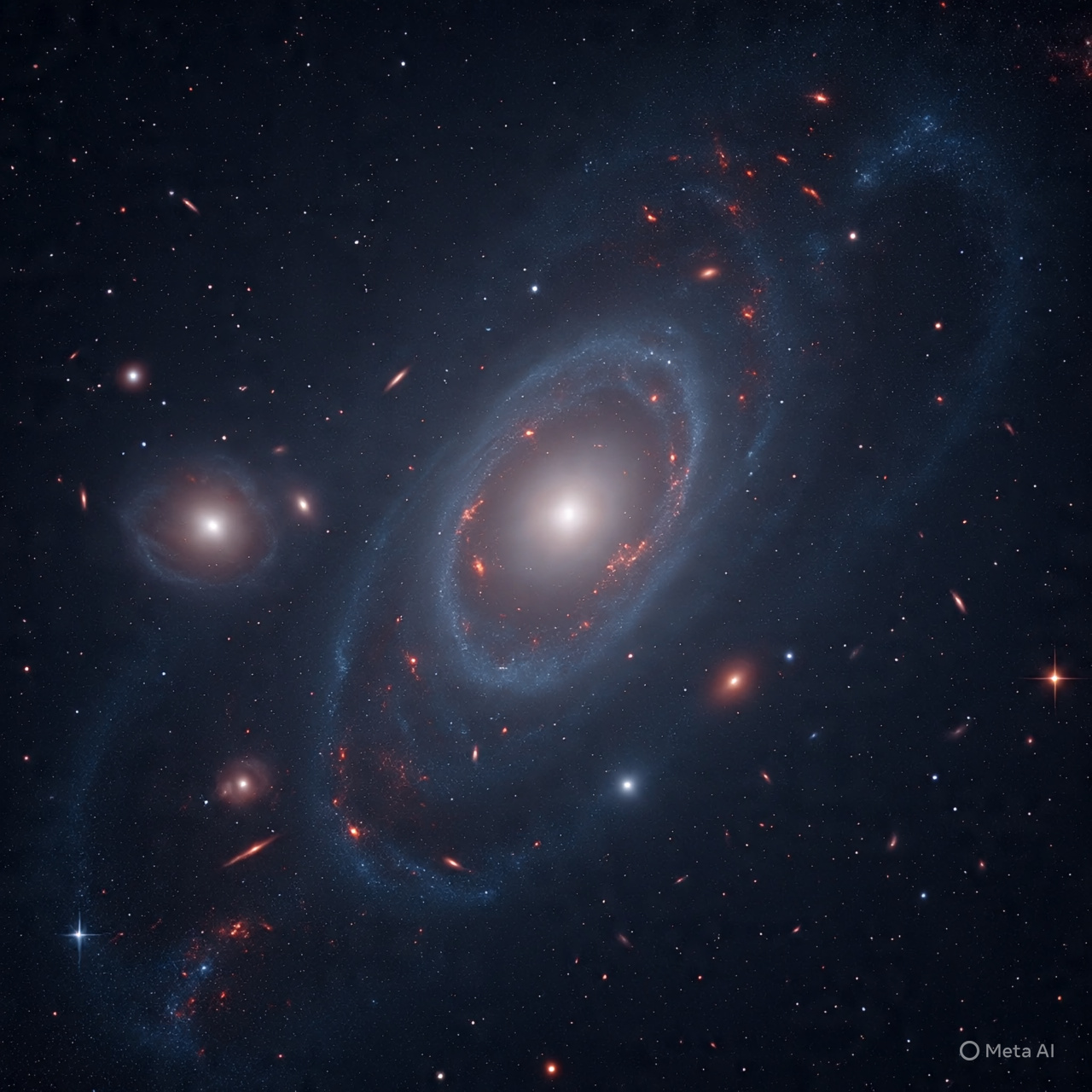
Astronomers identify 70 dusty galaxies from the early universe, revealing unexpected insights into star formation and cosmic evolution over 13 billion years.
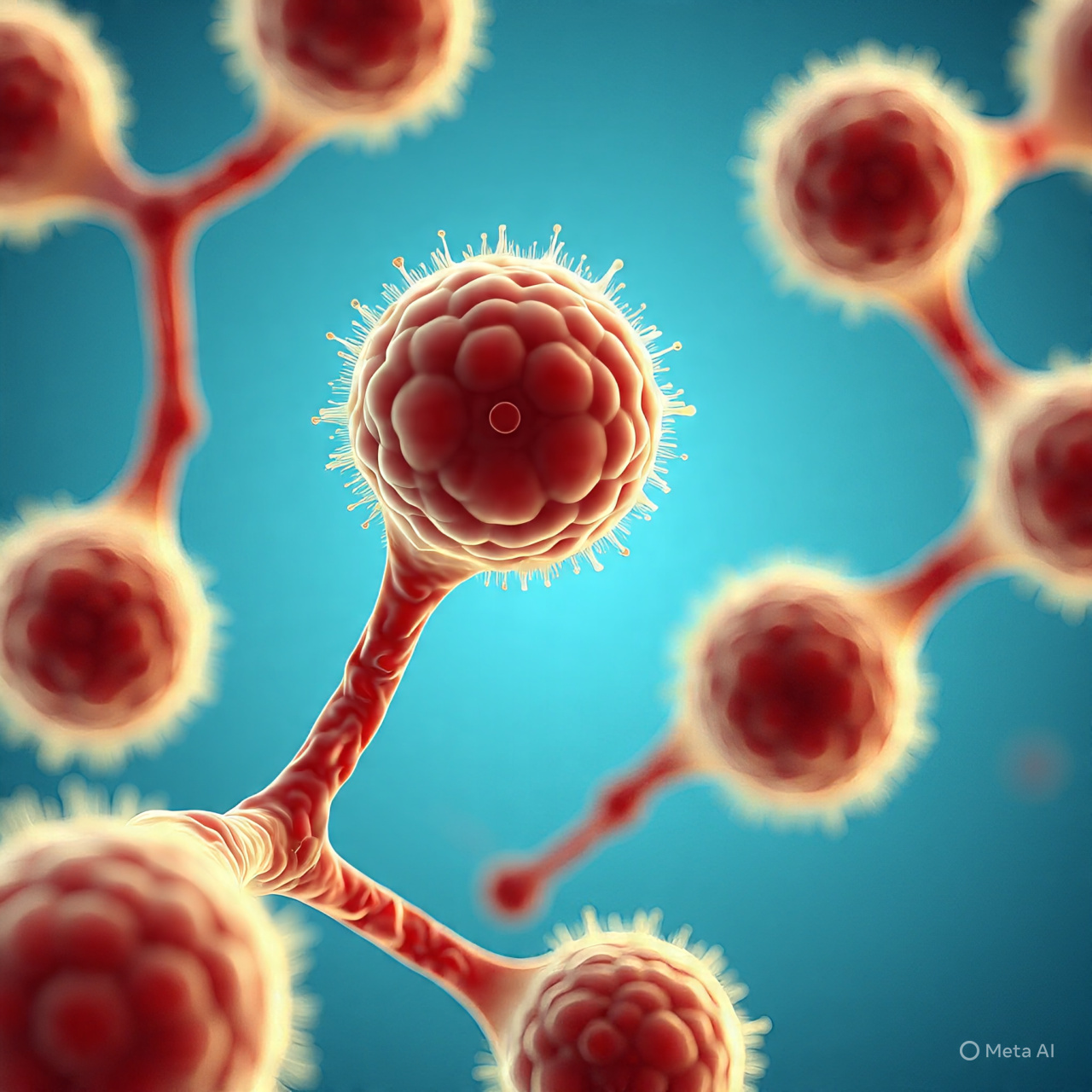
Explore how embryonic reproductive cells reorganize their genomes before development, revealing insights into fertility and genetic inheritance.
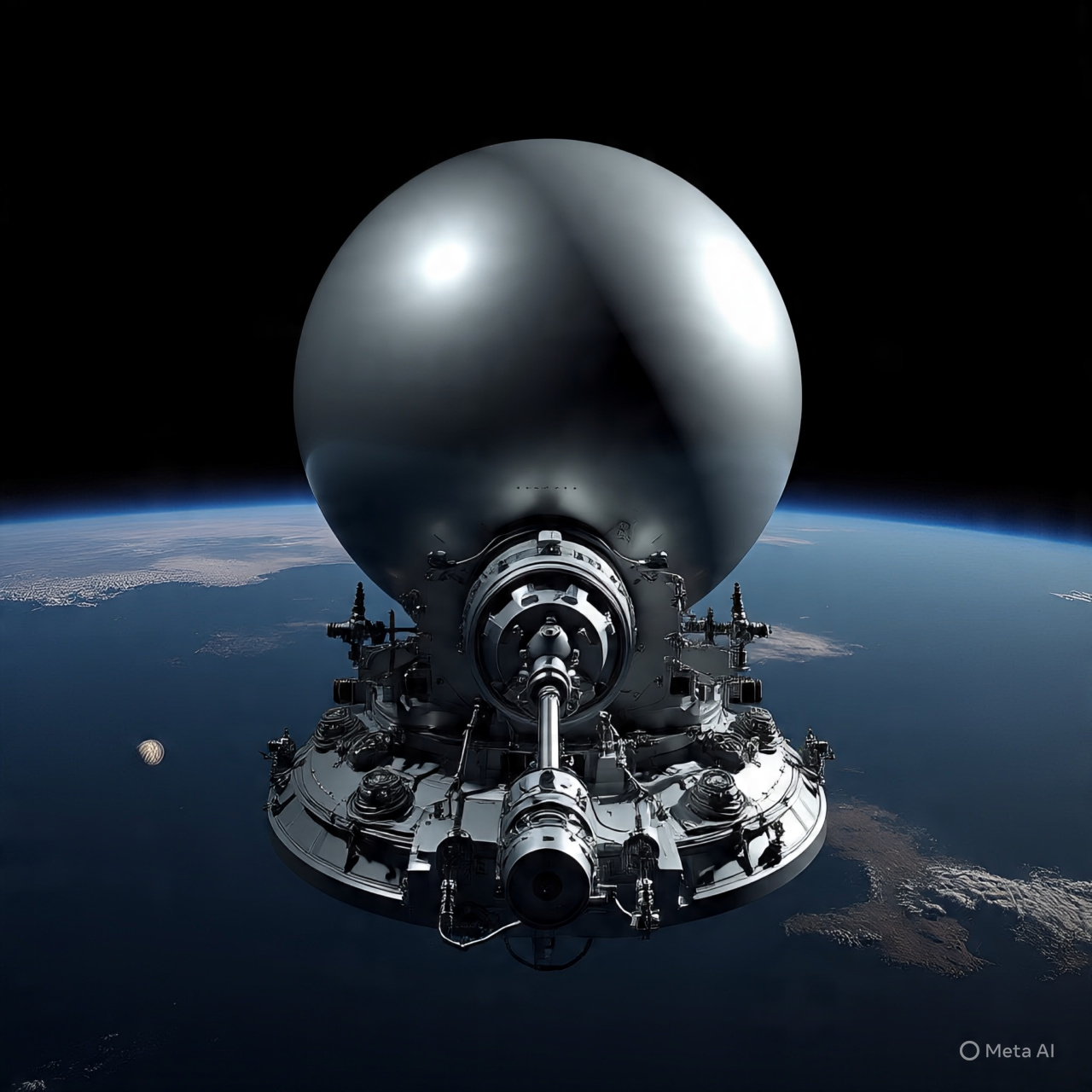
NASA classifies the Starliner mishap as a Type A incident, emphasizing accountability and safety as it prepares for future crewed missions.
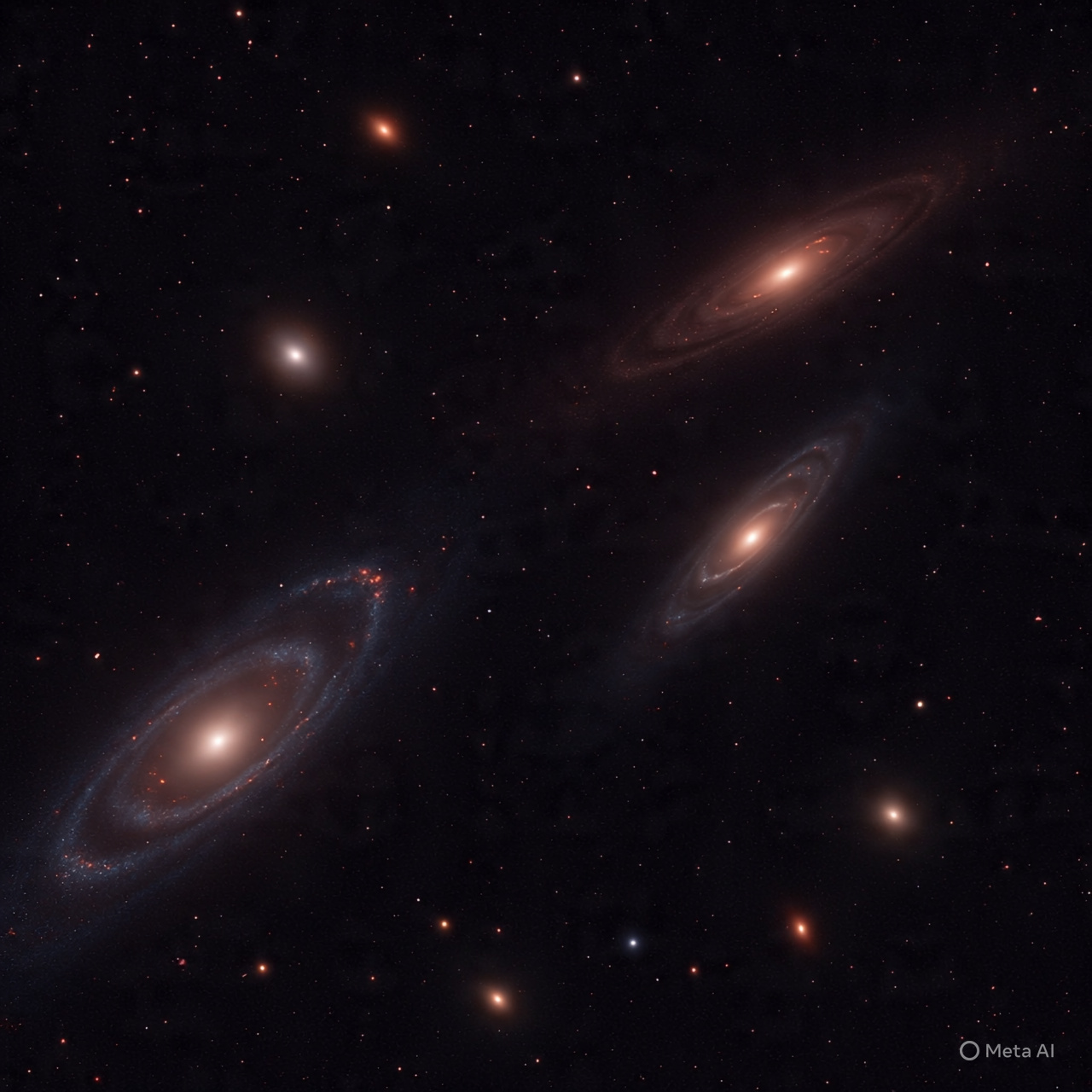
Astronomers discover seventy dusty galaxies at the universe's edge, challenging existing models of cosmic evolution and stellar formation.
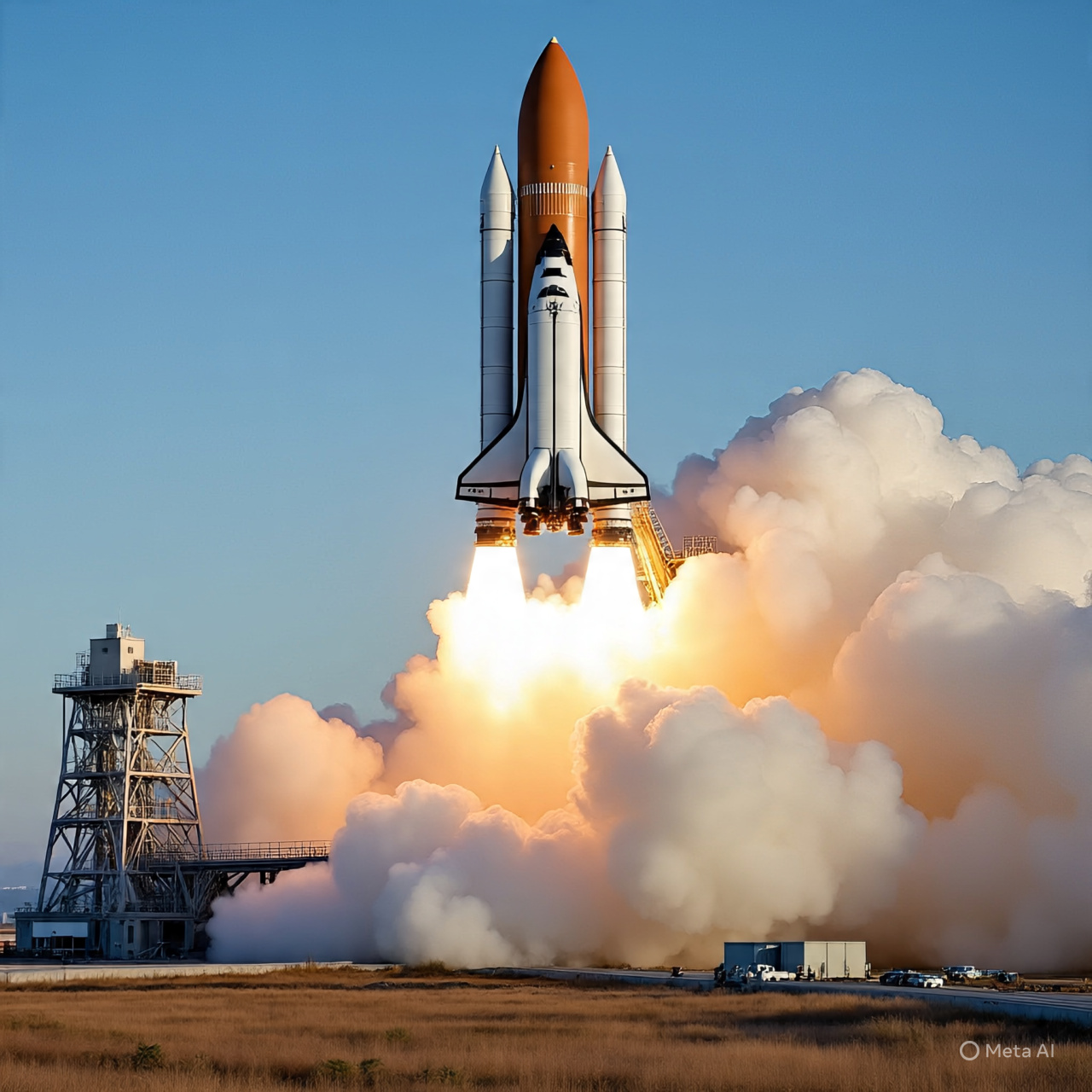
NASA's Artemis II mission gears up for a crucial Wet Dress Rehearsal in Florida, simulating launch day procedures for the upcoming lunar journey.
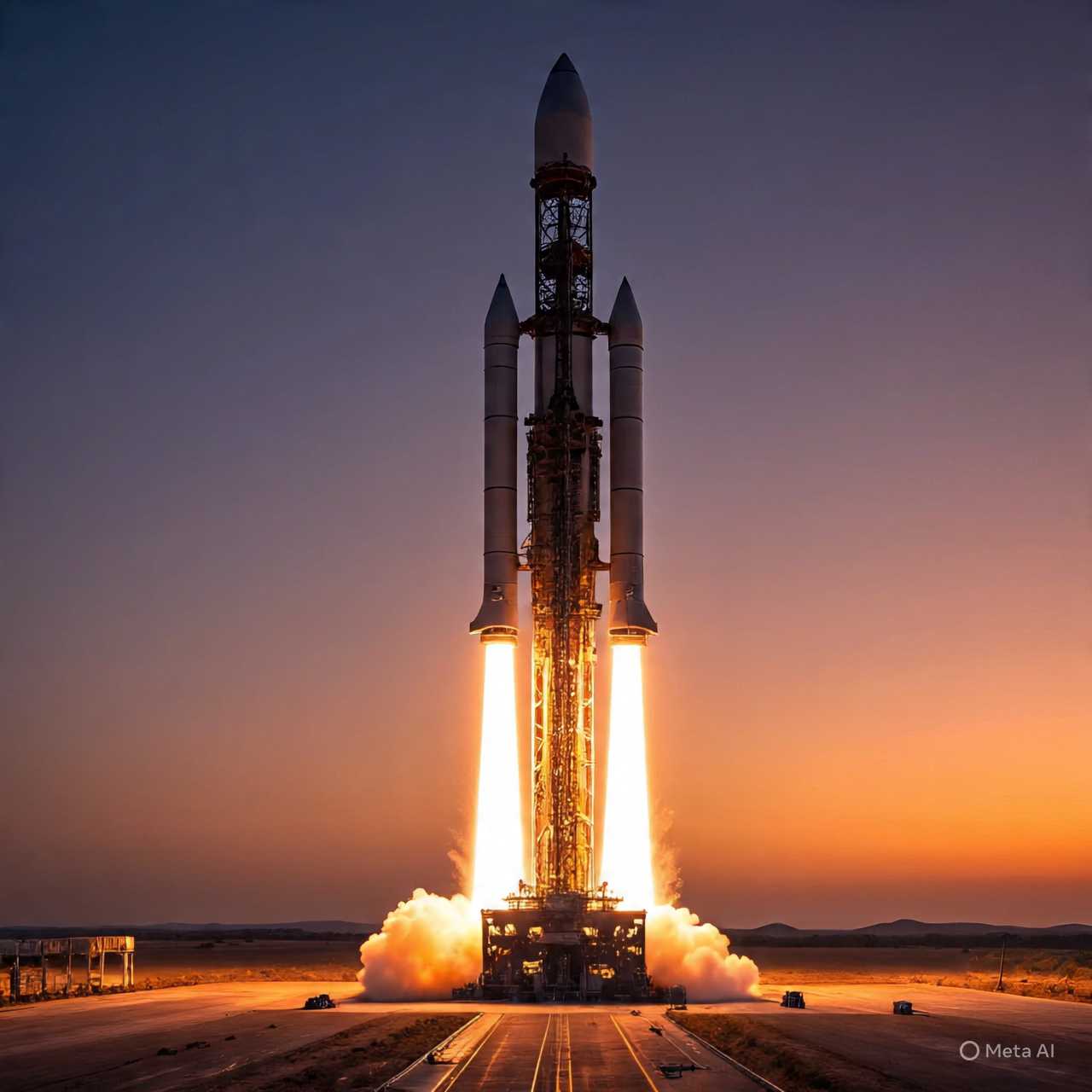
NASA's Artemis II mission is scheduled for launch on March 6, marking humanity's return to lunar exploration after over 50 years. Learn more about the mission.
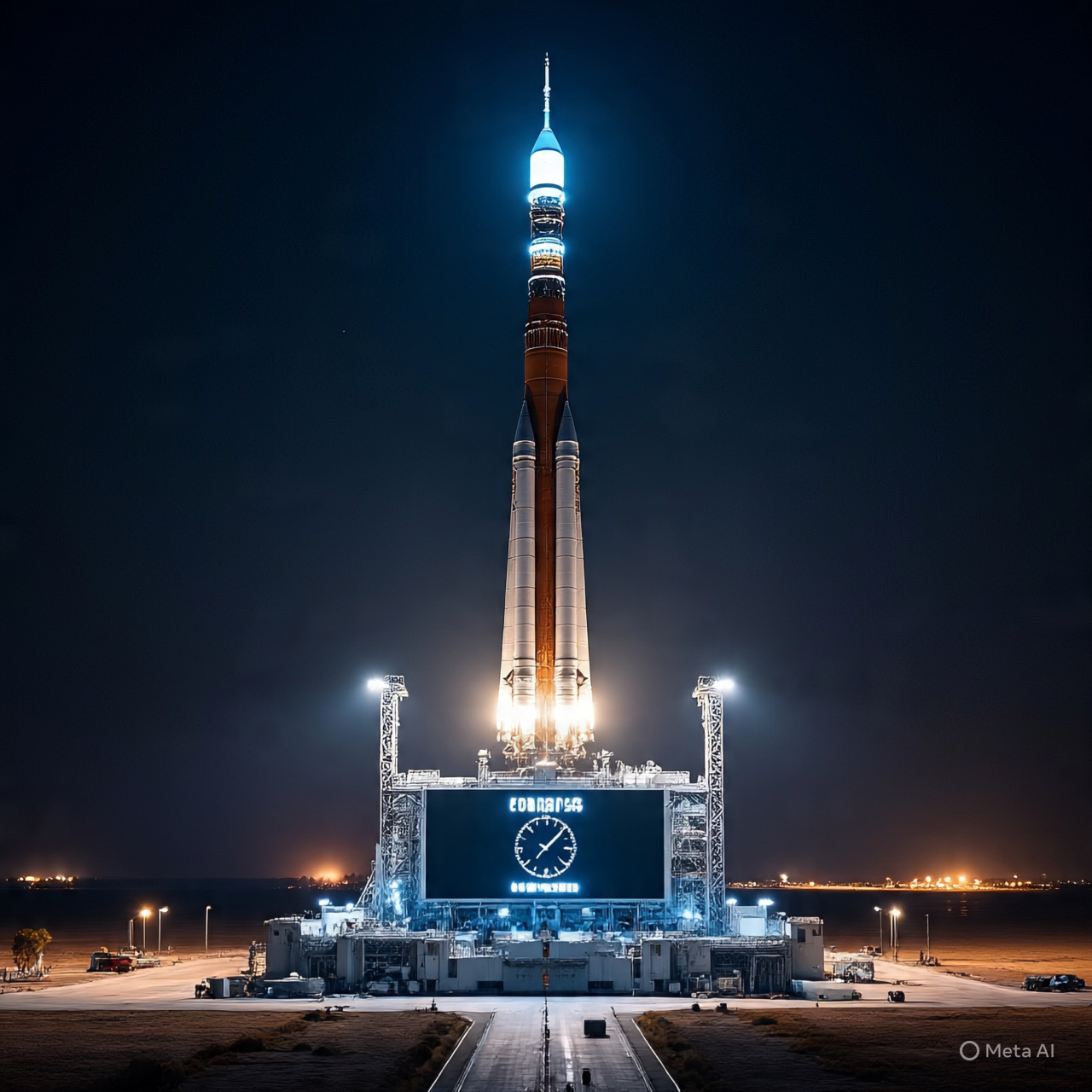
NASA's Artemis II mission aims to send astronauts around the Moon in March, marking humanity's return to deep space after over 50 years.
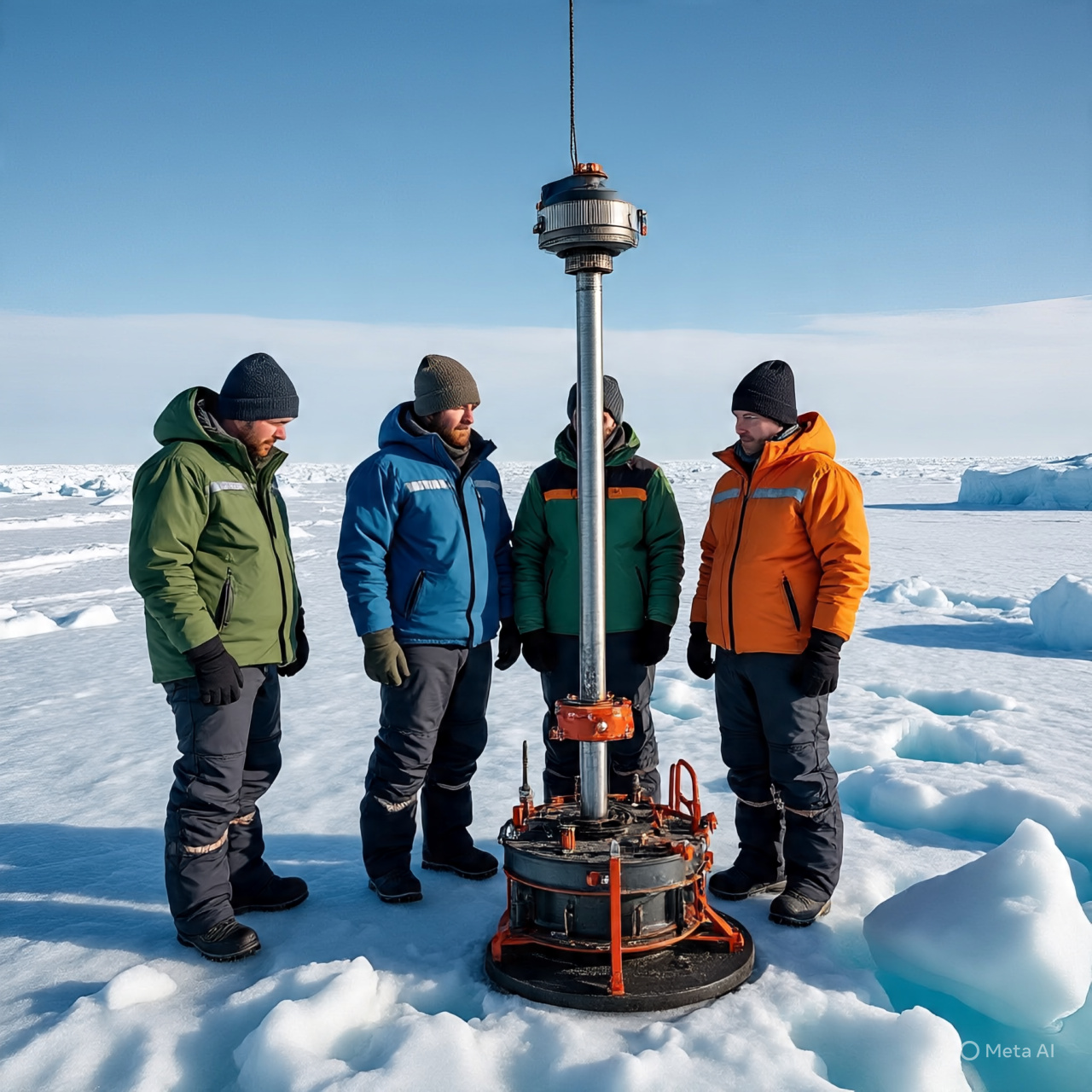
Scientists retrieve the longest sediment core from beneath Antarctic ice, revealing insights into Earth's climate history and future warming implications.

Hannah's inspiring journey back to competition after a brain bleed highlights resilience and the power of support in youth sports.

Explore the critical importance of limiting global warming to 2°C to protect the Antarctic Peninsula's unique ecosystems from irreversible damage.
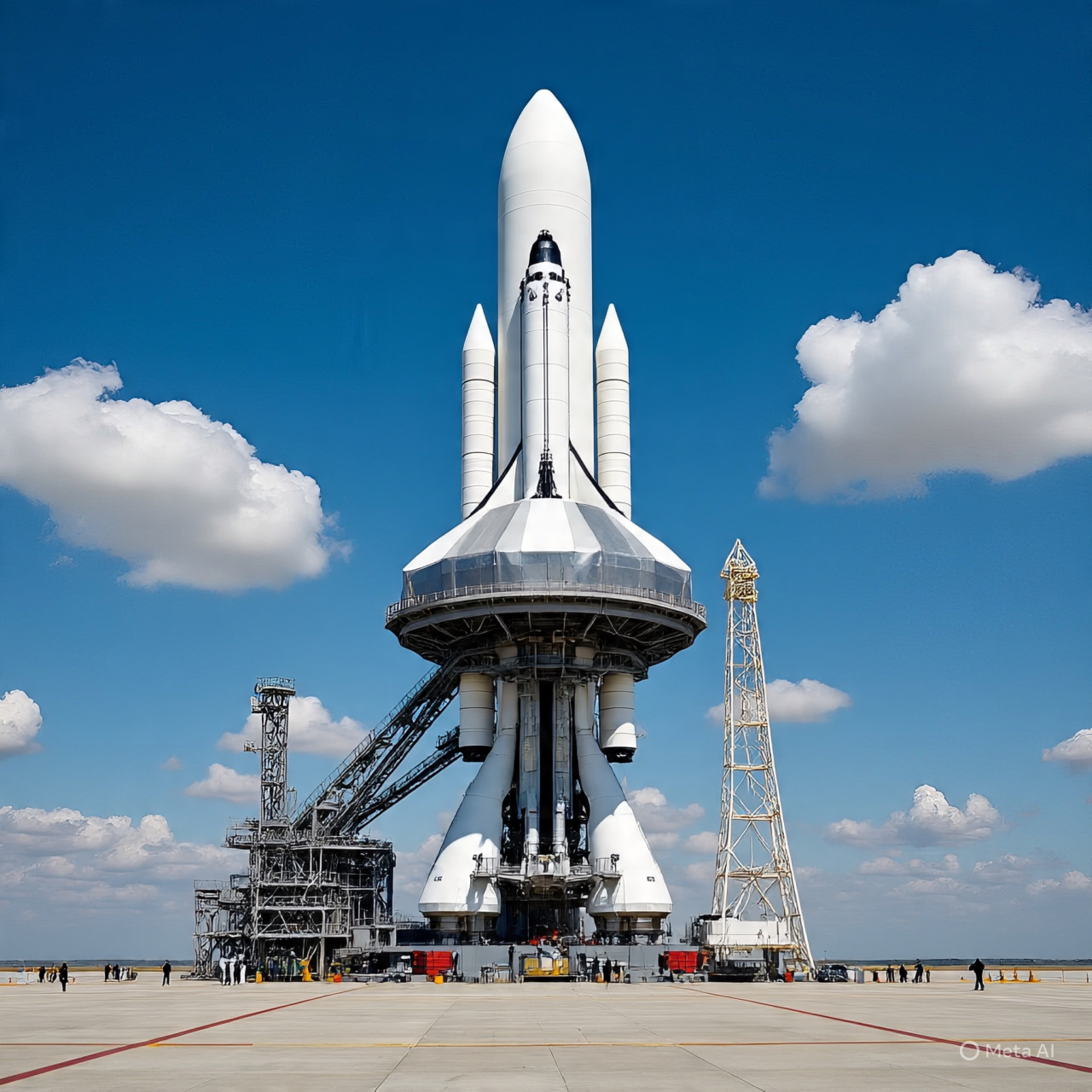
NASA's Artemis II mission aims for a March 6 launch, marking humanity's return to lunar exploration with a crewed flight around the Moon.
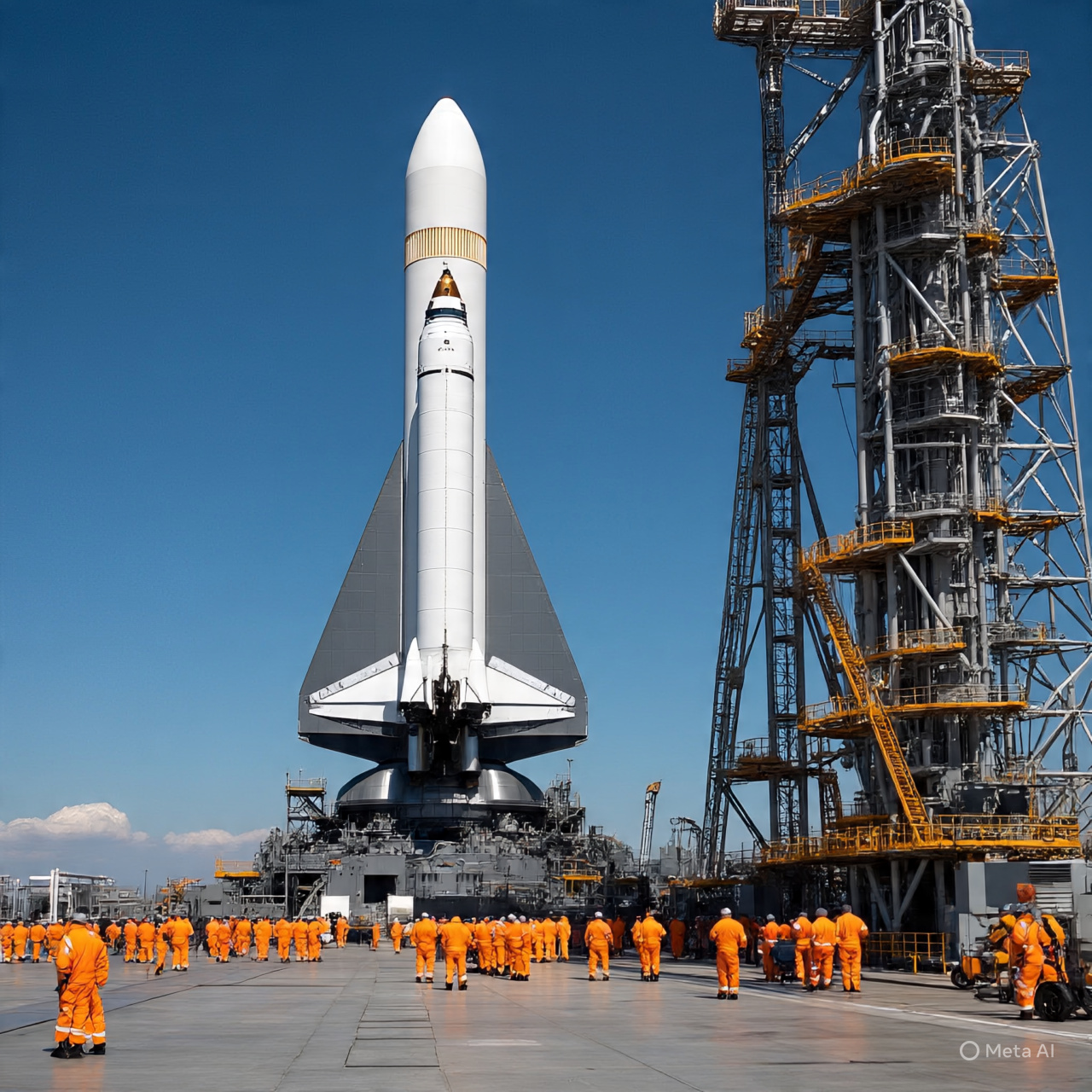
NASA's Artemis II mission aims for a March launch, marking a historic crewed journey around the Moon with four astronauts aboard.