On nights when the moon hangs low and full over the quiet world, there is a sense of shared anticipation — the way light softens and the air feels just a touch cooler, as though the sky itself is preparing for a slow and silent procession. In early March, just as winter’s hold loosens and the promise of spring lingers on the horizon, that anticipation takes on a celestial shape: a total lunar eclipse, a moment when the Earth itself stands between sun and moon, casting a shadow that moves with the gentle deliberation of an ancient tide.
This event — often called a “blood moon” for the warm, coppery hue the moon takes on during totality — comes on March 3–4, 2026, when the full moon of the season, sometimes referred to as the Worm Moon, will traverse our planet’s shadow. Unlike its solar counterpart, this eclipse invites all who watch from the night side of Earth to participate simply by stepping outside, lifting their gaze into the sky. There is no need for special filters or protective eyewear; the moon’s reflected light, though dimmed and tinged with red as it slips into the deepest shadow, is safe and gentle to behold.
For those who wish to deepen their appreciation of this quiet spectacle, a pair of binoculars or a modest telescope can bring the scene into sharper focus — not because they are necessary, but because they reveal the nuances of Earth’s curved shadow as it sweeps slowly across the lunar surface. In darker settings away from urban lights, the effect of the eclipse becomes even more pronounced, as distant stars and planets begin to emerge around the reddened orb, creating a tableau that seems to bridge sky and soul.
Timing, of course, matters, and observers across the globe will experience this celestial event in slightly different phases. In some regions, the moon will rise already touched by Earth’s penumbral shade, a subtle beginning that marks the night’s slow shift toward totality. In others, the passage from partial to full eclipse will unfold more fully overhead, tracing a gentle arc from bright disk to dusky, ruddy sphere. For those near the Pacific and in much of the Americas and Asia, the core moment — when the moon lies entirely within Earth’s darkest shadow — will last nearly an hour, offering time for reflection and quiet wonder before the light returns.
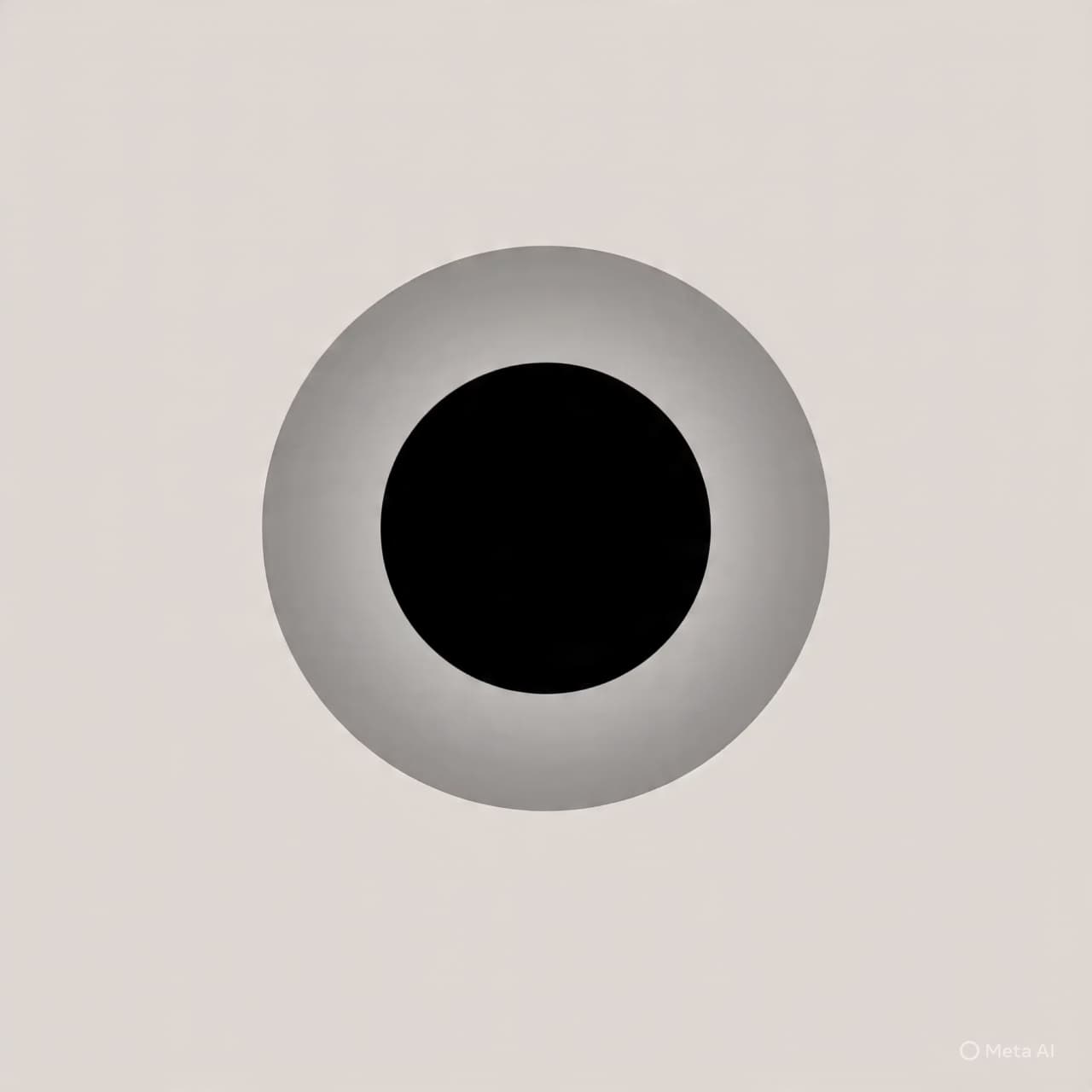
Even where totality cannot be seen in full, the eclipse’s stages have their own subtle beauty: the penumbral entrance, when Earth’s faint outer shadow begins to dim the moon; the partial phase, as the deeper umbra obscures increasing swaths of lunar surface; and then the reverse dance, as light returns and the moon resumes its familiar glow. Throughout, the experience remains accessible to anyone with clear skies and a horizon to the east or night sky overhead.
For many skywatchers, the eclipse will be more than an astronomical event; it will be a shared moment of quiet communion with the rhythms of Earth and cosmos. In fields and parks, on rooftops and balconies, people will pause to watch the moon’s slow transformation, perhaps recalling past eclipses or imagining future ones. What draws us is not only the spectacle itself but the way it entwines time and motion, place and perspective, inviting us to look upward and feel, in a small way, connected to every other observer around the world under the same shadowed moon.
In factual terms, a total lunar eclipse will occur on March 3–4, 2026, when Earth’s shadow fully covers the full moon, producing a reddish “blood moon” visible from much of the night side of Earth, including Asia, Australia, and the Americas. The event will unfold over several hours, with the period of totality lasting about 58 minutes at peak, and all phases of the eclipse can be safely observed with the naked eye.
AI Image Disclaimer
Illustrations were created using AI tools and are not real photographs.
Sources (Media Names Only)
Space.com Deseret News The Old Farmer’s Almanac
Published by Banx Network. This article is part of the Banx decentralized media programme, powered by the BXE token on the XRP Ledger.