Newly Discovered Spinosaurus Mirabilis Redefines Dinosaur Habitats
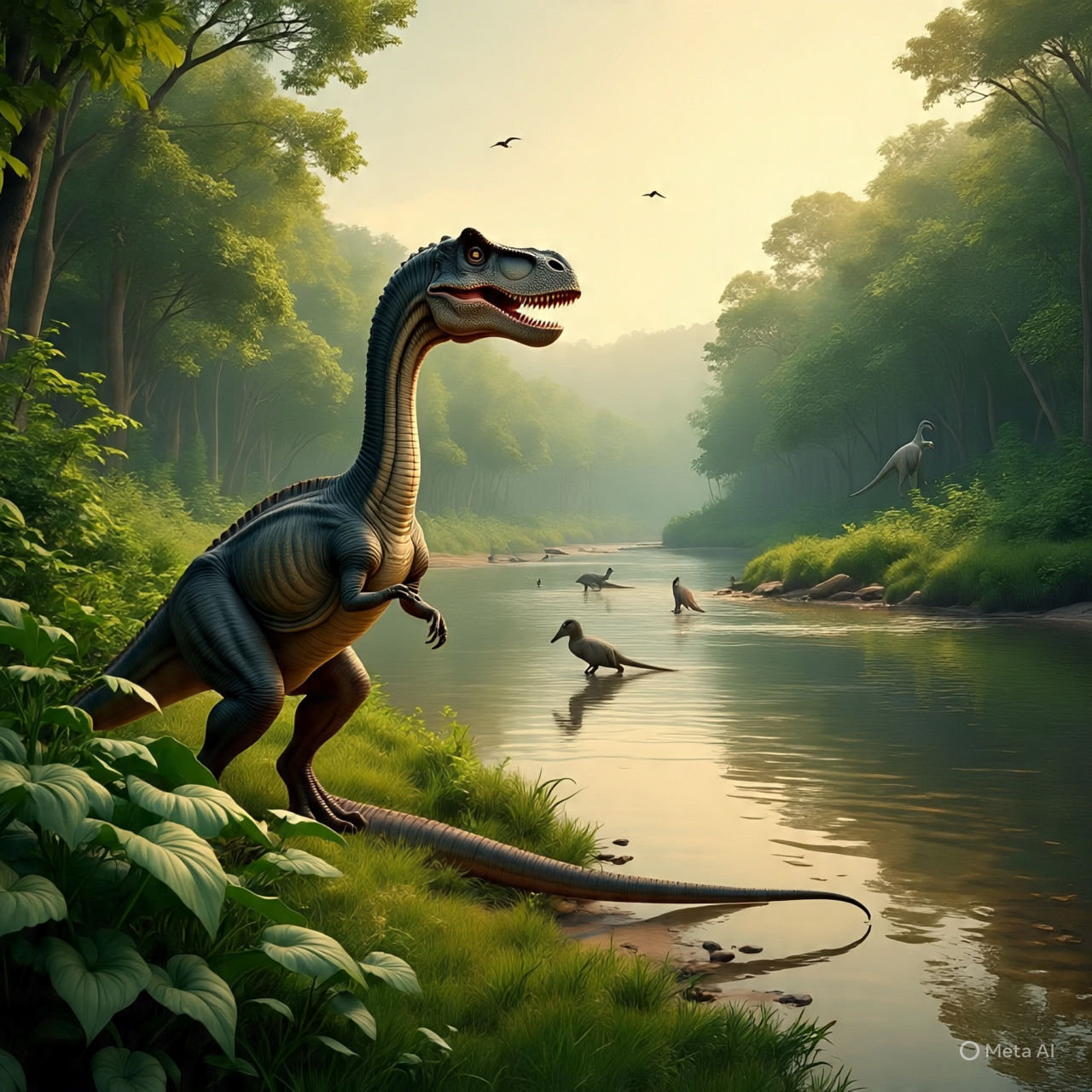
Paleontologists unveil Spinosaurus mirabilis, a new dinosaur species from Niger, reshaping our understanding of its habitat and lifestyle 95 million years ago.

Paleontologists unveil Spinosaurus mirabilis, a new dinosaur species from Niger, reshaping our understanding of its habitat and lifestyle 95 million years ago.

A recent study shows that newly hatched chicks associate sounds with shapes, revealing insights into the connection between auditory and visual perception.

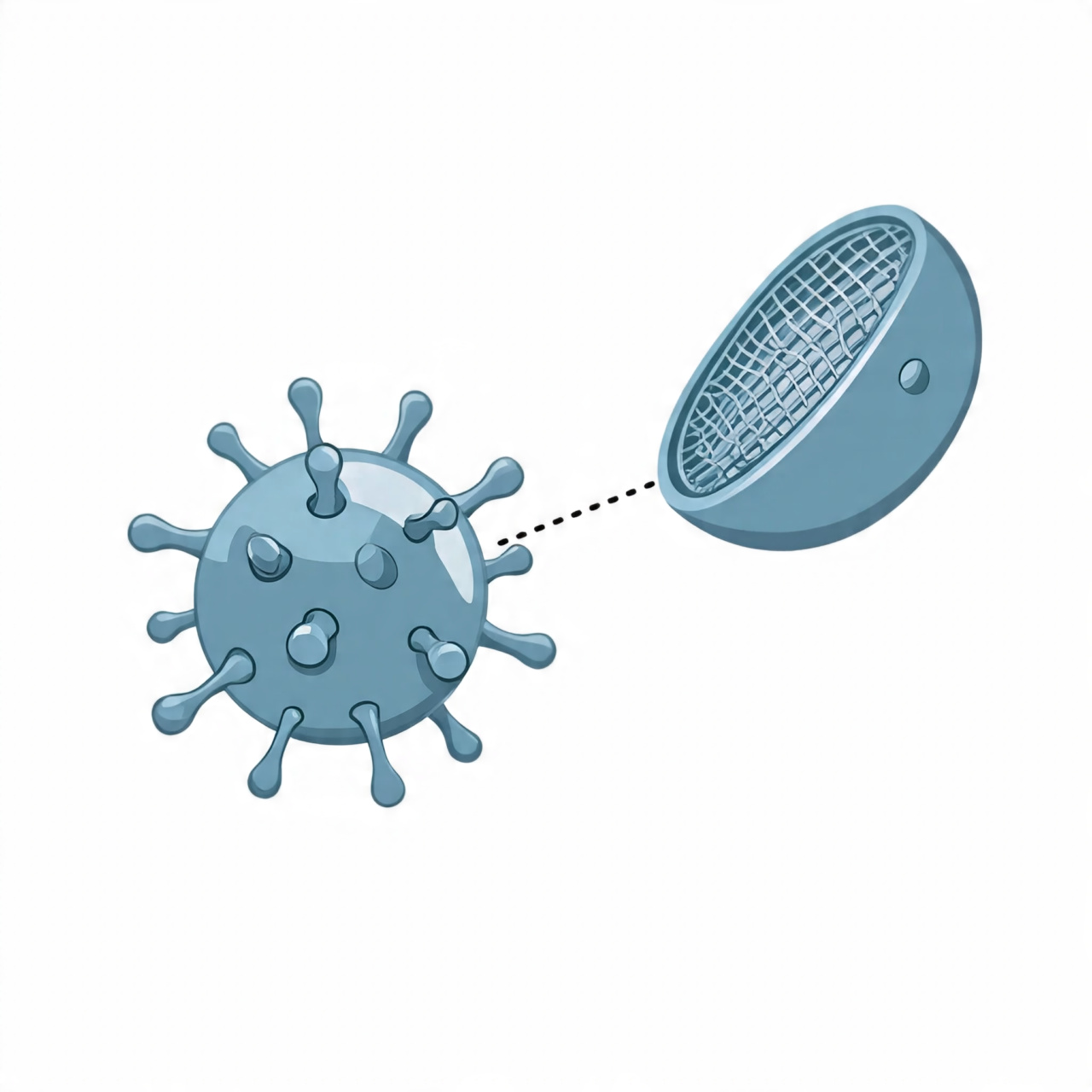
Researchers discover ushikuvirus, a giant DNA virus that alters amoebae, shedding light on the evolution of complex life and viral interactions.

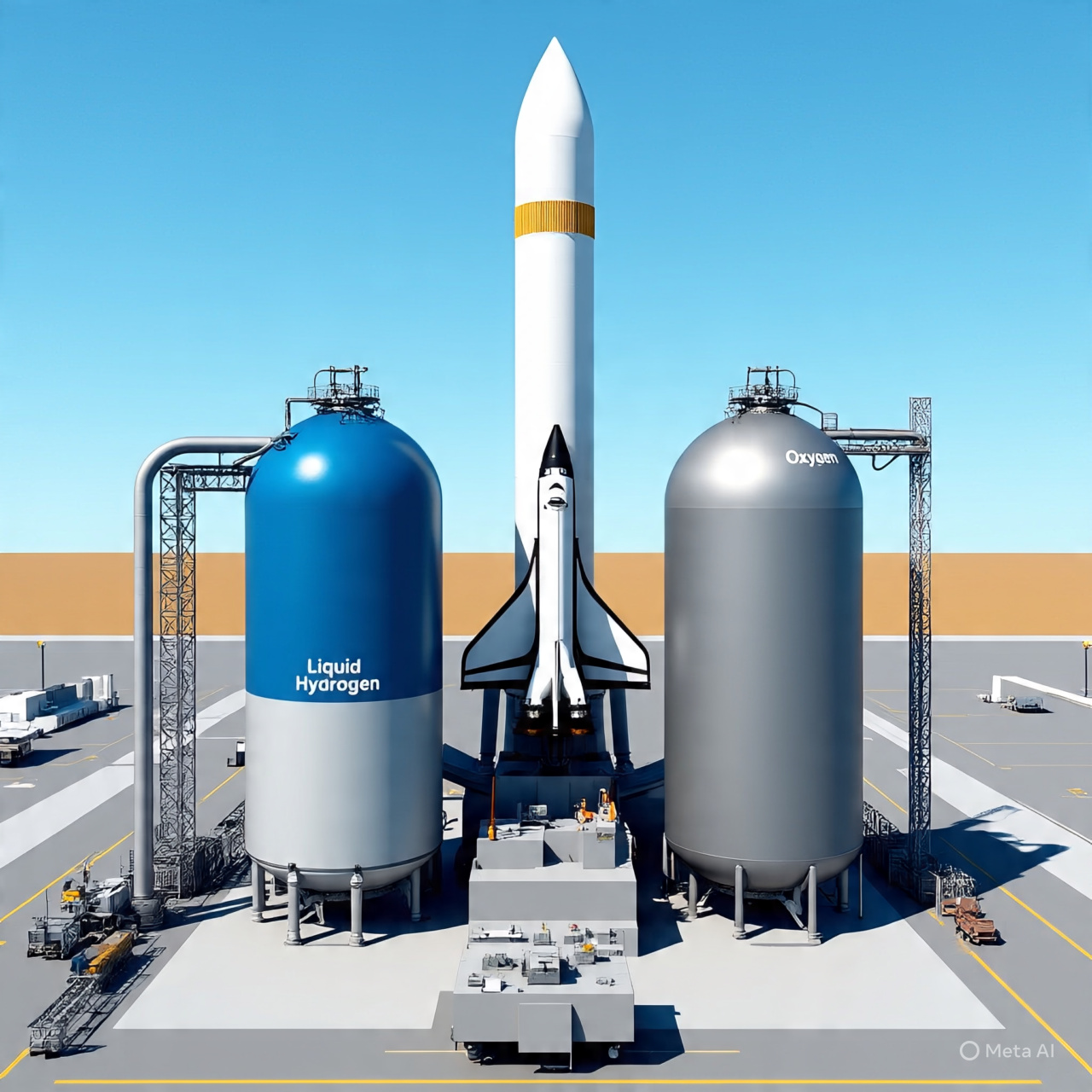
NASA successfully completed the Artemis II wet dress rehearsal, simulating launch countdown and fueling operations for the upcoming lunar mission.

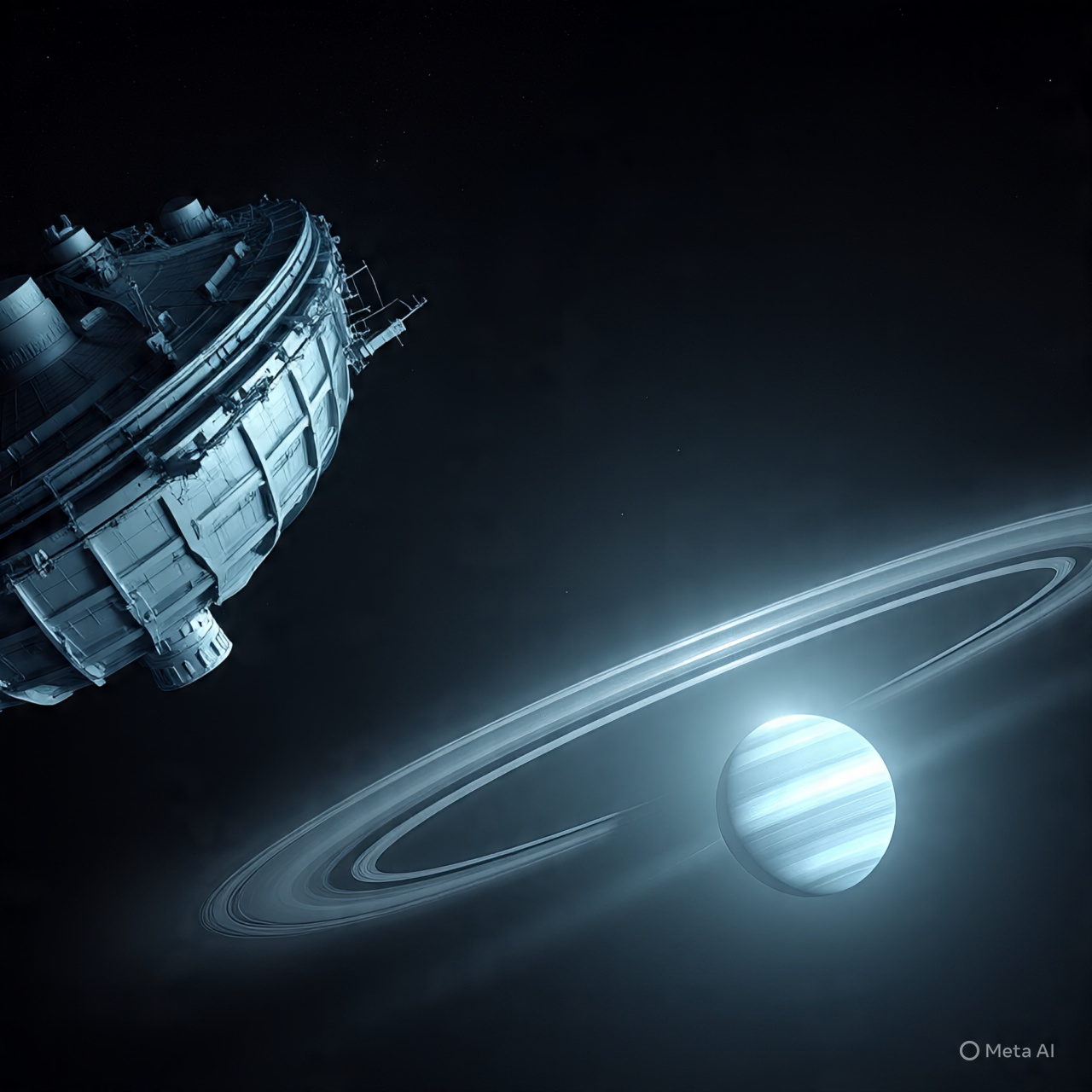
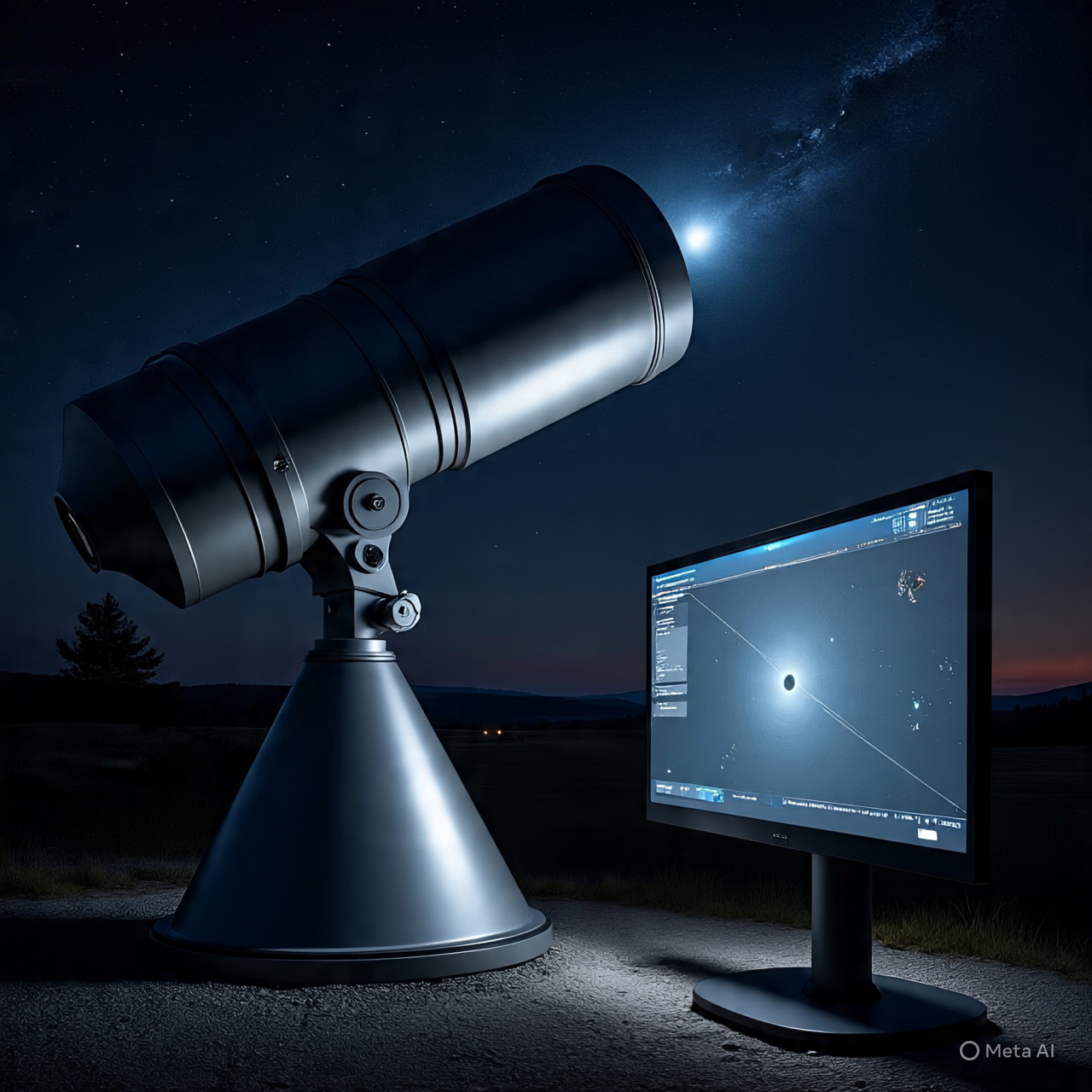
Discover how the James Webb Space Telescope created the first 3D map of Uranus' upper atmosphere, revealing auroras and temperature variations.

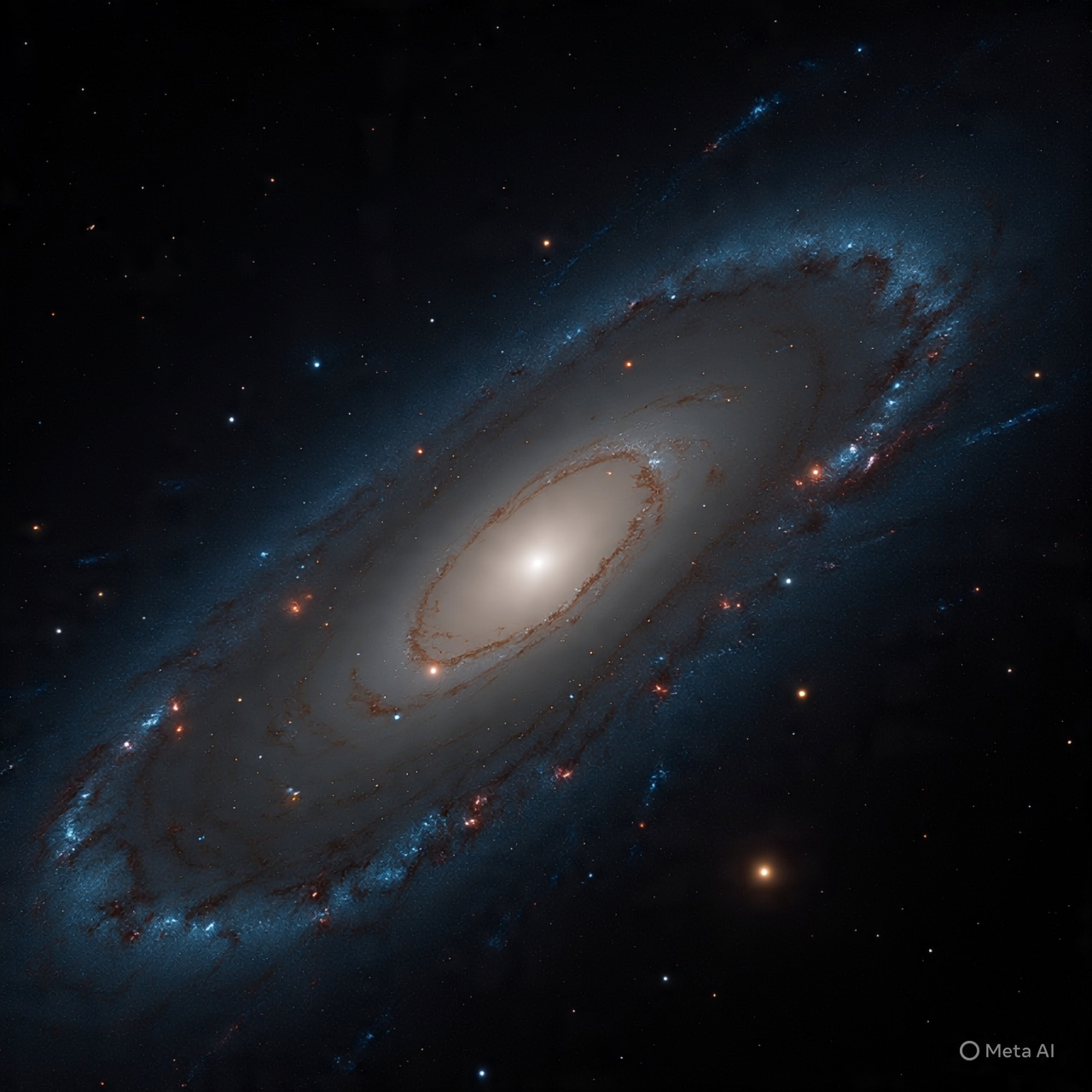
Astronomers have identified a new galaxy, CDG-2, in the Perseus cluster, composed of 99% dark matter, revealing insights into cosmic evolution.

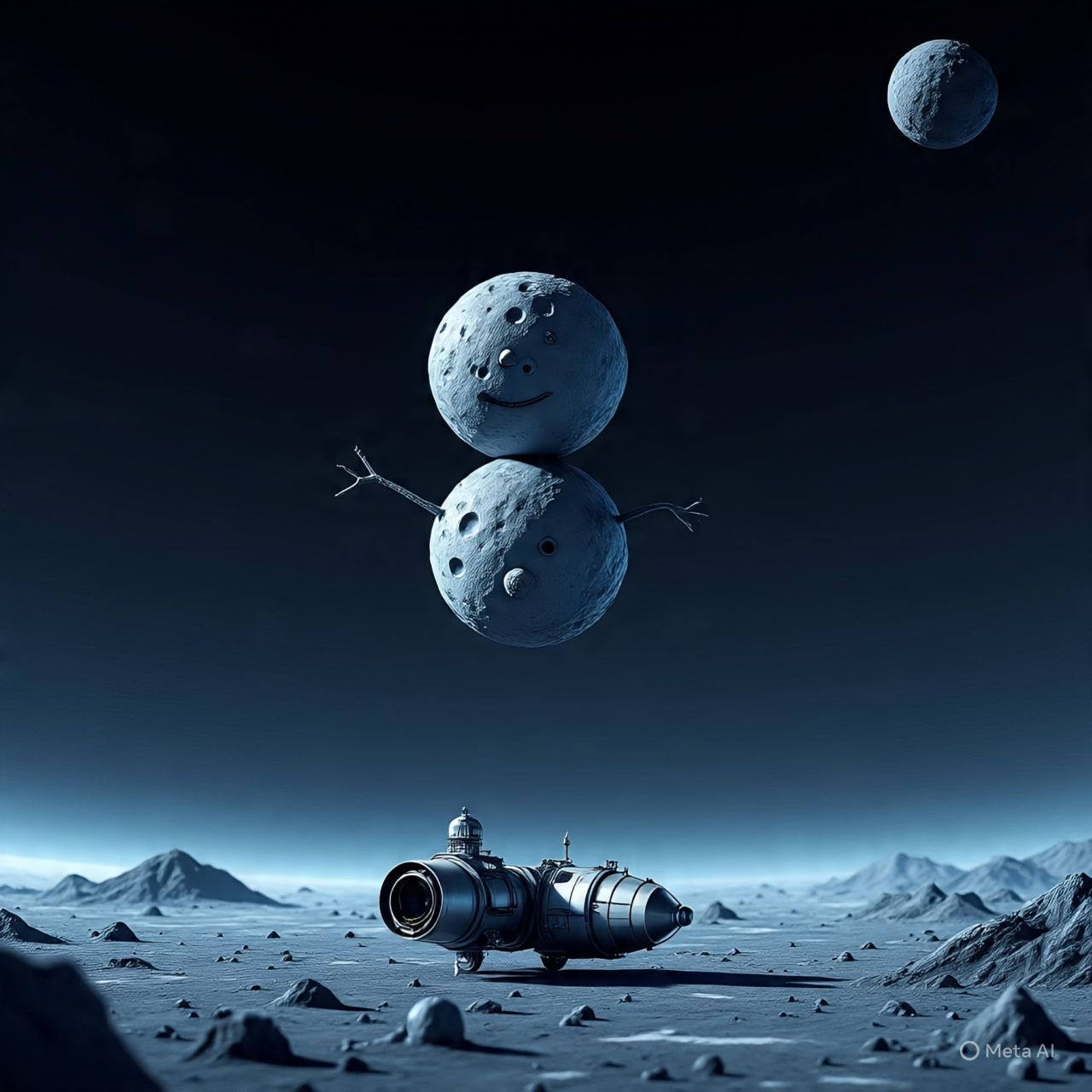
Explore the enchanting shapes of comets and asteroids, resembling snowmen, and the cosmic forces that shape them in our solar system.

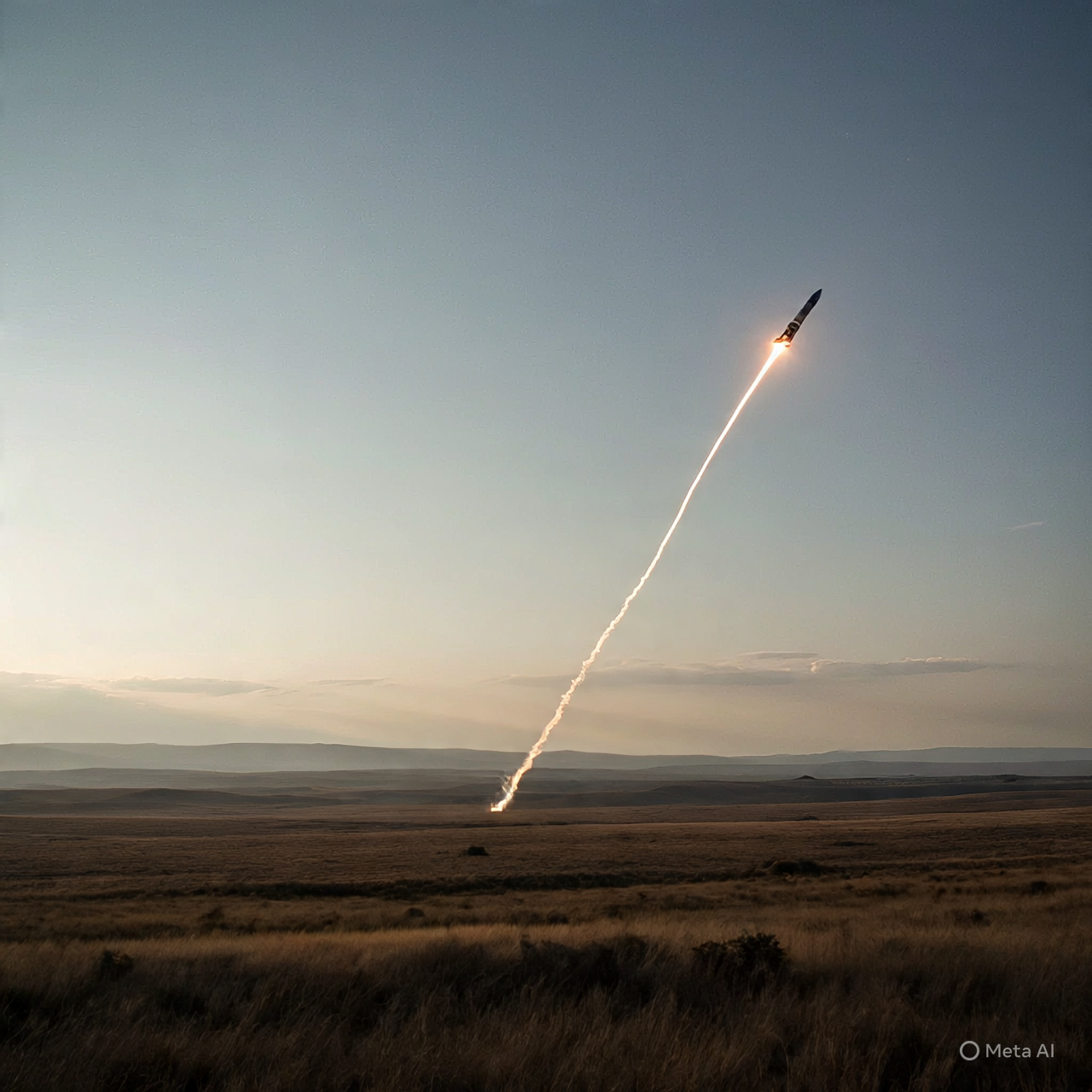
A recent study reveals how SpaceX's rocket reentries introduce metallic particles into the atmosphere, affecting climate and cloud formation.

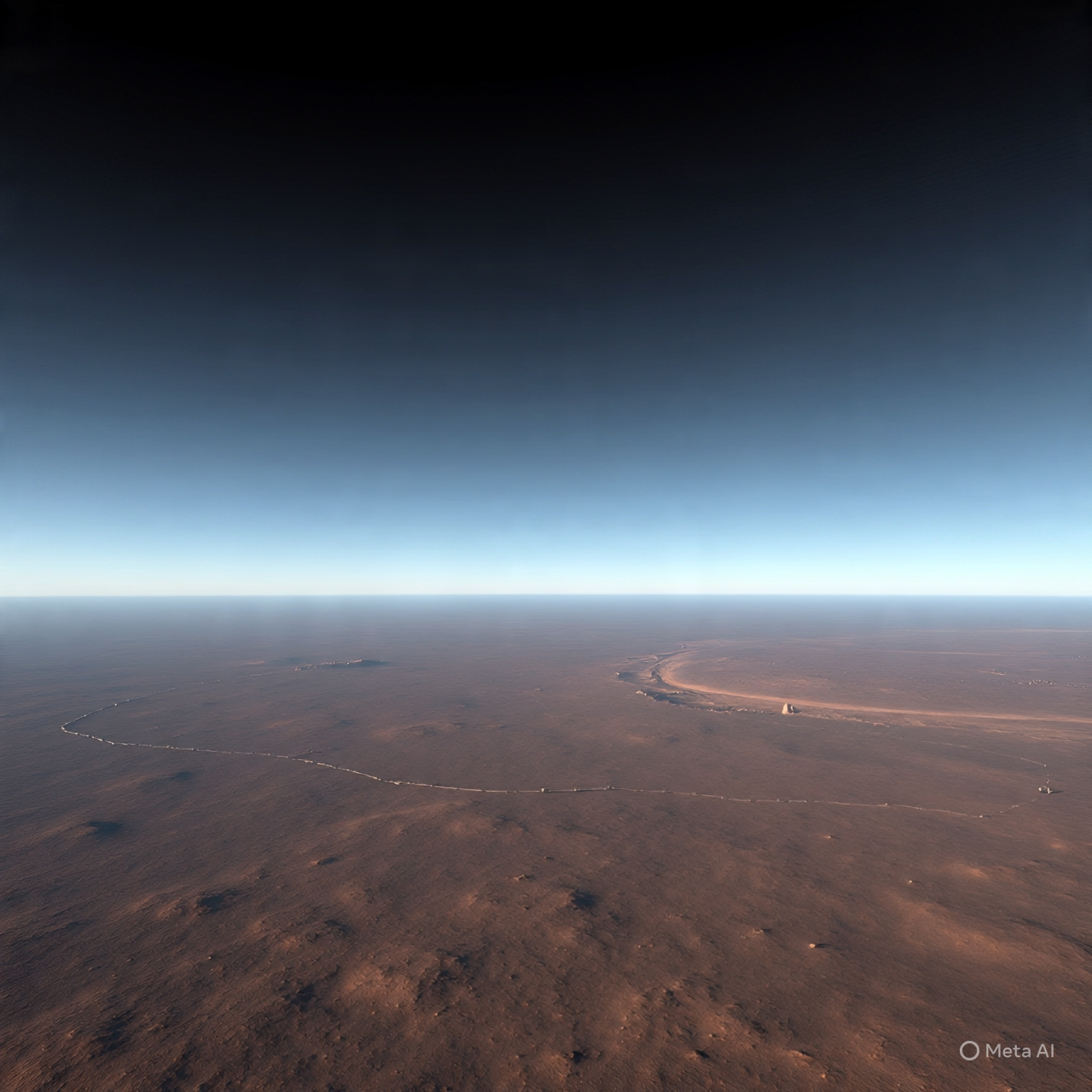
NASA's Perseverance rover enhances navigation precision on Mars, enabling it to locate itself within 25 centimeters, transforming exploration strategies.

Optometrists report a rise in corrective lens prescriptions due to increased screen time and changing visual habits, highlighting the need for clarity.

NASA reveals that over 15,000 large asteroids remain undetected, posing potential threats to Earth. Learn about ongoing detection efforts and planetary defense.

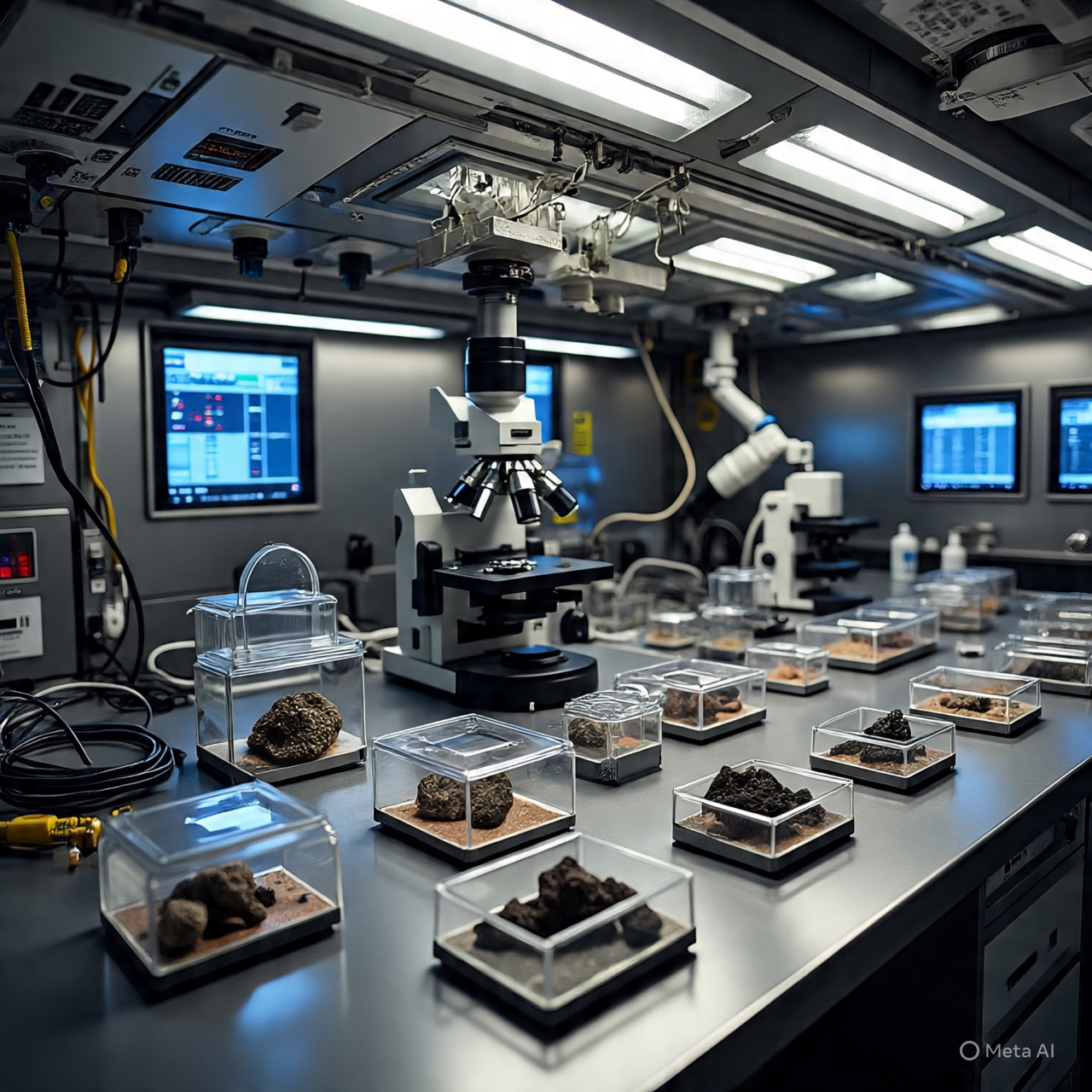
Scientists aboard the ISS explore how microbes interact with meteorites, potentially revolutionizing resource utilization for future space missions.

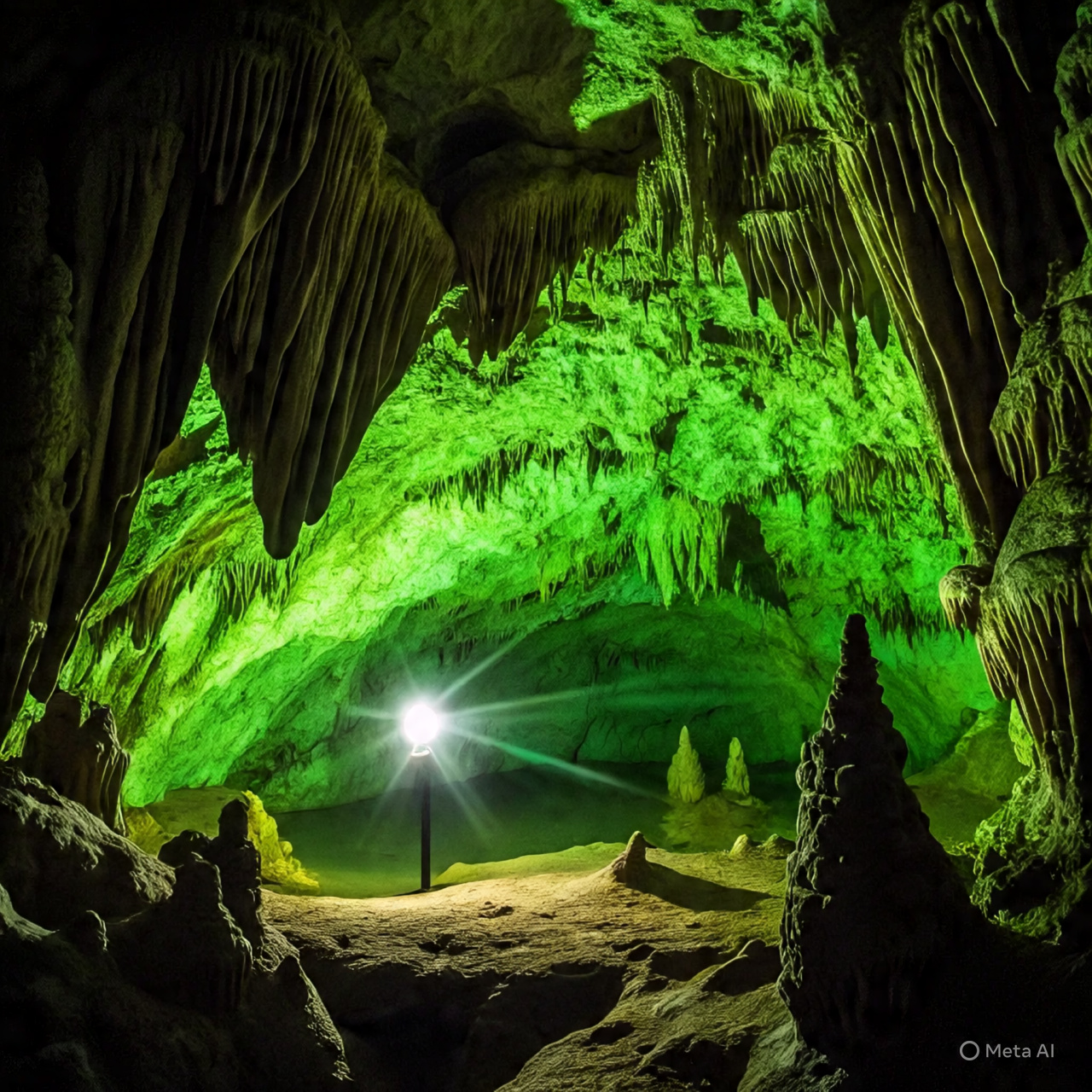
A vivid neon green wall discovered in a New Mexico cave may date back nine million years, revealing secrets of the region's geological history.

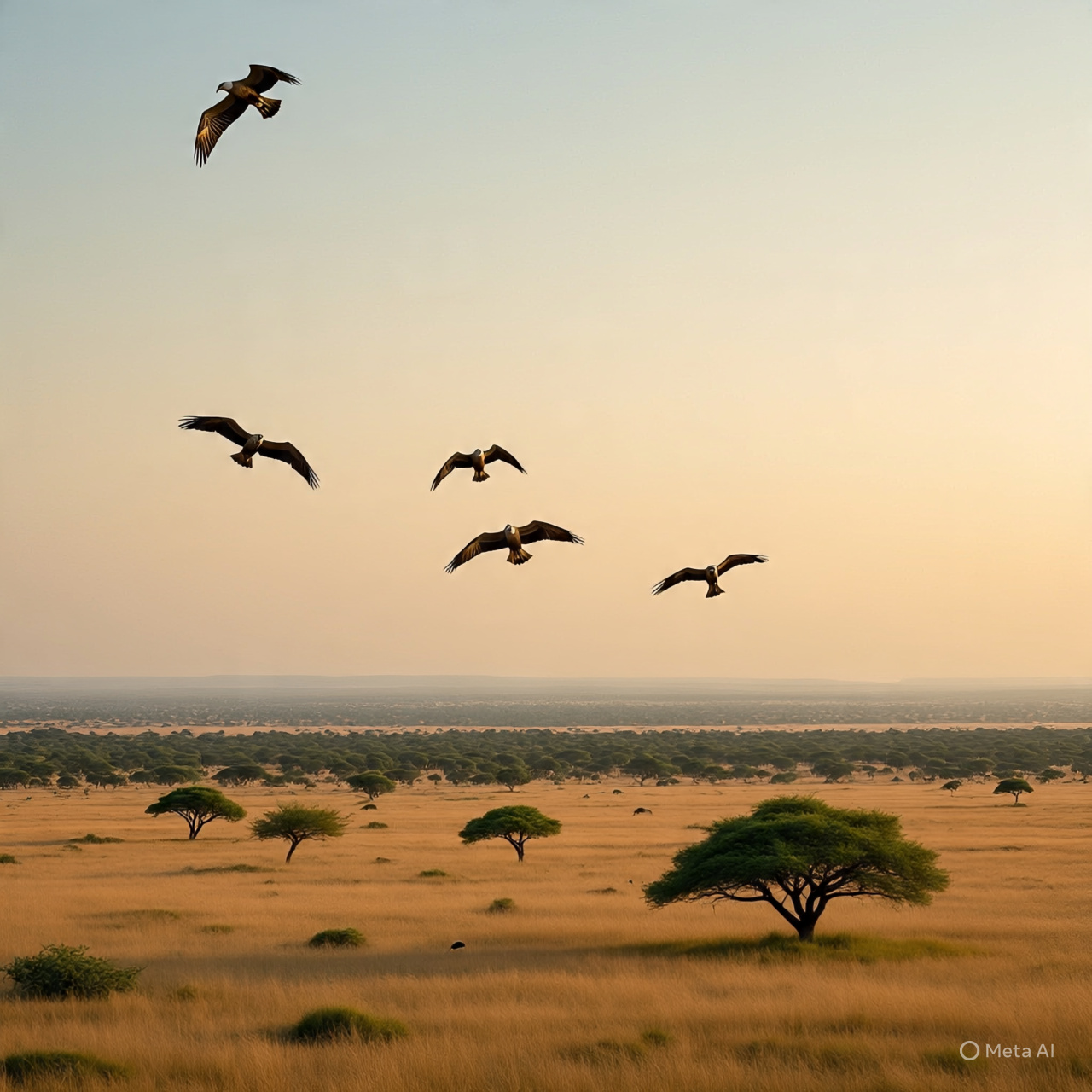
Explore the challenges and successes of Africa's vulture safe zones, vital for protecting endangered species and their ecosystems across vast landscapes.

Investigators in Guthrie explore genetic genealogy to solve the Nancy Guthrie case, offering new hope amid ongoing challenges in traditional DNA matching.

Explore how brain drain is reshaping American laboratories, with scientists leaving for better opportunities abroad amid funding challenges and administrative hurdles.

Explore Sydney's oyster reef restoration efforts, highlighting ecological benefits and community involvement in revitalizing the harbor's natural heritage.

A newly identified fossil, Galahadosuchus jonesi, sheds light on the evolution of crocodile ancestors, revealing their unique adaptations and ecological roles.

Researchers at the University of Surrey develop a sodium-ion battery that retains water, improving energy storage and offering potential desalination benefits.

A shark filmed in Antarctica for the first time raises questions about marine life adaptation and the impact of climate change on ecosystems.

NASA conducts the Artemis II Wet Dress Rehearsal, testing fueling and countdown systems for the upcoming crewed lunar mission. Live updates available.

NASA has retried a crucial fueling test for its Moon rocket after previous hydrogen leaks, gathering vital data for future Artemis mission launches.

Research suggests PPP2R5C may serve as a biomarker for Alzheimer's disease, tracking tauopathy and influencing disease progression.

Recent findings link rocket launches to lithium pollution in the atmosphere, raising environmental concerns as commercial spaceflight increases worldwide.