SCIENCE92% credibility
James Webb Telescope Maps Uranus' Auroras in 3D for First Time
Discover how the James Webb Space Telescope has created the first 3D map of Uranus' auroras, revealing new insights into the planet's magnetic field.
2 min read

Discover how the James Webb Space Telescope has created the first 3D map of Uranus' auroras, revealing new insights into the planet's magnetic field.
Discover how the Kuiper Belt object Arrokoth, resembling a snowman, formed through gentle mergers, reshaping our understanding of planetary evolution.
Witness the total lunar eclipse on March 3, where Earth's shadow transforms the moon into a stunning blood moon. Prepare for this celestial spectacle.

A recent study reveals how the Agouti gene influences paternal behavior in male mice, shedding light on the genetic basis of caregiving.
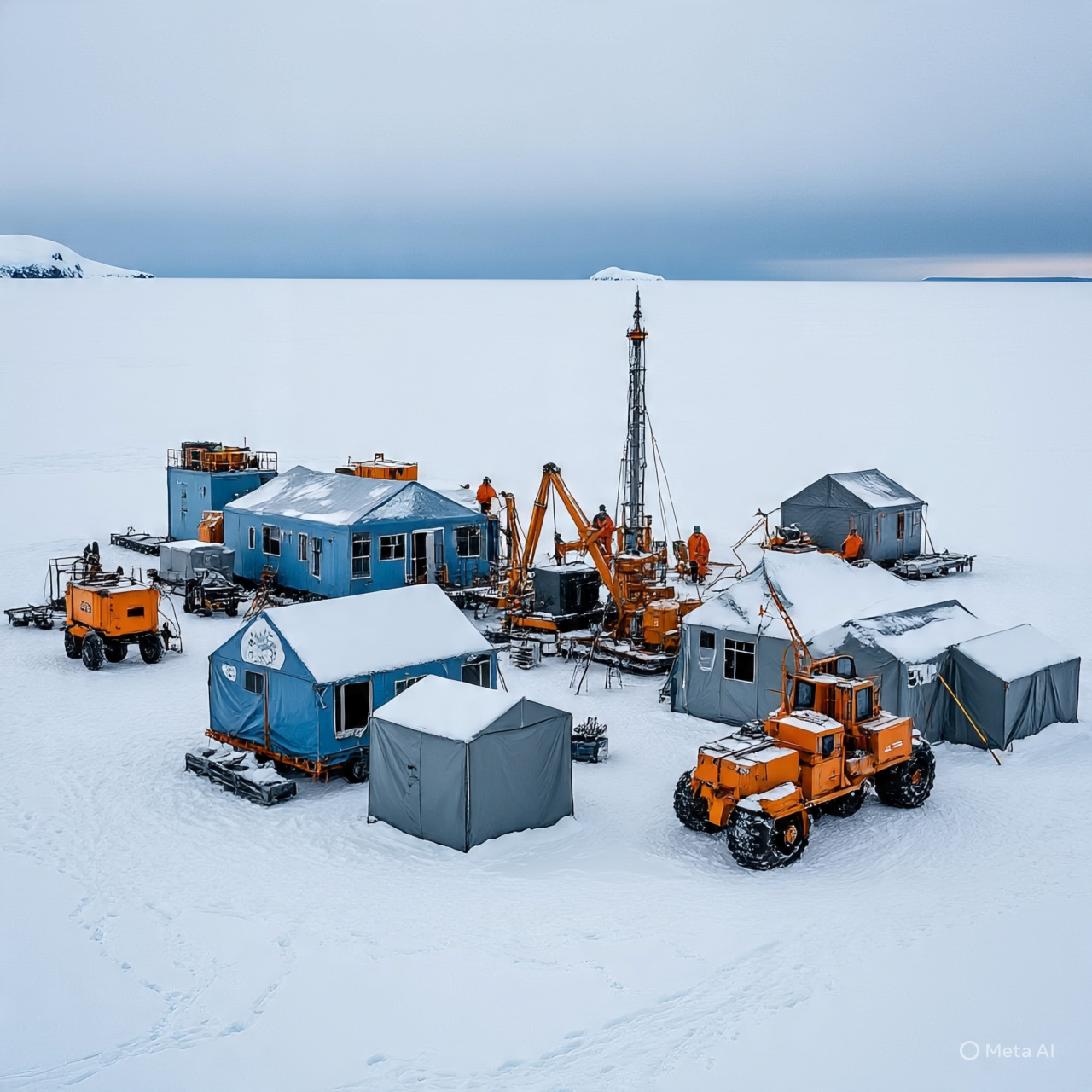
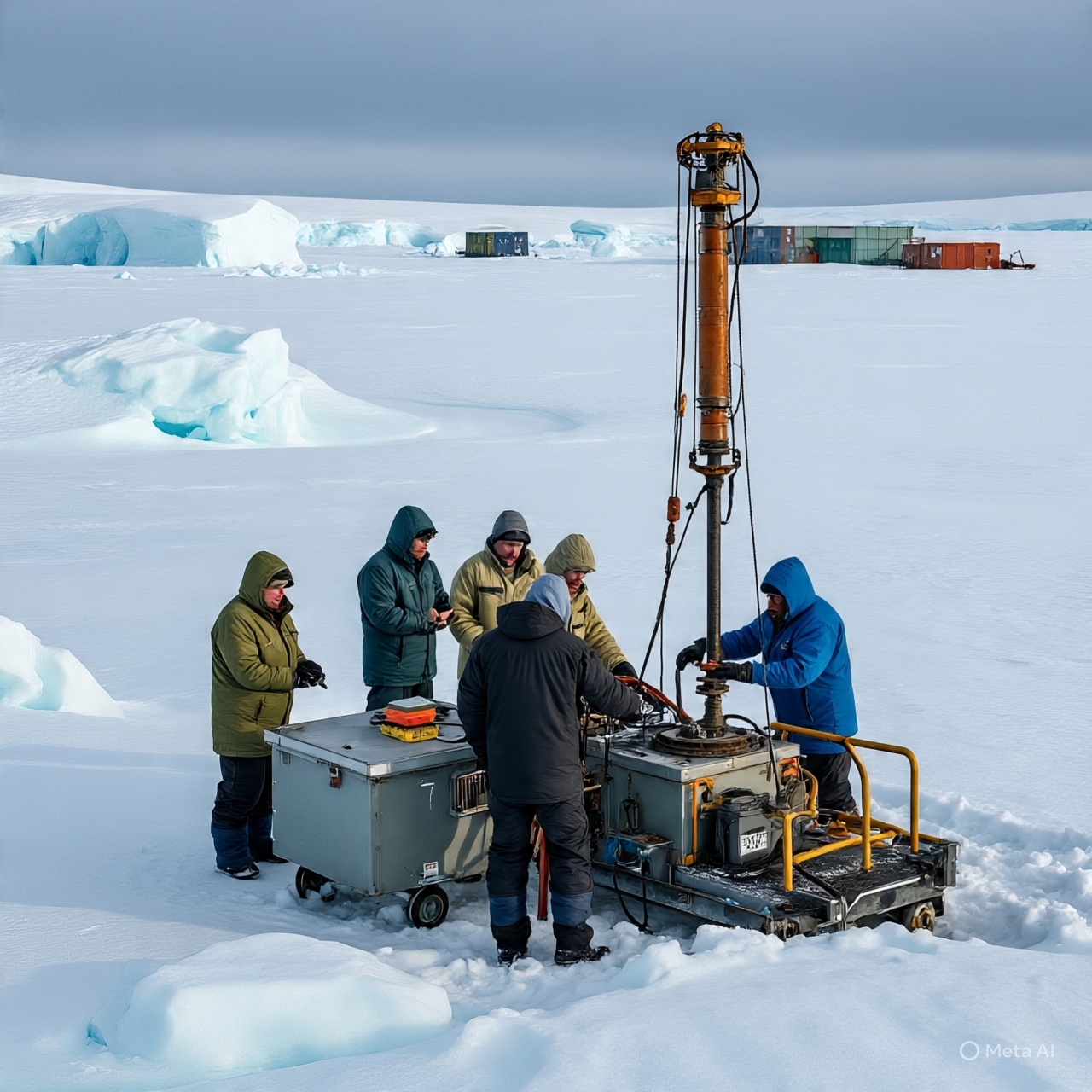
Scientists drill beneath Antarctica's ice, uncovering ancient marine sediments that reshape our understanding of the continent's climatic history.
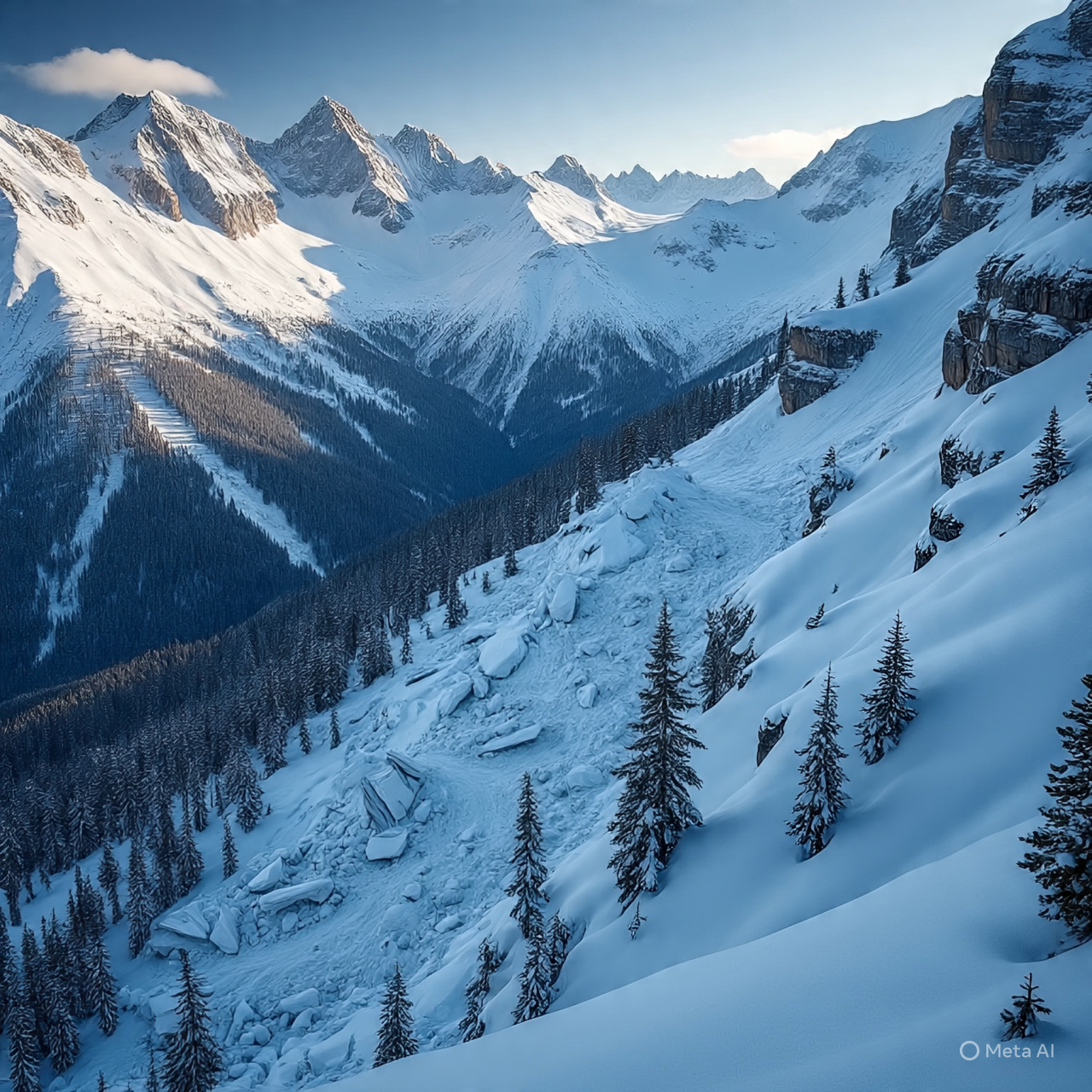
A recent avalanche in California underscores the dangers of climate-induced snow droughts, revealing the instability of snowpacks and the need for caution.
Authorities in Arizona shift to genetic genealogy in a persistent investigation after traditional forensic methods yield no results. Updates expected.
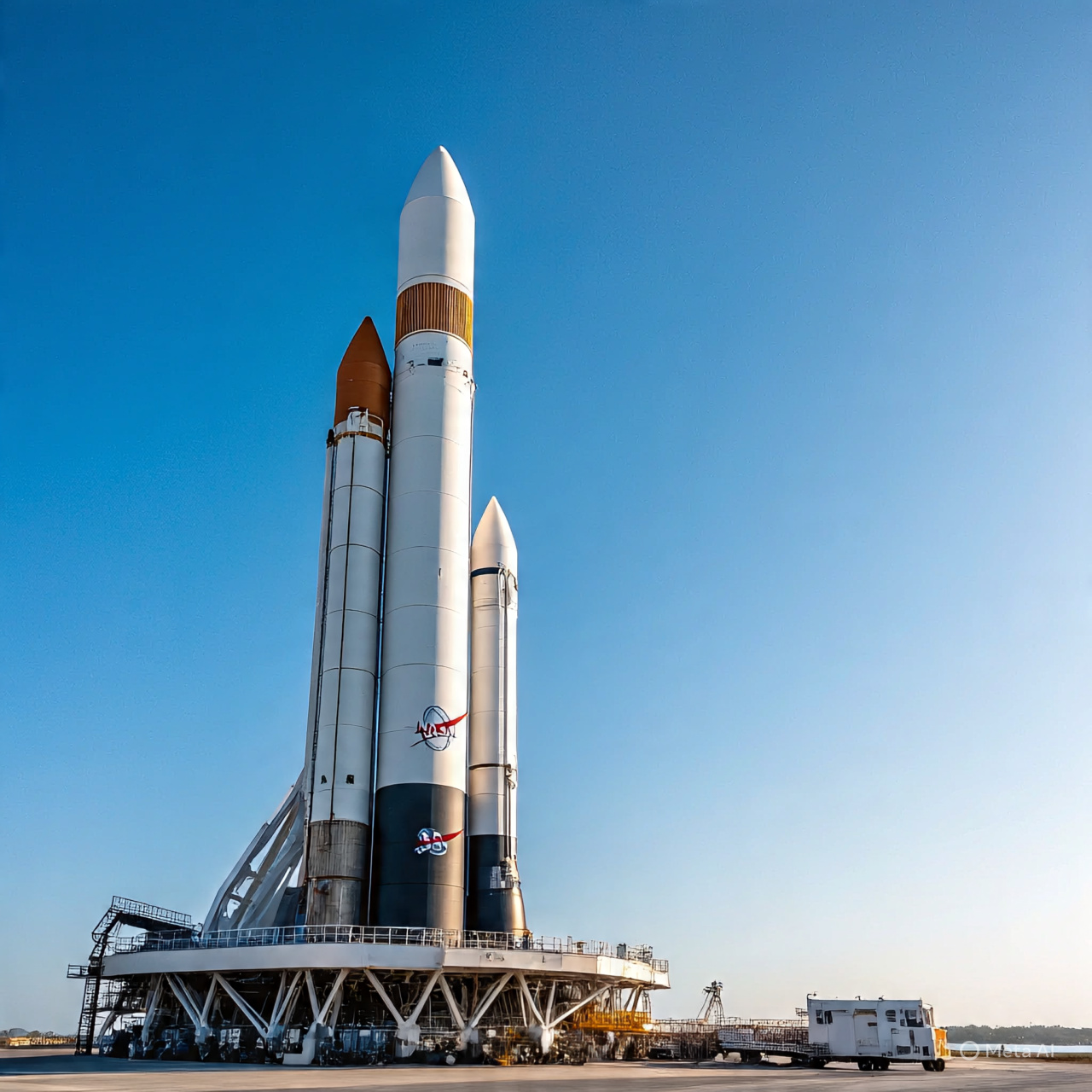
As peace talks with Russia stall, the EU outlines demands for a lasting resolution to the Ukraine conflict, emphasizing sovereignty and democratic principles.
As 2026 approaches, the Year of the Fire Horse promises intensity and transformation. Discover its significance and how to harness its energy.
A tragic mountaineering incident in Austria leads to a high-profile trial, raising questions of responsibility and safety in extreme sports.
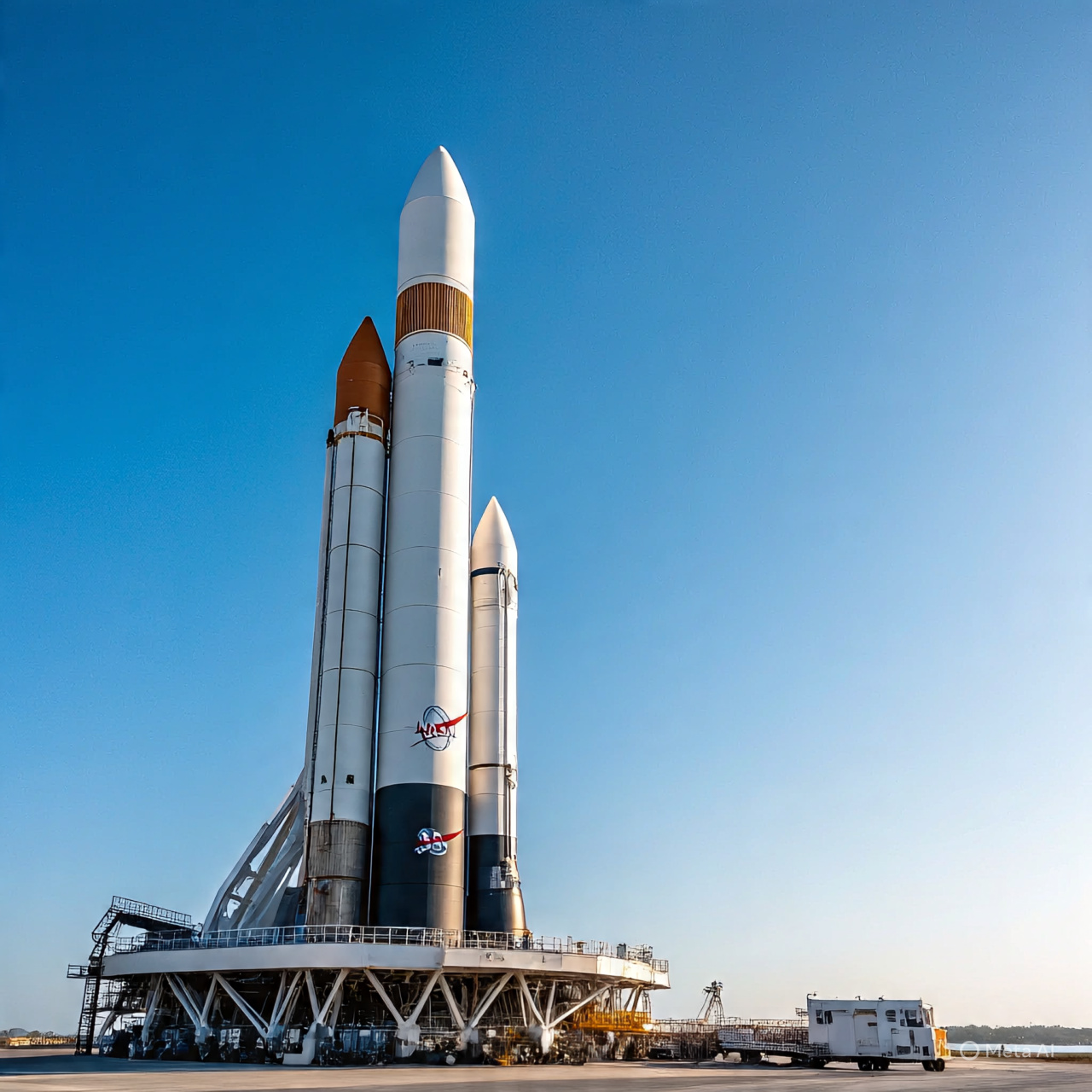
NASA's Artemis II mission is conducting a critical wet dress rehearsal, simulating launch preparations as it aims for a crewed flight to the Moon in 2026.
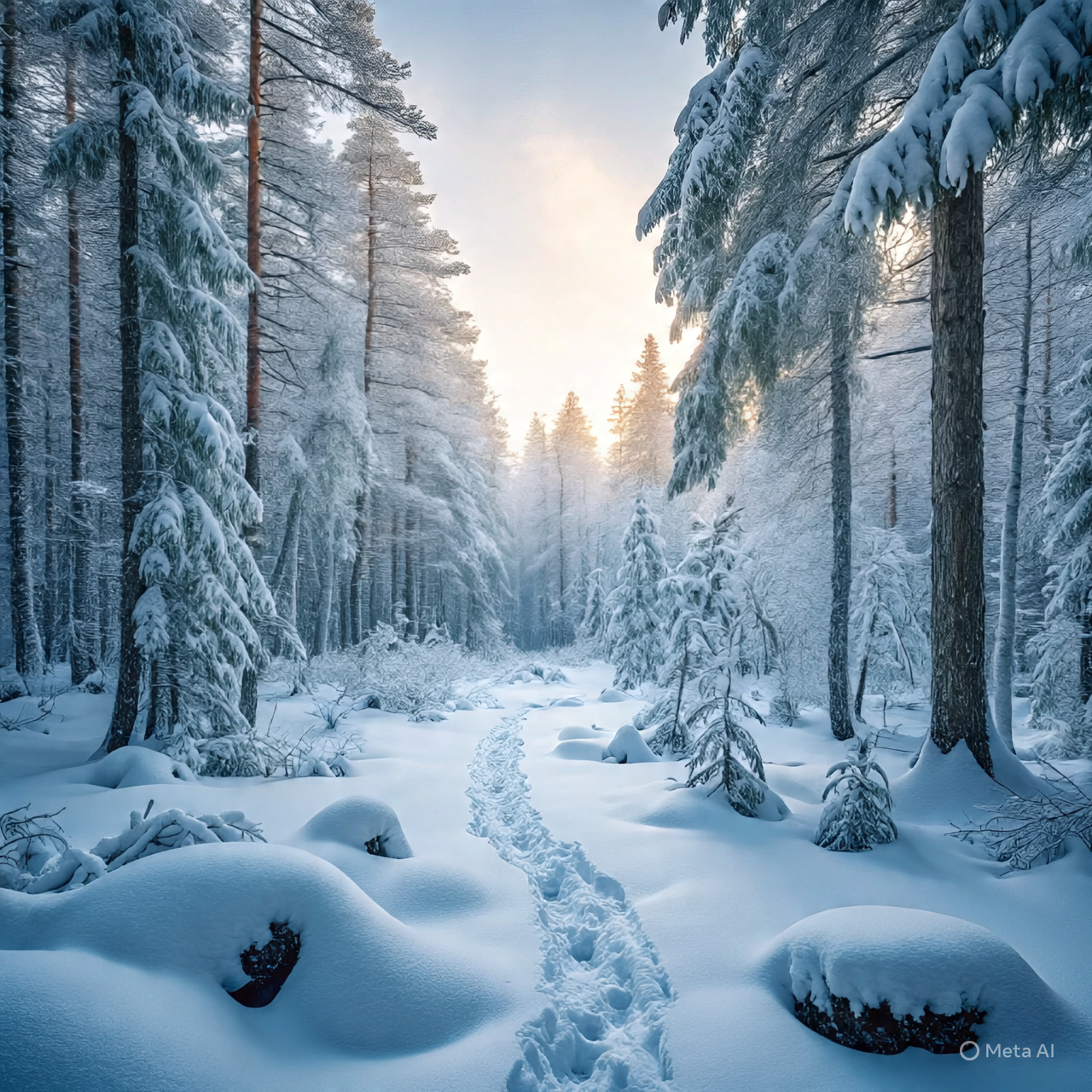
New research reveals that boreal forests are experiencing nitrogen scarcity due to rising CO2 levels, impacting their carbon absorption capabilities.
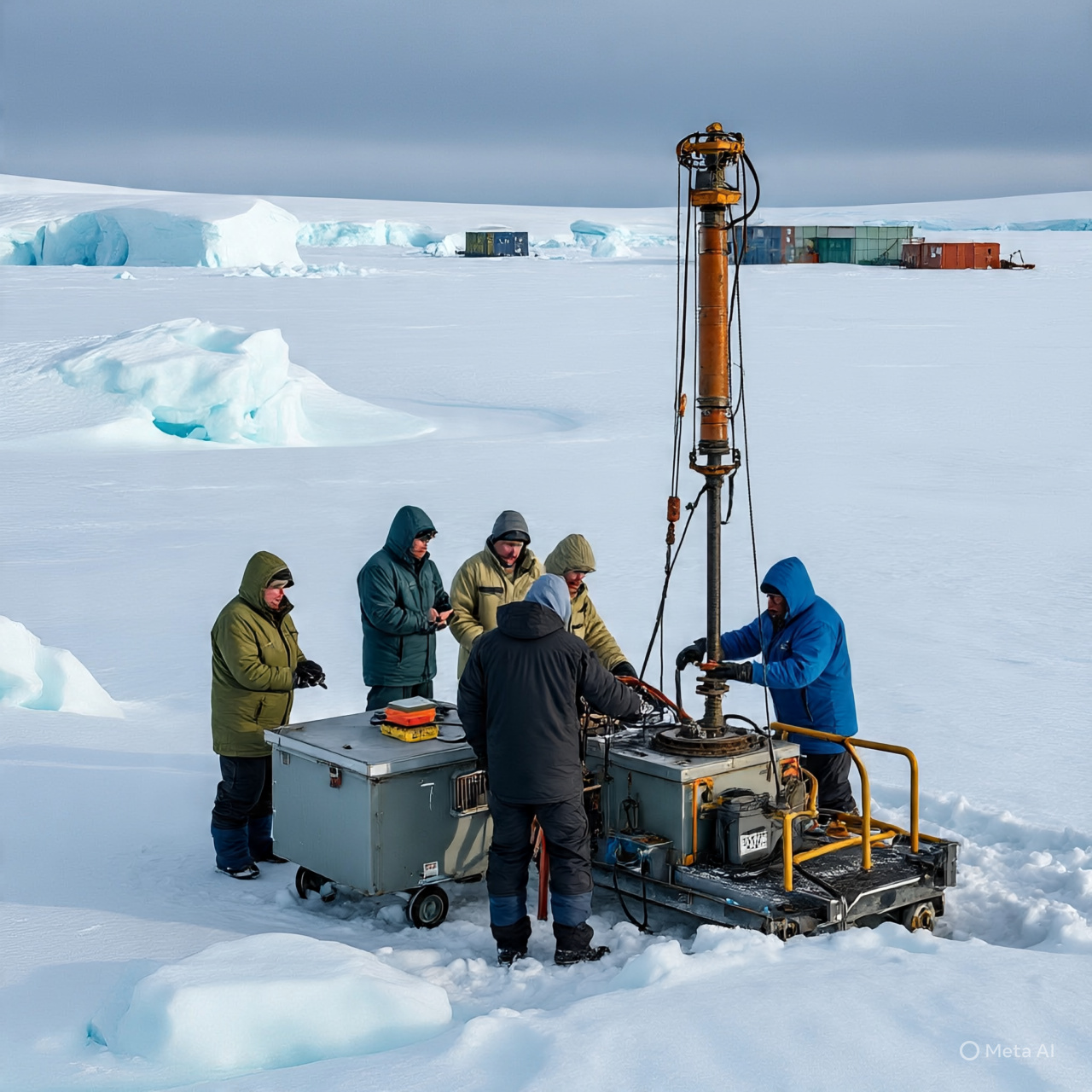
A groundbreaking drilling project in Antarctica reveals sediment cores dating back millions of years, shedding light on ancient climate conditions and ice sheet responses.
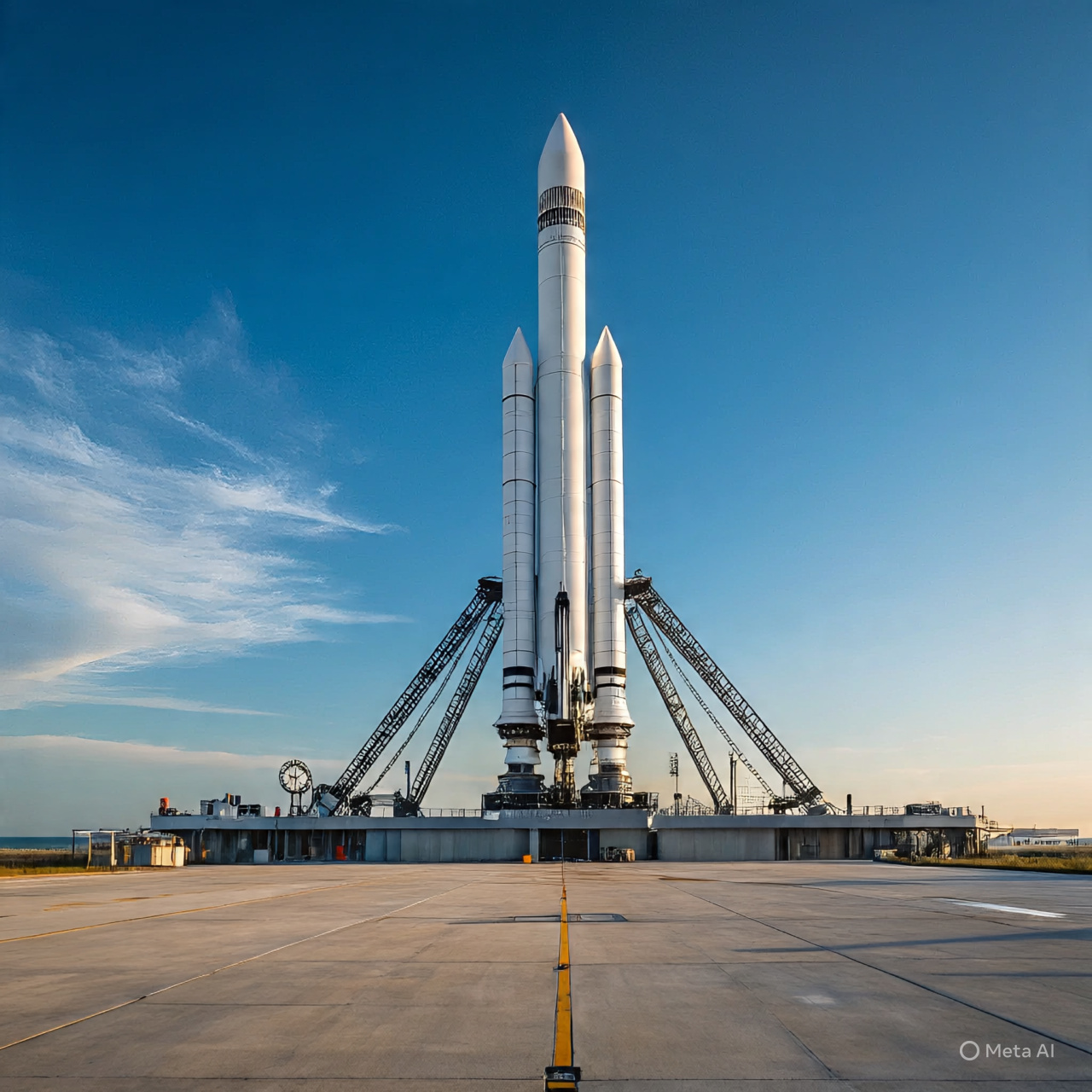
Sophie Adenot becomes the second French woman to travel to space, marking a historic moment for France and the international space community.
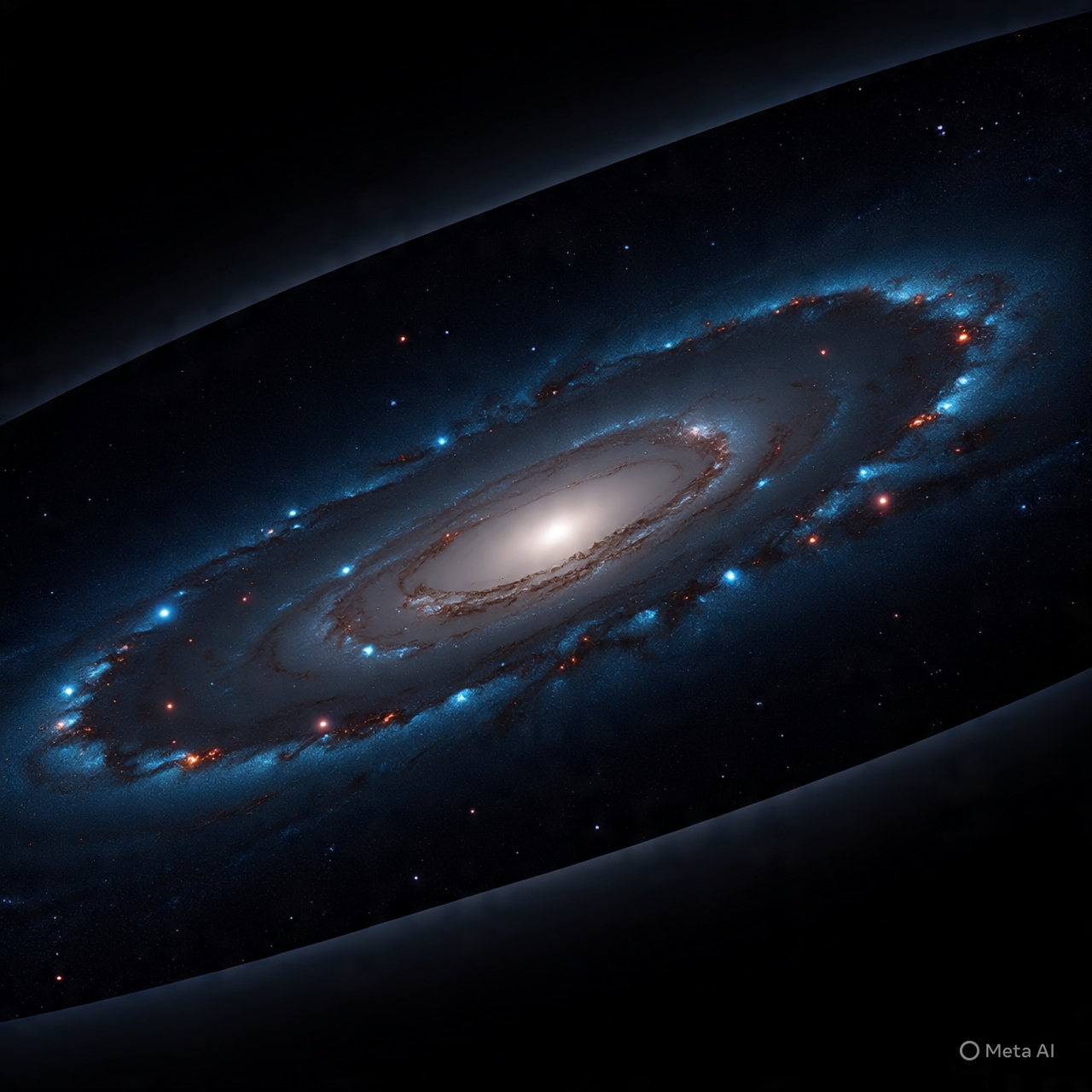
Astronomers have identified CDG-2, a dark galaxy in the Perseus cluster, composed of 99% dark matter, revealing new insights into cosmic structures.
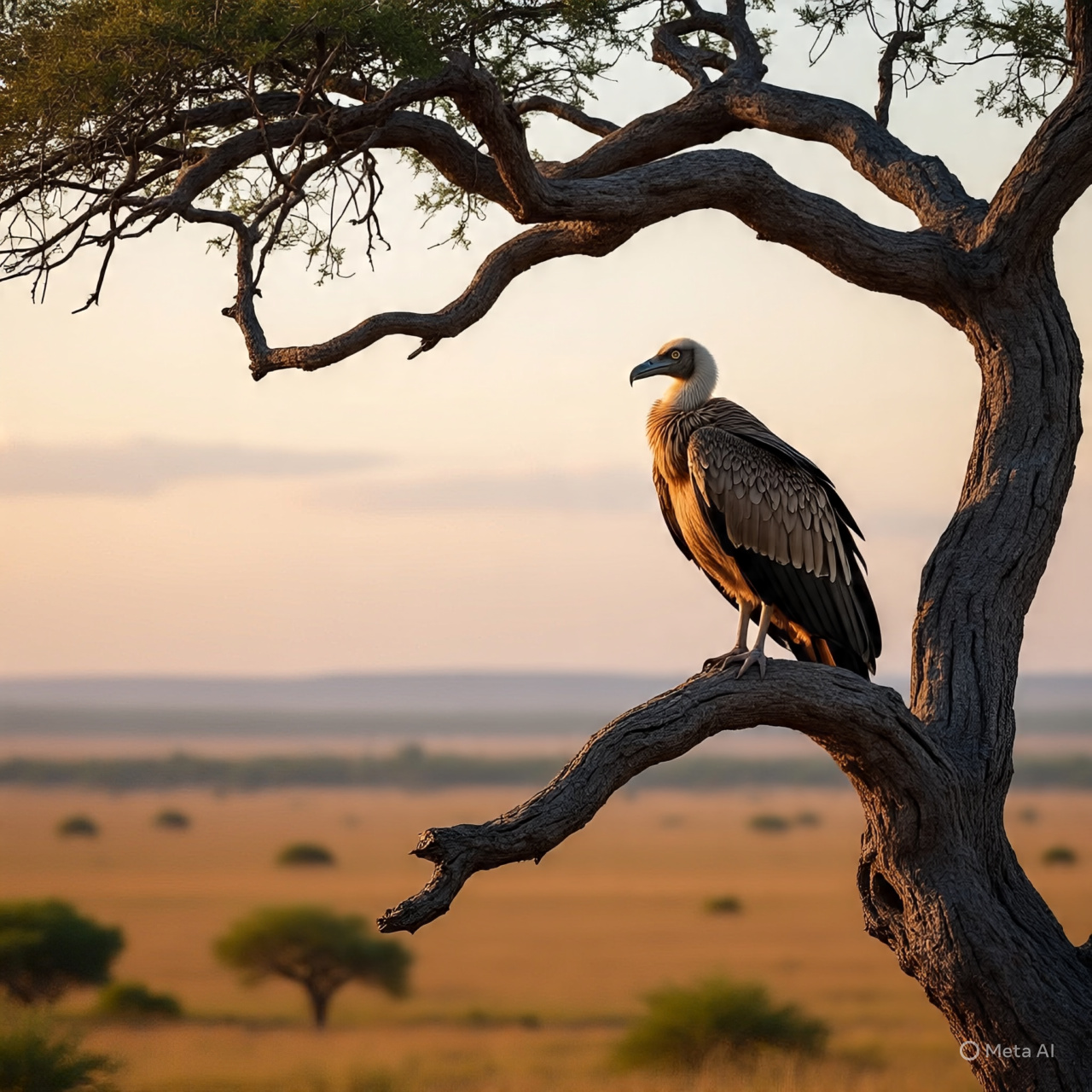
Explore the efforts to establish vulture safe zones across Africa, addressing threats and fostering conservation for these vital scavengers in the ecosystem.
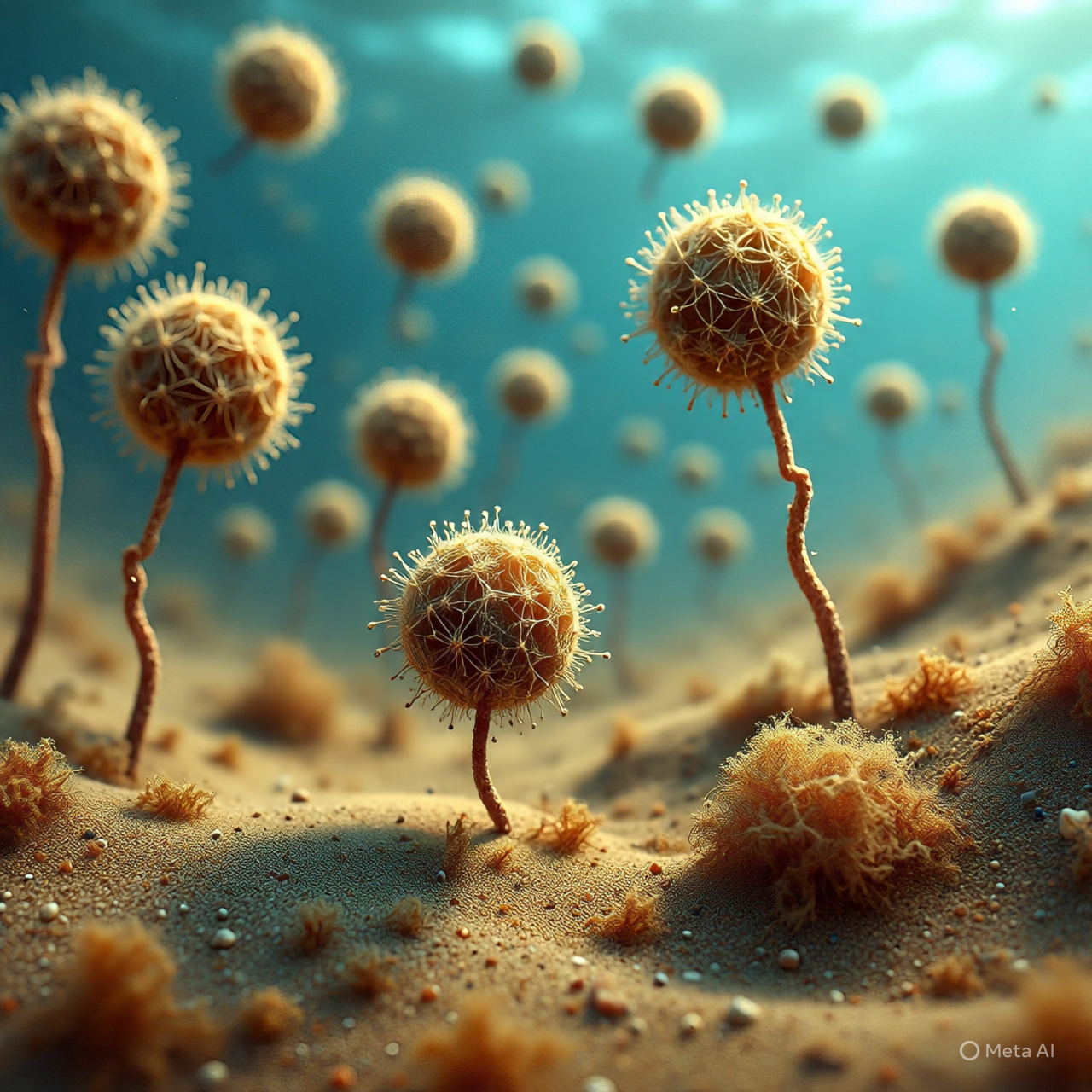
New research reveals that ancient microbes adapted to oxygen use, shedding light on the evolution of complex life on Earth and the origins of eukaryotes.
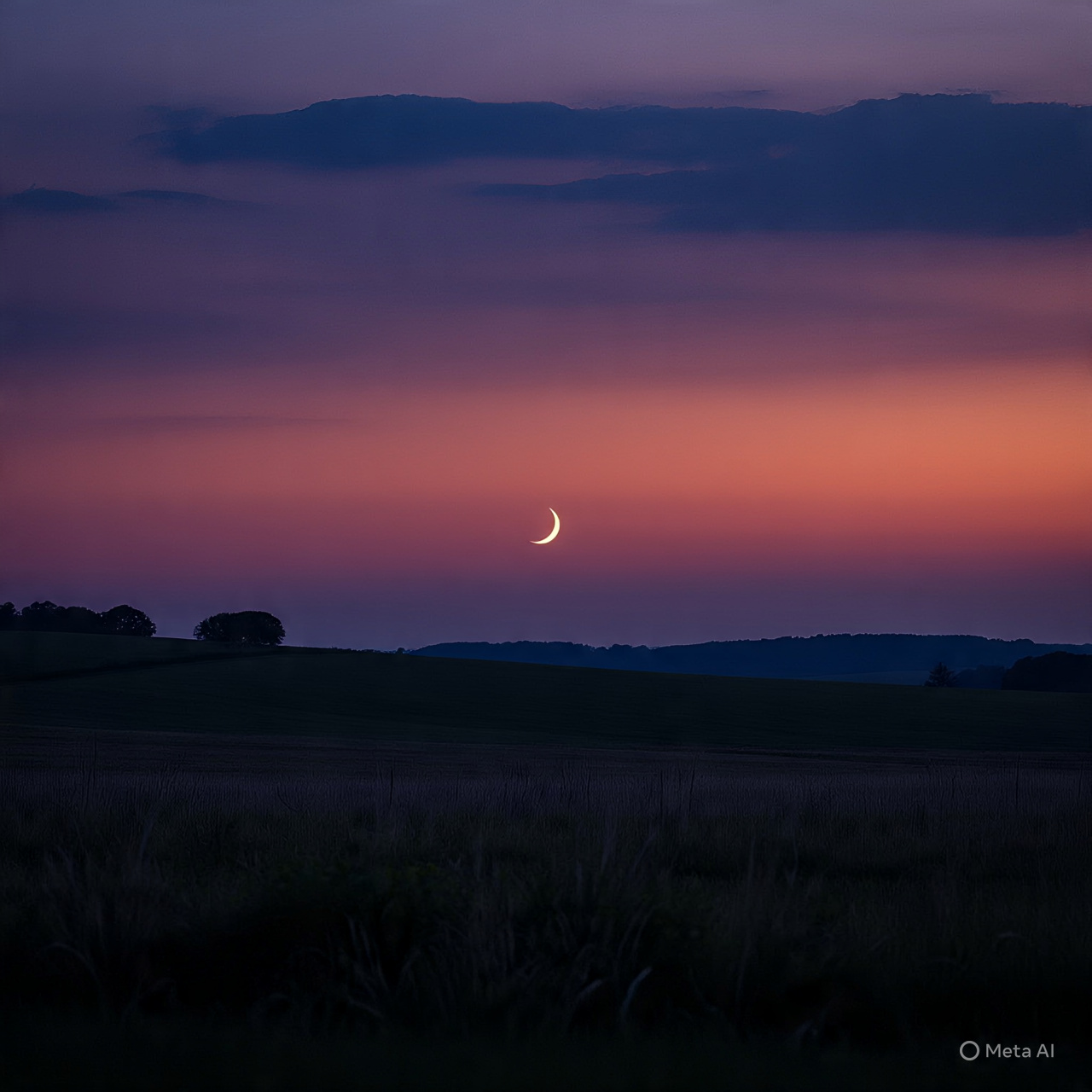
Witness the stunning alignment of the crescent moon and Mercury in the twilight sky, a rare celestial event for skywatchers in West Michigan.
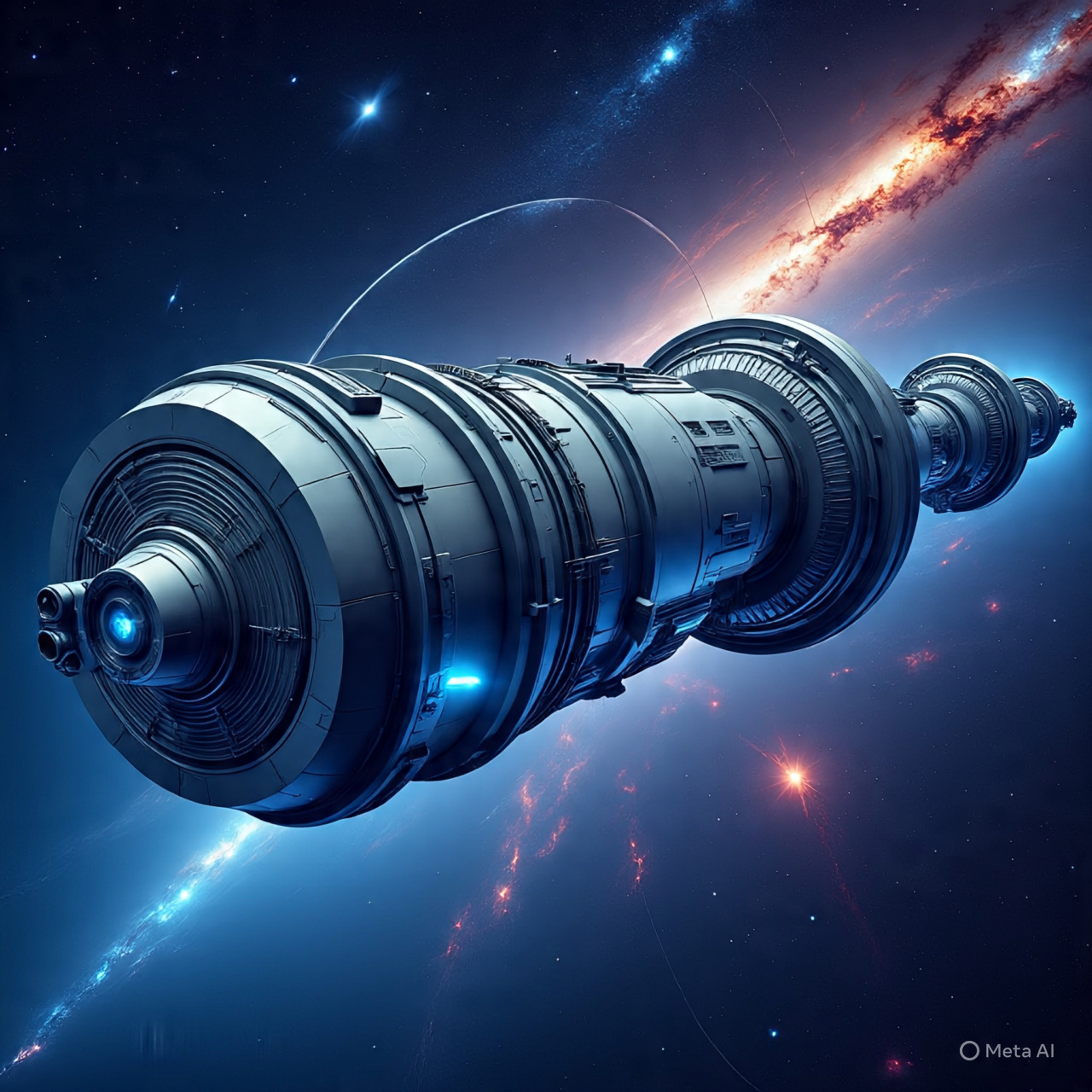
Explore the Chrysalis concept, a generation ship designed for interstellar travel, addressing the challenges of sustaining life and community in deep space.
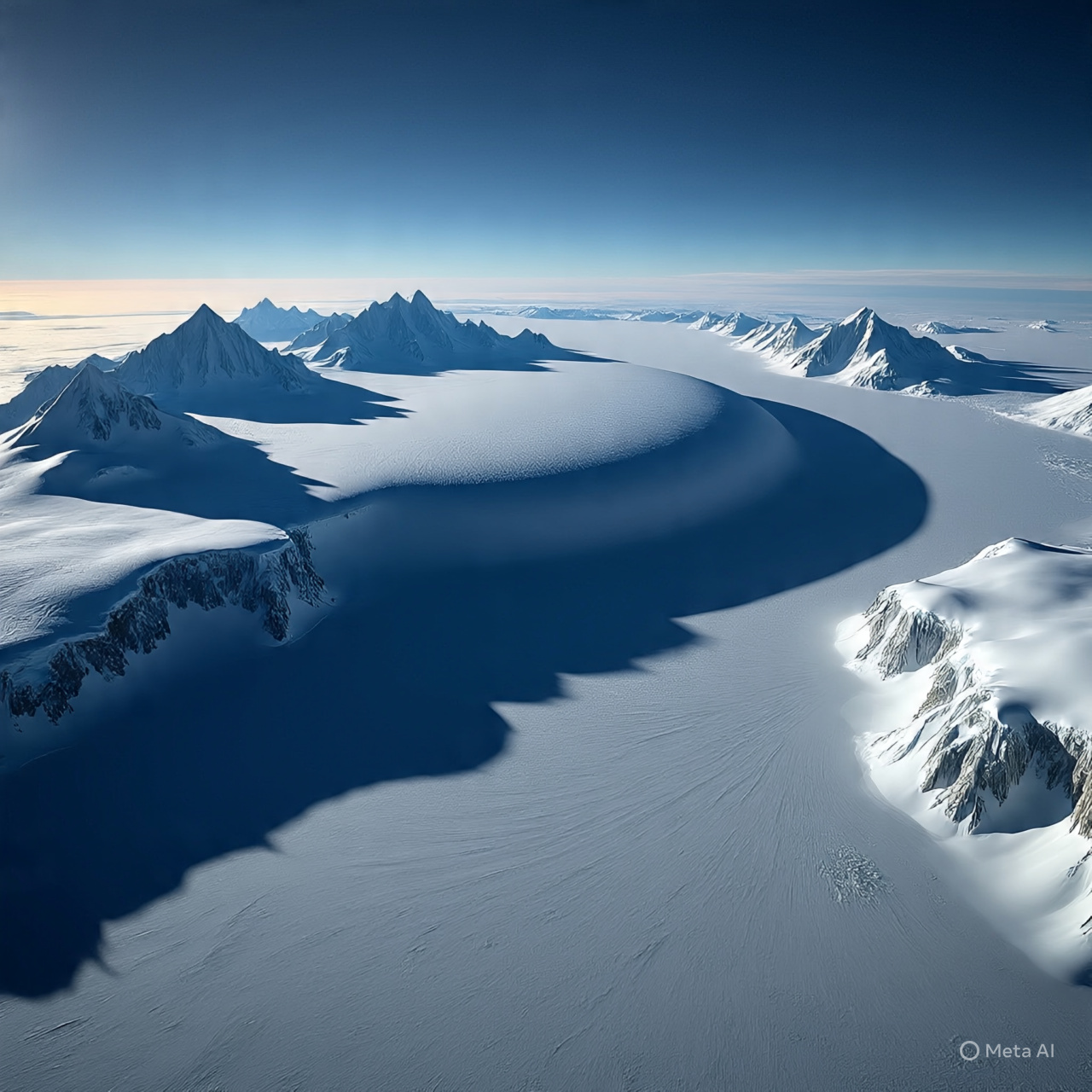
On February 17, 2026, Antarctica will experience a rare annular solar eclipse, offering stunning satellite views of this celestial event.
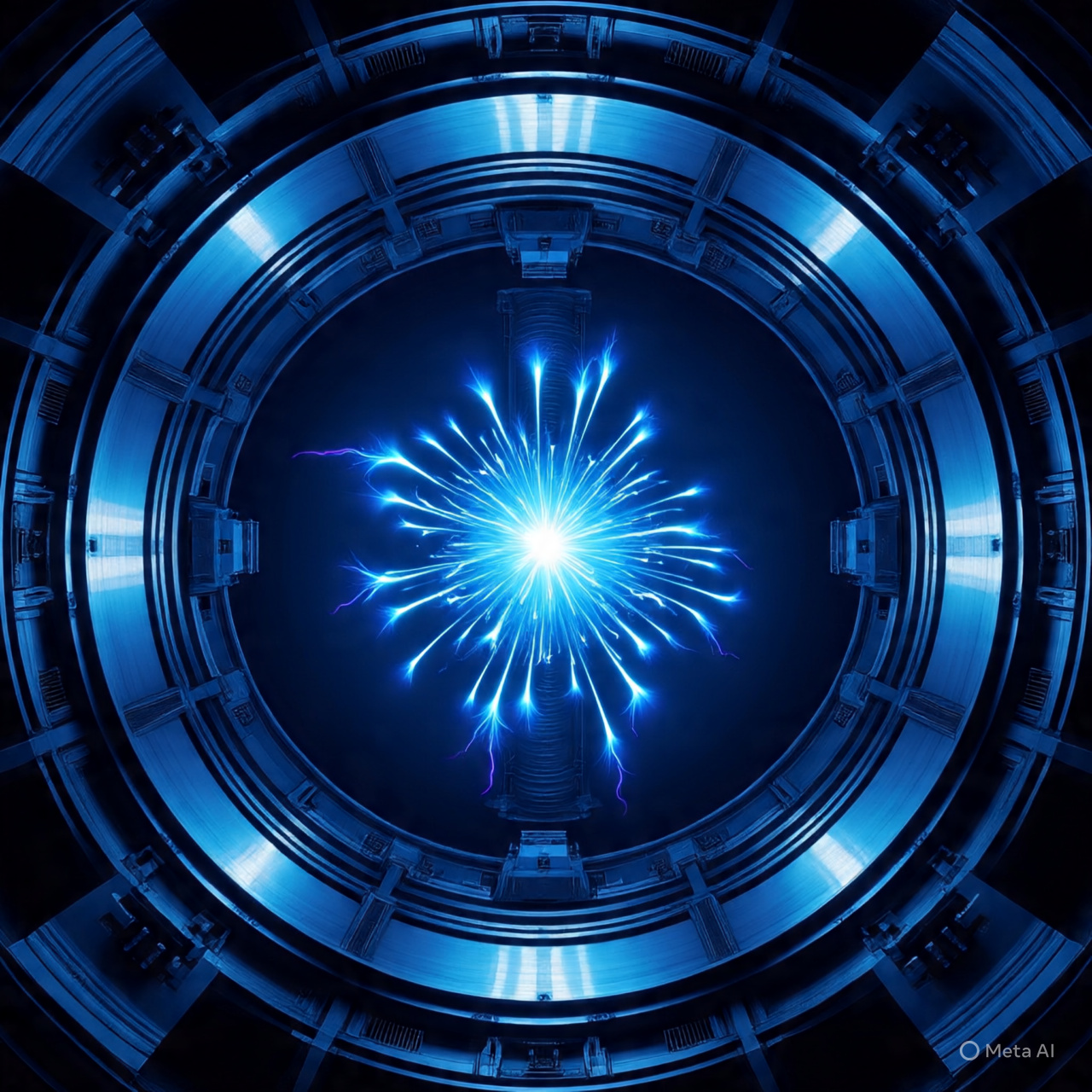
New findings reveal that the early universe was a dense, smooth quark-gluon plasma, reshaping our understanding of cosmic beginnings.
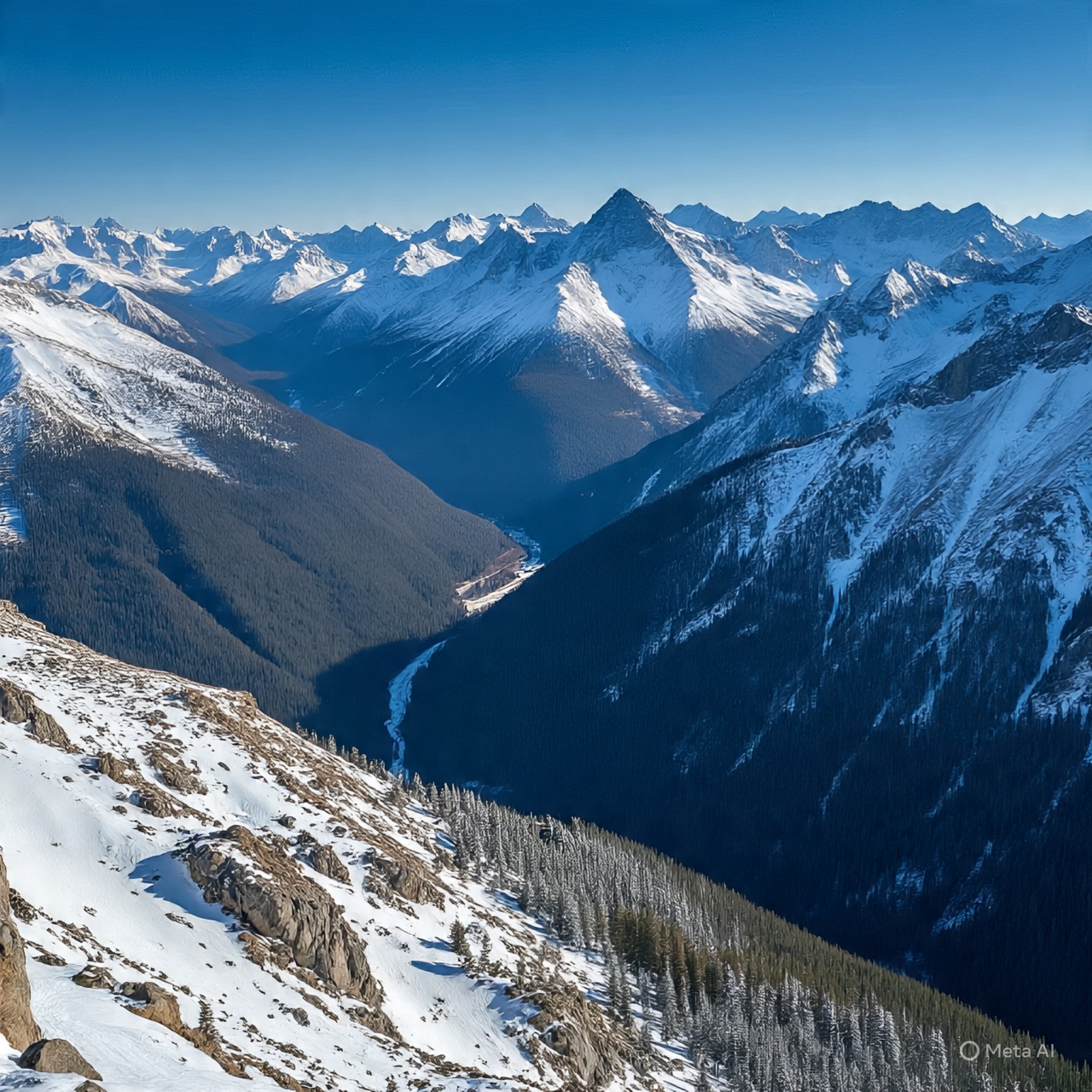
Explore how climate change is reshaping winter in the Sierra Nevada, leading to unpredictable snow conditions and increased avalanche risks.
Humanoid robots captivated audiences at China's Lunar New Year Gala, blending tradition with technology and raising questions about the future of robotics.
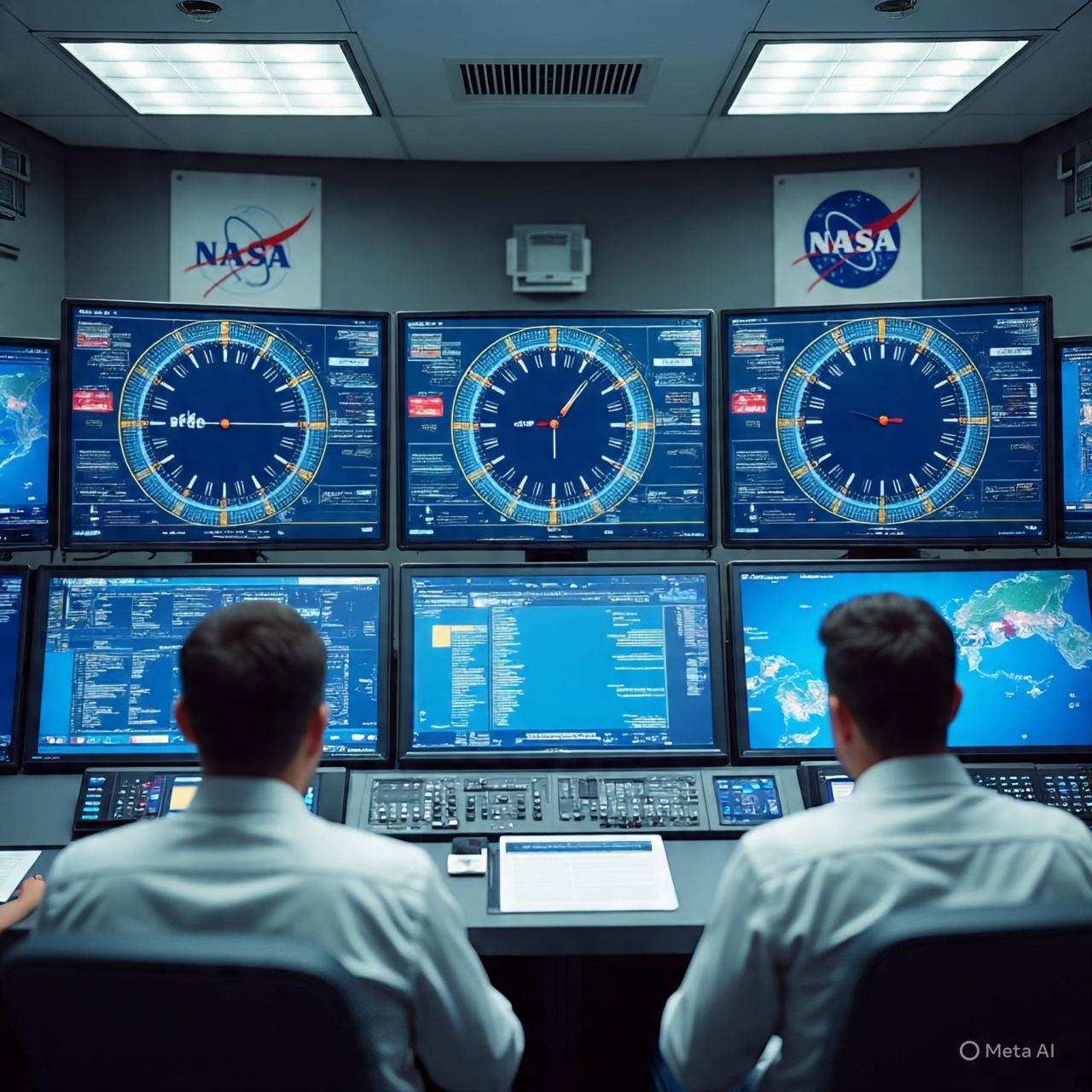
NASA's Artemis II wet dress rehearsal simulates launch day, testing rocket systems and fueling procedures ahead of the first crewed lunar mission.