
Key Highlights
- Location:Bengkalis Island, Indonesia, known for its extensive mangrove forests.
- Importance:Mangroves serve as natural barriers against coastal erosion and climate change impacts.
- Recent Developments:ASEAN-UK Green Transition Fund representatives visited to assess mangrove conservation efforts.
Bengkalis Island, located in Indonesia's Riau province, is home to a rich tapestry of mangrove forests that play a crucial role in the local ecosystem and community. These mangroves are not just a scenic backdrop; they are vital for protecting coastlines from the adverse effects of climate change, including rising sea levels and increased storm surges. The intricate root systems of these trees act as natural barriers, absorbing wave energy and preventing soil erosion, which is essential for maintaining the integrity of coastal habitats.
The mangroves of Bengkalis are a sanctuary for diverse wildlife, including various fish species, crabs, and birds, all of which contribute to the local fishing economy. The health of these ecosystems directly impacts the livelihoods of local communities, who rely on fishing and other marine resources for their sustenance. As climate change poses a growing threat to these resources, the importance of mangrove conservation has become increasingly clear.
In recent years, there has been a concerted effort to rehabilitate and conserve mangrove ecosystems across Riau. These initiatives reflect a broader understanding of the role that nature can play in addressing modern environmental challenges. Mangroves are known to sequester carbon, thus helping mitigate climate change while also providing essential habitats for wildlife. However, these forests face significant threats from land conversion and unsustainable resource use, underscoring the need for community engagement and sustainable management practices.
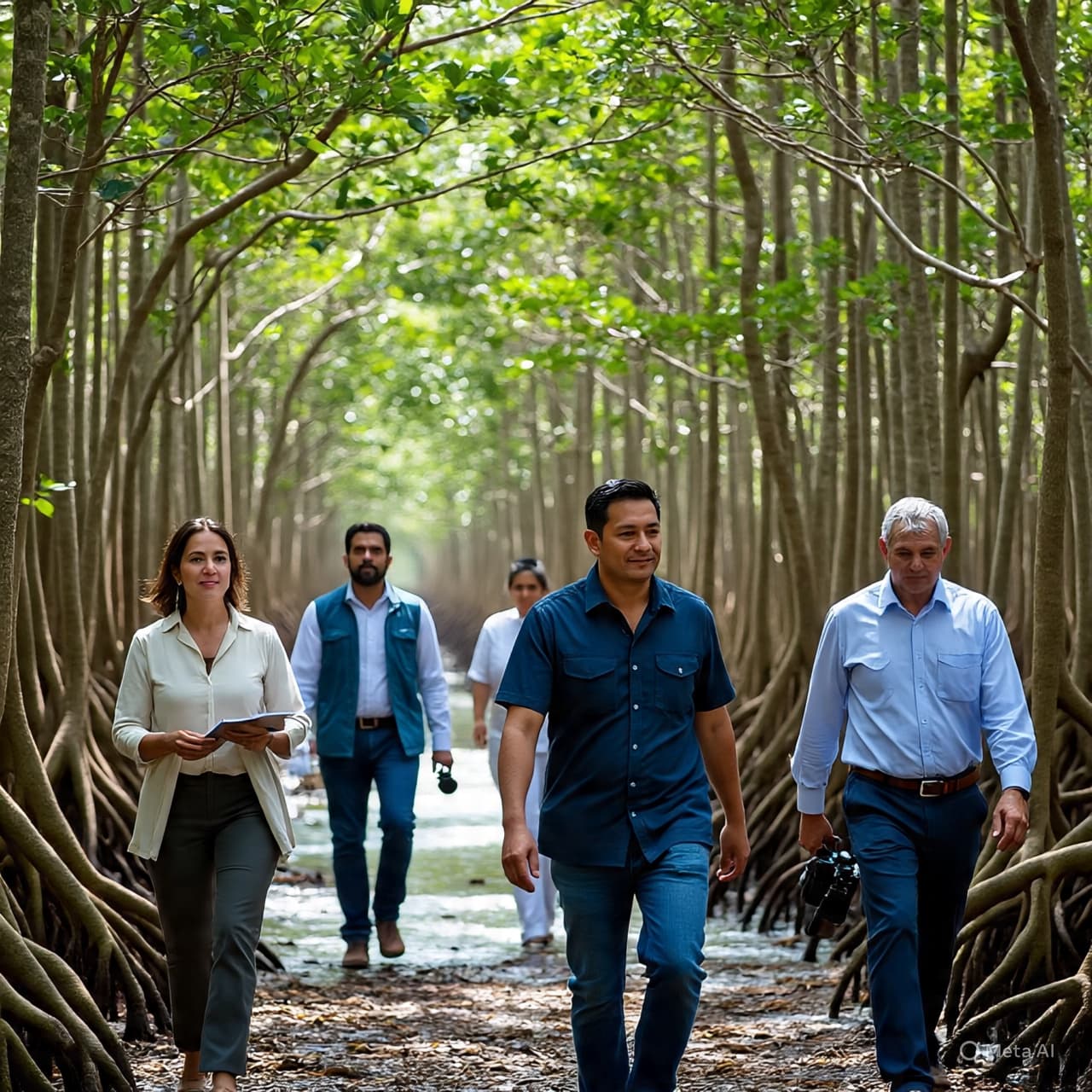
The recent visit by representatives from the ASEAN-UK Green Transition Fund to Bengkalis Island underscores the growing recognition of mangroves as nature-based solutions for ecological resilience. Their assessment of the mangrove areas highlights the importance of these ecosystems in strengthening climate adaptation strategies both locally and globally. This visit is part of a larger initiative to promote sustainable practices that protect these vital resources while supporting local communities.
Walking along the shores of Bengkalis, one can witness the delicate interplay between land and sea. The rhythmic sound of waves lapping against the mangrove roots serves as a reminder of nature's quiet strength and resilience. As communities adapt to the changing climate, the lessons learned from these ecosystems can guide future conservation efforts, ensuring that both nature and people thrive together.
In conclusion, the mangroves of Bengkalis Island are more than just trees; they are a lifeline for coastal communities and a critical component in the fight against climate change. As efforts to conserve and rehabilitate these ecosystems continue, they offer hope for a sustainable future where nature's solutions are embraced and celebrated.
Published by Banx Network. This article is part of the Banx decentralized media programme, powered by the BXE token on the XRP Ledger.



