The universe does not hurry when it tells its stories. It releases them slowly, in faint glimmers that cross unimaginable distances before reaching our instruments. Sometimes those glimmers arrive carrying surprises — quiet contradictions that ask us to reconsider what we thought we understood. At the farthest visible edge of the cosmos, seventy dusty galaxies have emerged from the dark, and with them, new questions about how everything began.
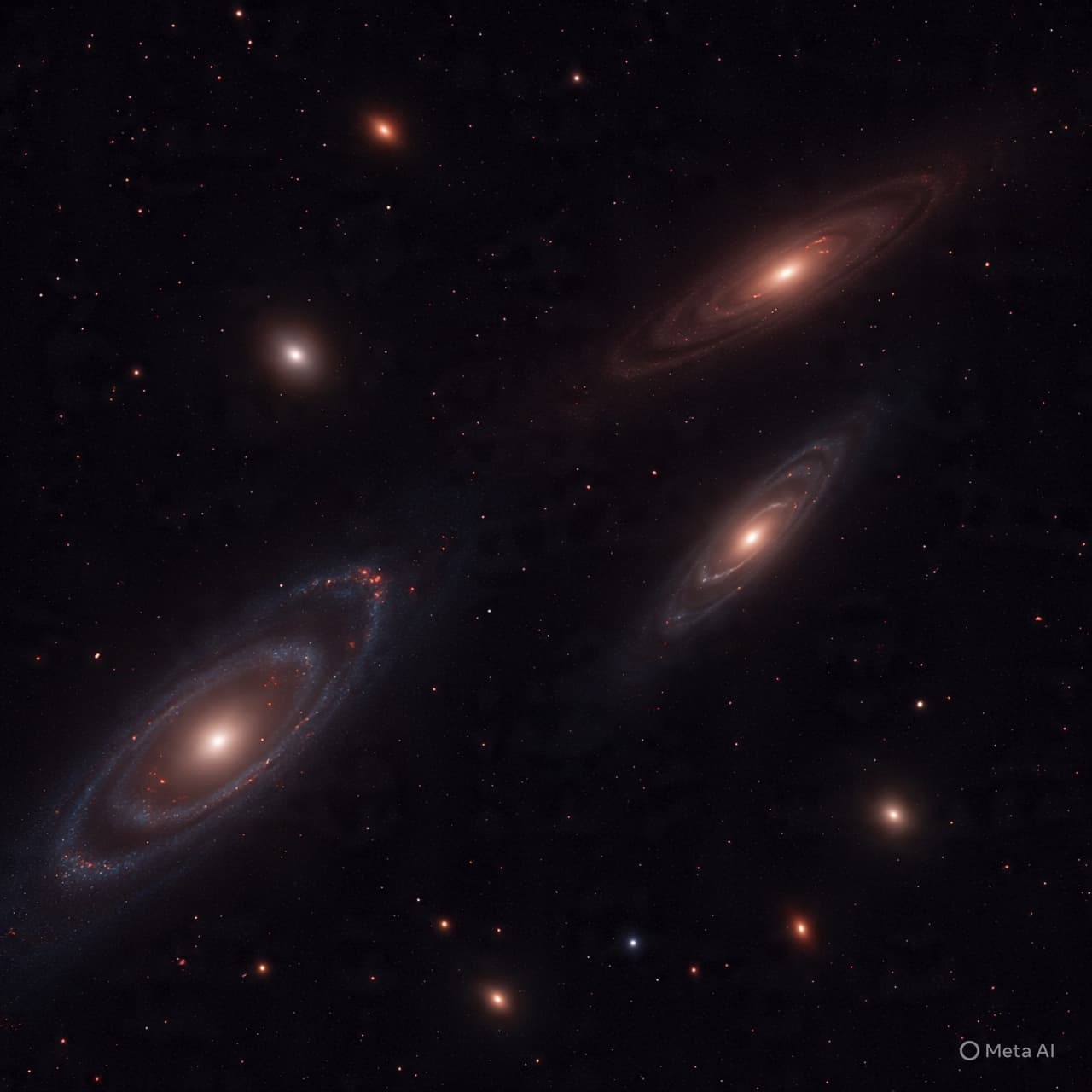
Recent observations reported by CNN, BBC News, Reuters, Space.com, and The Guardian describe the discovery of approximately seventy distant, dust-rich galaxies dating back to the universe’s earliest epochs. These galaxies appear to have formed when the cosmos was still in its infancy — far earlier than many existing models predicted such mature, dust-heavy systems could exist.
Dust, in astronomical terms, is not trivial debris. It is forged in the life cycles of stars, produced when they age and explode, scattering heavier elements into surrounding space. The presence of significant dust suggests prior generations of stars must have lived and died. For astronomers, that detail carries weight. If these galaxies are as old as initial measurements indicate, then stellar formation — and chemical enrichment — may have occurred far more rapidly than previously assumed.
The galaxies were detected through deep infrared observations capable of capturing faint light stretched by cosmic expansion. Because the universe is expanding, light from the most distant objects shifts toward longer, redder wavelengths by the time it reaches Earth. Infrared instruments allow scientists to peer through this stretching, revealing structures that conventional optical telescopes might miss.
What makes this discovery particularly compelling is its scale. Seventy such galaxies in a relatively small observed region hints that dusty systems in the early universe may not be rare anomalies, but rather a common feature of cosmic history. If confirmed, this could prompt adjustments to prevailing theories about how quickly galaxies assembled mass and formed stars after the Big Bang.
For decades, cosmological models suggested that the earliest galaxies were small, relatively pristine, and low in heavy elements. Yet these newly observed systems appear larger, more chemically evolved, and cloaked in dust. The implication is not that previous science was mistaken, but that the universe may have been more efficient — more dynamic — in its youth than expected.
Researchers caution that follow-up observations and spectroscopic analyses are essential to confirm distances, masses, and compositions. Astronomy advances through careful verification, and extraordinary claims require meticulous evidence. Still, the data gathered so far has stirred thoughtful discussion within the scientific community.
There is something humbling about discoveries at such scale. These galaxies formed billions of years ago, their light only now arriving. In studying them, scientists are not merely observing distant objects; they are looking back through time itself. Each faint glow becomes a fragment of cosmic memory.
Further analysis in the coming months will aim to refine age estimates and better understand how these dusty systems evolved so quickly. For now, researchers continue to examine the data, aware that even a small shift in understanding can reshape our broader picture of the universe’s origins.
The cosmos remains vast and largely unexplored. Yet with each new observation, its early chapters grow clearer — and perhaps more complex — than once imagined.
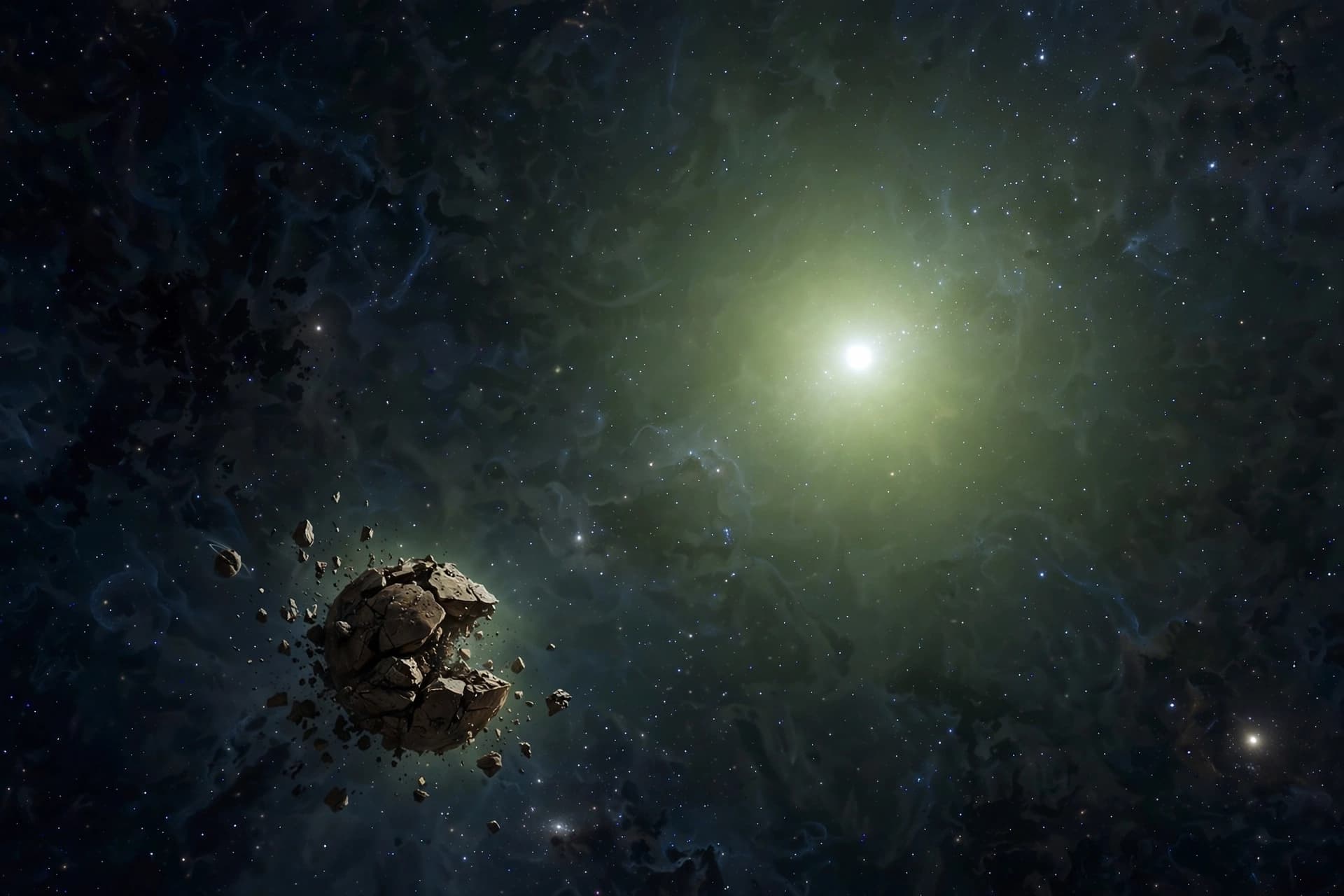
AI Image Disclaimer: Illustrations were produced with AI and serve as conceptual depictions.
Sources: CNN BBC News Reuters Space.com The Guardian
Published by Banx Network. This article is part of the Banx decentralized media programme, powered by the BXE token on the XRP Ledger.