A Cosmic Lens in the Pegasus Sea: NGC 7722 and the Echoes of Time
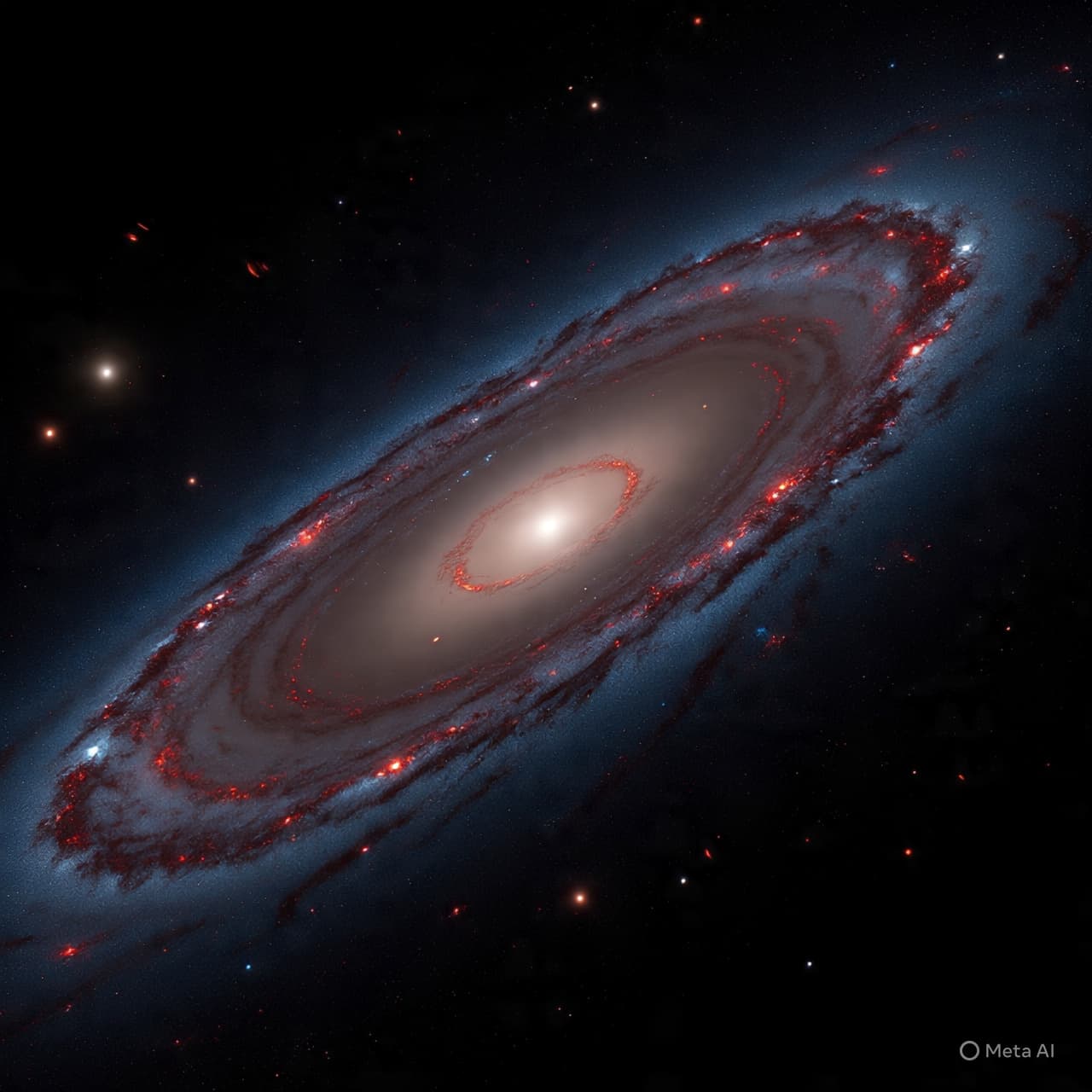
Hubble’s new image of lenticular galaxy NGC 7722 reveals striking dusty rings around its core, offering insights into galactic evolution and a supernova event in 2020.

Hubble’s new image of lenticular galaxy NGC 7722 reveals striking dusty rings around its core, offering insights into galactic evolution and a supernova event in 2020.

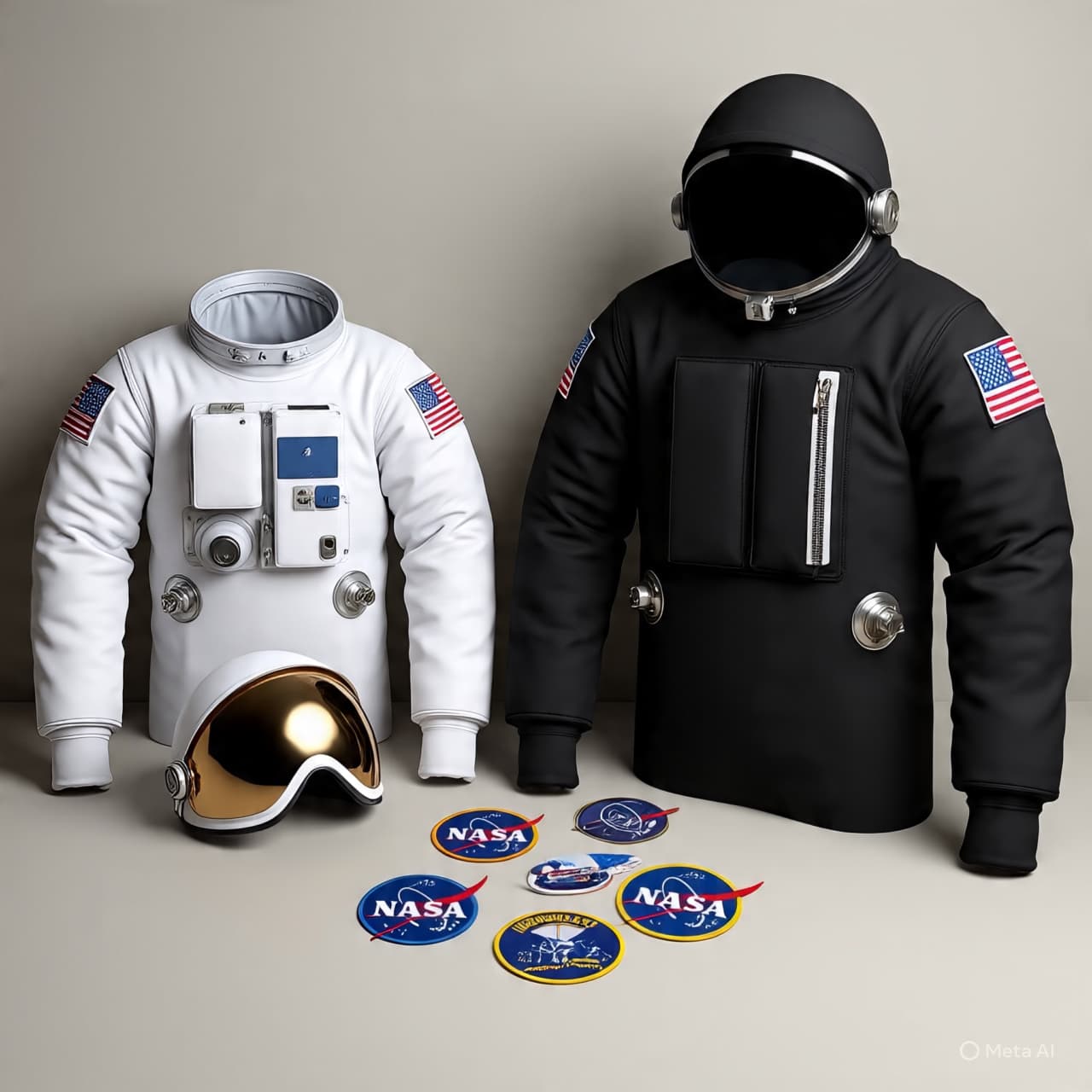
A reflective look at Artemis II gear, exploring how mission patches, apparel, and collectibles quietly connect Earth to NASA’s careful return to the Moon.

A rare Florida cold snap left thousands of invasive iguanas frozen and immobile, with officials collecting more than 5,000 animals in just two days.

Researchers have identified the genetic signature of “sleeping” nociceptors — pain-sensing neurons tied to neuropathic pain — offering new targets for future treatments.

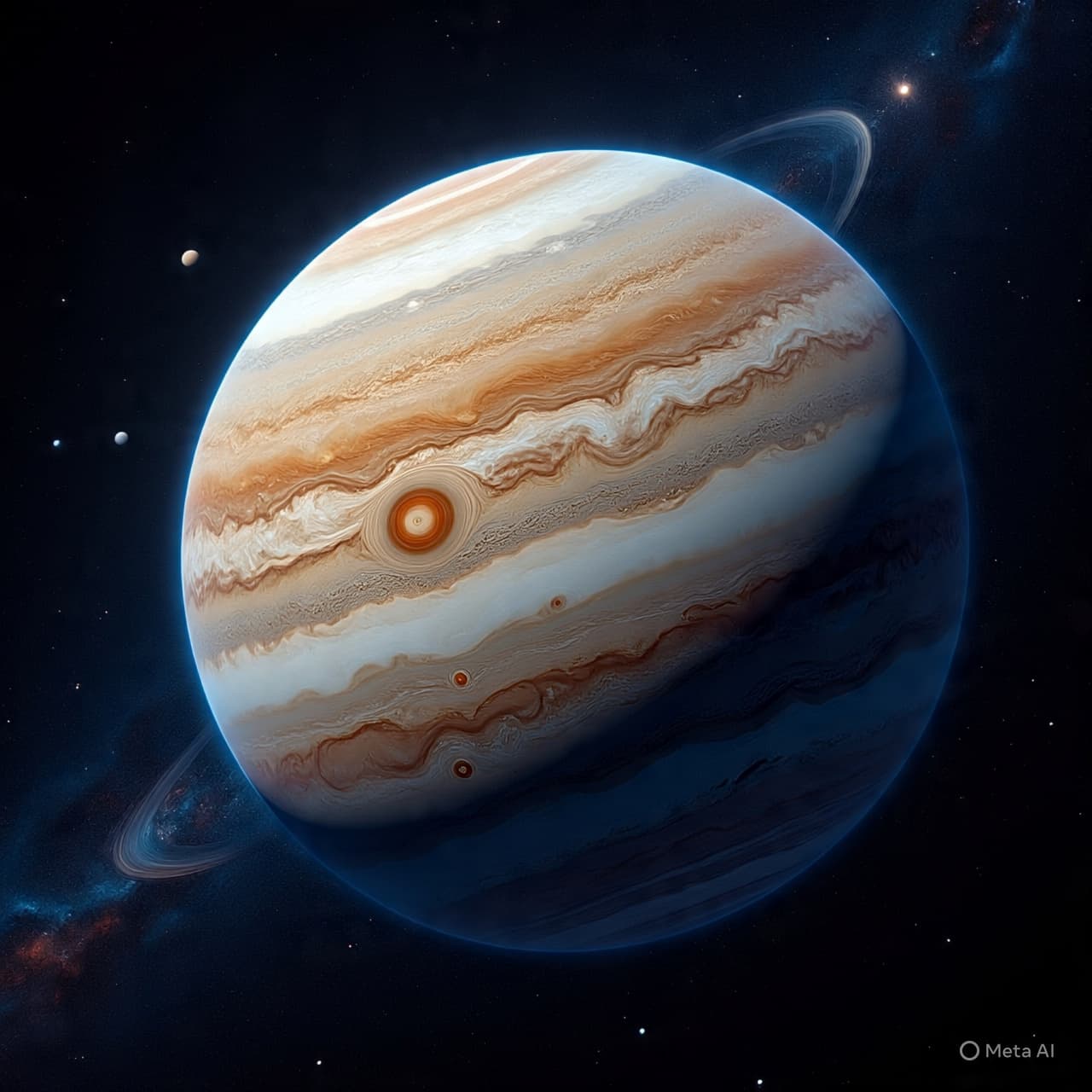
New data from NASA’s Juno mission shows Jupiter is slightly smaller and flatter than previously thought, refining long-held measurements of the solar system’s largest planet.

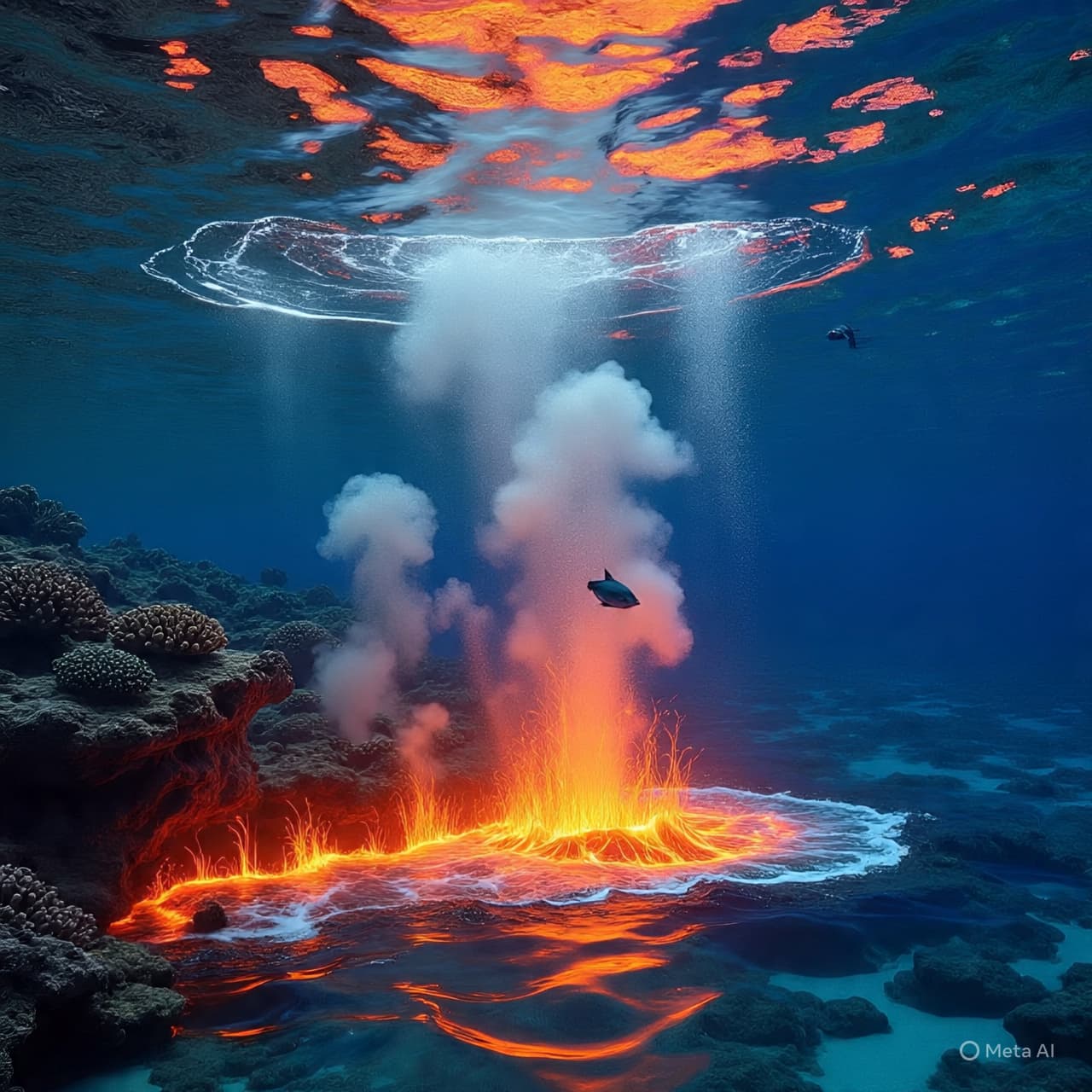
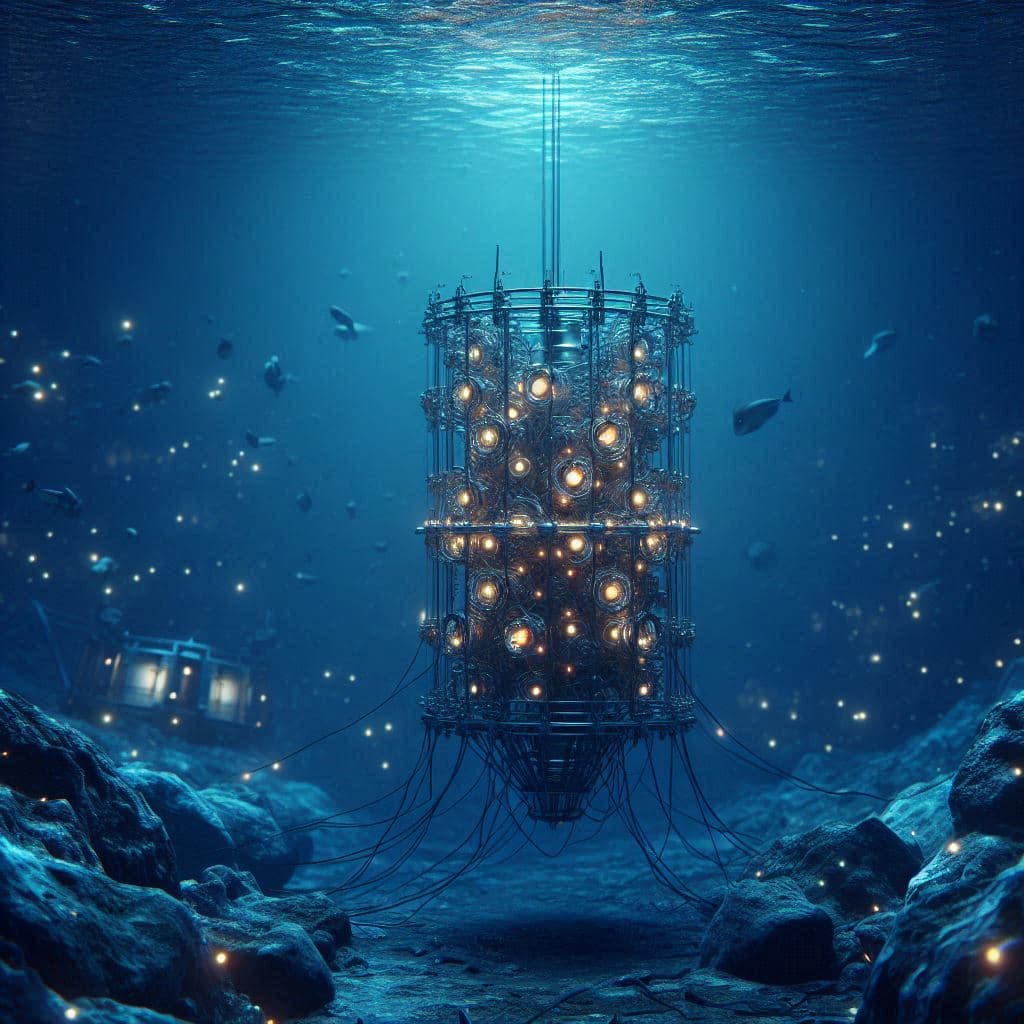
Molten lava from La Palma’s eruption reshaped the seafloor in silence, creating new underwater landscapes where destruction slowly gives way to renewal.

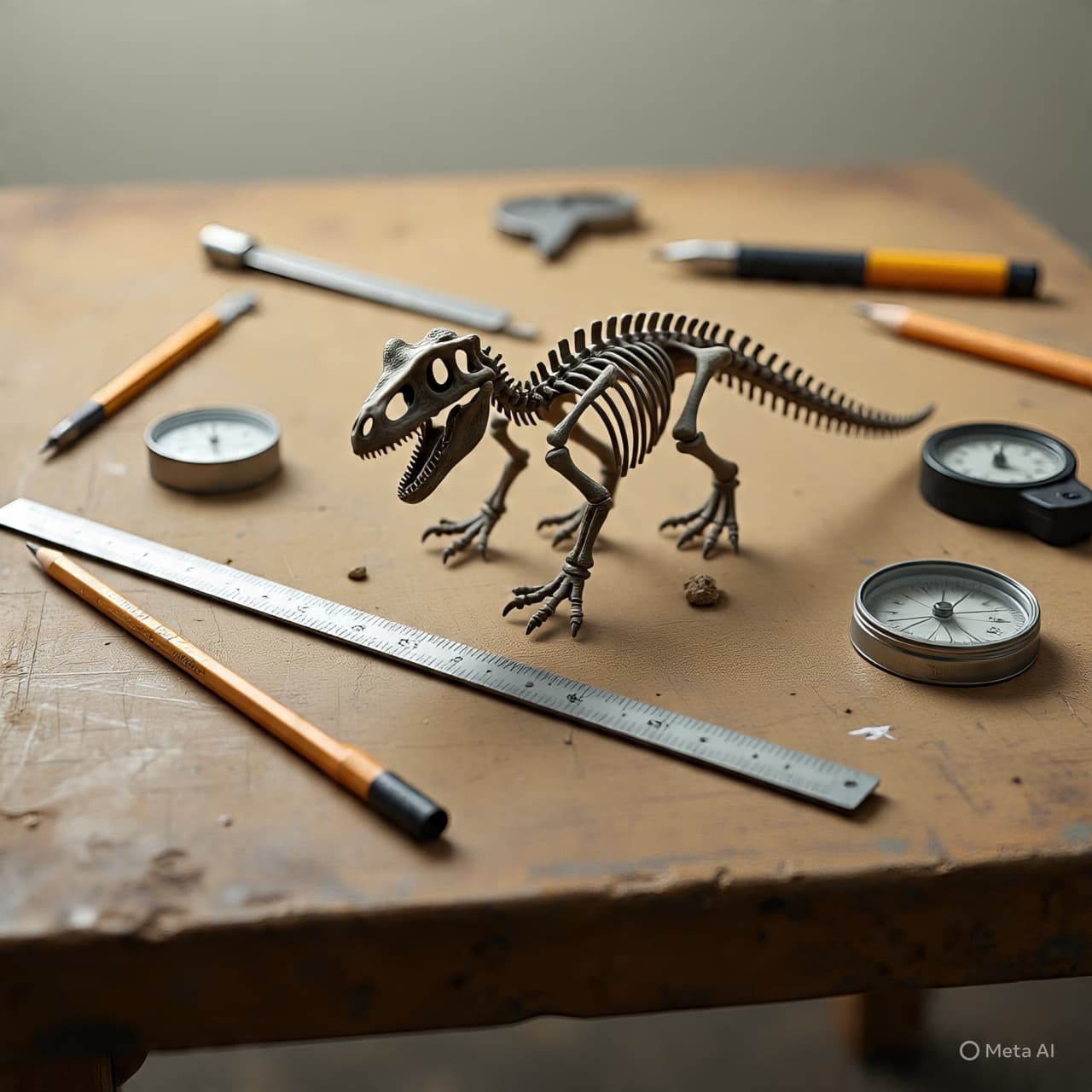
A chicken-sized dinosaur fossil discovered in Spain offers new insight into prehistoric diversity, reminding researchers that not all dinosaurs were giants.

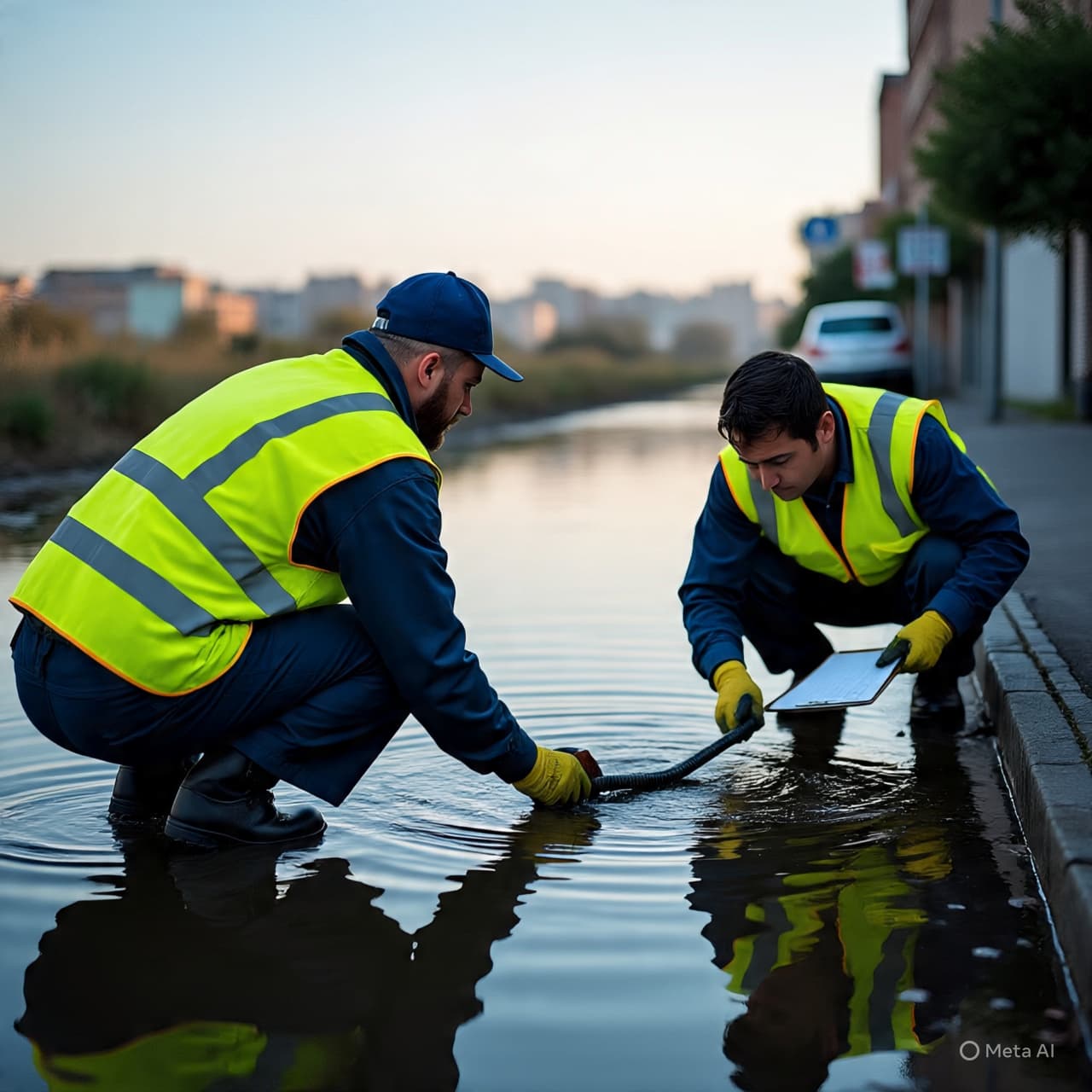
Municipal report identifies causes of flooding in Maipú affecting 1,100 families; communities show resilience as authorities plan preventive measures.

An urban artist in Iquique faces accusations of sexual assault; prosecutors will seek a life sentence given the severity of the alleged crimes as the investigation continues.

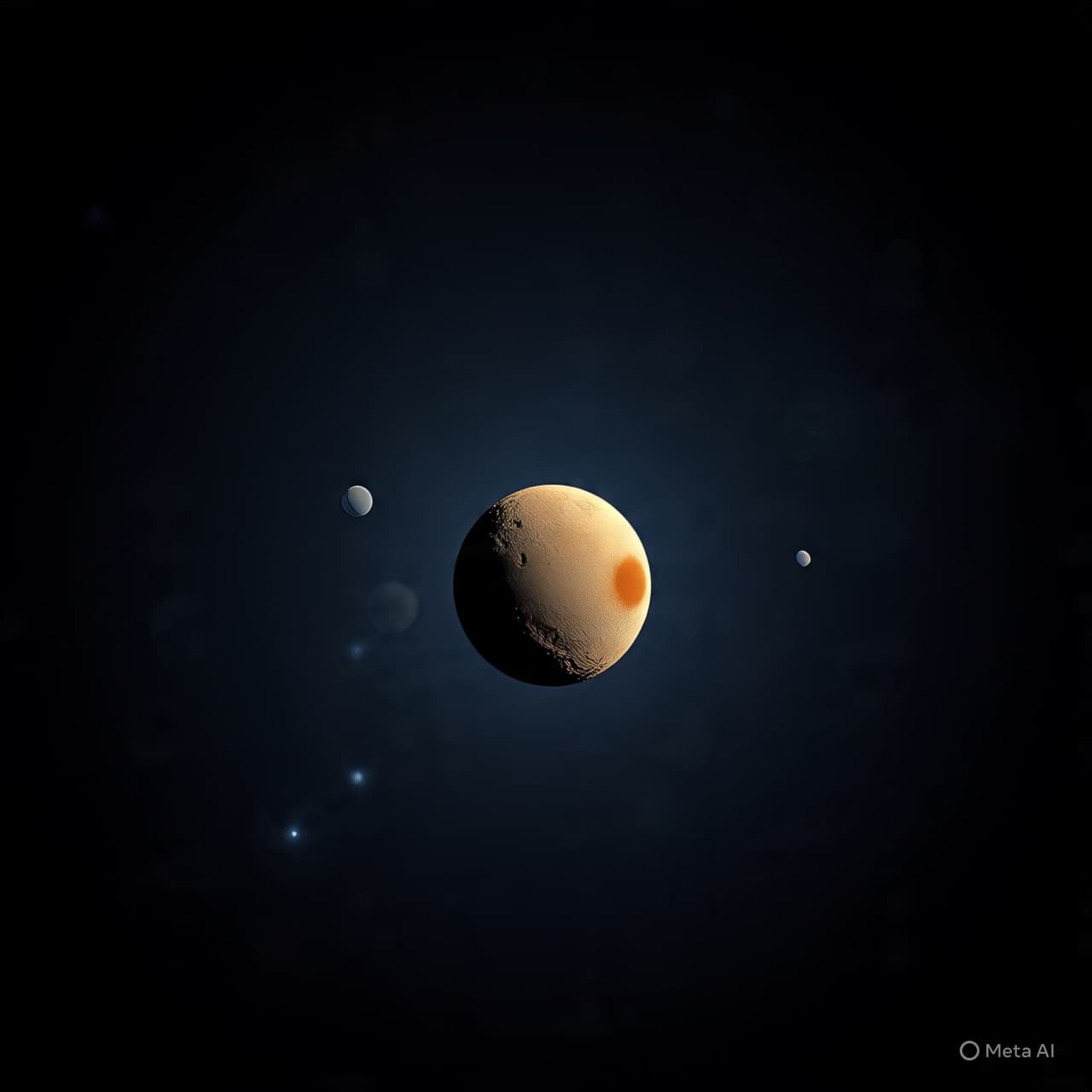
Pluto was not removed from the solar system, but reclassified after scientists refined the definition of a planet, reflecting deeper understanding of space.

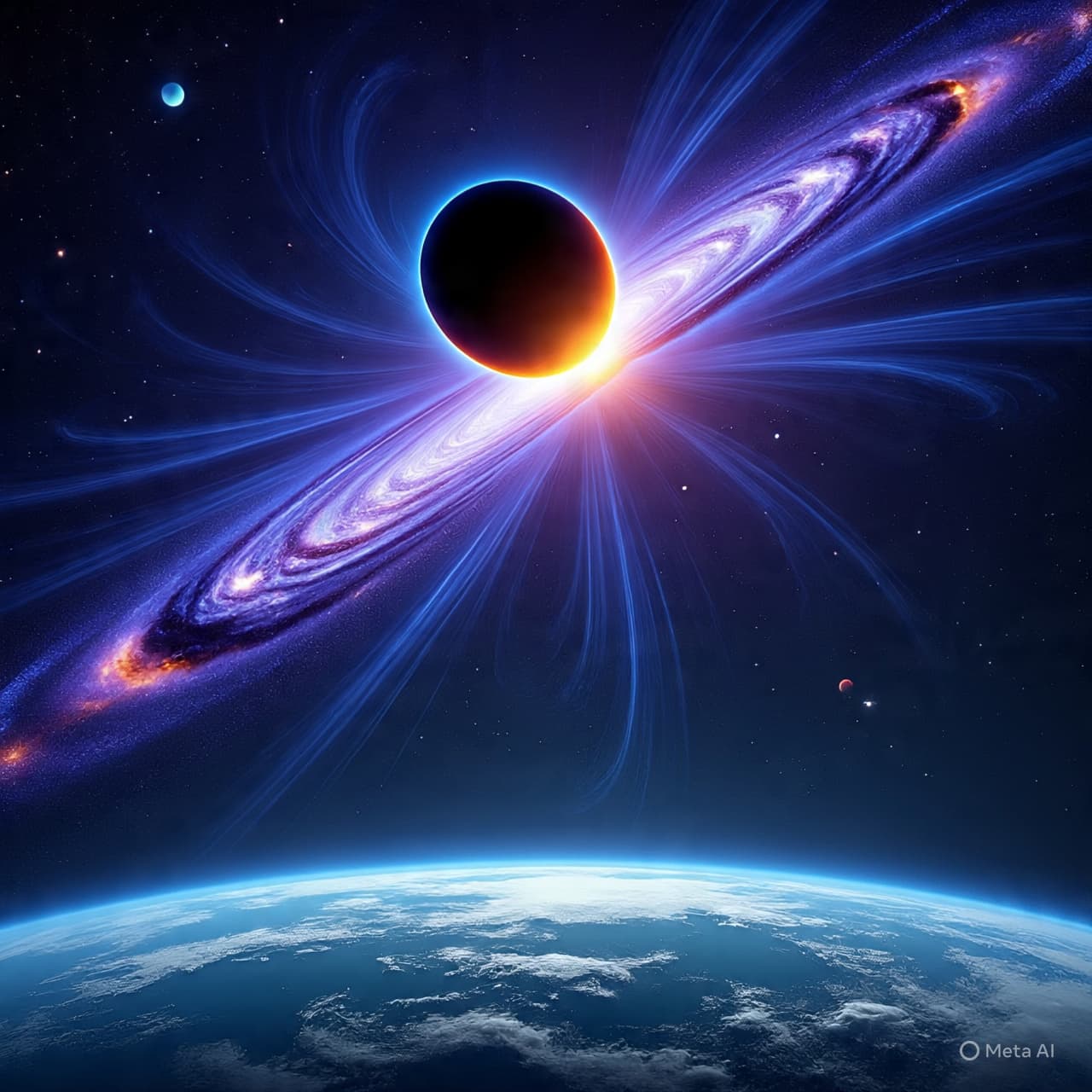
A particle struck Earth with 100,000 times the energy of the LHC; scientists suggest it may originate from an exploding black hole, offering a glimpse into extreme cosmic physics.

A 2.6-million-year-old fossil discovery is prompting scientists to reconsider when early humans began shaping tools and behavior.

Elon Musk proposes building solar‑powered data centers in space to support AI, but experts raise doubts about heat management, space debris, maintenance, and feasibility.

Trans Mountain Corp. has filed to begin the first of three planned capacity enhancements to its oil pipeline using drag-reducing technology, moving ahead as export pipelines near capacity.

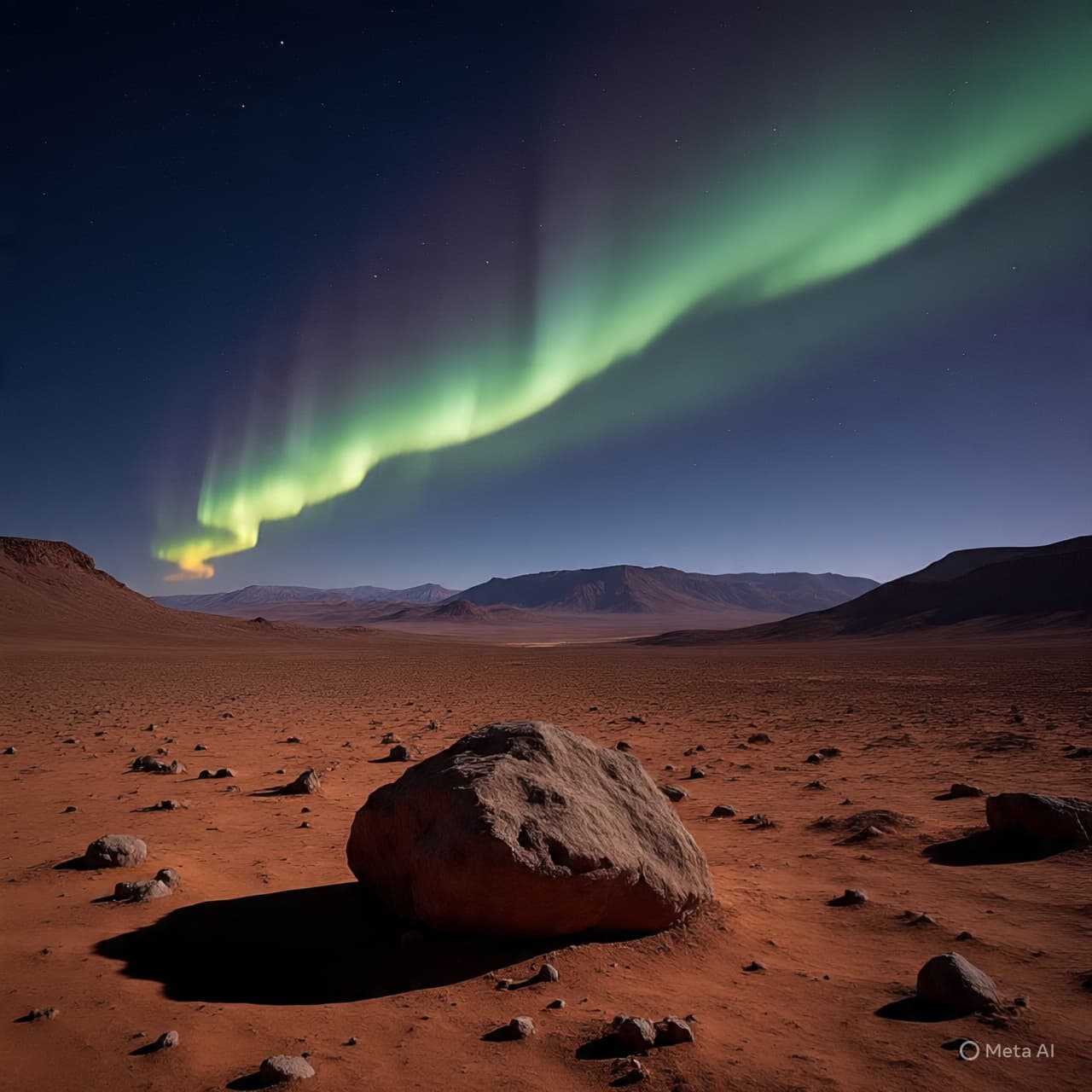
Rare night photography on Mars has revealed faint aurorae, deep surface openings, and distant cosmic visitors, offering a quieter view of the red planet.

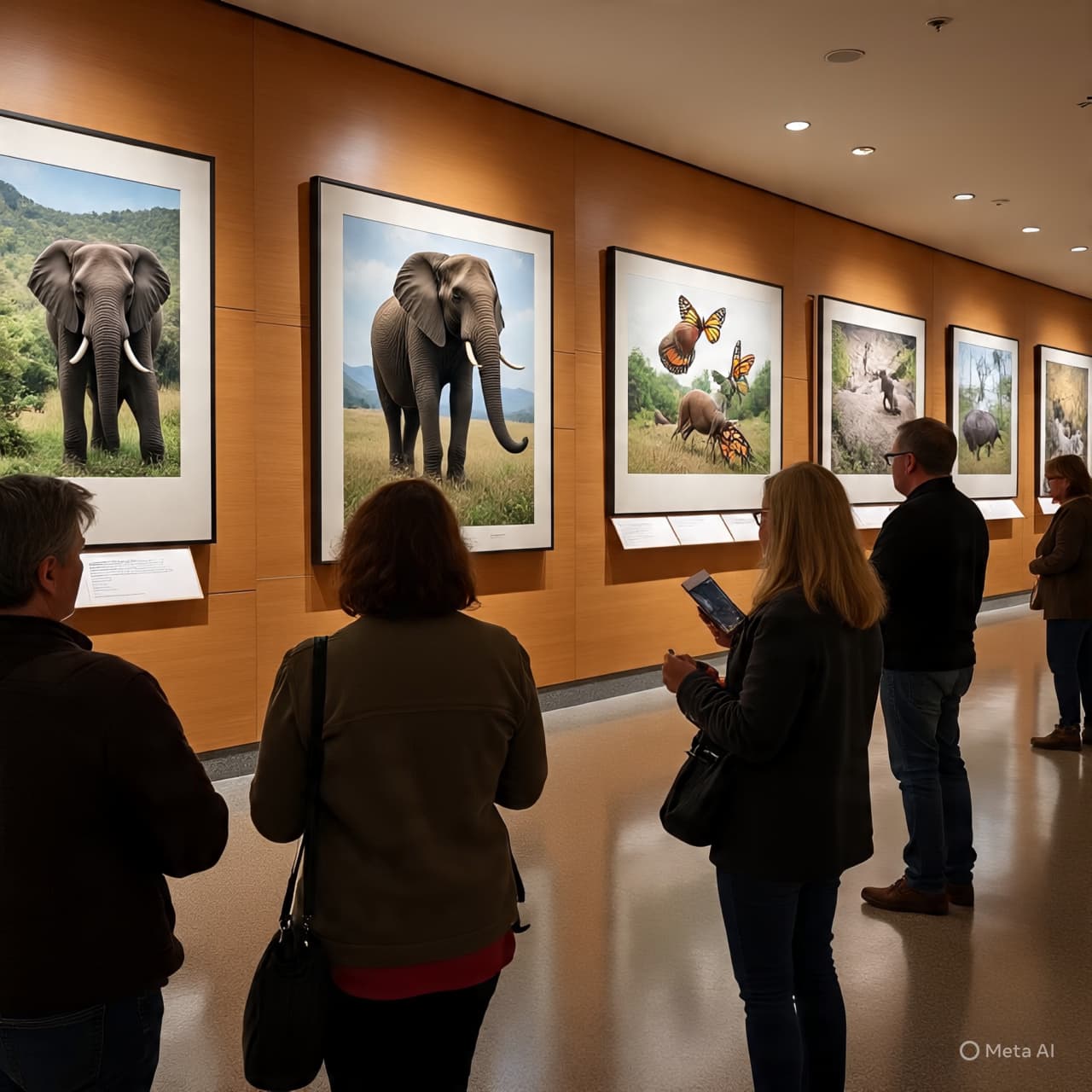
The Natural History Museum unveiled 24 wildlife photos shortlisted for the People’s Choice Award, selected from over 60,000 global entries; public voting runs through March 18. ([turn0news0])

Colorado’s snowpack is far below normal, raising concerns among water officials that water restrictions could be needed later this year if runoff and reservoir levels remain low.

A powerful X4.2 solar flare from Sunspot AR4366 disrupted radio communication across parts of Africa and Europe by flooding Earth’s upper atmosphere with intense radiation.

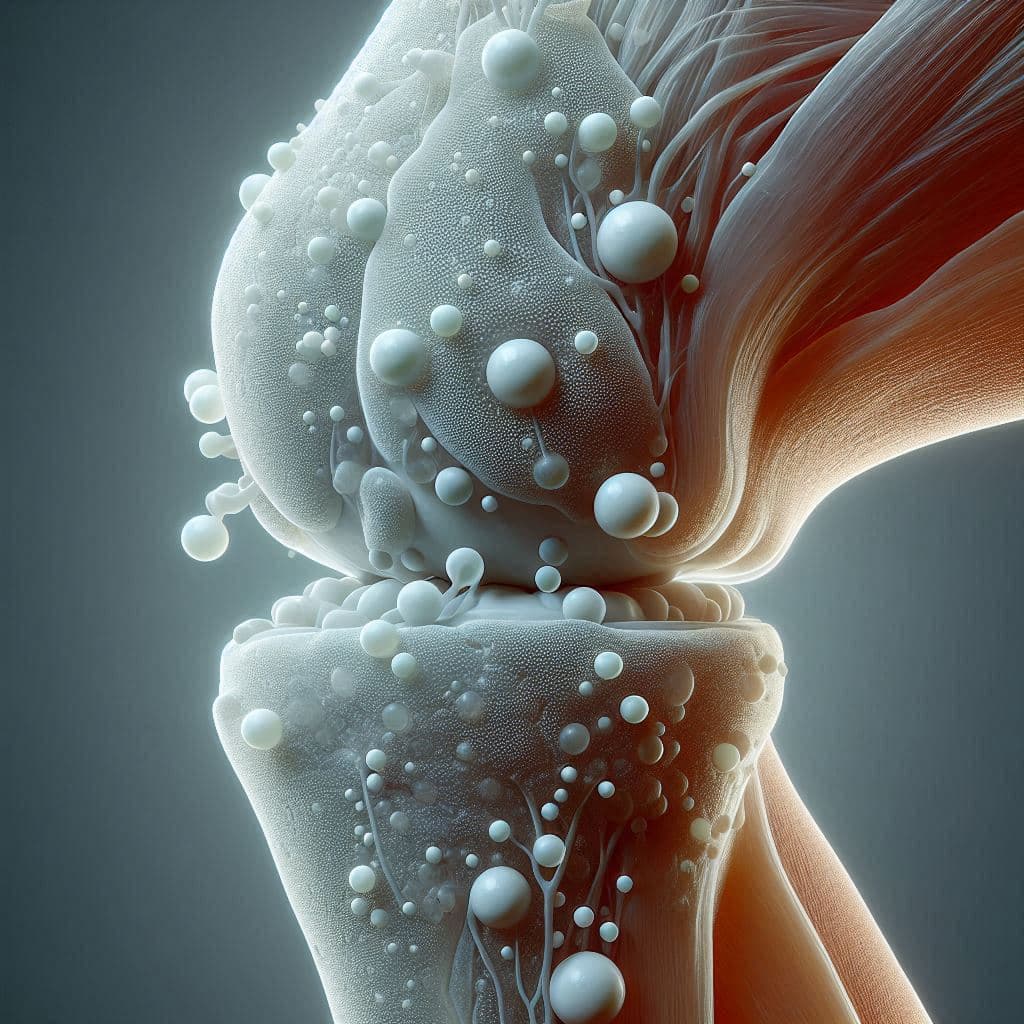
Engineered extracellular vesicles carry tailored healing signals that may reduce inflammation and promote cartilage repair in osteoarthritis, offering a promising future therapy.

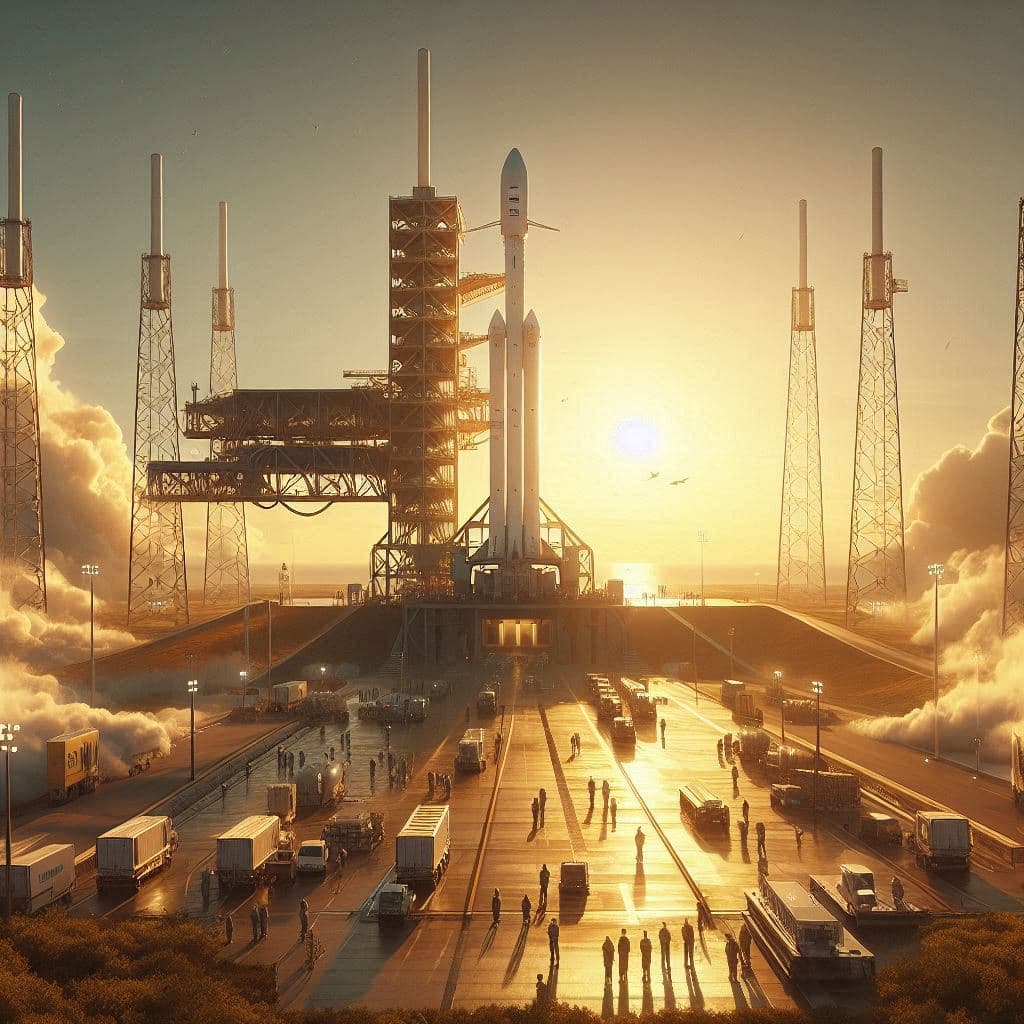
NASA and SpaceX have moved up the next ISS crew launch to Feb. 11 after the Crew-11 mission returned early due to a medical issue. Preparations continue for steady operations.

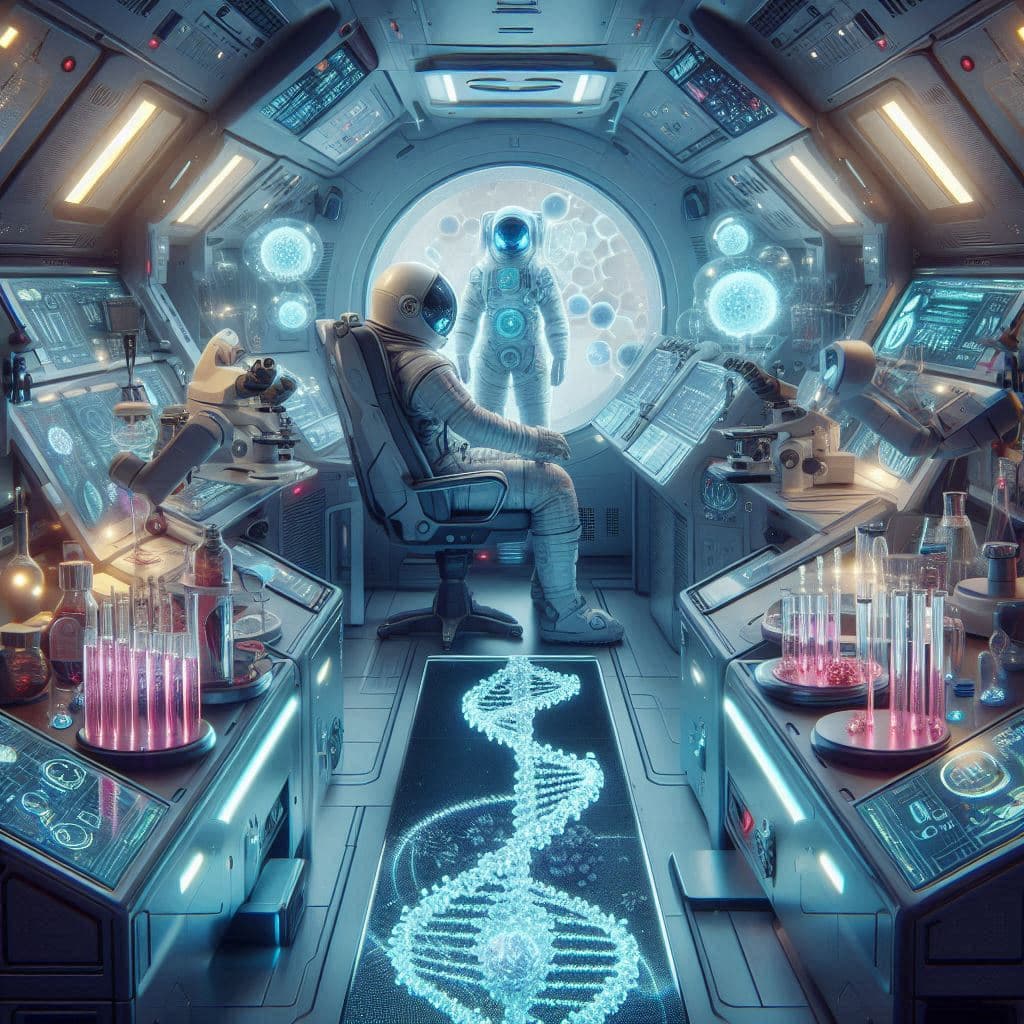
Scientists say humans must study reproductive health in space as missions lengthen; limited data, radiation, microgravity, and lack of standards make future research urgent.

New research shows eastern oysters’ filter feeding significantly reduces parasite transmission to juvenile blue crabs, lowering infection risk and suggesting broader ecosystem benefits.

A record-breaking ultra-high-energy neutrino detected by KM3NeT may hint at the final evaporation of a primordial black hole, opening new avenues to study extreme cosmic phenomena and dark matter.

NASA has tested Anthropic’s AI to help the Perseverance rover plan safer routes on Mars, easing human workload while navigating hazardous terrain.