There are moments when the vastness of space feels closer, when the invisible threads connecting our planet to the Sun briefly tighten and we sense our place in the larger cosmic rhythm. On February 4, that connection became unmistakably clear as the Sun unleashed a colossal X4.2 solar flare, a powerful burst of energy that briefly knocked out high‑frequency radio signals across parts of Africa and Europe.
Solar flares are sudden eruptions of intense radiation from the Sun’s surface. Scientists classify them on a scale from A to X, with X‑class flares representing the most potent — capable of flooding Earth’s upper atmosphere with X‑rays and extreme ultraviolet light. When that radiation reaches Earth, it interacts with the ionosphere — the atmospheric layer essential for radio signal propagation — and can disrupt communications in sunlit regions of the globe.
This latest eruption came from a huge and unusually active sunspot region known as AR4366, a magnetic monster on the Sun’s surface that has been producing a succession of strong flares as it rotates into a face‑on position relative to Earth. The X4.2 flare peaked at around 7:13 a.m. EST and was intense enough to create brief but noticeable radio blackouts in western Africa and southern Europe, where shortwave communications went dark for tens of minutes.
Unlike some solar flares, this event was impulsive — a sharp, concentrated burst of energy — and, according to space‑weather forecasters, it did not immediately coincide with a major coronal mass ejection (CME), which is a massive cloud of solar plasma and magnetic field that can cause geomagnetic storms lasting days. In this case, imagery from solar observatories showed no clear CME signature at first, meaning the effects on Earth’s magnetic field may be limited for now.
Still, the flare underscores an important reality: the Sun’s activity is rising as part of its natural 11‑year cycle, and active regions like AR4366 can produce multiple strong bursts in quick succession. Even without a CME, the intense radiation from X‑class flares travels at the speed of light, immediately altering conditions high above Earth and upending radio communication systems that rely on the delicate balance of atmospheric ionization.
For communities, hobbyists, and industries that depend on high‑frequency radio — from aviation and maritime services to amateur radio operators — these solar events can be more than a curiosity. They remind us that the sky overhead is shaped by forces far greater than Earth alone, and that our technological networks are linked intimately to the Sun’s mood swings.
Shortwave radio may return quickly after such flares subside, but each disturbance reinforces how dynamic our space environment can be. And with AR4366 still facing Earth, forecasters will be watching closely to see whether the Sun’s next burst brings auroras, geomagnetic storms, or another moment when signals fall strangely silent under a brilliant star.
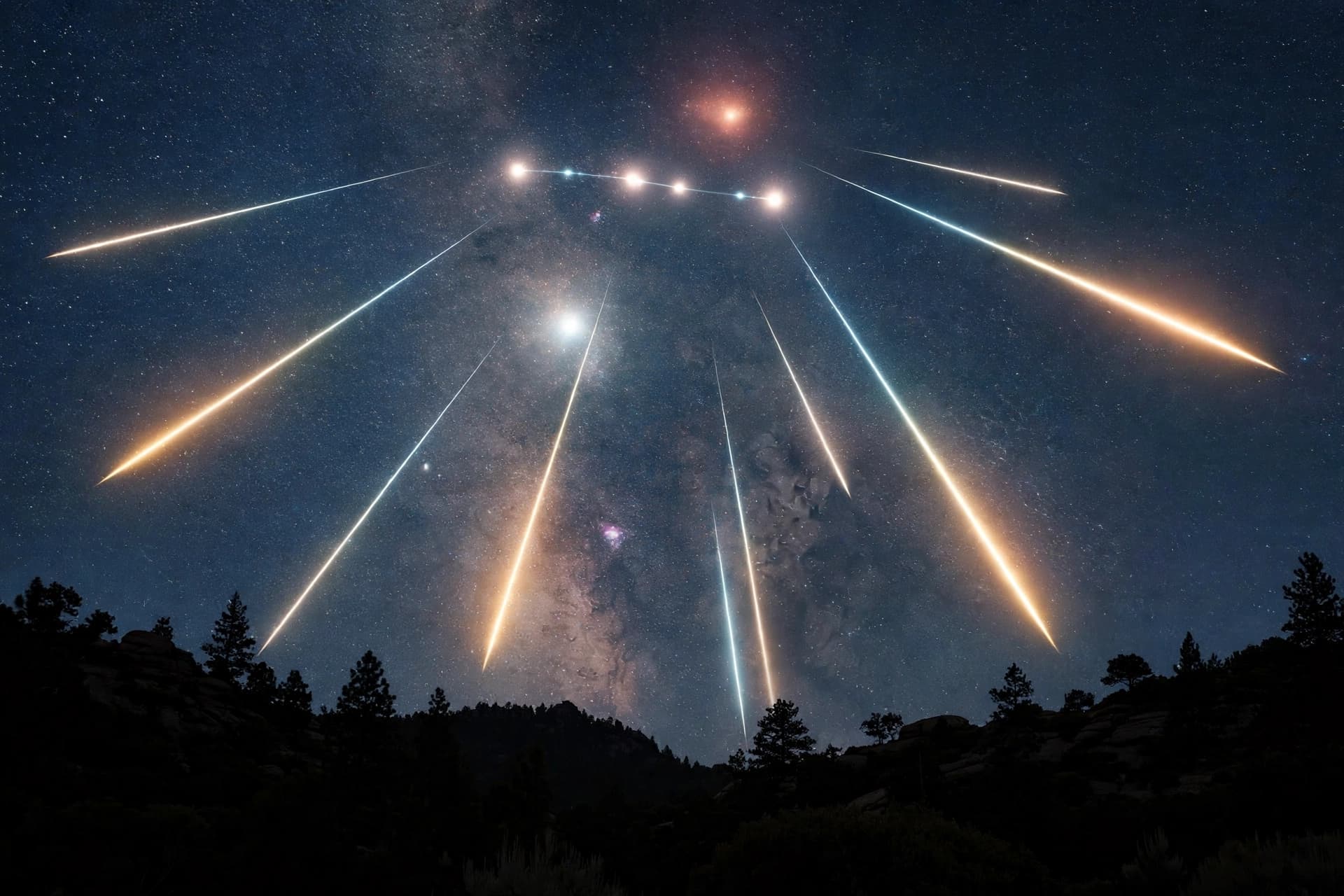
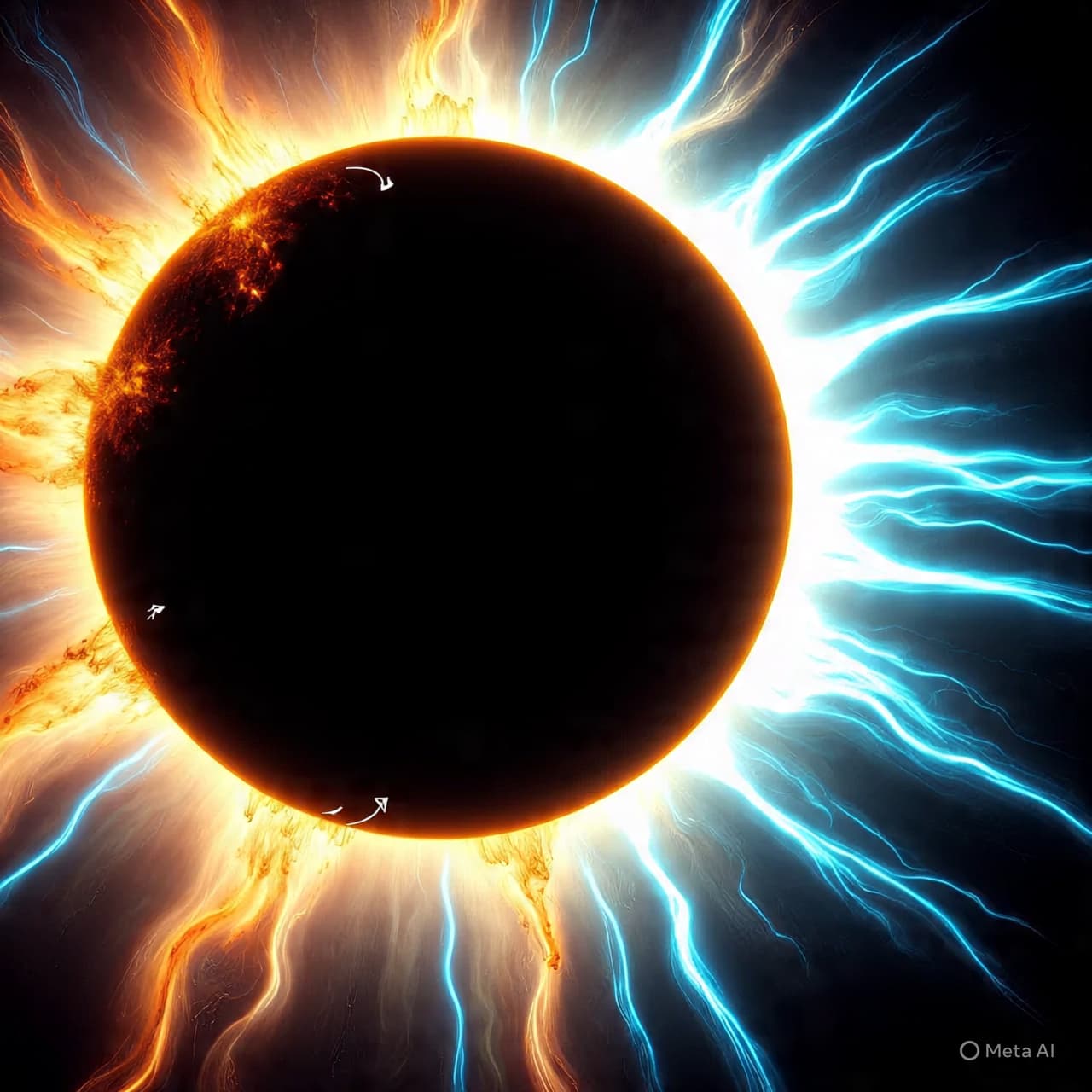
AI Image Disclaimer (Rotated Wording) Illustrations in this article were produced with AI and are intended as conceptual visuals, not real photographs.
Sources Space.com (solar activity & radio blackout coverage) Space.com (sunspot and active region discussion) Space.com (magnetic dynamics of flares)
Published by Banx Network. This article is part of the Banx decentralized media programme, powered by the BXE token on the XRP Ledger.