There are moments in human history when the horizon seems to stretch just a little farther, as if our curiosity and courage stretch the very bounds of the sky. When we first imagined flying, we dreamed of flapping wings like birds; when we built rockets, we borrowed from the physics that governed stars. And now, as humanity tentatively prepares to linger longer beyond Earth’s cradle — toward the Moon, Mars, and perhaps one day beyond — we find ourselves poised at another threshold: the question of life itself. For as long as human presence in space has been real, so too has been a quiet assumption — that life begins and thrives only under Earth’s familiar embrace. But scientists now urge us to gently confront a new reality: that if we are to live, work, and endure in space, we must understand not just how we fly, but how we might conceive, sustain, and nurture life beyond our home planet.
In laboratories and observatories, in quiet meetings and in scientific journals, researchers from fields as diverse as reproductive medicine, aerospace health, and bioethics have begun to discuss what once would have seemed purely hypothetical. The environment beyond Earth’s atmosphere — luminous and thrilling though it is — is also a realm marked by forces both subtle and profound. Microgravity alters fluid flows and cellular behavior; cosmic radiation penetrates tissues that on Earth are shielded by atmosphere and magnetic fields; the rhythms of sleep and stress shift and sway under unaccustomed skies. These factors, benign in small doses, could have deep implications for fertility, gamete health, embryo development, and ultimately the very possibility of human reproduction in space.
Yet the conversation is not about immediate attempts at conception among astronauts or provocative experiments on orbiting stations. Rather, it is about acknowledging a gap in our scientific and ethical preparedness — a space in our knowledge that could widen as commercial space tourism grows and long-duration missions become more routine. Researchers emphasize that there are no widely accepted standards for managing reproductive health risks in space, nor clear policy frameworks that address inadvertent pregnancy, fertility preservation, or embryonic development beyond Earth’s protection.
The historical arc of human reproduction research on Earth — from early studies of cell biology to assisted reproductive technologies — teaches us how complex and delicate life’s beginnings can be. In space, these complexities are amplified. Scientific evidence remains limited; while animal studies and isolated cellular experiments have offered glimpses into how reproductive processes respond to space conditions, comprehensive data on human reproductive biology in space is scarce. Experts say that if humanity continues toward sustained presence beyond Earth, then reproductive health ought not remain a “policy blind spot,” but instead a thoughtfully explored frontier, guided by ethical integrity, international cooperation, and scientific rigor.
As the starry silence beyond Earth beckons, it is not merely about the structures we build or the distances we travel, but about the cycles of life and continuity we hope to preserve. Scientists remind us that understanding these cycles — from the cellular dance of fertilization to the growth of new generations — is essential to any future where humans do not simply visit space, but inhabit it. This shift from theoretical curiosity to practical priority reflects a broader evolution: that in exploring the cosmos, we also explore the very conditions that sustain life.
Current research underscores that we are not yet ready to engage in reproductive activities in space, and that extensive study and regulatory frameworks will be needed before such considerations become part of everyday spaceflight operations.
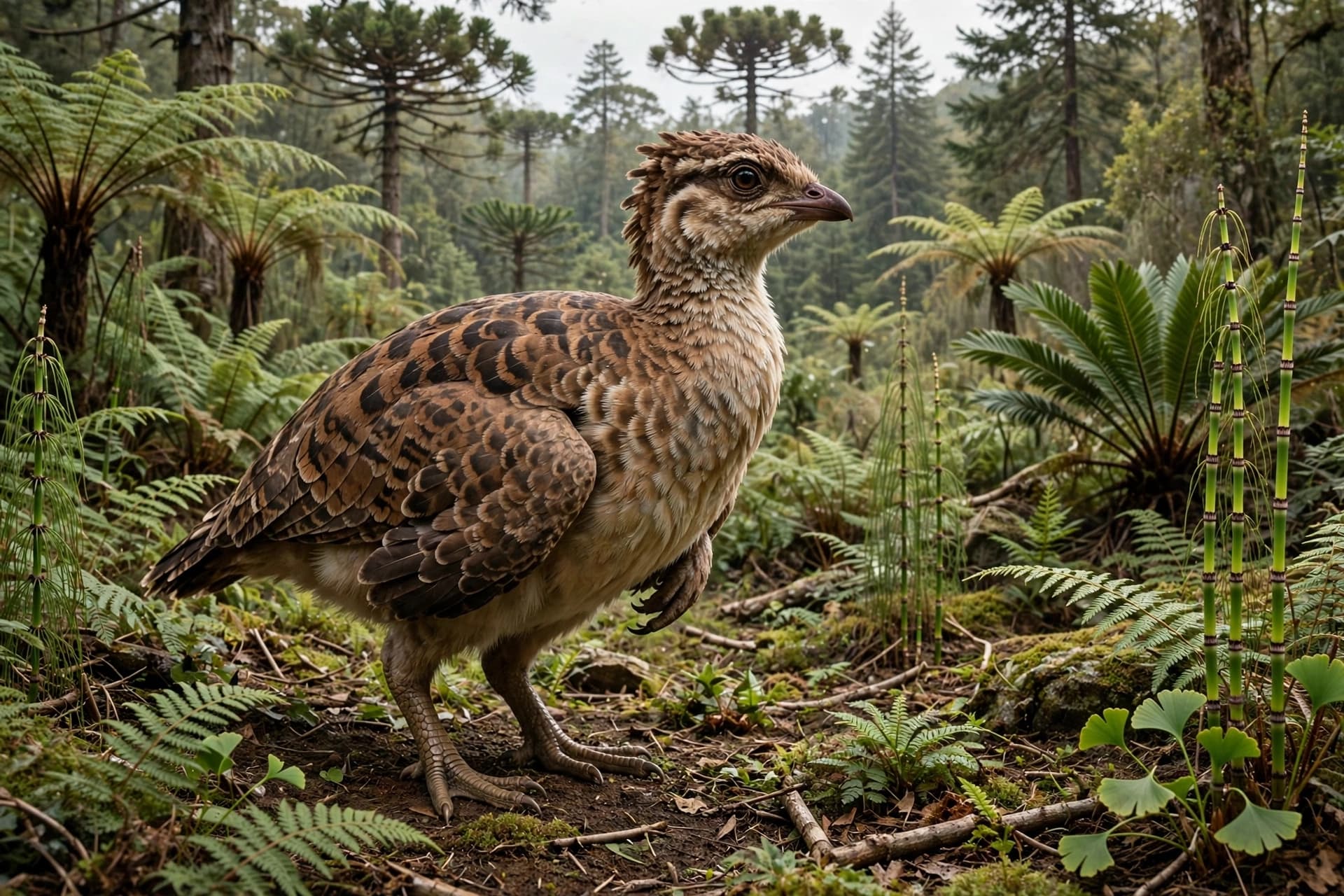
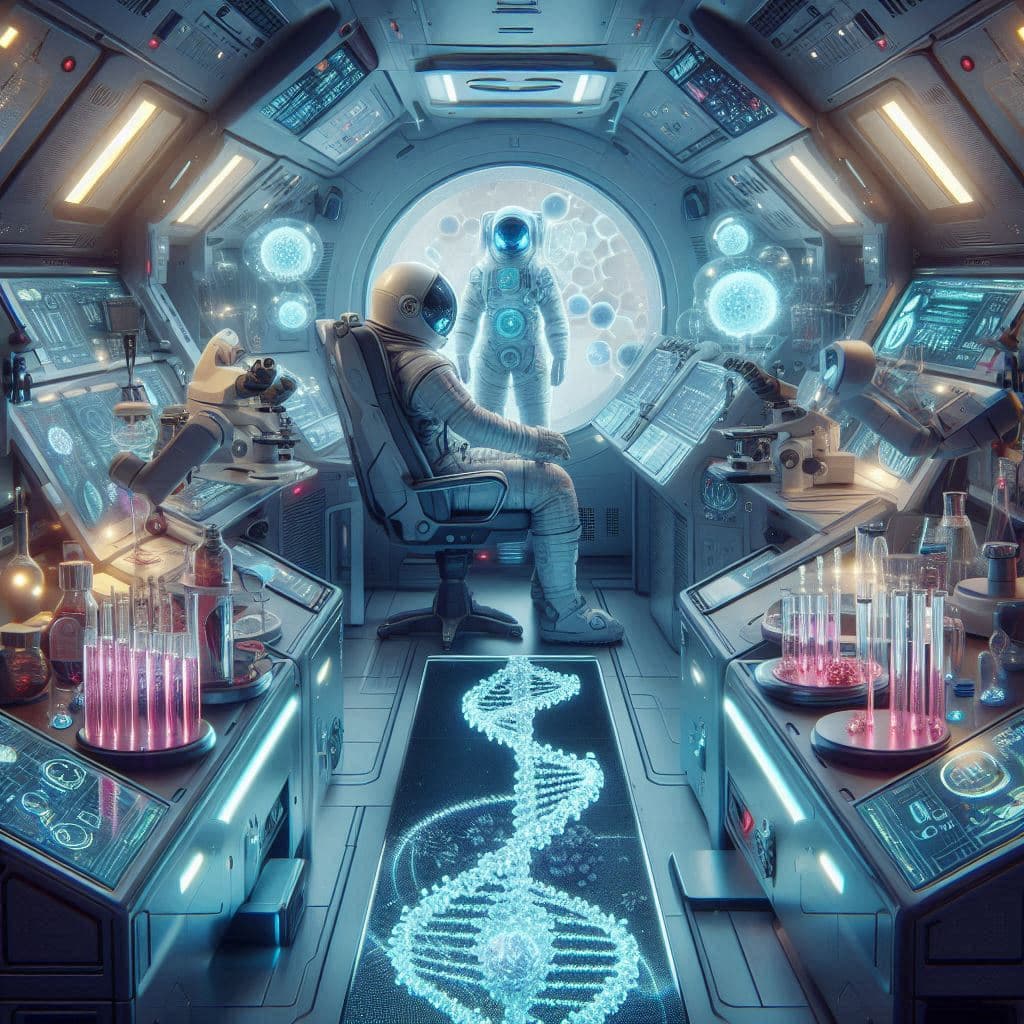
AI Image Disclaimer Visuals are created with AI tools and are not real photographs.
Sources (Credible Mainstream/Niche) Space.com news Economic Times international news GB News science reporting Phys.org science news NASA/space biology research summaries
Published by Banx Network. This article is part of the Banx decentralized media programme, powered by the BXE token on the XRP Ledger.