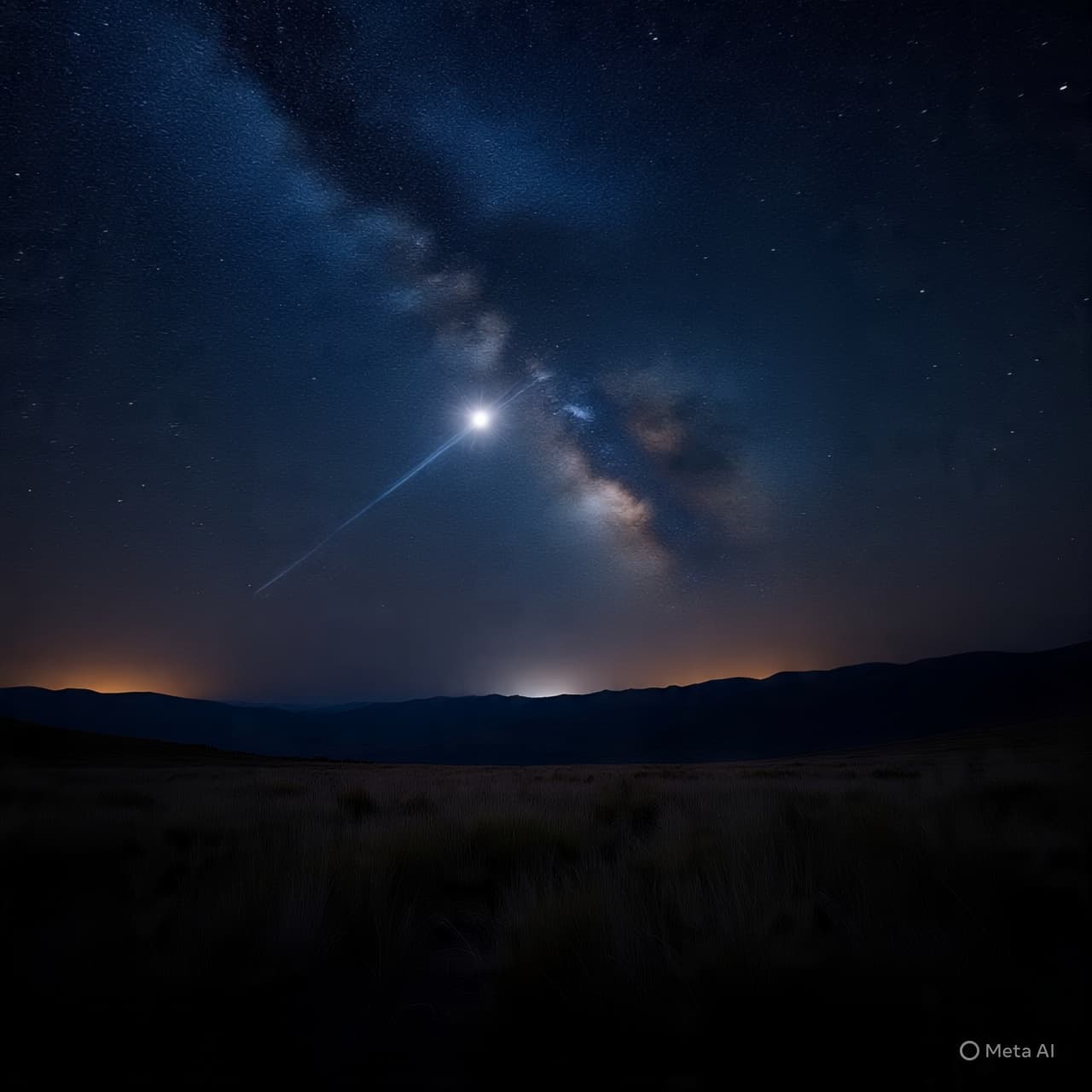
Stars That Would Not Stay: How the Milky Way Reveals Its Quiet Acts of Exile
Astronomers completed the largest study of runaway stars, using precise motion data to reveal how stars are ejected and what their paths tell us about the Milky Way.

Astronomers completed the largest study of runaway stars, using precise motion data to reveal how stars are ejected and what their paths tell us about the Milky Way.

Fossils show that giant pythons once lived in Taiwan during warmer prehistoric periods, reflecting how climate shaped ancient ecosystems on the island.

New simulations suggest a nuclear detonation near an asteroid could safely deflect it without fragmentation, offering a potential last-resort option for planetary defense.

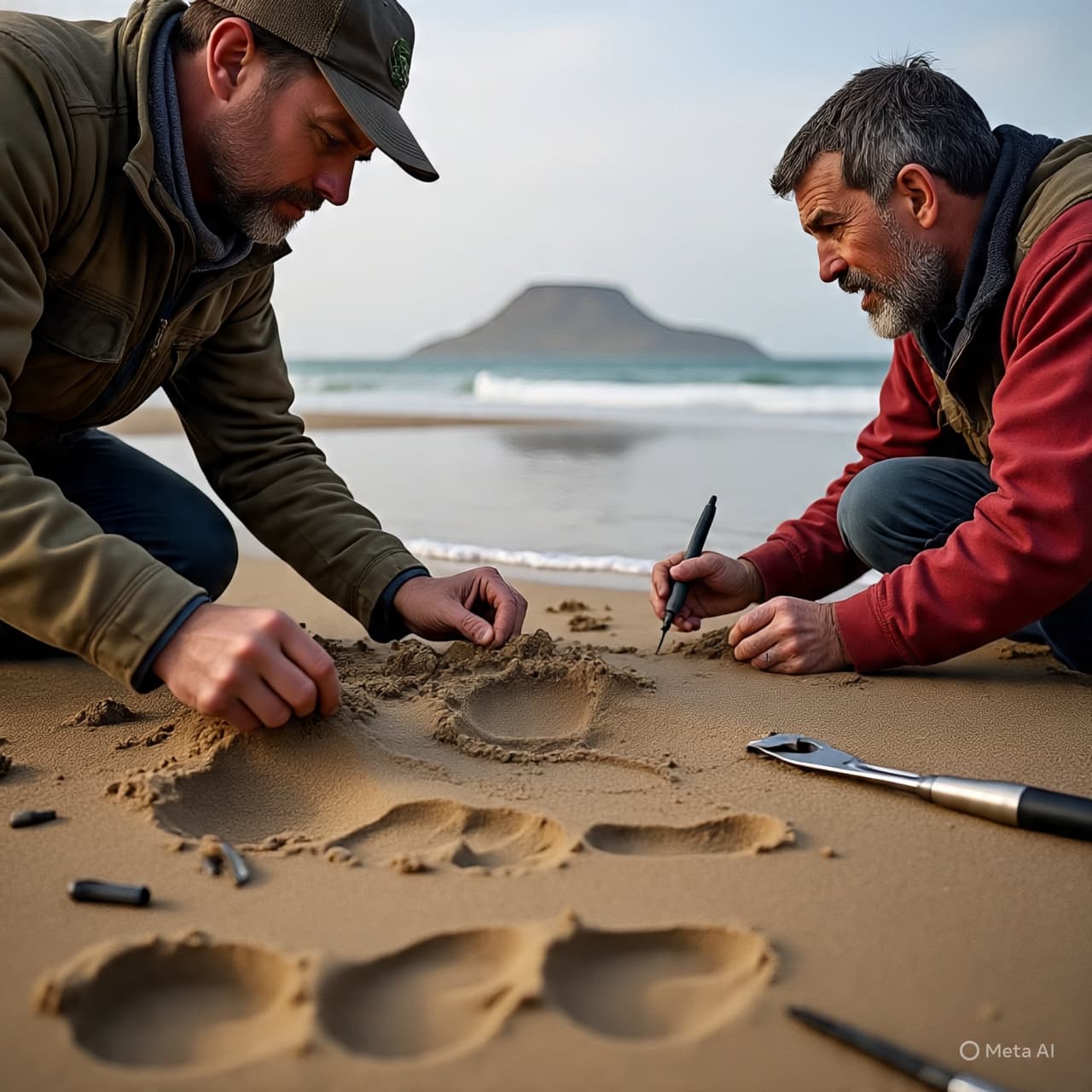
A new dinosaur track site on South Africa’s coast, the youngest yet found, captures footprints of species in motion, offering rare insight into their behavior and ecosystems.

Archaeopteryx had a toothed, unusual mouth but fed like modern birds, showing how early birds blended ancestral traits with behaviors conserved across millions of years.

A 1958 fossil discovered by a teen is now recognized as Australia’s oldest dinosaur, revealing new insights into the continent’s deep prehistoric past.

A tiny new herbivorous dinosaur discovered in Spain offers insight into ancient ecosystems, evolution, and the delicate lives of plant-eating dinosaurs millions of years ago.

UF Astraeus faculty help shape the national science strategy for human Mars exploration, combining research, foresight, and planning to prepare for humanity’s next frontier.

Scientific research suggests a meaningful life emerges from purpose, connection, curiosity, and reflection—practices that nurture resilience, fulfillment, and long-term wellbeing.

Scientists discover “dark oxygen” produced by microbes and minerals in deep-sea mining zones, revealing hidden ecosystems thriving without sunlight.

Treating cancer before 3 p.m. may improve survival by aligning therapy with the body’s natural circadian rhythms, enhancing treatment effectiveness and patient resilience.

As rift lakes dry, the Earth adjusts to the loss of weight, triggering earthquakes and potentially awakening volcanic activity in tectonically sensitive regions.

Scientists test Antarctic ice cores to understand ice strength and predict where and when major cracks may form, improving knowledge of ice shelf stability.

Dead satellites carry chemicals, but atmospheric burn-up and oceans minimize risks; the true concern lies in orbital debris, not surface contamination.

NASA’s Artemis II moon launch is delayed to March after hydrogen fuel leaks appeared again during a key prelaunch test, echoing challenges that first surfaced in Artemis I.

The Sun erupted with 27 solar flares in 24 hours, including the strongest in years. This surge caused radio blackouts and raises the chance of vivid auroras.

A bright streak of blue-green light lit up the New Zealand night sky on January 30. Captured on cameras and seen widely, experts say it was likely a meteor, though space debris cannot be ruled out.

New research reveals that weathered iron from a shrinking West Antarctic Ice Sheet may reduce the Southern Ocean’s carbon uptake, highlighting an unexpected climate feedback.

Two linked amphibian footprints from the Middle Jurassic were discovered in Beijing — the first such find in Asia — offering new insight into ancient ecosystems and amphibian evolution.

Pennsylvania students will connect with NASA astronaut Chris Williams aboard the International Space Station on Feb. 5 to have their STEM questions answered in a live, prerecorded session.

In a remote part of Yellowstone’s northern range, a seasonal “animal boneyard” of elk, bison and others forms when weakened herbivores die after feeding on early spring grass; their carcasses in turn sustain wolves, grizzlies and scavengers as part of the ecosystem’s life‑and‑death rhythm.

New research suggests the Green River’s seemingly “uphill” course through Utah’s Uinta Mountains is explained by lithospheric dripping — deep Earth material sinking and then rebounding the crust — temporarily lowering the landscape and allowing the river to carve its path before the surface rose again.

NASA conducts Artemis II’s wet dress rehearsal, simulating fueling and countdown for the first crewed Moon mission, paving the way for a potential Feb. 8 launch.

A global study identifies ~700 DNA variations linked to depression, highlighting the importance of diversity in research and paving the way for more personalized treatments.