History does not always change with a dramatic announcement. Sometimes it shifts quietly, through fragments of bone and stone resting beneath ancient soil. In places where wind and time have patiently erased footsteps, traces of early life remain, waiting for recognition. A recent fossil discovery dated to 2.6 million years ago has invited scientists to pause, reflect, and reconsider the earliest chapters of humanity’s story.
The finding comes from layers of earth that belong to a distant moment, when early human ancestors were still learning how to shape their world. Fossils and stone tools from this period suggest that the origins of human behavior may reach further back than once believed. At 2.6 million years old, these remains sit at the threshold between instinct and intention, where survival began to involve planning, tool-making, and cooperation.
Researchers studying the discovery point to its potential implications. The age of the fossils aligns closely with the earliest known stone tools, long associated with the dawn of human technology. If these remains are confirmed to belong to early members of the human lineage, they may challenge existing timelines about when humans began altering their environment in deliberate ways. The question is not only who these beings were, but how they lived.
What makes the discovery especially compelling is its subtlety. There is no single bone or artifact that tells the whole story. Instead, meaning emerges from context: cut marks on animal bones, carefully fractured stones, and their position within geological layers. Together, they suggest behavior that goes beyond chance, hinting at cognitive steps that would later define humanity.
Scientists remain cautious. Fossils of this age demand careful analysis, repeated verification, and open debate. History, after all, is not rewritten in haste. Yet even with restraint, the discovery broadens the conversation about human origins, reminding researchers that evolution is rarely linear or simple.
For now, the fossil stands as a possibility rather than a conclusion. Further studies will determine how deeply it reshapes our understanding of early humans. What is clear is that the past still speaks, softly but persistently, through stone and time.
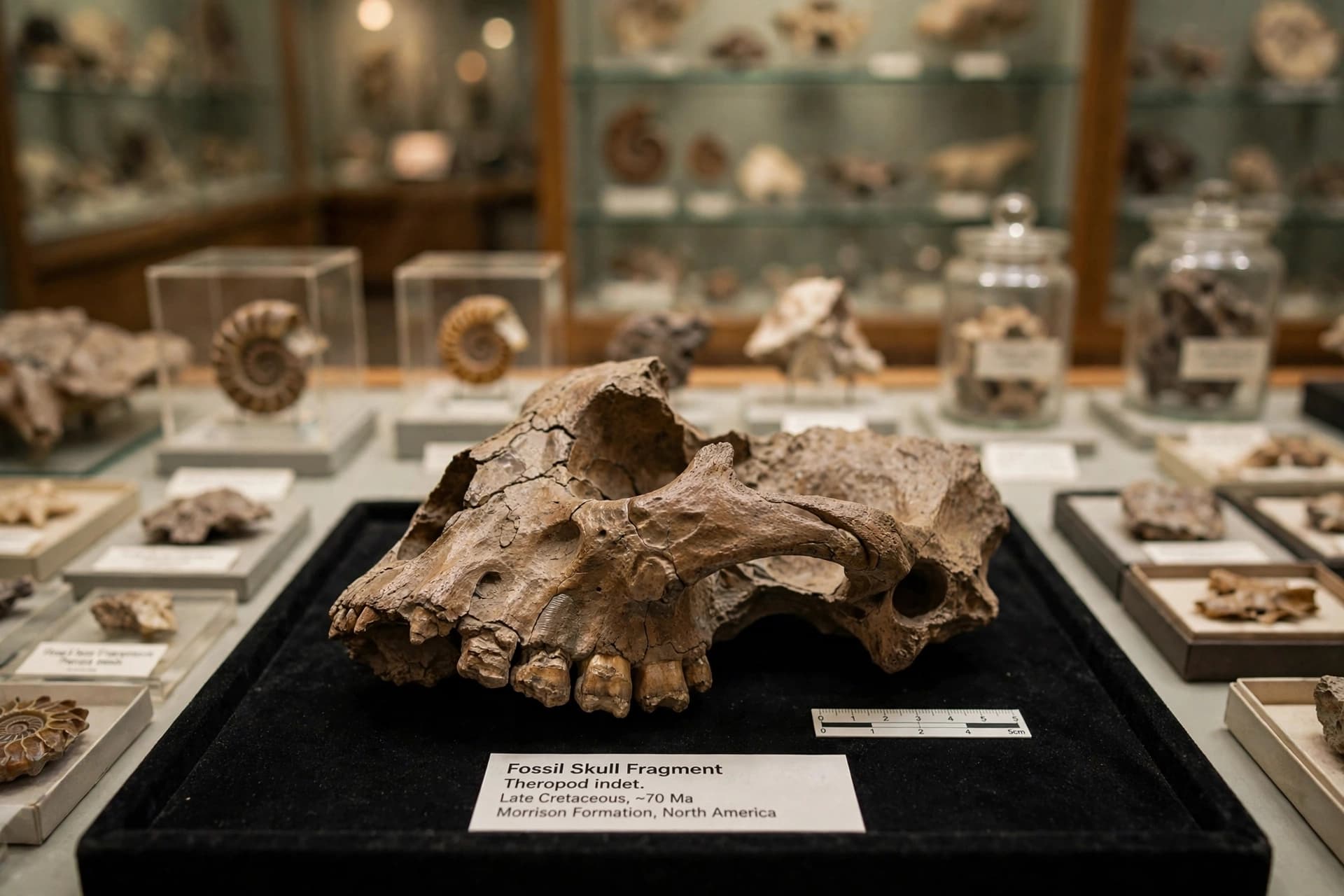
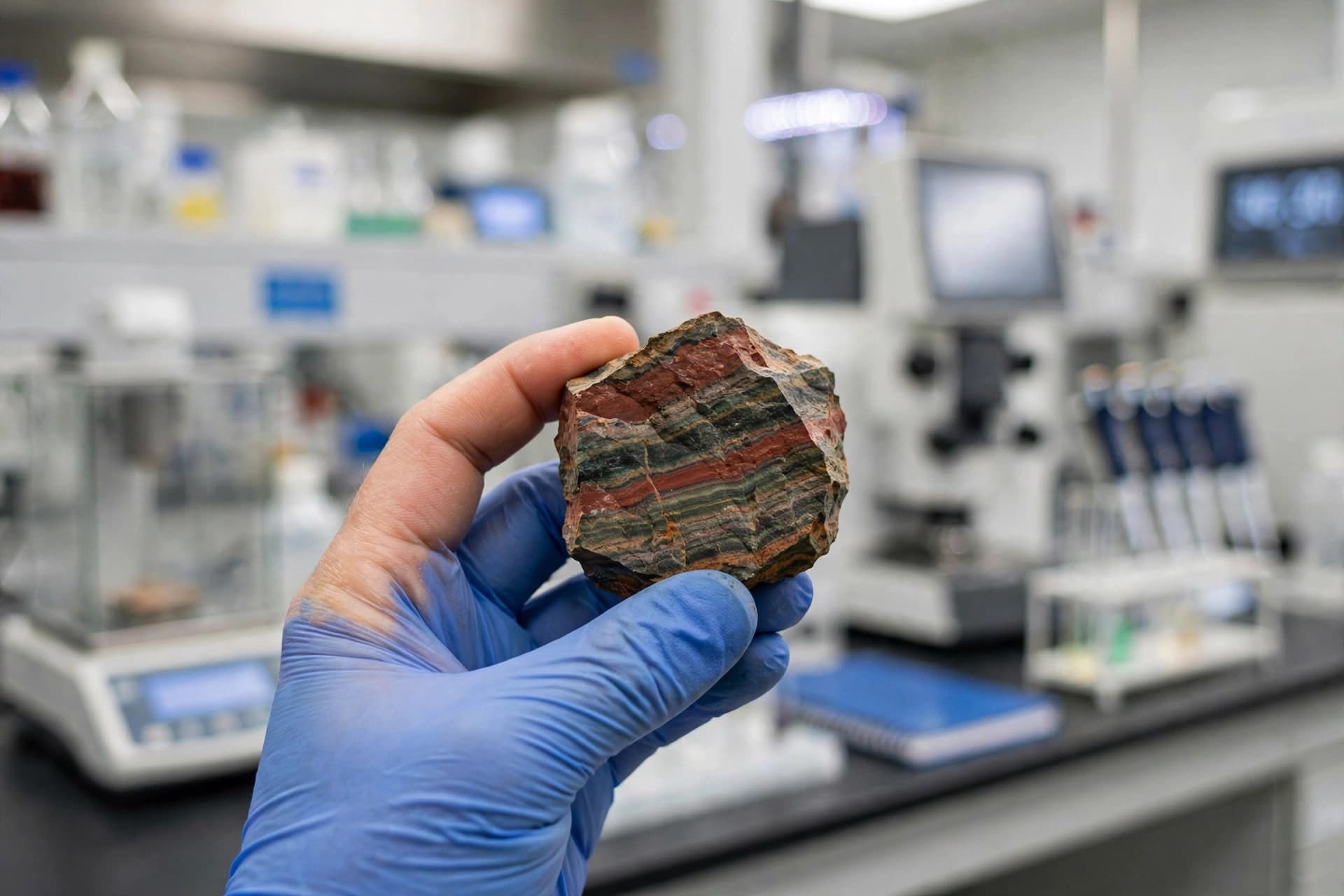
AI Image Disclaimer Images in this article are AI-generated illustrations intended to visualize concepts, not actual photographs.
Confirmed sources include:
BBC News National Geographic Reuters Scientific American Nature
Published by Banx Network. This article is part of the Banx decentralized media programme, powered by the BXE token on the XRP Ledger.