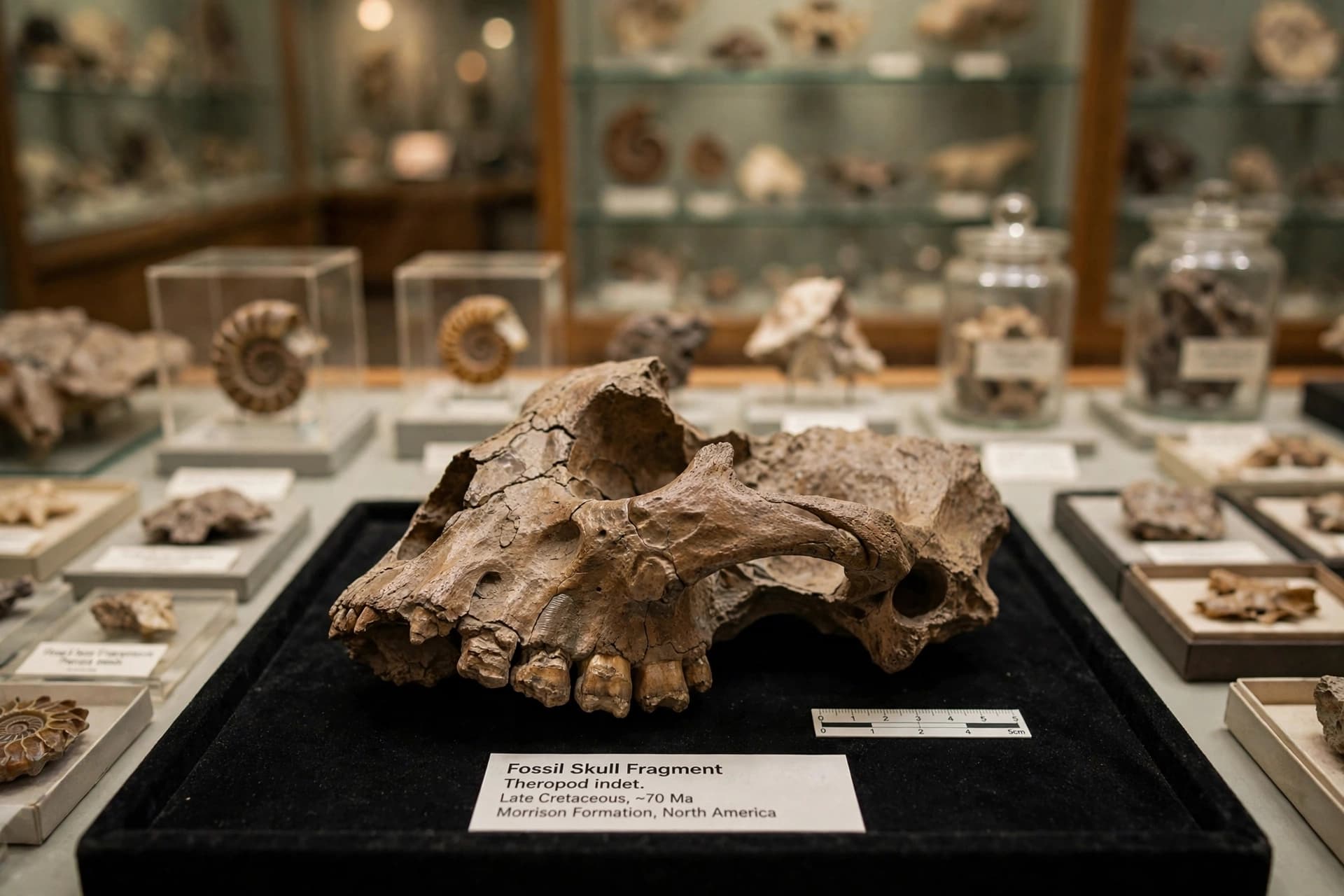
Beneath layers of stone, silent witnesses of Earth’s deep past lie preserved. Fossils, half a billion years old, hold more than the shapes of ancient life—they carry chemical traces that whisper the planet’s story. Scientists have uncovered a compound within these ancient remains, a molecular echo of Earth’s carbon cycle, revealing how carbon flowed through oceans and atmosphere long before humans walked the planet.
The discovery transforms these fossils from static relics into dynamic storytellers. The compound, preserved against time’s relentless erosion, maps the movement of carbon across ancient ecosystems. It tells of oceans teeming with microbial life, of atmospheric changes, and of planetary processes that shaped climate over hundreds of millions of years. Each molecule is a messenger, connecting the present to a distant, almost unimaginable past.
This insight challenges assumptions about the stability and variability of Earth’s carbon cycle. By understanding how carbon circulated during the Cambrian period, scientists gain perspective on the resilience of our planet’s systems—and the factors that can shift them. The ancient molecule is both a record and a warning: the Earth’s cycles are vast, yet delicate, balancing life, climate, and geology in intricate choreography.
For researchers, the finding opens a window into paleoecology and biogeochemistry. Fossils are no longer just anatomical archives; they are chemical time capsules. Through them, the carbon story unfolds, revealing patterns that echo into our modern climate, offering context for contemporary environmental challenges.
As we peer into stone and molecular remnants, we are reminded that Earth’s history is written not only in layers of rock but in subtle, enduring chemistry. Every compound, every fossil, carries the memory of our planet—a memory that speaks quietly but profoundly about the cycles that sustain life.
AI Image Disclaimer
Visuals are AI-generated and serve as conceptual representations.
Sources
Nature Communications Geochemical Perspectives Letters Science Paleoceanography and Paleoclimatology University research press releases
Published by Banx Network. This article is part of the Banx decentralized media programme, powered by the BXE token on the XRP Ledger.