Before the Nobel, Before the Microscope: A Carbon Mystery Revisited
Scientists suggest Thomas Edison may have unintentionally produced graphene-like structures in early light bulb filaments, decades before the material was formally discovered.

Scientists suggest Thomas Edison may have unintentionally produced graphene-like structures in early light bulb filaments, decades before the material was formally discovered.

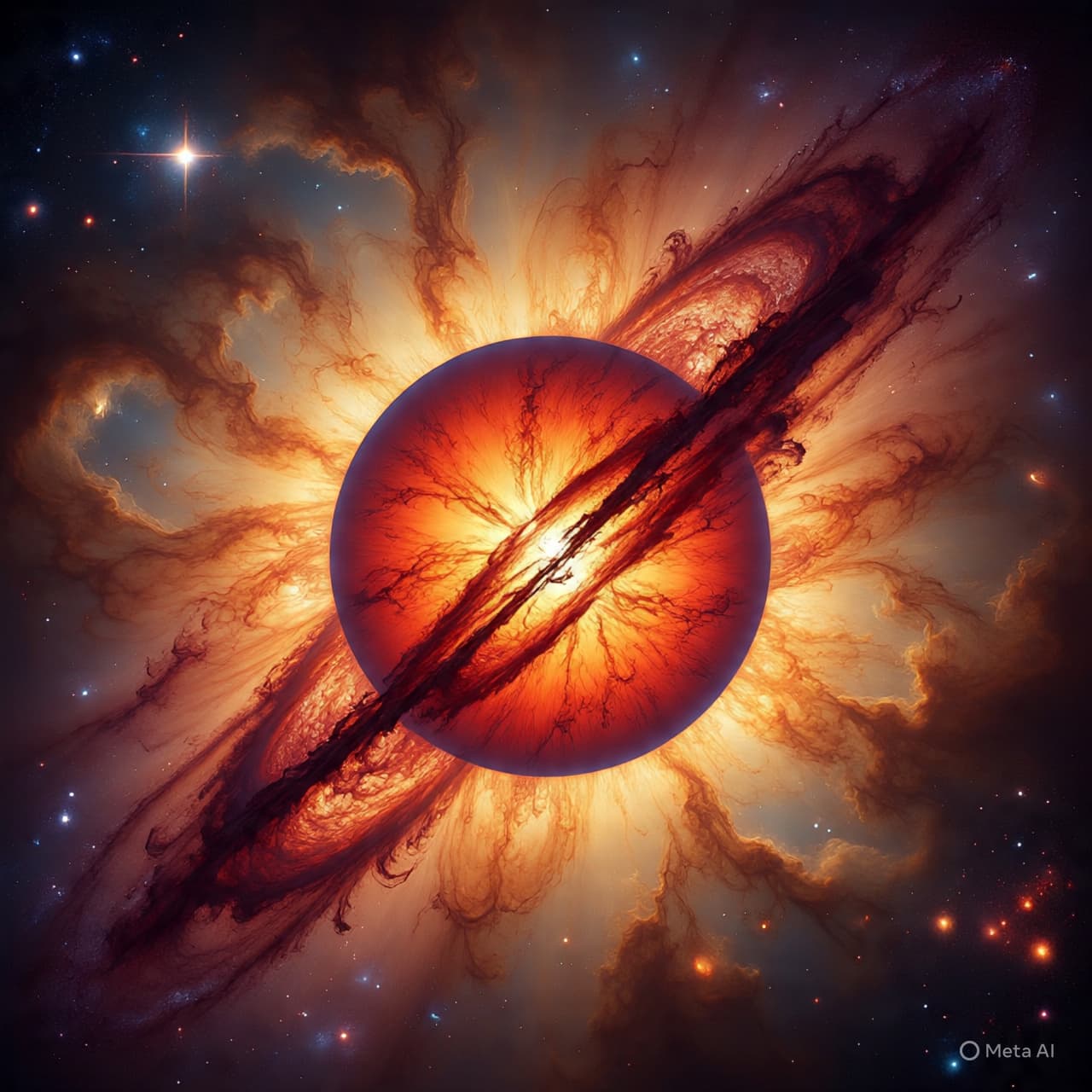
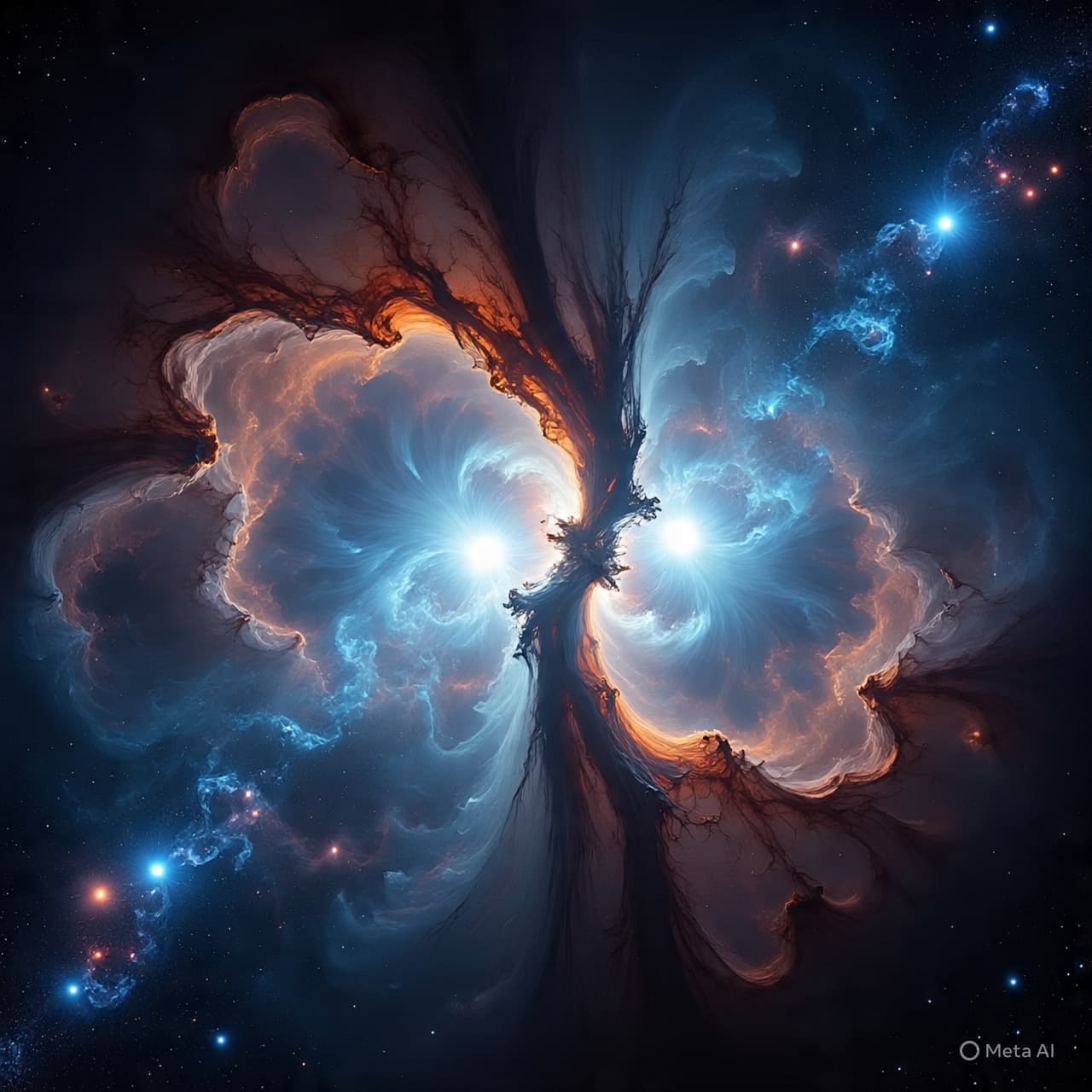
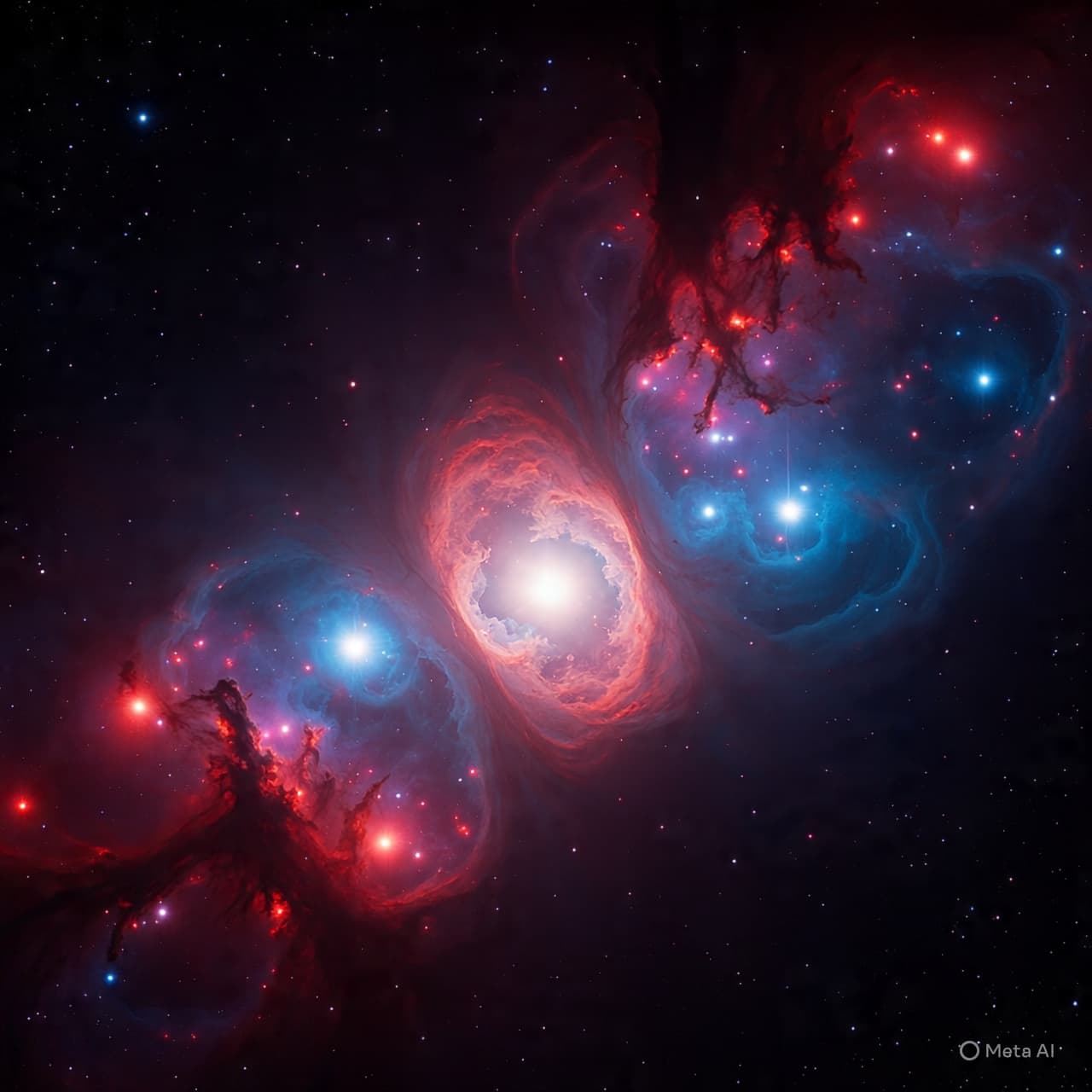
Astronomers have discovered an unexpected narrow bar of ionized iron inside the Ring Nebula, raising new questions about how material is shaped around dying stars.

New research shows that surprisingly large nanoparticles still display quantum interference, suggesting quantum effects persist beyond the atomic scale and prompting deeper exploration of the quantum-classical boundary.

A physicist merged cosmological concepts with ancient ideas by suggesting the cosmic horizon — the limit of observable space — could metaphorically align with spiritual notions of heaven.

Modern scientists recreate Edison’s 1879 bulb conditions and find evidence that carbon filaments may have transiently formed graphene‑like material.

Artemis II’s crew may be the first humans to see extensive far‑side lunar regions and features like Mare Orientale in full light during their flyby around the Moon.

A new space time‑lapse shows rare solar eruptions and prominences from the Sun’s corona, captured with advanced instruments, offering fresh insight into solar activity.

Jupiter’s moon Europa, with a deep hidden ocean and possible seafloor interactions, remains a key focus for habitability studies — though new research raises questions about seafloor activity.

NASA’s Artemis II lunar mission nears launch, but some experts raise questions about the Orion spacecraft’s heat shield even as the agency assures crew safety.

Scientists have identified a hidden brain cleanup system that clears waste during rest, reshaping understanding of sleep, brain health, and how the mind quietly maintains itself.

Astronomers have found black holes in the early universe growing at astonishing rates that challenge traditional limits, opening new questions about cosmic evolution and black hole physics.

AI is reshaping biology by guiding molecular design, suggesting a post-Darwinian phase where evolution is accelerated by intelligence rather than driven by chance alone.

Biofilms reveal how life began and endured through cooperation, evolving from early survival structures into systems now studied for medicine, ecology, and future life-support technologies.

ALMA’s detailed images of debris disks reveal delicate rings of dust around distant stars, offering insight into how planetary systems form, evolve, and quietly reshape themselves over time.

Edison didn’t invent graphene, but his carbon filaments may have briefly formed structures like it—an early encounter with a material science wouldn’t recognize for another century.

As NASA prepares to send astronauts back to the Moon aboard Orion, debate persists over safety, legacy technology, and how much risk is acceptable for deep-space exploration.

Russian researchers describe a plasma propulsion concept that could dramatically shorten Mars travel, challenging current chemical-rocket approaches while remaining largely theoretical.

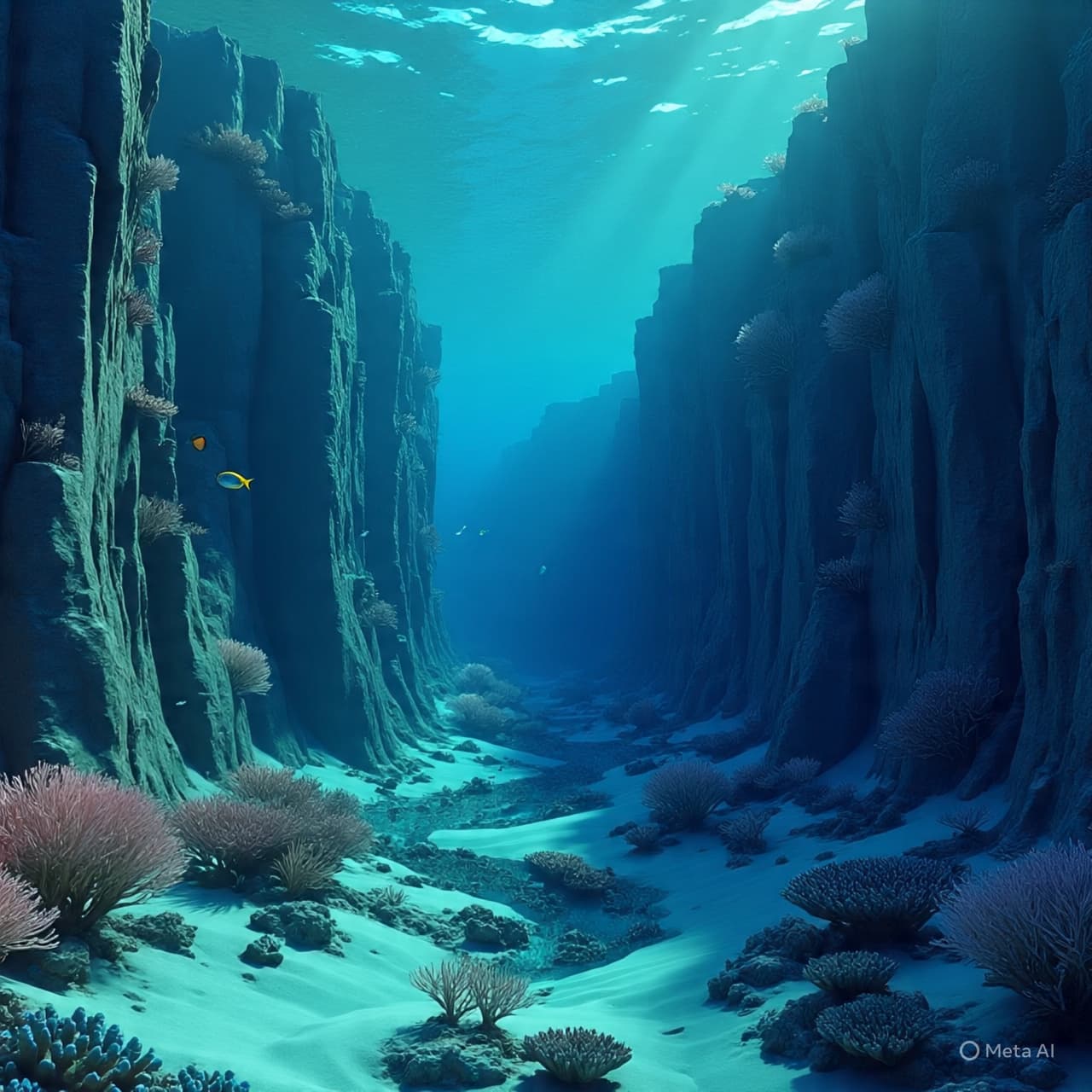
An ancient ocean called the Tethys once stretched across Eurasia. Its gradual closure reshaped fault lines and uplifted terrains, helping build much of Asia’s mountain landscape.

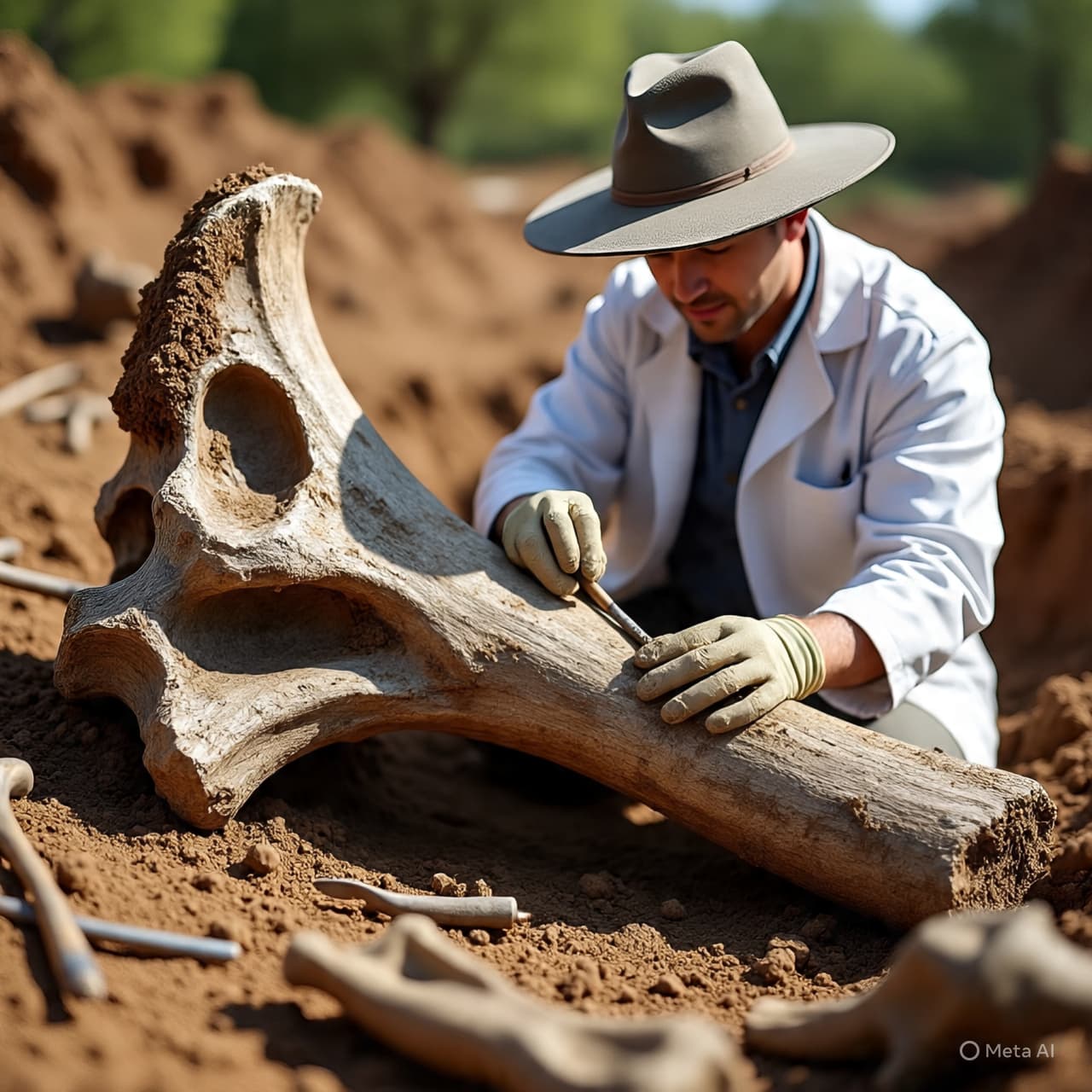
Microscopic growth rings in T. rex leg bones reveal it matured later and more variably than once thought, prompting scientists to rethink growth, species diversity, and life history.

A record-breaking ultra-high-energy neutrino detected in the Mediterranean may originate from an evaporating primordial black hole, suggesting these ancient objects could still influence our universe.

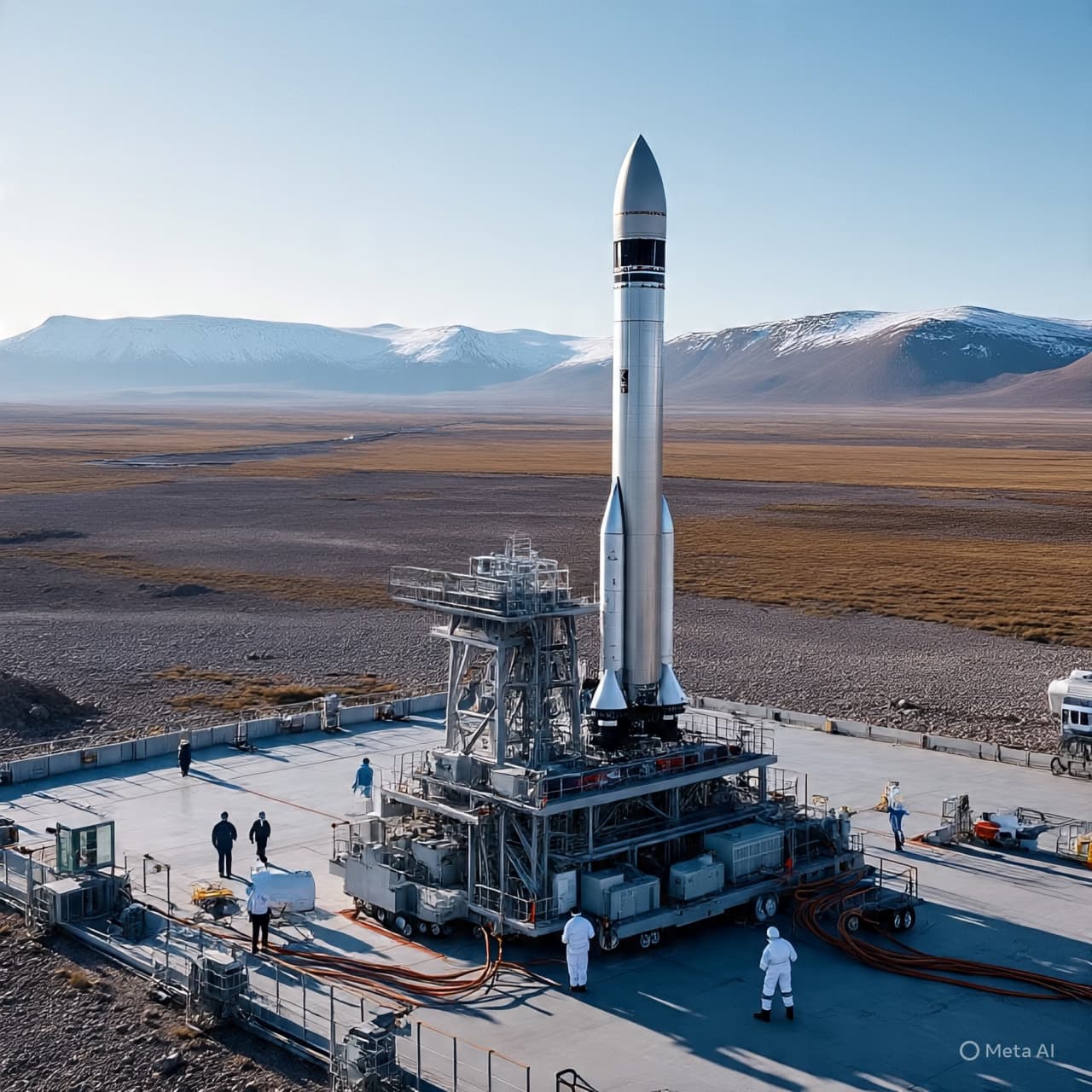
NASA’s Artemis 2 rocket now stands on the launch pad, poised for final tests like a wet dress rehearsal before a launch window opening in early February for a crewed lunar flyby.

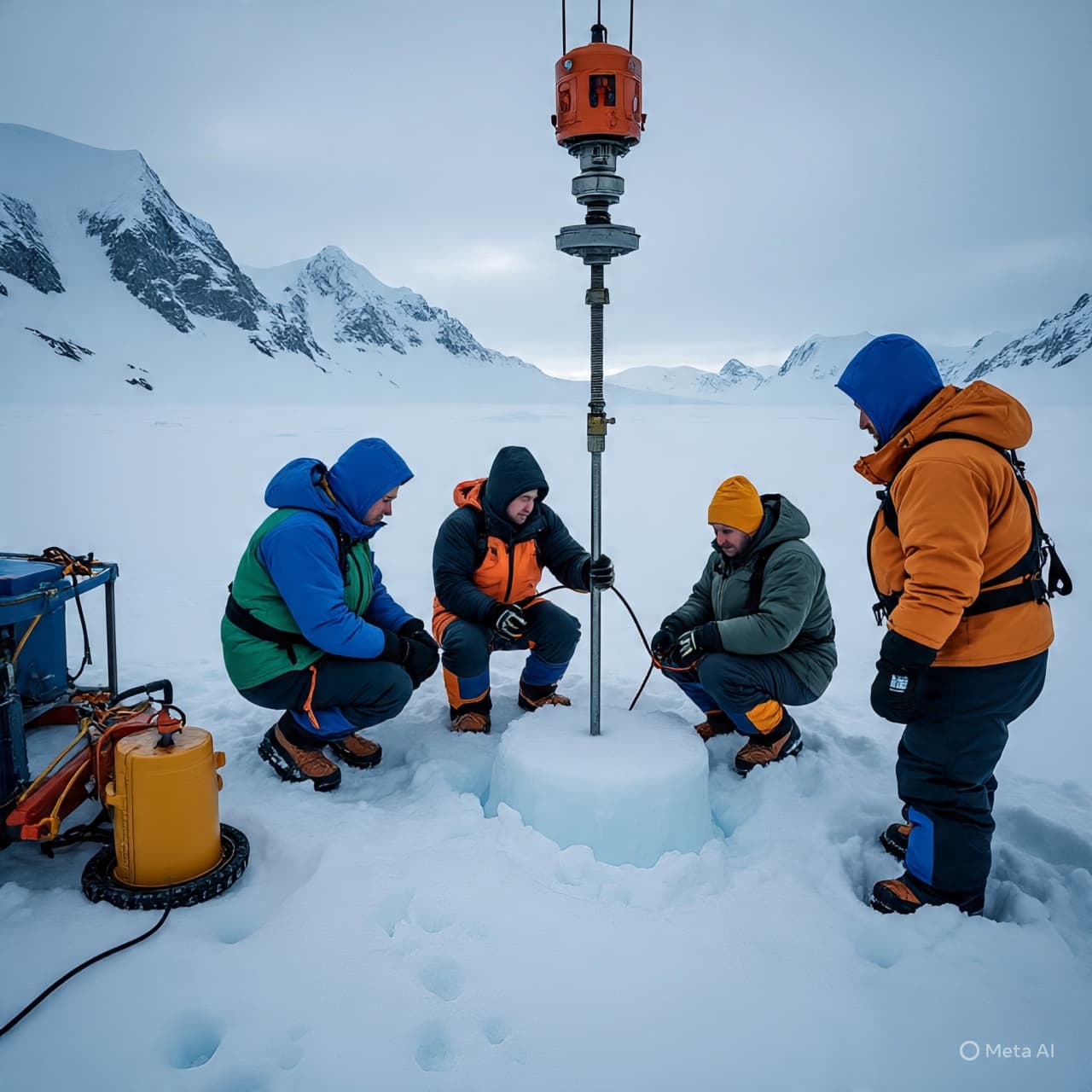
Scientists uncovered a remarkably preserved 34-million-year-old ecosystem beneath Antarctica, offering rare insight into the continent’s pre-ice past.

New evidence suggests Mars once hosted a vast, long-lived ocean, reshaping scientists’ understanding of the planet’s climate and early history.

NASA is preparing a historic Artemis mission that will send astronauts around the moon for the first time in 50 years, reopening a path last traveled during Apollo.