Invisible Threads in the Sky: What Is Stirring Within the Milky Way’s Magnetism?
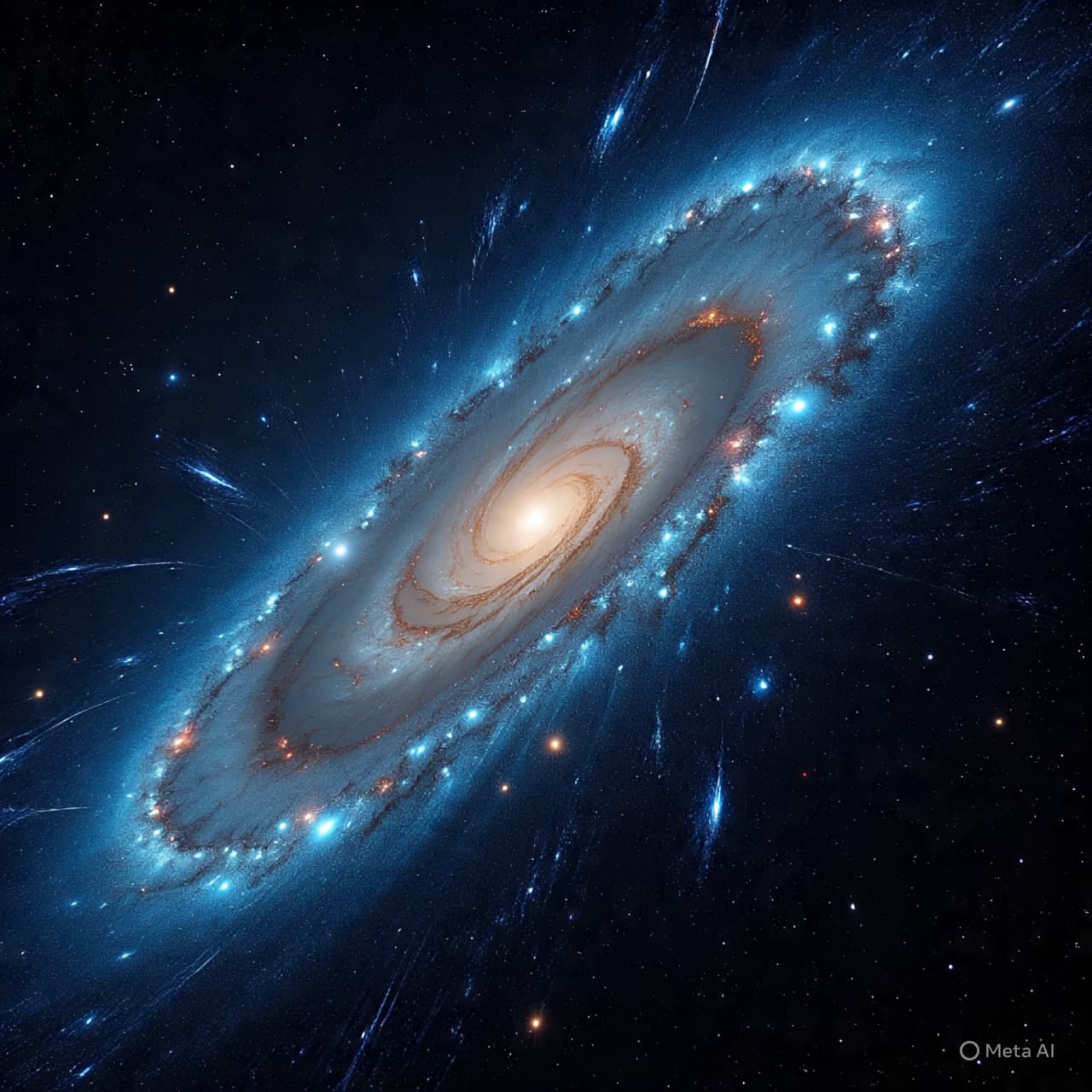
Astronomers have detected unusual large-scale structures in the Milky Way’s magnetic field, prompting new questions about how our galaxy’s hidden forces are organized.

Astronomers have detected unusual large-scale structures in the Milky Way’s magnetic field, prompting new questions about how our galaxy’s hidden forces are organized.

New research suggests early land plants began reshaping Earth’s climate and surface systems about 30 million years earlier than previously believed.

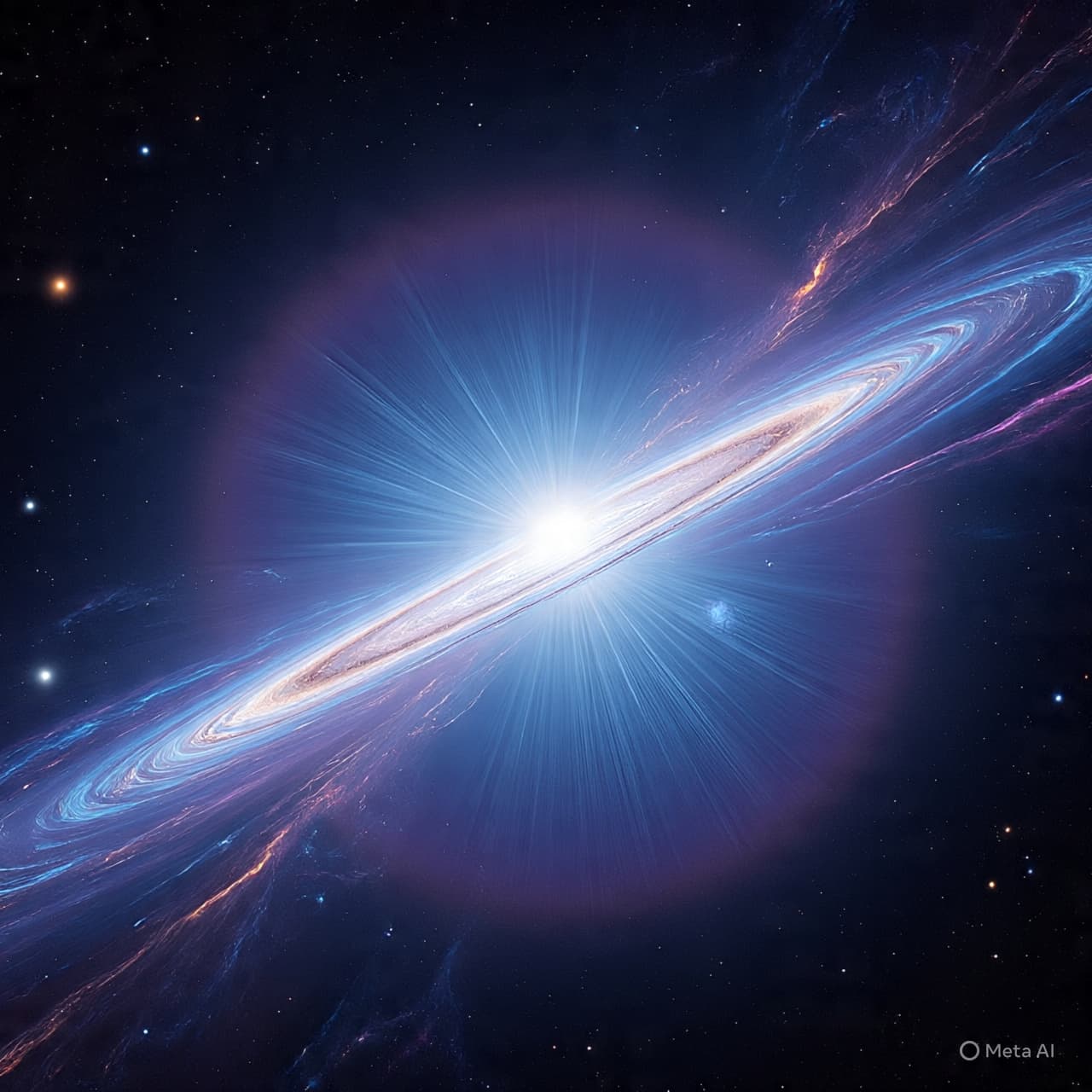
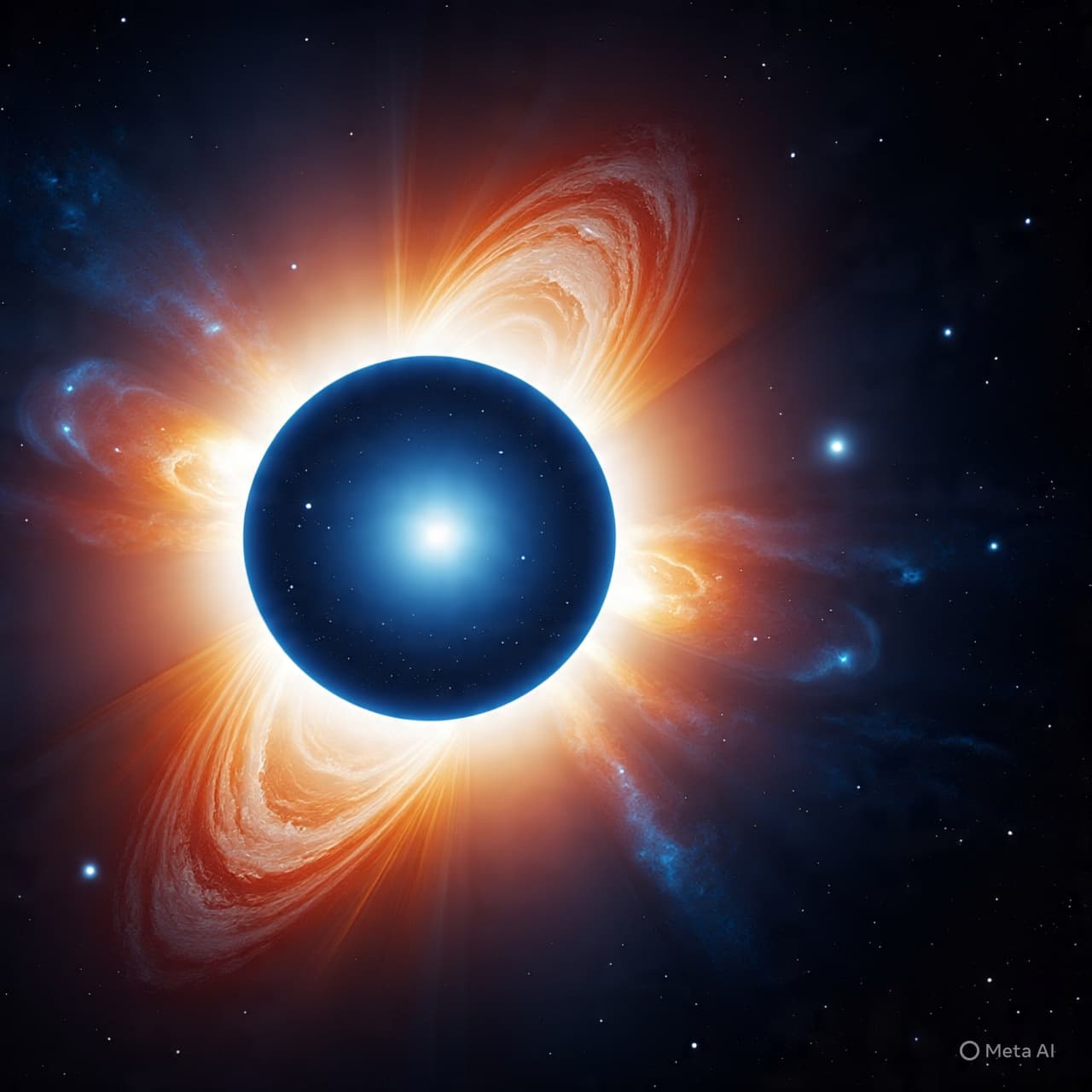
Astronomers discovered a massive stellar bubble around a young Sun-like star, offering clues about how our own Sun may have shaped the early solar system.

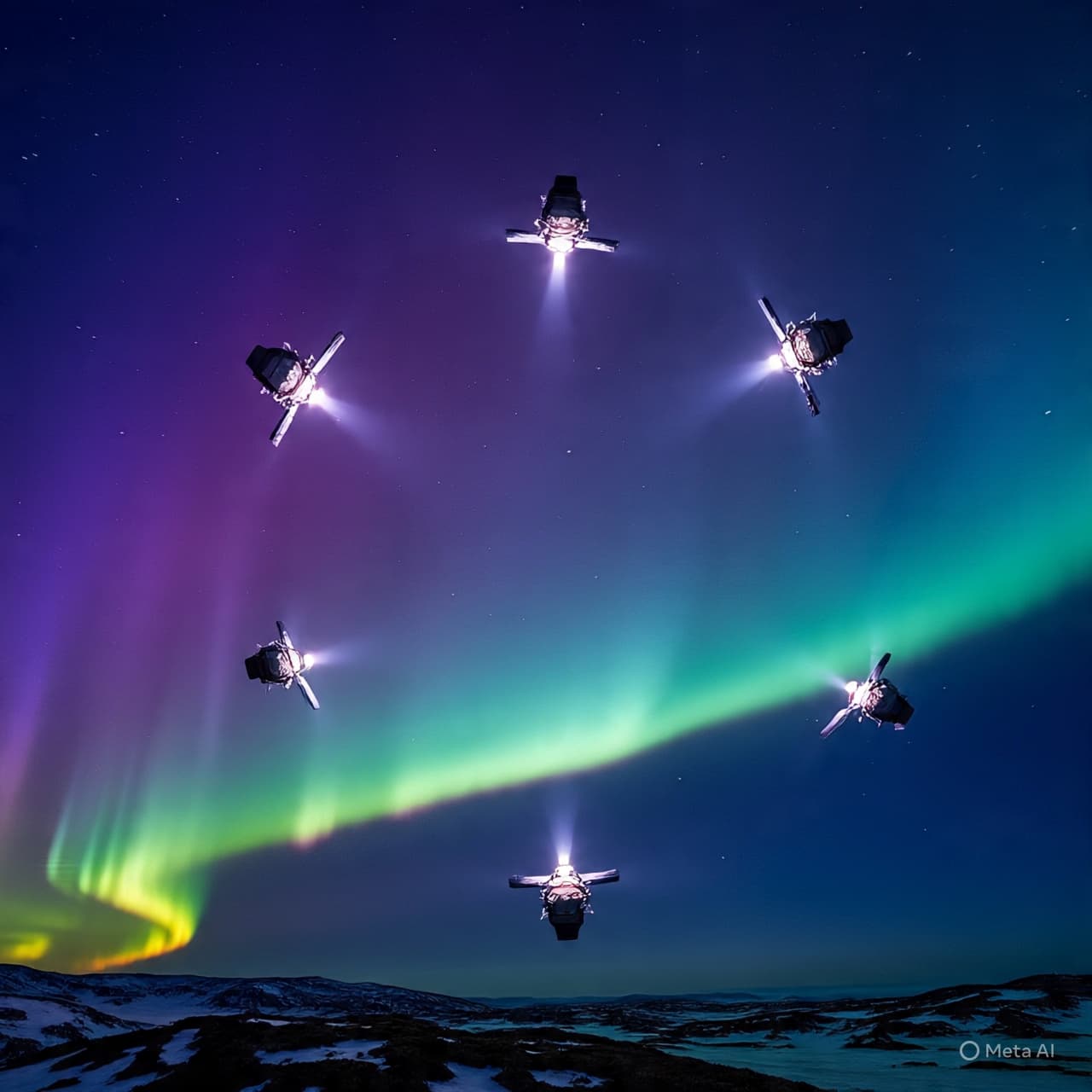
NASA’s CINEMA mission will send nine satellites to study Earth’s magnetotail and auroras, aiming to better understand energy flows and magnetic substorms.

Taiwan’s Central Weather Administration says a total lunar eclipse will coincide with the March 3 Lantern Festival, offering skywatchers a rare celestial display.

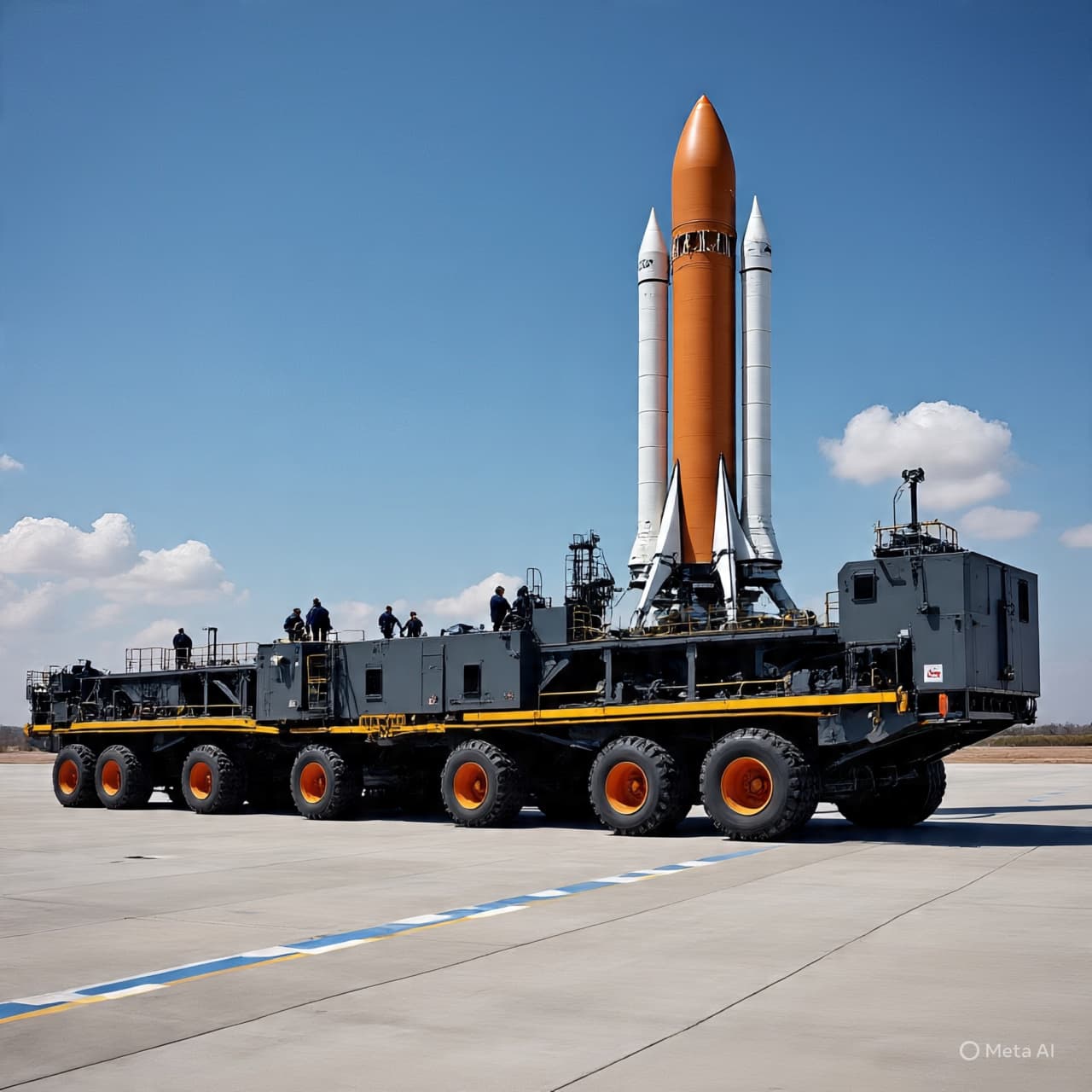
NASA will roll the Artemis rocket back to Kennedy Space Center’s assembly building for urgent repairs after another delay, prioritizing safety before launch.

A 190-million-year-old ichthyosaur fossil nicknamed the “Sword Dragon” suggests advanced marine predator traits evolved earlier than previously believed.

Scientists are developing a new forecasting tool that could provide earlier warnings of solar storms, helping protect satellites, power grids, and communications systems.

Scientists have revised the classification system for El Niño events to better reflect recent temperature spikes and their impacts on global climate patterns.

Study shows early land plants began expanding about 455 million years ago, leaving chemical evidence in sediments and reshaping Earth’s environment long before previously thought.

Wide landscape of Scottish Highlands with exposed ancient rock formations under cloudy sky, detailed stone textures, natural lighting.

After a 50-year scientific quest, researchers have created a stable silicon-based aromatic compound once thought impossible, expanding the boundaries of chemical bonding and materials science.

Physicists have proposed using the gravitational-wave background — a faint hum from merging black holes — as a new way to measure the universe’s expansion rate and refine the Hubble constant.

Physicists have proposed a new gravitational-wave background method to measure the universe’s expansion rate, offering an independent way to refine the Hubble constant and address ongoing cosmological tensions.

Physicists from Illinois and UChicago have developed a new gravitational-wave background method to measure the universe’s expansion rate, offering a refined way to constrain the Hubble constant and address ongoing cosmological tensions.

New research shows that Ice Age freeze‑thaw cycles likely smoothed northern Appalachian ridges, creating broader summits and gentler slopes compared with sharper southern peaks. This suggests ancient climate influences continue shaping modern landscapes.

NASA’s Chandra X‑ray Observatory captured the first clear X‑ray image of an astrosphere — a wind‑blown bubble — around a young Sun‑like star, HD 61005. This reveals how stellar winds shape space and offers insights into our own Sun’s early history.

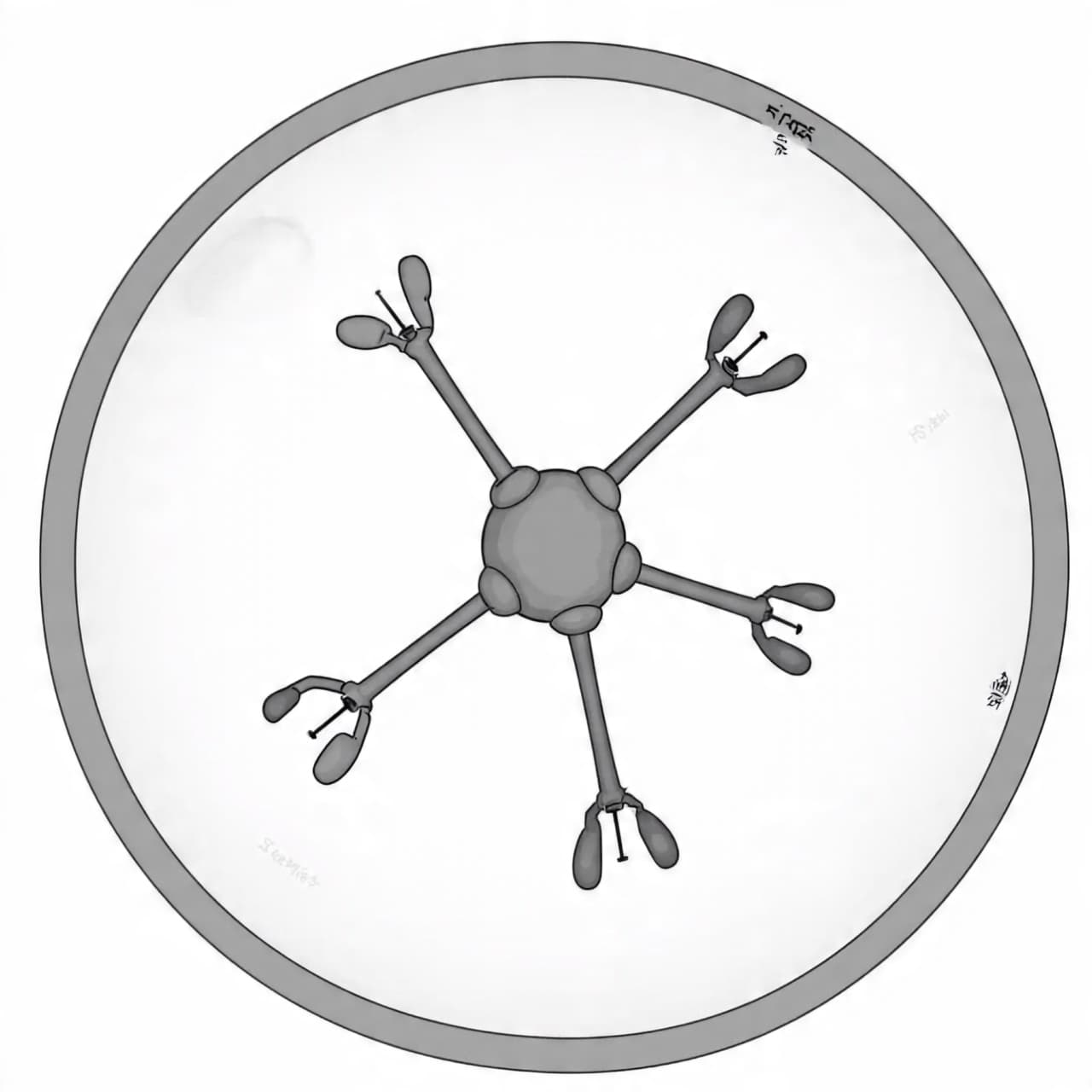
Scientists engineered four‑armed RNA “nanostars” that self‑assemble into programmable, membraneless compartments in E. coli. These structures can capture specific proteins using aptamers and respond reversibly to temperature, suggesting uses in biomanufacturing and synthetic biology.

Scientists used electronic genome mapping to directly chart where the LINE‑1 ORF2p endonuclease makes DNA “nicks” across the human genome. This genome‑wide mapping sheds light on how LINE‑1 activity can drive DNA damage and mutagenesis, with implications for cancer and genetic disease research.

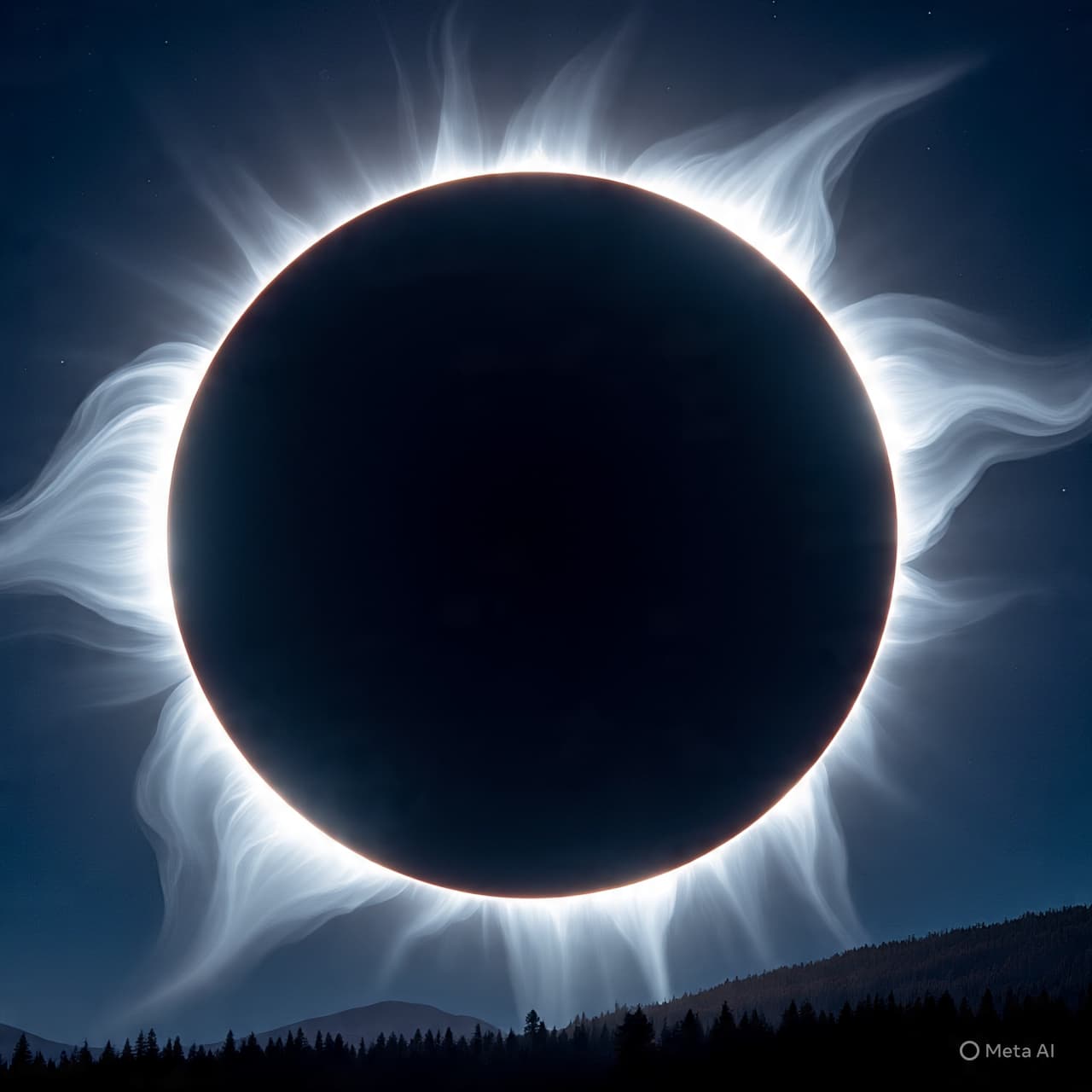
A NASA‑led citizen science project collected over 52,000 images of the April 8, 2024 total solar eclipse from 143 volunteer observatories. The publicly available dataset helps scientists study the Sun’s corona and dynamic features in new detail.

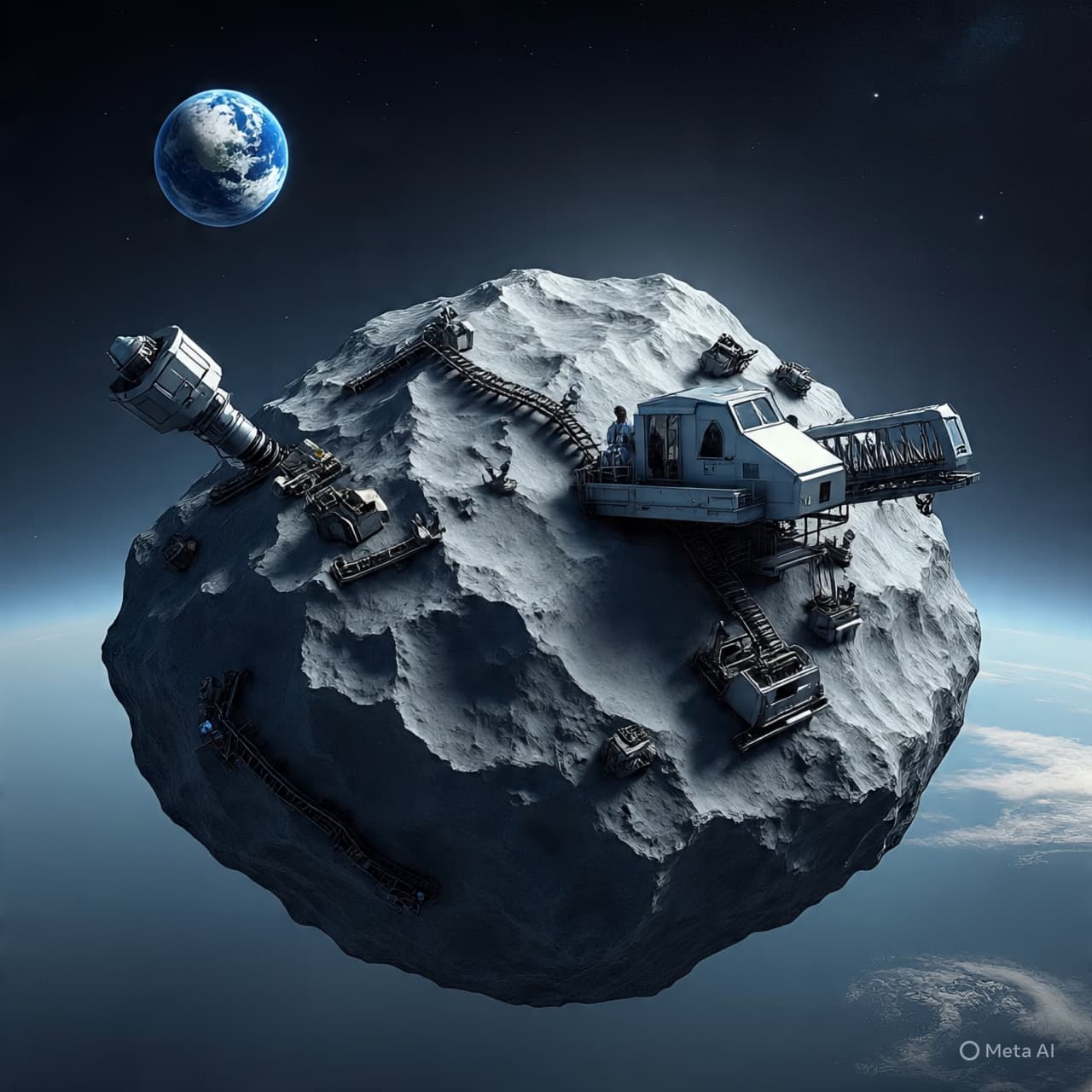
Asteroid mining promises access to rare resources, but existing international space law lacks clear frameworks for resource rights, ownership, licensing, and dispute resolution. National laws attempt to fill gaps, yet legal ambiguity remains.

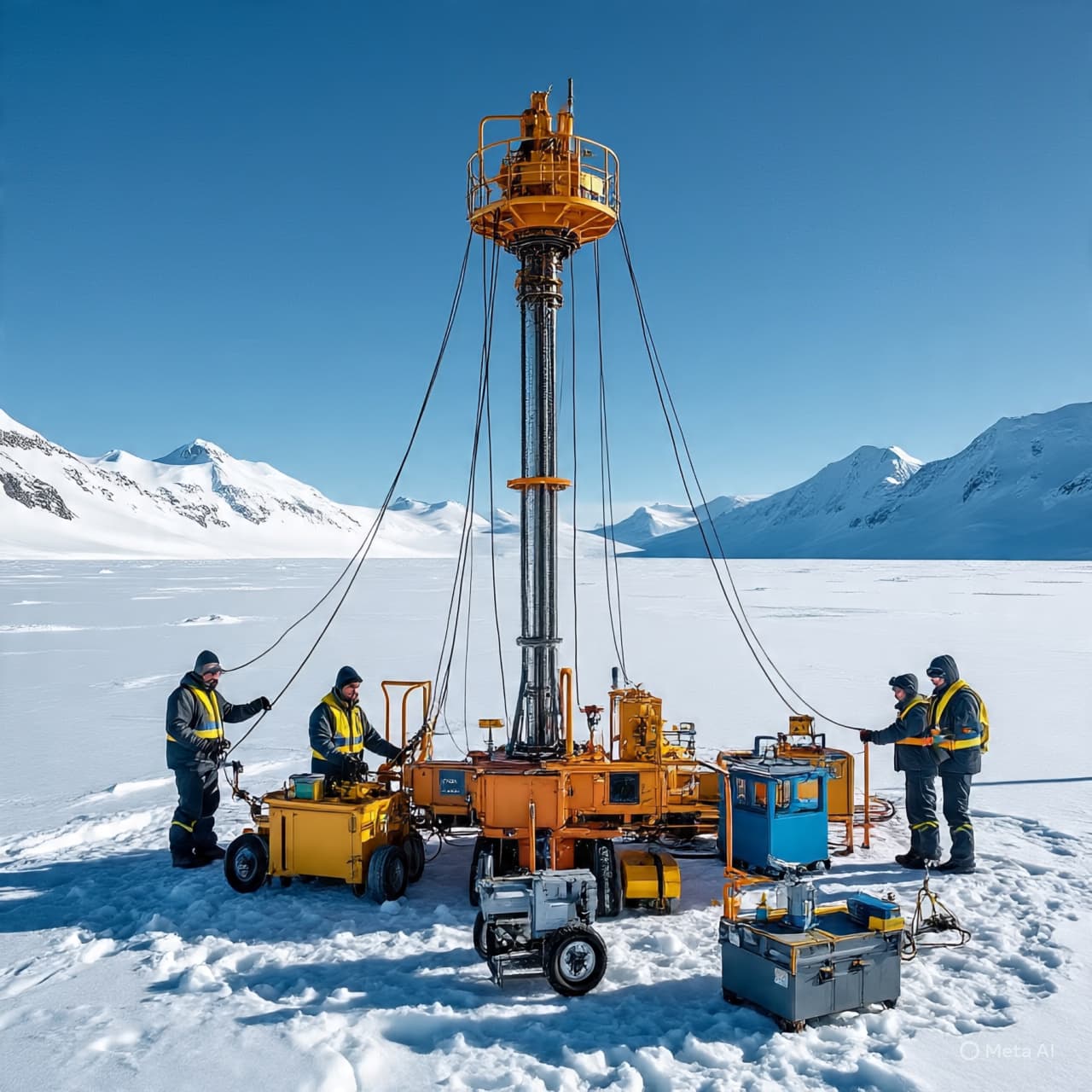
Scientists have extracted the longest sediment core from beneath the West Antarctic Ice Sheet. The 228‑meter record, spanning about 23 million years, contains clues about past warm climates and helps improve predictions for future ice behavior and sea‑level rise.

Beneath Antarctica’s deep ice, the IceCube Neutrino Observatory detects elusive neutrinos — ghostlike particles that can travel across the universe. Scientists study them to probe cosmic events, origins, and fundamental physics.

New research finds ancient oxygen-using microbes may have enabled the evolution of complex eukaryotic life, offering fresh insight into life’s early history.